
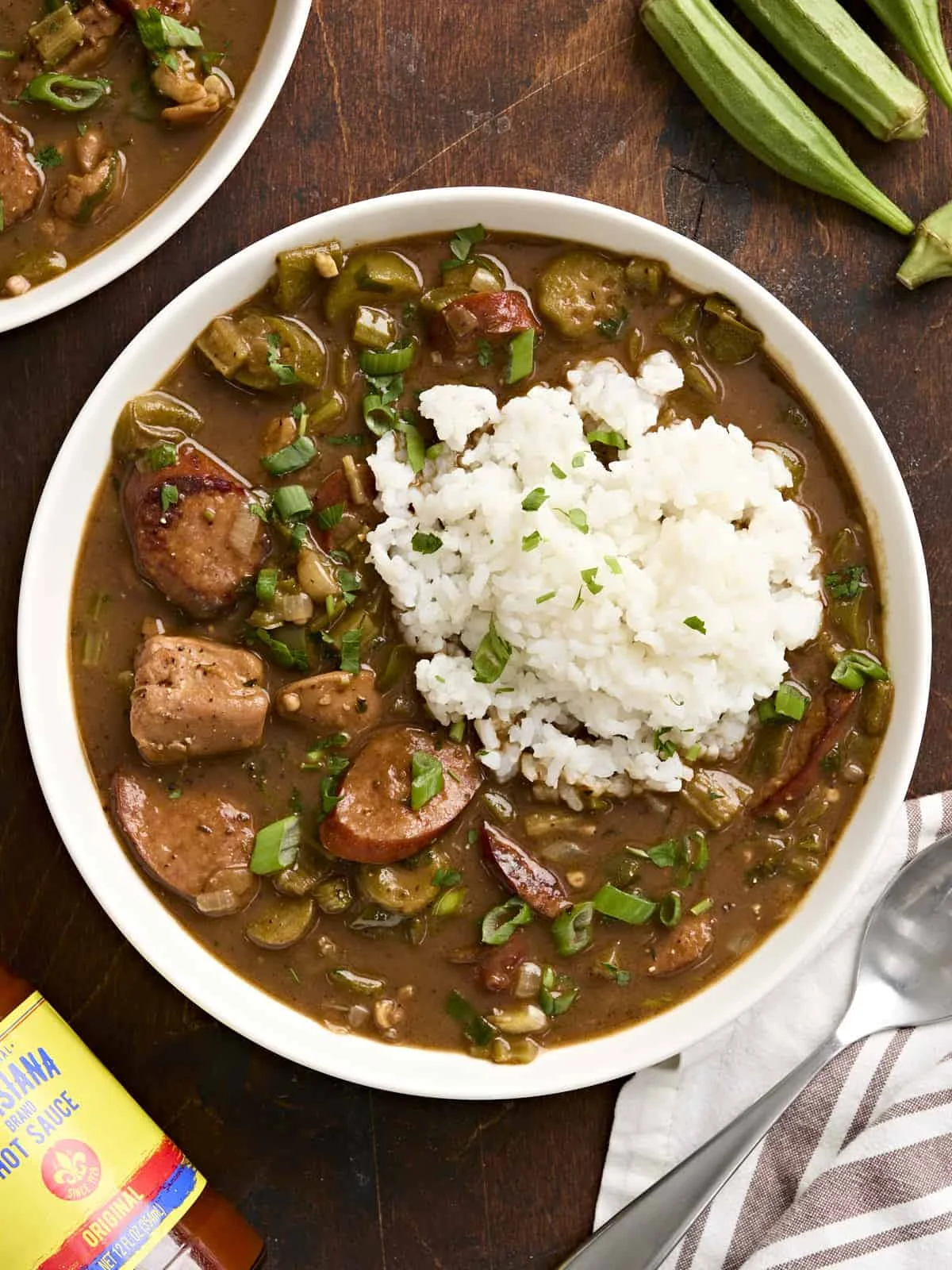
In the landscape of American regional cuisine, few dishes carry the weight of tradition, cultural fusion, and personal pride as significantly as Louisiana gumbo. Recent developments from the Nashville Test Kitchen, spearheaded by veteran recipe developer and chef Melissa Nolan, have brought a renewed focus to this Southern staple, specifically emphasizing the intersection of authentic culinary techniques and modern economic accessibility. As food inflation continues to impact household budgets across the United States, the release of a high-fidelity, budget-conscious gumbo recipe—costing approximately $1.88 per serving—highlights a growing movement toward "slow food" that remains financially viable for the average consumer.
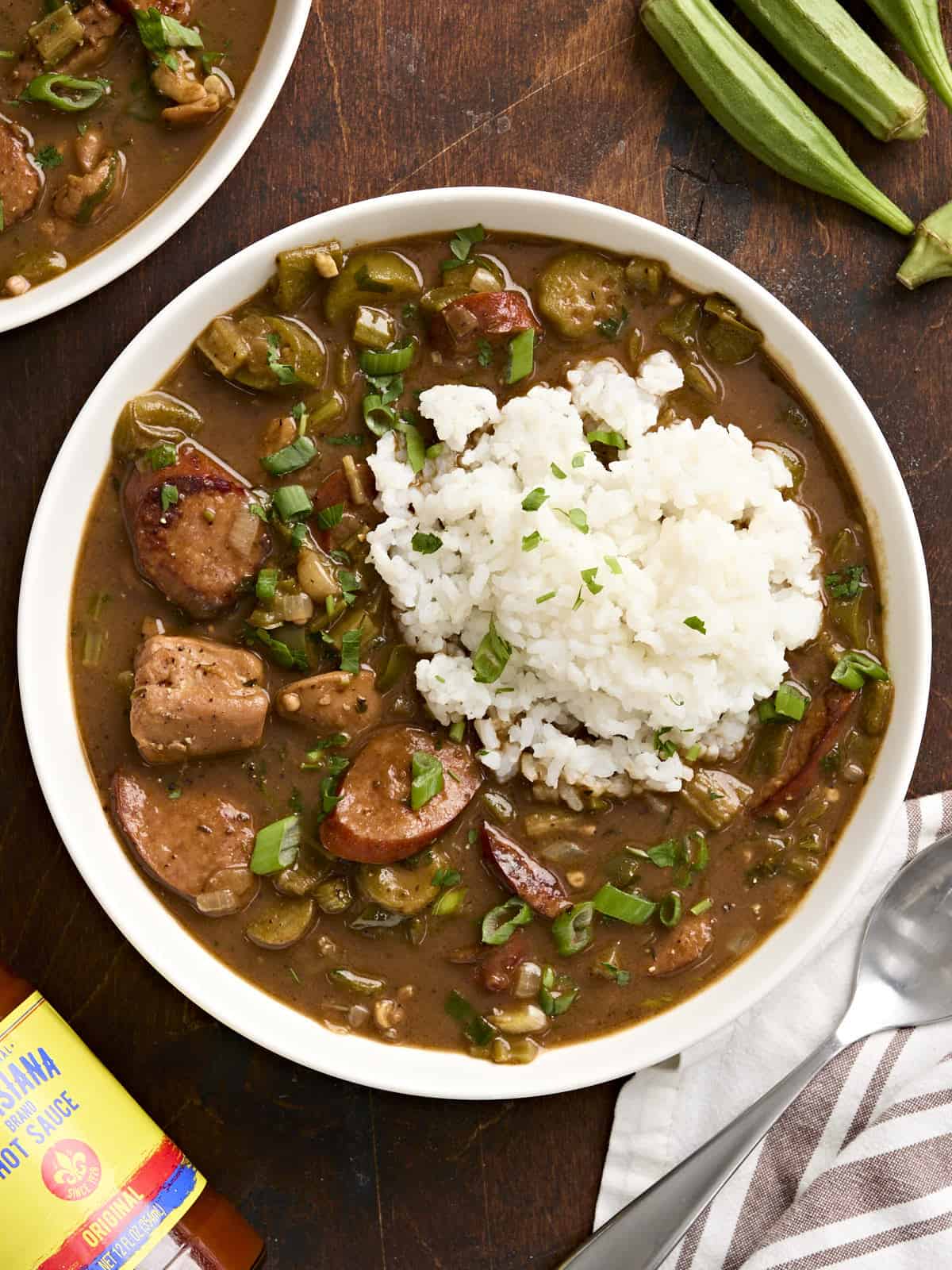
Gumbo is far more than a simple stew; it is a historical record of the diverse populations that shaped the Gulf Coast. The dish’s origins are a complex tapestry of West African, French, Spanish, and Native American influences. The word "gumbo" itself is derived from the West African Bantu word for okra, kingombo, which served as the primary thickening agent for early iterations of the dish. Simultaneously, the use of a roux—a mixture of flour and fat—points to French culinary foundations, while the "holy trinity" of vegetables (onions, celery, and bell peppers) is a localized adaptation of the French mirepoix. By integrating these elements with indigenous Choctaw filé powder and local proteins like andouille sausage and chicken, the dish has evolved into a symbol of Louisiana’s resilience and creativity.
The Chronology of a Culinary Labor of Love
The preparation of a traditional gumbo is defined by its chronological rigor, a process that Chef Nolan describes as a "three-hour labor of love." Unlike modern "dump-and-go" slow cooker recipes, the authenticity of gumbo is predicated on a specific sequence of chemical reactions and flavor-building stages.
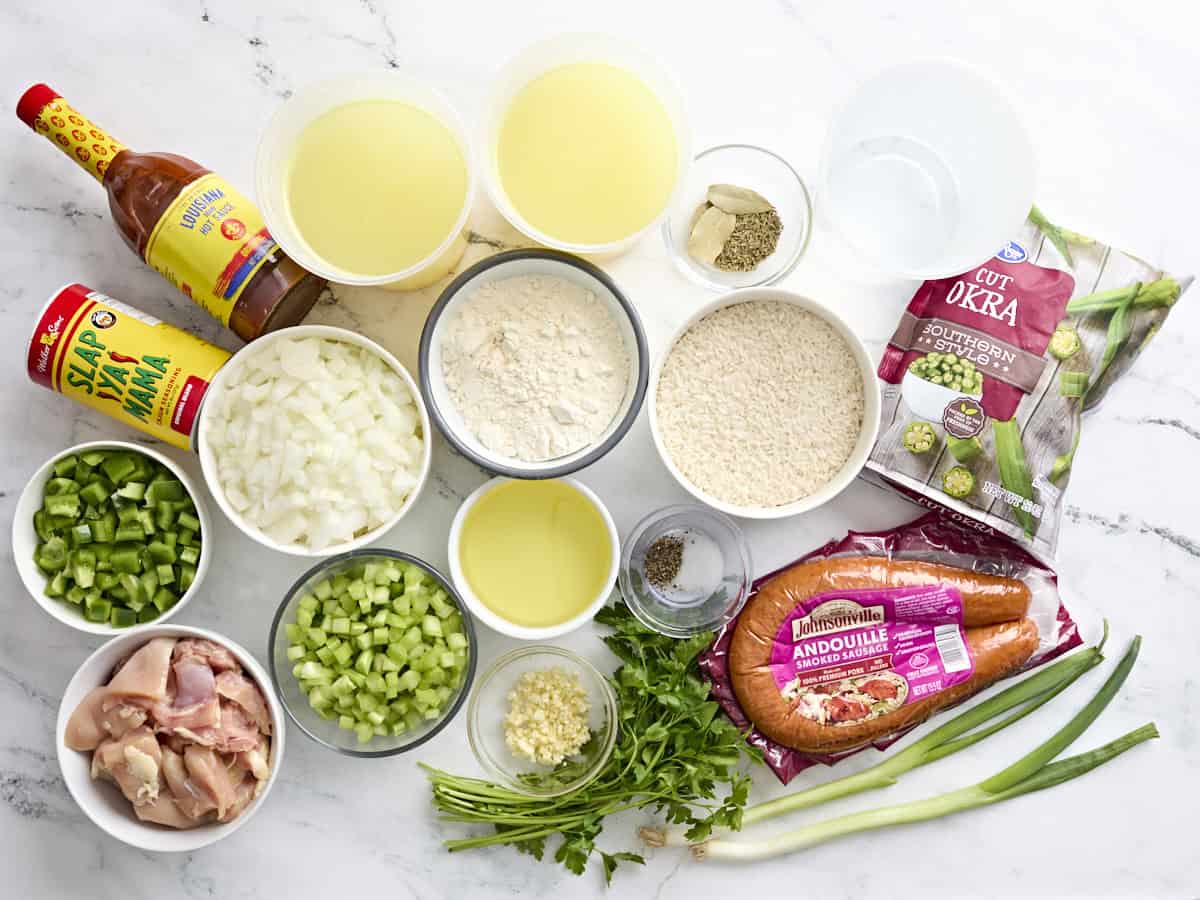
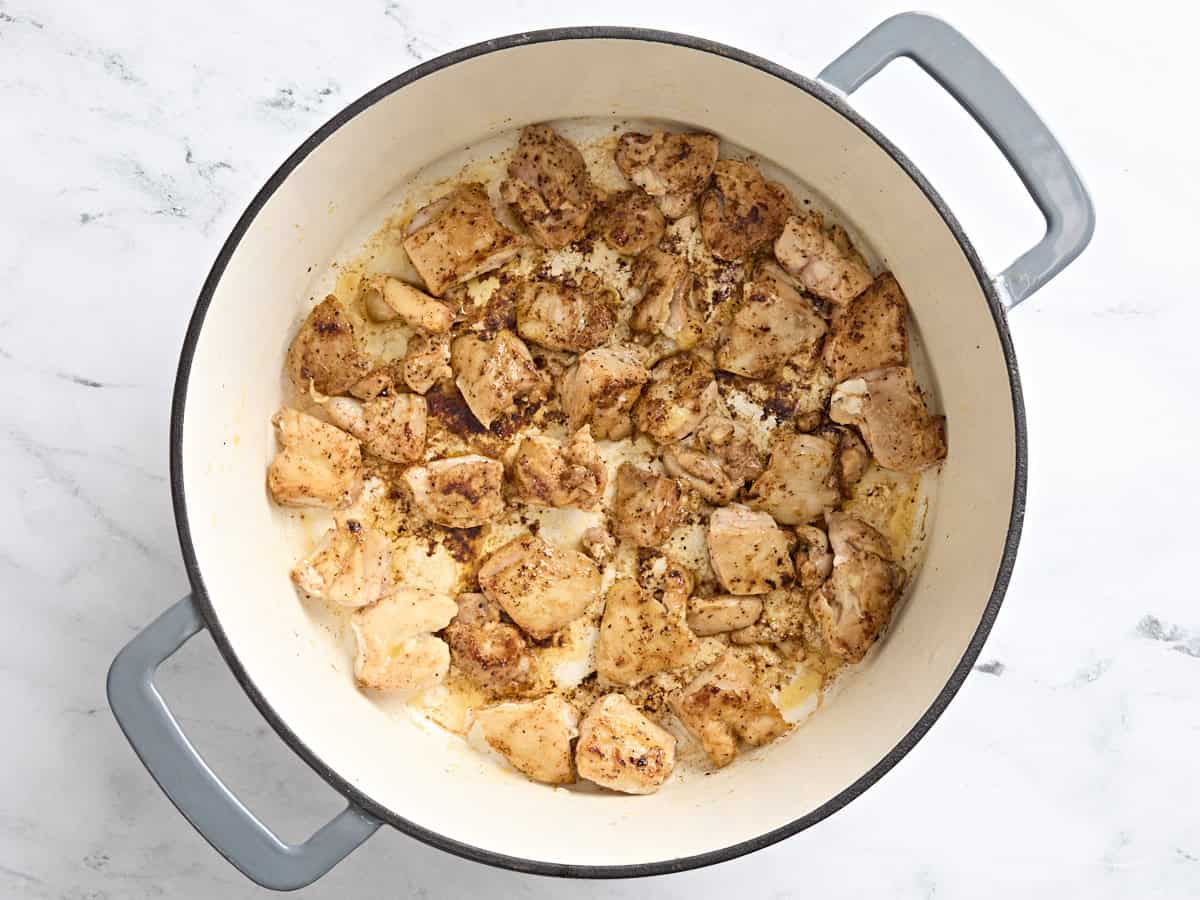
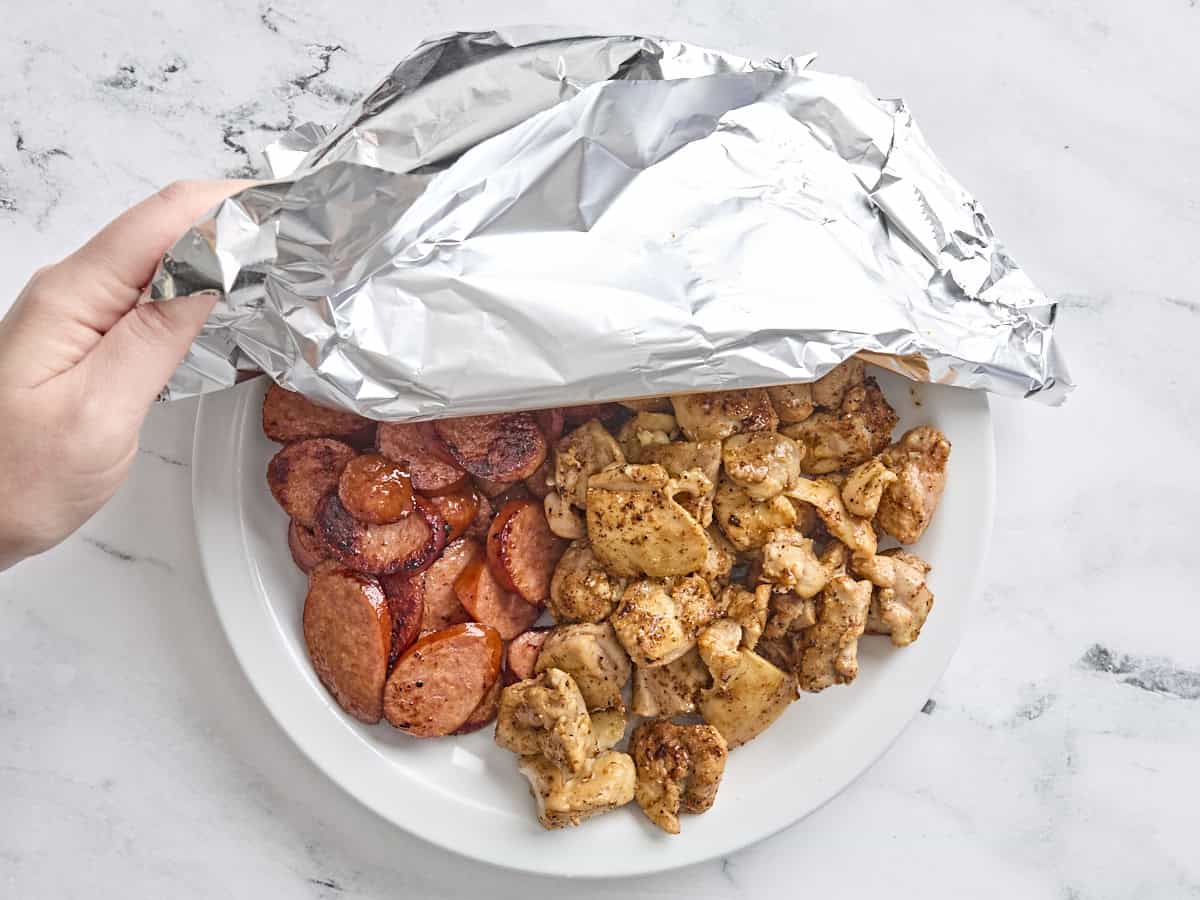
The process begins with the searing of proteins. Using a single large, deep skillet, approximately 13.5 ounces of sliced andouille sausage are browned to render fat and create a fond—the caramelized brown bits at the bottom of the pan that provide a foundational umami base. This is followed by the searing of one pound of chicken thighs, seasoned with a Cajun or Creole blend. The choice of chicken thighs over breasts is a strategic move both for flavor and economy; thighs contain more connective tissue and fat, which break down during the long simmering process to provide a superior mouthfeel, all while typically retailing at a lower price point per pound.
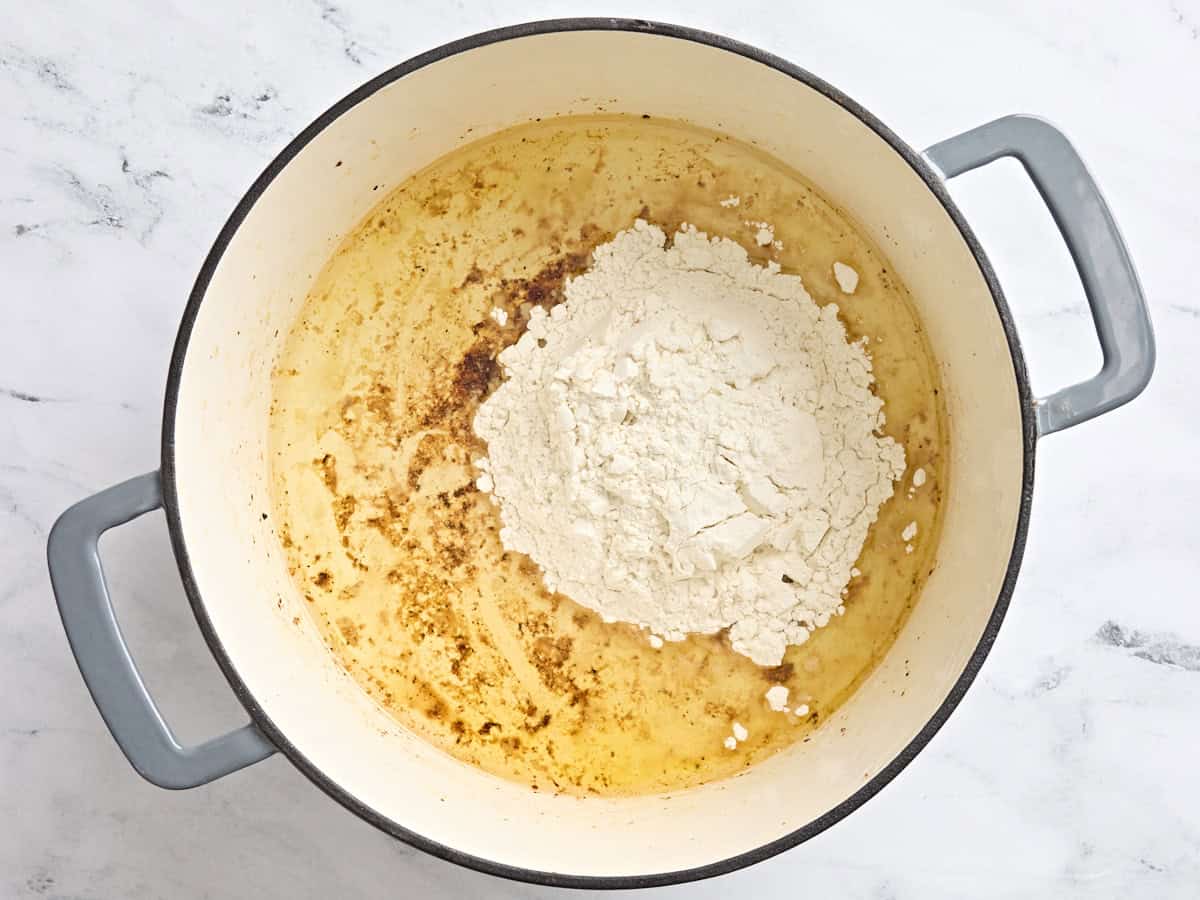
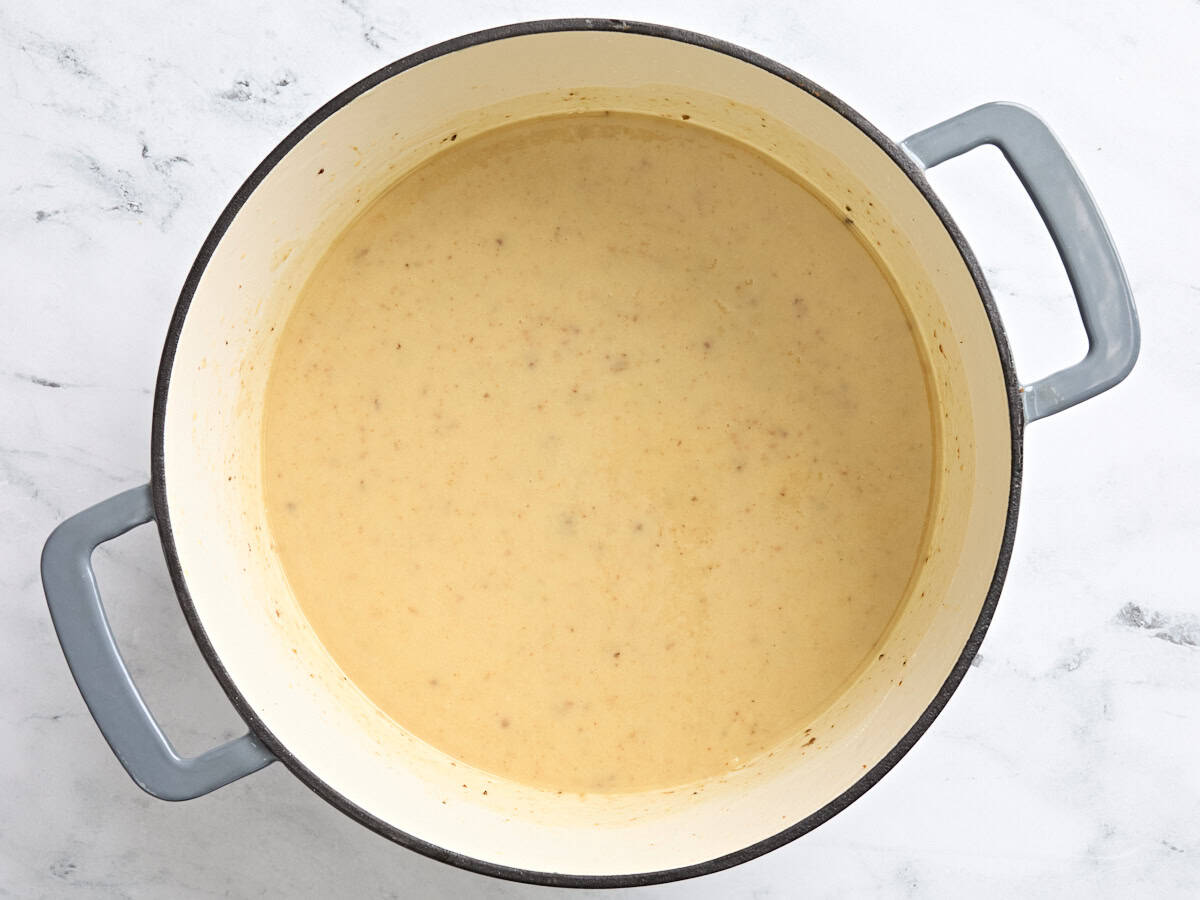
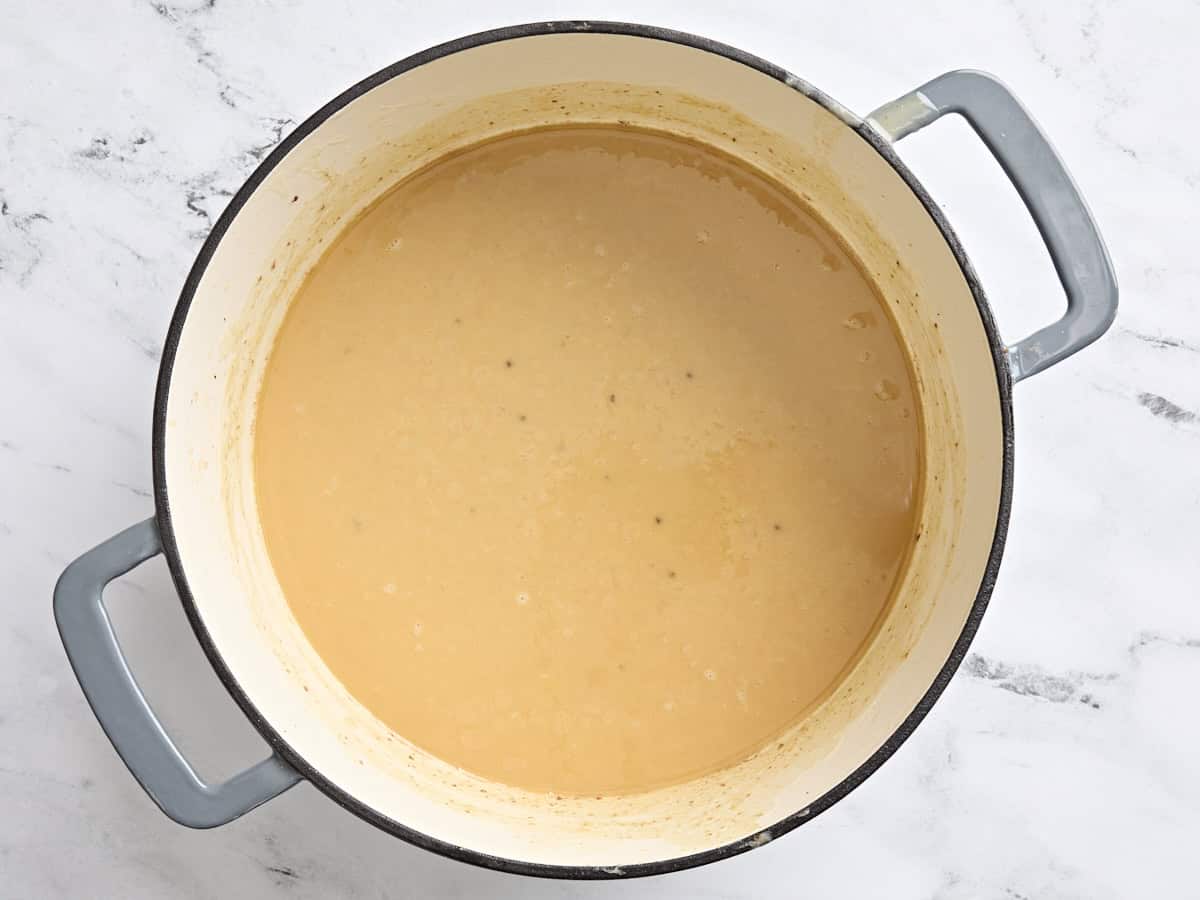
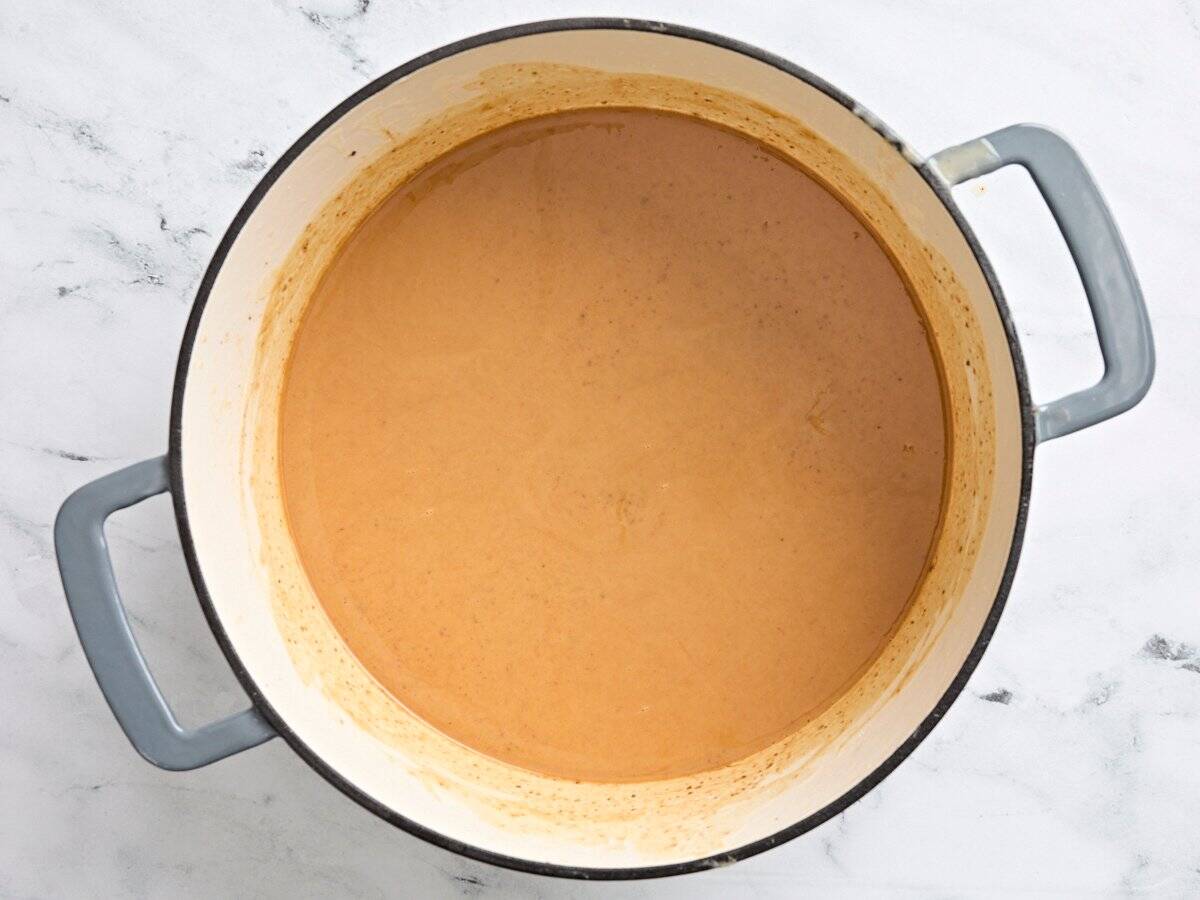
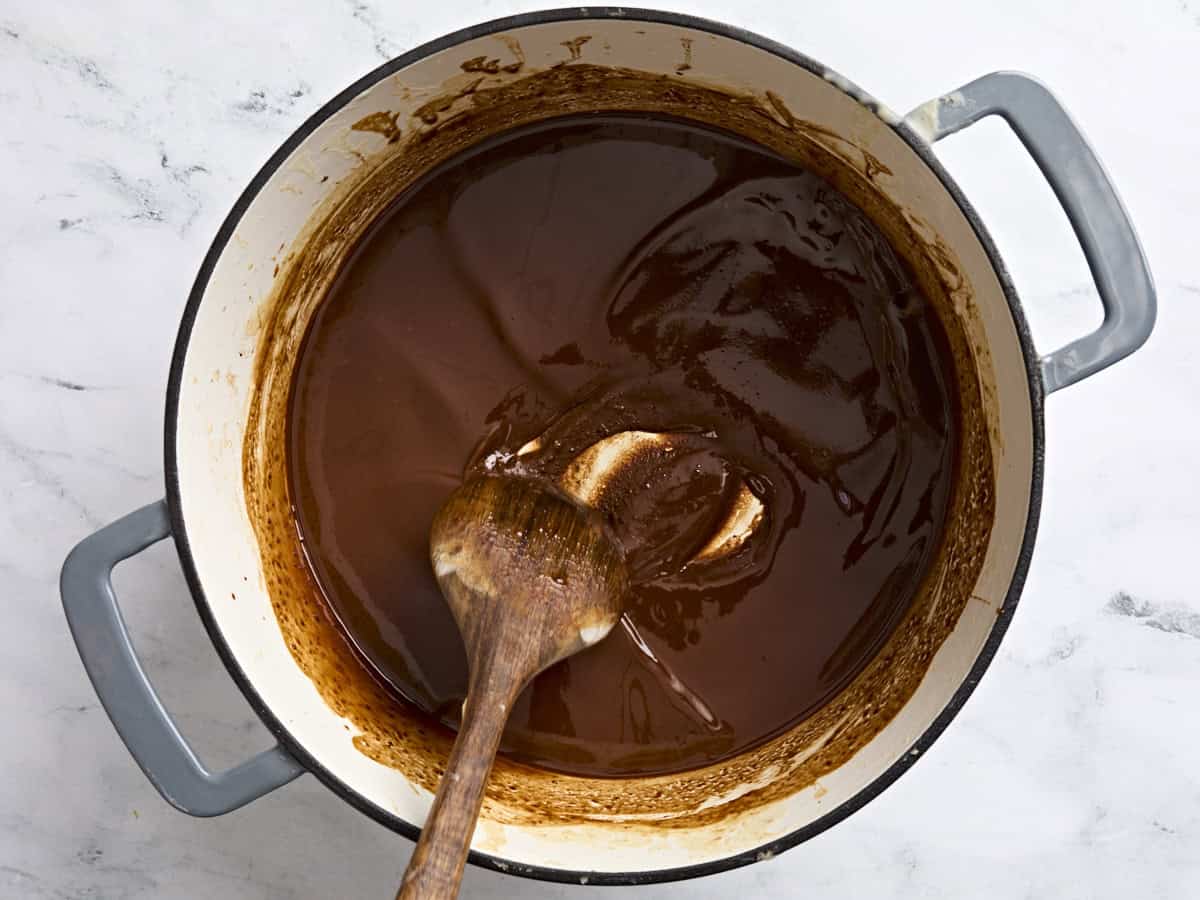
The second and most critical phase is the development of the roux. This stage requires an intensive two-hour commitment of constant stirring over medium-low heat. The chemistry of the roux involves the slow toasting of flour in vegetable oil. As the mixture transitions through various stages—from blonde to peanut butter, and finally to a deep, dark chocolate color—the starch molecules break down. While a darker roux has less thickening power than a light one, it provides a profound, smoky depth that defines a true Cajun gumbo. Analysts in the culinary field note that the patience required for a two-hour roux is what separates commercial, mass-produced versions from authentic, "MawMaw-approved" home cooking.
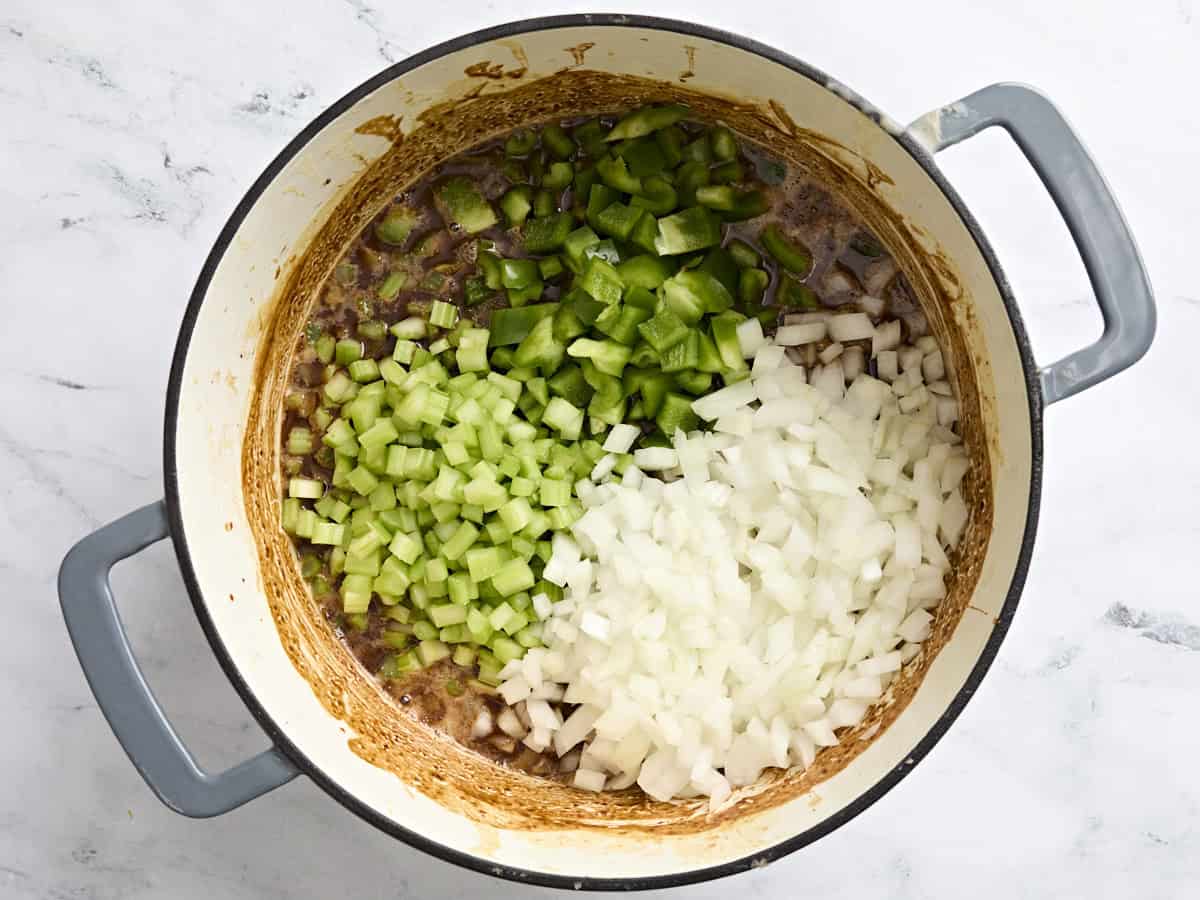
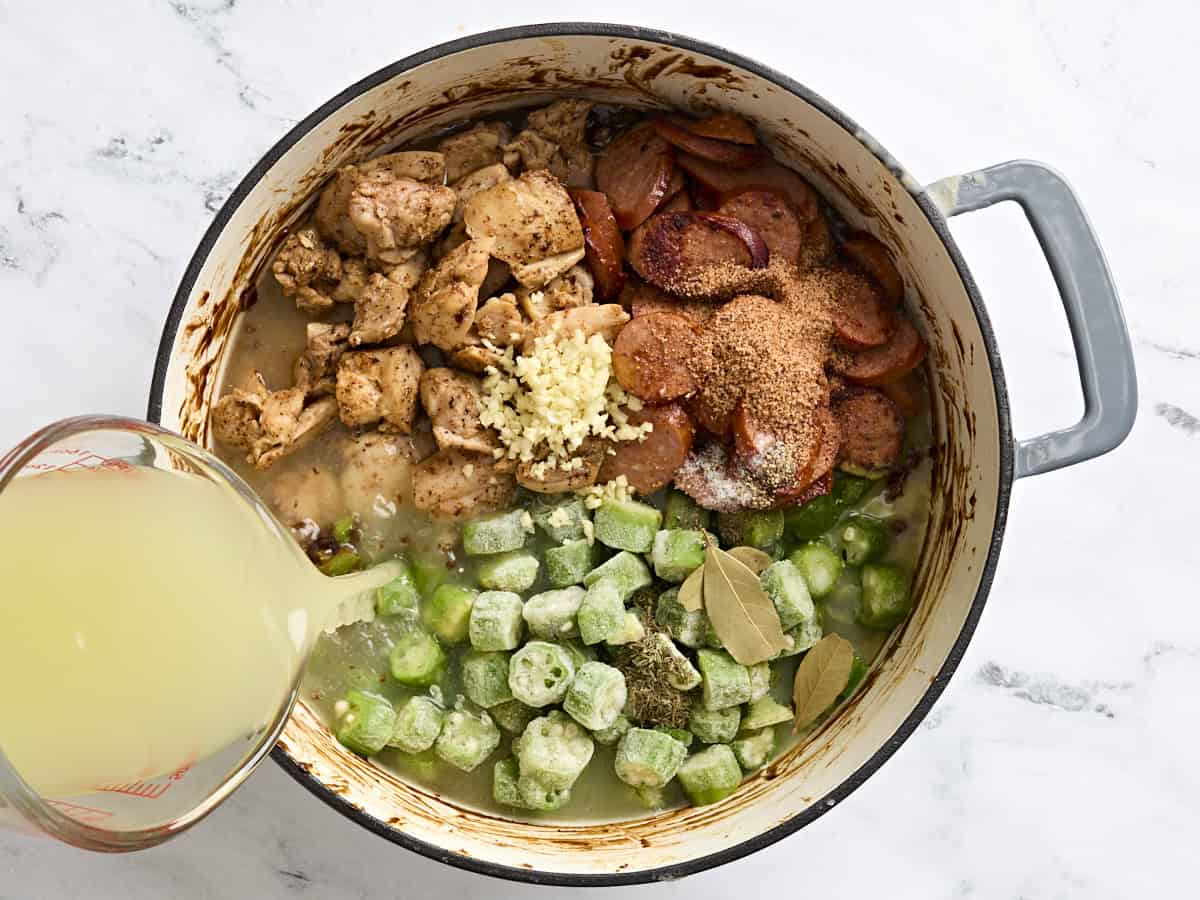
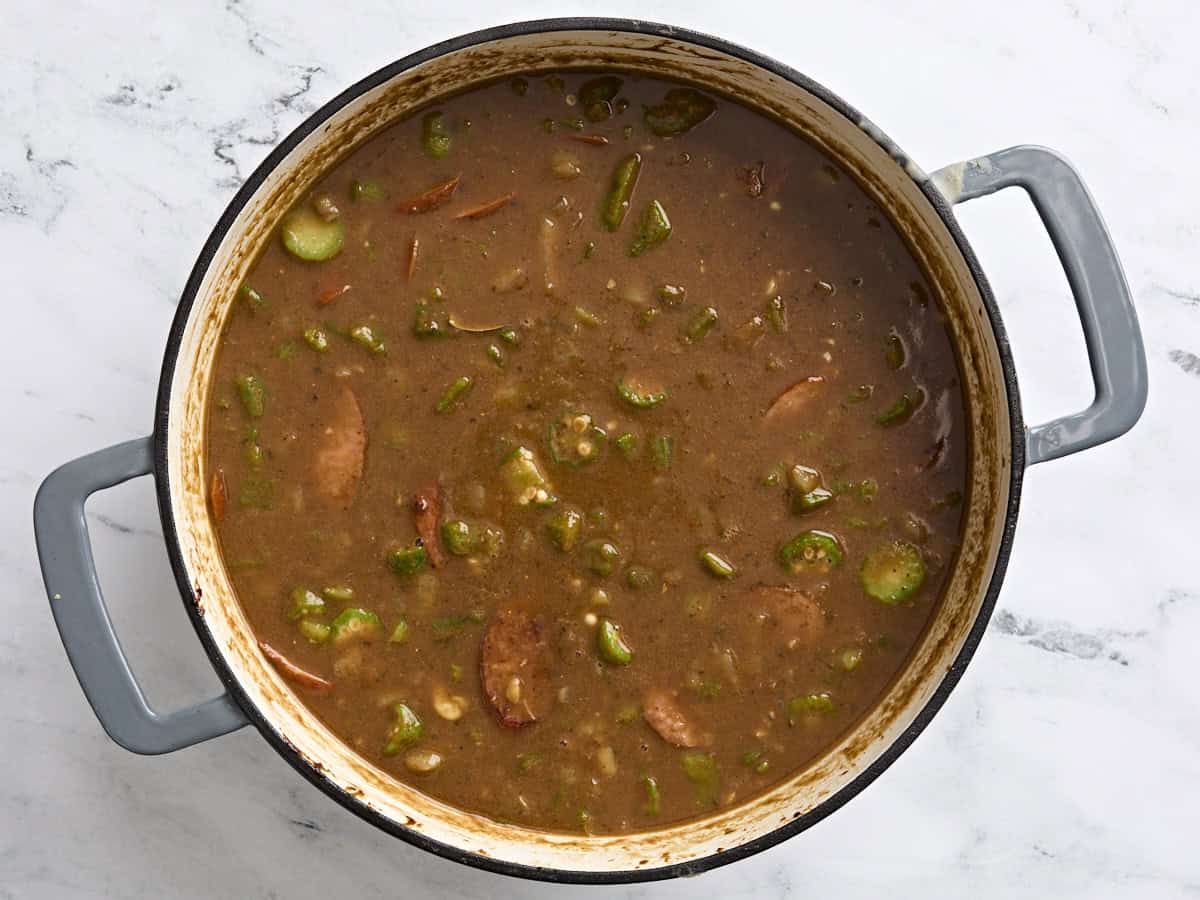
Once the roux reaches its peak color, the "holy trinity" of diced onions, green bell peppers, and celery is introduced. The moisture from these vegetables deglazes the pan, halting the cooking of the roux and preventing it from burning. This is followed by the integration of minced garlic and 12 ounces of okra. The final stage involves the reintroduction of the meats and the addition of chicken broth, bay leaves, dried thyme, and additional seasoning. The mixture is then simmered for 30 minutes, allowing the flavors to meld and the okra to release its natural thickening properties.
Economic Analysis and Supporting Data
The release of this recipe comes at a time when the Bureau of Labor Statistics (BLS) reports fluctuating but elevated costs for "food at home" categories. By optimizing the ingredient list, the Nashville Test Kitchen has managed to produce a hearty meal for eight people at a total cost of $15.06.
Data-driven cost-saving measures in the recipe include:
- Protein Selection: Utilizing chicken thighs and smoked andouille sausage provides a high-protein meal without the premium cost of seafood, such as shrimp or crab, which are common in more expensive Creole gumbos.
- Bulk Broth Solutions: The use of bouillon bases (such as Better Than Bouillon) rather than pre-packaged cartons of liquid broth reduces the cost of the liquid base to pennies per cup.
- Frozen vs. Fresh Produce: The inclusion of frozen okra is a key economic driver. Frozen vegetables are often harvested at peak ripeness and flash-frozen, preserving nutritional value while costing significantly less than fresh counterparts, particularly outside of the Gulf Coast region.
- Staple Fillers: Serving the gumbo over a generous portion of white rice—one of the world’s most cost-effective carbohydrates—ensures the meal is satiating without requiring additional side dishes.
Nutritional analysis of the dish reveals a robust profile, with each serving containing approximately 673 calories, 27 grams of protein, and 4 grams of fiber. However, the high sodium content (1280 mg) remains a point of consideration for health-conscious consumers, a common trait in traditional Southern cuisine that relies on cured meats and spice blends.
Regional Variations and Cultural Reactions
The debate over what constitutes a "true" gumbo is a perennial topic in the American South. The Nashville Test Kitchen’s version leans toward the Cajun tradition, characterized by its dark roux and absence of tomatoes. In contrast, New Orleans-style Creole gumbo often incorporates tomatoes and may use a lighter roux or omit okra in favor of filé powder.

Culinary historians and local aficionados (often referred to as "MawMaws" in Louisiana parlance) emphasize that gumbo is "personal." Statements from regional culinary experts suggest that while the ingredients may vary based on what is available in the pantry, the technique—specifically the "dark and cooked with patience" roux—is the non-negotiable heart of the dish.
The reaction to this budget-friendly approach has been largely positive among home cooks. Social media engagement surrounding the "Budget Bytes" release indicates a high demand for recipes that do not sacrifice cultural integrity for the sake of cost. The inclusion of step-by-step photographic documentation and video tutorials serves to demystify the process for those outside the Louisiana region, effectively democratizing a dish that many find intimidating due to the risk of burning the roux.
Broader Impact and Culinary Implications
The broader implication of this recipe’s popularity lies in the preservation of heritage during times of economic hardship. Historically, gumbo was a "peasant dish," designed to stretch limited resources by using scraps of meat, garden vegetables, and cheap rice. The modern re-emergence of these techniques reflects a cyclical return to resourceful cooking.
Furthermore, the emphasis on a three-hour cooking time challenges the modern "fast-food" ethos. By framing the preparation as a "labor of love" and a soul-satisfying activity, Chef Nolan and the Nashville Test Kitchen are advocating for a return to the kitchen as a place of craftsmanship. This has a psychological impact, as studies have shown that the act of slow cooking can reduce stress and increase the perceived value of the meal.
In conclusion, the traditional Louisiana gumbo remains a pinnacle of American gastronomy. By providing a clear, cost-effective roadmap to achieving a "fail-proof, flavor-packed" result, the Nashville Test Kitchen has ensured that this cultural icon remains accessible to a new generation of cooks. Whether served with a side of Cajun potato salad or a simple slice of French bread, the dish continues to stand as a testament to the fact that deep, comforting flavor does not require a deep pocketbook—only a heavy skillet, a steady spoon, and an abundance of patience. As the culinary world continues to evolve, the adherence to these foundational techniques ensures that the spirit of Louisiana cooking will be preserved, one dark roux at a time.
