
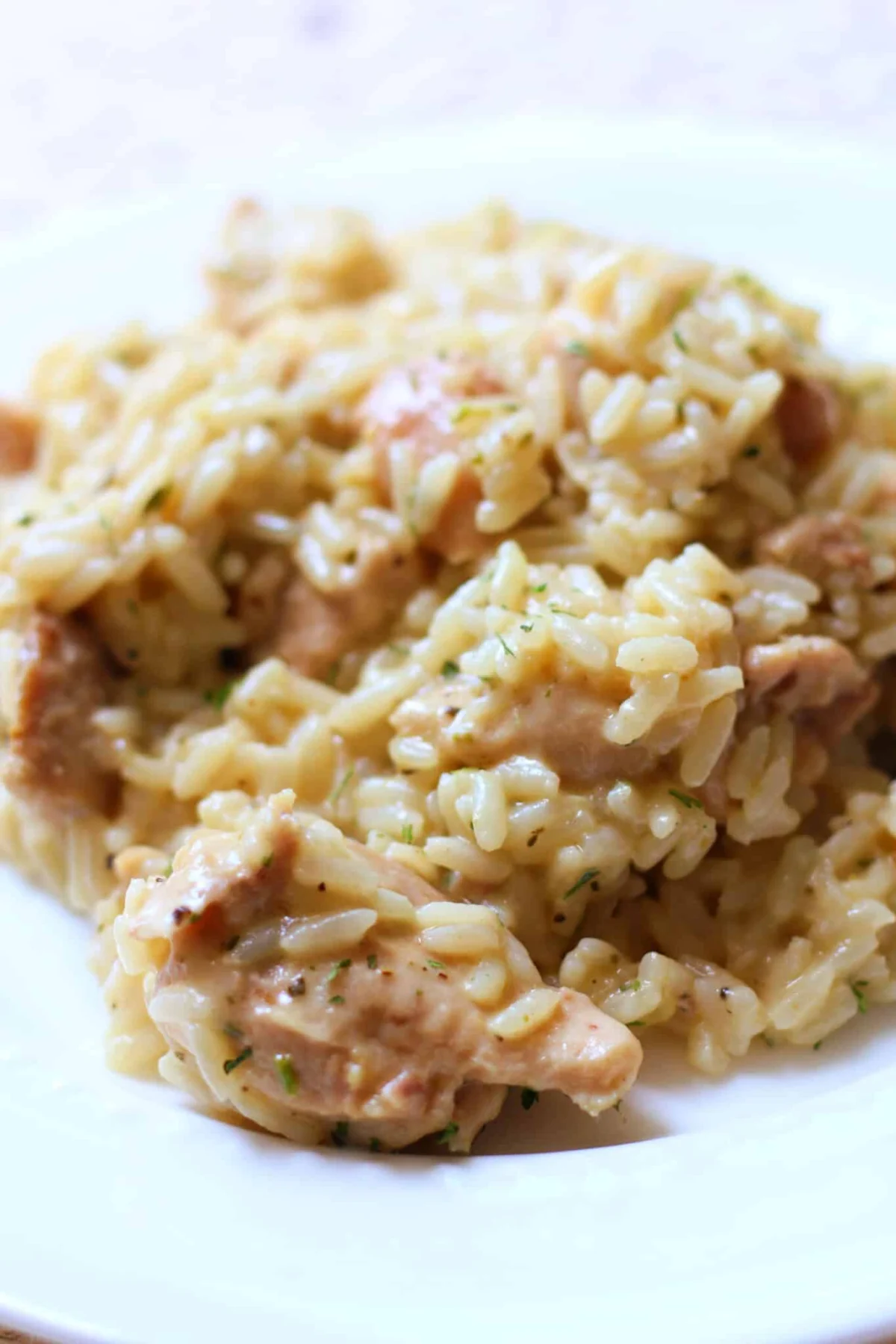
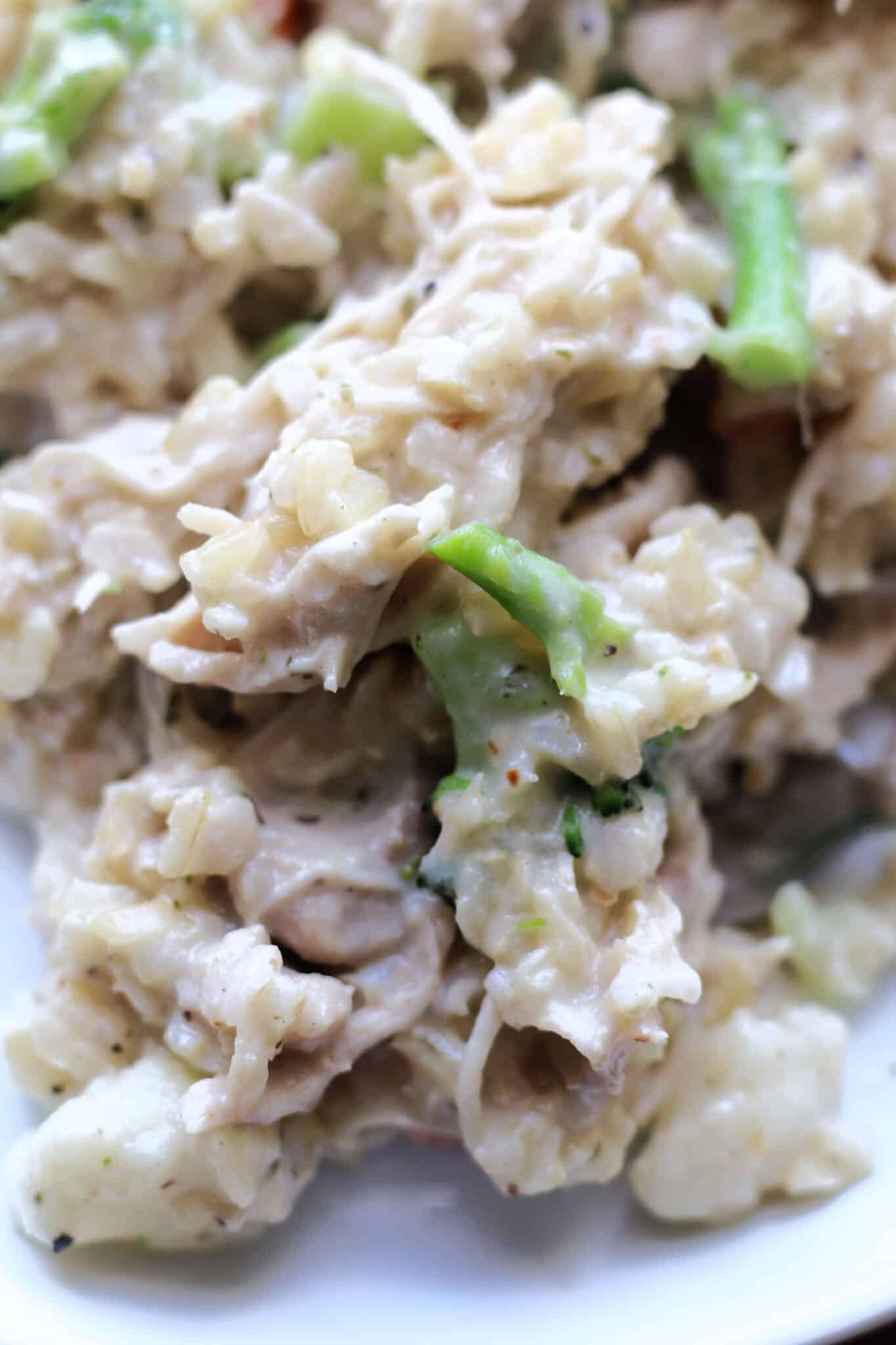
The modern culinary landscape has seen a significant shift toward efficient, nutrient-dense, and flavor-forward home-cooked meals, a movement exemplified by the rising popularity of one-pot recipes like Creamy Garlic Parmesan Chicken and Rice. This specific dish has emerged as a cornerstone for households seeking to balance the demands of a fast-paced lifestyle with the desire for high-quality, comforting nutrition. By utilizing multi-cooker technology such as the Instant Pot or traditional slow cookers, this recipe addresses the dual consumer needs for convenience and culinary excellence, notably omitting processed stabilizers such as canned "cream of" soups in favor of fresh dairy and aged cheeses.
The Evolution of the One-Pot Meal in Contemporary Kitchens
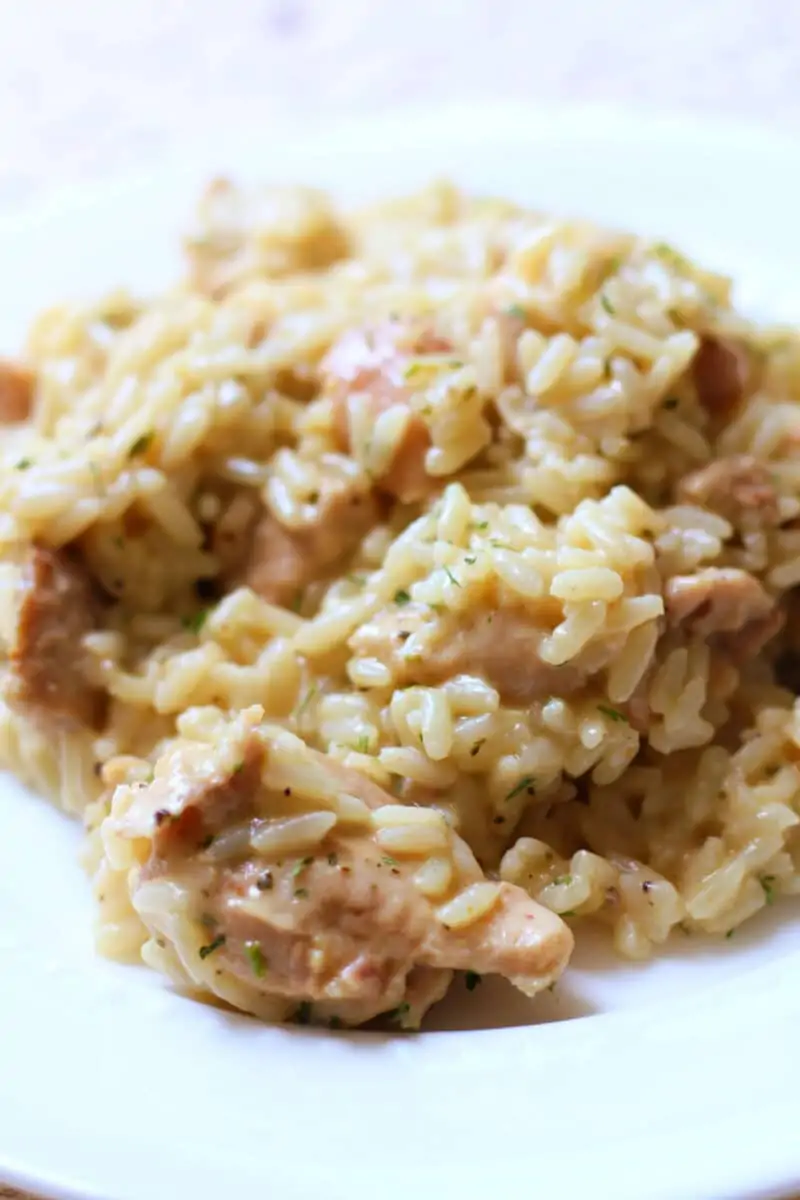
The trajectory of the "one-pot" dinner has transitioned from the heavy stews of previous generations to sophisticated, texture-rich meals that maintain the integrity of each ingredient. The Creamy Garlic Parmesan Chicken and Rice recipe represents this evolution by focusing on the chemical interplay between aromatics, fats, and starches. Historically, home cooks relied on condensed soups to provide the "creamy" element in casseroles; however, modern gastronomic trends indicate a strong preference for scratch-made sauces.
Industry data suggests that the multi-cooker market, led by brands like Instant Pot, has seen a compound annual growth rate (CAGR) of over 7% in recent years. This growth is driven by the appliance’s ability to perform high-pressure cooking, which reduces traditional braising times by up to 70%. In the context of this chicken and rice dish, the pressure-cooking environment ensures that the rice absorbs the savory herbaceous broth while the chicken thighs remain succulent—a balance that is often difficult to achieve on a standard stovetop where moisture loss is more prevalent.
Ingredient Profile and Culinary Strategy
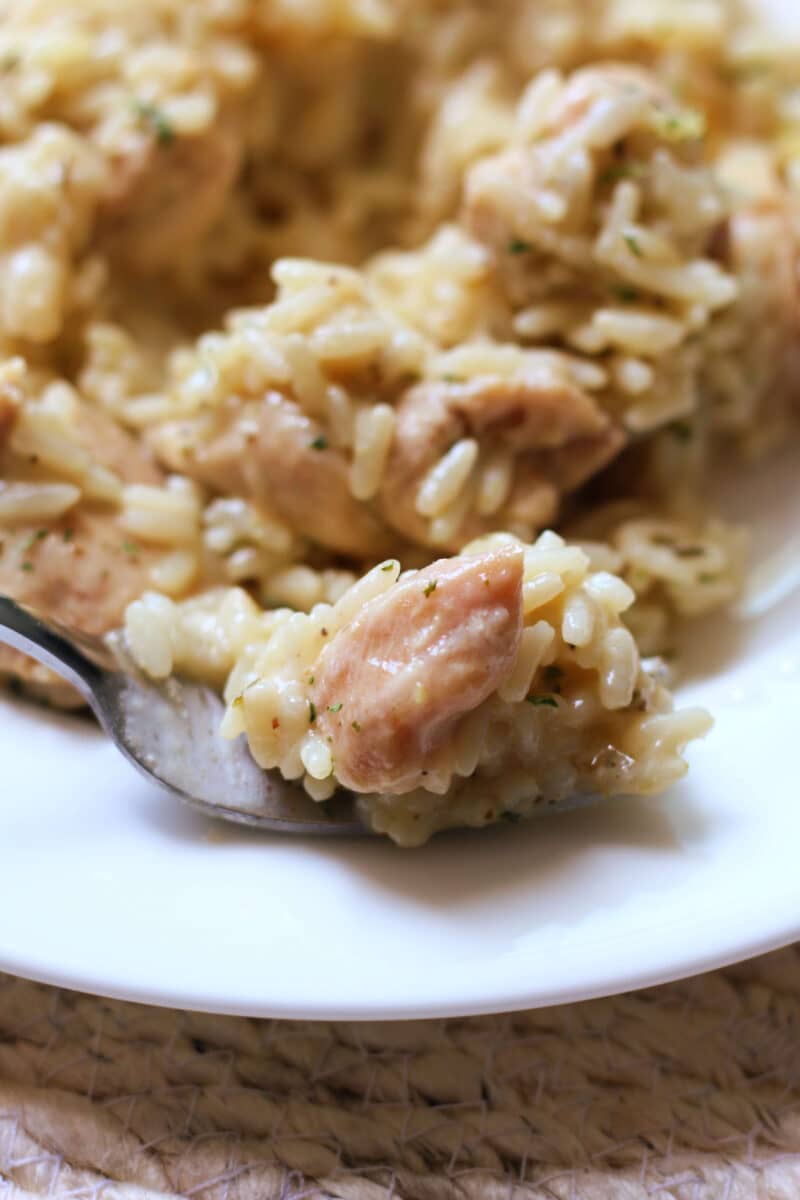
The selection of ingredients in the Creamy Garlic Parmesan Chicken and Rice recipe is calculated to maximize flavor depth while maintaining accessibility. Culinary experts point to the use of chicken thighs rather than breasts as a critical factor in the success of pressure-cooked meals. Chicken thighs contain a higher concentration of connective tissue and fat, which break down into gelatin during the cooking process, contributing to a richer mouthfeel and preventing the meat from becoming stringy or dry under high pressure.
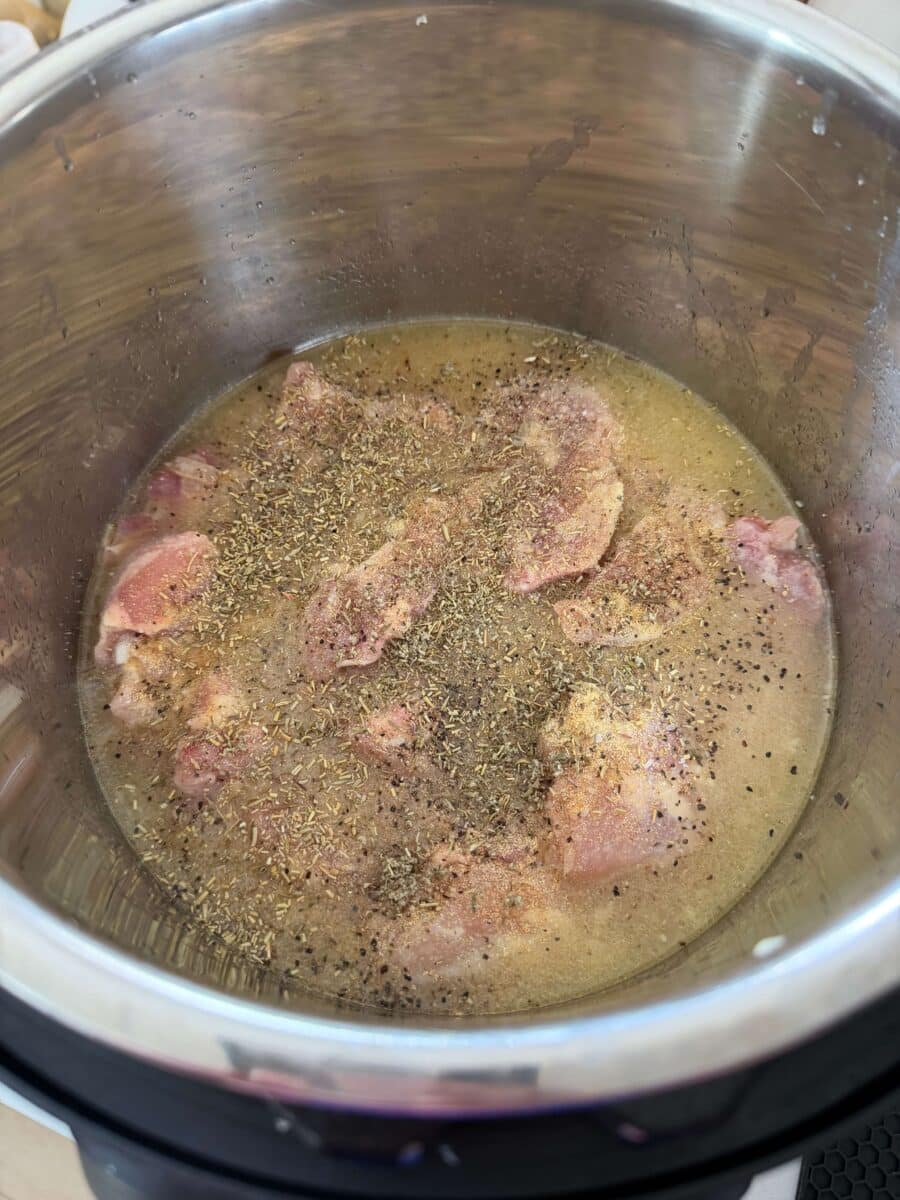
The flavor foundation is built upon a triad of classic aromatics: yellow onions, fresh minced garlic, and a blend of "poultry herbs" including sage, rosemary, and thyme. The inclusion of white vinegar serves a dual purpose: it acts as a deglazing agent during the sauté phase to lift browned bits (fond) from the bottom of the pot, and it provides a necessary acid profile to cut through the richness of the heavy cream and parmesan cheese added at the conclusion of the cooking cycle.
Chronology of Preparation: The Instant Pot Method
The execution of this dish follows a precise chronological sequence designed to layer flavors and ensure the safety and functionality of the pressure-cooker environment.
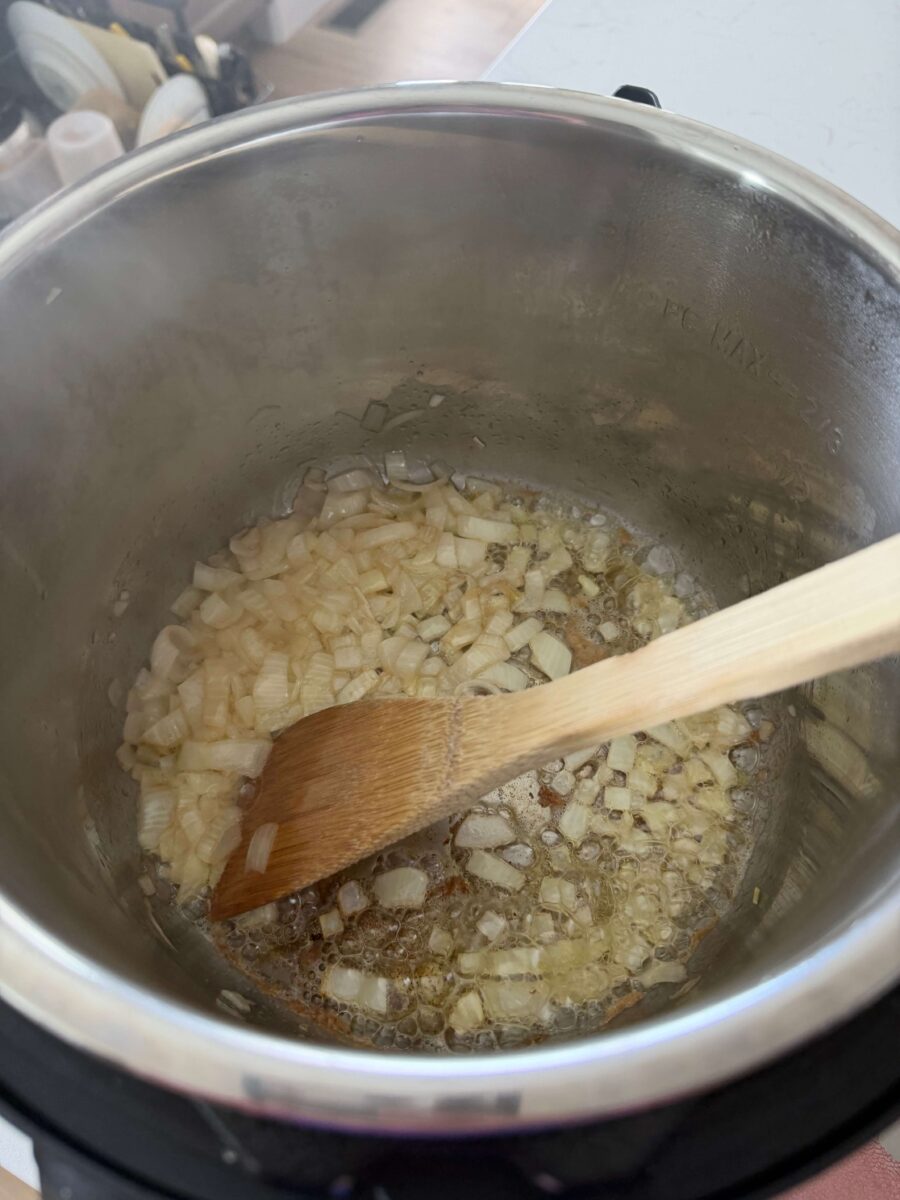
- The Sauté and Aromatic Development: The process begins with the "Sauté" function. Butter is melted to provide a fat base for the onions. The onions are cooked for approximately four to five minutes until translucent, followed by the addition of garlic. This brief exposure to heat softens the pungent sulfur compounds in the garlic, transforming them into a mellow, nutty sweetness.
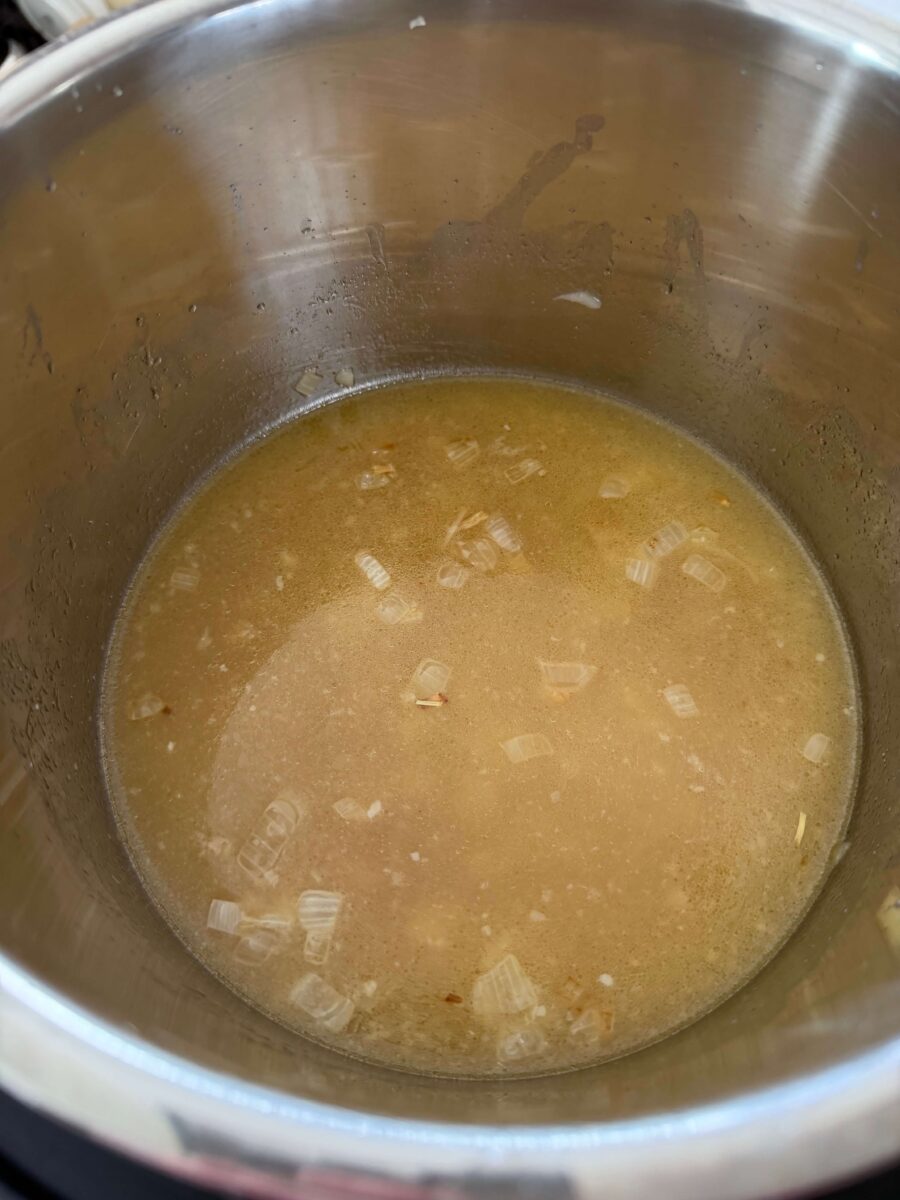
- Deglazing and Temperature Control: A critical step involves adding water and scraping the bottom of the stainless steel insert. This prevents the "burn" notice—a safety feature of modern multi-cookers that triggers if the sensors detect scorched food at the base.
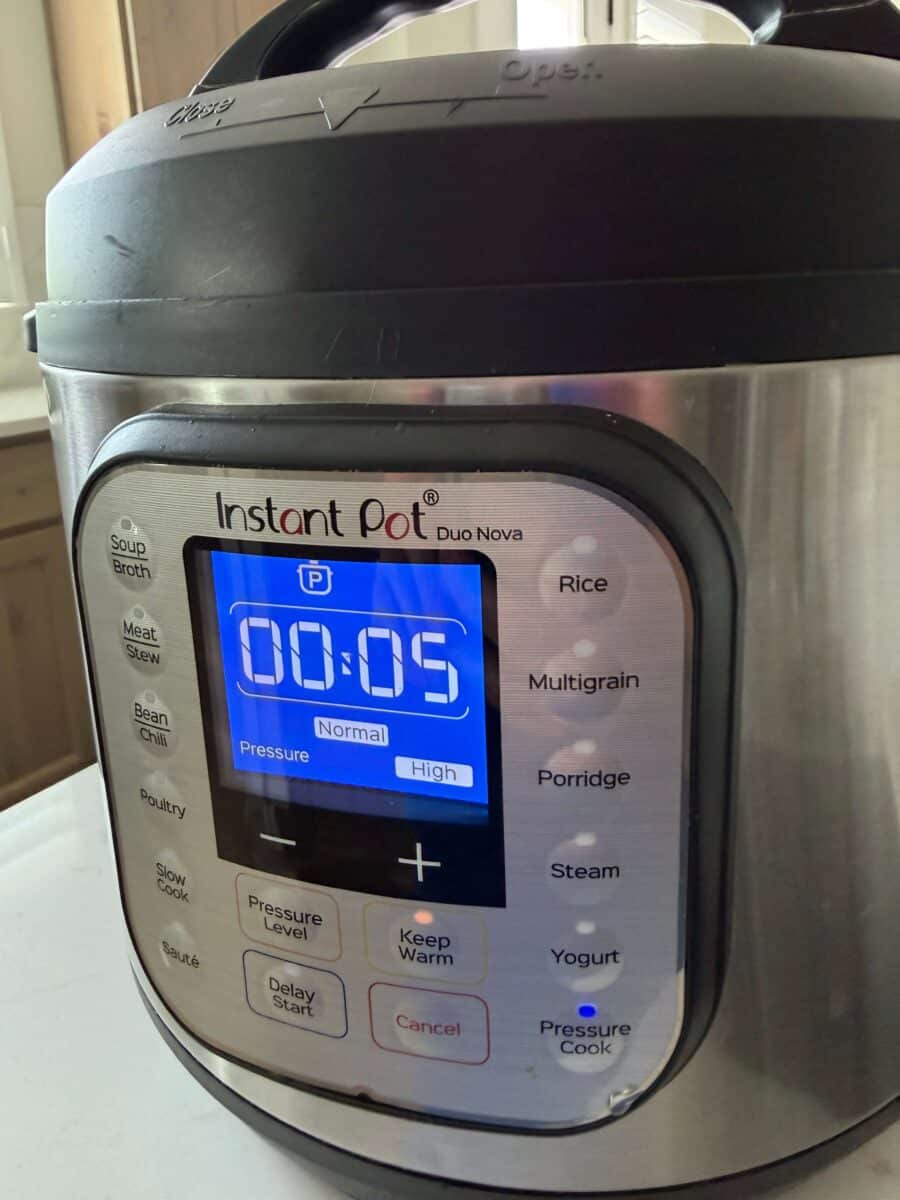
- The Pressure Phase: Once the pot is turned off and the bottom is cleared, the vinegar, rice, chicken, and dried seasonings are added. The device is then sealed and set to "Manual" or "Pressure Cook" for five minutes. While five minutes may seem brief, the total time includes the period the pot takes to reach pressure and the subsequent "Natural Pressure Release" (NPR) phase.
- Natural Release and Steam Integration: Following the active cooking cycle, a resting period of five to ten minutes is required. This allows the internal pressure to drop gradually, ensuring the chicken fibers do not contract too rapidly (which would expel moisture) and allowing the rice to finish steaming in the residual heat.
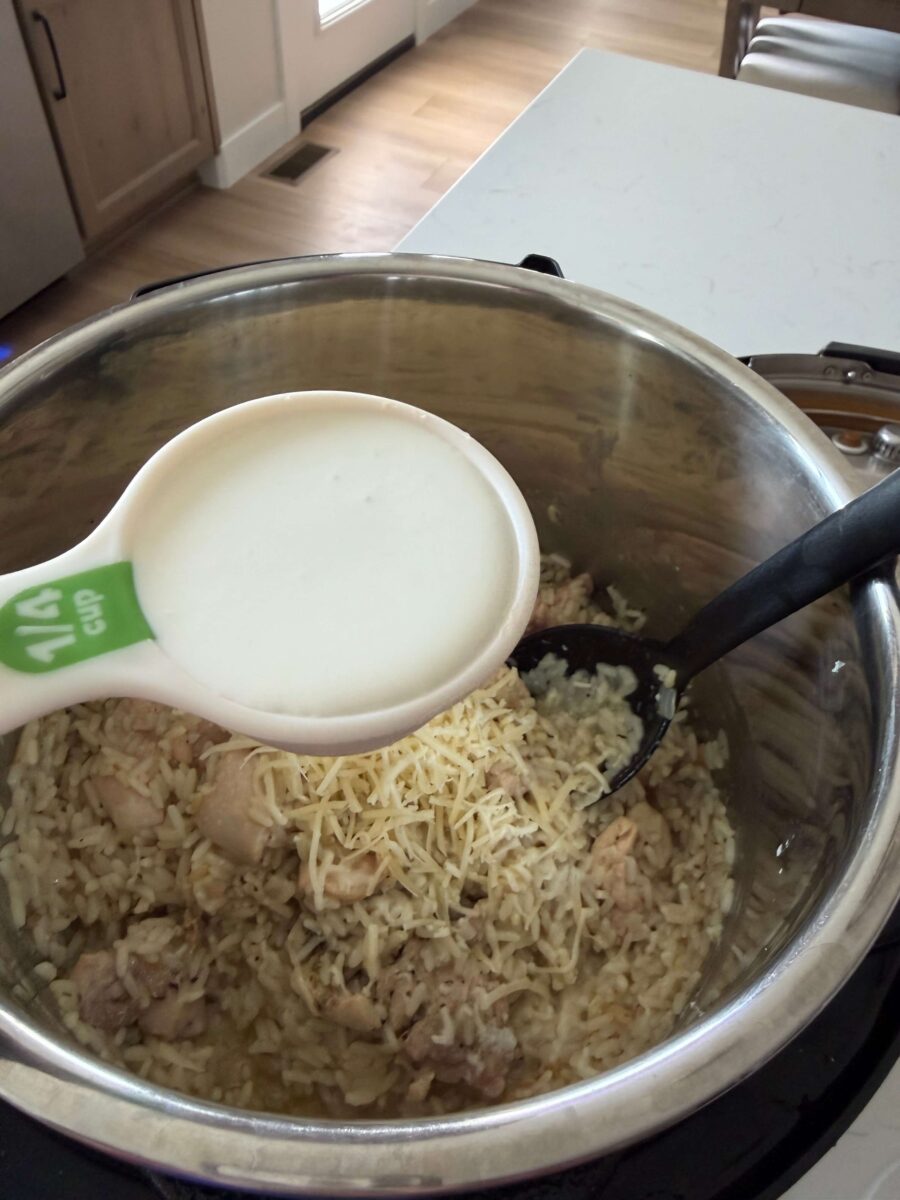
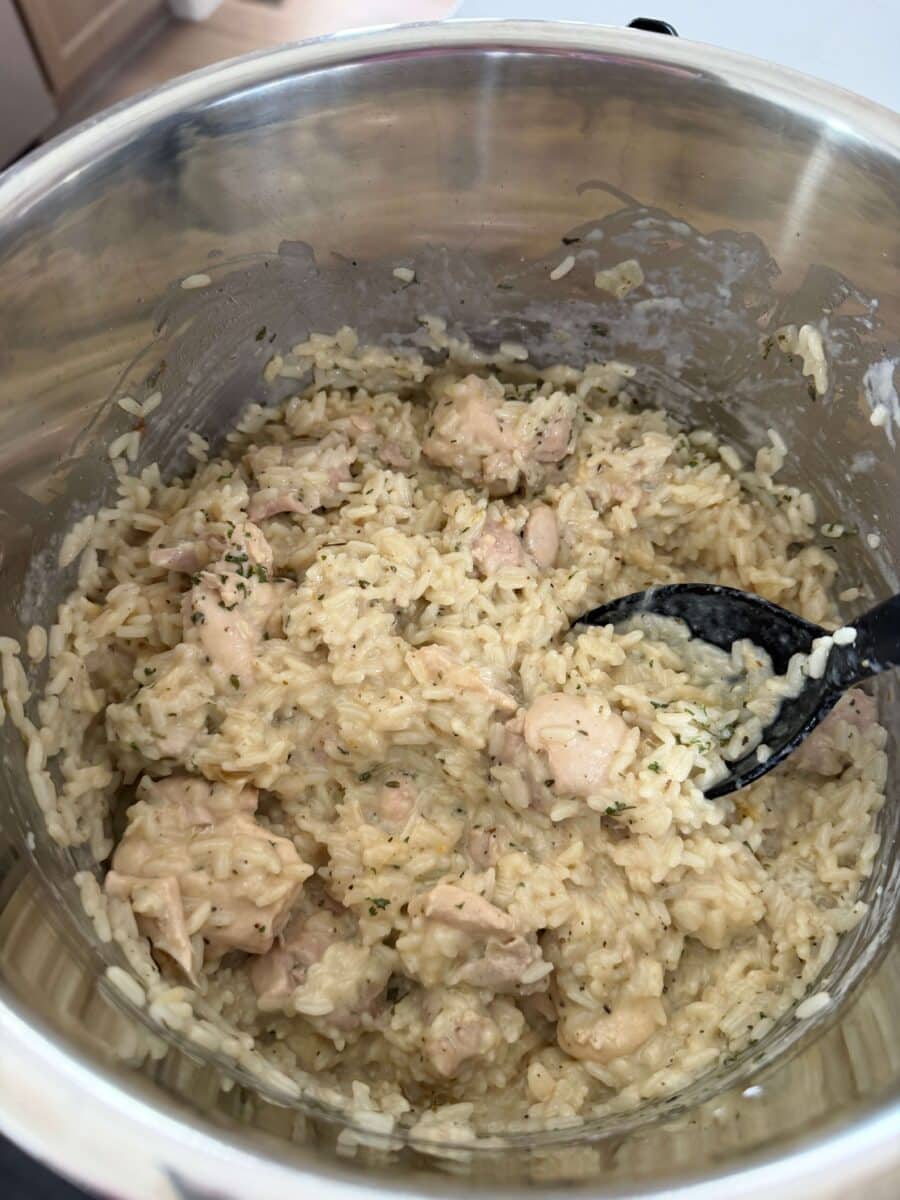
- The Finishing Emulsion: The final stage occurs after the lid is removed. Heavy cream and grated parmesan cheese are stirred into the hot mixture. The residual heat from the rice and chicken is sufficient to melt the cheese and thicken the cream into a velvety sauce that coats each grain of rice.
Alternative Execution: The Slow Cooker Pathway
For consumers who prefer the "set and forget" methodology, the recipe is easily adapted for slow cooking. This method relies on low, consistent heat over several hours to achieve a similar tenderness. In the slow cooker version, the sautéing of onions and garlic is often performed on a stovetop beforehand to develop flavor, or simply added directly to the crock for a more subtle aromatic profile. The slow cooker method typically requires four to six hours on "Low" or two to three hours on "High," with the dairy and cheese added in the final thirty minutes to prevent curdling.
Consumer Feedback and Sensory Analysis
Internal testing and consumer panels—represented in this instance by family members Greg and Skyler—have provided qualitative data on the dish’s performance. The "thumbs up" rating from these testers underscores the high palatability of the butter-soaked rice and the moistness of the chicken.
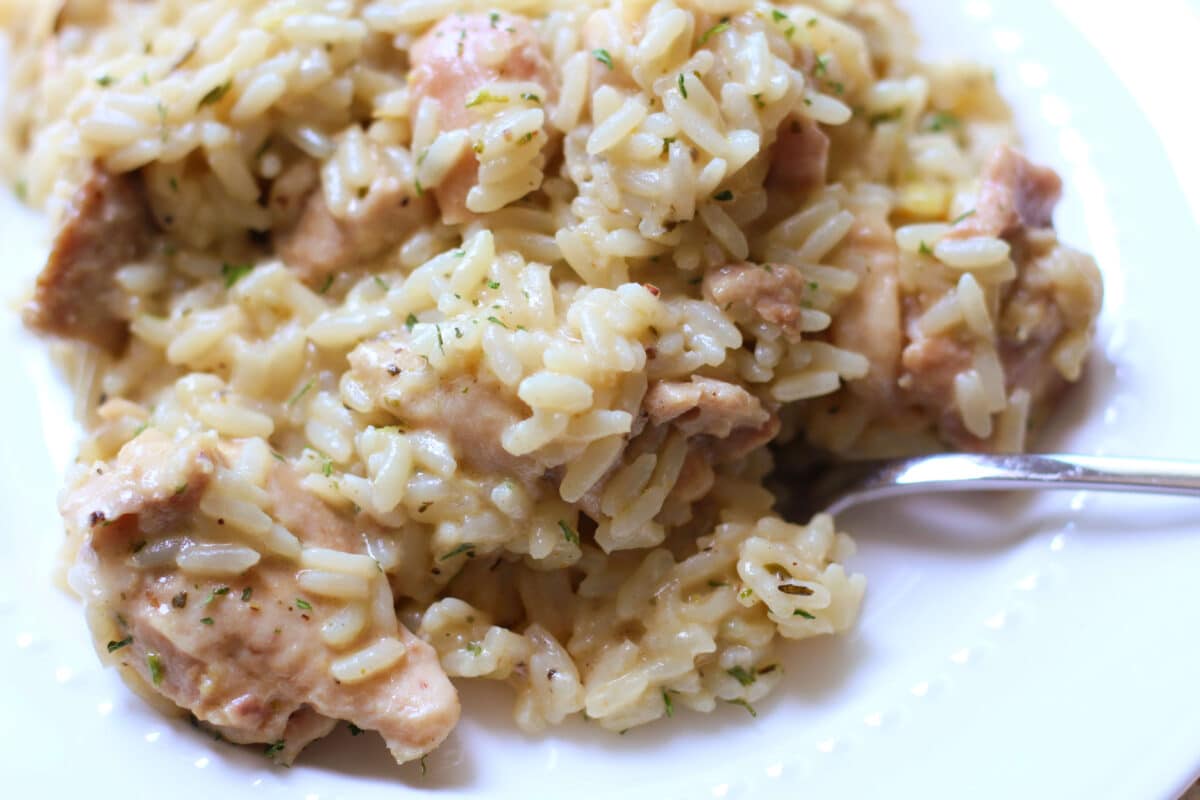
An interesting observation noted by the recipe’s developer, Karen Petersen, is the "next-day effect." Journalistic analysis of food chemistry confirms that certain dishes, particularly those heavy in aromatics like garlic and herbs, often taste better as leftovers. This is due to a process called "flavor melding," where the volatile aromatic compounds continue to diffuse through the fats and starches even after the cooking has ceased, leading to a more harmonious and complex flavor profile upon reheating.
Economic and Health Implications
From an economic perspective, Creamy Garlic Parmesan Chicken and Rice is a cost-effective solution for large families. Chicken thighs are historically less expensive per pound than chicken breasts or beef. Furthermore, rice serves as a high-volume, low-cost carbohydrate that provides satiety.

Nutritionally, the transition away from canned soups reduces the intake of sodium and artificial thickeners often found in processed goods. By using real butter, heavy cream, and aged parmesan, the cook controls the quality of the fats and the level of sodium. While the dish is calorie-dense, it provides significant protein and is free from the preservatives associated with "dump-and-go" casseroles of the late 20th century.
Broader Impact on the Home Cooking Industry
The success of recipes like this has spurred a wider interest in "one-pot" variations. The market has seen a surge in demand for related flavor profiles, such as:
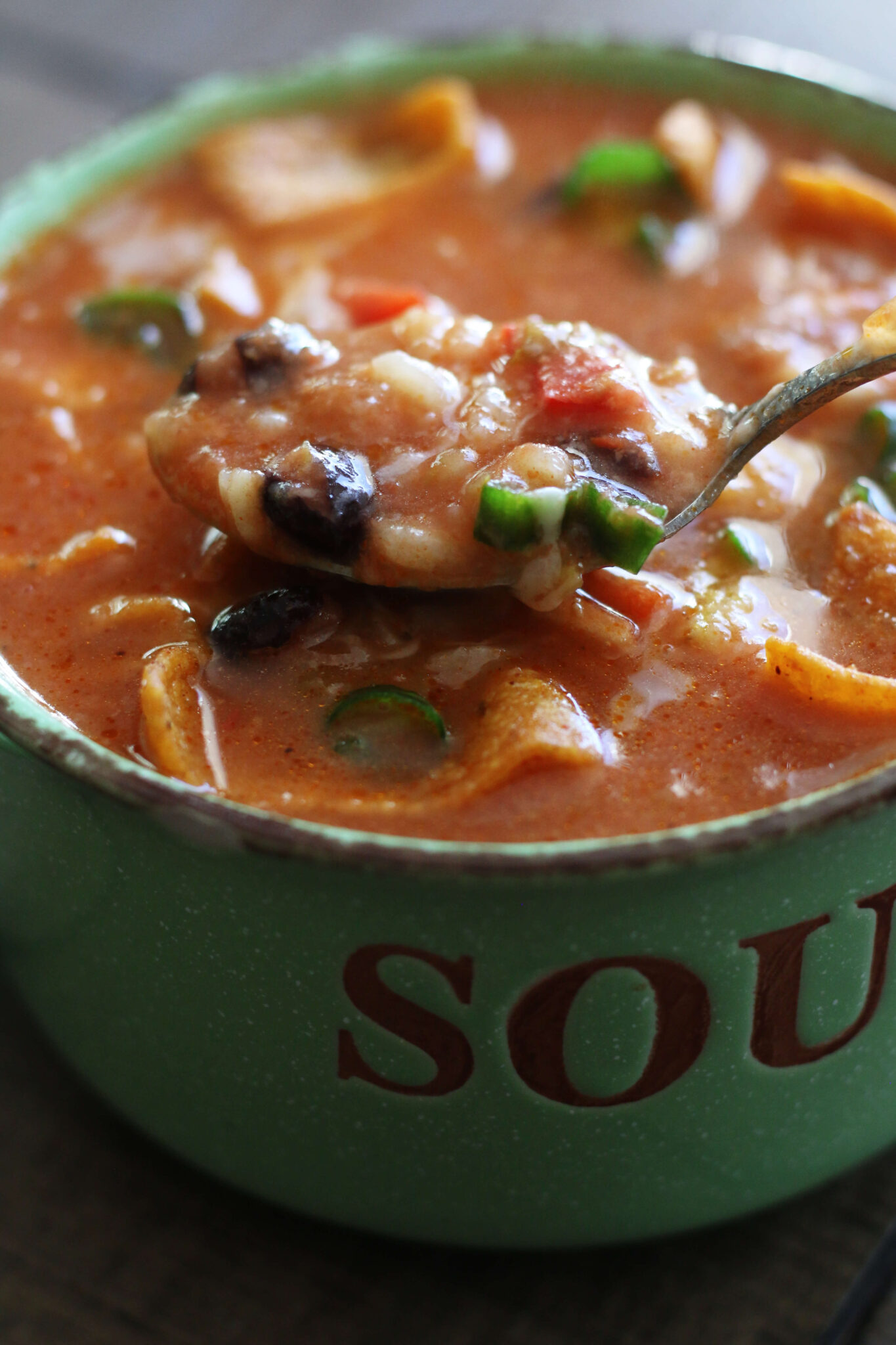
- Avgolemono Soup: A Greek-inspired lemon, chicken, and rice soup that uses eggs as a thickening agent.
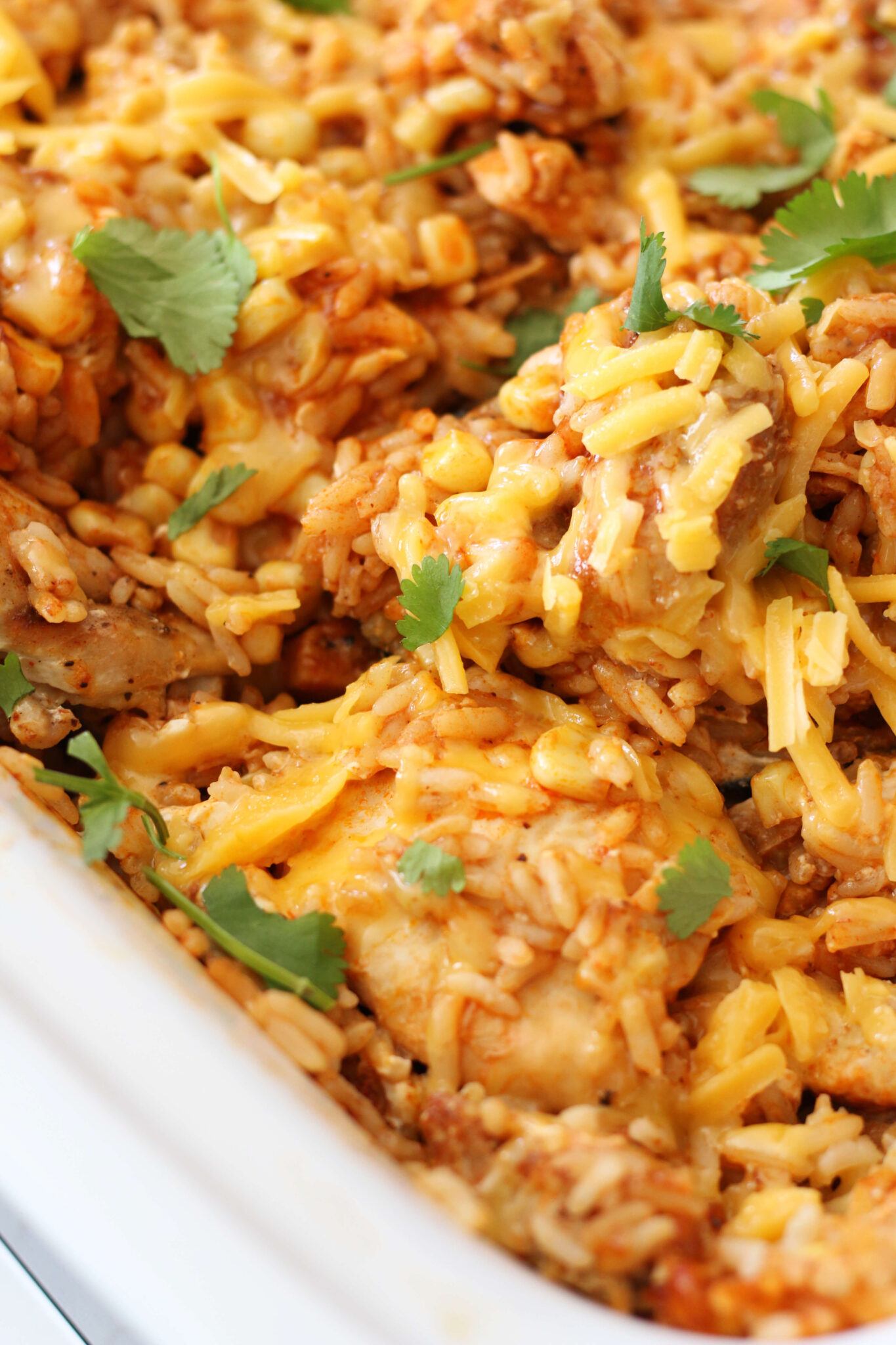
- Chicken Enchilada Casseroles: Utilizing slow cookers to fuse Mexican-inspired flavors with the convenience of a rice-based dump meal.
- Health-Conscious Variations: Adaptations like "Chicken Divan" which incorporate vegetables like broccoli into the pressure-cooking cycle to increase fiber content.
This trend indicates a broader shift in home economics where the "modern domestic" prioritizes speed without sacrificing the "from-scratch" ethos. The ability to filter recipes by meat type, appliance (IP vs. Crockpot), and dietary restrictions (low carb, gluten-free) on digital platforms further empowers consumers to take control of their nutritional outcomes.
Conclusion: The Future of Comfort Food
Creamy Garlic Parmesan Chicken and Rice stands as a testament to the durability of comfort food in a changing world. It bridges the gap between the traditional slow-simmered meals of the past and the high-tech, time-efficient requirements of the present. As more households adopt multi-cooker technology, the demand for sophisticated yet simple recipes is expected to grow. This dish, with its emphasis on fresh herbs, quality proteins, and the avoidance of processed additives, provides a blueprint for the future of home-cooked excellence—one that is both practical for a Tuesday night and satisfying enough for a Sunday gathering. The implications are clear: the modern kitchen is no longer a place of compromise between time and taste. Through strategic ingredient selection and the leverage of pressure technology, the "perfect" meal is now achievable in under thirty minutes.
