
The Evolution of the One-Pot Meal and the Multicooker Market
The rise of the Loaded Buffalo Chicken Potato Casserole cannot be viewed in isolation from the explosive growth of the multicooker market. According to industry analysis, the global electric pressure cooker market has seen a compound annual growth rate (CAGR) of approximately 7% over the last several years, driven by a consumer base that values time-saving appliances. The Instant Pot, which became a household name in the mid-2010s, allowed for the compression of cooking times that previously required hours of simmering or baking.

In the context of this casserole, the use of a pressure cooker allows for the simultaneous cooking of chicken and potatoes—two ingredients with traditionally different thermal requirements—into a cohesive unit in a fraction of the time required by a conventional oven. This efficiency is a primary driver for the recipe’s popularity among working professionals and families. Furthermore, the "one-pot" nature of the dish minimizes post-cooking labor, aligning with the modern preference for reduced domestic maintenance.
Ingredient Composition and Flavor Profile Analysis
The Loaded Buffalo Chicken Potato Casserole is built upon a foundation of classic American staples, each serving a specific functional and organoleptic purpose.
The Protein and Starch Base
The primary components are chicken breast or thighs and diced potatoes. From a nutritional perspective, the chicken provides a lean protein source, while the potatoes offer complex carbohydrates and essential minerals like potassium. In a journalistic analysis of the dish’s structure, the choice of potato is critical; waxier varieties tend to hold their shape under the high-pressure environment of the Instant Pot, whereas starchy varieties like Russets may break down further to contribute to the thickness of the sauce.
The Buffalo Influence
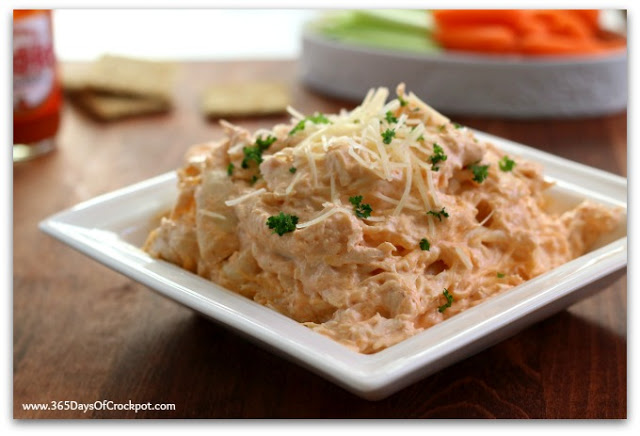
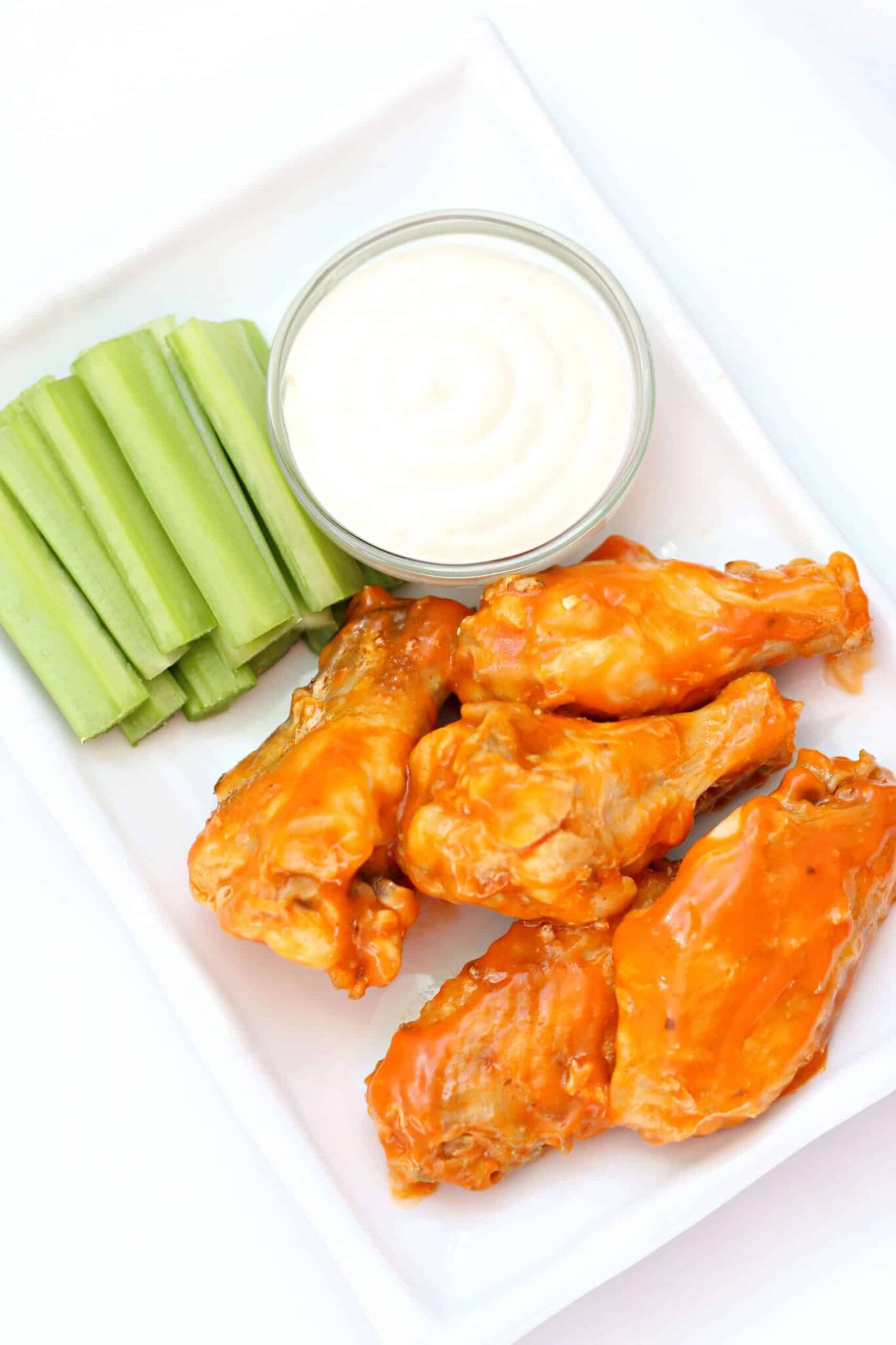
The defining characteristic of the dish is the Buffalo sauce. Originating in 1964 at the Anchor Bar in Buffalo, New York, the combination of cayenne pepper-based hot sauce and a fat source (traditionally butter, but substituted here with cream cheese for a casserole application) has become a staple of American cuisine. In this recipe, the cream cheese serves a dual purpose: it acts as an emulsifier to create a velvety sauce and provides a cooling counterpoint to the acidity and heat of the vinegar-based hot sauce.

Texture and "Loaded" Elements
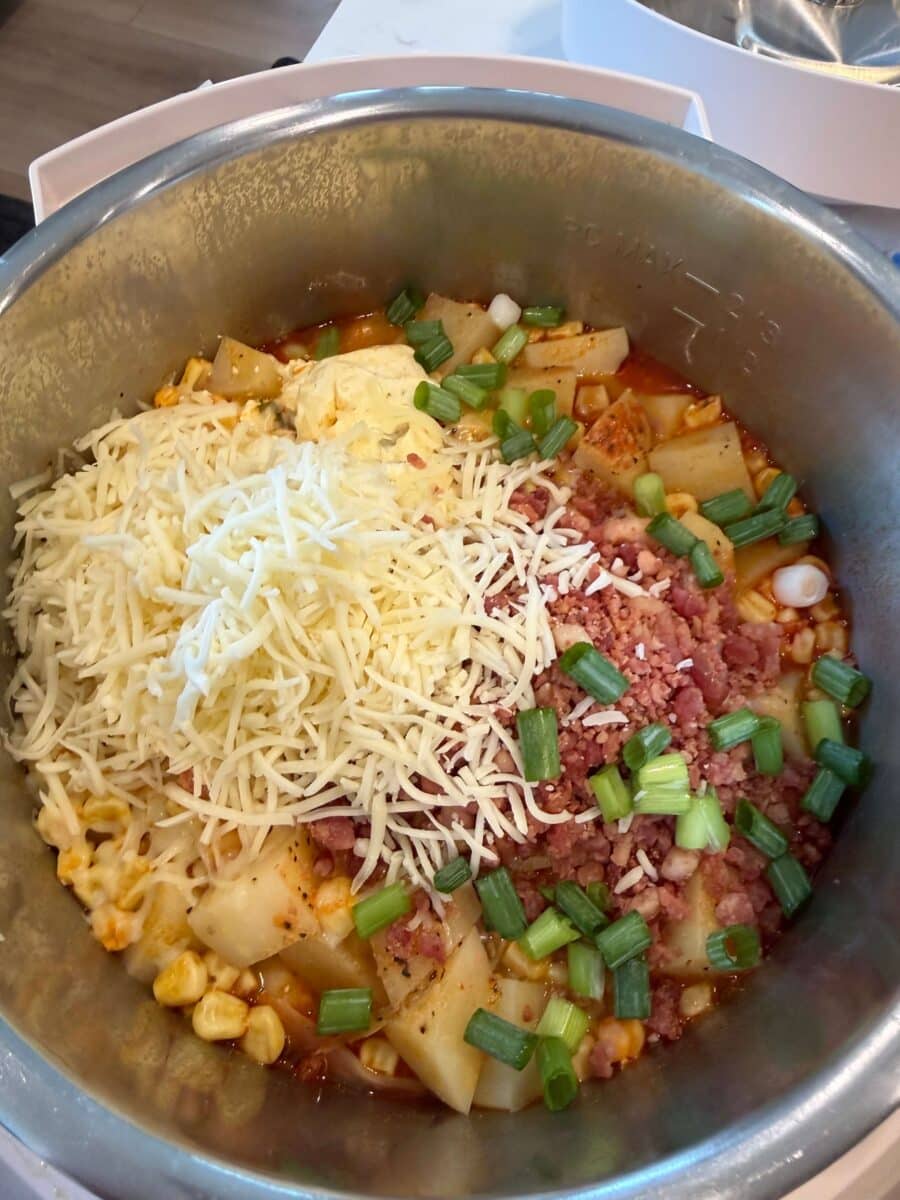
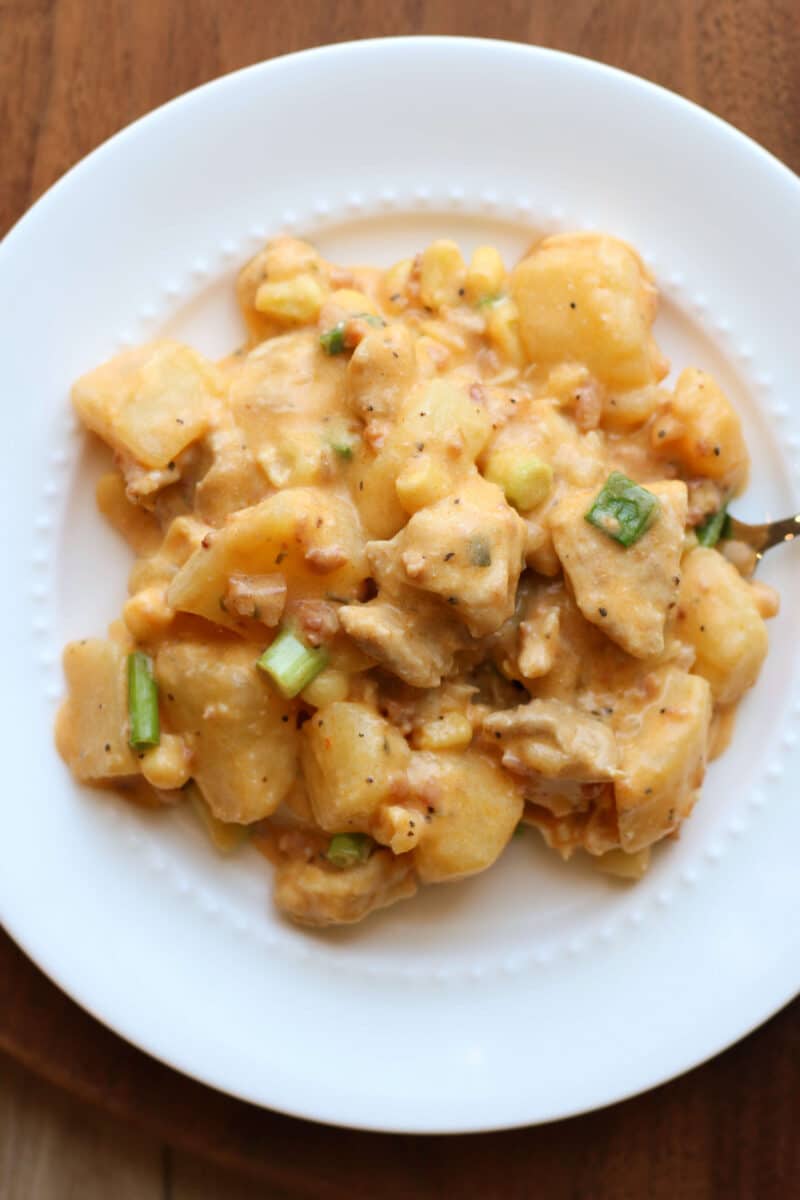
To earn the "loaded" designation, the dish incorporates supplementary ingredients that add layers of flavor and texture. Corn provides a subtle sweetness and a "pop" in mouthfeel, while bacon adds a smoky, salty crunch. The inclusion of Monterey Jack cheese—a high-melt-point cheese—ensures a gooey consistency that binds the ingredients together during the final stages of preparation.
Chronology of Preparation: A Technical Overview
The preparation of the Loaded Buffalo Chicken Potato Casserole follows a precise sequence designed to maximize flavor extraction while ensuring food safety and optimal texture.

- Liquid Foundation: The process begins with the addition of chicken broth to the inner pot. This is a technical necessity for pressure cooking, as the appliance requires thin liquid to generate the steam needed to reach high pressure.
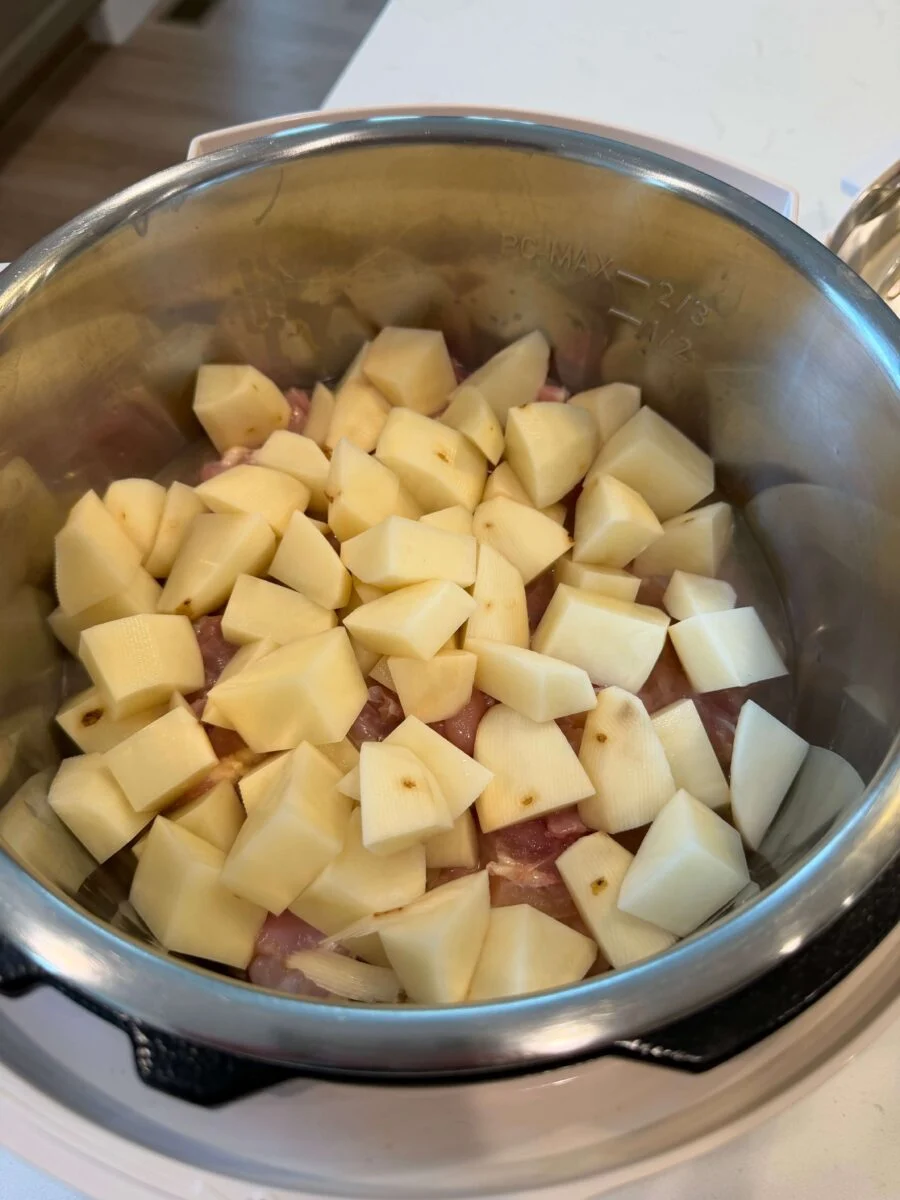
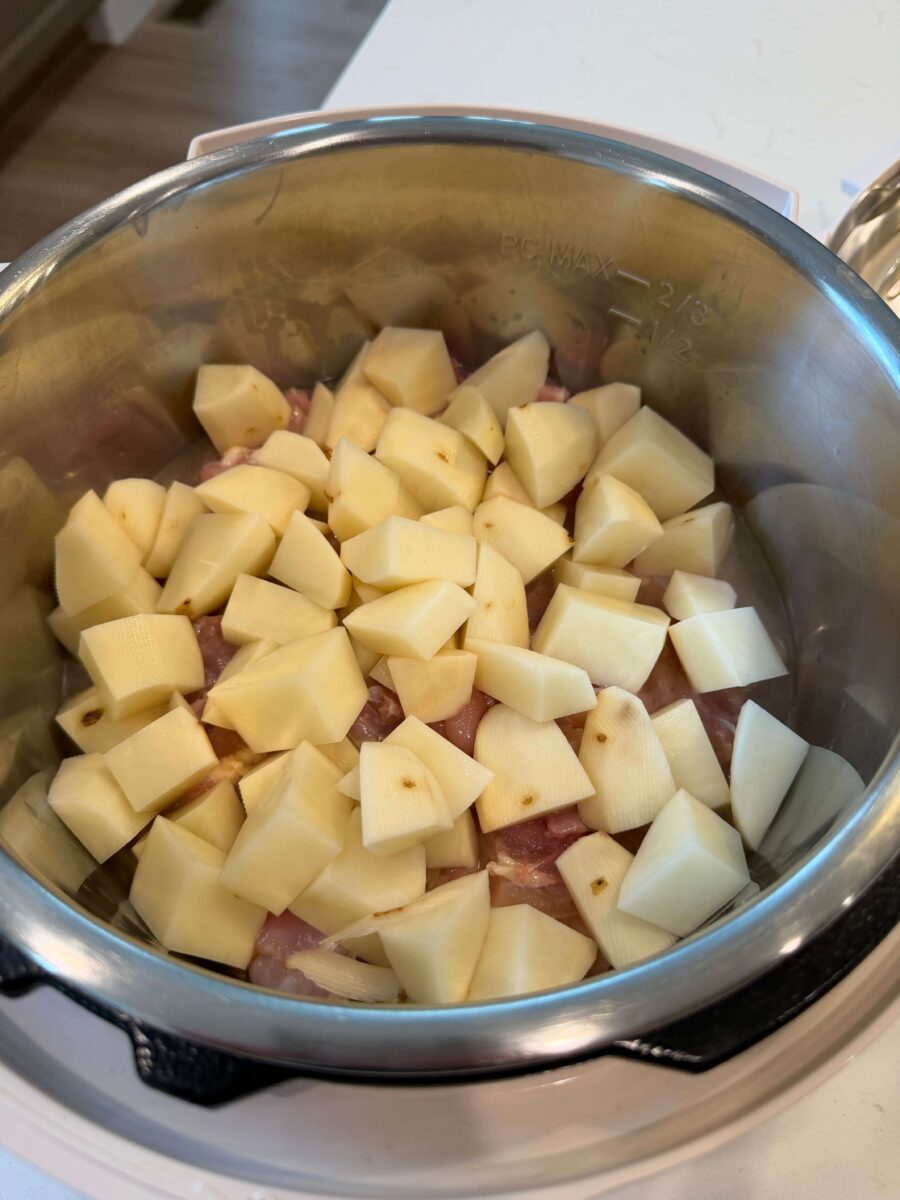
- Layering for Even Cooking: Chicken is placed at the bottom, followed by the potatoes. This layering ensures that the meat is in direct contact with the heat source and liquid, while the potatoes steam directly above.
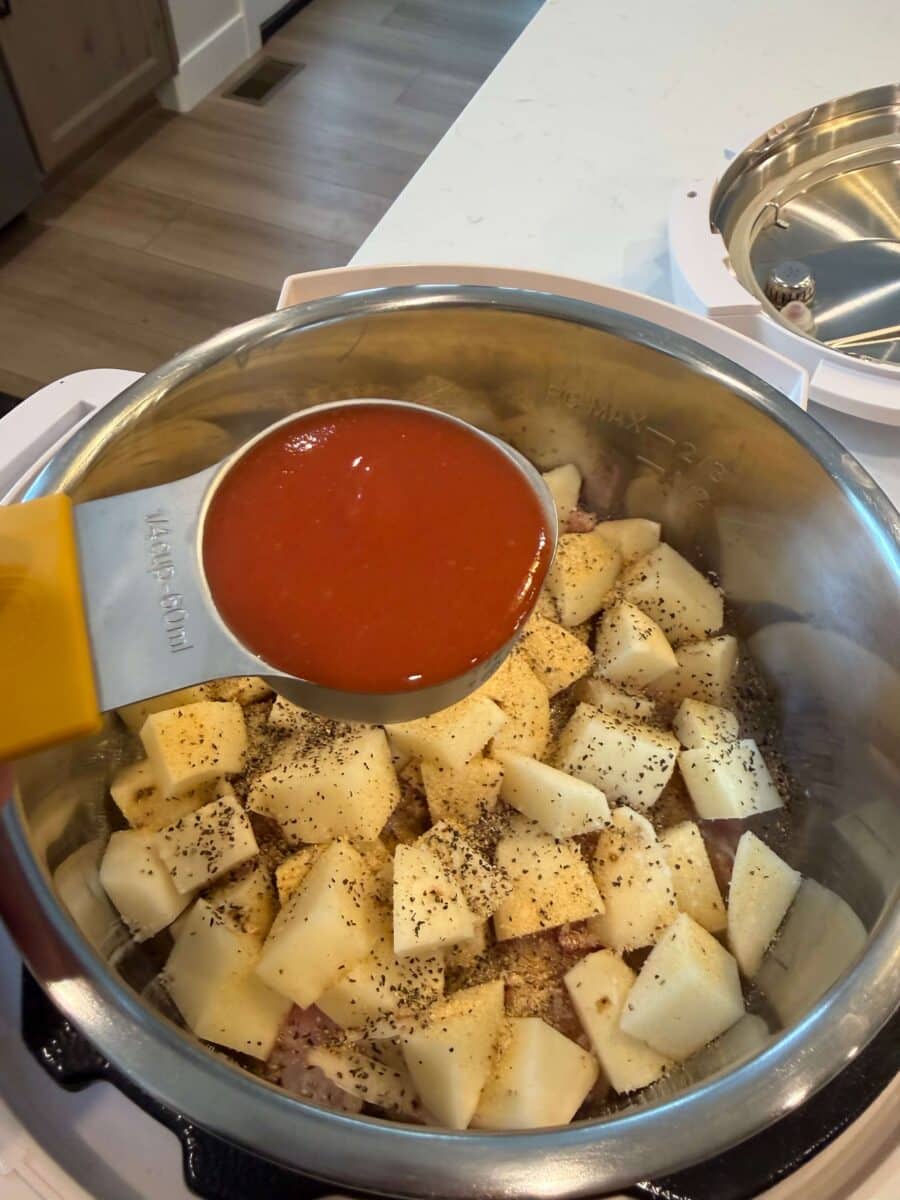
- Seasoning and Acid Integration: Garlic powder, salt, pepper, and hot sauce are distributed over the starch. This allows the flavors to permeate the potatoes as they soften.
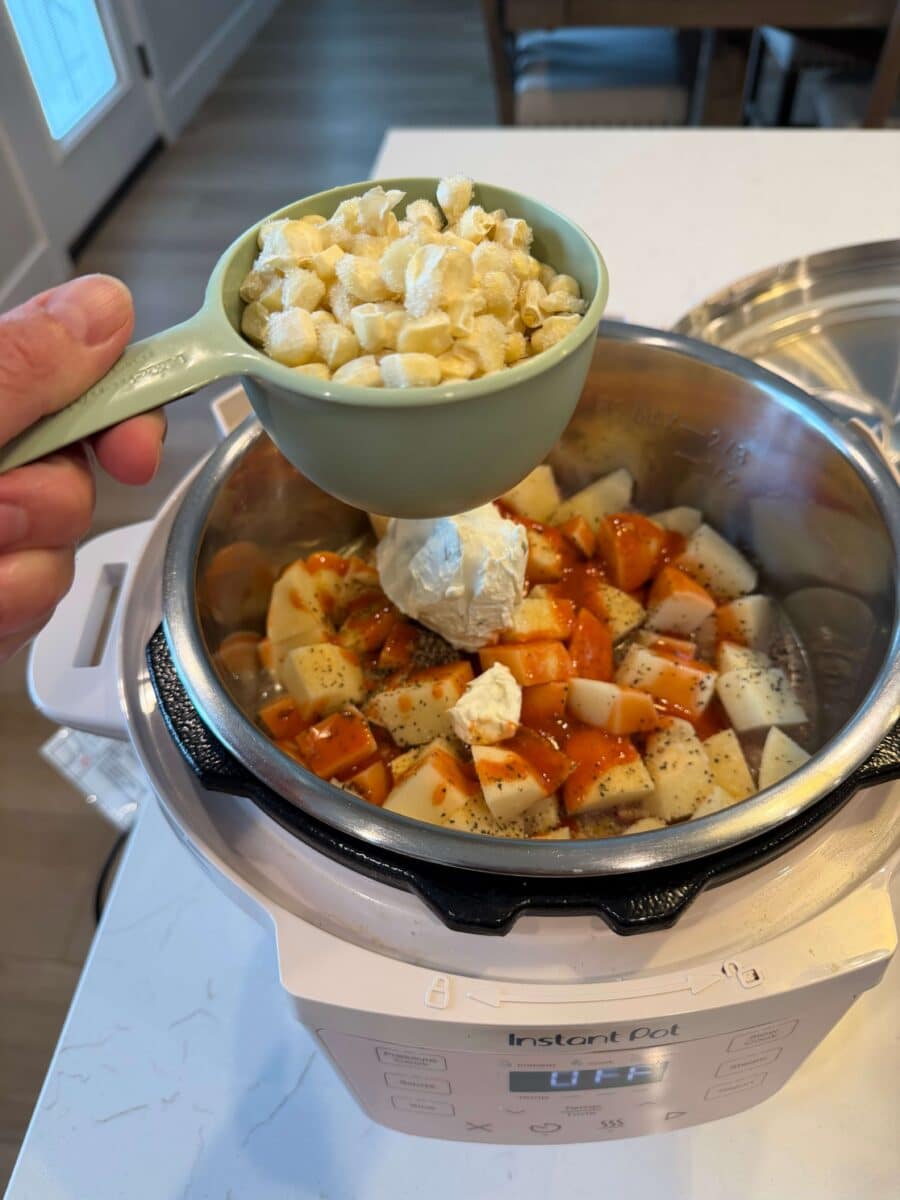
- The Dairy and Vegetable Cap: Cream cheese and corn are added last. By placing the cream cheese on top, it melts gradually during the cooking cycle, eventually being folded into the mixture to create the final sauce.
- Pressure Cycle: The device is sealed and set to manual high pressure for a duration of three minutes. It is important to note that the total "cook time" includes the period required for the pot to reach pressure (typically 10–15 minutes) and the subsequent natural release period.
- The Five-Minute Natural Release: After the active cooking cycle, the pot sits for five minutes. This allows the internal temperature to stabilize and prevents the chicken from toughening, which can occur during an immediate "quick release" of steam.
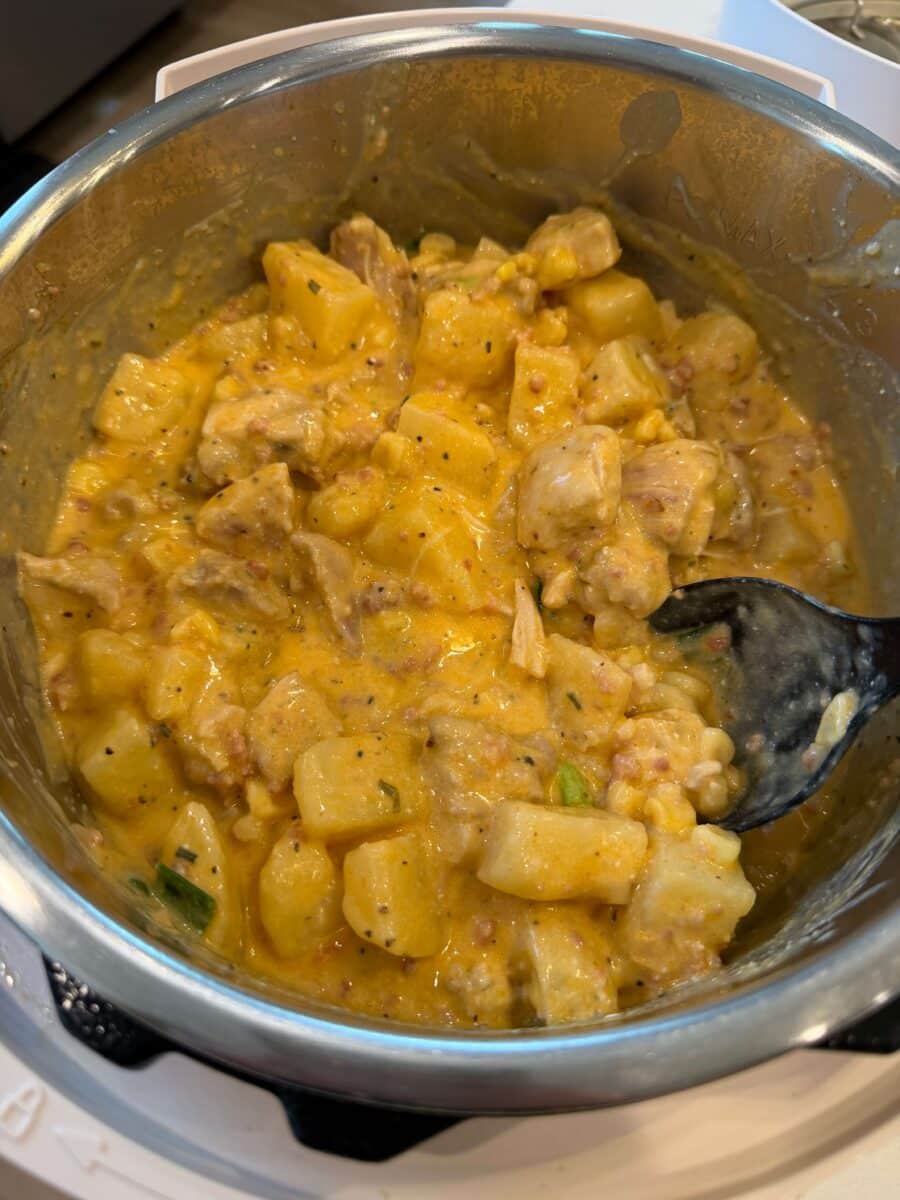
- Final Assembly: Once the lid is removed, the cook folds in pre-cooked bacon and shredded Monterey Jack cheese. The residual heat from the chicken and potatoes is sufficient to melt the cheese without further active heating.
- Thickening (Optional): If the resulting sauce is too thin, the "Saute" function is employed. A cornstarch slurry (a 1:1 mixture of cornstarch and cold water) is stirred in, bringing the liquid to a brief boil to activate the thickening agents.
Supporting Data on Domestic Cooking Trends
Recent consumer surveys indicate that the "Buffalo" flavor profile is among the top five most requested flavors in the "casual dining at home" category. Additionally, the "loaded potato" concept—long a staple of steakhouse side dishes—has successfully migrated into the main course category through the use of added proteins like chicken.
Data from grocery retail tracking suggests a correlated increase in the sale of "shortcut" ingredients, such as pre-cooked bacon bits and pre-shredded cheese, which are featured in this recipe. This indicates a shift in the American kitchen toward "assembly cooking," where the focus is on combining high-quality prepared components with fresh staples to produce a home-cooked meal with minimal manual prep.
Official Responses and Culinary Expert Insights
While there are no "official" government statements on specific casseroles, the USDA and various culinary institutes frequently provide guidelines that apply to such dishes. Food safety experts emphasize the importance of ensuring that the chicken reaches an internal temperature of 165°F (74°C), a metric easily achieved within the pressurized environment of an Instant Pot.
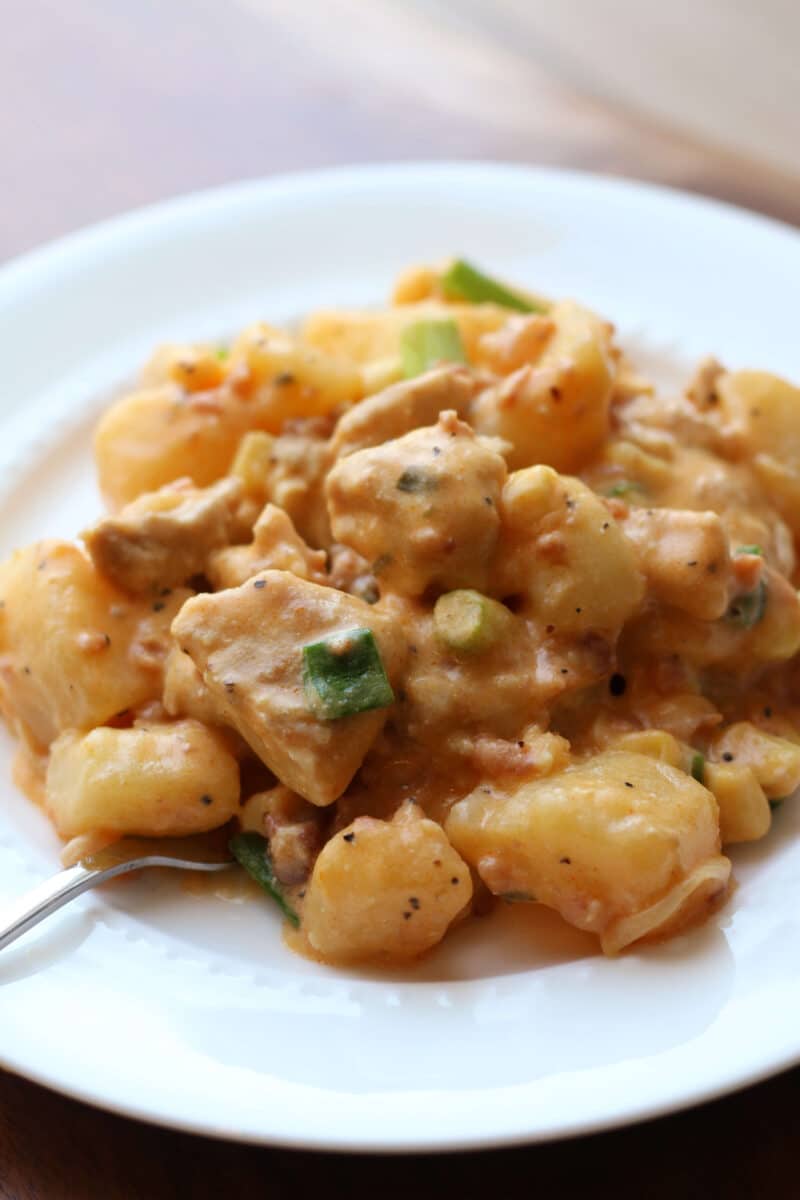
Culinary educators note that the use of cream cheese in a Buffalo-style dish is a clever adaptation for the home cook. Traditional Buffalo sauce can break or separate when heated for long periods; however, the stabilizers in commercial cream cheese help maintain a consistent texture, making it more "forgiving" for amateur chefs. Furthermore, the suggestion to use blue cheese dressing as a garnish is a nod to the traditional serving style of Buffalo wings, providing the necessary acidity and funk to balance the richness of the bacon and potatoes.

Broader Impact and Implications for the Food Industry
The proliferation of recipes like the Loaded Buffalo Chicken Potato Casserole has significant implications for the food supply chain and digital media.

Impact on Digital Content and SEO
Recipes of this nature are highly optimized for search engines and social media platforms like Pinterest. The "Pin this recipe for later" calls to action, as seen in the source material, highlight the role of digital curation in modern meal planning. For food bloggers and content creators, such recipes are essential "traffic drivers" that cater to the most common search queries: "easy dinner," "Instant Pot recipes," and "chicken and potatoes."
Influence on Grocery Product Development
The popularity of these dishes influences what appears on grocery store shelves. We see an increase in "Buffalo-style" branded products, from ranch dressings to frozen appetizers. The demand for specific ingredients like Monterey Jack cheese and bulk-packaged chicken breasts is often buoyed by the viral nature of such "all-in-one" recipes.
Nutritional Considerations and Customization
As the public becomes more health-conscious, the casserole format is being adapted. Analysts observe a rise in "substitution culture," where home cooks replace potatoes with cauliflower for a low-carb version or use Greek yogurt instead of cream cheese to increase protein and reduce fat. The flexibility of the Loaded Buffalo Chicken Potato Casserole allows it to remain relevant across various dietary trends, ensuring its longevity in the American recipe rotation.

Conclusion
The Loaded Buffalo Chicken Potato Casserole is more than a simple evening meal; it is a synthesis of mid-20th-century flavor innovation and 21st-century technological convenience. By utilizing the Instant Pot to merge disparate ingredients into a flavor-packed, "loaded" format, it addresses the primary needs of the modern consumer: speed, flavor, and simplicity. As the landscape of home cooking continues to shift toward high-efficiency appliances and bold, globally-inspired flavors, dishes like this casserole will likely remain a cornerstone of the domestic dining experience, providing a reliable template for future culinary adaptations.
