
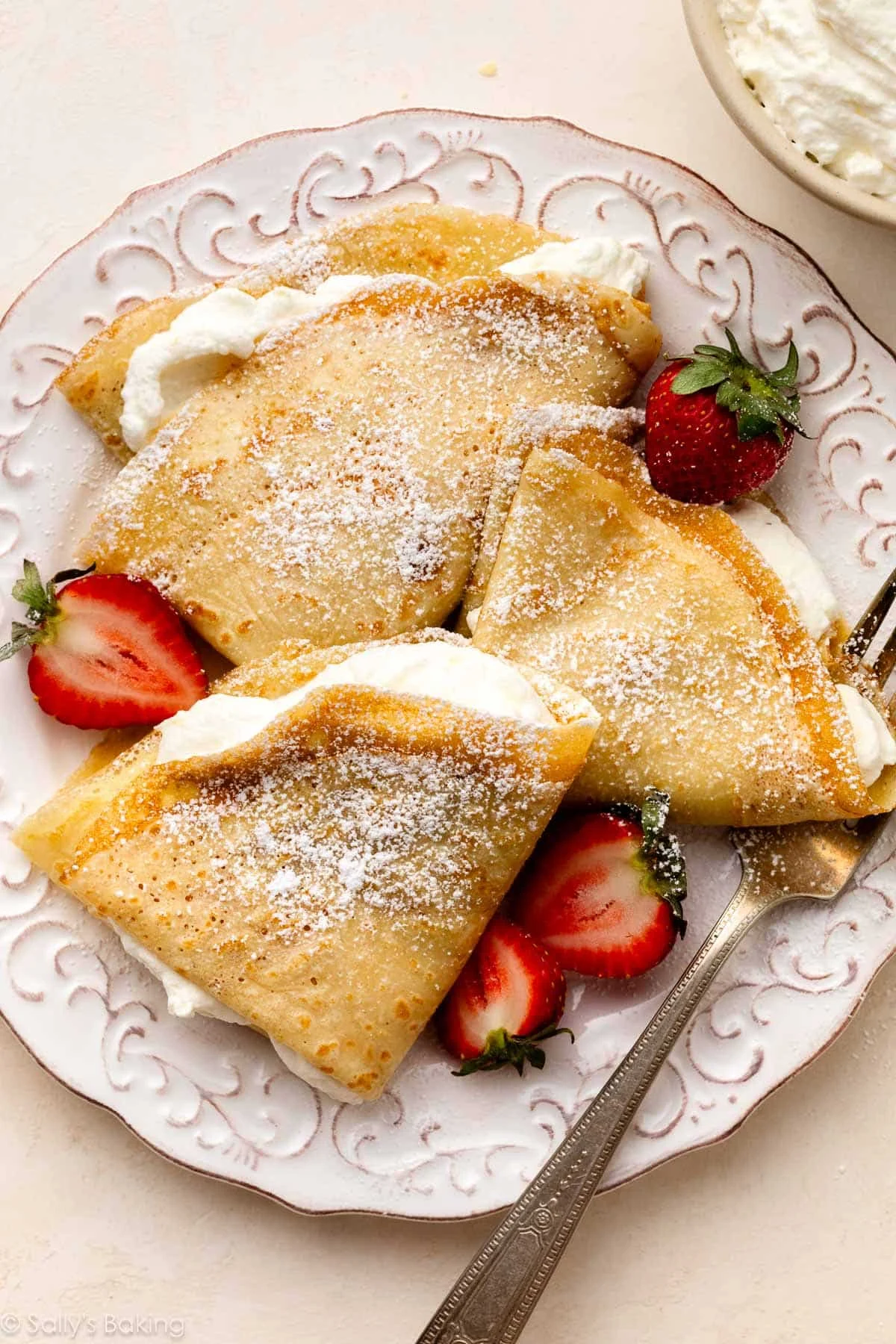
Learning how to prepare homemade crepes is a more accessible culinary endeavor than often perceived, transforming a seemingly intricate French classic into a manageable kitchen project. These delicate, thin, and buttery pancakes, foundational to both sweet and savory dishes, can be crafted from a simple eight-ingredient batter that comes together rapidly. Crucially, their preparation does not necessitate specialized equipment; a standard skillet performs the task effectively. This guide delves into the historical context, culinary science, and practical techniques behind producing soft, flexible crepes with perfectly crisp edges, suitable for an array of fillings, from fresh berries and whipped cream to robust meats, cheeses, and vegetables.
The Enduring Legacy and Cultural Significance of Crepes
Crepes, derived from the Latin word crispus, meaning "curled," boast a rich history rooted in Brittany, a region in northwest France. Originally simple buckwheat galettes, or galettes de sarrasin, these thin pancakes served as a staple food for centuries, particularly in areas where wheat cultivation was challenging. Over time, as wheat became more widely available, the sweeter crêpes de froment (wheat crepes) emerged, solidifying their place in French gastronomy.
A significant cultural milestone in the crepe’s chronology is its association with La Chandeleur, or Candlemas, celebrated annually on February 2nd. This ancient Christian holiday, marking the presentation of Jesus at the Temple, has strong pagan roots linked to purification and fertility. Tradition dictates that families make crepes on this day, with various superstitions surrounding the act. Holding a coin in one hand while flipping a crepe with the other, or throwing the first crepe onto a wardrobe to ensure prosperity for the coming year, are common practices. This cultural embedding underscores the crepe’s transformation from a mere food item into a symbol of tradition, community, and good fortune, illustrating its deep resonance within French societal fabric.
Beyond France, the concept of a thin, griddled batter has permeated cuisines worldwide, manifesting in variations such as Russian blini, Hungarian palacsinta, and Scandinavian plättar. While distinct in their ingredients and preparation, these cousins to the French crepe highlight the universal appeal of this versatile culinary form, adapting to local tastes and available ingredients.
Deconstructing the Crepe: The Science Behind the Batter
The simplicity of crepe ingredients belies the subtle science governing their texture and flexibility. Unlike American pancakes, which rely on leavening agents like baking powder or baking soda to achieve their characteristic fluffiness, crepes contain no such components. This absence is fundamental to their thin, tender, and pliable structure, making them ideal for wrapping or folding around fillings without tearing.
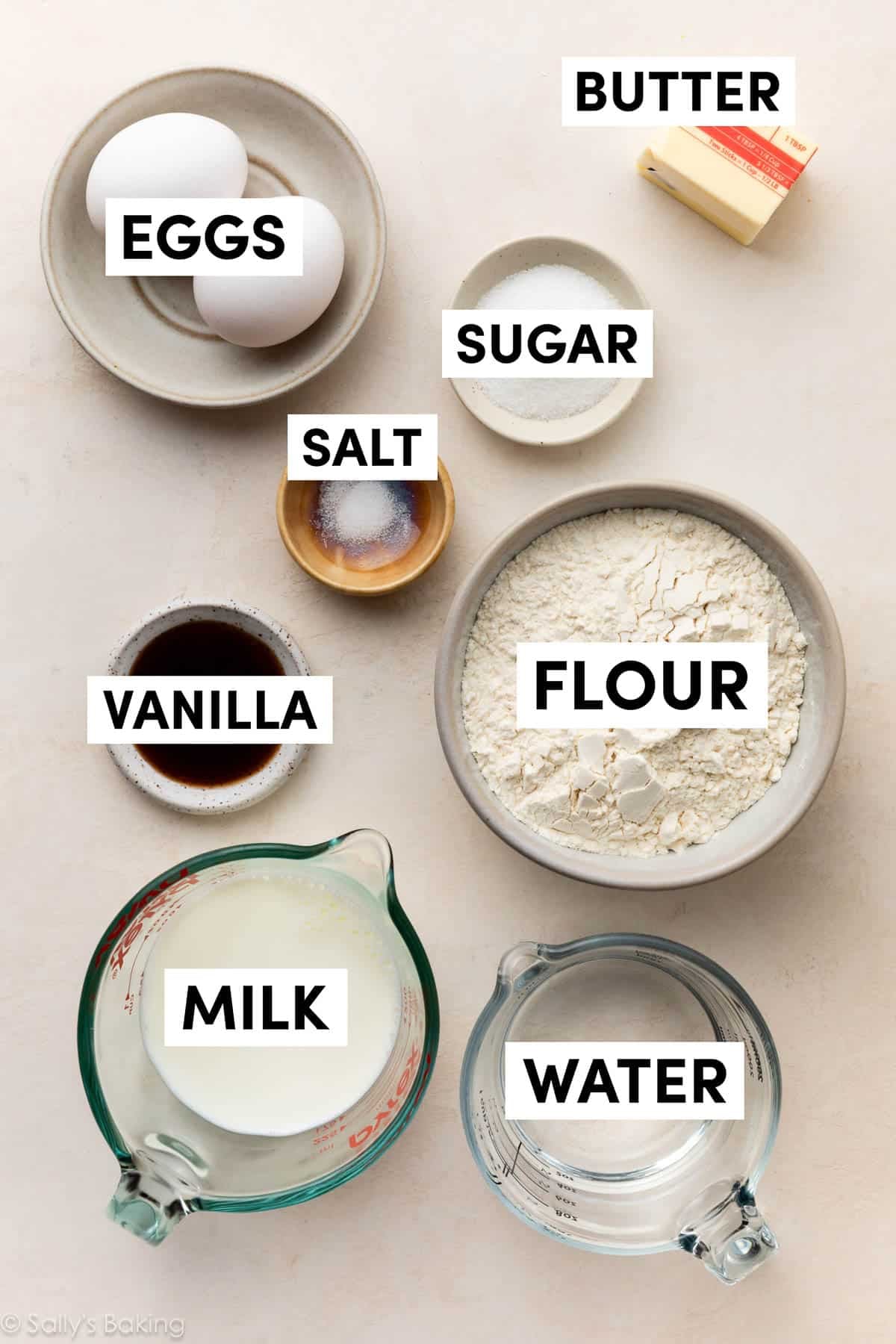
The core ingredients typically include flour, eggs, milk (and sometimes water), sugar, melted butter, vanilla extract, and a pinch of salt. Each plays a critical role:
- All-Purpose Flour: Provides the structural gluten network. The quantity is precise; too much can lead to a dense, chewy crepe, while too little results in a fragile one.
- Eggs: Act as a binder, provide richness, and contribute to the batter’s emulsification, ensuring a smooth, cohesive texture. They also aid in browning.
- Milk (and sometimes water): The primary liquid component, it hydrates the flour and controls the batter’s consistency. A combination often yields a lighter texture.
- Granulated Sugar: Enhances flavor and contributes to browning, particularly for sweet crepes. For savory crepes, a minimal amount is used.
- Melted Butter: Adds richness, flavor, and tenderness. It also helps prevent sticking to the pan. Crucially, the butter must be cooled slightly before being added to the batter to prevent "scrambling" the eggs.
- Vanilla Extract: Primarily for sweet crepes, it adds a fragrant aroma and depth of flavor.
- Salt: A flavor enhancer that balances the sweetness and brings out the nuances of the other ingredients.
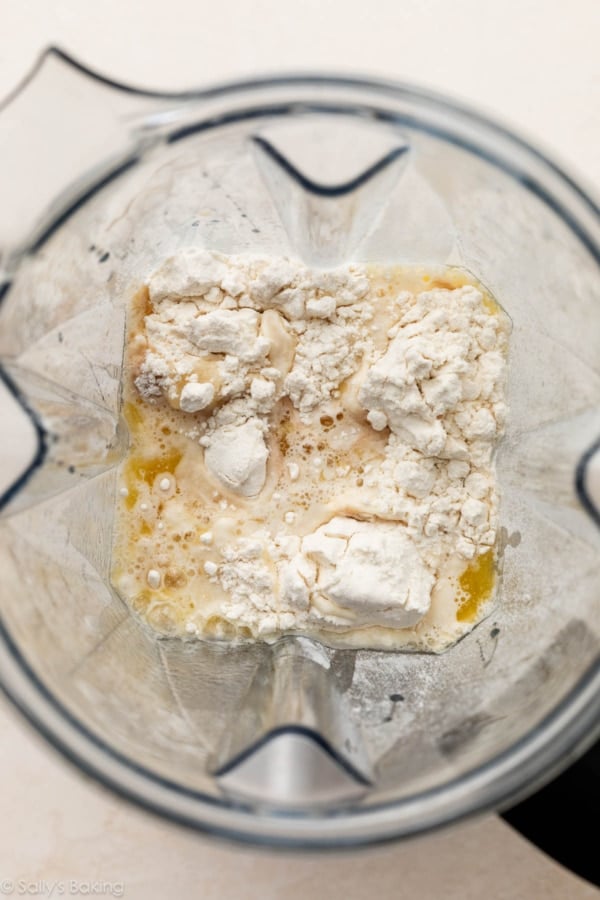
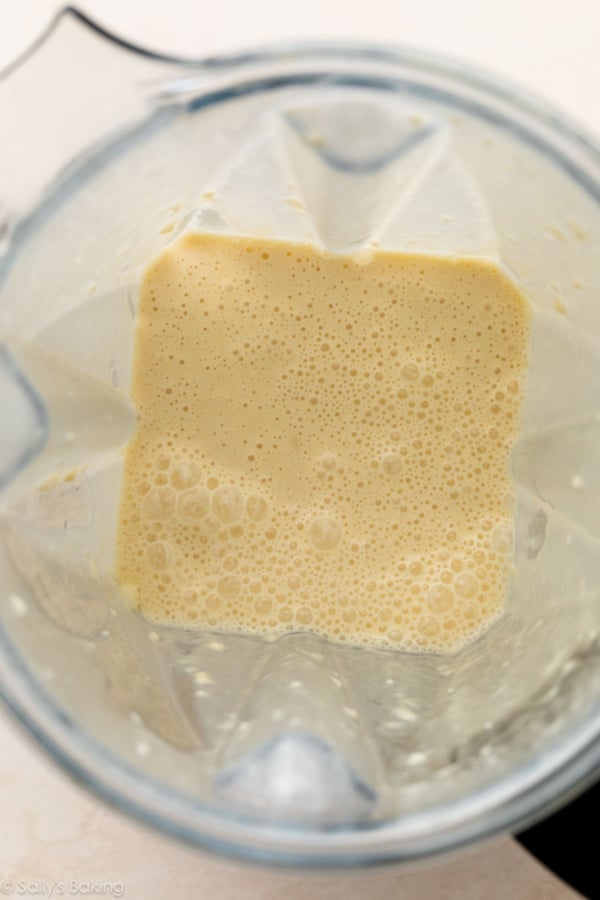
A key technique highlighted in contemporary recipes is the use of a blender for batter preparation. This method offers several advantages over traditional whisking. The high-speed blades efficiently break down any flour lumps, resulting in an exceptionally smooth batter. Furthermore, it effectively incorporates air, which, while later needing to settle, contributes to an initial lightness. If a blender is unavailable, thorough whisking in a mixing bowl can achieve a smooth consistency, though straining the batter through a fine-mesh sieve can further refine it.
The Critical Role of Batter Rest
Perhaps the most underestimated step in crepe preparation is allowing the batter to rest. After mixing, the batter should be refrigerated for at least 30 to 60 minutes, and ideally up to overnight. This resting period is not merely for convenience; it is scientifically crucial for the crepe’s success.
- Gluten Relaxation: Mixing flour with liquid activates gluten development. A rest period allows these gluten strands to relax, leading to a more tender, less rubbery crepe. Without this relaxation, the crepes can be tough and difficult to spread thinly.
- Flour Hydration: Resting gives the flour ample time to fully hydrate, absorbing the liquid uniformly. This results in a more consistent batter viscosity, which is essential for even cooking and preventing tearing.
- Air Bubble Dissipation: The mixing process, especially with a blender, incorporates air into the batter. Resting allows these air bubbles to dissipate, preventing holes or uneven textures in the cooked crepes.
Culinary educators frequently emphasize the resting phase as a foundational principle in baking and pastry, particularly for batters where a delicate, even texture is paramount. The difference between a rested and unrested batter is often described as the distinction between a professional-quality crepe and a home amateur’s attempt.
Mastering the Art of Cooking Crepes
The actual cooking of crepes requires a combination of proper heat management, the right pan, and a specific pouring technique.
- Pan Selection: While specialty crepe pans are available, a standard 8-inch non-stick skillet performs admirably in a home kitchen. The key is a pan with low sides, which facilitates easy flipping. If a larger skillet is used, meticulous attention to spreading the batter thinly becomes even more critical.
- Heat Regulation: Medium heat is generally recommended. Too high, and the crepes burn before cooking through; too low, and they become tough and rubbery. The pan should be generously buttered initially, with a light re-greasing between each crepe to ensure consistent non-stick properties and flavor.
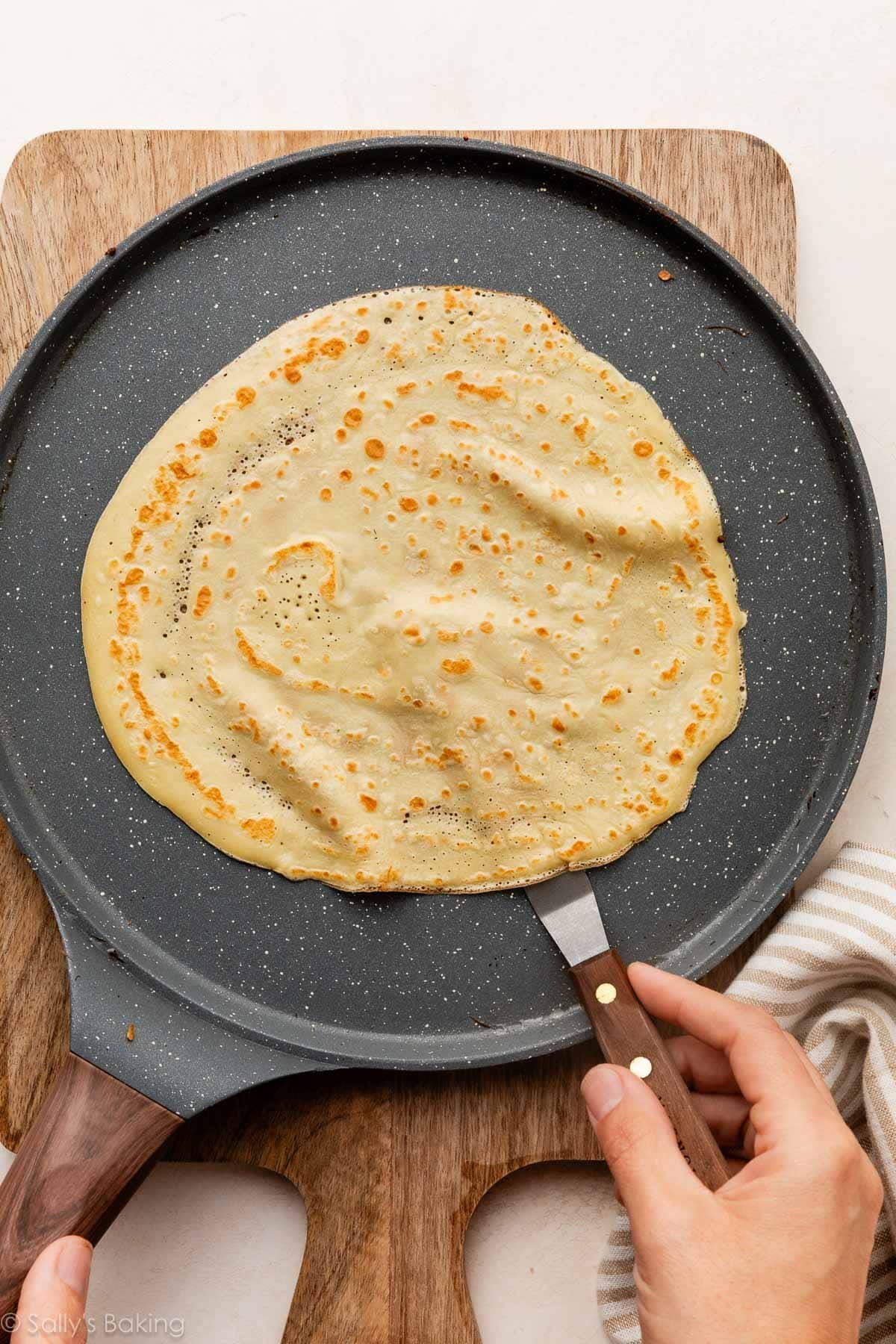
- The Pour and Swirl Technique: The precise amount of batter per crepe is vital for achieving the characteristic thinness. Typically, 3 to 4 tablespoons of batter are poured into the center of the hot, buttered pan. Immediately after pouring, the pan must be swiftly tilted and rotated in a circular motion to allow the batter to spread thinly and evenly across the entire surface. This rapid "twirling" action is what distinguishes a true crepe from a thicker pancake or tortilla-like result.
- Cooking Time and Flipping: The first side of the crepe usually cooks for about 1 to 2 minutes, or until the edges begin to crisp and lift slightly, and the surface appears set. A visual cue is the appearance of small bubbles, much like pancakes, but far fewer. The crepe is then gently flipped and cooked for an additional 20-30 seconds on the second side, just enough to set it without overcooking. Overcooking leads to rubberiness and a loss of the delicate texture.
Experienced home bakers and culinary enthusiasts attest that the initial few crepes often serve as "test crepes" to calibrate pan temperature and batter quantity. Patience and practice are key to perfecting the technique, yet the process is inherently forgiving, yielding delicious results even with minor imperfections.
Versatility: The Culinary Canvas of Crepes
One of the most compelling aspects of crepes is their unparalleled versatility. Their neutral flavor profile makes them an ideal "blank canvas" for an almost infinite array of fillings and toppings, catering to any meal of the day.
Sweet Crepe Inspirations:
For breakfast, brunch, or dessert, sweet crepes offer delightful possibilities. Classic pairings include:
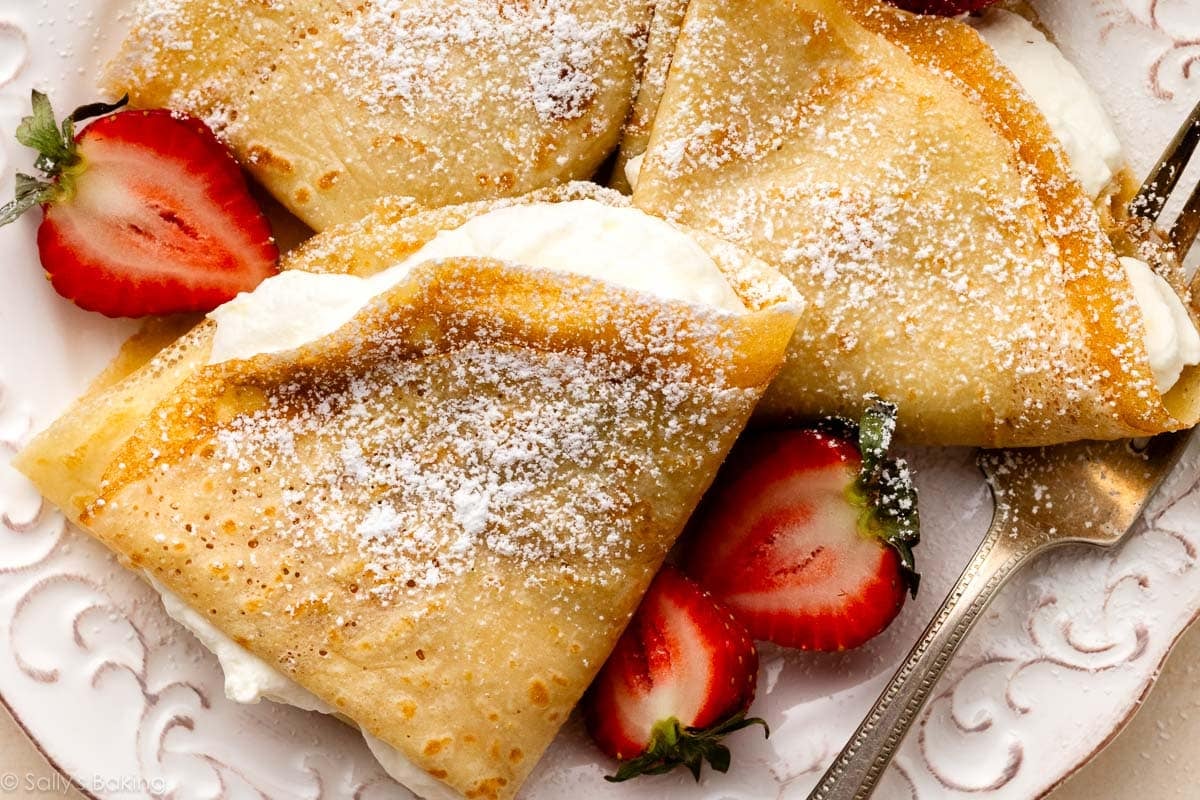
- Fresh berries (strawberries, blueberries, raspberries) and homemade whipped cream, offering a vibrant contrast of flavors and textures.
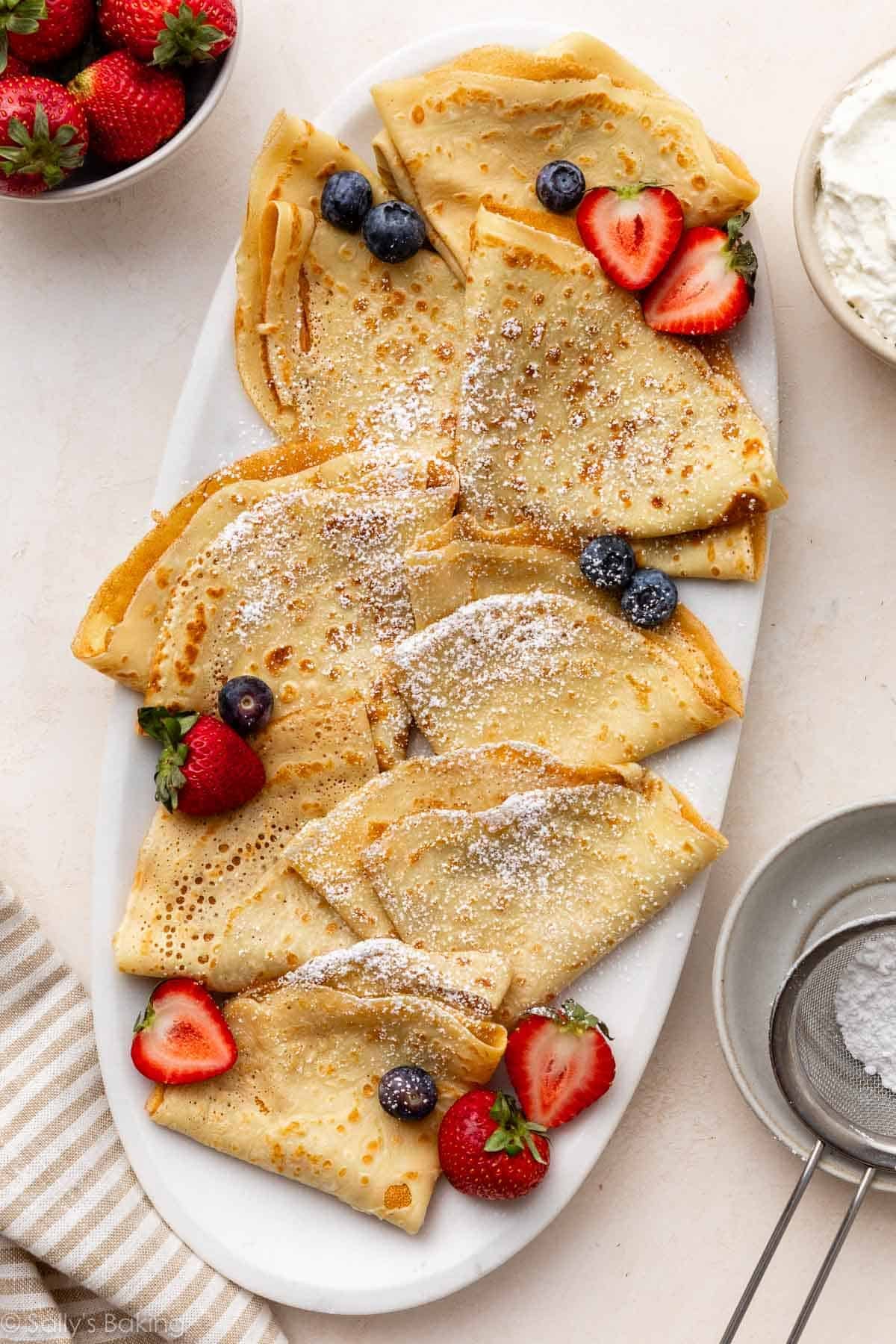
- A simple dusting of powdered sugar and a squeeze of fresh lemon juice, a traditional French preparation that allows the delicate crepe flavor to shine.
- Nutella (chocolate-hazelnut spread), often paired with sliced bananas, a globally popular combination.
- Fruit jams or preserves, such as raspberry, apricot, or fig.
- Sweetened cream cheese fillings, sometimes with a hint of citrus zest.
- Caramelized apples or pears with cinnamon.
- Maple syrup, honey, or chocolate sauce drizzles.
- Ice cream or sorbet, transforming crepes into an elegant dessert.
- Crepes Suzette, a flambéed classic with butter, sugar, orange juice, and Grand Marnier, representing the pinnacle of sweet crepe preparation.
Savory Crepe Creations:
Crepes transcend the breakfast table, proving equally adept as a foundation for lunch or dinner. Their flexibility allows for hearty and sophisticated savory fillings:
- Ham and Swiss cheese, a timeless combination, often enhanced with a béchamel sauce.
- Sautéed mushrooms, spinach, and goat cheese, offering an earthy and tangy profile.
- Chicken or turkey with various sauces, such as mushroom cream sauce or pesto.
- Asparagus and Gruyere cheese.
- Smoked salmon with dill and cream cheese, a sophisticated brunch or appetizer option.
- Ratatouille, providing a taste of Provençal vegetables.
- Ground meat fillings, seasoned with herbs and spices.
- Scrambled eggs, bacon, or sausage, creating a breakfast-for-dinner experience.
This vast array of options contributes significantly to the crepe’s enduring popularity, allowing individuals to customize their culinary experience according to preference and occasion. As one reader, Jane, commented, "This recipe is so good and I can’t believe how easy it was to make. I love that I can make the batter the night before and just pour it in the pan in the morning." This sentiment echoes the practical appeal of crepes for home cooks.
Advance Preparation and Storage Logistics
The practicality of crepes extends to their preparation and storage, offering flexibility for busy schedules. The batter itself can be made up to one day in advance. Stored in the blender container or a tightly covered mixing bowl in the refrigerator, it maintains its quality and is ready for cooking the following day. This "make-ahead" capability is a significant advantage for those planning brunches or special meals.
Cooked crepes are best enjoyed fresh, when their delicate texture and crisp edges are most pronounced. However, leftovers can be stored in the refrigerator for up to two days. For reheating, they can be gently warmed in a microwave or arranged on a lined baking sheet, covered with aluminum foil, and heated in a 275°F (135°C) oven for approximately 10 minutes.
For longer storage, crepes can be frozen. To prevent sticking, it is advisable to place a piece of parchment paper between each crepe before stacking them in an airtight container or freezer bag. Frozen crepes can last for up to two months and can be thawed in the refrigerator overnight or gently reheated from frozen. This makes them an excellent candidate for meal prepping, allowing for spontaneous enjoyment of a sophisticated treat.
Troubleshooting Common Crepe Challenges
Even with the most detailed instructions, minor issues can arise. Understanding the causes behind common crepe problems can help home cooks refine their technique:
- Rubbery Crepes: This is almost always a sign of overcooking. Crepes cook quickly, and excessive heat or prolonged time on the pan will render them tough. Adjust heat and adhere to the recommended cooking times (1-2 minutes on the first side, 30 seconds on the second).
- Tearing Crepes: Several factors can contribute to tearing. Insufficient batter rest time means the gluten hasn’t relaxed, leading to a brittle crepe. Additionally, flipping a crepe before the first side is fully set can cause it to tear. Ensure the edges are lifting easily before attempting to flip.
- Thick, Tortilla-like Crepes: This indicates either too much batter was used, or the batter was not adequately spread across the pan. Consistency is key; aim for 3-4 tablespoons of batter and execute the pan-swirling technique immediately and thoroughly.
- Lumpy Batter: While a blender largely mitigates this, hand-whisked batters can sometimes be lumpy. If this occurs, straining the batter through a fine-mesh sieve before chilling will ensure a silky-smooth consistency.
As reader Auggy commented, "Gave this a shot having never attempted crepes before and they came out AMAZING. I used extremely low heat with a small pan, and used the timing recommended with 2 minutes on the first side and 30 seconds on the flip side. Delicious." This demonstrates that careful adherence to technique, even by novices, yields excellent results.
Conclusion: An Accessible Culinary Achievement
The journey to mastering homemade crepes reveals a rewarding intersection of culinary simplicity and gastronomic elegance. From their historical roots as a humble staple to their current status as a versatile, beloved dish, crepes offer a unique blend of cultural heritage and contemporary culinary appeal. The process, while requiring attention to detail regarding batter science and cooking technique, remains remarkably accessible for the home cook. The ability to produce soft, delicate crepes with lightly crisp edges, using only basic ingredients and standard kitchen equipment, empowers individuals to create restaurant-quality dishes in their own homes.
Whether served as an everyday breakfast, an elegant brunch, a satisfying dinner, or a sophisticated dessert, crepes continue to captivate with their adaptability. Their "blank canvas" nature encourages creativity, inviting cooks to explore an endless spectrum of sweet and savory fillings. Furthermore, the option to prepare batter in advance and store cooked crepes streamlines meal planning, making this French delicacy a practical and delightful addition to any culinary repertoire. As one reader, Ellie, enthusiastically shared, "This was the first time I had made crepes and they were amazing and really easy. Ever since I have made them every week for a special dinner. Thank you so much!" This testament underscores the transformative power of mastering a fundamental recipe like crepes, turning a perceived challenge into a cherished weekly tradition. The enduring appeal of crepes, and their capacity to elevate any meal, solidifies their position as a fundamental skill for any aspiring home chef. For those seeking to further explore the versatility of crepes, constructing a multi-layered crepe cake offers another impressive culinary endeavor.
