
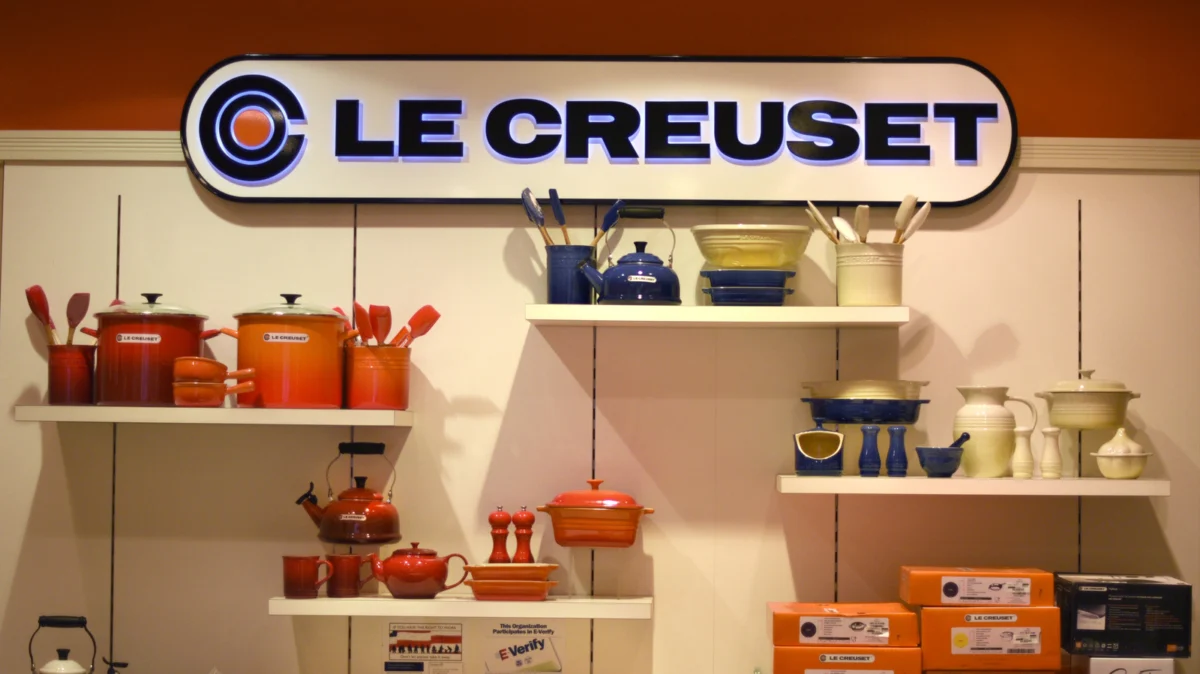
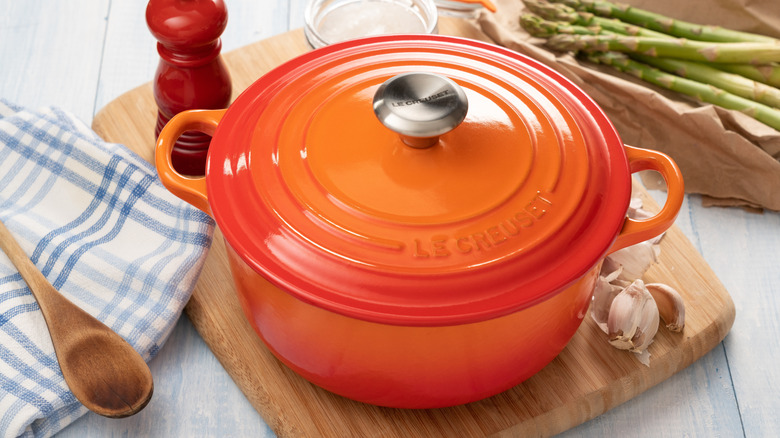
Le Creuset, a name synonymous with high-end, durable cookware, has graced kitchens for nearly a century. Since its founding in 1925, the French company has cultivated a reputation for producing exceptional enameled cast iron pieces, renowned for their aesthetic appeal and enduring performance. The very name "Le Creuset" translates to "the crucible," a nod to the molten iron at the heart of its casting process. While the brand has expanded its offerings to include modern non-stick and silicone bakeware, its iconic cast iron remains the cornerstone of its identity. These pieces are so well-made that they are often passed down through generations, a testament to their longevity. However, even with such a distinguished pedigree, Le Creuset cookware is not without its potential drawbacks. Understanding these common issues can help consumers make informed decisions and maximize their enjoyment of these cherished kitchen tools.
The Premium Price Tag: An Investment in Craftsmanship
One of the most immediate considerations for any potential Le Creuset owner is its price. This is not cookware acquired on a whim; it represents a significant investment. The meticulously crafted pieces are still individually hand-made in France, a tradition that harks back to the brand’s origins and inherently commands a higher cost than mass-produced alternatives. While not reaching the stratospheric prices of some ultra-premium copper cookware brands, which can exceed $1,000 for a basic Dutch oven, a Le Creuset classic round Dutch oven in a comparable size typically falls in the $500 to $600 range. Even with occasional sales or through online retailers like Amazon, where prices can dip below $400 (at the time of writing), it remains a substantial financial commitment.
However, for those with patience and a keen eye, acquiring Le Creuset pieces at a significant discount is possible. The thrifting and estate sale circuit can be a treasure trove for these high-quality items. Discovering a pre-owned Le Creuset piece not only offers considerable savings but also provides the opportunity to own a vintage item that may possess unique character and potentially appreciate in value. This approach allows budget-conscious cooks to participate in the Le Creuset experience without the initial premium cost.
The Weight of Quality: A Physical Consideration
The substantial weight of Le Creuset’s enameled cast iron is an intrinsic characteristic of the material itself. Beneath the lustrous enamel lies robust cast iron, a material celebrated for its heat retention and even cooking. This inherent heaviness, while contributing to superior cooking performance, is a practical consideration that cannot be overlooked. A 6-quart Dutch oven, for instance, can weigh over 11 pounds when empty. When filled with ingredients like broth (approximately 2 pounds per quart) and a multi-pound cut of meat, the total weight can easily reach 18 pounds or more.
This considerable heft necessitates a certain level of physical strength and capability. For individuals with physical limitations, maneuvering these heavy pots from cupboards to stovetops, or even lifting them during the cooking process, can be challenging and may require assistance. The temptation to purchase the largest available size, which can exceed 22 pounds when empty, should be tempered by a realistic assessment of one’s physical ability to handle such weight safely and comfortably.

The Enamel’s Double-Edged Sword: Durability Meets Brittleness
The signature enamel coating on Le Creuset cookware is a marvel of culinary engineering. It effectively seals the cast iron, preventing rust and providing a smooth, moderately non-stick surface that significantly reduces the labor-intensive seasoning and maintenance often associated with bare cast iron. The interior enamel, particularly the white finish found in many Le Creuset pieces, offers a distinct advantage by allowing cooks to accurately gauge the color of sauces and caramelizations, and to easily assess cleanliness. This contrasts with some competitors, like Staub, which often feature black enamel interiors.
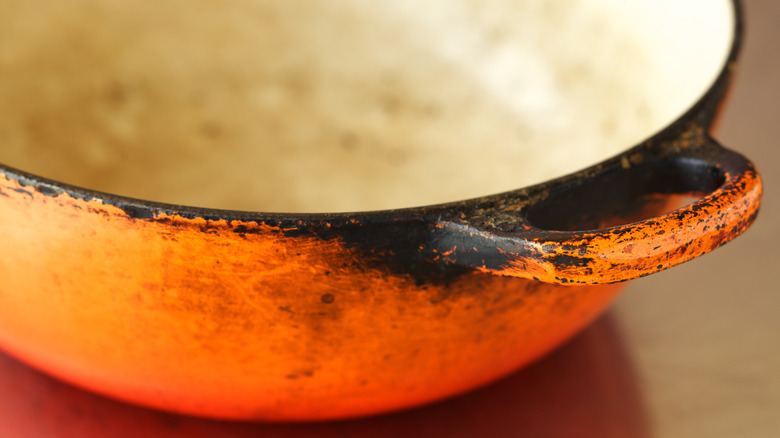
Despite its functional benefits and aesthetic appeal, the enamel coating is not impervious to damage. While durable in everyday use, it is inherently brittle. Accidental drops, a fumbled lid, or improper storage can lead to chips and cracks in the enamel. Once the enamel is compromised, the underlying cast iron is exposed, compromising the cookware’s protective barrier and potentially affecting the food. This makes careful handling and appropriate storage paramount to maintaining the integrity of the finish.
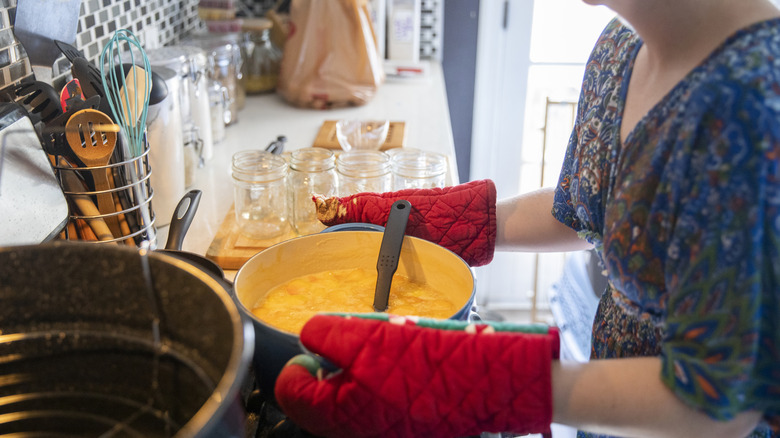
High Heat and the Risk of Thermal Shock
While cast iron is lauded for its versatility, its tolerance for extreme heat is not unlimited, and this is exacerbated by the enamel coating. Cast iron expands and contracts with temperature fluctuations, and excessive heat can lead to warping in bare cast iron. The enamel coating, with its different thermal expansion properties compared to the iron, is particularly susceptible to stress from rapid temperature changes. Le Creuset generally recommends a maximum stovetop temperature of 500°F (260°C) for its enameled cast iron. Exceeding this limit can create microscopic cracks, often described as a "spiderweb" effect, within the enamel. These cracks can trap food residues, leading to discoloration and potentially harboring bacteria. Therefore, understanding and respecting the heat limitations of enameled cast iron is crucial to prevent irreparable damage.
The Imperative of Hand Washing
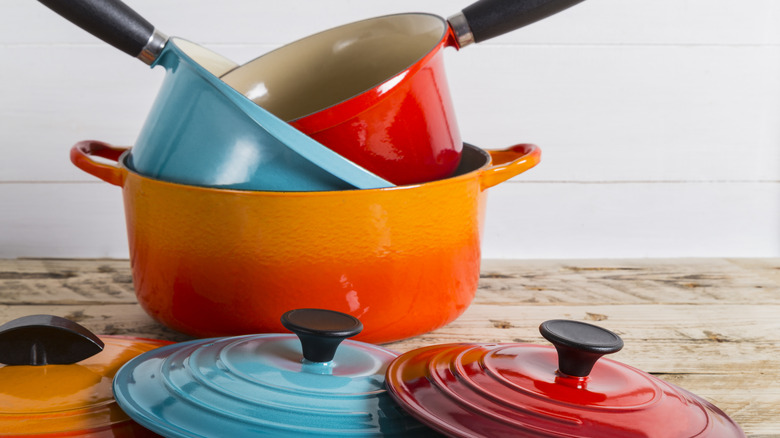
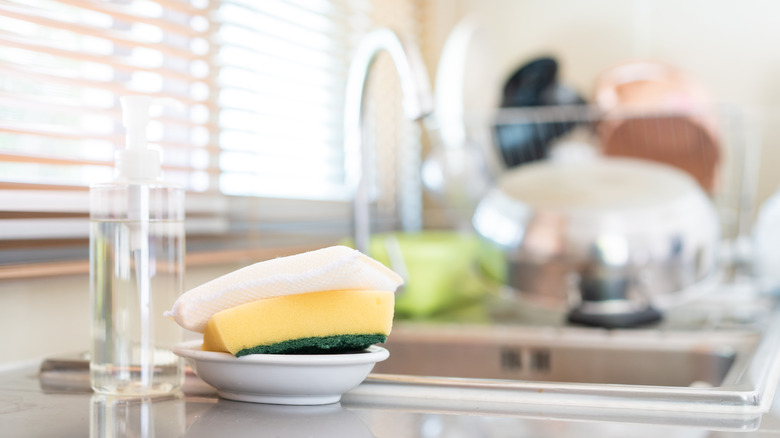
Although Le Creuset states that its enameled cookware is dishwasher-safe, the company acknowledges that repeated cycles can lead to a dulling of the vibrant enamel finish over time. While some may deem this trade-off acceptable for the convenience of machine washing, an often-unspoken risk lies within the dishwasher’s operation itself. The forceful jets of water and the clanking of dishes and utensils can pose a significant threat to the enamel’s integrity. Metal items colliding with the pot’s surface can chip or scratch the enamel, similar to the risk posed by metal utensils. For those who prioritize preserving the pristine appearance and longevity of their Le Creuset, hand washing with a soft cloth or sponge is the recommended and safest approach. The substantial weight of these pieces also means that dedicating a full dishwasher rack to a single item may be impractical.
Utensil Choices and Scrubbing Savvy
The choice of cooking utensils and cleaning tools directly impacts the lifespan of Le Creuset’s enamel finish. While well-seasoned bare cast iron can often withstand the rigors of metal utensils, enameled cast iron requires a more delicate approach. Le Creuset explicitly recommends the use of silicone, wooden, or heat-resistant nylon utensils to avoid scratching or chipping the enamel. While cautious use of metal utensils might be possible, the risk of gouging or chipping the surface is ever-present. Cutting food directly in the pan with metal implements is strongly discouraged.
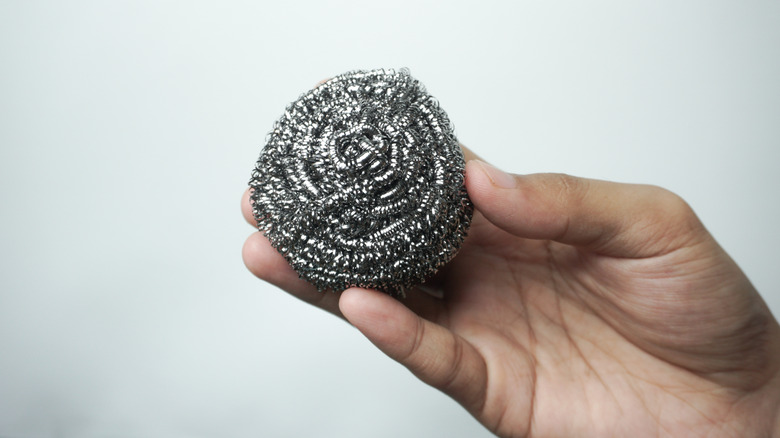
Similarly, cleaning requires a mindful selection of abrasives. Metal scrubbers, including steel wool and abrasive pads, can inflict significant damage. Instead, Le Creuset suggests employing soft, non-abrasive pads or nylon brushes. For stubborn, stuck-on food, soaking is often effective. If a mild abrasive is needed, products like Barkeeper’s Friend or Le Creuset’s own cookware cleanser are recommended.
Vulnerability to Thermal Shock
The phenomenon of thermal shock, where rapid and extreme temperature changes cause materials to crack or break, is a significant concern for Le Creuset cookware, particularly its enameled cast iron. Unlike Pyrex glass, which can shatter dramatically under thermal shock, Le Creuset’s cast iron is more likely to develop significant cracks in the enamel or even damage the underlying iron. This can occur when a hot pot is placed on a cold surface, such as a countertop or a wet trivet, or when cold water is poured into a still-hot pan. The differential expansion and contraction of the material create immense stress. Therefore, the consistent use of a trivet to protect surfaces and allow for gradual cooling is essential. This principle applies equally to vintage Le Creuset pieces, which, much like older Pyrex, can be susceptible to thermal shock due to their construction.
Knobs and Handles: Potential Points of Failure
While Le Creuset’s cast iron cookware is generally designed for oven use, the temperature limits of its lids’ knobs and handles must be carefully considered. The type of knob dictates its oven-safe temperature. For instance, black knobs on the Signature range are rated for 500°F (260°C), matching the pot’s capacity. However, similar-looking black knobs on the Classic range are only safe up to 390°F (200°C). Stainless steel knobs are generally oven-safe to the same temperature as the pot itself, while wooden knobs are not intended for oven use at all. Failure to adhere to these temperature guidelines can lead to knob damage or even detachment. Furthermore, over time, even with proper care, knobs can develop cracks or loosen, necessitating replacement. Always consult the product literature or the manufacturer’s website to confirm the specific oven-safe temperature for your cookware’s components.
A Diverse Product Line Demands Diverse Care
The Le Creuset brand encompasses more than just its iconic enameled cast iron. The product line also includes stainless steel, non-stick cookware, and stoneware bakeware, each requiring distinct care protocols. It’s easy to mistakenly assume that all Le Creuset products can be treated identically, but this can lead to damage.
Stoneware, for example, is not designed for stovetop use. Direct heat from a burner can cause thermal shock and crack these pieces. While they are oven-safe up to 500°F (260°C), they must be introduced to oven heat gradually. Placing a cold stoneware dish into a preheated oven, or vice versa, can compromise its integrity. Similarly, stoneware should not go directly from the refrigerator to a hot oven; it should be placed in a cold oven and then heated together.
The company’s stainless steel and non-stick cookware also have specific handling requirements. Non-stick pans allow for higher initial cooking temperatures that can then be reduced, while stainless steel retains heat longer, necessitating a different approach to heat management. The glass lids for non-stick pans have a lower oven-safe limit (425°F or 220°C) compared to the pans themselves (500°F or 260°C). Understanding these nuances is critical to ensuring the longevity and optimal performance of each product within the Le Creuset family.
The Nuances of the Lifetime Warranty
Le Creuset stands behind the durability of its products with a lifetime warranty, a significant assurance in an era of disposable goods. This warranty underscores the brand’s commitment to quality and longevity, often leading to stories of cookware being used and cherished for generations. However, it is crucial to understand the limitations of this warranty. It does not cover accidental damage, such as chipping the enamel from dropping a lid or pot. Normal wear and tear, including discoloration, fading, and minor scratches, are also typically excluded.
Furthermore, the warranty does not extend to damage caused by misuse, such as using excessive heat on non-stick coatings, which can lead to flaking. If a warranty claim is accepted, the customer is responsible for the shipping costs to and from Le Creuset’s designated repair facility. Given the considerable weight of enameled cast iron, these shipping fees can be a notable expense, though they generally remain less than the cost of purchasing a new replacement piece. While Le Creuset’s warranty is a valuable asset, a proactive approach to care and maintenance will ultimately safeguard the cookware and minimize the need for claims.
