
The annals of food safety are often punctuated by grim episodes that underscore the critical need for stringent regulations and vigilant oversight. From the early 20th century’s exposé of the meatpacking industry to more recent foodborne illness outbreaks, history has repeatedly demonstrated that significant advancements in consumer protection frequently arise from tragic events. Among these pivotal moments, the devastating E. coli outbreak linked to Jack in the Box in 1993 stands as a watershed event, profoundly reshaping the landscape of the fast food industry and forever altering the standards of food safety in the United States. This incident, which resulted in widespread illness and the loss of young lives, served as a stark and undeniable testament to the vulnerabilities within the food supply chain and the catastrophic consequences of inadequate food handling practices.
The culprit in this widespread crisis was a particularly virulent strain of Escherichia coli, known as O157:H7. While E. coli bacteria are a common inhabitant of the digestive systems of humans and animals, certain strains, like O157:H7, possess the capacity to cause severe and life-threatening illnesses in humans. Cattle are a primary reservoir for this dangerous pathogen. During the process of slaughter and meat processing, E. coli O157:H7 can contaminate ground beef, a fact that continues to necessitate frequent recalls of this staple food item. The 1993 outbreak tragically brought this hidden danger into sharp public focus, as hamburgers served at Jack in the Box locations across the western United States became the vehicle for this deadly bacterium. The consequences were devastating: over 700 individuals fell ill, and tragically, four young children succumbed to the infection.
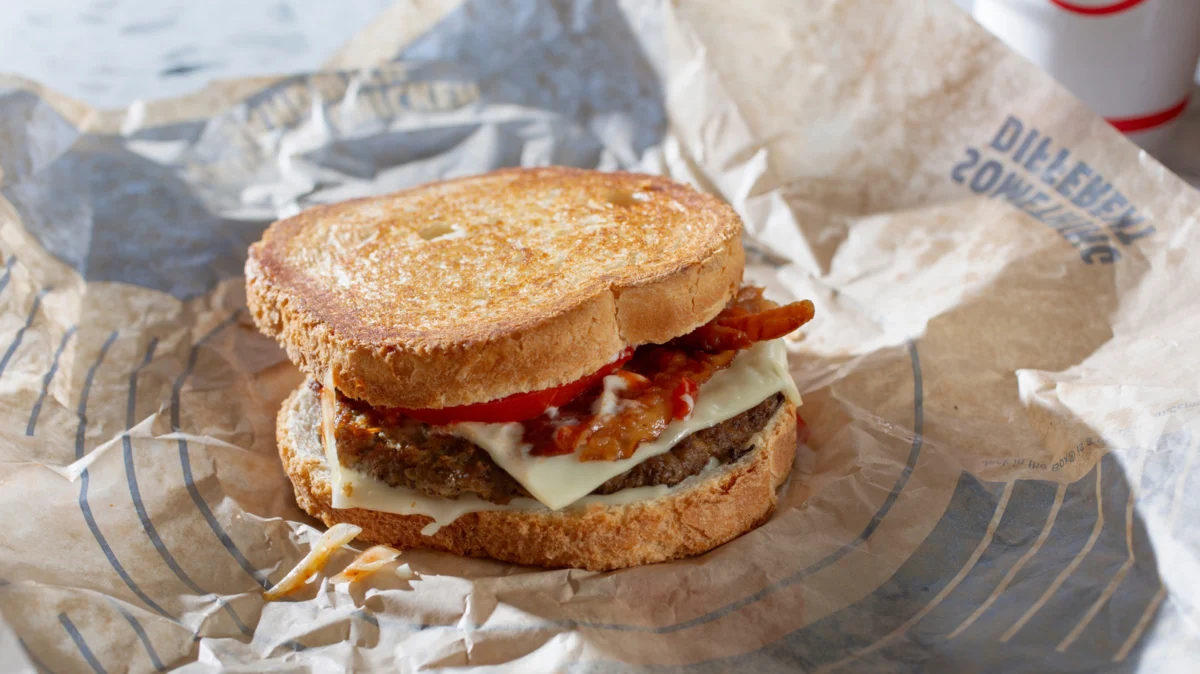
At the time of the outbreak, Jack in the Box was actively promoting its signature "Monster Burger." Investigations later revealed that these very burgers were implicated in the widespread contamination. While the company pursued legal action against its suppliers, a more damning revelation emerged: Jack in the Box itself had knowingly disregarded established food safety regulations. Specifically, the company had failed to adhere to state mandates requiring that ground beef patties be cooked to a minimum internal temperature of 155 degrees Fahrenheit. Bert Bartleson, the lead investigator for the Health Department, commented on the severity of this lapse, stating that "If they followed the standards… no one would have gotten sick." This admission highlighted a critical failure in corporate responsibility, where cost-saving measures or operational expediency had evidently trumped the imperative of public health.
A Chronology of Crisis and Reform
The unfolding of the Jack in the Box E. coli outbreak and its aftermath provides a clear timeline of a national health crisis and the subsequent regulatory response:
- Late 1992: The first reported cases of E. coli O157:H7 infection begin to surface in Washington State, initially with symptoms that might have been misattributed to other common illnesses.
- Early January 1993: The number of reported cases escalates dramatically, prompting public health officials to initiate investigations. The common link to Jack in the Box restaurants and their "Monster Burger" quickly becomes apparent.
- January 18, 1993: Facing mounting evidence and public concern, Jack in the Box takes decisive action. The company halts the sale of hamburgers in Washington State, recalls approximately 28,000 pounds of potentially contaminated meat, and implements stricter cooking temperature protocols for its burgers, ensuring they are cooked to the recommended 155°F internal temperature.
- February 1993: The severity of the outbreak and its impact on public health gain national attention. President Bill Clinton publicly vows that action will be taken to prevent such tragedies in the future.
- Following the Outbreak: The U.S. Department of Agriculture’s Food Safety and Inspection Service (FSIS) initiates significant reforms. This includes the implementation of new federal inspection protocols for all meat and poultry slaughterhouses and processing plants across the nation. These measures aimed to enhance oversight and accountability throughout the meat production process.
- Legal Ramifications and Public Outcry: Lawsuits are filed by victims and their families. The ensuing legal battles and media coverage further expose the systemic failures and raise public awareness about the dangers of foodborne illnesses. The company eventually reaches settlements with many of the affected families.
- Long-Term Impact: The Jack in the Box incident becomes a benchmark case study in food safety. It directly influences the strengthening of food safety laws, the development of Hazard Analysis and Critical Control Points (HACCP) principles in food processing, and a heightened sense of responsibility among food service providers.
The Precedent: E. coli’s Shadow Over Fast Food
The 1993 Jack in the Box outbreak, while the most severe to date, was not the first instance of E. coli impacting the fast food industry. In fact, the bacterium’s notoriety as a pathogen was largely cemented through earlier encounters with fast food establishments. In 1982, two separate outbreaks, one in Oregon and another in Michigan, sickened 47 customers at McDonald’s restaurants. These incidents marked the first official recognition of E. coli O157:H7 as a significant human pathogen.
In response to these earlier McDonald’s outbreaks, the company, which had initially characterized the illnesses as "isolated incidents," implemented new guidelines for cooking times and temperatures. This proactive measure, though perhaps not as sweeping as the later reforms, signaled a growing awareness within the industry of the potential risks associated with undercooked ground beef. The Lange Law Firm, which has been instrumental in documenting foodborne illness cases, notes that McDonald’s then-vice chairman Edward Schmitt’s statements at the time reflected a corporate posture of addressing specific issues rather than acknowledging systemic vulnerabilities. Nevertheless, these 1982 events, coupled with the subsequent recognition of E. coli O157:H7 as a pathogen, laid the groundwork for the more comprehensive and impactful changes that would follow the Jack in the Box tragedy.
The Lingering Threat: E. coli’s Continued Presence
Despite the monumental reforms initiated in the wake of the Jack in the Box disaster, the threat of E. coli contamination in the fast food industry has not been entirely eradicated. The inherent nature of ground beef production, involving the grinding of meat from multiple animals, creates a persistent risk of cross-contamination. Furthermore, the complex global supply chains for food ingredients can introduce vulnerabilities at various stages.
Even in recent years, the fast food sector has continued to grapple with E. coli outbreaks. In 2024, an E. coli outbreak linked to onions used in McDonald’s quarter-pounders sickened 104 people. This incident was significant enough to prompt not only McDonald’s but also its competitors, including Taco Bell and Burger King, to voluntarily remove onions from their menus as a precautionary measure. This demonstrates that the challenges of ensuring food safety are ongoing and require constant vigilance and adaptation from both regulatory bodies and the food industry. The recurring nature of these outbreaks underscores the importance of continued investment in robust food safety practices, advanced testing methodologies, and effective recall procedures.
Broader Implications and Enduring Legacy
The Jack in the Box E. coli outbreak had far-reaching implications that extended beyond the immediate health crisis and regulatory adjustments. It fundamentally altered the public’s perception of fast food safety and instilled a greater sense of consumer awareness. The incident became a powerful case study in corporate responsibility, demonstrating the dire consequences of prioritizing profit over public health.
The legal battles that ensued led to significant financial settlements for the victims and their families, providing some measure of justice and compensation for their suffering. More importantly, the outbreak served as a catalyst for a paradigm shift in food safety regulations. The implementation of stricter federal inspections and the eventual widespread adoption of HACCP principles by the food industry were direct outcomes of the public outcry and the demonstrated need for more proactive and preventative food safety management systems. HACCP focuses on identifying and controlling potential hazards at critical points in the food production process, a much more effective approach than simply inspecting finished products.
The legacy of the Jack in the Box E. coli outbreak is a complex one. It is a somber reminder of the fragility of life and the devastating impact of foodborne illnesses. However, it is also a testament to the power of public awareness and regulatory reform to drive positive change. The lessons learned from this tragic chapter in American food history continue to inform food safety practices today, serving as a perpetual reminder that the pursuit of profit must never come at the expense of public health. The incident permanently etched the importance of rigorous food safety standards into the consciousness of both the industry and consumers, ensuring that the "Monster Burger" serves as a cautionary tale for generations to come.
