
The culinary landscape is rich with diverse cooking methods, each promising a unique gastronomic experience. Among these, grilling and griddling stand out as popular choices, often sparking lively debates about their respective merits. While both offer the potential to transform raw ingredients into delectable meals, understanding the fundamental differences between a grill and a griddle is crucial for any home cook or culinary enthusiast aiming to achieve specific results. These distinctions encompass not only the physical characteristics of the cooking surfaces and heat distribution but also the resulting taste and textural profiles of the food. This comprehensive analysis delves into the nuances of each cooking apparatus, exploring their materials, maintenance, and the distinct culinary outcomes they facilitate.
Understanding the Apparatus: Materials and Maintenance
The construction and upkeep of grills and griddles present significant differences that impact their usability and the cooking experience. Griddles, characterized by their flat, solid cooking surfaces, are typically manufactured from robust materials such as cast iron, carbon steel, or aluminum with non-stick coatings. For outdoor cooking aficionados, particularly those embracing the versatility of large, flat-top cooking stations, brands like Blackstone have gained considerable traction. These griddles, often constructed from cold-rolled steel, necessitate a proper seasoning process, akin to that of cast iron cookware, to establish a non-stick surface and prevent rust. This initial preparation is vital for ensuring optimal performance and longevity. The smooth, uninterrupted surface of a griddle generally translates to a more straightforward cleaning process compared to its grilled counterpart, though neither is entirely without its labor.
In contrast, grills feature open grates that allow heat to directly interact with the food, often requiring a fuel source like charcoal, wood chips, or gas (such as propane) to generate flames. The grates themselves are commonly made from durable materials like cast iron or stainless steel. The cleaning of a grill can be a more involved affair, often requiring attention to various nooks and crannies that can accumulate grease and food residue. Neglecting these less obvious areas, such as the underside of the grates or the drip tray, can lead to inefficient cooking and potentially compromise food safety. The maintenance of a grill is, therefore, generally considered more labor-intensive from setup to post-cooking cleanup, compared to the more streamlined maintenance of a griddle.
The Culinary Canvas: Surface Area, Heat Distribution, and Textural Outcomes
The inherent design of grills and griddles dictates their approach to heat transfer and, consequently, the textural and flavor profiles of the cooked food. A griddle’s flat, unbroken surface ensures remarkably consistent and even heat distribution across its entire cooking area. This uniformity provides the cook with a high degree of control, minimizing hot spots and allowing for precise temperature management. This characteristic makes griddles exceptionally well-suited for a variety of culinary applications. Beyond their iconic association with breakfast staples like pancakes and French toast, griddles excel at tasks such as stir-frying, where ingredients require uniform searing and cooking. They are also ideal for preparing thinly sliced meats, ensuring even browning and preventing them from falling through the cooking surface. The ability to create a perfect crust on smashburgers and melt cheese to gooey perfection further highlights the griddle’s prowess in achieving specific textural results.
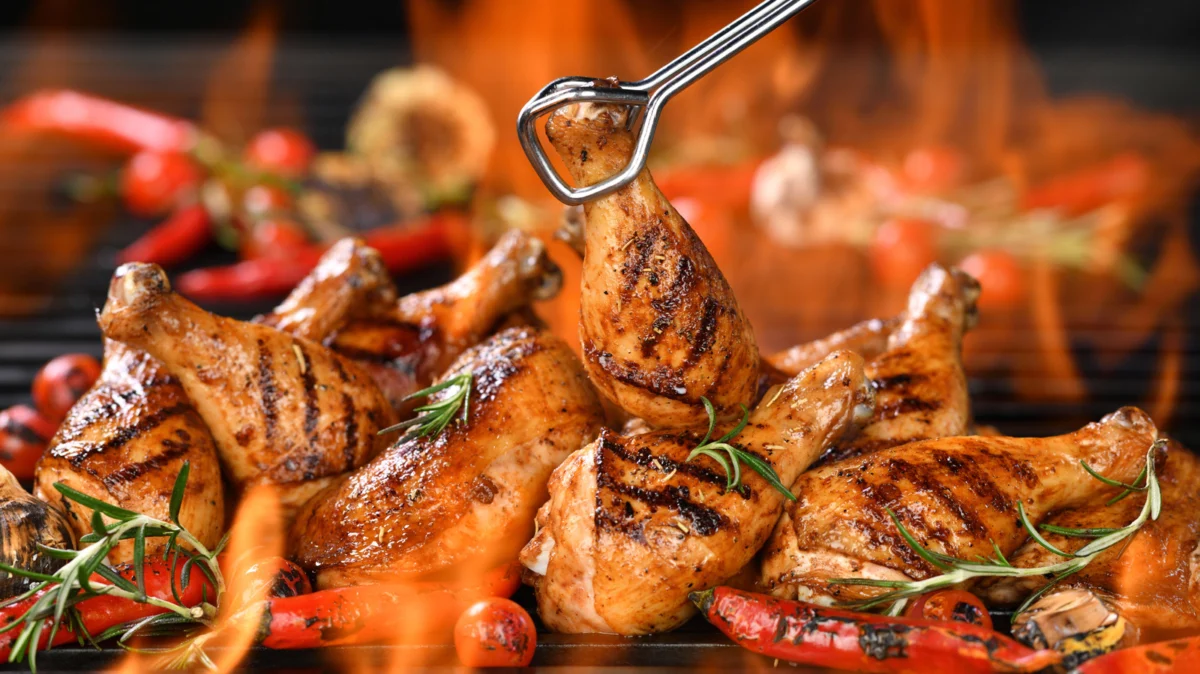
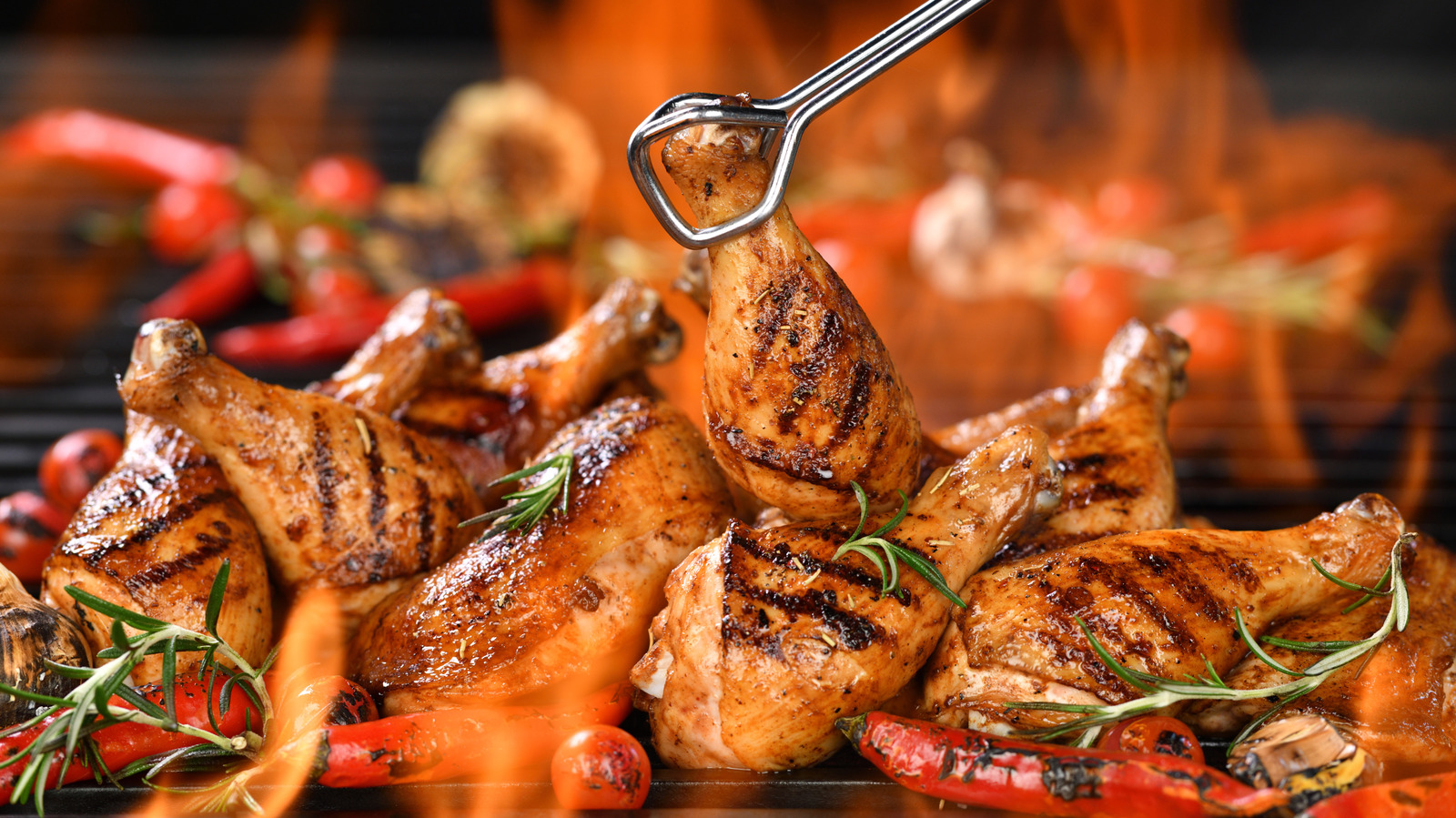
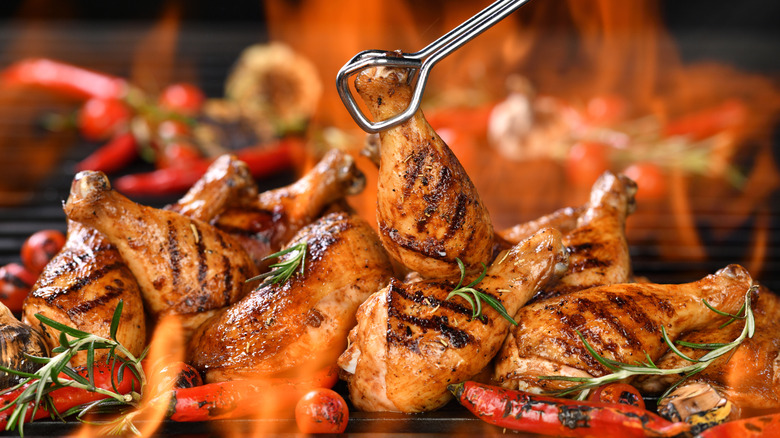
Grills, on the other hand, operate on a different principle. Their raised grates create a direct heat cooking environment, often with an open flame or radiant heat source beneath. This method tends to cook food more rapidly, imparting a distinctive char and grill marks that are highly sought after by many. However, the direct heat and open flame require a more vigilant approach from the cook to prevent overcooking or undercooking. The raised nature of the grates allows fats and juices to drip away, contributing to a leaner result and a distinct smoky flavor, especially when charcoal or wood is used as a fuel source. The characteristic grill marks are not merely aesthetic; they represent areas of intense caramelization and Maillard reaction, contributing significantly to the overall flavor complexity. While both appliances can produce excellent hamburgers, the outcomes differ markedly. A griddle is perfect for pressing and searing smashburgers, creating a uniform, crispy crust. A grill, however, infuses the burger with a smoky, flame-kissed flavor, a direct result of the cooking method. Ultimately, the choice between a grill and a griddle often boils down to personal preference, the desired flavor profile, and the cook’s confidence in managing direct heat.
Expanding the Culinary Repertoire: Versatility and Applications
While the core differences in design lead to distinct culinary strengths, both grills and griddles possess a surprising degree of versatility, capable of producing a wide array of dishes. The common perception of a griddle being limited to breakfast items or simple diner fare is a significant underestimation of its capabilities. Its flat surface is a blank canvas for a multitude of cooking techniques. For instance, the consistent heat makes it ideal for pan-searing delicate fish fillets without the risk of them breaking apart or sticking. Delicate pastries can be cooked to a perfect golden brown, and even complex dishes like paella or risotto can be adapted for griddle cooking, allowing for even heat distribution and easier stirring. The ability to cook multiple items simultaneously on a large griddle without cross-contamination of flavors (provided proper cleaning between items) is another significant advantage.
Grills, too, extend far beyond the realm of burgers and hot dogs. They are exceptional for roasting larger cuts of meat, vegetables, and even fruits. The high heat of a grill can create a beautiful sear on steaks, pork chops, and chicken, locking in juices and developing complex flavors. Skewers of marinated meats and vegetables cook quickly and evenly, absorbing the smoky essence of the grill. For seafood lovers, grilled fish and shrimp offer a light yet flavorful option, with the grates imparting a pleasing char. Even desserts can be elevated on the grill; grilled pineapple develops a sweet, caramelized flavor, and peaches or apricots become wonderfully tender and smoky when grilled. The advent of specialized grill accessories, such as pizza stones and rotisseries, further expands the grill’s utility, transforming it into a versatile outdoor cooking station capable of producing restaurant-quality meals. The choice between the two often depends on the specific dish being prepared and the desired final texture and flavor.
Key Differences Summarized: A Comparative Overview
To crystallize the distinctions, a comparative summary highlights the primary differences:
- Cooking Surface: Griddles feature a flat, solid surface, while grills have open grates.
- Heat Distribution: Griddles offer even, consistent heat. Grills provide direct heat, which can be more intense and less uniform.
- Flavor Profile: Griddles excel at searing and creating even browning. Grills impart smoky flavors and characteristic char marks.
- Food Tenderness and Juiciness: Griddles, by containing juices, can contribute to moist results, especially for thinner cuts. Grills, with fat dripping away, can lead to leaner results, but also allow for excellent caramelization that locks in juices.
- Versatility: Both are versatile, but griddles are better for smaller, delicate items, and even cooking of liquids or sauces. Grills are superior for charring, smoky flavors, and cooking larger cuts of meat or items where fat rendering is desired.
- Maintenance: Griddles are generally easier to clean due to their flat surface. Grills require more thorough cleaning of grates and other components.
- Fuel Source: Griddles typically utilize electricity or gas (if part of a larger outdoor kitchen). Grills commonly use charcoal, wood, or propane gas.
The Grill vs. Griddle Debate: A Matter of Culinary Intent
The ongoing discussion about whether a grill or a griddle reigns supreme in the culinary arena is not about definitive superiority but rather about matching the tool to the task and the desired outcome. For instance, if the goal is to achieve the intensely crispy exterior and uniform cooking of a smashburger, a griddle is the unequivocal choice. Its flat surface allows for maximum contact with the hot metal, facilitating the rapid Maillard reaction across the entire surface of the patty. Conversely, if the aim is to imbue a thick-cut steak with a deep, smoky flavor and prominent grill marks, a grill is the indispensable instrument. The direct exposure to heat and smoke is crucial for developing this specific flavor profile.
Consider the preparation of delicate seafood. While a grill can char shrimp beautifully, a griddle might be preferred for searing fish fillets, ensuring they cook through evenly without falling apart through the grates. Similarly, while pancakes are a griddle’s domain, a grilled peach offers a unique smoky sweetness that a griddle cannot replicate. The choice often hinges on the cook’s priorities: the precise control and evenness of a griddle versus the bold flavors and char of a grill. As culinary trends evolve, so too do the applications of these appliances. The rise of outdoor kitchens and the increased interest in home cooking have led many to invest in both, recognizing that each offers a distinct pathway to culinary excellence. Understanding these fundamental differences empowers cooks to make informed decisions, optimizing their cooking process and elevating their creations, whether they choose the even embrace of a griddle or the fiery kiss of a grill.
