
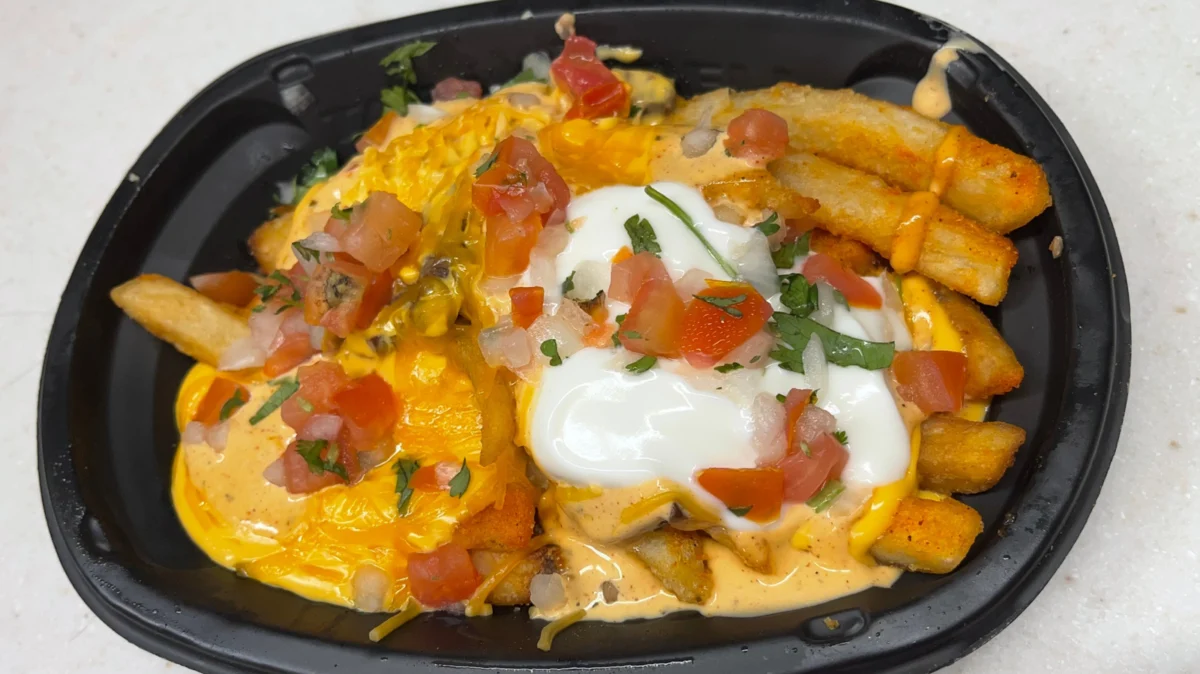
A recent trend circulating on TikTok, suggesting customers can obtain a full container of Taco Bell’s signature Nacho Fries seasoning, has sparked significant controversy and prompted direct warnings from Taco Bell managers regarding the potential for negative customer interactions. The purported "hack," shared by a content creator known for showcasing Taco Bell menu modifications, claims that requesting the seasoning directly from staff will result in a generous portion being provided. However, this assertion has been met with swift and firm rebuttals from individuals identifying as Taco Bell employees and managers, who state such a request is against policy and will likely be met with refusal, and potentially, rudeness.
The Rise of the Nacho Fries Hack on Social Media
The genesis of this controversy appears to stem from a TikTok video where a creator, identified as @sarahmargareteats, demonstrated a method for enhancing the flavor of Taco Bell’s popular Nacho Fries. The video showcased the creator dipping the fries into Taco Bell’s ranch dressing and then re-dipping them into the distinctive red seasoning that typically accompanies the fries. The creator’s accompanying caption urged followers to "run to Taco Bell and try this ASAP." The implication was that customers could procure a substantial quantity of this seasoning, presumably to replicate the experience at home or to generously season their fries.
This particular video quickly gained traction, not only for the perceived hack but for the subsequent reactions it generated. While some users expressed enthusiasm and a desire to try the hack, a significant portion of the comments section revealed a starkly different reality from the perspective of those working within Taco Bell restaurants.
Employee and Managerial Counter-Claims
The claims made by the TikTok creator were met with a wave of skepticism and outright denial from individuals who identified themselves as Taco Bell employees. Many commenters stated that providing an entire container of seasoning is not permitted and would likely result in disciplinary action, including termination. One particularly pointed comment, allegedly from a Taco Bell manager, stated directly, "They will not do this … I will be rude about it." This response suggests a frustration among some staff members with customers attempting to circumvent established procedures or exploit perceived loopholes in service.
Another comment highlighted the policy aspect, stating, "We are not allowed to do that. We would be terminated." These statements underscore that the alleged hack is not an authorized practice and may be viewed by management as an imposition on staff and an inefficient use of resources. The assertion of potential rudeness, while unprofessional, reflects a sentiment that such requests can be disruptive and may stem from a place of exasperation for employees tasked with managing customer expectations and adhering to operational guidelines.
The Nutritional and Ingredient Profile of Nacho Fries Seasoning
To understand the context of this culinary debate, it is important to consider the ingredients that constitute Taco Bell’s Nacho Fries seasoning. According to Taco Bell’s publicly available ingredient information, the seasoning blend is primarily composed of:
- Garlic
- Paprika
- Onion
- Salt
- Sugar
- Vinegar
- Cayenne
This ingredient list suggests a savory, slightly sweet, and mildly spicy profile that contributes significantly to the appeal of the Nacho Fries. The absence of dairy in the core seasoning blend also makes it a vegan-friendly option, which is a key selling point for many customers. However, the popularity of the fries often leads to their pairing with Taco Bell’s cheese sauce, which is not vegan and contains dairy.
The debate over obtaining extra seasoning also touches upon the broader concept of "secret menu" items and food hacks. While some hacks, like those compiled in guides to ordering secret menu items, are well-established and often tolerated or even embraced by fast-food chains as a way to generate buzz, others can be problematic. The Nacho Fries seasoning hack falls into the latter category, as it appears to involve a request that directly contravenes operational policies and potentially strains employee relations.
The Chronology of the Controversy
The emergence of this specific TikTok trend appears to be a recent development, likely within the last year, given the platform’s dynamic nature. However, the underlying desire for more of the popular Nacho Fries seasoning is likely not new. Taco Bell first introduced Nacho Fries in 2018, and they have since become a recurring limited-time offer that garners significant customer enthusiasm. Their popularity has led to various discussions online about how to best enjoy them, including seeking out additional dipping sauces and, as this case illustrates, extra seasoning.
The current controversy can be traced back to the content creator’s video, which acted as a catalyst for a broader conversation among Taco Bell customers and employees on social media platforms like TikTok and Reddit. The rapid spread of information and counter-information on these platforms highlights the power of social media in shaping consumer behavior and restaurant operations, for better or worse.
The Implication for Customer-Restaurant Relations
The warning from Taco Bell managers about potential rudeness has broader implications for the relationship between fast-food chains and their customers. While customer service standards generally dictate a polite and helpful demeanor from staff, the extreme nature of some customer requests can test the patience of employees. When a customer attempts to obtain items or services that are not officially offered or are explicitly against policy, it can create a stressful situation for the staff.
This incident serves as a cautionary tale for consumers engaging with "food hacks." While the internet is a valuable resource for discovering new ways to enjoy popular foods, it is crucial to discern between widely accepted practices and those that may be met with resistance. The potential for a negative customer experience, as warned by Taco Bell managers, is a tangible consequence of pushing the boundaries of established service protocols.
Alternatives: Recreating the Flavor at Home
For those who wish to enjoy the distinctive taste of Taco Bell’s Nacho Fries seasoning without risking a negative encounter at the restaurant, creating a copycat version at home presents a viable and potentially more satisfying solution. Numerous recipes are available online, offering variations on the seasoning blend. These recipes often draw inspiration from Taco Bell’s publicly listed ingredients and incorporate additional spices to replicate the flavor profile.
Common ingredients found in copycat Nacho Fries seasoning recipes include:
- Spices: Paprika, garlic powder, onion powder, cayenne pepper, cumin, dried oregano, black pepper, ground coriander.
- Savory Enhancers: Salt, sugar, cornstarch (for texture and binding), and sometimes nutritional yeast or cheese powder for a more umami or cheesy flavor.
- Acids: A touch of vinegar powder or citric acid can sometimes be added to mimic the subtle tang present in the original.
The debate surrounding the inclusion of cheddar cheese powder in homemade versions is particularly interesting. While Taco Bell’s official ingredient list for the seasoning does not include cheese powder, many copycat recipes do. This discrepancy highlights how consumers often perceive the flavor profile and try to replicate it, even if it deviates slightly from the exact formulation. The inclusion of cheese powder would, of course, render the seasoning non-vegan.
Some particularly creative suggestions for achieving a similar flavor profile have even emerged. One Reddit user suggested blending Sun Chips Garden Salsa chips, noting their remarkably similar flavor to the Nacho Fries seasoning. While this method would introduce the flavor of the chips themselves, it offers a unique approach for those seeking a close approximation.
The Broader Impact on Fast Food Culture
The incident involving the Taco Bell Nacho Fries hack and the subsequent warnings from managers is indicative of a larger trend in fast food culture. Social media platforms have empowered consumers to share their culinary discoveries and experiment with menu items. This can lead to innovation and excitement, but it also presents challenges for fast-food operators.
The key takeaway for consumers is to approach food hacks with a degree of discretion and respect for the operational realities of the establishments they patronize. Understanding that not all "hacks" are endorsed or even permissible can prevent misunderstandings and ensure a more positive dining experience for everyone involved. For Taco Bell, and indeed many other fast-food chains, the challenge lies in balancing customer engagement and innovation with maintaining operational efficiency and employee well-being. While the allure of a free or extra portion of a beloved seasoning is understandable, the potential repercussions for both customers and employees highlight the importance of adhering to established service protocols and seeking alternative, home-based solutions for culinary cravings. The ultimate goal for any diner should be to enjoy their meal without causing undue stress or difficulty for the staff who are working to serve them.
