
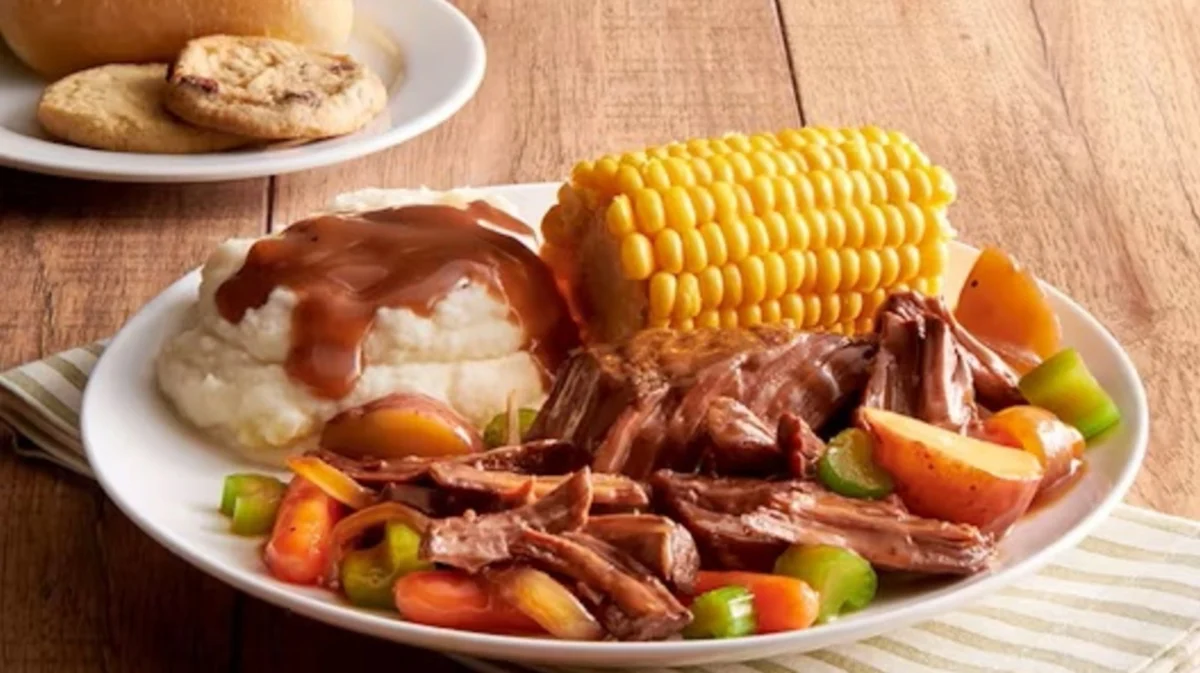
Pot roast, a dish synonymous with comfort and home-cooked meals, often remains a culinary aspiration for many due to its time-intensive preparation and the rising cost of quality beef. While the concept of fast-food pot roast is largely a myth, a few casual dining chains have managed to capture the hearts—and appetites—of consumers with their interpretations of this classic. Among them, Golden Corral has consistently emerged as a fan favorite, frequently lauded for its remarkably tender and flavorful pot roast. This enduring popularity stems from a meticulous, time-honored cooking process that transforms a humble cut of beef into a melt-in-your-mouth masterpiece.
The secret to Golden Corral’s celebrated pot roast, as indicated on their online ordering platform, lies in its "slow-cooked overnight for awesomeness." This extended cooking period is not merely a marketing slogan but the fundamental principle behind achieving the dish’s signature tenderness and profound depth of flavor. Diners consistently report a texture so yielding that it practically disintegrates on the fork, coupled with a rich, unmistakably beefy taste. This culinary achievement is particularly noteworthy given the typical cuts of meat used in traditional pot roast preparation.
The Science and Art of Tender Pot Roast
Understanding why Golden Corral’s pot roast resonates so strongly requires a brief exploration of the cooking science involved. Traditionally, pot roast is prepared using tougher, more economical cuts of beef, such as chuck roast. These cuts are rich in collagen, a connective tissue that, when subjected to low, slow heat over an extended period, breaks down and transforms into gelatin. This transformation is crucial for two primary reasons: it renders the meat incredibly tender and moist, and it contributes significantly to the savory richness of the braising liquid and any accompanying gravy. Using more tender, expensive cuts for pot roast is often considered a culinary misstep, as these cuts lack the necessary collagen to achieve the characteristic fall-apart texture and deep flavor profile.
Golden Corral’s commitment to overnight slow cooking directly addresses this principle. By allowing the tough cut of beef to simmer gently for eight to ten hours, the restaurant chain ensures that the collagen has ample time to break down completely. This process not only tenderizes the meat but also infuses it with the flavors of the vegetables, herbs, and seasonings used in the braise. The resulting juices, when developed over such an extended period, gain a remarkable depth and complexity, forming the foundation for a truly satisfying gravy. This dedication to the slow-cooking method is a key differentiator and a primary driver of customer loyalty for their pot roast offering.
Customer Acclaim and Culinary Replication
The consistent praise for Golden Corral’s pot roast is evident across various customer feedback platforms. The desire to replicate this beloved dish at home has spurred numerous "copycat" recipes, with many aiming to achieve similar results through accelerated cooking methods like pressure cooking. While some recipes suggest pressure cooking for approximately three hours to mimic the tenderness, others continue to advocate for the extended slow-cooking approach, mirroring the restaurant’s likely methodology. These home-based attempts often highlight the eight-to-ten-hour cooking times necessary to truly capture the essence of Golden Corral’s pot roast, underscoring the significance of time in this culinary equation.
Online reviews and social media discussions frequently feature glowing testimonials. A particularly resonant comment from a Facebook user described the pot roast as being "just like their mom’s" and "so soft" that it could "hardly keep it on a fork." This comparison to cherished home-cooked meals speaks volumes about the emotional connection and nostalgic appeal of Golden Corral’s preparation. Similarly, a Tripadvisor review dedicated almost its entire text to extolling the virtues of the pot roast, urging others to "Love love love the pot roast! You have to try it." Such enthusiastic endorsements from diners underscore the dish’s status as a signature item, often driving patrons to the restaurant specifically for this comforting classic.
The Golden Corral Dining Experience: Buffet vs. À La Carte
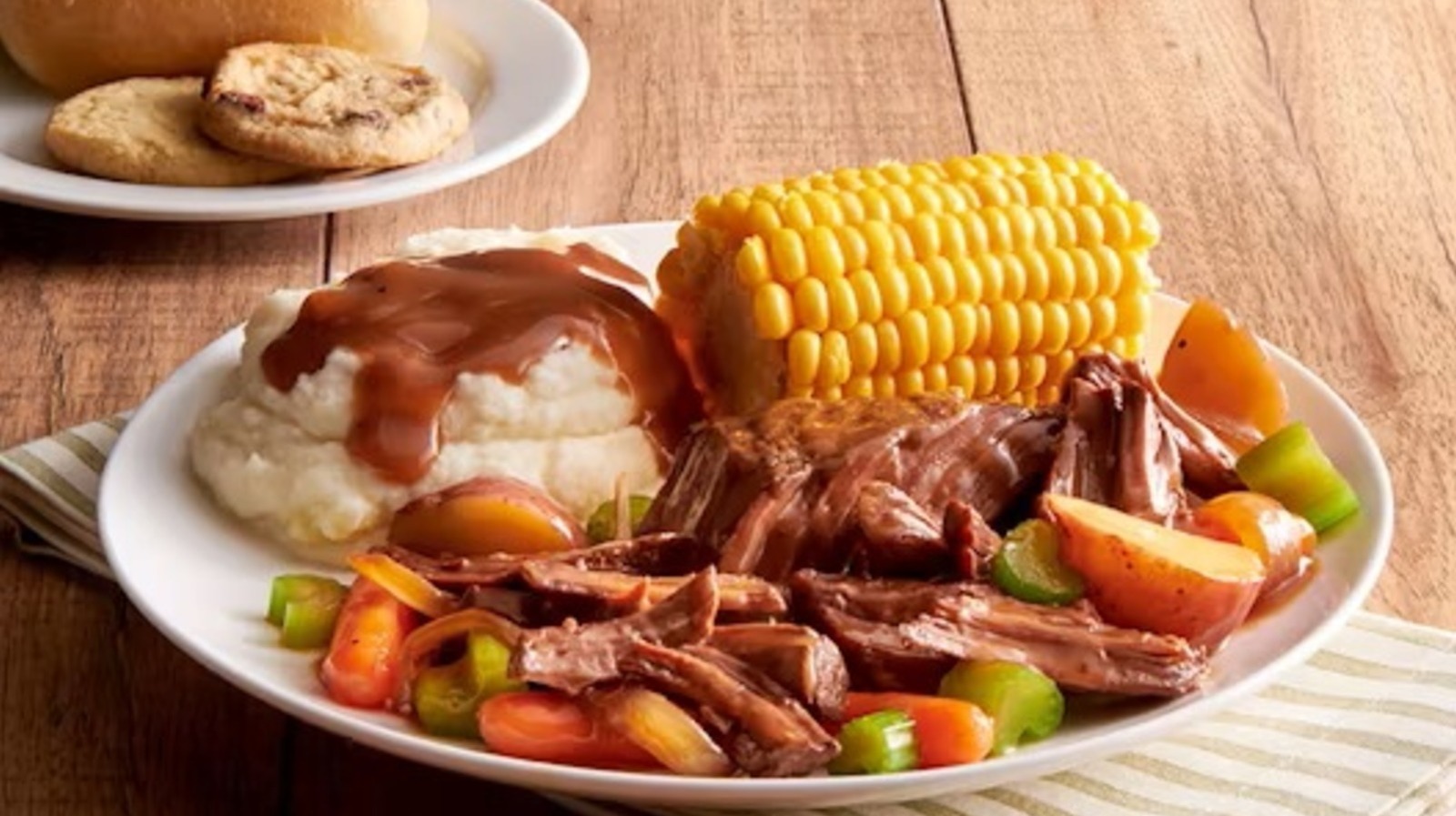
Golden Corral offers its pot roast in two primary formats, each with its own considerations for the diner. Customers can opt to order the pot roast as an entrée, which typically includes a generous portion of the tender beef, served alongside a medley of classic accompaniments such as celery, carrots, and potatoes, all generously coated in rich gravy. This à la carte option also allows diners to select two sides from Golden Corral’s extensive menu, which boasts a selection of 16 different side dishes ranging from baked beans and corn on the cob to sweet potato casserole. This provides a more controlled and personalized dining experience, ensuring the pot roast is served fresh and at its optimal temperature.
Alternatively, patrons can enjoy the pot roast as part of Golden Corral’s renowned buffet. While the buffet offers the allure of variety and the opportunity to sample a wide array of dishes, it introduces a variable factor concerning the freshness and quality of the pot roast. Items on a buffet line, by their nature, may have been sitting under heat lamps for extended periods. This can, in some instances, lead to the pot roast becoming drier and its texture and flavor diminishing compared to a freshly prepared entrée. Diners seeking the absolute peak of the pot roast experience might therefore prioritize the à la carte ordering option, especially during peak dining hours when turnover is high.
Broader Market Context and Consumer Trends
The enduring appeal of comfort foods like pot roast reflects a broader trend in the foodservice industry. In an era characterized by rapid innovation and a constant influx of new culinary trends, there remains a significant consumer appetite for familiar, hearty, and unpretentious dishes. Pot roast, with its deep roots in American home cooking, taps into this demand for nostalgic and satisfying meals. The economic pressures associated with the rising cost of beef have, in some ways, amplified the perceived value of well-executed, affordable pot roast options available at casual dining establishments.
Golden Corral’s success with its pot roast can also be viewed within the competitive landscape of buffet-style dining. While the buffet model itself has faced challenges in recent years, chains that excel in offering consistently high-quality versions of popular comfort food staples have managed to maintain a strong customer base. The ability to provide a beloved dish like pot roast, prepared with a level of care and attention that rivals home cooking, serves as a significant draw and a key differentiator for Golden Corral. This focus on perfecting a few signature items, rather than simply offering a vast, undifferentiated selection, appears to be a successful strategy.
Future Implications and Consumer Expectations
The continued popularity of Golden Corral’s pot roast suggests that diners are increasingly prioritizing flavor, texture, and a sense of familiar comfort in their dining choices. The restaurant’s demonstrated success in achieving these qualities through a time-intensive cooking process highlights the value consumers place on traditional culinary methods when they are executed effectively. This could influence other casual dining chains to re-evaluate their approach to classic comfort dishes, potentially investing more in the time and technique required to achieve superior results.
For consumers, the ongoing availability of a well-prepared pot roast at an accessible price point provides a reliable option for a satisfying meal. The very existence of numerous online copycat recipes, aiming to deconstruct and replicate the Golden Corral experience, speaks to the dish’s cultural resonance and its ability to inspire culinary exploration both within and outside the restaurant setting. As dining habits evolve, the enduring appeal of dishes like pot roast, when prepared with dedication and skill, suggests a lasting place for these comforting classics on menus across the country. For those unable to visit a Golden Corral in the near future, the availability of various home-style pot roast recipes offers a pathway to enjoying this beloved dish, albeit with the understanding that the true magic often lies in the slow, deliberate transformation that only time can provide.
