
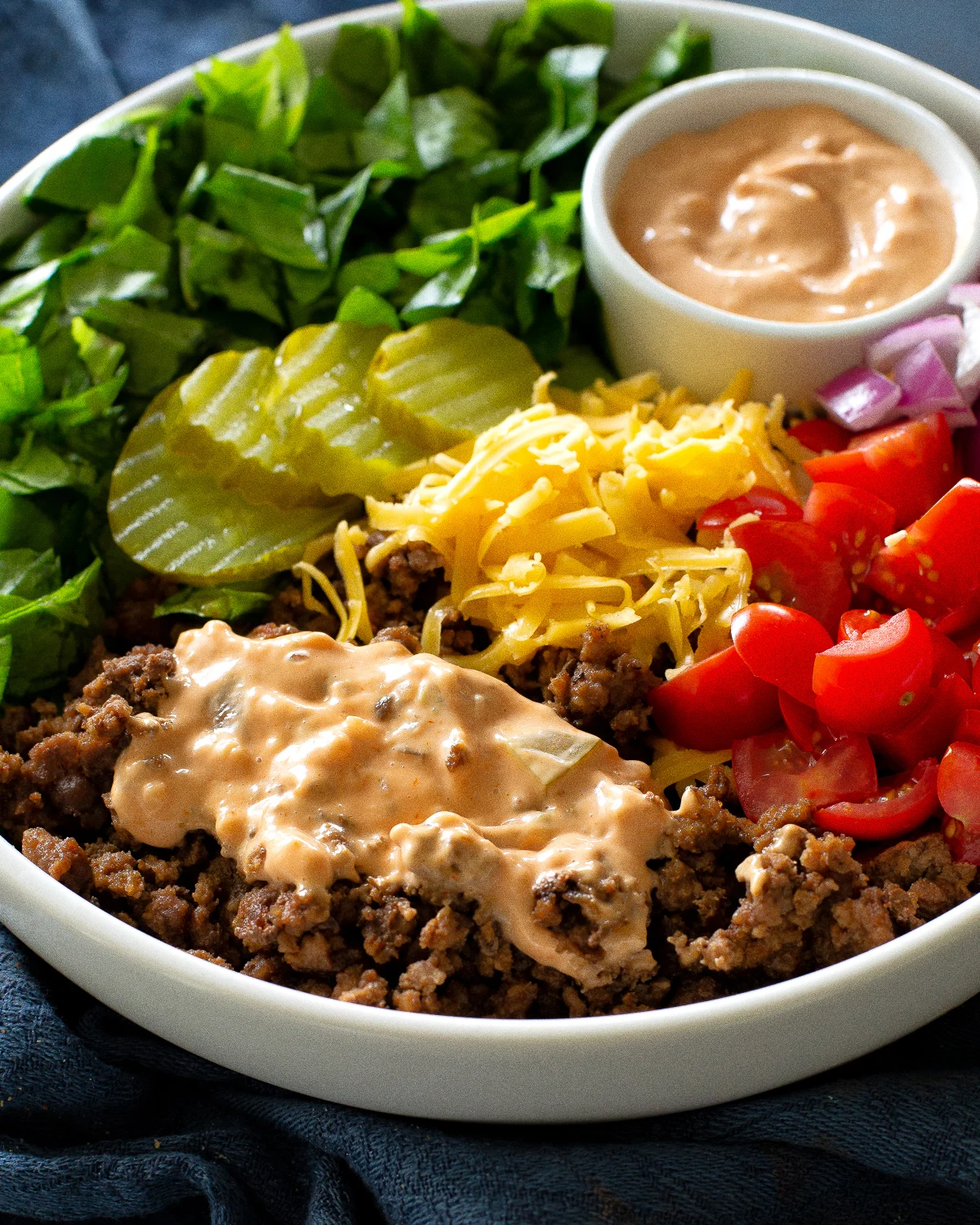
The humble cheeseburger, a cornerstone of American fast food and home cooking, is undergoing a significant transformation. A growing culinary trend, dubbed "Burger Bowls," is presenting a bunless, deconstructed alternative that captures the beloved flavors of a traditional burger in a fresh, adaptable format. This innovative approach prioritizes fresh ingredients and customizable toppings, offering a lighter yet equally satisfying experience for consumers seeking familiar tastes in a contemporary presentation.
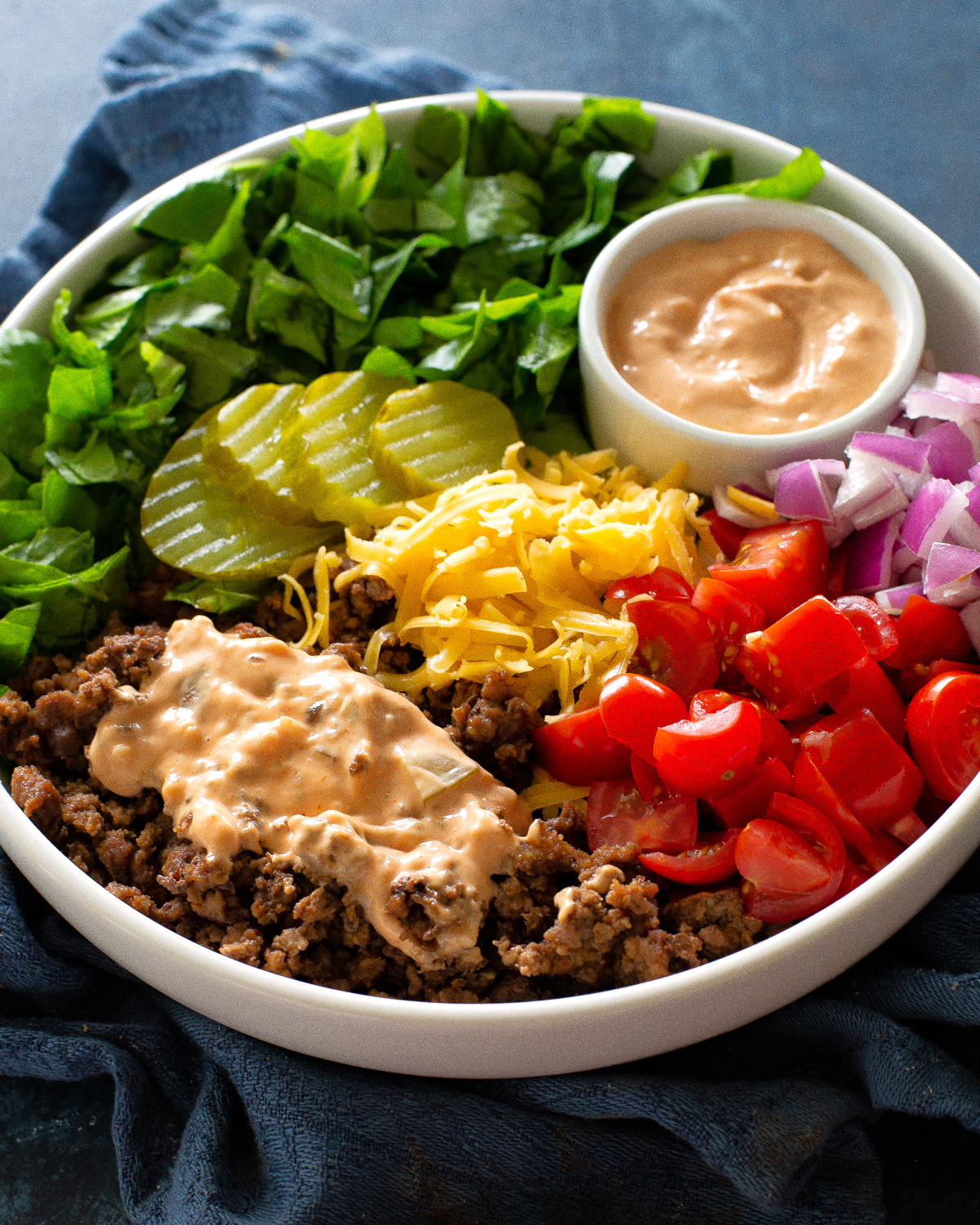
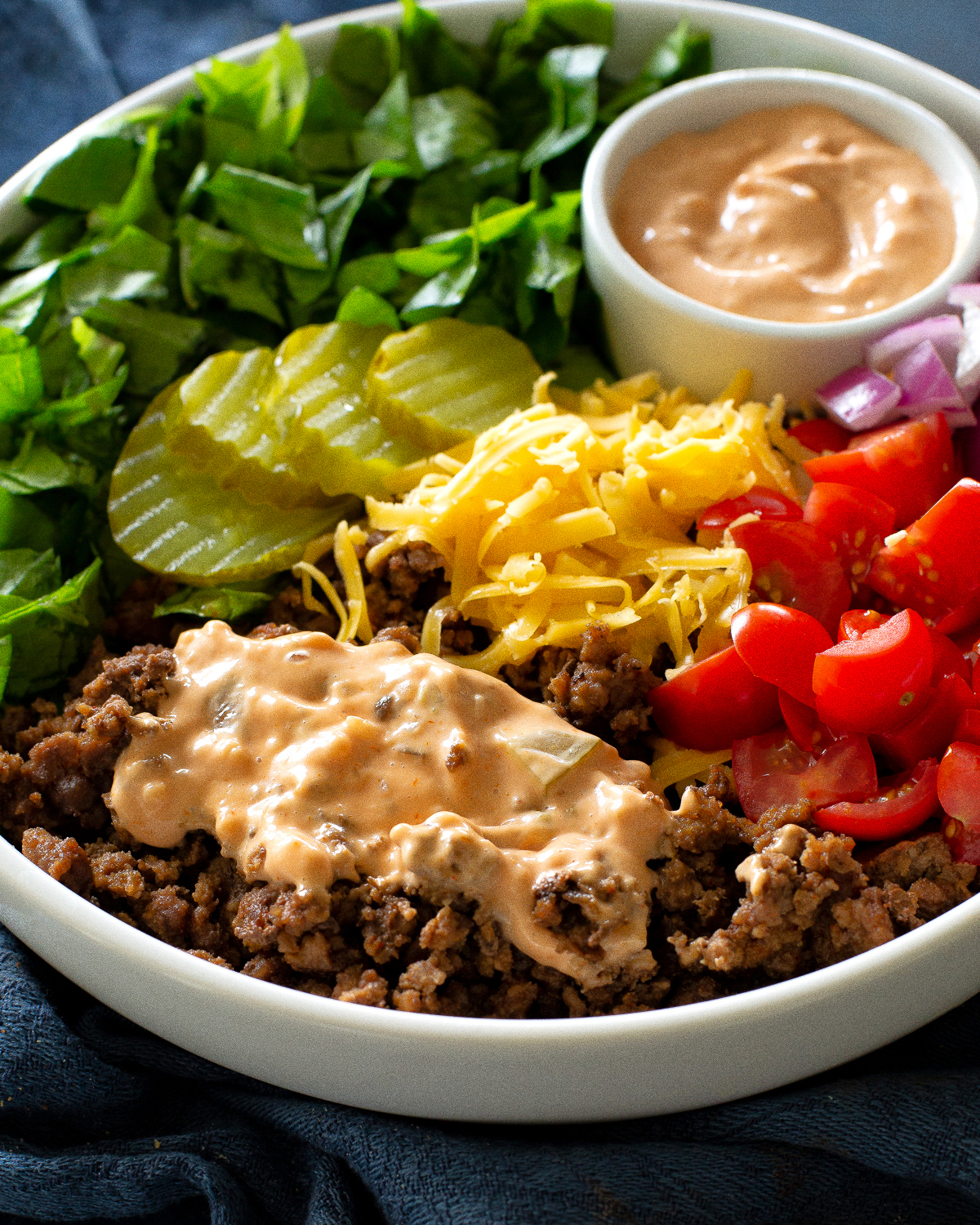
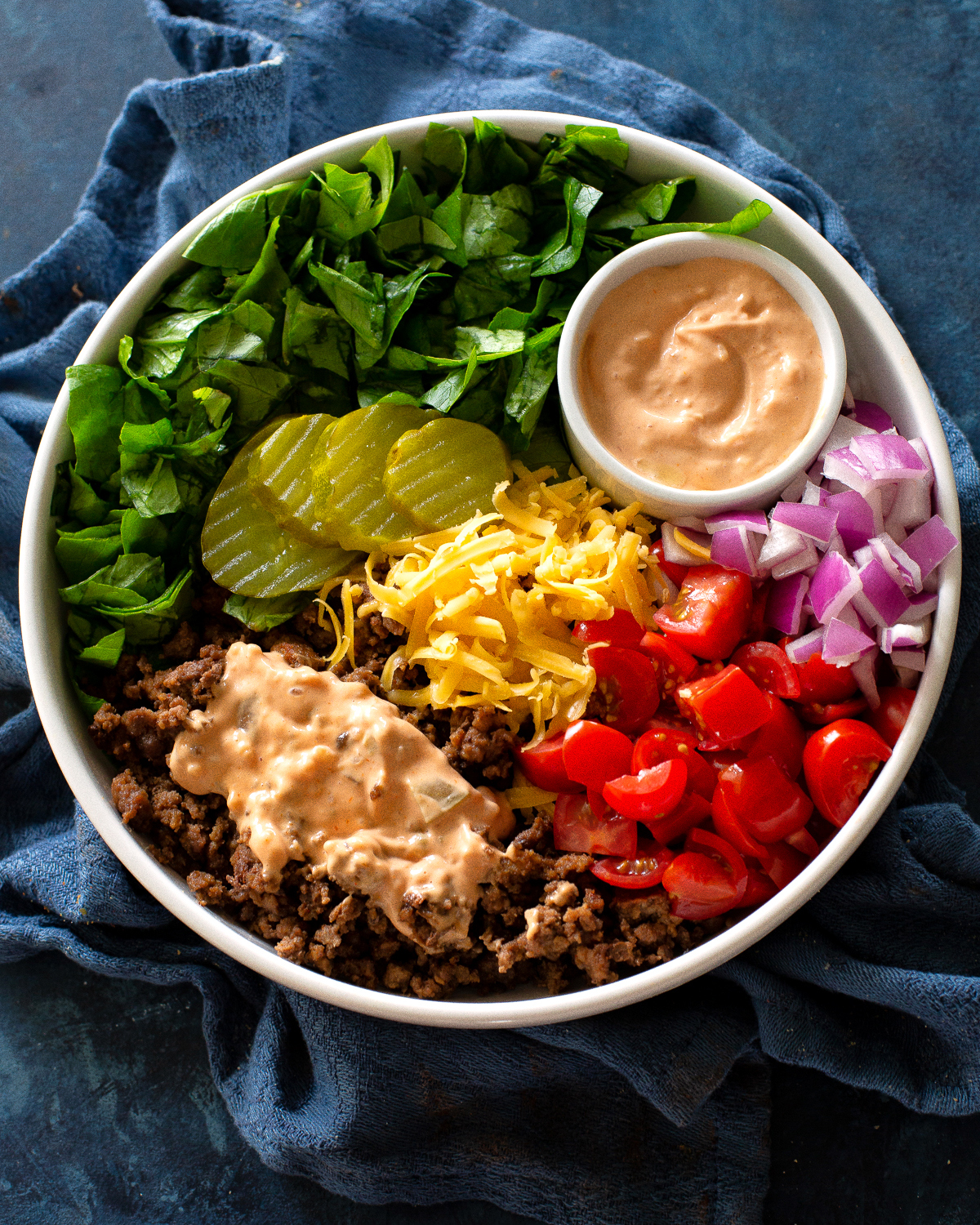
At its core, the Burger Bowl concept reimagines the classic burger by separating its components into a bowl. Seasoned ground beef, the savory foundation of any great burger, is cooked to perfection and forms the base. This is then adorned with a vibrant array of fresh toppings, mirroring the classic burger experience. Typical additions include diced ripe tomatoes, tangy pickles, thinly sliced onions, and melted cheddar cheese, all contributing to the nostalgic flavor profile. The crucial element that elevates these bowls to a fast-food-esque experience is a specially crafted burger sauce, designed to evoke the creamy, zesty notes that have made fast-food burgers a global phenomenon.
The popularity of Burger Bowls is not merely a fleeting fad; it reflects broader shifts in consumer dietary habits and preferences. A growing segment of the population is actively seeking ways to reduce carbohydrate intake, often by eliminating bread and buns from their meals. This has fueled the rise of "bowl" meals across various cuisines, from grain bowls and salad bowls to, now, burger bowls. The appeal lies in the ability to enjoy the rich, satisfying flavors of a dish without the perceived drawbacks of its traditional form. Furthermore, the inherent versatility of the burger bowl format allows for extensive customization, catering to diverse dietary needs and personal tastes, from keto and paleo-friendly adaptations to simply enjoying a lighter meal.
The genesis of the Burger Bowl, as described by proponents, often stems from home kitchens. The simplicity of preparing seasoned ground beef and assembling fresh toppings makes it an accessible and quick meal solution for busy families. Anecdotal evidence suggests that the idea of adding fries to a burger bowl has also gained traction, particularly among younger demographics, further enhancing the comfort food appeal. This familial origin story highlights the dish’s adaptability and its ability to evolve based on the preferences of those who prepare and consume it. The explicit mention of a son encouraging its inclusion on a popular food blog underscores the organic growth and widespread appeal of this culinary adaptation.
The Anatomy of a Burger Bowl: Ingredients and Variations
The beauty of the Burger Bowl lies in its inherent flexibility. While a core set of ingredients forms the foundation, the possibilities for customization are virtually limitless.
Core Components:
- Seasoned Ground Beef: High-quality ground beef, typically 80/20 lean-to-fat ratio, is seasoned with a blend of salt, pepper, and often garlic powder and onion powder. Some recipes may incorporate Worcestershire sauce or a touch of paprika for added depth. The beef is usually browned and drained before being added to the bowl.
- Burger Sauce: This is a critical flavor component. A typical homemade burger sauce often comprises mayonnaise, ketchup, mustard, pickle relish, a dash of vinegar, and sometimes a hint of sugar or hot sauce. The precise blend aims to replicate the tangy, creamy, and slightly sweet profile found in popular fast-food burger sauces.
Essential Toppings:
- Fresh Tomatoes: Diced or sliced, providing a burst of freshness and acidity.
- Pickles: Sliced dill pickles are a staple, offering a crucial tangy and crunchy element.
- Onions: Finely diced raw red or white onions, or caramelized onions for a sweeter profile.
- Cheddar Cheese: Shredded or melted, adding a creamy, savory richness.
Optional Enhancements and Substitutions:
The Burger Bowl’s adaptability extends to its base and protein. For those seeking even lower carbohydrate options, a bed of crisp lettuce, such as romaine or iceberg, can serve as the primary foundation. Other popular bases include cauliflower rice, which offers a neutral flavor and a pleasing texture, or even a mix of greens and vegetables.
Protein variations are also common. Ground turkey, chicken, or plant-based crumbles can be seasoned and prepared in the same manner as beef, catering to diverse dietary preferences and restrictions. For an added textural contrast, some enthusiasts incorporate crunchy elements like fried onions or tortilla strips.
The spectrum of toppings can be expanded to include:
- Avocado or Guacamole: For added creaminess and healthy fats.
- Bacon Bits or Strips: For a smoky, salty indulgence.
- Mushrooms: Sautéed or grilled, offering an earthy flavor.
- Jalapeños: For a spicy kick.
- Lettuce: Shredded iceberg or romaine for a classic crunch.
- Other Cheeses: American, Swiss, or pepper jack can be substituted or added for variety.
- Specialty Sauces: Beyond the classic burger sauce, sriracha mayo, ranch dressing, or a balsamic glaze can offer unique flavor profiles.
The Nutritional Landscape of Burger Bowls
While the Burger Bowl offers a potential reduction in carbohydrates compared to its bun-inclusive counterpart, its nutritional profile remains largely dependent on the specific ingredients and portion sizes used. A typical serving, as indicated by provided nutritional data, often includes:
- Calories: Approximately 565 kcal per serving (1/4 of recipe).
- Protein: A significant source, often around 32g, contributing to satiety and muscle maintenance.
- Fat: While substantial, averaging 42g, this includes a mix of saturated (13g), polyunsaturated (13g), and monounsaturated (12g) fats, which are essential for bodily functions. The presence of 1g of trans fat is noted, a common component in some processed beef products.
- Carbohydrates: Significantly lower than a traditional burger with a bun, typically around 14g, with 3g of fiber and 8g of sugar.
- Sodium: Can be high, as noted with 1198mg, underscoring the importance of mindful seasoning and sauce preparation.
- Micronutrients: The bowls can be a good source of vitamins and minerals, including Vitamin A (6954 IU), Vitamin C (16mg), Calcium (279mg), and Iron (4mg), largely due to the presence of beef and fresh vegetables.
The ability to control ingredients in homemade Burger Bowls allows individuals to tailor them to specific dietary goals. For instance, opting for leaner ground beef, reducing the amount of cheese, and being judicious with high-sodium condiments can further optimize the nutritional value. The inclusion of nutrient-dense vegetables and the potential for healthy fats from avocado contribute to a well-rounded meal.
The Broader Impact on the Culinary Landscape
The rise of Burger Bowls signifies more than just a recipe trend; it reflects a larger cultural shift towards mindful eating and personalized culinary experiences. As consumers become more health-conscious and ingredient-aware, dishes that offer both satisfaction and adaptability are gaining prominence. This trend aligns with the growing demand for "flexitarian" options, where individuals may not strictly adhere to a single diet but seek to incorporate healthier choices into their regular eating patterns.
The deconstruction and reassembly of familiar dishes like the burger allow for a reimagining of culinary possibilities. This approach encourages creativity in the kitchen and empowers consumers to take greater control over their food. The success of the Burger Bowl can be seen as a catalyst for further innovation in how classic comfort foods are presented and consumed, potentially inspiring similar adaptations of other popular dishes.
Furthermore, the accessibility and relative simplicity of preparing Burger Bowls contribute to their widespread adoption. They offer a convenient solution for weeknight dinners, packed lunches, or even casual entertaining, all while delivering the comforting flavors that have made the original burger a global icon. The trend underscores the enduring appeal of familiar tastes, now presented in a format that aligns with contemporary lifestyle and dietary considerations. The continued evolution of such culinary adaptations is likely to shape the future of casual dining and home cooking, prioritizing flavor, flexibility, and mindful consumption.
