
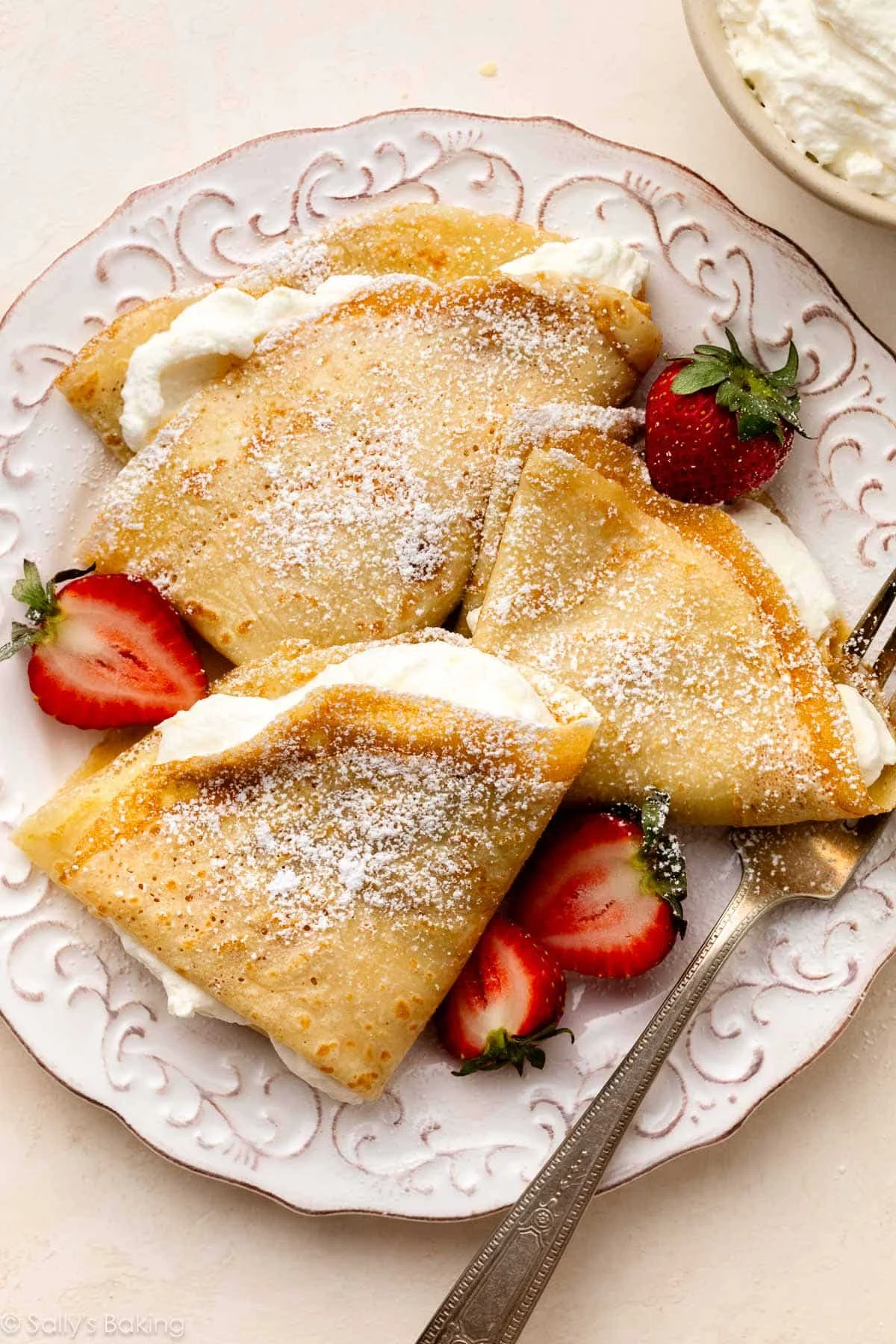
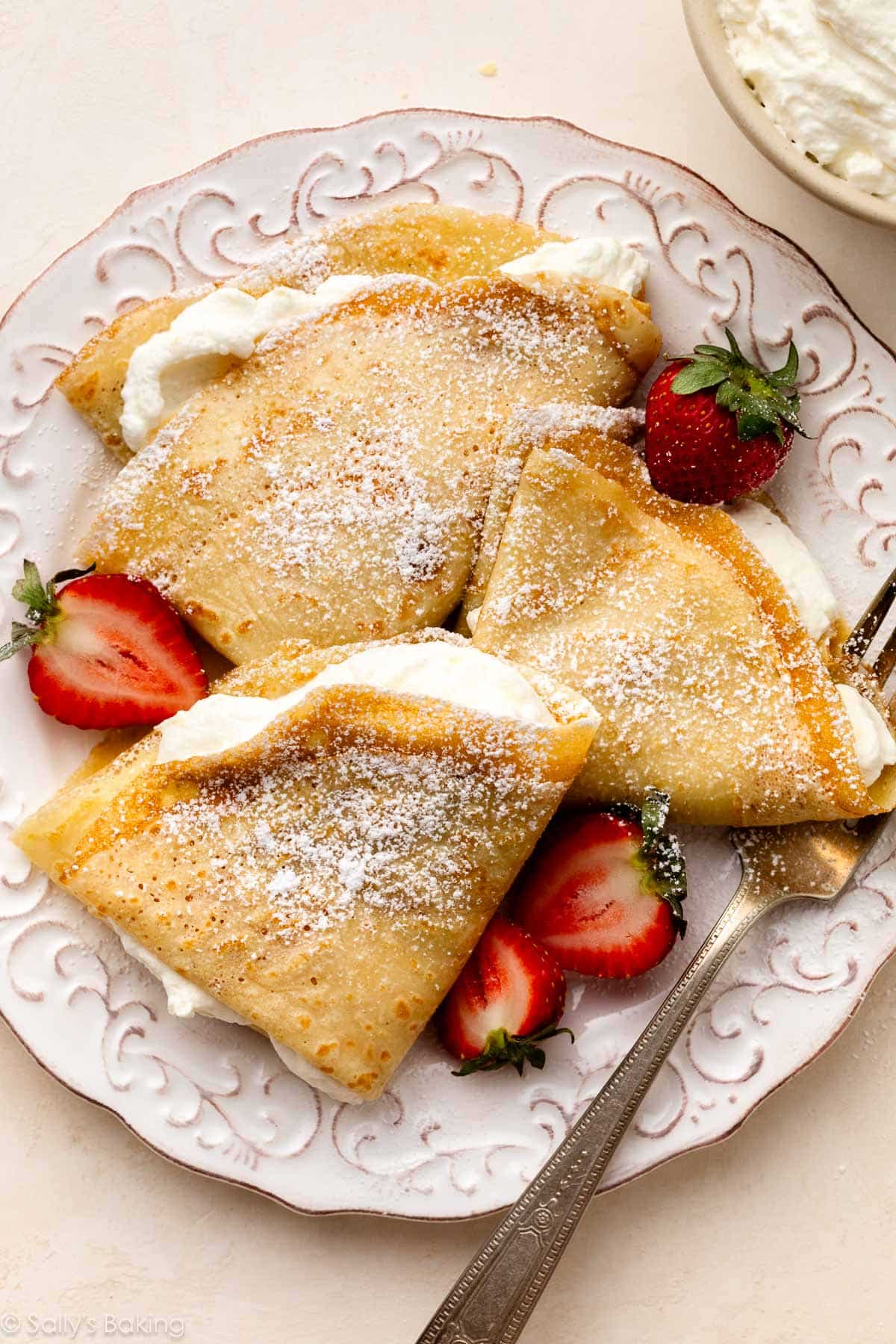
The seemingly complex art of crafting delicate, French-style crepes at home is, in fact, remarkably accessible, requiring only a handful of basic ingredients and straightforward techniques. These impossibly thin, buttery, and pliable pancakes, long revered in French gastronomy, are experiencing a resurgence in popularity among home cooks seeking both culinary adventure and versatile meal options. Far from being an intimidating endeavor, the preparation of crepes can be accomplished in minutes, yielding consistent results whether destined for a sweet dessert or a savory main course, and notably, without the need for specialized equipment beyond a standard kitchen skillet. This guide delves into the historical significance, fundamental components, and precise methodology behind creating perfect homemade crepes, transforming a classic bistro staple into an everyday culinary possibility.
A Glimpse into Crepe History: From Rustic Staple to Global Delicacy
The history of crepes is deeply intertwined with the culinary heritage of France, particularly the Brittany region, where they are known as galettes when made with buckwheat flour. The earliest forms of crepes date back centuries, evolving from simple flatbreads cooked on hot stones. Over time, as culinary techniques advanced and ingredients became more refined, these humble flatbreads transformed into the delicate, paper-thin pancakes we recognize today. The word "crêpe" itself is derived from the Latin crispa, meaning "curled," referring to their characteristic wavy edges when cooked.
Historically, crepes held significant cultural and even superstitious importance. In France, February 2nd marks La Chandeleur, or Candlemas, a holiday traditionally celebrated by making and eating crepes. Legend has it that if one flips a crepe with a coin in hand and catches it in the pan, prosperity will follow throughout the year. This tradition underscores the crepe’s deep roots in French society, transcending mere sustenance to become a symbol of celebration, good fortune, and communal sharing. From rustic beginnings as a peasant food, crepes gradually ascended the culinary ladder, gracing the tables of royalty and eventually becoming a beloved feature in cafes and restaurants worldwide. Their enduring appeal lies not only in their exquisite taste and texture but also in their adaptability, serving as a canvas for an infinite array of fillings, reflecting both regional specialties and global gastronomic influences. The continuous evolution of crepe recipes, from traditional buckwheat galettes to sweet dessert crepes, speaks to their timeless versatility and cultural resonance.
The Enduring Appeal of Homemade Crepes in Modern Kitchens
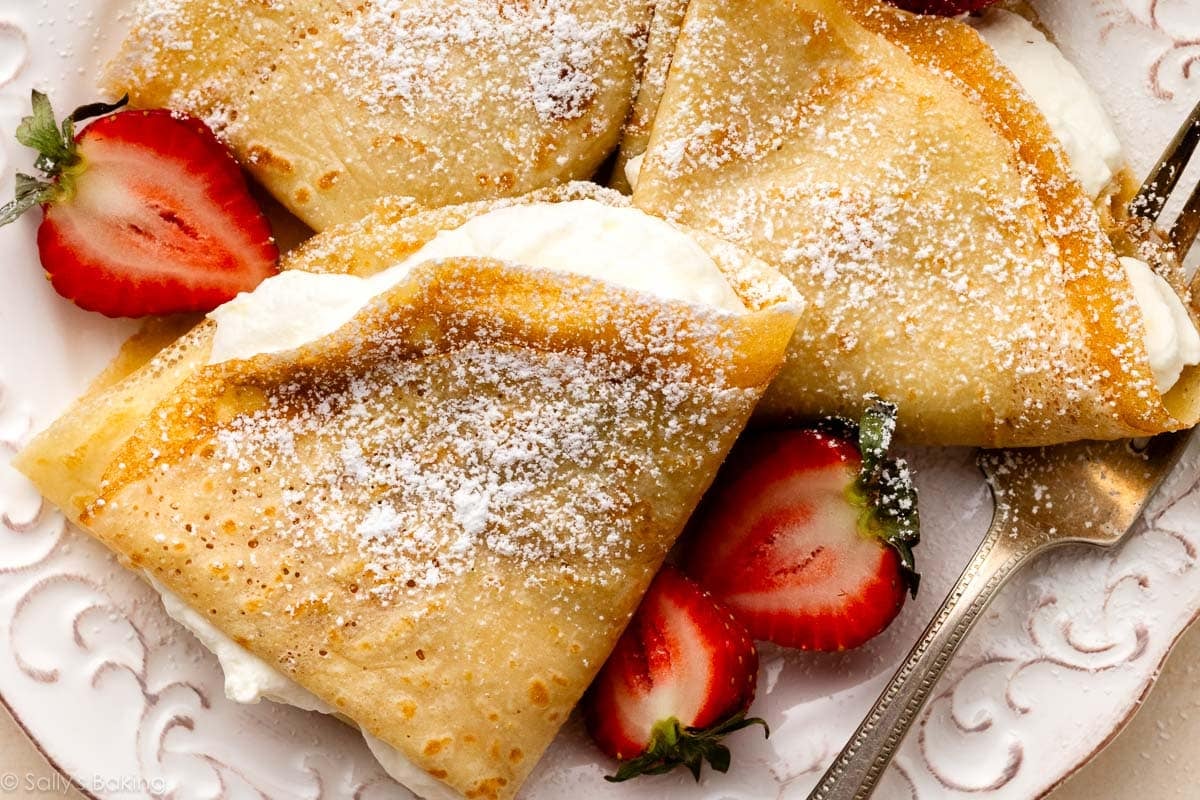
In an era where home cooking and culinary exploration are increasingly valued, the allure of mastering homemade crepes has grown significantly. Their appeal stems from several key factors, chief among them the surprising ease of preparation that belies their sophisticated appearance. Many home cooks, initially daunted by the prospect, discover that the batter comes together swiftly, often within minutes, requiring only eight fundamental ingredients readily available in most pantries. This simplicity makes them an ideal choice for busy individuals or families seeking a quick yet impressive meal.
Furthermore, the homemade crepe offers unparalleled control over ingredients and freshness, a significant advantage over pre-made options. The ability to customize both the batter and the fillings ensures that dietary preferences, allergies, or specific flavor profiles can be meticulously addressed. For instance, a basic recipe can be effortlessly adapted for gluten-free diets or enhanced with specific extracts for unique aromatic qualities. The satisfaction derived from producing restaurant-quality crepes in one’s own kitchen, complete with tender interiors and lightly crisped edges, is a powerful motivator. This culinary achievement, often perceived as the domain of professional chefs, empowers home cooks and elevates everyday meals or special brunches into memorable dining experiences. The tangible positive feedback from home cooks, such as Jane, who lauded the convenience of preparing the batter overnight, and Auggy, who praised the recipe’s foolproof nature for first-time crepe makers, underscores the widespread success and appreciation for accessible crepe recipes. Ellie’s testament to making them weekly for special dinners further illustrates their seamless integration into regular culinary routines, highlighting their role as a versatile and beloved dish that transcends skill levels.
Deconstructing the Crepe: The Science of Eight Simple Ingredients
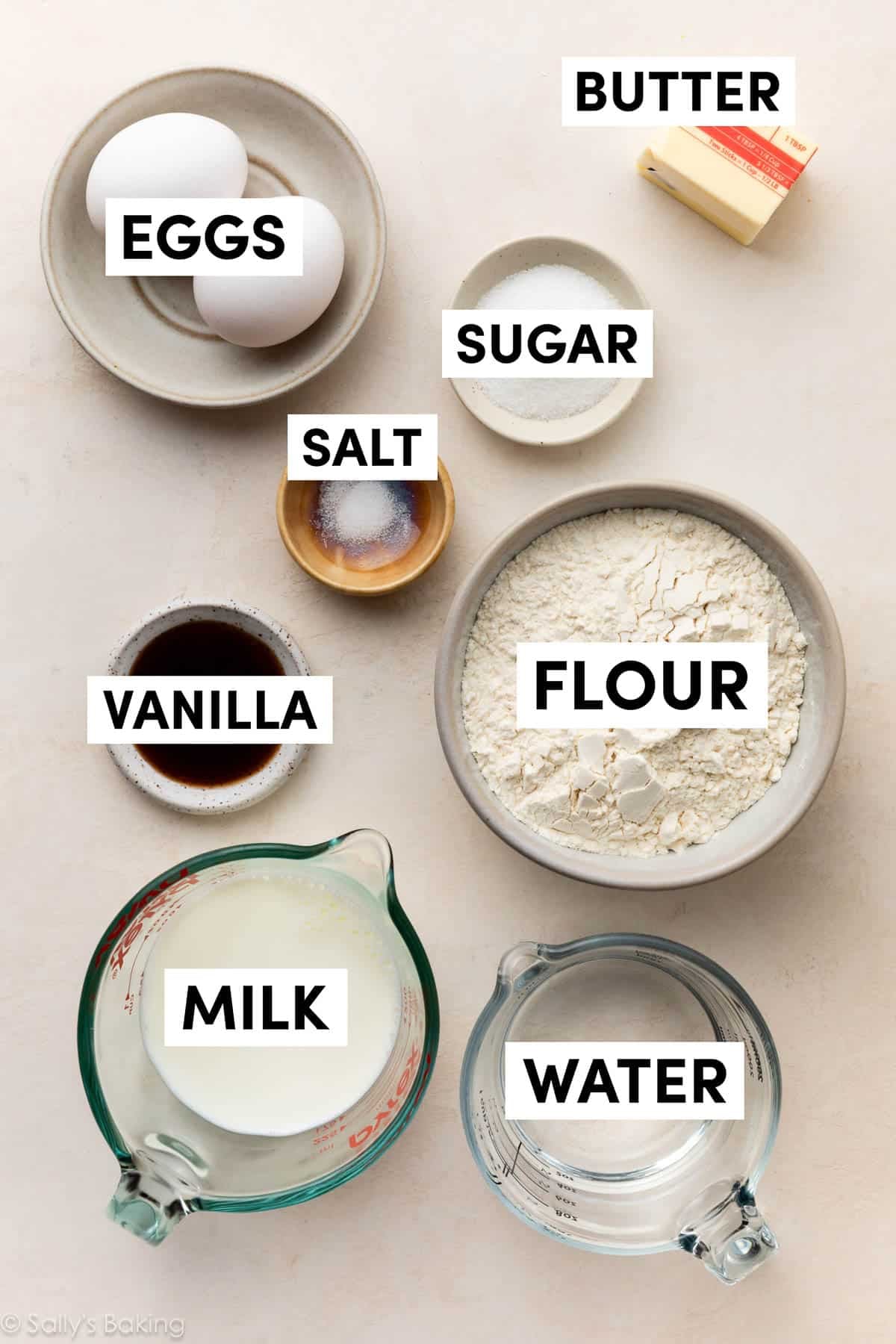
The delicate structure and neutral flavor profile of a classic French crepe are a testament to the precise interplay of its eight core ingredients. While the recipe is straightforward, understanding the role of each component is crucial for achieving the desired texture and flexibility, making substitutions generally ill-advised.
- All-Purpose Flour: This forms the structural backbone of the crepe. Its protein content (gluten) provides the necessary elasticity and strength to create a thin, yet resilient, membrane that can be easily folded or rolled without tearing. The type of flour is critical; a low-protein cake flour would result in overly delicate crepes, while a high-protein bread flour could make them too chewy.
- Granulated Sugar: While not present in large quantities, sugar contributes to the crepe’s flavor balance, especially in sweet applications, and aids in browning, giving the edges their characteristic light crispness. It also interacts with the proteins to create a more tender final product.
- Salt: A pinch of salt is essential for enhancing the overall flavor, balancing the sweetness and richness of the other ingredients. It also subtly strengthens the gluten network.
- Large Eggs: Eggs are multifunctional in crepe batter. They act as a binder, holding the ingredients together and providing structure. Their fat content contributes to the richness and tenderness, while their protein helps in setting the crepe during cooking. The emulsifying properties of egg yolks also contribute to a smooth batter.
- Milk: As the primary liquid, milk hydrates the flour, activating the gluten and creating the smooth, pourable consistency. The fat and lactose in whole milk contribute to the crepe’s richness, tenderness, and golden-brown color. Lower-fat milk can be used, but may result in a slightly less rich texture.
- Water: Often used in conjunction with milk, water helps to thin the batter to the ideal consistency, ensuring the crepes are exceptionally thin and delicate. It prevents the batter from becoming too rich or heavy, which could lead to thicker, more pancake-like results.
- Melted Unsalted Butter: Butter is paramount for flavor and texture. It provides richness, a distinctive buttery aroma, and helps to tenderize the crepes. Crucially, it prevents the crepes from sticking to the pan and facilitates the light crisping of the edges. Melting and cooling the butter before incorporating it prevents it from "scrambling" the eggs in the batter.
- Vanilla Extract: Primarily used in sweet crepe recipes, vanilla extract adds a subtle aromatic depth, enhancing the overall flavor profile without overpowering the fillings. For savory crepes, it can be omitted or replaced with other seasonings.
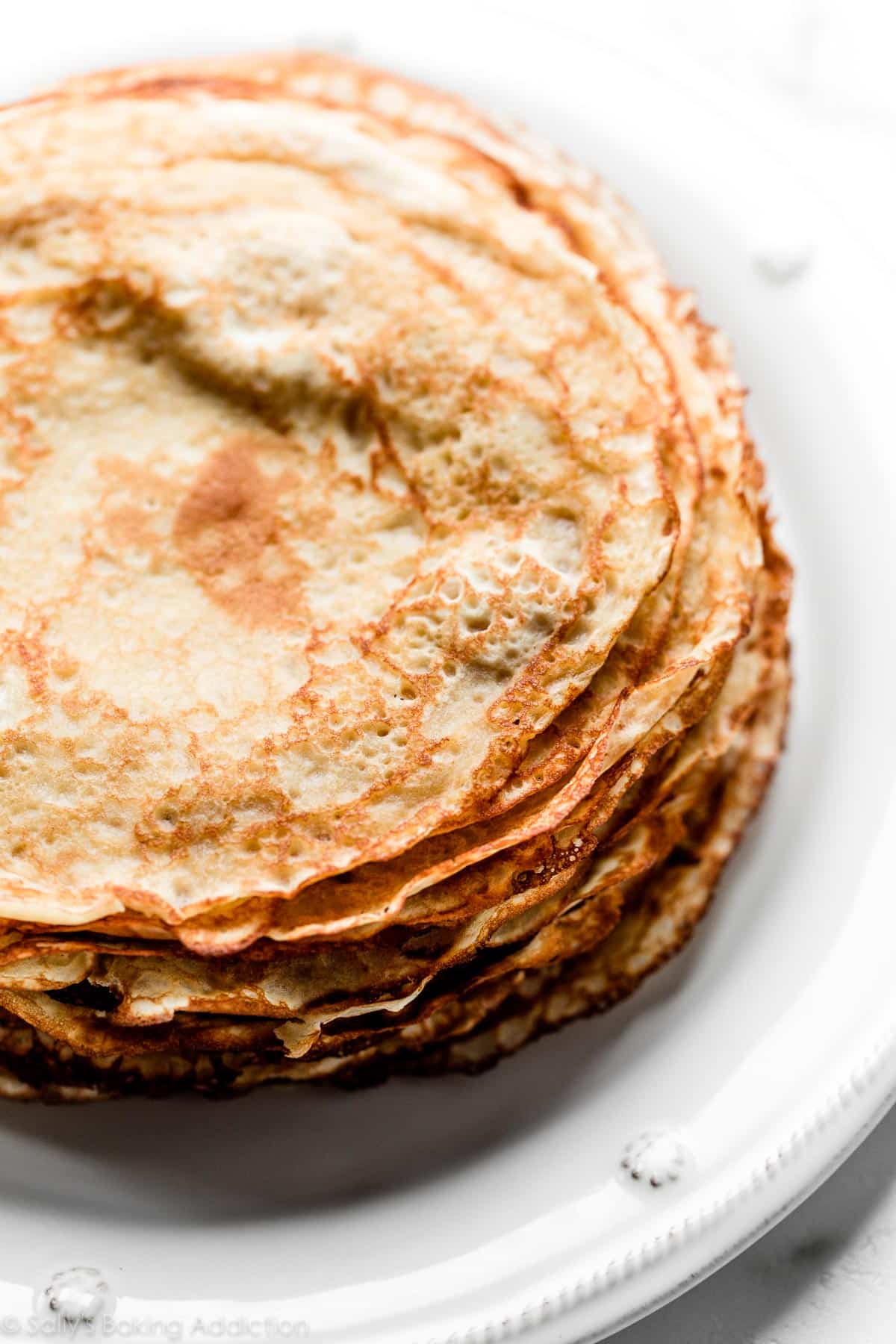
The relatively neutral flavor of the crepe itself highlights the paramount importance of its texture. The goal is to achieve a lace-thin, flexible canvas that serves as a perfect vehicle for both sweet and savory accompaniments, rather than a standalone flavor powerhouse. This careful balance of ingredients ensures that the crepes are not only delicious but also structurally ideal for their versatile culinary role.
The Craft of Crepe Making: A Step-by-Step Methodology and Crucial Success Tips
Achieving the perfect crepe hinges on a precise methodology, from batter preparation to the actual cooking process. The journey begins with the seamless integration of ingredients, a task significantly simplified by modern kitchen tools.
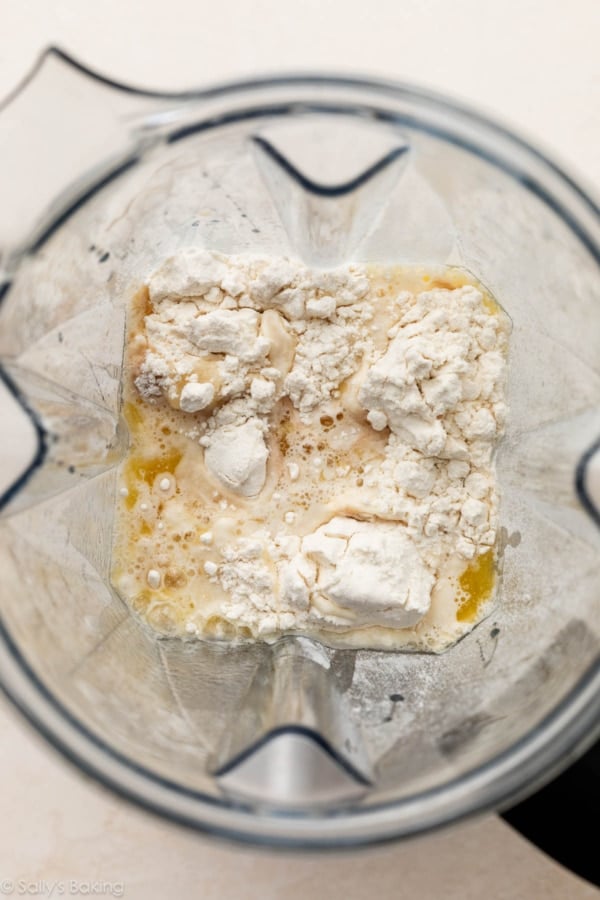
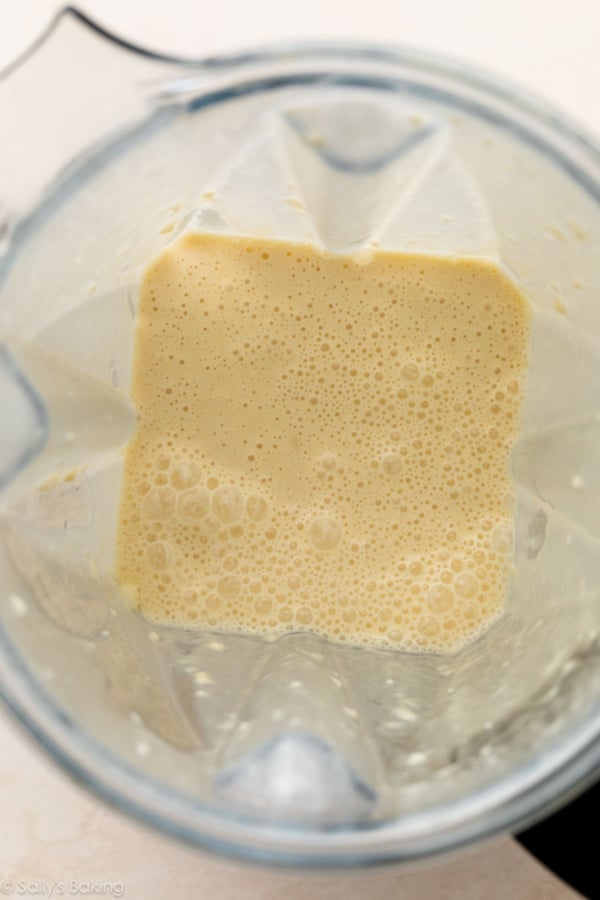
Batter Preparation and Blending: The initial step involves combining all eight ingredients—flour, sugar, salt, eggs, milk, water, cooled melted butter, and vanilla extract—into a blender. The use of a blender is a critical modern advancement in crepe making. Its high-speed blades effectively shear the flour, ensuring thorough hydration and eliminating lumps that can plague hand-whisked batters. This results in an exceptionally smooth, uniform batter, essential for paper-thin crepes. For those without a blender, a whisk can be employed, though straining the batter through a fine-mesh sieve afterward is recommended to catch any remaining lumps. The melted butter must be allowed to cool slightly before being added to prevent the heat from coagulating the eggs, which would compromise the batter’s consistency.
The Indispensable Chill: Once mixed, the batter requires a crucial resting period of at least 30 to 60 minutes in the refrigerator, though overnight chilling is ideal and offers added convenience. This rest serves multiple scientific purposes. Firstly, it allows the flour to fully hydrate, ensuring a tender and flexible crepe. Secondly, it gives the gluten proteins, which were developed during mixing, time to relax. This relaxation prevents the crepes from becoming tough or rubbery. Thirdly, any air bubbles incorporated during blending have time to dissipate, leading to a smoother, more even cooking surface and preventing small holes in the finished crepe. Skipping this step often results in crepes that are more prone to tearing or have an undesirable texture.

Pan Selection and Heat Management: While specialty crepe pans are available and can be beneficial, a regular non-stick skillet, ideally 8 inches in diameter, performs admirably in a home kitchen. The key is consistent heat distribution and a non-stick surface. Before cooking each crepe, the pan must be generously buttered. Butter not only prevents sticking but also contributes to the rich flavor and aids in achieving those desirable crisp edges. Maintaining a consistent medium heat is vital; too low, and the crepes will be pale and lack character; too high, and they will burn quickly.
The Art of the Pour and Swirl: The actual cooking process demands attention and a light touch. For each crepe, approximately 3 to 4 tablespoons of batter should be poured into the center of the preheated, buttered pan. Immediately after pouring, the pan must be swiftly tilted and swirled in a circular motion to spread the batter thinly and evenly across the entire surface. This rapid swirling action is paramount for achieving the characteristic thinness of a crepe. Insufficient swirling or excessive batter will result in thicker crepes, more akin to tortillas or traditional American pancakes, losing the delicate, lace-like quality that defines a true French crepe.
Cooking and Flipping: Crepes cook quickly. The first side typically requires only 1 to 2 minutes, or until the edges begin to lift and turn golden, and the surface appears set. A spatula can be used to gently lift an edge to check for browning. Once ready, the crepe is carefully flipped and cooked for an additional 30 seconds to 1 minute on the second side, just until lightly golden. Overcooking will lead to rubbery crepes, sacrificing their delicate texture. The process is repeated for the remaining batter, re-buttering the pan as needed between each crepe.
Crepes Success Tips Summarized:
- Use a blender: For a lump-free, perfectly smooth batter.
- Chill the batter: Essential for flavor, texture, and preventing tears.
- Cool melted butter: Avoid scrambling the eggs.
- Consistent medium heat: Prevents burning or undercooking.
- Generously butter the pan: For non-stick properties and flavor.
- Less batter, more swirl: Crucial for achieving thin, delicate crepes.
- Don’t overcook: Leads to rubbery texture; cook until just set and lightly golden.
By adhering to these principles, even novice cooks can confidently produce a stack of exquisite crepes, ready to be adorned with a myriad of fillings.
Strategic Preparation: Making Crepes Ahead of Time
The versatility of crepes extends beyond their filling options to their preparation schedule. Home cooks can significantly streamline their culinary efforts by preparing crepe components in advance, making them an ideal choice for entertaining or busy mornings.
Advance Batter Preparation: The crepe batter itself is highly amenable to advance preparation. It can be mixed and stored in the refrigerator for up to 24 hours. Sealing the batter tightly in the blender jar or transferring it to an airtight container is crucial to prevent oxidation and absorption of refrigerator odors. This allows for the convenience of simply pouring and cooking fresh crepes the following day, reducing morning prep time considerably.
Storing Cooked Crepes: While crepes are undeniably at their best when served immediately, freshly cooked, leftovers store remarkably well. Cooled crepes can be stacked with parchment paper in between each to prevent sticking, then wrapped tightly in plastic wrap or placed in an airtight container. They will maintain their quality in the refrigerator for up to two days. This makes them excellent for meal prepping components for quick lunches or desserts throughout the week.
Reheating Techniques: Reheating crepes effectively ensures they retain their tender flexibility. For individual portions, a quick warm-up in the microwave is sufficient. For larger batches, arranging crepes on a baking sheet lined with parchment paper (they can slightly overlap), covering them with aluminum foil to retain moisture, and warming them in a 275°F (135°C) oven for about 10 minutes yields excellent results. The low temperature and foil covering prevent them from drying out or becoming brittle.
Freezing Crepes for Long-Term Storage: For even longer-term planning, crepes can be frozen. Again, place parchment paper between each crepe, stack them, and then wrap the stack tightly in plastic wrap, followed by a layer of aluminum foil or a freezer-safe bag. Frozen crepes can last for up to one month. To thaw, simply transfer them to the refrigerator overnight or gently reheat from frozen in a microwave or low oven until pliable. This freezer-friendly quality makes crepes an exceptional make-ahead option, allowing for impromptu brunches or desserts with minimal effort.
Versatility Unleashed: A World of Fillings and Toppings
The neutral, delicate flavor of a basic crepe provides an unparalleled canvas for an expansive range of fillings and toppings, solidifying its status as one of the most versatile dishes in global cuisine. Whether seeking a decadent dessert, a hearty breakfast, a light lunch, or an elegant dinner, crepes adapt effortlessly.
Sweet Crepe Creations: For those with a sweet tooth, the possibilities are virtually limitless. A classic and elegant choice involves simply a squeeze of fresh lemon juice and a dusting of granulated sugar, allowing the crepe’s inherent flavor to shine. Beyond this minimalist approach, popular sweet fillings include:
- Fresh Fruits: Berries (strawberries, blueberries, raspberries), sliced bananas, peaches, or apples, often paired with a dollop of homemade whipped cream or a scoop of ice cream.
- Fruit Sauces and Jams: Raspberry jam, apricot preserves, or a warm compote made from seasonal fruits.
- Chocolate Indulgences: Nutella (chocolate-hazelnut spread), melted chocolate ganache, or chocolate chips.
- Nutty Delights: Peanut butter, almond butter, or finely chopped nuts like pecans or walnuts.
- Dairy-Based Fillings: Ricotta cheese blended with a touch of sugar and vanilla, or a rich pastry cream.
- Caramel and Syrups: Drizzles of salted caramel sauce, maple syrup, or honey.
- Classic Preparations: The iconic Crepes Suzette, flambéed in a sauce of caramelized sugar, butter, orange or tangerine juice, and Grand Marnier, represents the pinnacle of sweet crepe artistry.
Savory Crepe Innovations: Shifting to the savory spectrum, crepes transform into a sophisticated vessel for a multitude of ingredients, often serving as a lighter alternative to sandwiches or wraps.
- Cheese Combinations: Grated Gruyère, cheddar, or goat cheese, often melted directly into the warm crepe.
- Meaty Fillings: Sautéed ham, turkey, chicken, or bacon, sometimes shredded or diced.
- Vegetable Medleys: Sautéed mushrooms, spinach, asparagus, bell peppers, or onions, often seasoned with herbs.
- Creamy Additions: Béchamel sauce, cream cheese, or a simple sour cream and chive mixture.
- Breakfast-Inspired: Scrambled eggs, sausage, or smoked salmon with cream cheese and dill.
- Gourmet Pairings: Brie cheese with fig jam, or roasted vegetables with feta and balsamic glaze.
The adaptability of crepes means they can cater to almost any culinary preference or dietary requirement. Their neutral base allows the chosen fillings to truly star, making them a consistently exciting and customizable dish for any meal of the day, from an elaborate Sunday brunch to a quick weeknight dinner.
Addressing Common Challenges: Troubleshooting for Crepe Perfection
Even with a well-tested recipe, minor issues can arise during crepe preparation. Understanding the root causes of common problems empowers home cooks to troubleshoot effectively and achieve consistently perfect results.
Rubbery Crepes: If crepes turn out rubbery, the most common culprit is overcooking. Crepes are thin and cook rapidly. They only require about 1 to 2 minutes on the first side until set and lightly golden, and a mere 30 seconds to 1 minute after flipping. Prolonged cooking time dries them out and toughens their delicate structure. Adjusting heat and paying close attention to visual cues are key.
Tearing Crepes: Crepes that tear easily often indicate one of two issues. Firstly, the batter may not have rested long enough. The chilling period is crucial for allowing the flour to fully hydrate and the gluten to relax, which makes the crepes more pliable and less prone to tearing. Secondly, the crepe might be flipped prematurely, before the first side has fully set and developed enough structural integrity. Ensure the edges are lifting and the surface looks dry before attempting to flip.
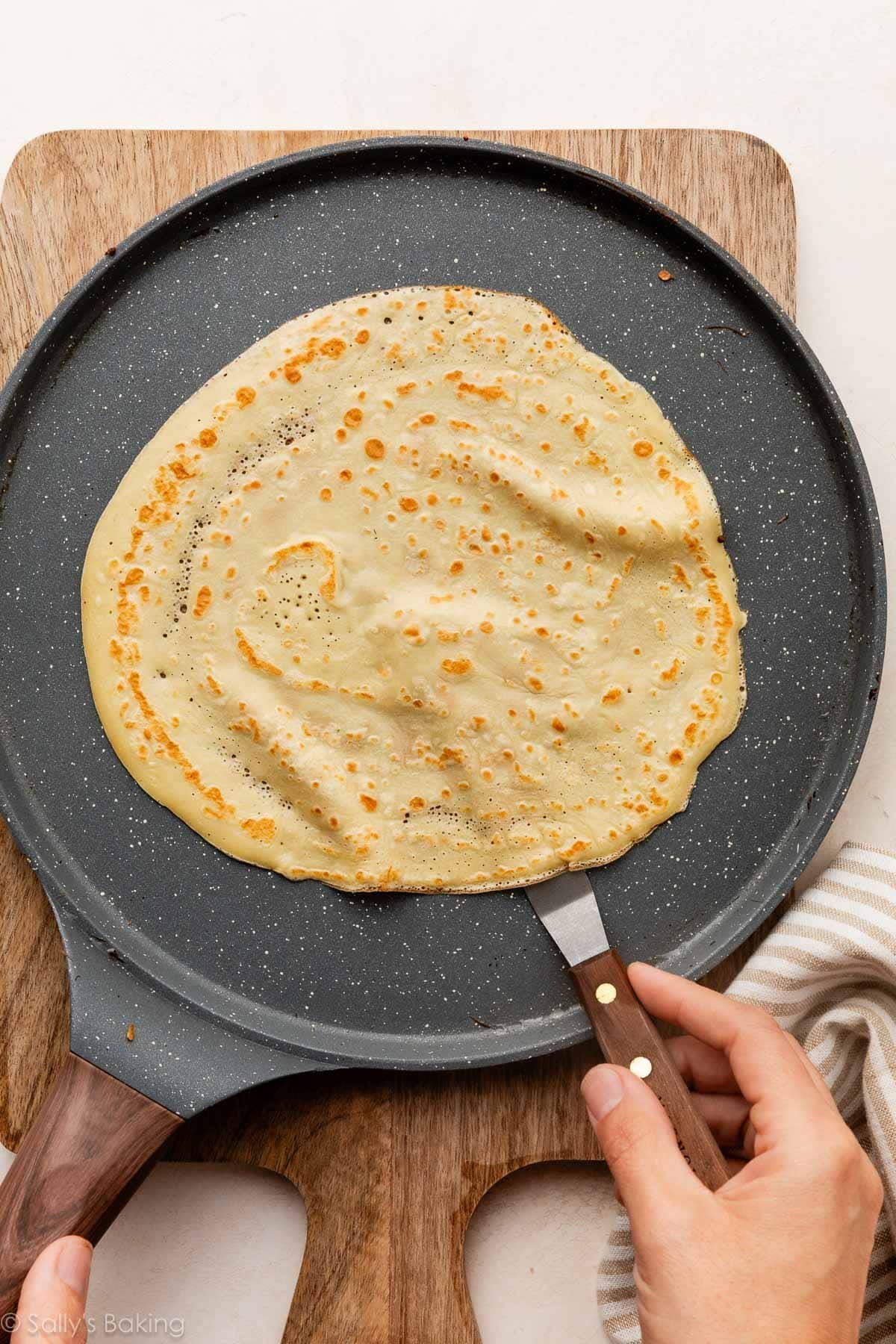
Thick, Tortilla-like Crepes: When crepes resemble tortillas rather than their characteristic thinness, it typically points to using too much batter or insufficient spreading. The ideal amount of batter per crepe is generally 3 to 4 tablespoons for an 8-inch pan. Crucially, immediately after pouring the batter, the pan must be swiftly tilted and swirled to distribute the batter as thinly and evenly as possible. Hesitation or insufficient swirling will result in a thicker, less delicate crepe. Practice with the pouring and swirling technique is often all that’s needed to master this aspect.
Lumpy Batter: A lumpy batter is a common initial hurdle, particularly when whisking by hand. Lumps arise from unhydrated pockets of flour. The simplest solution, as highlighted in the recipe, is to use a blender, which efficiently breaks down any clumps and creates a perfectly smooth consistency. If a blender is not available, whisking vigorously and then straining the batter through a fine-mesh sieve before chilling will effectively remove any lumps, ensuring a uniform texture for cooking.
By understanding these common pitfalls and their straightforward solutions, aspiring crepe makers can navigate the process with confidence, ensuring each batch of homemade crepes meets the standard of this beloved French delicacy.
Broader Culinary Implications and Cultural Impact
The enduring popularity and ease of making homemade crepes underscore their significant role in contemporary culinary trends. They represent a bridge between traditional European gastronomy and modern home cooking, demystifying a dish once considered restaurant-exclusive. The accessibility of a foolproof crepe recipe means that consumers are increasingly likely to incorporate this versatile food into their regular meal rotation, moving beyond special occasions to everyday breakfasts, lunches, and desserts.
From a culinary perspective, crepes offer an unparalleled platform for creativity. Their neutral flavor profile allows them to seamlessly integrate into diverse cuisines, embracing global ingredients and fusion concepts. This adaptability positions crepes not merely as a French classic but as a global comfort food, capable of adapting to various palates and dietary requirements, including gluten-free or dairy-free variations. The rise of recipe platforms and video tutorials, such as the one accompanying this guide, further democratizes complex-seeming dishes, empowering individuals to explore and master culinary skills from their own kitchens.
Furthermore, the communal aspect of crepe-making and consumption fosters shared experiences. Whether it’s a family brunch where everyone customizes their crepe or a social gathering featuring a crepe bar, the dish encourages interaction and personal expression through food. This cultural impact is evident in their appearance at diverse events, from farmers’ markets to elegant wedding receptions, signifying their broad acceptance and celebratory appeal. The ability to make the batter ahead of time also aligns with modern lifestyles that prioritize efficiency and meal planning, reinforcing crepes’ practicality. Ultimately, mastering the art of homemade crepes transcends simple recipe execution; it offers a gateway to culinary confidence, creative expression, and the joyful sharing of a truly versatile and beloved dish. The potential to further explore its applications, such as in elaborate crepe cakes, only adds to its enduring charm and culinary significance.
