
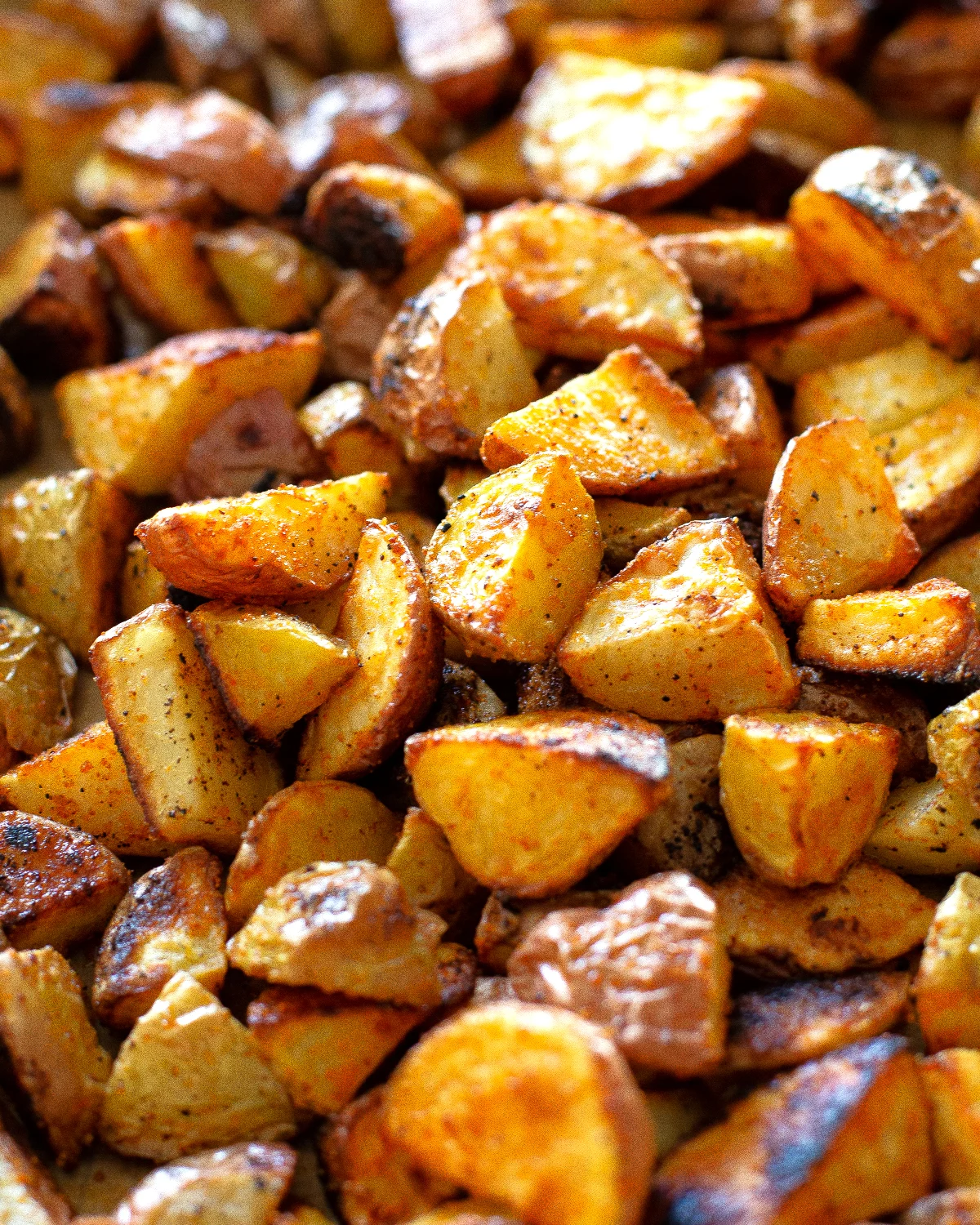
This guide delves into the art of creating perfectly roasted potatoes, a deceptively simple side dish that, when executed with precision, can transform any meal into a culinary delight. The focus is on achieving a coveted balance of a golden, caramelized exterior and a tender, fluffy interior, eschewing the disappointment of an undercooked potato. This recipe, championed for its family-approved status, offers a gateway to mastering this foundational cooking technique.
The appeal of roasted potatoes, particularly those with intensely flavored, crispy edges, is deeply rooted in familiar comfort food experiences. For many, it evokes memories of beloved fast-food fries, specifically the coveted, often elusive, "bottom-of-the-bag" bits – small, intensely seasoned, and shatteringly crisp fragments. This recipe aims to replicate that intensely satisfying texture and flavor profile in a home kitchen setting, elevating the humble potato beyond its everyday role. The inherent versatility of potatoes, a staple crop globally, makes them an ideal canvas for various culinary explorations, and roasting is a method that unlocks their full potential.
The Science of Crispy Potatoes: Key Techniques for Success
Achieving the ideal roasted potato is not merely a matter of chance; it involves understanding and applying specific culinary principles. The following techniques are crucial for transforming raw potatoes into crispy, golden-brown perfection:
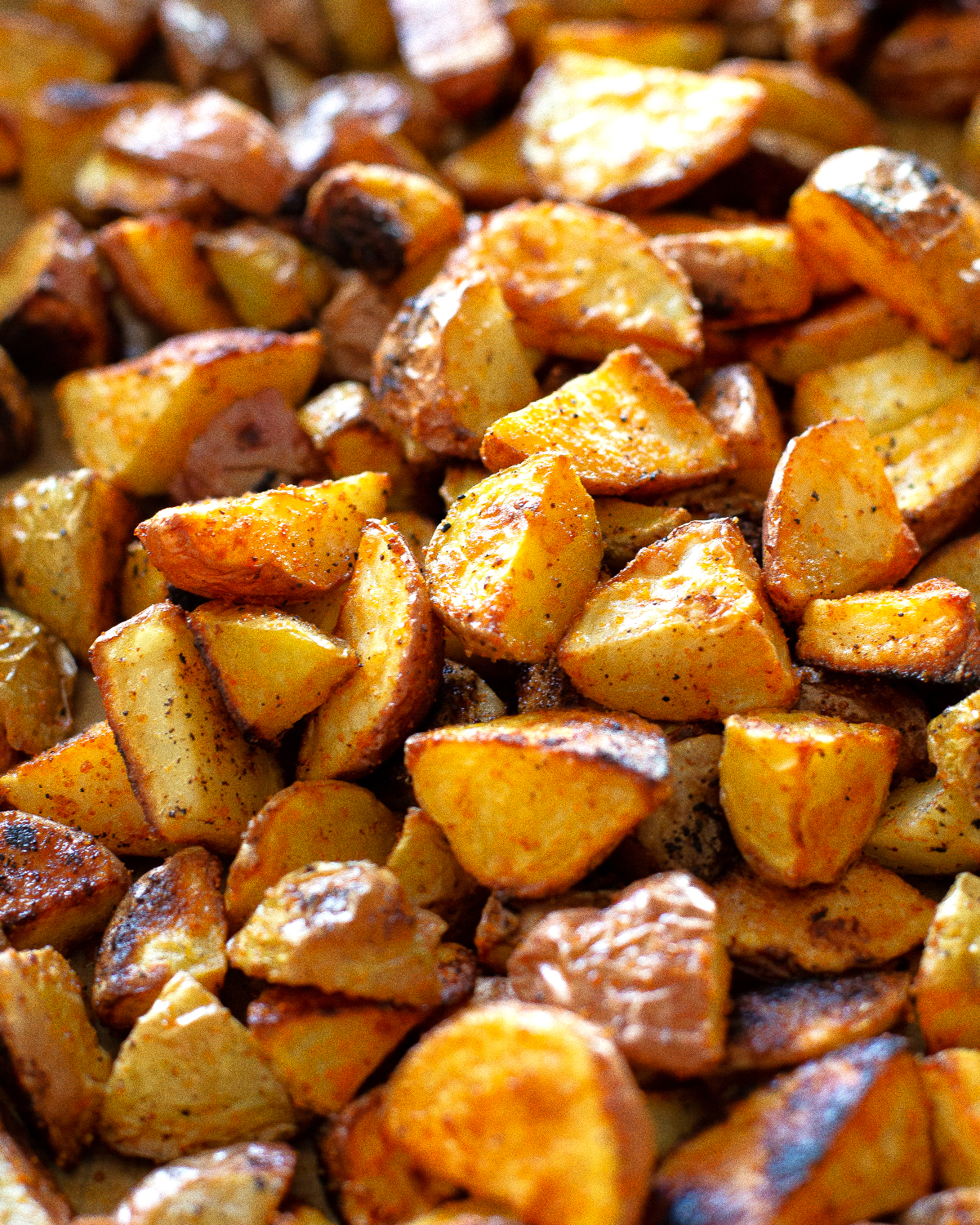
Maximizing Surface Area: The "Don’t Crowd the Pan" Rule
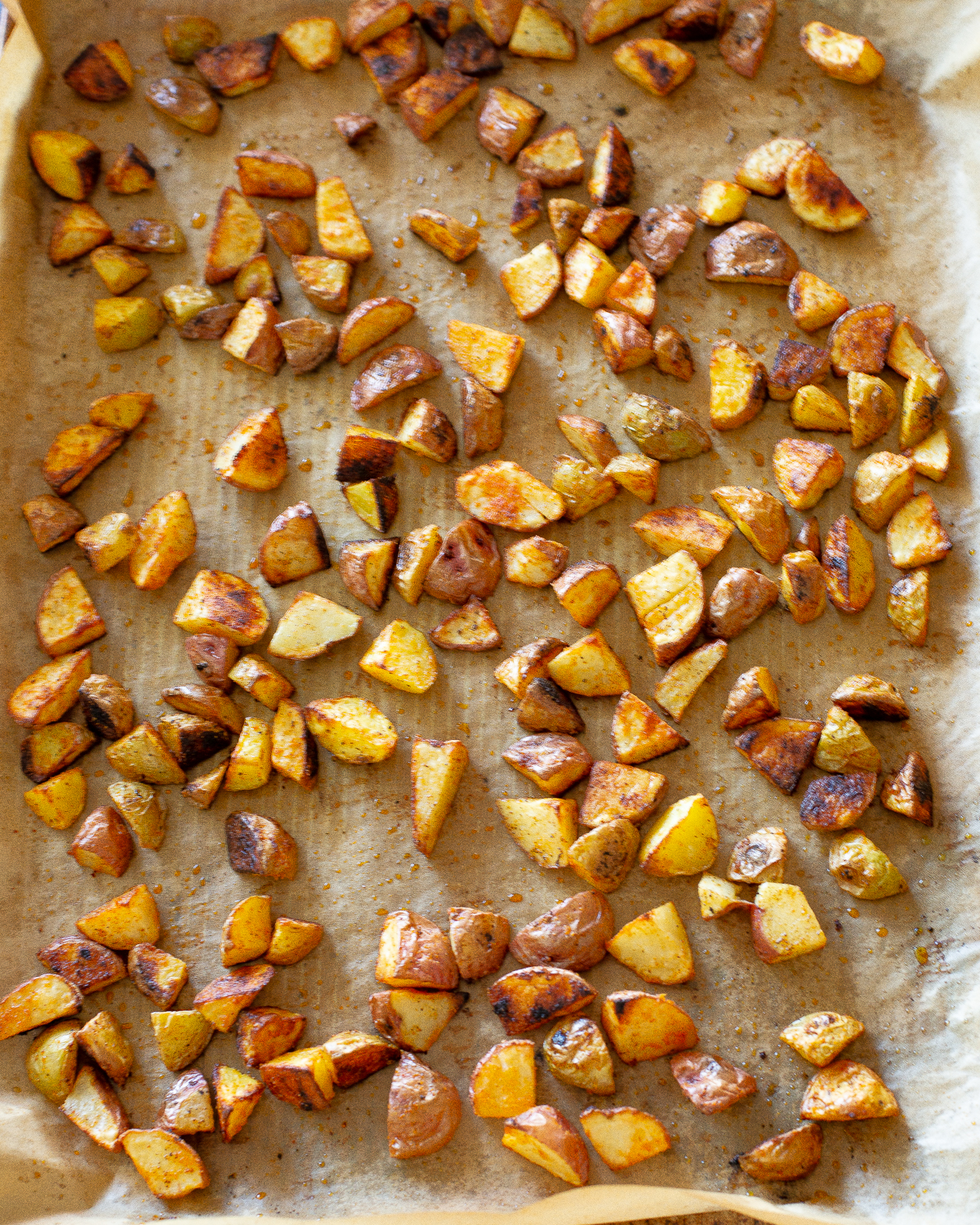
A fundamental tenet of successful roasting is ensuring adequate space for each piece of food to brown evenly. Overcrowding a baking sheet is the primary culprit behind steamed, rather than roasted, vegetables. For approximately two pounds of potatoes, a standard half-sheet pan (approximately 18×13 inches) provides sufficient surface area. This allows for optimal heat circulation around each potato chunk, promoting the Maillard reaction – the chemical process responsible for browning and developing complex flavors. Deviating from this single-layer arrangement will inevitably lead to a lack of crispness and a less appealing texture.
The Power of Size: Cutting Potatoes Appropriately
The size at which potatoes are cut directly impacts their ability to achieve a crispy exterior. Larger chunks, while potentially appealing visually, require longer cooking times, increasing the risk of the exterior becoming dry or burnt before the interior is perfectly tender. Conversely, overly small pieces can disintegrate or burn too quickly. The recommended size for optimal results falls between 3/4 inch and 1-inch chunks. This size ensures a sufficient surface area for browning while allowing the interior to cook through to a creamy consistency.
The Parchment Paper Advantage
Parchment paper serves as an indispensable tool in the pursuit of perfect roasted potatoes, much like its role in baking delicate cookies. Its non-stick properties prevent potatoes from adhering to the baking sheet, which is essential for maintaining their structural integrity and ensuring an even crisp. Furthermore, parchment paper can contribute to a more consistent heat distribution across the pan, further enhancing the roasting process. Its use simplifies cleanup, making the entire cooking experience more enjoyable.
Harnessing High Heat for Optimal Browning
The roasting process for potatoes is akin to a form of "faux-frying," where high heat is paramount. A significantly hot oven, typically set between 400°F and 425°F (200°C to 220°C), is necessary to achieve the desired golden-brown crust. This intense heat promotes rapid surface dehydration, leading to crispness, while simultaneously cooking the interior to a tender, fluffy texture. The contrast between the crispy exterior and the soft interior is the hallmark of a perfectly roasted potato.
The Potato’s Role in the Global Food System
Potatoes, scientifically known as Solanum tuberosum, are a cornerstone of global food security, ranking as the world’s fourth-largest food crop after rice, wheat, and maize. Originating in the Andes region of South America, they were domesticated thousands of years ago and have since spread across the globe, adapting to diverse climates and agricultural practices. Their high yield, nutritional value, and adaptability have made them a vital food source for billions.
The economic impact of potato cultivation is substantial. In 2022, global potato production exceeded 370 million metric tons, with China, India, and Russia leading the production. The versatility of the potato extends beyond direct consumption; it is also a key ingredient in processed foods, animal feed, and even industrial products like starch and alcohol. Understanding the significance of this humble tuber provides context for its enduring popularity in various culinary traditions, including the simple yet profound preparation of roasted potatoes.
Strategic Planning: Making Roasted Potatoes Ahead of Time
The practicality of roasted potatoes extends to their potential for meal preparation. These potatoes can be roasted in advance and stored in the refrigerator for up to three to four days. To restore their delightful crispness, reheat them in a single layer on a baking sheet in a preheated oven at 400°F (200°C) for approximately 5-10 minutes, or until they regain their desired texture. This makes them an ideal component for busy weeknight meals or for preparing components of a larger feast in advance.
Selecting the Right Potato Variety for Roasting
The choice of potato variety plays a significant role in the final outcome of roasted potatoes. Several types are particularly well-suited for this cooking method:
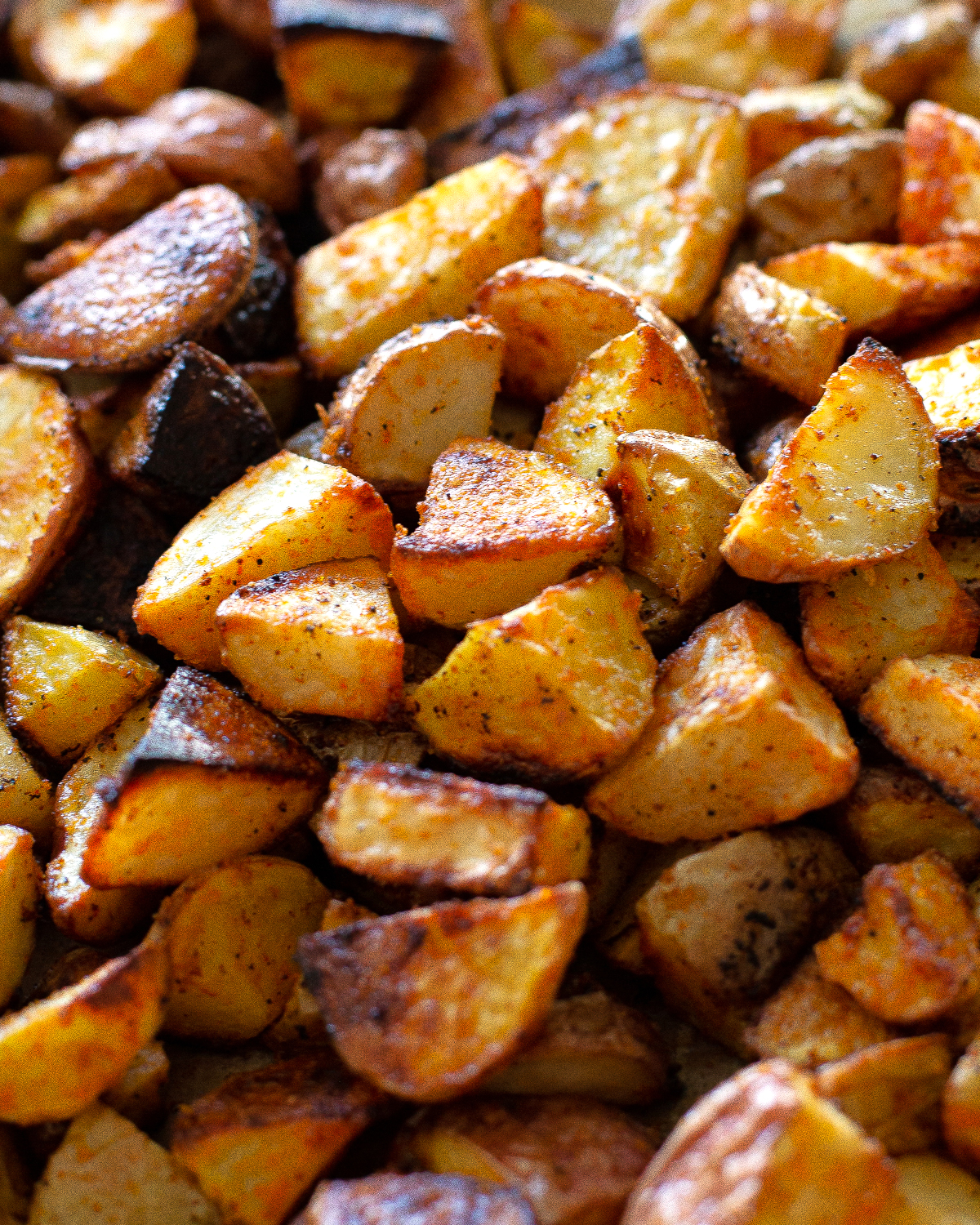
- Yukon Gold Potatoes: These are a popular choice due to their creamy texture, buttery flavor, and thin skin that doesn’t necessarily require peeling. Their consistent moisture content ensures a tender interior when roasted. Baby Yukon Golds are also an excellent option, offering a similar texture in a smaller, convenient size.
- Russet Potatoes: Known for their high starch content, Russets develop a fluffy, mealy interior when roasted, which readily absorbs seasonings and creates a satisfying contrast with the crispy exterior. Their skin also becomes wonderfully crisp.
- Red Potatoes: Red potatoes offer a slightly waxier texture compared to Yukon Golds or Russets, which can contribute to a slightly chewier, yet still appealing, roasted potato. Their skins are also edible and become nicely crisped.
The starch content and moisture levels of different potato varieties influence how they absorb heat and moisture during the roasting process, ultimately affecting their final texture. Experimenting with different types can lead to discovering personal preferences for roasted potato perfection.
The Roasting Process: A Step-by-Step Culinary Guide
The preparation of oven-roasted potatoes, while straightforward, benefits from a methodical approach to ensure optimal results:
- Preheat the Oven and Prepare the Baking Sheet: Begin by preheating your oven to a high temperature, typically 400°F to 425°F (200°C to 220°C). Line a large baking sheet with parchment paper for easy cleanup and to prevent sticking.
- Wash and Cut the Potatoes: Thoroughly wash the potatoes to remove any dirt. Depending on the variety and preference, you can peel them or leave the skins on. Cut the potatoes into uniform chunks, aiming for the recommended 3/4-inch to 1-inch size. Uniformity in size ensures even cooking.
- Season the Potatoes: In a large bowl, toss the potato chunks with a generous amount of olive oil (or another high-heat cooking oil like avocado oil). Ensure each piece is lightly coated. Season generously with salt and freshly ground black pepper. Additional seasonings can include garlic powder, onion powder, paprika, rosemary, or thyme, depending on desired flavor profiles.
- Arrange on the Baking Sheet: Spread the seasoned potatoes in a single, even layer on the prepared baking sheet. Crucially, ensure there is space between each potato piece to allow for proper air circulation and browning. Avoid overcrowding the pan.
- Roast to Perfection: Place the baking sheet in the preheated oven. Roast for approximately 25-40 minutes, flipping the potatoes halfway through the cooking time. The exact duration will depend on the size of the potato chunks and the oven temperature. The potatoes are ready when they are tender when pierced with a fork and possess a deeply golden-brown, crispy exterior.
- Serve Immediately: For the best texture and flavor, serve the roasted potatoes immediately after they come out of the oven.
Expanding the Potato Repertoire: Beyond Roasting
While roasted potatoes stand as a culinary triumph, the versatile potato offers a vast landscape for further exploration. Other popular and rewarding potato preparations include:
- Mashed Potatoes: A classic comfort food, mashed potatoes can be enriched with butter, cream, garlic, and herbs for a smooth and creamy side dish.
- Scalloped Potatoes or Potatoes au Gratin: Thinly sliced potatoes baked in a rich sauce, often with cheese, creating a decadent and flavorful casserole.
- Potato Salad: A staple at picnics and barbecues, potato salad can be prepared with various dressings, from creamy mayonnaise-based versions to lighter vinaigrettes, and incorporates ingredients like celery, onions, and hard-boiled eggs.
- French Fries: The iconic fried potato, a global phenomenon, can be prepared in various styles, from thin shoestring fries to thicker steak fries.
- Baked Potatoes: A simple yet satisfying preparation, baked potatoes offer a fluffy interior perfect for loading with toppings like butter, sour cream, cheese, and chives.
These diverse preparations highlight the potato’s adaptability and its enduring significance in cuisines worldwide. Mastering the art of roasting potatoes, however, provides a foundational skill that unlocks a deeper appreciation for this essential foodstuff.
