
The Evolution of the Breakfast Casserole in Group Hospitality
The breakfast casserole has long been a staple of American morning cuisine, but its role has evolved from a simple family meal to a strategic tool for group hospitality. In the context of "cabin meals"—a term increasingly used to describe food prepared in vacation rentals or secondary residences—the primary objectives are simplicity, transportability, and high caloric satisfaction.
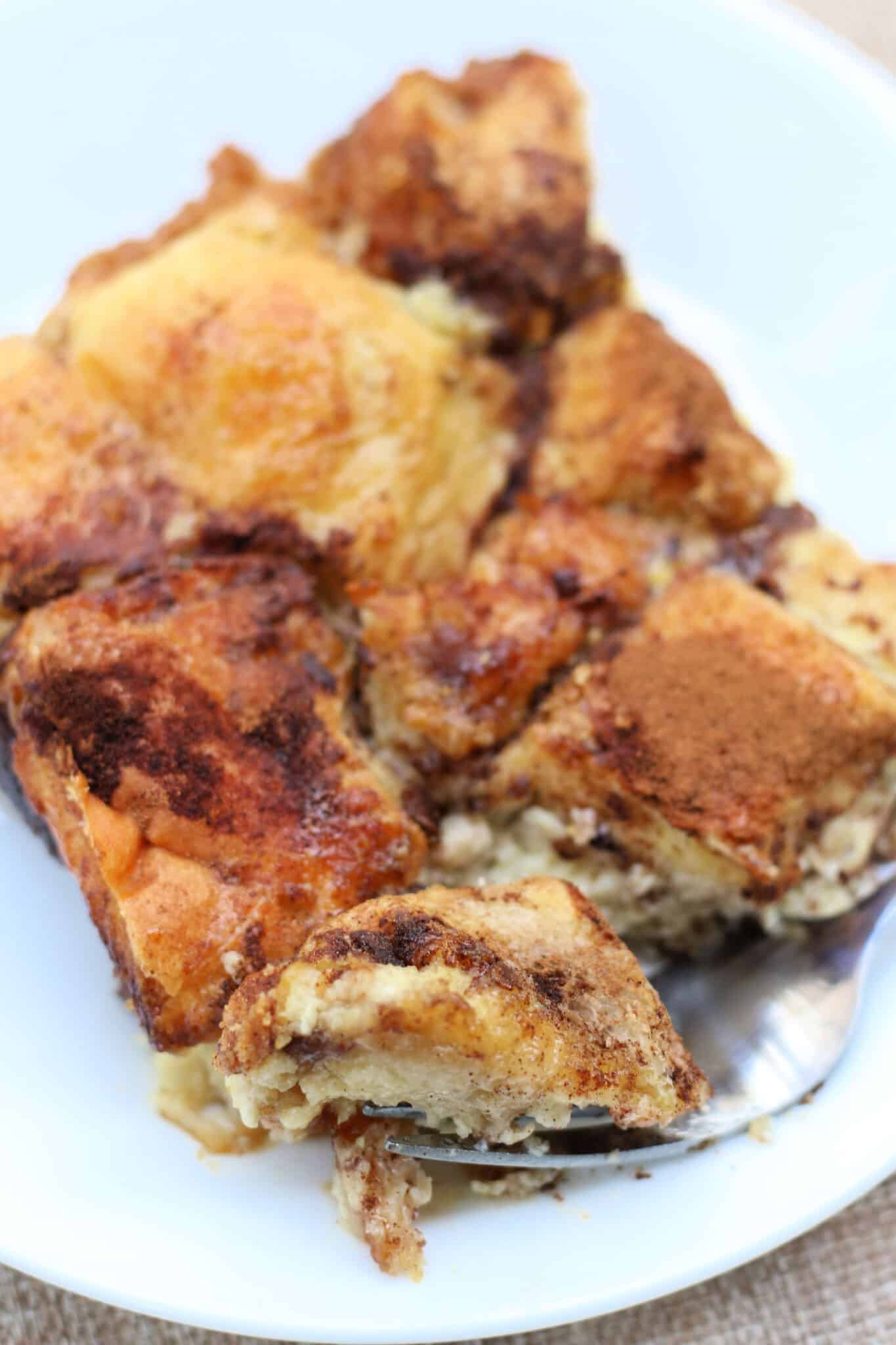
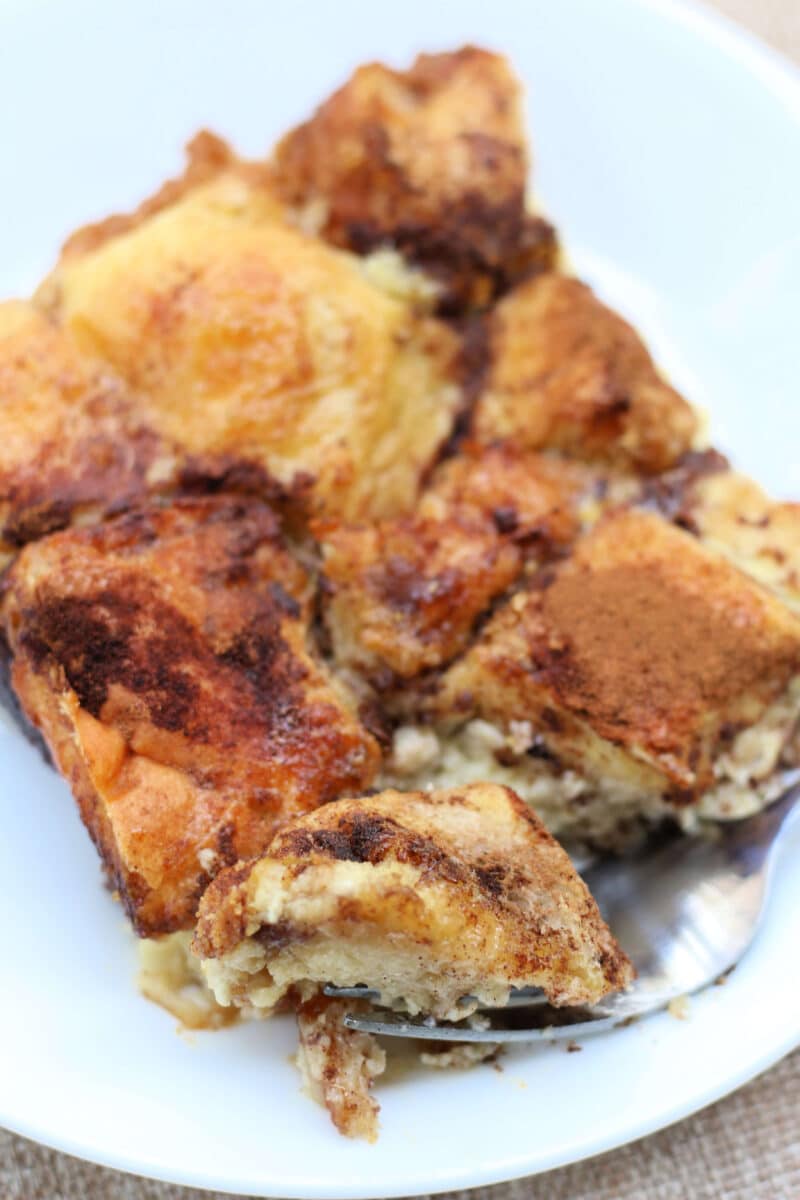
The Cabin French Toast Bake is designed to yield two 9×13-inch pans, a volume sufficient for approximately 12 to 16 individuals. This scale is particularly relevant for peak travel periods, such as the Fourth of July weekend, where household sizes often swell with guests. By utilizing a foundation of French bread and a custard-based soak, the dish bridges the gap between a traditional French toast and a warm bread pudding, offering a texture that is both resilient enough for buffet-style service and decadent enough for holiday standards.
Technical Composition and Ingredient Analysis
The efficacy of the Cabin French Toast Bake relies on a specific set of seven core ingredients, each serving a structural or flavor-enhancing purpose. Professional culinary analysis suggests that the success of the dish is predicated on the interaction between the starch of the bread and the protein of the egg-milk mixture.
Structural Foundation: The Role of Stale Bread
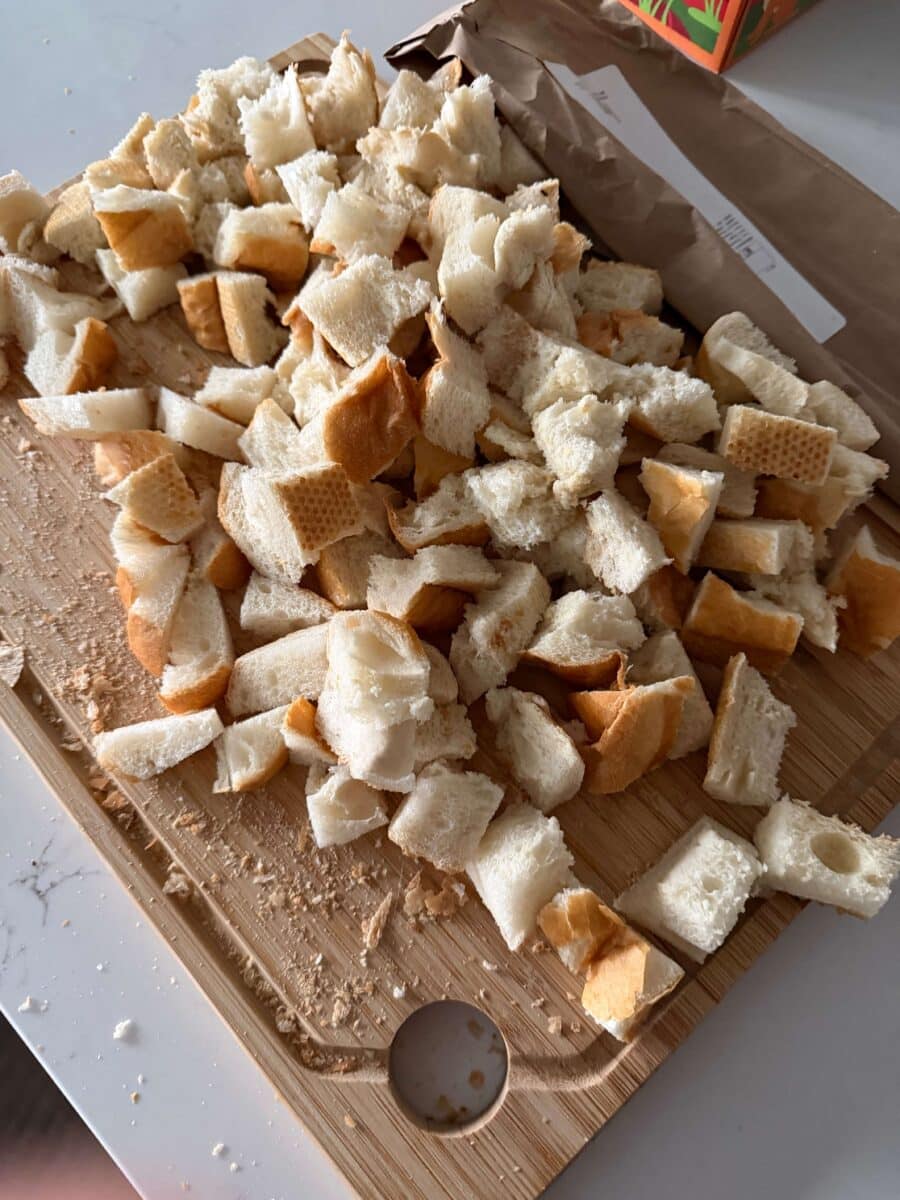
The recipe specifies French bread, preferably in a slightly stale state. This is not merely a convenience but a technical requirement for optimal texture. Fresh bread contains a high moisture content; when submerged in a custard mixture, it can become overly saturated and lose its structural integrity, resulting in a "mushy" consistency. In contrast, stale bread has undergone a process of retrogradation and evaporation, creating a porous, dry structure that efficiently absorbs the egg and milk mixture without collapsing. This allows the finished product to maintain a distinct "cube" shape while remaining soft on the interior.
The Custard and Caramelization Layer
The custard is composed of eggs, milk, vanilla, and cinnamon. When baked, these proteins coagulate, binding the bread cubes together. However, the defining characteristic of this specific bake is the base layer: a mixture of melted butter and brown sugar. By placing this mixture at the bottom of the pan before adding the bread, the heat of the oven facilitates a Maillard reaction, creating a caramelized "syrup" that coats the bottom of the bread. This eliminates the need for supplemental maple syrup at the table, reducing both the cost per serving and the mess associated with traditional pancake or French toast service.
Chronological Preparation and Operational Efficiency
The preparation of the Cabin French Toast Bake is structured to maximize time efficiency, requiring approximately 15 minutes of active labor. The timeline is divided into two primary phases: the preparation phase and the thermal processing phase.
-
Phase I: Preparation (Night Before or Morning Of)
The oven is preheated to 425°F (218°C). The French bread is cubed into uniform pieces. Simultaneously, a saucepan is used to melt butter and whisk in brown sugar until a smooth, homogenous syrup is formed. This syrup is divided equally between two 9×13-inch pans. The bread cubes are then layered over the syrup. A mixture of eggs, milk, vanilla, and cinnamon is whisked and poured evenly over the bread, ensuring each cube is sufficiently coated.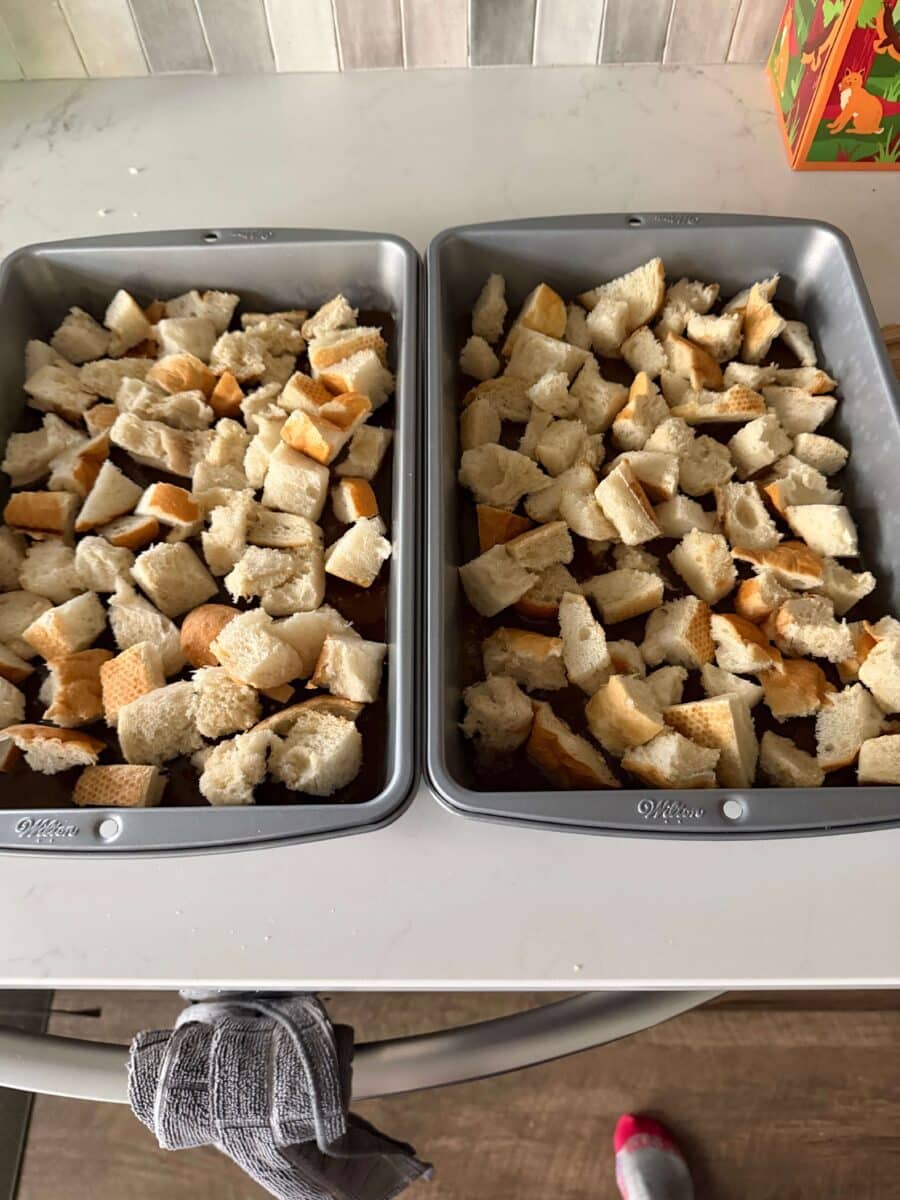
-
Phase II: Thermal Processing
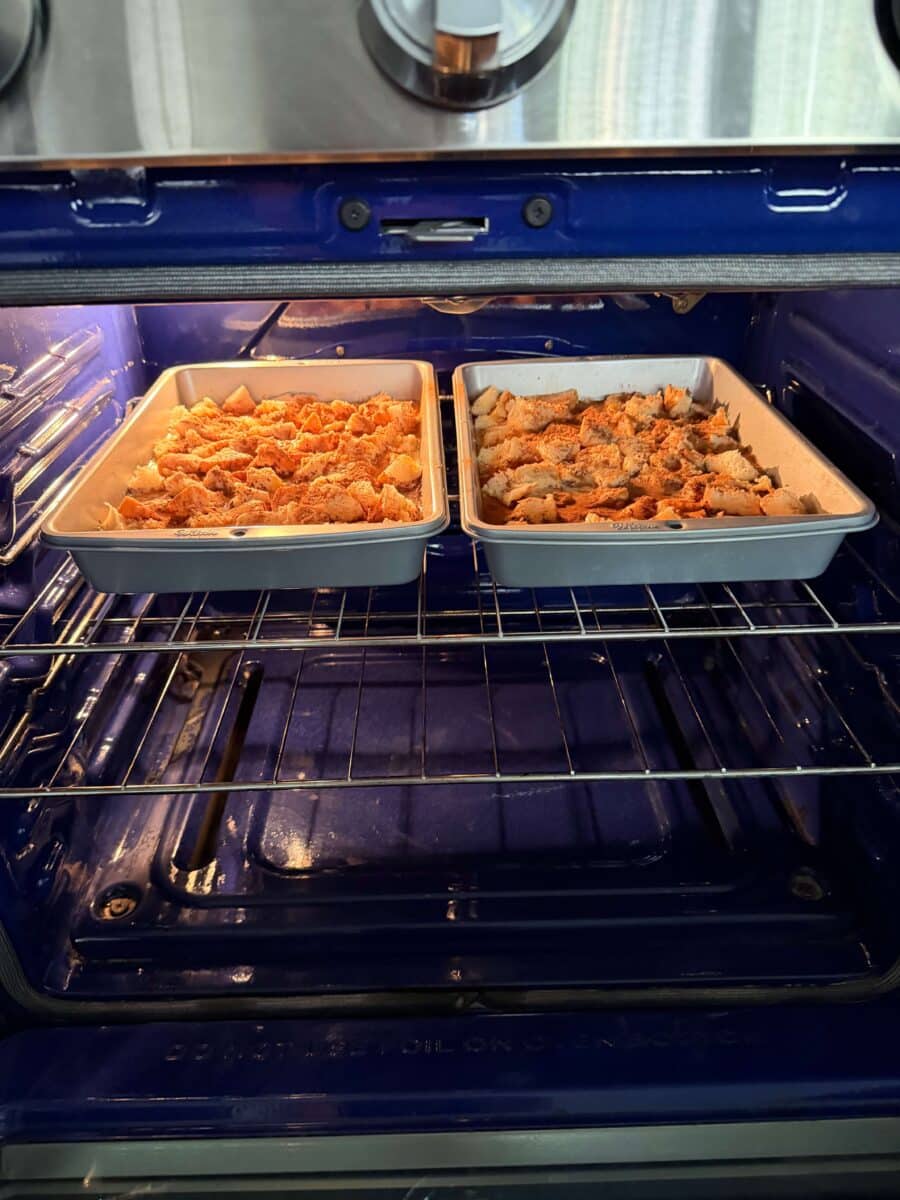
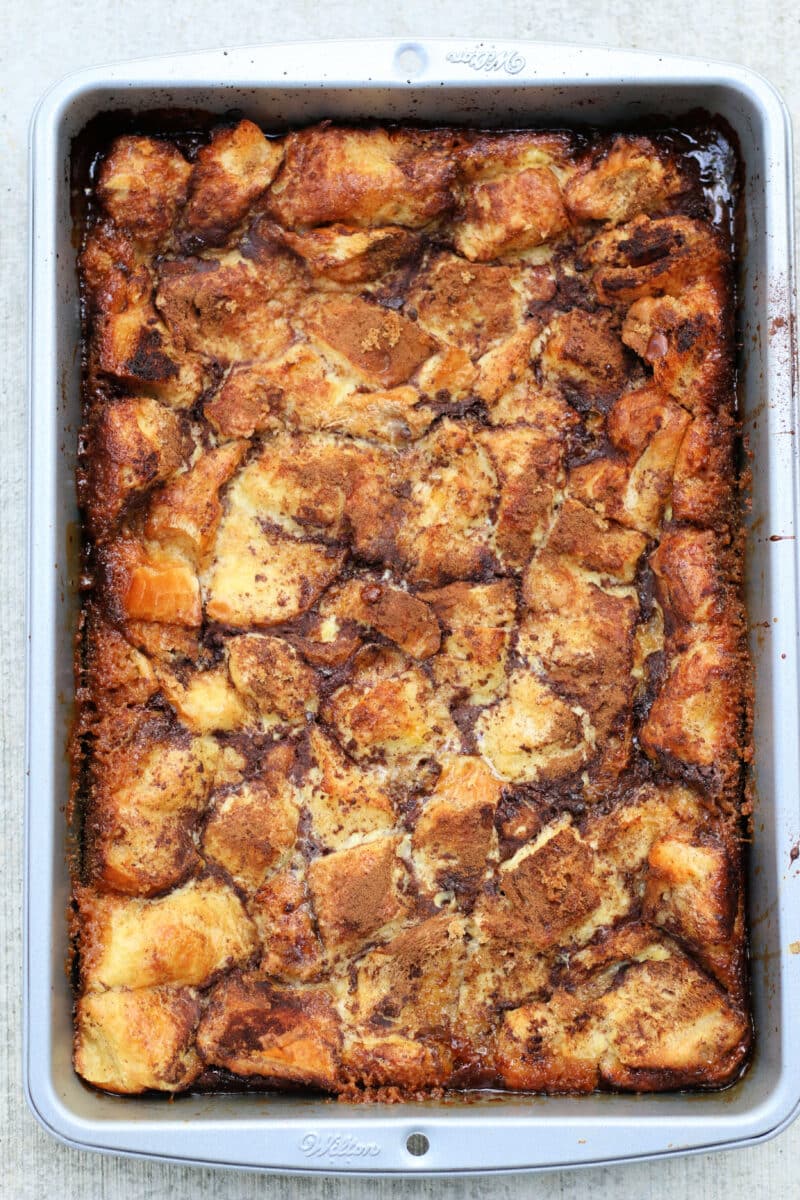
A final topping of cinnamon and additional brown sugar is applied to create a textural crust. The pans are placed in the oven for a duration of 30 minutes. During this time, the internal temperature of the custard reaches the point of setting, while the top layer undergoes browning. The high heat of 425°F is essential for achieving the "golden brown" exterior while maintaining a moist interior. -
Phase III: Service
The dish is sliced and served warm. Logistics-wise, the ability to prepare the bread cubes the night before and allow them to sit on the counter further reduces the morning workload, a critical factor for hosts managing large groups.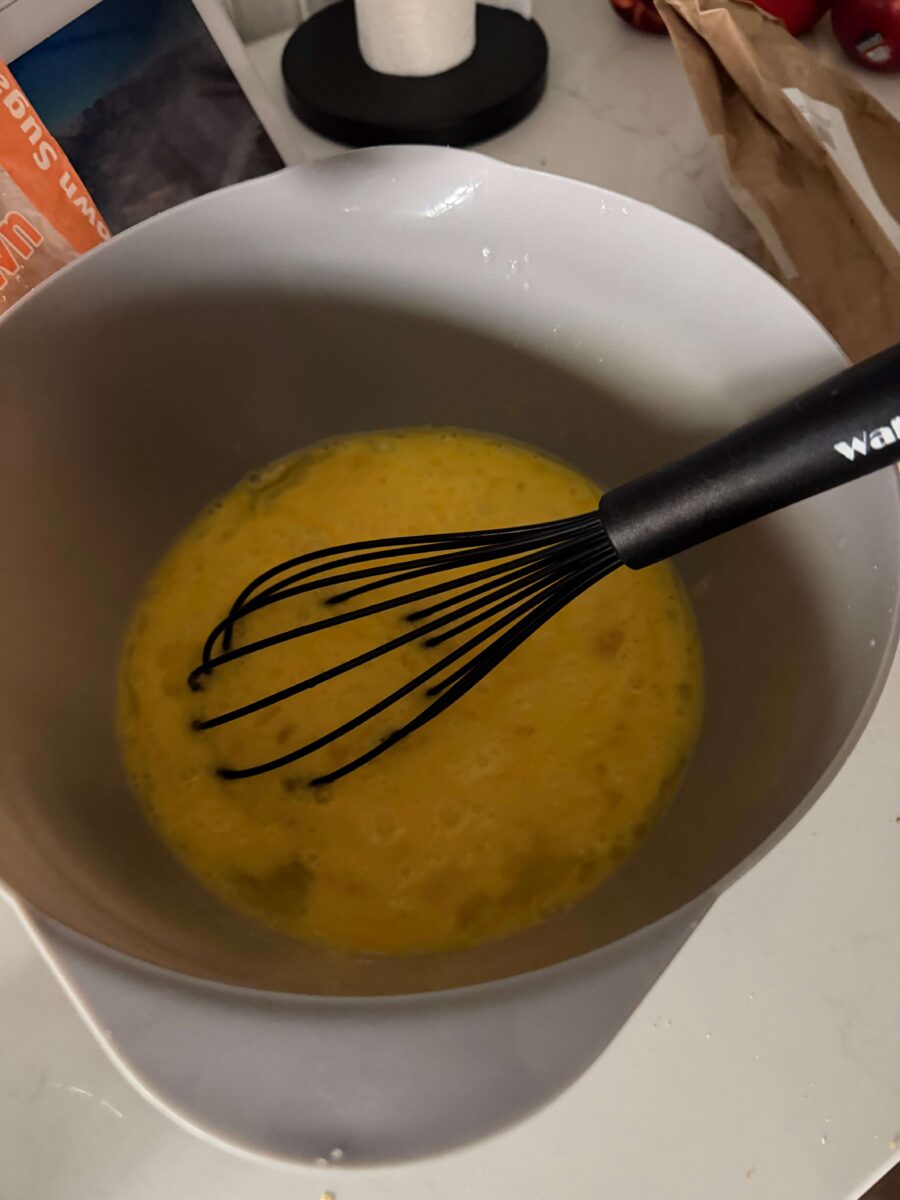
Economic Impact and Consumer Feedback
From an economic perspective, the Cabin French Toast Bake is a high-efficiency meal. When compared to the cost of a traditional restaurant breakfast—which in the United States currently averages between $12 and $18 per person—the cost-per-serving of this home-cooked casserole is estimated to be significantly lower. Based on current market prices for bulk ingredients (eggs, bread, milk, and butter), the estimated cost to feed a group of 16 is approximately $1.50 to $2.25 per person.
Consumer feedback during field testing has been overwhelmingly positive. One participant in a recent holiday trial, identified as Joseph, categorized the dish as "the best breakfast" he had ever consumed. This sentiment is echoed by many who prefer the "bread pudding" style of breakfast, which offers a denser, more satisfying mouthfeel than traditional stovetop French toast. Furthermore, the "teen-approved" nature of the meal suggests a high level of palatability across diverse age demographics, making it a low-risk option for hosts.
Broader Context: The "Cabin Meal Series" and Vacation Logistics
The Cabin French Toast Bake is part of a larger strategic framework known as the "Cabin Meal Series." This series is designed to address the unique constraints of cooking in a secondary environment, where kitchen tools may be limited and the host’s desire to participate in social activities is high.
Other entries in this series, such as French Onion Beef Sloppy Joes, follow similar principles:
- Simple Ingredients: Utilizing items that are easily found in rural or local grocery stores.
- Minimal Cleanup: Reducing the number of pots and pans required, thereby lowering the time spent on dishwashing.
- Mass Appeal: Focusing on flavors that are widely accepted by both children and adults.
The rise of these "series" reflects a growing trend in the food media industry toward "logistical cooking." Consumers are no longer just looking for recipes; they are looking for systems that manage the complexities of modern social life.
Supporting Data: The Rise of the Breakfast Casserole Market
Recent data from food industry analysts suggests that the "breakfast bake" or "casserole" category has seen a 15% increase in online search volume over the last three years, particularly during the months of November, December, and July. This correlates with peak periods for family reunions and holiday travel. Additionally, the "make-ahead" recipe sub-category has seen a surge in popularity among millennials and Gen X consumers who balance high-pressure careers with a desire for traditional family experiences.
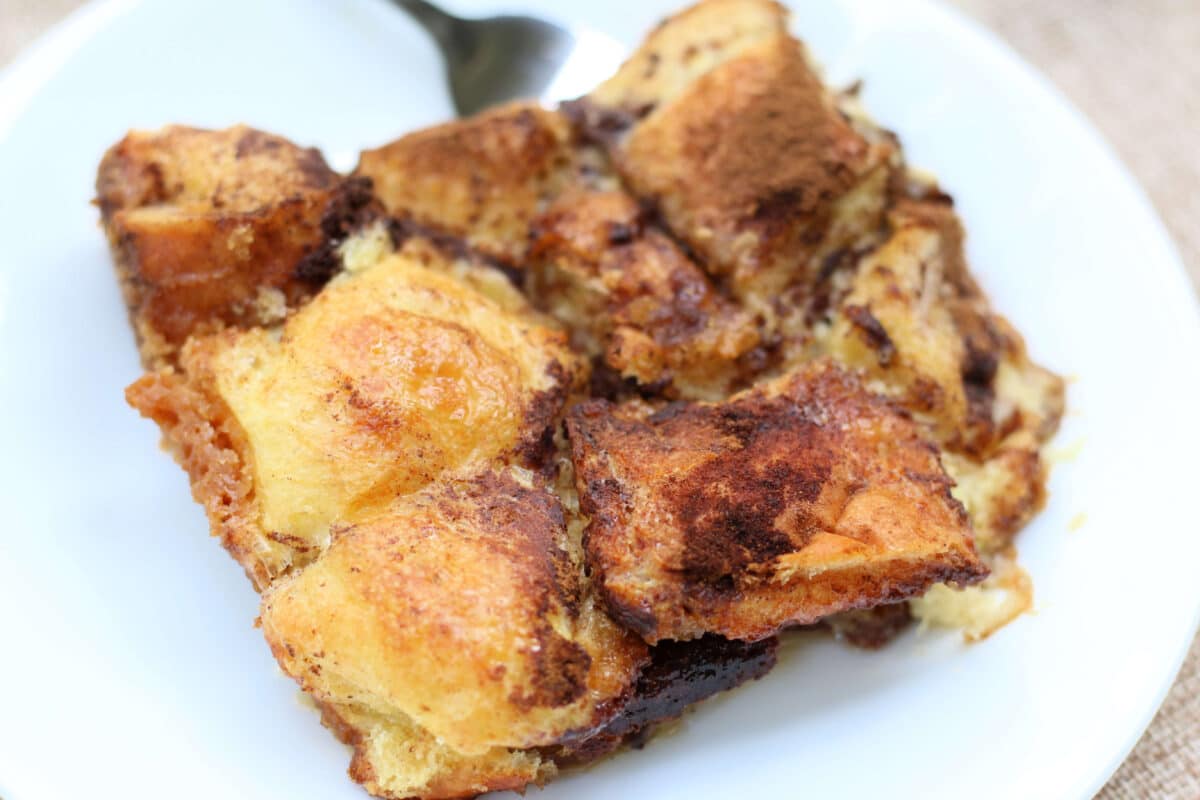
The versatility of the recipe also allows for various dietary adaptations. For instance, the recipe can be halved for smaller groups or modified with gluten-free bread to accommodate specific health requirements. The inclusion of protein-rich sides, such as sausage patties, and fresh fruit, such as nectarines, provides a balanced nutritional profile that sustains energy levels for outdoor activities typical of cabin stays, such as hiking or boating.
Conclusion and Implications for Modern Hosting
The Cabin French Toast Bake is more than a simple breakfast recipe; it is a reflection of the evolving landscape of domestic hospitality. By prioritizing ease of preparation, high yield, and consumer satisfaction, it provides a blueprint for successful group hosting. As more families opt for "staycations" or rental-based vacations, the reliance on such high-efficiency culinary solutions is expected to grow.

For the modern host, the ability to deliver a high-quality, "restaurant-grade" breakfast without spending the entire morning in the kitchen is a significant luxury. The Cabin French Toast Bake achieves this by leveraging the science of stale bread, the chemistry of caramelization, and the logistics of make-ahead planning. As the trend toward "togethering" continues to dominate the travel industry, dishes like this will remain essential components of the holiday experience, ensuring that the focus remains on social connection rather than kitchen labor.
