

The culinary landscape of American comfort food is undergoing a significant transformation as home cooks seek to balance gourmet flavor profiles with the logistical demands of high-volume catering. A prominent example of this trend is the emergence of the French Onion Beef Sloppy Joe, a dish that synthesizes the rich, umami-heavy characteristics of traditional Parisian onion soup with the mid-century American staple of the "loose meat" sandwich. This hybrid dish has recently gained traction as a cornerstone of seasonal menu planning, particularly within the context of the "Cabin Meal Series," a curated collection of recipes designed for efficiency, portability, and broad demographic appeal.
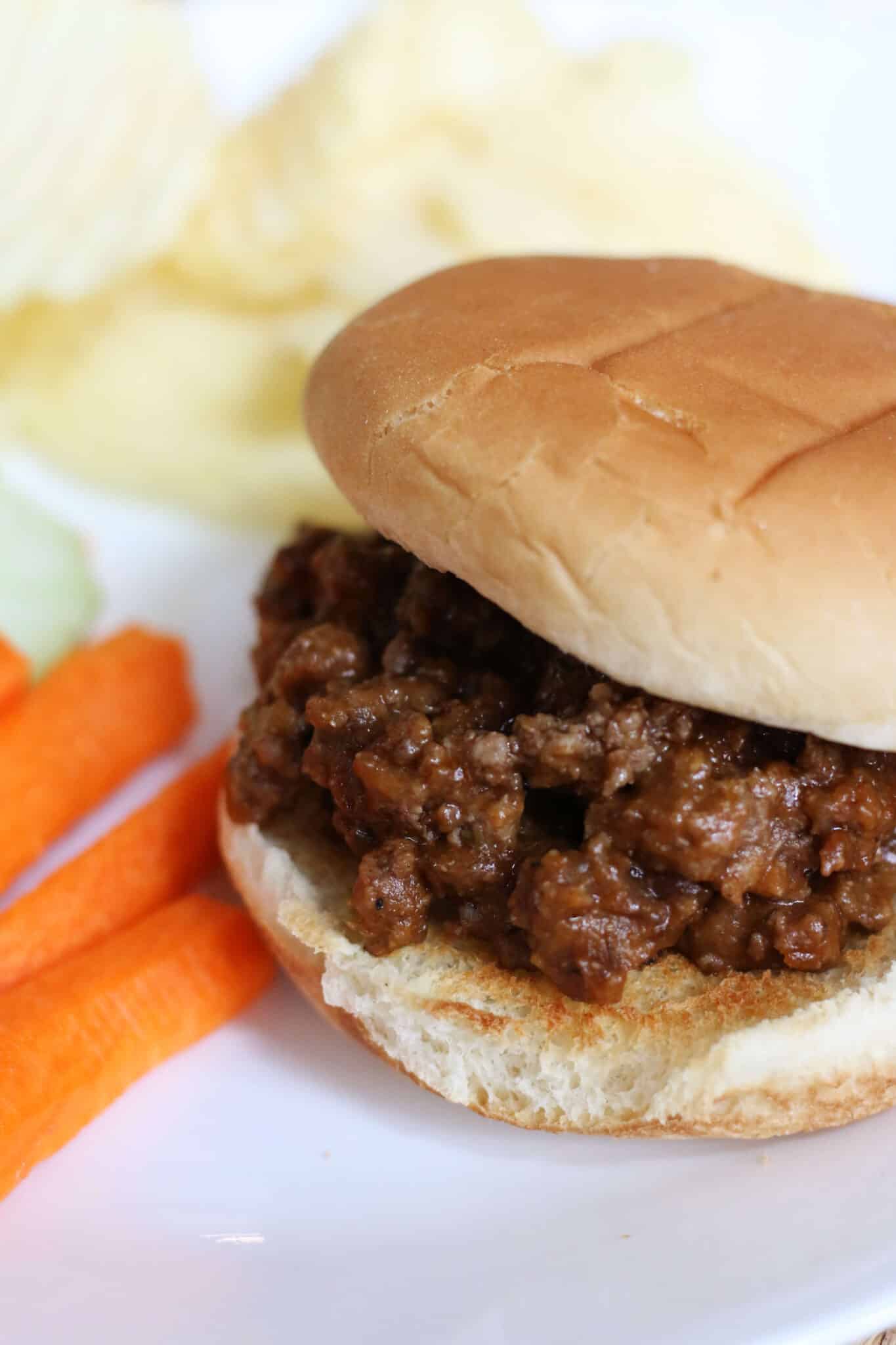
The Evolution of the Sloppy Joe and the French Onion Influence
To understand the impact of the French Onion Beef Sloppy Joe, one must first examine the historical trajectory of its component parts. The Sloppy Joe is widely believed to have originated in the early 20th century. While several regions claim its birth, the most prominent theory traces it to a cook named Joe at Floyd Angell’s cafe in Sioux City, Iowa, in 1924. Originally a "loose meat" sandwich without the tomato-based sauce, it eventually evolved into the tangy, sweet, and savory icon known today.
Conversely, French Onion Soup (soupe à l’oignon) has roots extending back to 18th-century Paris. Traditionally viewed as a "poor man’s food" due to the abundance and low cost of onions, the dish was elevated in the restaurants surrounding Les Halles, the great central market of Paris. The key to its success has always been the caramelization of onions and the inclusion of a rich beef stock, topped with toasted bread and melted Gruyère or Provolone cheese.
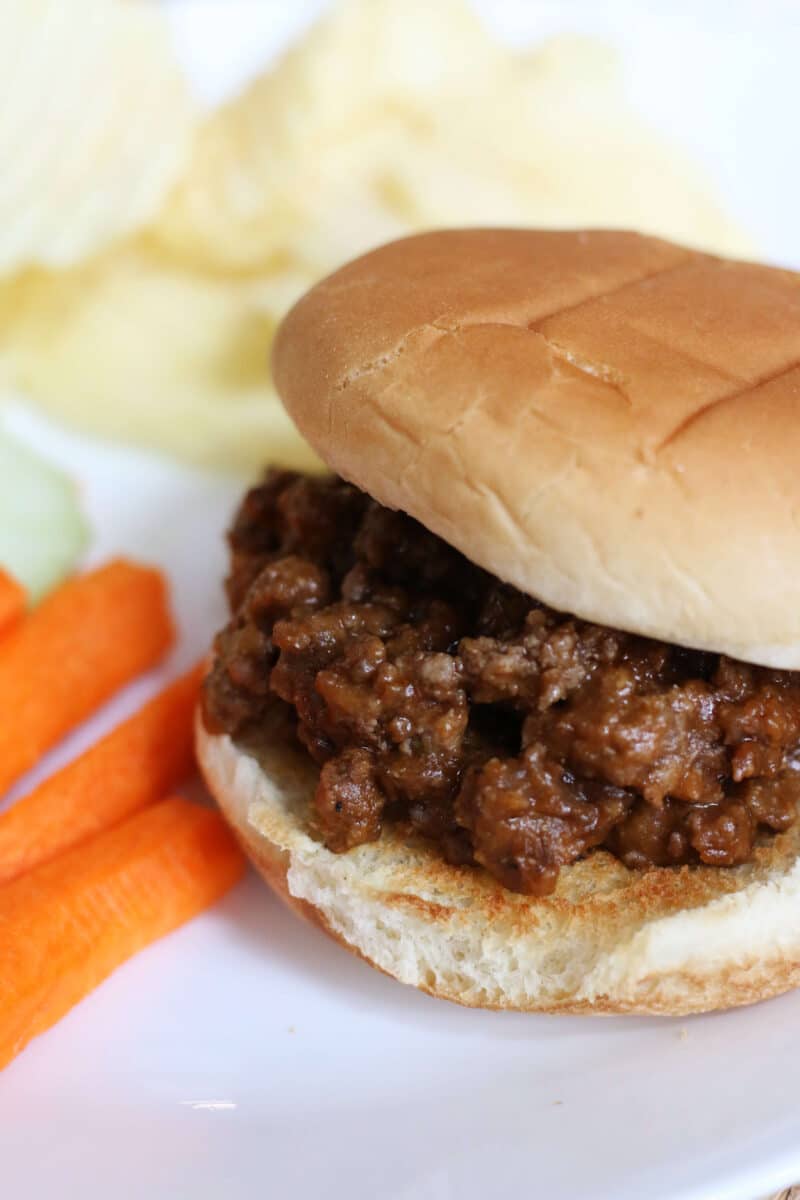
The fusion of these two distinct culinary traditions represents a sophisticated pivot from the standard ketchup-and-mustard base of traditional Sloppy Joes. By replacing the standard acidic tomato base with the concentrated savory notes of French onion soup, the dish achieves a deeper flavor profile that appeals to a more mature palate while retaining the accessible texture that makes it a favorite among younger demographics.
The Cabin Meal Series: A Strategic Approach to Holiday Catering
The French Onion Beef Sloppy Joe was introduced as a primary offering in a specialized "Cabin Meal Series," developed to address the specific challenges of cooking during the Fourth of July holiday period. For many families and social groups, holiday gatherings at remote locations—such as cabins or vacation rentals—present significant logistical hurdles, including limited kitchen equipment, the need for easily transportable ingredients, and a desire to minimize time spent on cleanup.

The series emphasizes recipes that are "teen-approved" and capable of feeding large groups without requiring extensive "active" cooking time. The French Onion Beef Sloppy Joe, which can be prepared in approximately 30 minutes, serves as the flagship for this initiative. The objective of the series is to provide a menu that is high in protein and satiety while remaining low in complexity.
Technical Preparation and Chronology
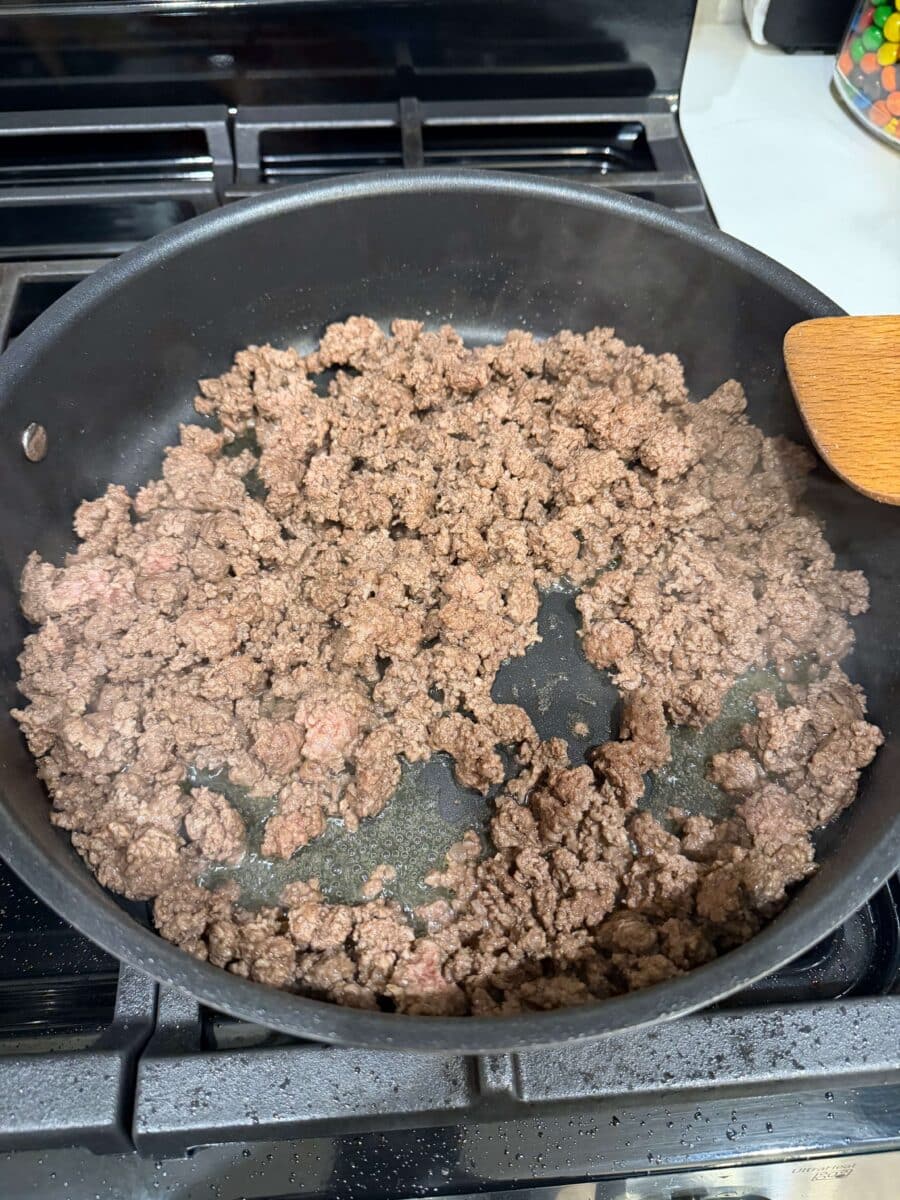
The preparation of French Onion Beef Sloppy Joes follows a precise chronological sequence designed to maximize flavor extraction while maintaining a rapid pace. The process begins with the browning of ground beef over medium-high heat. This stage is critical for the Maillard reaction, the chemical process that gives browned meat its distinctive savory flavor.

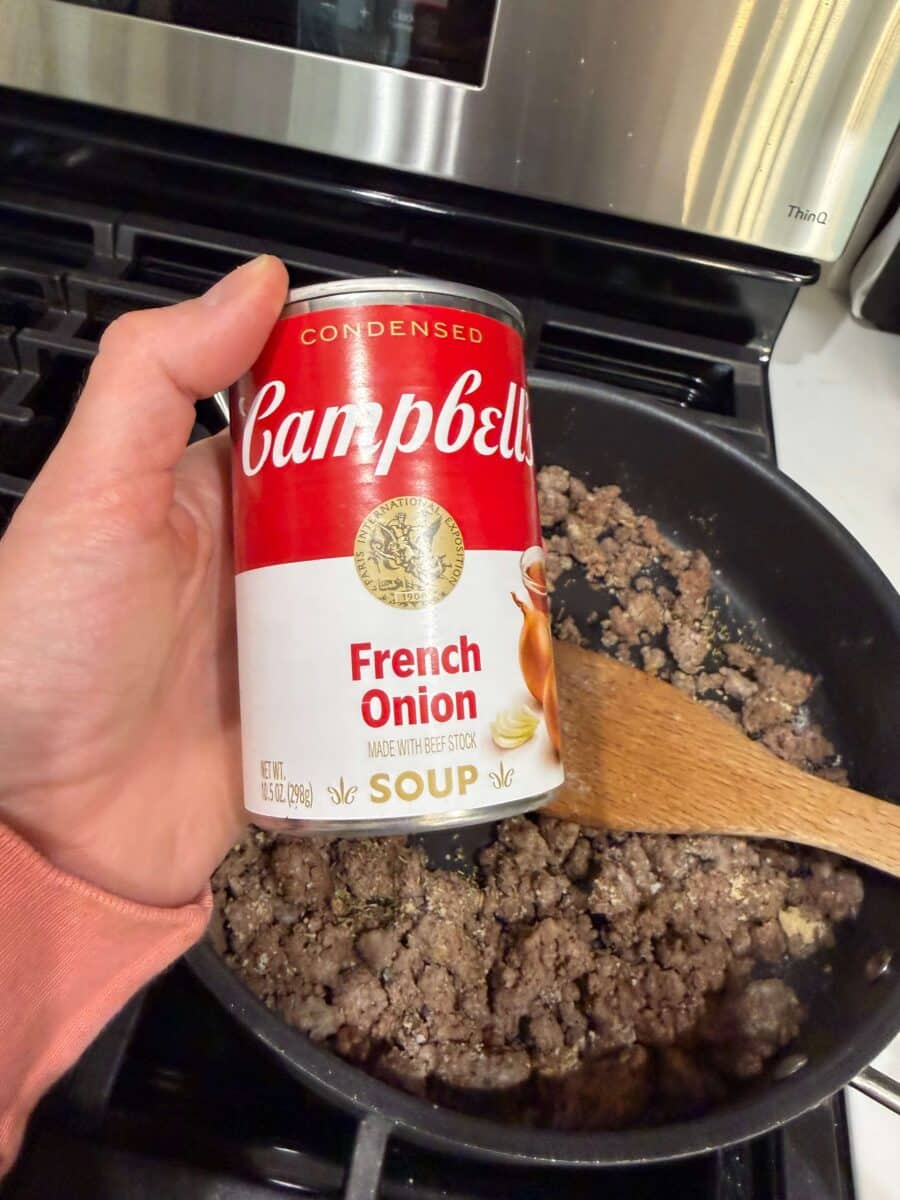
Once the beef is cooked and the excess lipids are drained, a specific blend of dry seasonings is introduced: garlic powder, onion powder, salt, black pepper, and dried thyme. The inclusion of thyme is a direct nod to the traditional French bouquet garni used in classic onion soups.
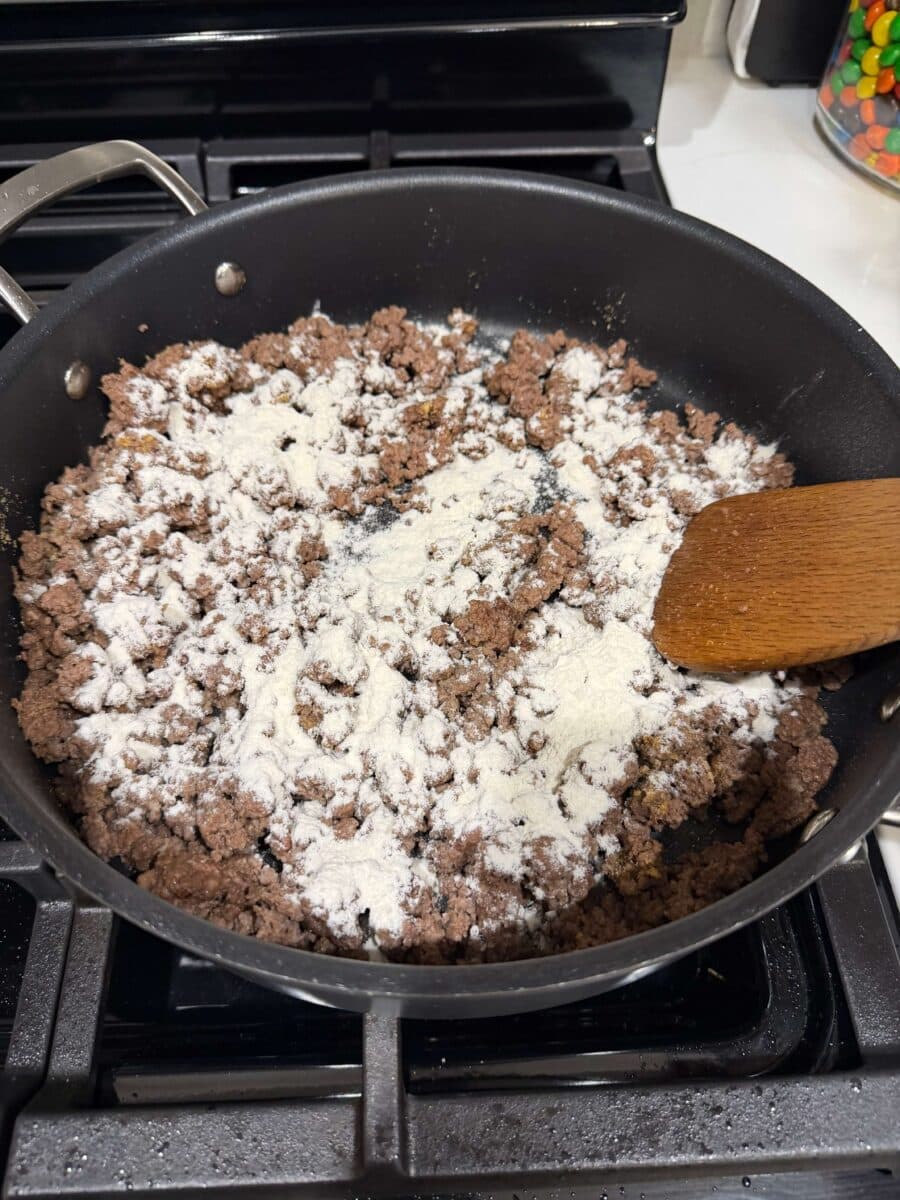
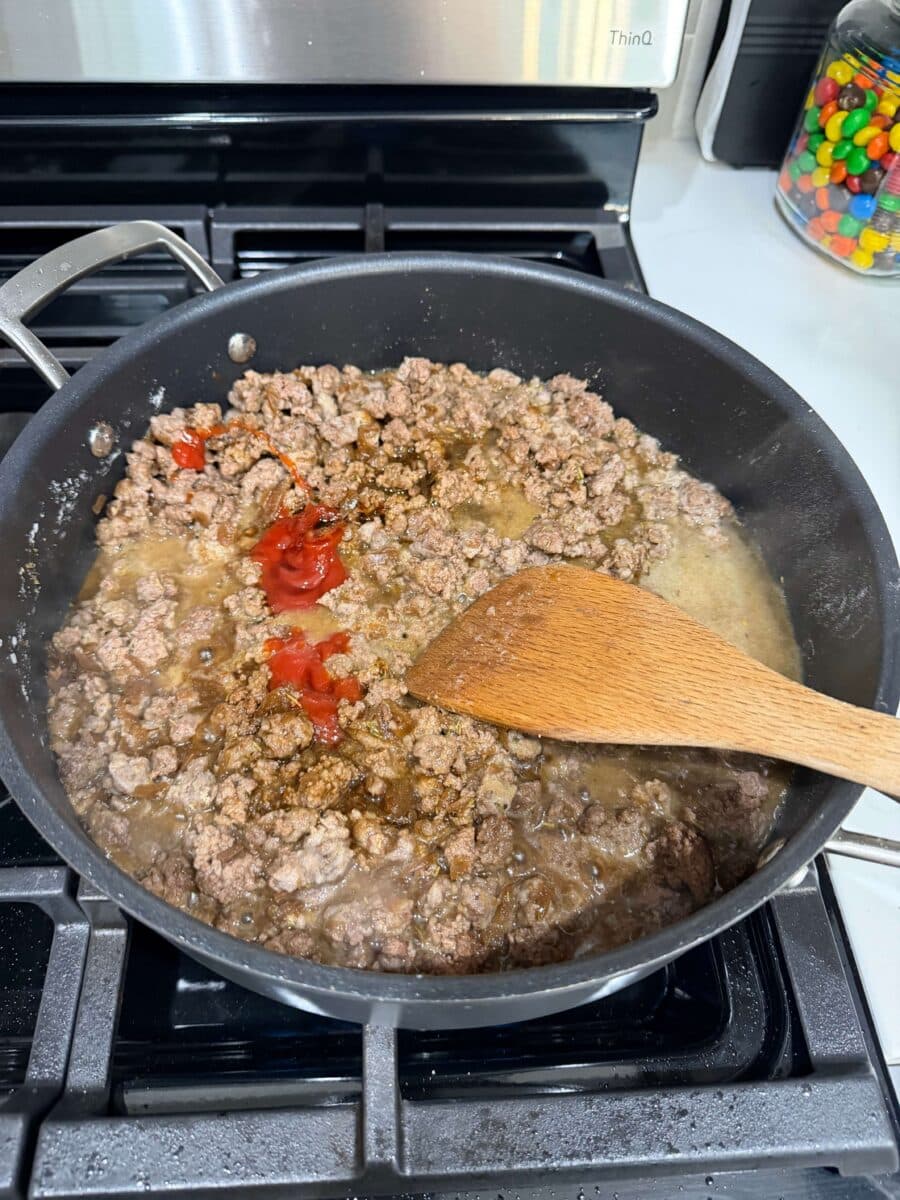
The thickening process utilizes a standard roux-like technique where flour is sprinkled directly over the seasoned meat. This is followed by the introduction of the liquid components: canned French onion soup, a measured amount of ketchup for a hint of sweetness and acidity, Worcestershire sauce for fermented complexity, and water to adjust the consistency.

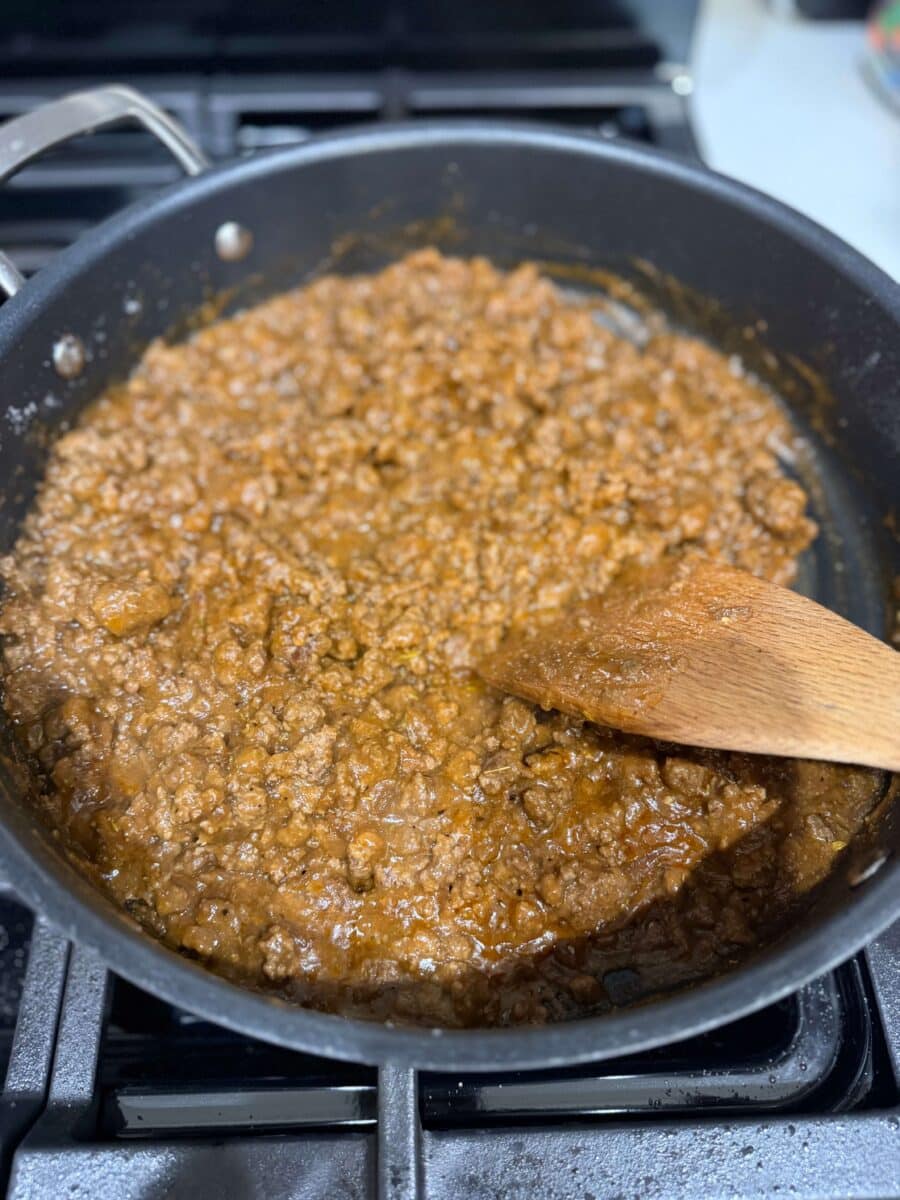
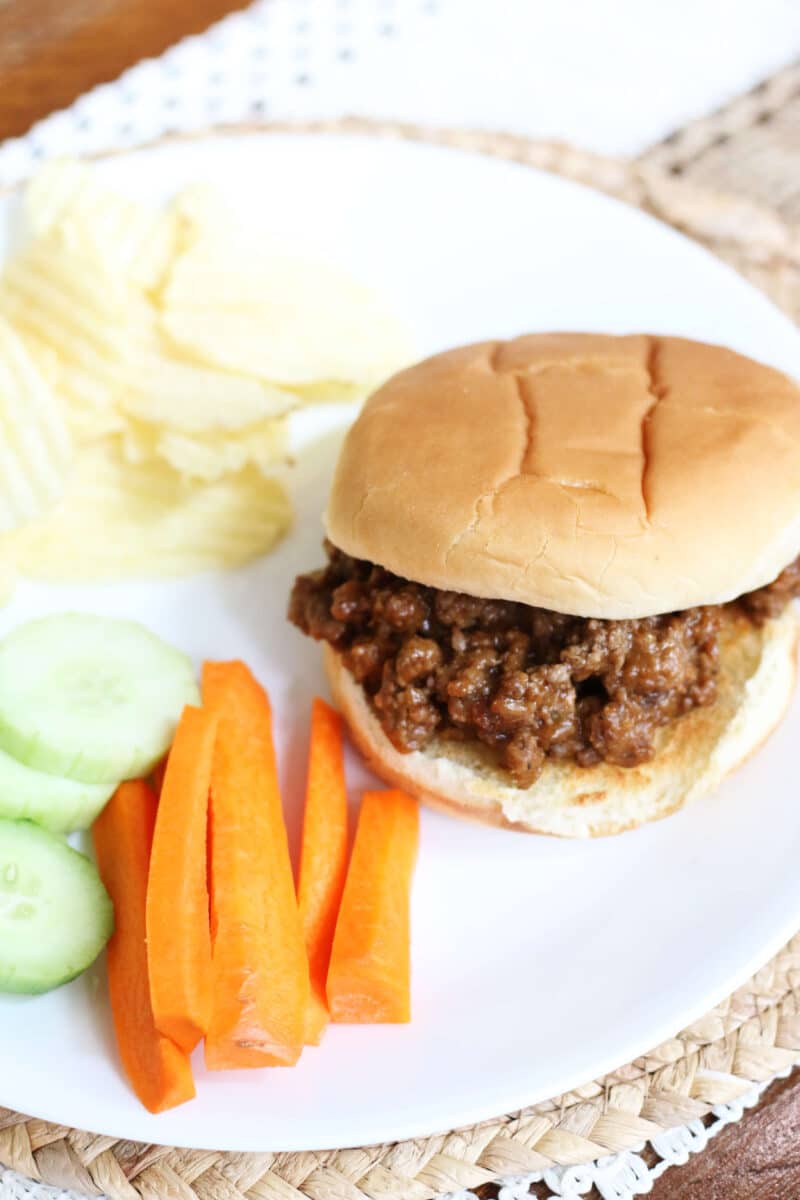
The mixture is then simmered for approximately eight minutes. During this time, the sauce undergoes a reduction, becoming glossy and thick enough to coat the back of a spoon—a culinary benchmark known as nappe. The final assembly involves serving the mixture on toasted buns, topped with a slice of provolone cheese, which is then broiled until melted and bubbly, mimicking the traditional gratiné topping of the soup that inspired the dish.
Supporting Data: Beef Consumption and Holiday Trends
The selection of a beef-based sandwich for a Fourth of July menu is supported by significant market data. According to the National Cattlemen’s Beef Association, the Fourth of July remains the top holiday for beef sales in the United States. Ground beef, in particular, is a staple due to its versatility and relative cost-effectiveness when feeding large groups.
Furthermore, consumer behavior studies indicate a rising preference for "elevated comfort food." A report by market research firm Mintel suggests that 62% of consumers are interested in familiar dishes that feature a unique flavor twist. The French Onion Beef Sloppy Joe aligns perfectly with this trend, offering the nostalgic comfort of a sandwich with the "gourmet" credentials of French cuisine.
Logistical Efficiency and Scaling for Large Groups
One of the most significant advantages of this recipe, as noted by culinary experts and the "Cabin Meal Series" creator Karen Petersen, is its scalability. The recipe is designed to be easily doubled or tripled, making it an ideal solution for family reunions, potlucks, or game-day gatherings.
From a logistical standpoint, the meat mixture can be prepared in advance and transported in coolers. Once at the destination, it can be reheated in a slow cooker. This "set and forget" method allows the host to maintain the meat at a food-safe temperature (above 140°F) while guests serve themselves at their leisure. This method also minimizes the accumulation of soiled dishes, a primary goal of the "Cabin Meal Series."
Broader Culinary Variations
The French Onion Beef Sloppy Joe exists within a wider ecosystem of "sloppy" sandwich variations that have gained popularity in the digital age. These include:
- Sloppy Ottos: A German-inspired variation featuring sausage, sauerkraut, and spicy brown mustard.
- Philly Cheesesteak Sloppy Joes: Incorporating green peppers and onions with a focus on the cheese-steak flavor profile.
- Sloppy Joe Cosmos: A version served on buttered hoagie buns with Monterey Jack cheese.
- Sloppy Dudes: A leaner alternative utilizing ground turkey, salsa verde, and avocado.
The proliferation of these variations underscores a broader shift in domestic cooking where the "loose meat" format is used as a canvas for global flavors.
Official Responses and Community Impact
While there are no "official" government statements on specific recipes, the culinary community and social media platforms have responded with high levels of engagement. Feedback from the "Cabin Meal Series" suggests that the ease of transport and the minimal cleanup are the two factors most appreciated by home cooks.
"Packing up and loading the coolers is often the most difficult part of a vacation," noted Petersen in her documentation of the series. The French Onion Beef Sloppy Joe was specifically cited as a "hit" among teenagers—a demographic often difficult to satisfy during large family events. The leftovers are also noted for their quality, as the flavors in the beef mixture continue to meld and intensify over time, making it a viable option for multi-day meal planning.
Analysis of Implications for Modern Home Cooking
The success of the French Onion Beef Sloppy Joe reflects several key implications for the future of the food industry and domestic life. First, it highlights the importance of "cross-over" ingredients—using a canned soup as a sauce base reduces the need for multiple individual spices and long simmering times, catering to the "time-poor" modern consumer.
Second, it demonstrates the power of digital food media in shaping holiday traditions. Platforms like "365 Days of Crockpot" provide accessible, tested solutions that bypass the need for formal culinary training, empowering the average person to host large-scale events with professional results.
Finally, the dish represents a move toward "pragmatic gourmet." It is a recognition that while people want high-quality, flavorful food, they are increasingly unwilling to sacrifice their entire holiday or weekend to kitchen labor. By utilizing smart prep techniques and flavor-dense ingredients, the French Onion Beef Sloppy Joe provides a blueprint for the modern American feast: efficient, flavorful, and designed for community.
As the "Cabin Meal Series" continues to roll out, it is expected that more hybrid recipes will emerge, further blurring the lines between traditional comfort food and international cuisine, all while maintaining a steadfast focus on the practicalities of the modern kitchen.
