
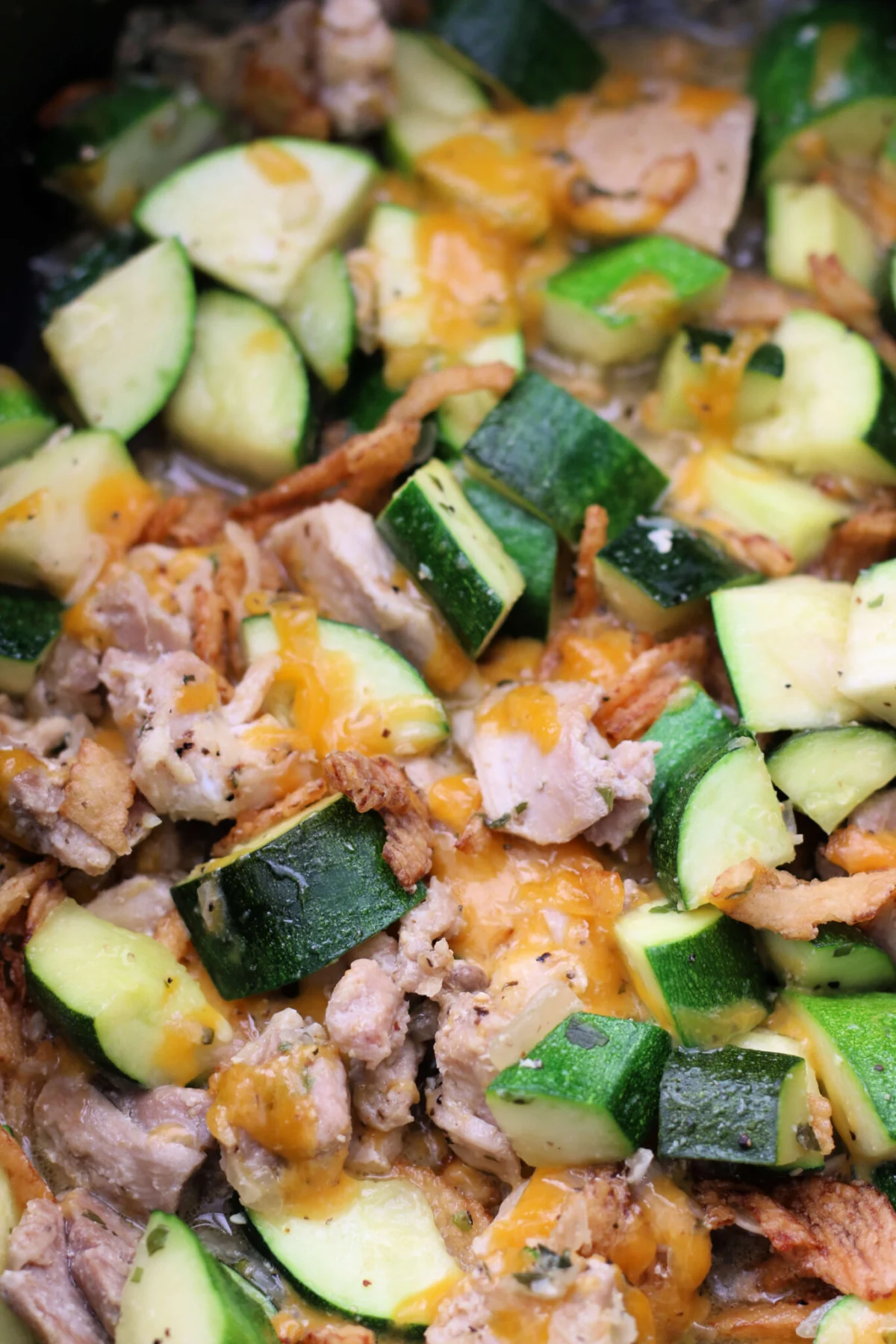
The culinary landscape of the modern household has undergone a significant transformation over the past decade, driven by a dual demand for nutritional integrity and extreme efficiency. At the center of this shift is the emergence of "speed-scratch" cooking—a method that combines fresh proteins with high-quality frozen or pre-processed components to create a meal that rivals professional restaurant quality. Chicken Diablo represents a pinnacle of this movement, utilizing lean chicken breasts, flash-frozen Asian-style vegetables, and a complex homemade glaze to provide a solution for the contemporary "time-poverty" crisis facing many families. By leveraging a single-skillet technique, this dish minimizes cleanup while maximizing flavor through a sophisticated balance of "swicy" (sweet and spicy) profiles, a trend that has dominated the global food market since 2022.
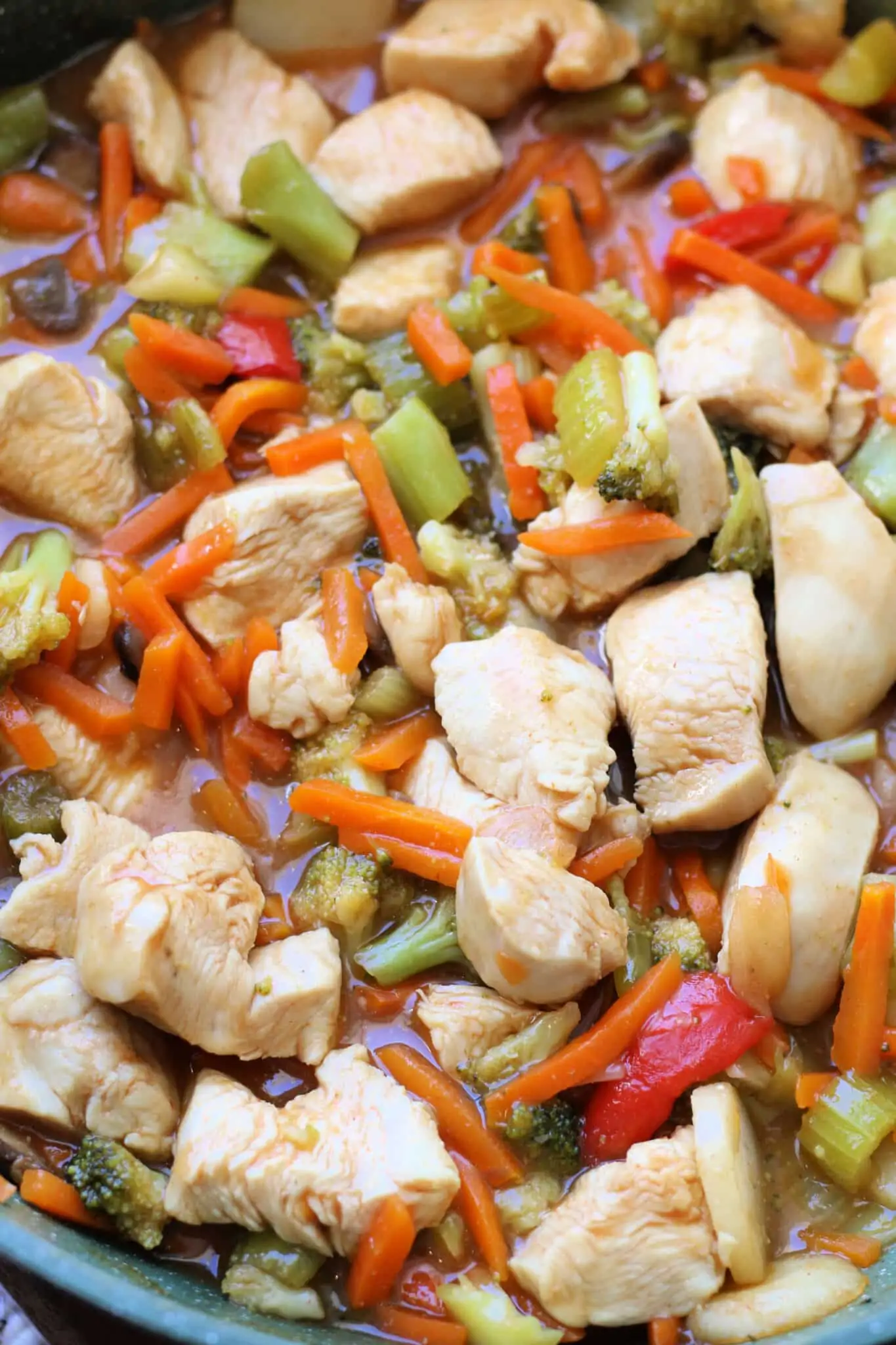
The Technical Execution of Chicken Diablo
The preparation of Chicken Diablo is a study in efficient kitchen management and chemical layering. The process begins not with the heat of the stove, but with the emulsification of a multifaceted sauce. Culinary experts note that the success of a skillet glaze depends on the suspension of cornstarch within a liquid base—in this case, a mixture of soy sauce, water, brown sugar, sriracha, apple cider vinegar, and aromatics like garlic and ginger. This slurry ensures that once the sauce hits the high-heat environment of the pan, it undergoes rapid gelatinization, transforming from a thin liquid into a glossy, translucent coating that adheres to the protein and fiber.
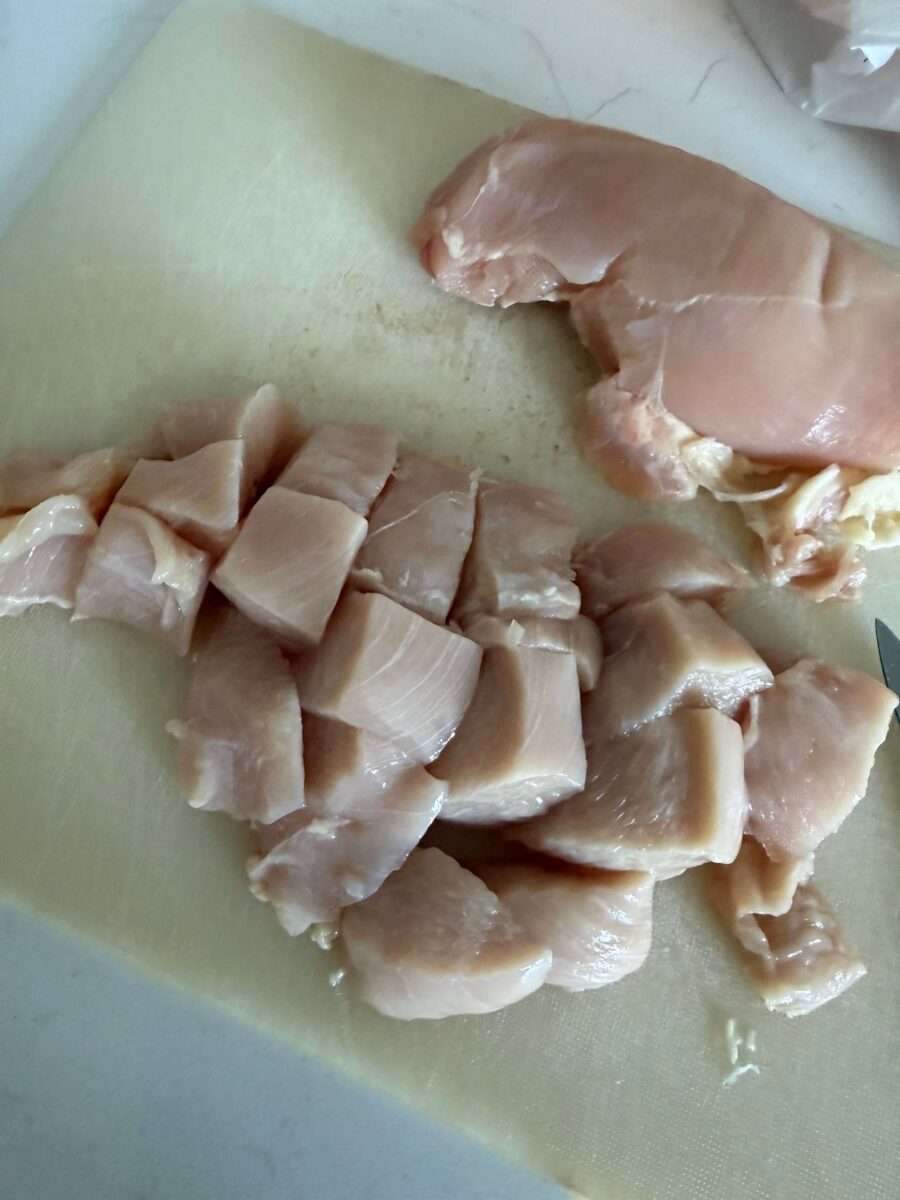
The chronological execution follows a strict heat-management protocol. First, olive oil is brought to a shimmering point in a large skillet over medium-high heat. The introduction of cubed chicken breasts initiates the Maillard reaction, a chemical process between amino acids and reducing sugars that gives browned food its distinctive flavor. This stage typically requires six to eight minutes of intermittent stirring. Once the protein has achieved a safe internal temperature and a golden-brown exterior, the secondary phase involves the integration of frozen Asian vegetables.
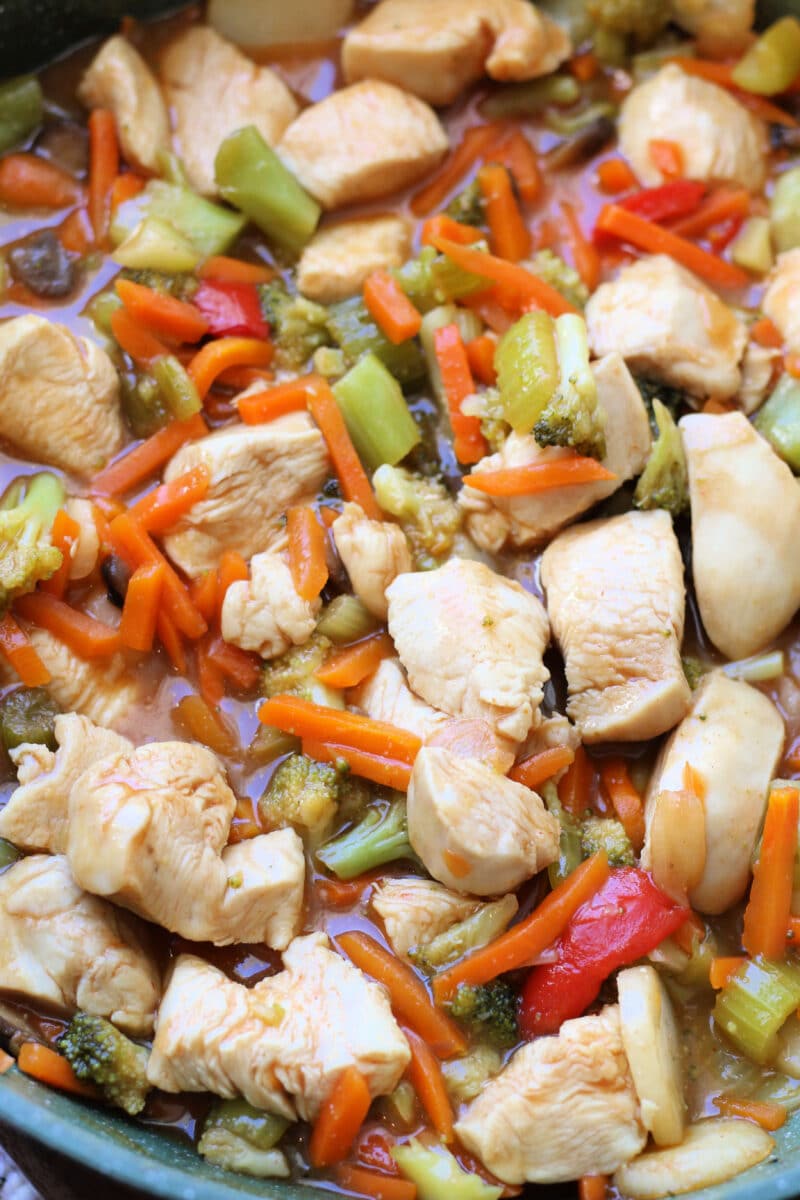
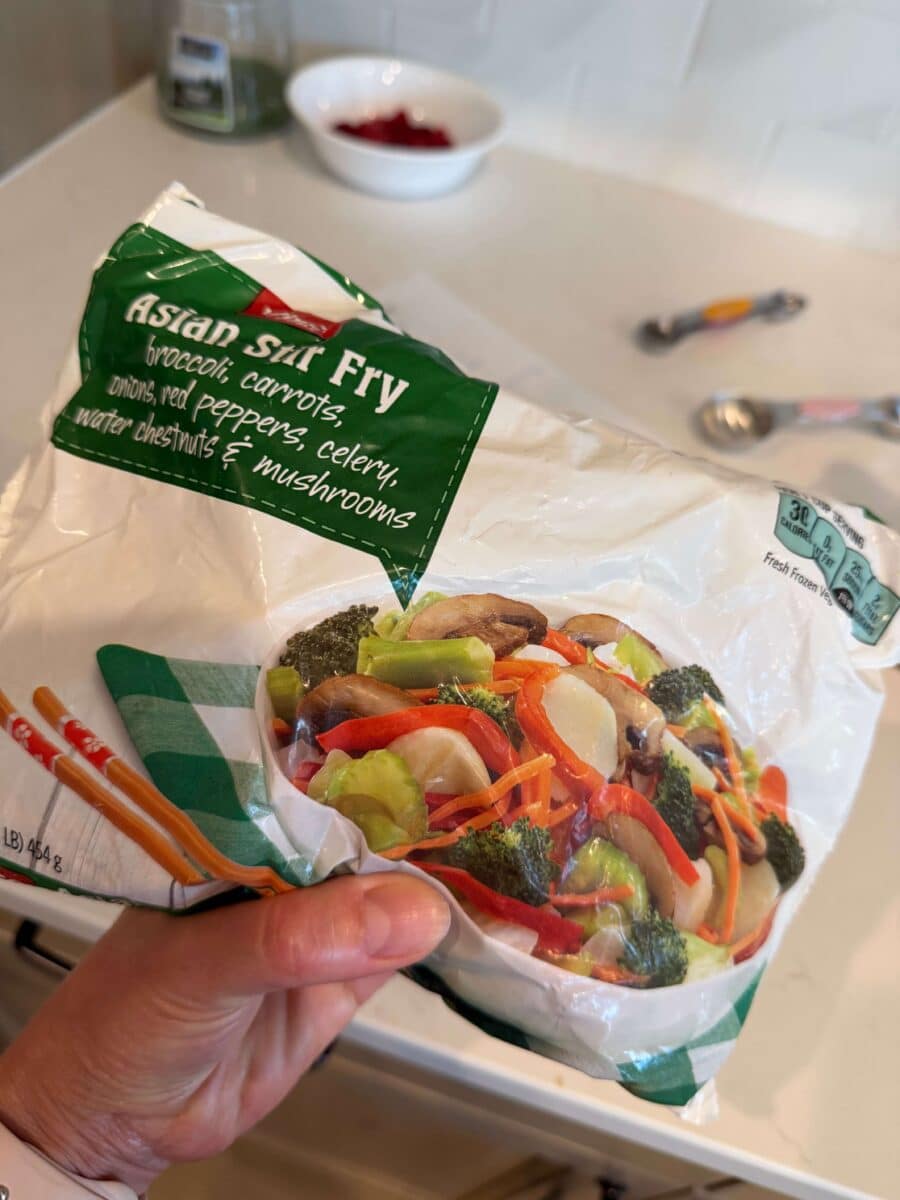
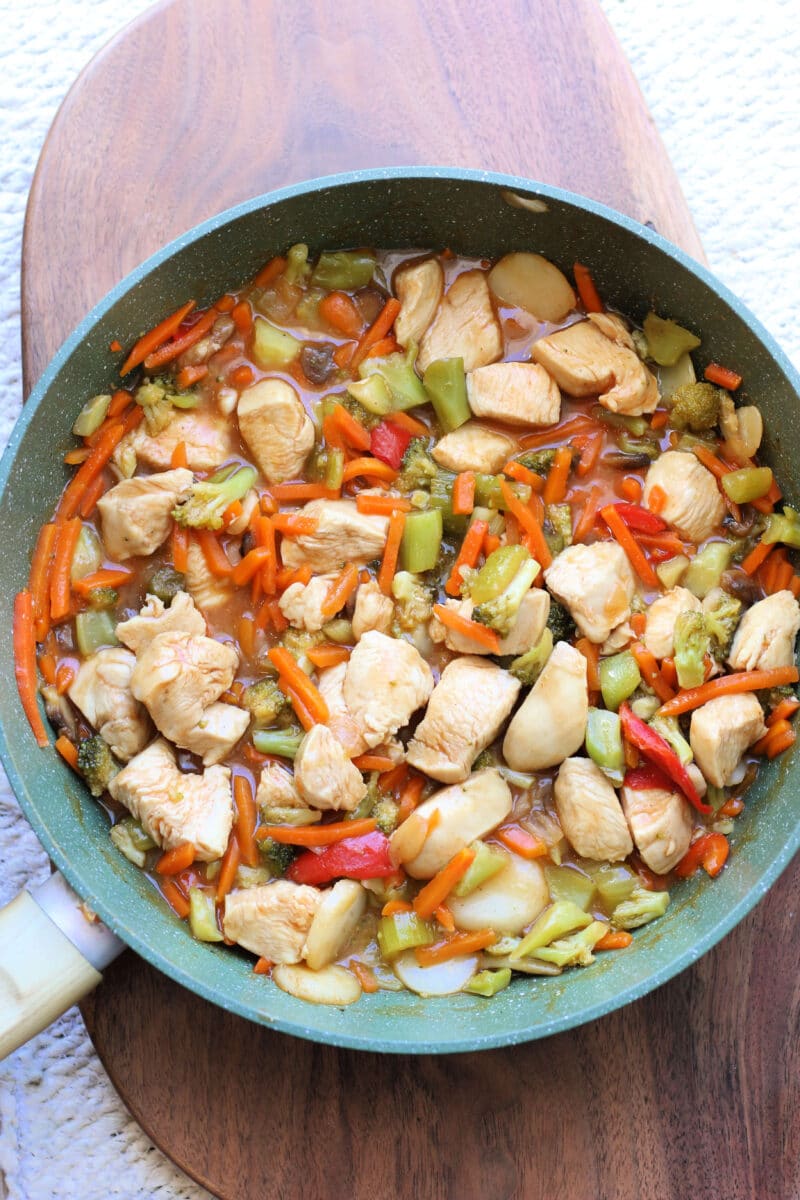
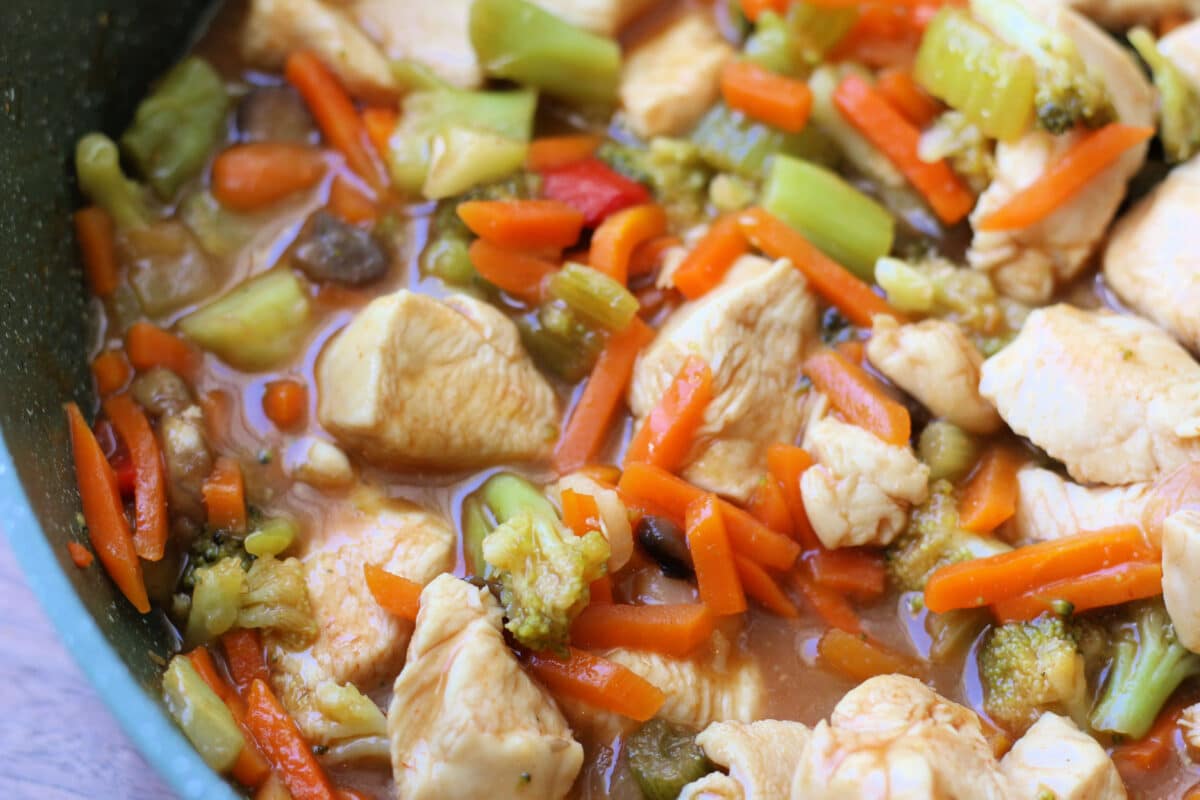
The use of frozen vegetables is a strategic choice supported by modern agricultural data. Flash-freezing technology allows produce to be processed at the peak of ripeness, often retaining higher vitamin content than "fresh" produce that has spent days in transit. In the Chicken Diablo method, these vegetables require only four to five minutes of sautéing to reach a "tender-crisp" state, preventing the mushy texture often associated with overcooked greens. The final stage is the re-introduction of the whisked sauce, which thickens within two to four minutes of constant stirring, creating a cohesive, restaurant-grade entrée that is traditionally served over a bed of steamed white, brown, or cauliflower rice.
Supporting Data: The Rise of the One-Pan Economy
The popularity of recipes like Chicken Diablo is backed by significant shifts in consumer behavior and economic data. According to reports from the American Frozen Food Institute (AFFI), the frozen vegetable sector saw a double-digit increase in sales volume between 2020 and 2024. Consumers are increasingly viewing frozen components not as "emergency food," but as essential tools for healthy meal preparation.
Furthermore, data from the United States Department of Agriculture (USDA) indicates that chicken remains the primary protein of choice for American households due to its versatility and lower price point compared to beef or lamb. In an era of fluctuating inflation, the ability to create a meal that serves four people for under $15—a fraction of the cost of a comparable Chinese takeout order—is a powerful driver of the home-cooking resurgence.
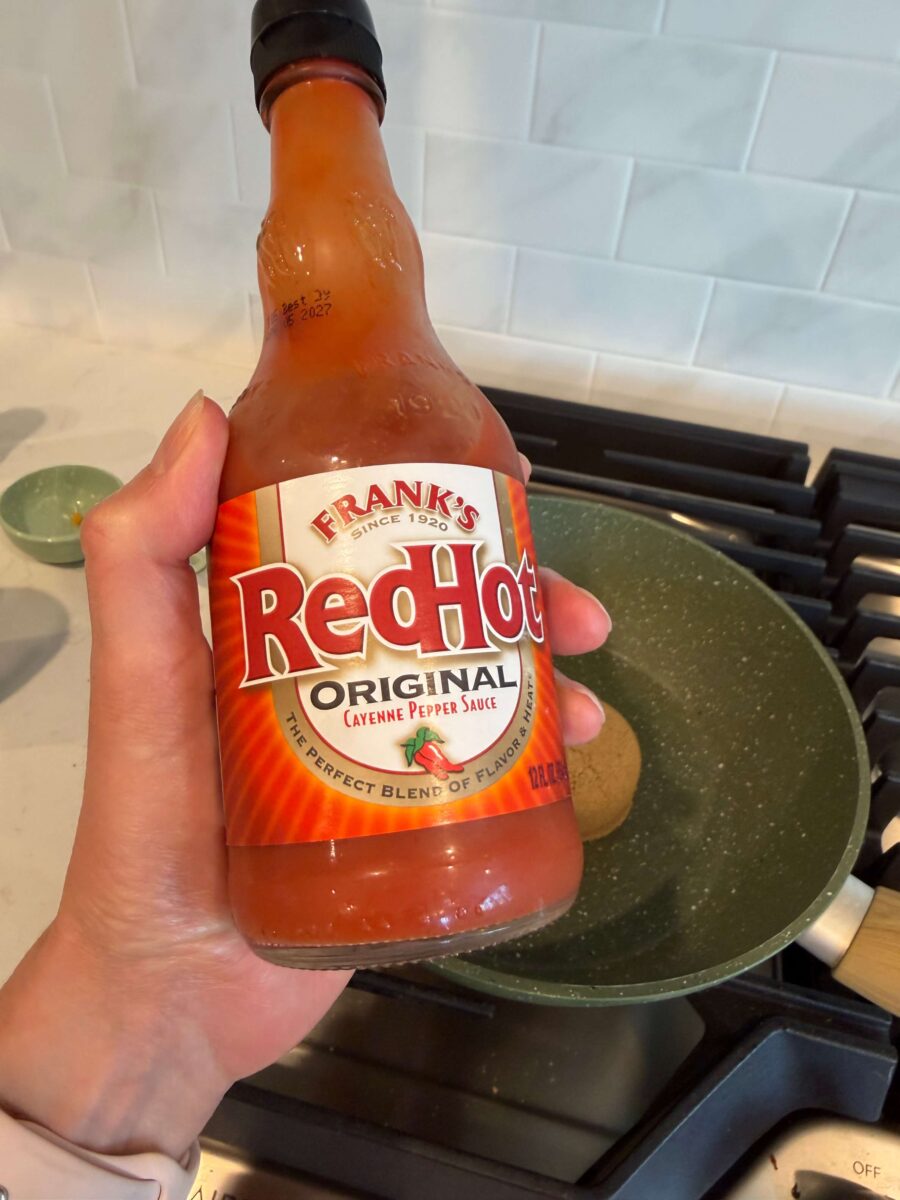
Flavor profile analysis also plays a role. The "Diablo" nomenclature refers to the inclusion of Sriracha, a chili-based sauce that has become a staple of the global pantry. Market research firm Mintel reports that "spicy" and "extra spicy" flavor profiles have seen a 20% year-over-year growth in menu mentions. Chicken Diablo taps into this demand while offering a "customizable heat" model, allowing home cooks to adjust the sriracha levels based on the specific tolerance of their family members.
Comparative Analysis of Home Cooking vs. Commercial Takeout
To understand the broader impact of dishes like Chicken Diablo, one must examine the nutritional and financial implications of replacing commercial takeout with home-prepared skillet meals. A standard order of "General Tso’s Chicken" or "Spicy Orange Chicken" from a national fast-casual chain can contain upwards of 1,200 calories and 2,500 milligrams of sodium per serving, often exceeding the daily recommended intake for an adult in a single meal.
In contrast, the Chicken Diablo framework allows for total control over the ingredient list. By utilizing apple cider vinegar and fresh ginger powder, the cook achieves a bright acidity and warmth without the need for excessive salt or MSG. The use of brown sugar provides a controlled sweetness that balances the heat of the sriracha, while the sesame oil adds a layer of healthy fats and toasted aroma. Nutritionists point out that the high vegetable-to-protein ratio in this dish significantly increases the fiber content, which aids in digestion and prolonged satiety.
Culinary Expert Reactions and Industry Trends
Culinary analysts have noted that the "skillet dinner" is no longer just a mid-century relic of the "Hamburger Helper" era. Instead, it has been reclaimed by the "foodie" generation as a canvas for global flavors. "We are seeing a democratization of international cuisine through the skillet," says Chef Elena Rodriguez, a consultant for urban kitchen design. "Dishes like Chicken Diablo take the complex elements of a wok-based stir-fry and adapt them for the standard flat-bottomed pans found in every apartment. It removes the barrier of specialized equipment while keeping the integrity of the flavor."
The "clean label" movement also influences the reception of this recipe. Because the sauce is made from scratch using basic pantry staples, it avoids the preservatives and stabilizers found in bottled stir-fry sauces. This transparency in ingredients is a major selling point for millennial and Gen Z consumers who are statistically more likely to read ingredient labels and seek out "whole food" options.
Chronology of a Weeknight Revolution
The evolution of the "easy dinner" can be traced through several distinct phases of the last century:
- The Convenience Era (1950s–1980s): The rise of canned soups and boxed meal kits that required minimal fresh input but were high in sodium and preservatives.
- The Gourmet Explosion (1990s–2000s): An increased interest in "authentic" cooking driven by cable food networks, often leading to overly complex recipes that were unsustainable for daily life.
- The Digital Optimization Era (2010s–Present): The current phase, where platforms like Pinterest and TikTok have popularized "one-pot" and "one-pan" meals. Chicken Diablo is a product of this era, designed to be visually appealing ("Pinterest-worthy") while remaining functionally simple.
This chronology reflects a society that has moved through a period of valuing speed at any cost, then authenticity at any cost, and finally settling on a pragmatic middle ground where quality and speed coexist.
Broader Socio-Economic Impact and Future Outlook
The implications of the Chicken Diablo trend extend beyond the kitchen table. As more families opt for high-quality home cooking, there is a ripple effect on the grocery industry. Supermarkets are expanding their "global aisles" and premium frozen sections to accommodate the demand for ingredients like sesame oil, sriracha, and specialized vegetable blends.
Furthermore, the environmental impact of this cooking style is worth noting. One-pan meals generally require less water for cleanup and less energy than multi-burner preparations or the extensive logistics involved in food delivery services. As sustainability becomes a core value for younger generations, the "efficient kitchen" model represented by Chicken Diablo is likely to become the standard rather than the exception.
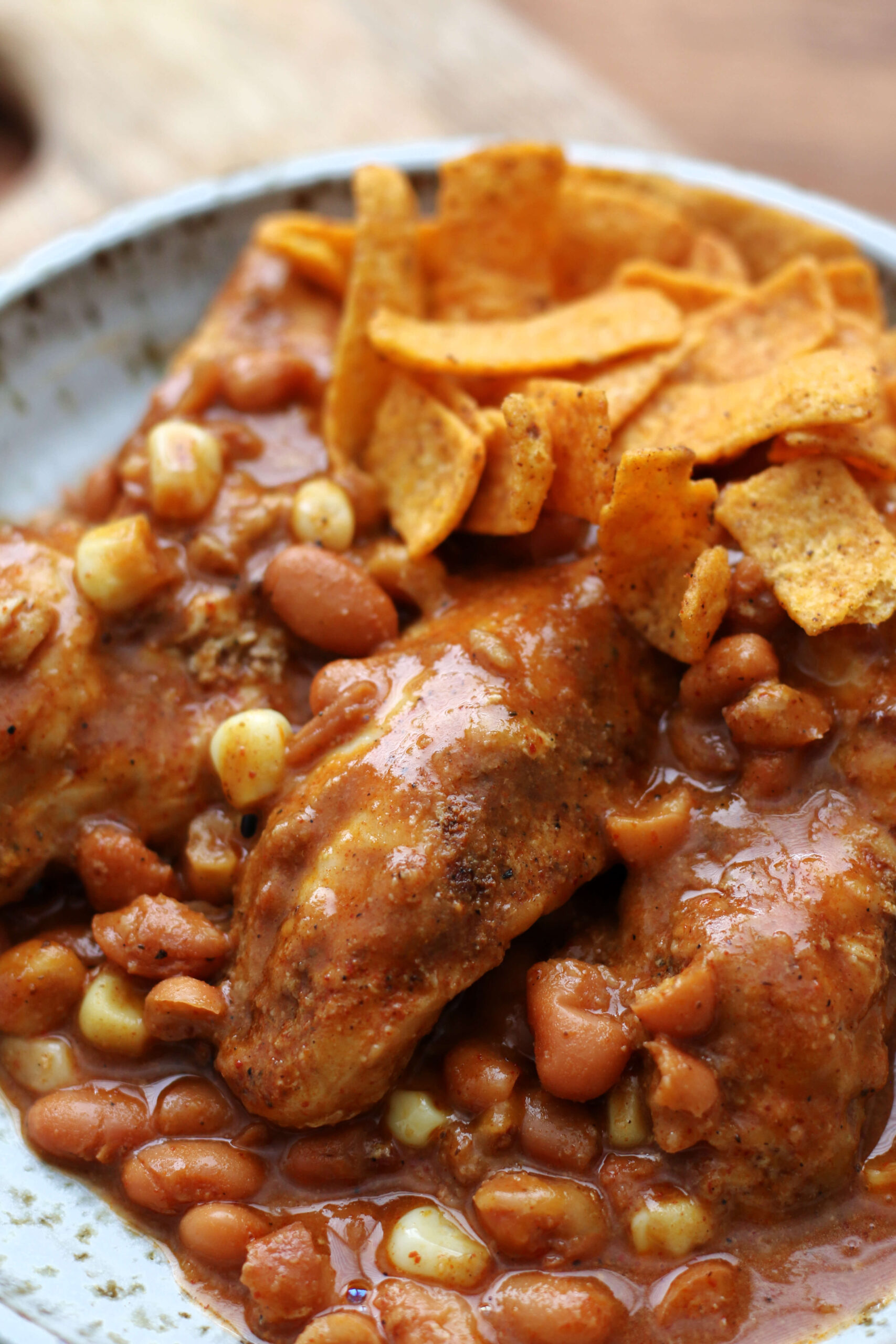
Looking forward, the integration of smart kitchen technology may further streamline these preparations. We can anticipate a future where induction cooktops are programmed with specific "Chicken Diablo" heat curves to ensure the chicken is never overcooked and the sauce reaches the perfect viscosity every time. However, even without advanced technology, the fundamental appeal of the dish remains its human-centric design: it is a meal that respects the cook’s time, the family’s health, and the diner’s palate.
In summary, Chicken Diablo is more than a simple recipe; it is a cultural artifact that highlights the current state of domestic life. It proves that a "quick and easy" dinner does not have to be a compromise. By combining the science of the Maillard reaction with the convenience of modern frozen logistics and the global appeal of "swicy" flavors, it provides a blueprint for the future of the American weeknight meal. Whether served over traditional rice or low-carb cauliflower alternatives, it stands as a testament to the enduring power of the home-cooked skillet dinner in a fast-paced world.
