
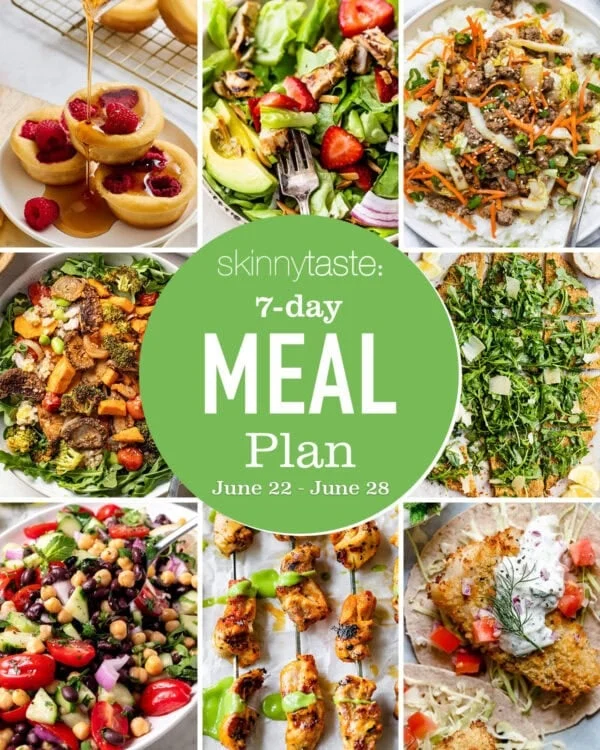
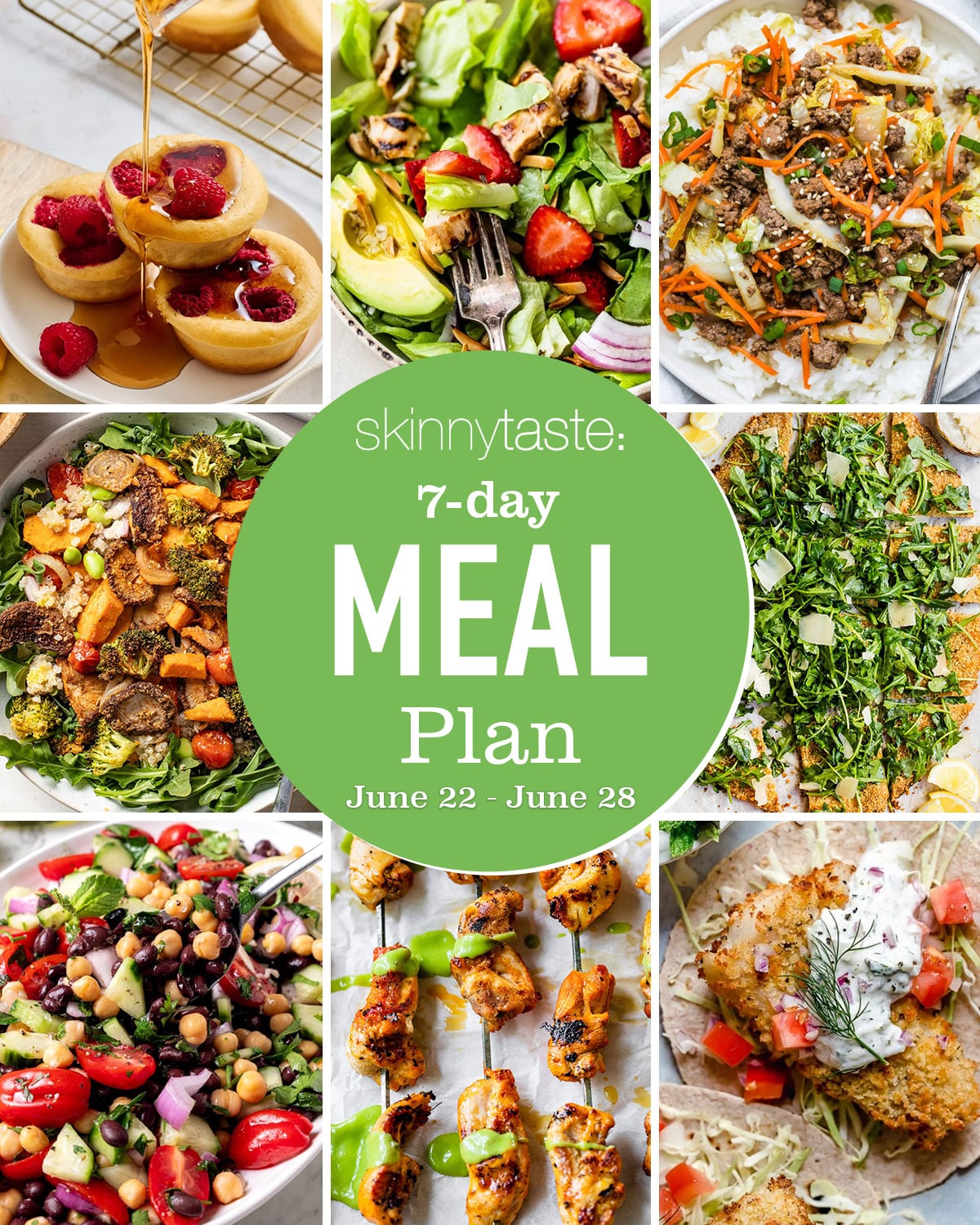
A new comprehensive 7-day flexible weight loss meal plan, designed to streamline healthy eating with a focus on seasonal summer ingredients, has been released, offering a structured yet adaptable approach to daily nutrition. The plan, which includes breakfast, lunch, and dinner ideas alongside a detailed shopping list, aims to support individuals in achieving health and wellness goals while navigating the complexities of modern dietary choices and rising grocery costs. All recipes featured within the plan are accompanied by detailed macronutrient breakdowns and Weight Watchers points, providing transparency and facilitating informed food choices for users.
Strategic Approach to Nutritional Guidance
The core philosophy behind this meal plan centers on flexibility and empowerment, moving beyond rigid dietary restrictions to offer a sustainable framework for healthy eating. Recognizing that individual nutritional needs vary significantly, the plan provides a guiding daily calorie target of approximately 1500 calories, specifically noted as a general guideline for women, with explicit encouragement for users to adjust intake based on personal goals, age, weight, and activity levels. This adaptability is crucial, as evidenced by recommendations from health organizations like the USDA and the World Health Organization, which emphasize personalized nutrition. For instance, the average adult woman’s caloric needs can range from 1,600 to 2,400 calories per day, while men often require between 2,000 and 3,000, depending on lifestyle. The plan’s creators underscore the importance of consulting resources like the MyPlatePlan calculator to accurately estimate individual caloric requirements, allowing for thoughtful additions of snacks, beverages, or larger portions as needed.
The inclusion of macronutrient information (macros) for each recipe is a significant feature, aligning with a growing trend in nutrition where individuals track protein, carbohydrates, and fats to achieve specific fitness or weight management outcomes. Protein, for example, is vital for muscle repair and satiety, while complex carbohydrates provide sustained energy. By providing these details, the plan equips users with the tools to understand the nutritional composition of their meals, fostering a deeper engagement with their diet beyond mere calorie counting. Furthermore, the integration of Weight Watchers points caters to a substantial segment of the population familiar with this popular system, offering another layer of dietary tracking and accountability. This multi-faceted approach to nutritional information reflects a commitment to diverse user needs and dietary preferences.
Embracing the Flavors of Summer
Timed with the official onset of summer, the meal plan actively incorporates seasonal produce and lighter meal options, capitalizing on the abundance of fresh fruits and vegetables characteristic of the warmer months. This seasonal focus is not merely an aesthetic choice but a nutritionally sound strategy. Summer produce, such as strawberries, cantaloupe, zucchini, and corn, are often at their peak freshness, flavor, and nutritional value, offering higher concentrations of vitamins, minerals, and antioxidants. Eating seasonally can also be more economical and environmentally friendly, reducing the carbon footprint associated with long-distance food transportation.
The plan highlights several summer-inspired dishes designed for warm weather, such as Salmon Caesar Salad, BBQ Chicken Salad, Bang Bang Shrimp Skewers, Peruvian Grilled Chicken Skewers, and Perfectly Grilled Zucchini. These selections emphasize lean proteins, fresh greens, and vibrant flavors, which are typically favored when temperatures rise. Lighter dinners and hearty salads are specifically recommended, offering satisfying yet refreshing options that align with summer lifestyles, often involving more outdoor activity and less desire for heavy, complex meals. This intentional alignment with seasonal eating patterns enhances both the palatability and the health benefits of the meal plan.
Optimizing Household Budgets and Reducing Food Waste
A critical component of the newly released meal plan is its meticulously organized grocery list, designed to transform the weekly shopping experience from a daunting task into an efficient process. This strategic feature directly addresses two prevalent challenges faced by households globally: escalating grocery prices and significant food waste. Data from the U.S. Department of Agriculture (USDA) indicates that food waste at the consumer level accounts for approximately 30-40% of the food supply, translating into billions of dollars lost annually and substantial environmental impact. For an average American family, this could mean hundreds of dollars wasted each year.

By providing a comprehensive list that covers all ingredients needed for the entire week’s meals, the plan aims to minimize impulsive purchases and ensure that every item bought has a clear purpose. This systematic approach not only saves money by preventing unnecessary expenditures but also dramatically reduces food waste, as users are less likely to buy ingredients that spoil before being used. The plan explicitly mentions that some recipes are designed to yield leftovers for subsequent meals or lunches, a practical strategy for maximizing food utility and further reducing waste. For example, the Vegan Quinoa Bowl on Monday is scaled for two servings, and the Mediterranean Bean Salad makes enough for two lunch servings later in the week.
The financial implications of meal planning are substantial. Studies have shown that households engaged in regular meal planning tend to spend less on groceries and dine out less frequently. Given the current economic climate marked by soaring inflation, particularly in food costs, resources like this meal plan become invaluable tools for household budget management. The emphasis on having "everything you need on hand" not only supports healthy eating habits but also acts as a deterrent against last-minute, often more expensive, take-out or restaurant meals. This practical benefit extends beyond mere convenience, impacting the financial stability and healthy lifestyle choices of participating families.
Building a Supportive Community and Ecosystem
Beyond the tangible meal plan, the creators have cultivated a robust ecosystem of support and resources designed to enhance user engagement and long-term adherence to healthy habits. Central to this is the Skinnytaste Facebook Community, an online forum where users can share their culinary creations, exchange ideas, and find motivation among like-minded individuals. Such digital communities play a vital role in fostering accountability and providing peer support, which are often cited as key factors in successful weight management and lifestyle changes. The platform encourages a sense of shared journey, turning individual efforts into a collective endeavor.
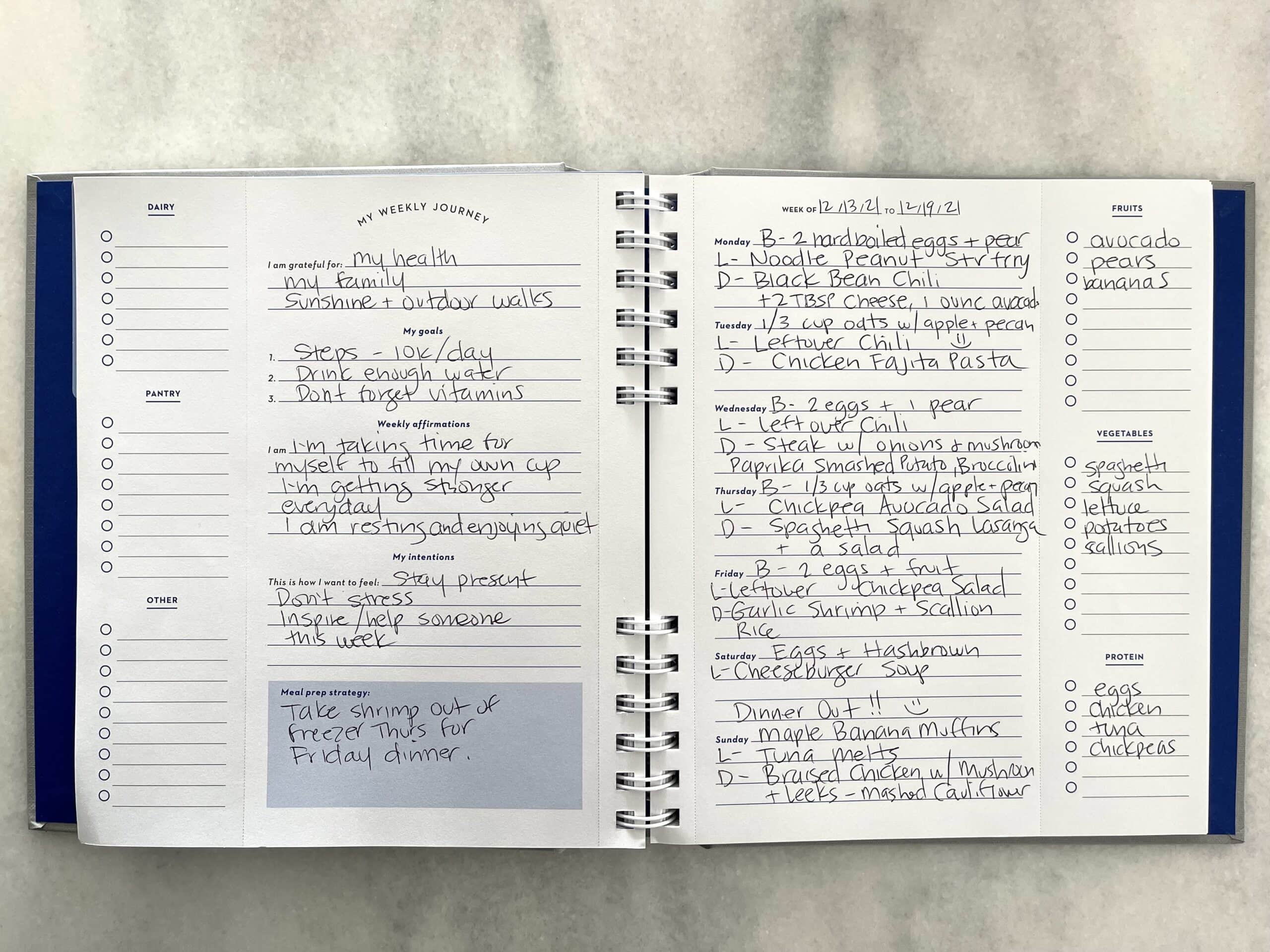
Further enhancing this support system is an email subscription service, ensuring that users "never miss a meal plan" and stay updated on new recipes and tips. This direct communication channel helps maintain consistency and keeps health goals top of mind. For those seeking a more tactile and structured planning experience, the "Ultimate Skinnytaste Meal Planner" is offered. This physical planner, a 52-week spiral-bound guide, includes weekly meal planning grids, a 12-week meal plan, and 30 recipes (15 of which are new), alongside tear-out grocery lists and sections for gratitude, affirmations, and intentions. This holistic approach recognizes that successful health journeys often integrate mental well-being with physical nutrition.
The brand also extends its offerings to include premium content, such as additional "5-day Budget Friendly Meal Plans" available through a Relish+ subscription, which offers a 14-day free trial. This tiered approach, combining free resources with paid products and subscriptions, is a common and effective business model in the digital wellness industry. It allows content creators to provide accessible entry points while also generating revenue to sustain and expand their offerings. The promotion of the "Skinnytaste High Protein cookbook" through an affiliate link further illustrates this strategy, providing specialized content for specific dietary goals, such as increasing protein intake for satiety and muscle maintenance.
The Broader Implications for Health and Wellness
The release of such flexible meal plans reflects several significant trends in the broader health and wellness landscape. Firstly, there is a growing public demand for accessible, practical tools that simplify healthy eating amidst busy modern lifestyles. As diet-related illnesses continue to be a major public health concern, resources that demystify nutrition and provide actionable steps are increasingly valued. The emphasis on "flexible" planning acknowledges that strict, rigid diets are often unsustainable in the long term, leading to cycles of restriction and overeating. Instead, flexible dieting, which allows for occasional indulgences and adaptation to social situations, has gained traction as a more realistic and psychologically healthier approach.
Secondly, the integration of digital platforms (social media, email lists) with physical products (planners, cookbooks) showcases the evolving nature of content delivery in the wellness sector. This multi-channel approach maximizes reach and caters to diverse user preferences, from those who prefer digital convenience to those who appreciate a physical planning tool. The transparency around affiliate links and disclosure policies also speaks to a maturing digital content industry, where creators are increasingly expected to be upfront about their monetization strategies.
Ultimately, initiatives like the Skinnytaste meal plan contribute to a larger movement aimed at empowering individuals to take greater control over their health. By providing well-researched recipes, clear nutritional data, practical shopping lists, and a supportive community, these resources help bridge the gap between abstract dietary advice and everyday application. They offer a tangible framework for adopting healthier eating habits, managing household finances more effectively, and fostering a sustainable approach to personal well-being, particularly as seasonal changes and economic pressures continue to shape consumer choices.
