
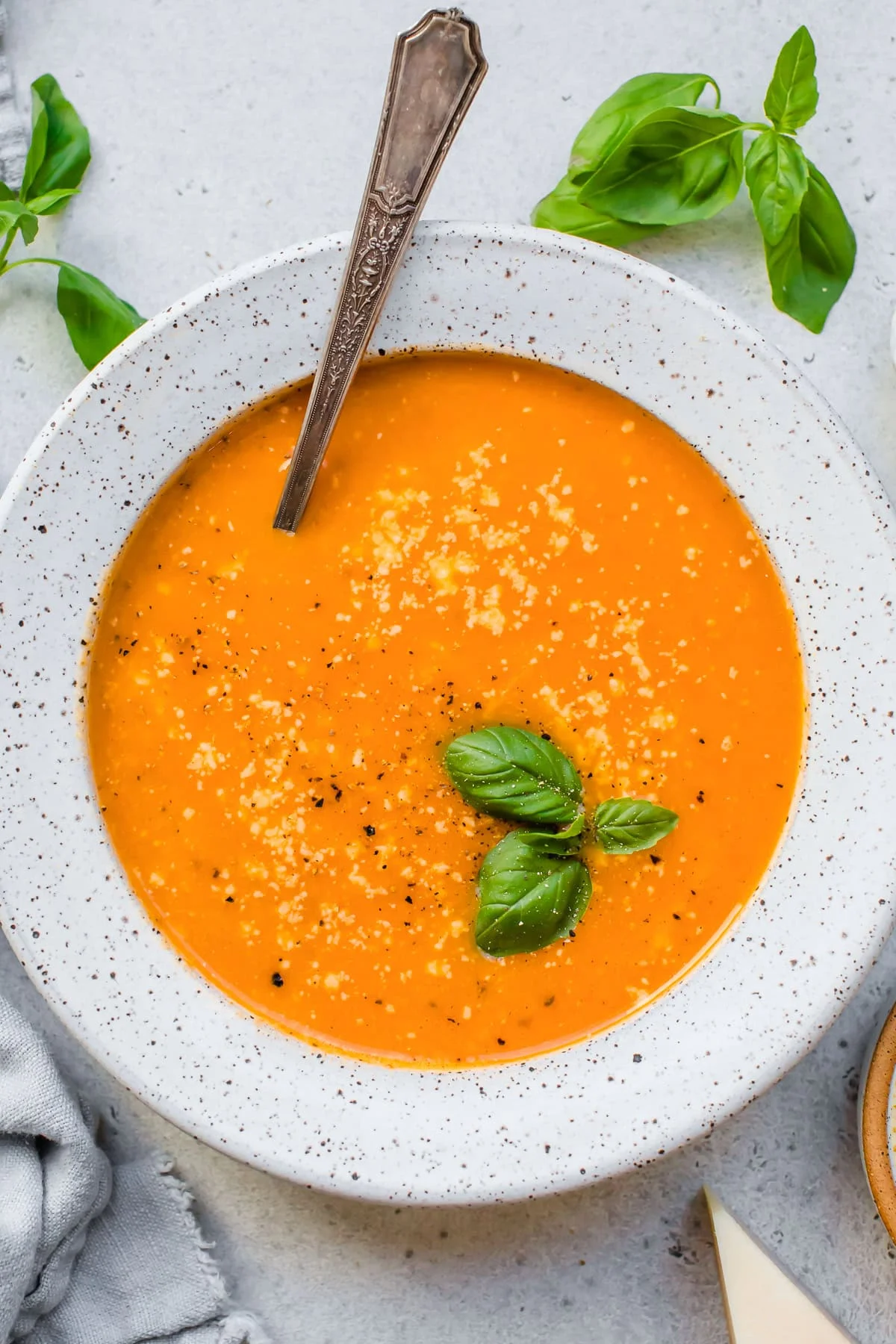
In the realm of comfort food, tomato bisque stands as a testament to the transformative power of simple ingredients, often lauded for its luxurious, velvety texture. Traditionally, this richness is achieved through generous additions of heavy cream. However, a modern culinary approach, exemplified by popular recipes such as the "Skinnytaste" Tomato Bisque, is redefining this classic, demonstrating that an equally opulent mouthfeel can be attained through the strategic blending of garden-fresh vegetables. This innovative rendition prioritizes the inherent sweetness and depth of ripe summer tomatoes, enhanced by the subtle contributions of carrots and celery, culminating in a dish that is both deeply satisfying and remarkably lighter.
The Historical Trajectory of Bisque and Tomato in Cuisine

To appreciate the contemporary interpretation of tomato bisque, it is imperative to understand its historical roots. The term "bisque" itself originates from French cuisine, traditionally referring to a rich, creamy soup made from puréed crustaceans, such as lobster, crab, or shrimp. Its signature characteristic has always been its smooth, thick consistency, often achieved by passing the soup through a fine sieve and enriching it with cream or butter. Over centuries, the concept of bisque evolved beyond seafood, embracing vegetable-based variations, yet the pursuit of that distinctive creamy texture remained central to its definition. This evolution reflects a broader culinary trend of adapting established techniques and terminology to new ingredients and dietary preferences.
Parallel to the evolution of bisque is the remarkable journey of the tomato. Native to the Andes region of South America, the tomato (Solanum lycopersicum) was initially viewed with suspicion in Europe, often mistaken for a poisonous nightshade due to its botanical relation to belladonna. It wasn’t until the 16th century that it began to gain acceptance, first in Italy and Spain, where it was integrated into sauces and stews, benefiting from the warmer climates suitable for its cultivation. By the 18th and 19th centuries, particularly with the advent of Neapolitan pizza and widespread canning techniques, the tomato had cemented its place as a culinary cornerstone across the globe, celebrated for its versatility, vibrant color, and umami-rich flavor profile. The seasonal abundance of ripe tomatoes, particularly during the summer months, has long inspired cooks to preserve their fleeting perfection in various forms, including sauces, pastes, and, naturally, soups. This historical context underscores the deep cultural significance of the tomato in global gastronomy.
The Ingenuity of Vegetable-Driven Velvety Texture
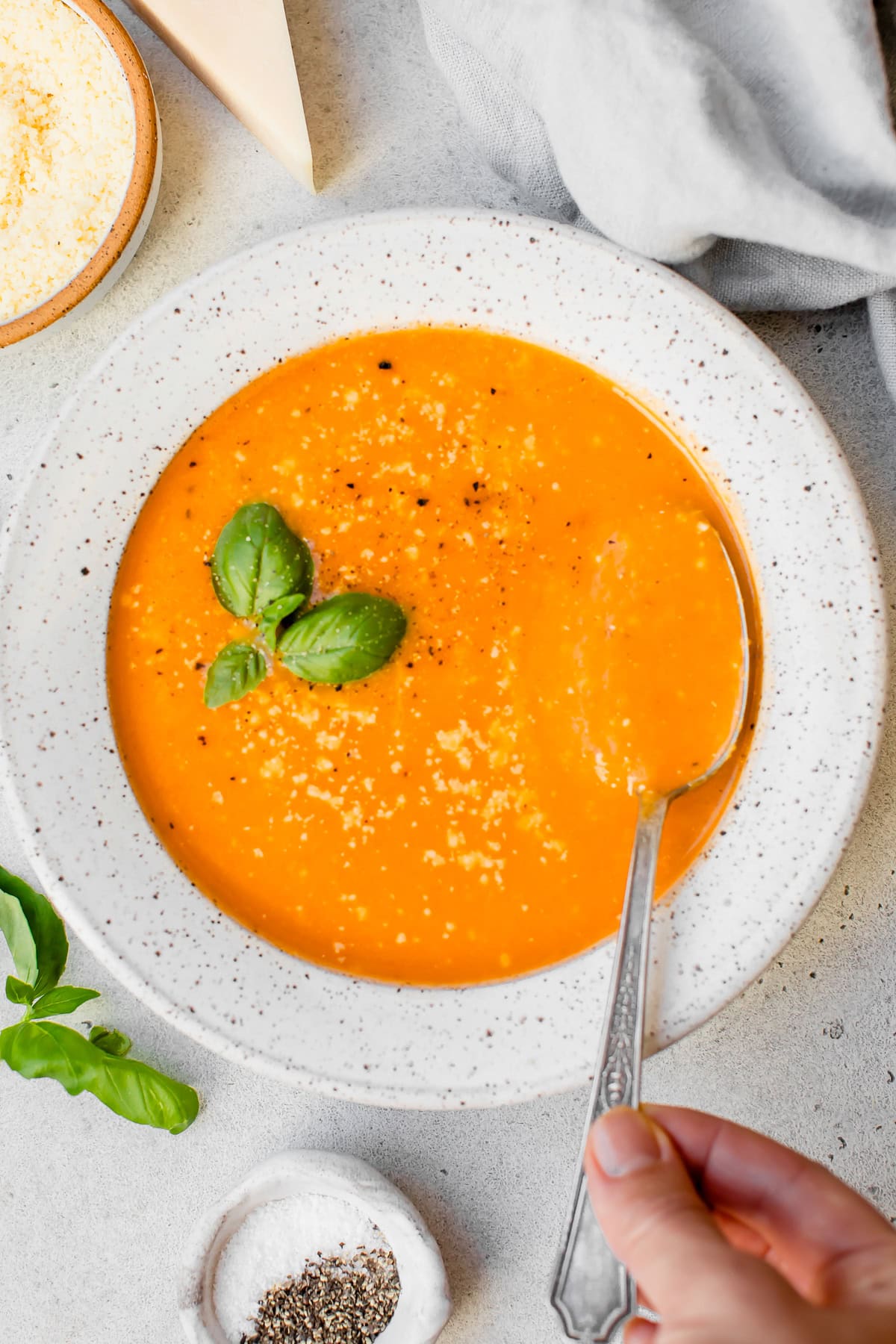
The innovation in recipes like the Skinnytaste Tomato Bisque lies in its strategic departure from dairy-heavy thickening agents. Instead of relying on cream, this recipe harnesses the natural emulsifying and thickening properties of blended vegetables. Carrots and celery, when slow-cooked alongside ripe tomatoes and then pureed, contribute not only their distinct flavor profiles but also a significant amount of soluble fiber and natural starches. These components, once pulverized through the process of blending, create a naturally smooth and thick emulsion, effectively mimicking the luxurious richness of cream without the associated caloric density or saturated fat content. This method aligns seamlessly with a broader trend in contemporary nutrition, which consistently advocates for increasing vegetable intake and reducing reliance on high-fat dairy products.

Nutritionally, this approach offers substantial advantages. A traditional tomato bisque made with heavy cream can easily exceed 300-400 calories per serving, with a considerable portion derived from saturated fat and cholesterol. In stark contrast, a vegetable-thickened bisque, as indicated by nutritional data for comparable recipes, can bring the calorie count down to approximately 113 kcal per 2-cup serving, with significantly lower fat and cholesterol. The inclusion of carrots boosts beta-carotene, a precursor to Vitamin A, which is crucial for vision, immune function, and skin health. Tomatoes, meanwhile, are renowned for their high lycopene content, a powerful antioxidant linked to reduced risk of certain chronic diseases, including heart disease and some cancers. Furthermore, the dietary fiber contributed by both tomatoes and the added vegetables aids in digestive health, helps regulate blood sugar levels, and promotes satiety, making this a more wholesome and filling option that can contribute to weight management.
Seasonal Sourcing: The Cornerstone of Optimal Flavor

The emphasis on "ripe garden tomatoes" is not merely a poetic flourish but a critical component of this bisque’s unparalleled success. The flavor profile of a tomato is profoundly influenced by its ripeness, variety, and growing conditions. Summer-grown, vine-ripened tomatoes, having absorbed maximum sunlight, possess a superior balance of sweetness and acidity, a depth of umami, and a juiciness that mass-produced, unripe counterparts simply cannot match. This heightened quality translates directly into a more vibrant, complex, and flavorful soup, requiring fewer artificial enhancements or compensatory seasonings.
According to agricultural and culinary experts, the peak season for tomatoes in many temperate regions typically runs from July through September. Utilizing produce during its prime season not only guarantees optimal flavor and nutritional density but also supports local farming economies and often reduces the carbon footprint associated with long-distance transportation and cold storage. This philosophy resonates strongly with the farm-to-table movement, which encourages consumers to seek out fresh, locally sourced ingredients. While canned tomatoes offer undeniable convenience, especially off-season, proponents of fresh-ingredient cooking argue vehemently that they cannot replicate the nuanced, bright, and truly "sun-kissed" taste of garden-grown varieties at their peak. Data from the USDA indicates that domestically grown fresh market tomatoes reached a value of over $1.2 billion in 2022, highlighting their economic significance and consumer demand.
Crafting the Bisque: A Methodical Approach to Flavor Development
The preparation of this lighter tomato bisque involves several key culinary steps, each meticulously designed to maximize flavor extraction and achieve the desired texture.
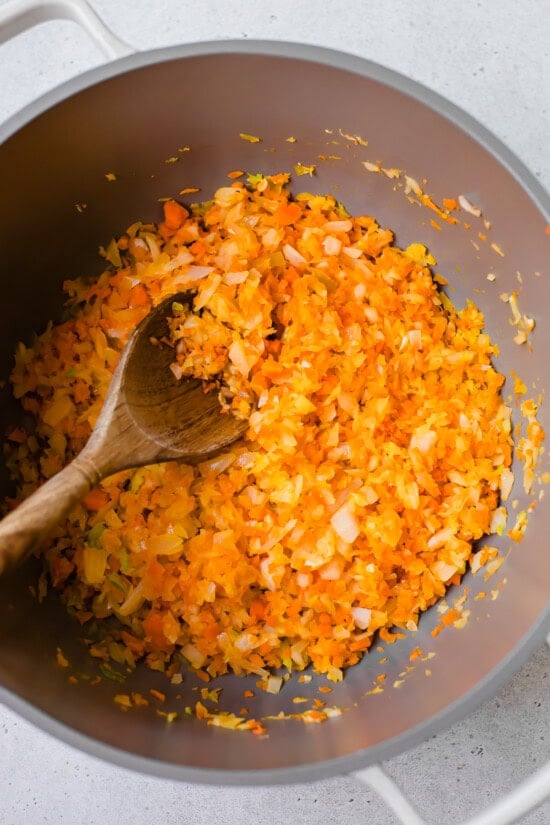
- Aromatic Foundation: The process typically begins with sautéing aromatics such as onions, garlic, carrots, and celery. This crucial step, known as creating a mirepoix in classical French cooking, allows these foundational vegetables to soften and release their natural sugars through gentle caramelization, building a complex flavor base that will permeate the entire soup. The Maillard reaction, a chemical process between amino acids and reducing sugars, contributes significantly to the savory depth developed at this stage.
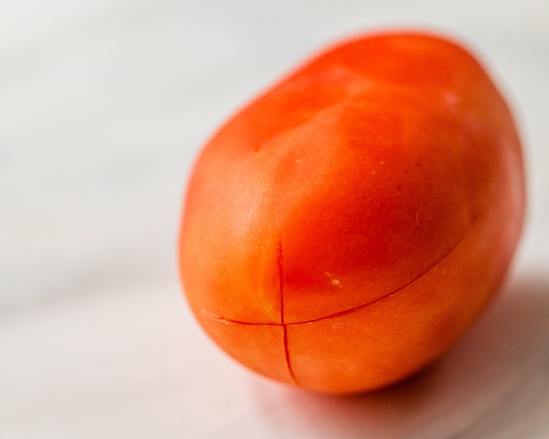
- Tomato Preparation: The decision to peel tomatoes is a matter of texture preference. Blanching tomatoes briefly in boiling water (typically 30-60 seconds) and then plunging them into an ice bath facilitates easy removal of their skins, resulting in an exceptionally smooth and refined bisque. While optional for some, this step is highly recommended for those seeking a truly silken consistency, as tomato skins can introduce a slightly grainy or fibrous mouthfeel that detracts from the bisque’s characteristic smoothness.
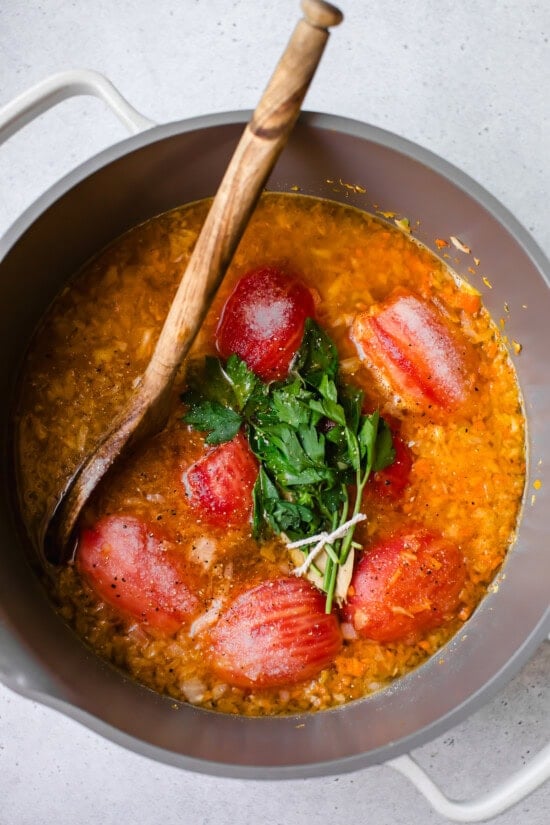
- Simmering with Herbs: Once the aromatic base is established, the peeled, chopped tomatoes are added to the pot and simmered gently. This slow cooking process, often lasting for 30-40 minutes, allows the flavors to meld and deepen, transforming the raw acidity of the tomatoes into a rich, mellow sweetness. Incorporating fresh herbs like basil, parsley, and bay leaves, often tied into a bundle known as a bouquet garni, ensures their aromatic compounds infuse the soup during simmering, while making their removal before pureeing effortless. This prevents stray herb fragments from affecting the final texture.
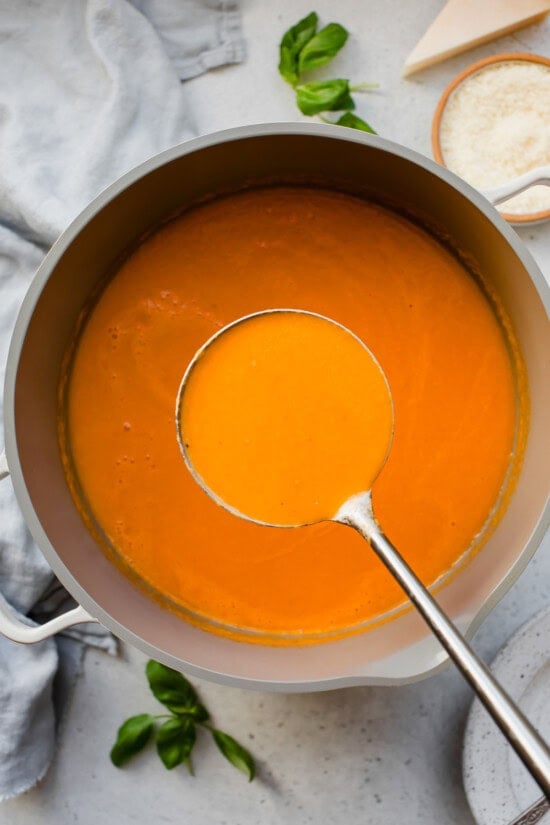
- Pureeing for Velvety Smoothness: The final transformative step involves pureeing the cooked mixture. An immersion blender can achieve a smooth consistency directly in the cooking pot, minimizing cleanup and transfer. Alternatively, a high-speed stand blender can be used, though care must be taken to vent the lid (by removing the center cap and covering with a kitchen towel) to allow steam to escape and prevent dangerous pressure buildup from hot liquids. The finely pureed vegetables are what impart the characteristic bisque-like texture, eliminating the need for heavy cream and showcasing the natural thickening power of plant fibers.
Distinguishing Bisque from Soup: A Culinary Nuance Redefined
The distinction between "tomato bisque" and "tomato soup" often lies in both texture and richness. While tomato soup can range from rustic and chunky to smooth and brothy, bisque is invariably characterized by its luxurious, velvety consistency and often a more refined preparation. Traditionally, this smoothness in bisque was achieved through the generous incorporation of cream, butter, or even a roux (a mixture of fat and flour). This modern, vegetable-driven bisque cleverly navigates this distinction, delivering the quintessential bisque texture and richness through a lighter, more wholesome profile. It challenges the conventional definition, demonstrating that "creamy" does not necessarily equate to "cream-filled," and that sophisticated textures can be achieved through natural means. This redefinition aligns with evolving culinary philosophies that prioritize health without sacrificing gastronomic quality.
Serving and Broader Culinary Implications
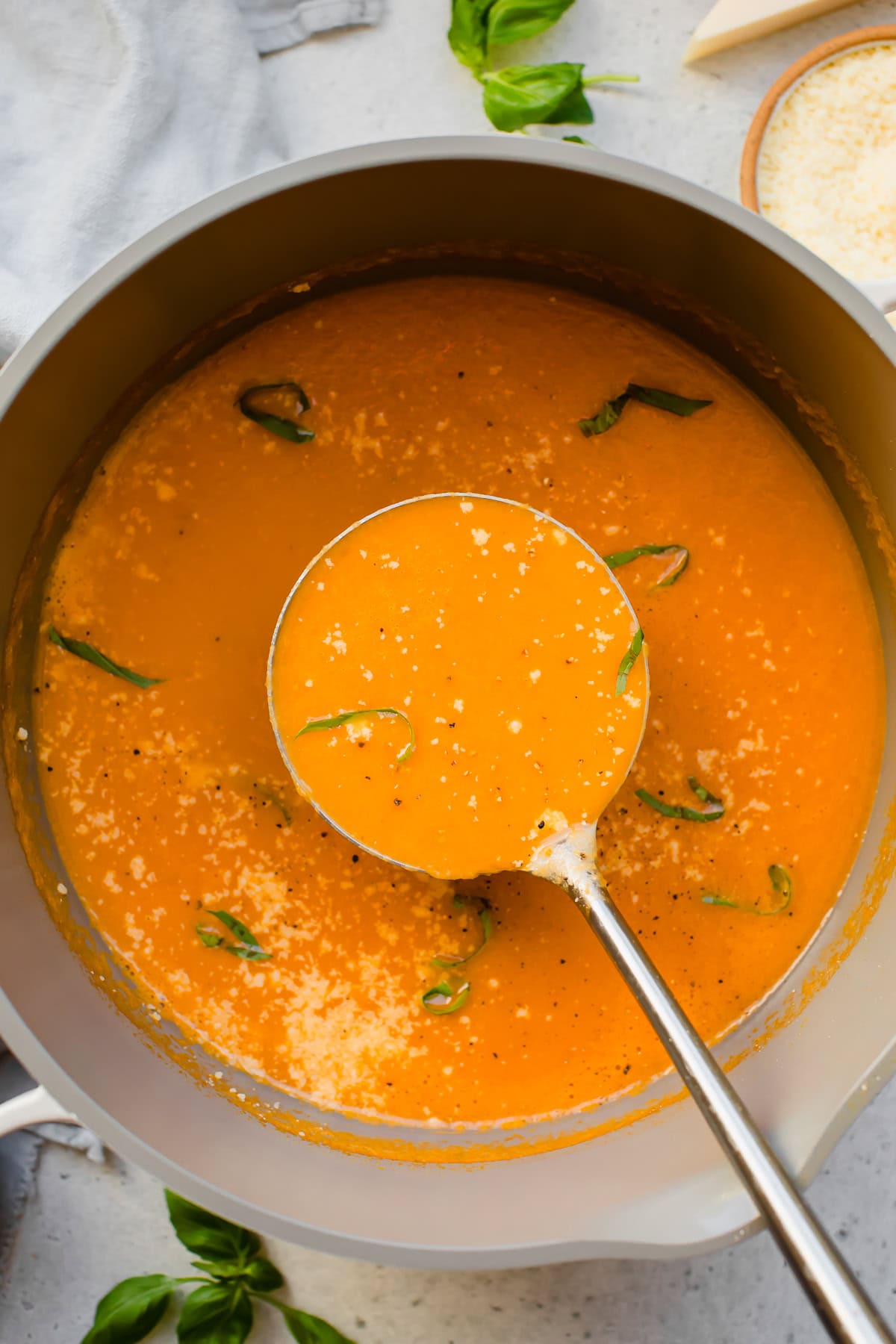
The versatility of this tomato bisque extends to its serving suggestions. A classic pairing with a grilled cheese sandwich or crusty sourdough bread remains a perennial favorite, offering a delightful contrast of textures and flavors. Beyond these staples, the bisque can be enhanced with a swirl of full-fat sour cream or Greek yogurt (tempered first to prevent curdling), a sprinkle of freshly torn basil leaves, or a dusting of finely grated Parmigiano Reggiano cheese, each adding layers of complexity and visual appeal. From a culinary perspective, these garnishes provide both textural interest and complementary flavors, elevating the dish from a simple soup to a sophisticated and satisfying meal.
The implications of such a recipe are far-reaching within the broader culinary landscape. It aligns with growing consumer demand for healthier food options that do not compromise on flavor or satisfaction. This approach encourages home cooks to experiment with natural thickening agents, fostering creativity, culinary literacy, and a deeper understanding of ingredient properties. Furthermore, by promoting the use of seasonal, garden-fresh produce, it contributes to broader discussions about food sustainability, local food systems, and reducing food waste by utilizing abundant harvests efficiently. It exemplifies how traditional recipes can be thoughtfully adapted to meet contemporary dietary preferences and ethical considerations, offering a delicious path toward more mindful and sustainable eating practices. This trend is further supported by the increasing popularity of plant-forward diets, where vegetables take center stage.
Storage and Preservation for Extended Enjoyment
For those blessed with an abundant tomato harvest, this bisque offers an excellent opportunity for meal preparation and preservation. Cooked bisque can be stored in an airtight container in the refrigerator for up to 3-4 days, maintaining its freshness and flavor. For longer-term storage, the bisque freezes exceptionally well. Freezing in individual portions allows for convenient reheating, providing a taste of summer even in colder months. It is advisable to freeze the bisque before adding any sour cream or other dairy garnishes, as dairy products can sometimes separate or change texture upon freezing and thawing, affecting the final consistency. Properly frozen, the bisque can retain its quality for up to 3-4 months, offering a comforting and nutritious option during colder seasons.
In conclusion, the evolution of tomato bisque, particularly its cream-free, vegetable-thickened iteration, represents a significant stride in modern gastronomy. It champions the power of fresh, seasonal ingredients, leverages ingenious culinary techniques to achieve desired textures, and offers a nutritionally superior alternative to its traditional counterparts. This dish is not merely a recipe; it is a culinary statement, celebrating the richness of nature’s bounty and the endless possibilities of innovative cooking. It underscores the profound satisfaction that comes from transforming humble garden produce into a dish of profound elegance and flavor, proving that health and indulgence can, indeed, coexist harmoniously on the same plate, reflecting a conscious shift in how we approach and appreciate food.
