
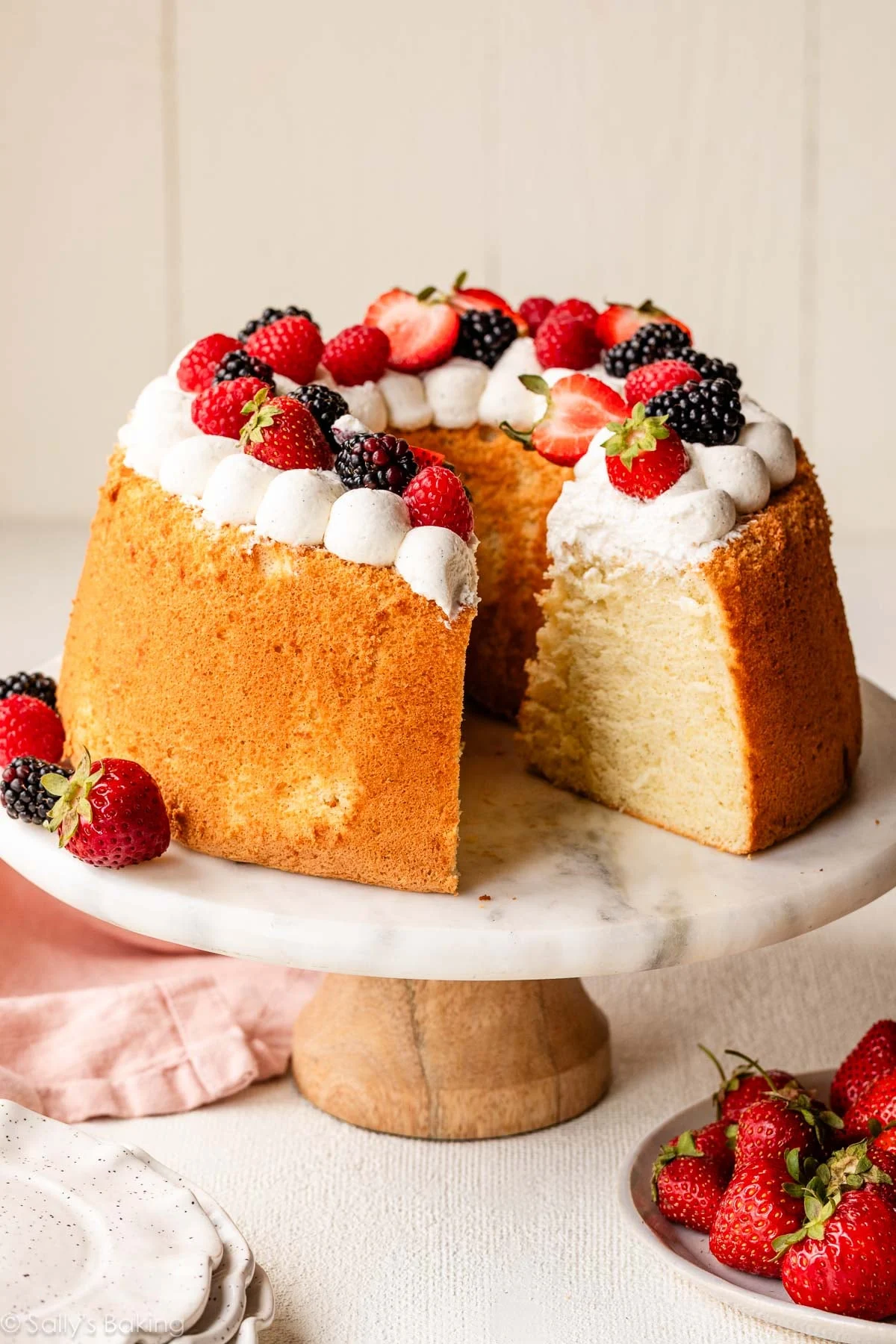
The classic chiffon cake stands as a testament to culinary ingenuity, marrying the ethereal lightness of angel food cake with the tender richness typically found in traditional butter-based confections. This unique hybrid, celebrated for its wonderfully moist crumb and delicate texture, has secured its place as one of the most elegant and approachable scratch-baked desserts, captivating palates with its lofty rise and enduring softness. Its distinctive composition, notably the use of whipped egg whites for structure and vegetable oil for unparalleled moisture, differentiates it from other cake categories, allowing it to remain tender for days, even under refrigeration.
The Genesis of a Culinary Icon: Harry Baker’s Innovation
The story of the chiffon cake is as intriguing as its texture. Unlike many traditional recipes whose origins are lost to time, the chiffon cake has a clear point of creation, attributed to Harry Baker, an insurance salesman turned caterer in Los Angeles. Baker reportedly invented the cake in 1927, keeping the recipe a closely guarded secret for two decades. For years, he baked and sold his "secret recipe cake" to Hollywood stars and prominent restaurants, cementing its exclusive appeal. It wasn’t until 1947 that Baker sold the recipe to General Mills, which subsequently launched a nationwide marketing campaign, revealing the "secret" to the American public. The recipe’s public debut sparked a baking revolution, making what was once an exclusive Hollywood delicacy accessible to home bakers across the country. This strategic release by General Mills, coupled with its innovative use of readily available ingredients, propelled the chiffon cake into mainstream popularity, establishing it as a household name.
Deconstructing the Chiffon Cake: A Symphony of Ingredients and Technique
At its core, the chiffon cake represents a sophisticated blend of culinary science and accessible ingredients. It distinguishes itself from its close relatives, the angel food cake and the butter cake, by integrating the best characteristics of both.
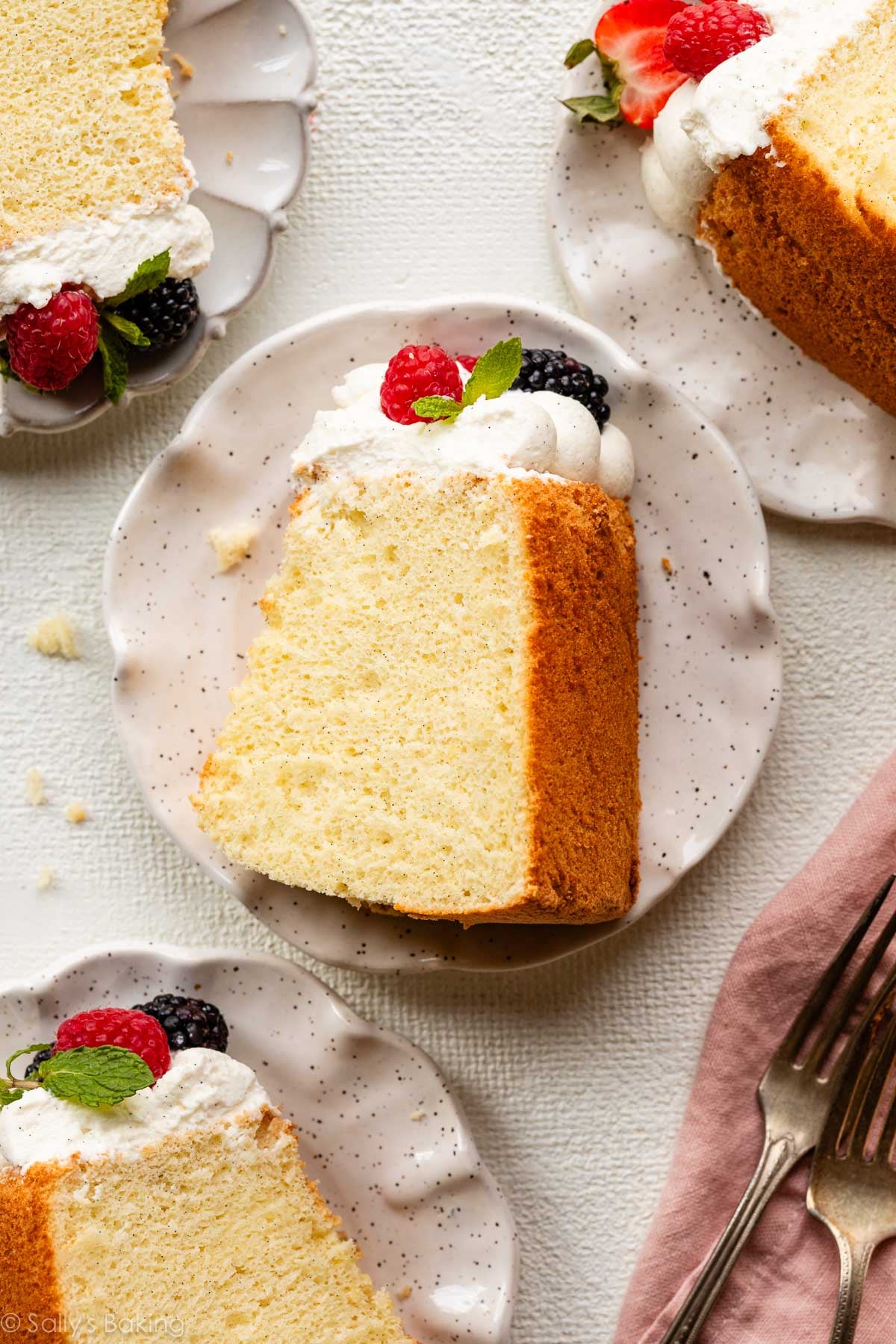
Angel Food Cake vs. Chiffon Cake: Both derive their impressive volume from aerated egg whites. However, angel food cake relies solely on egg whites and contains no fat, resulting in a drier, chewier texture. Chiffon cake, conversely, incorporates both egg whites and yolks, along with a liquid fat—typically vegetable oil. This addition of egg yolks and oil provides a richer flavor profile and a significantly more tender and moist crumb, bridging the gap between a lean sponge and a decadent butter cake.
Traditional Butter Cake vs. Chiffon Cake: While butter cakes are known for their richness and dense crumb, they achieve this through the creaming of butter and sugar. Chiffon cake achieves a comparable richness without butter, relying on egg yolks and often milk, along with oil. The oil is crucial; unlike butter, which solidifies when chilled and can make cakes stiff, oil remains liquid, ensuring the chiffon cake stays exceptionally soft and moist even when refrigerated. This characteristic makes it an ideal dessert for advance preparation. Furthermore, the inclusion of baking powder alongside whipped egg whites provides a double-action leavening system, contributing to its remarkable rise and open, airy structure.
The Pillars of Perfection: Key Methodological Steps
Achieving the signature lofty, tender chiffon cake requires adherence to several critical techniques that distinguish its preparation:
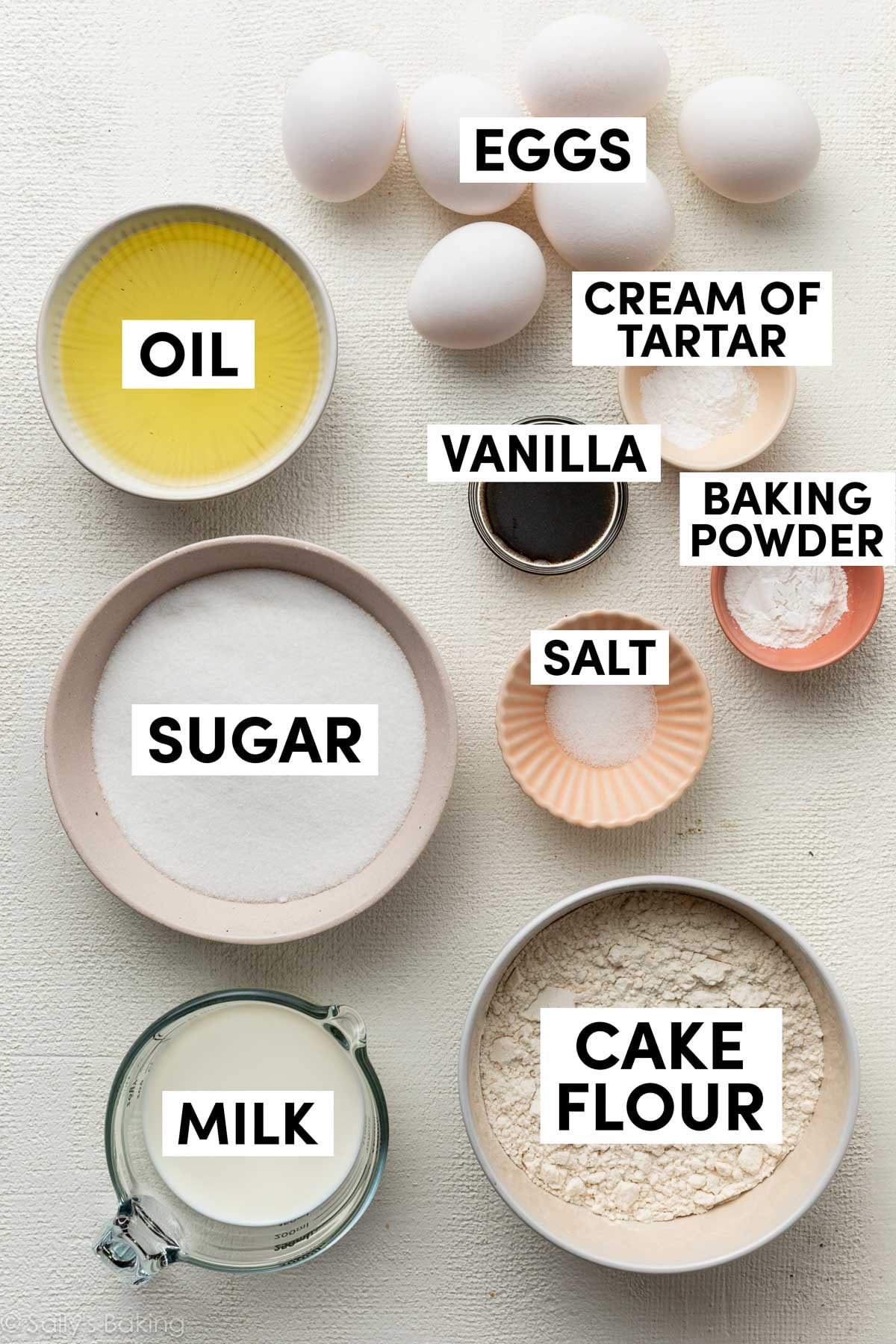
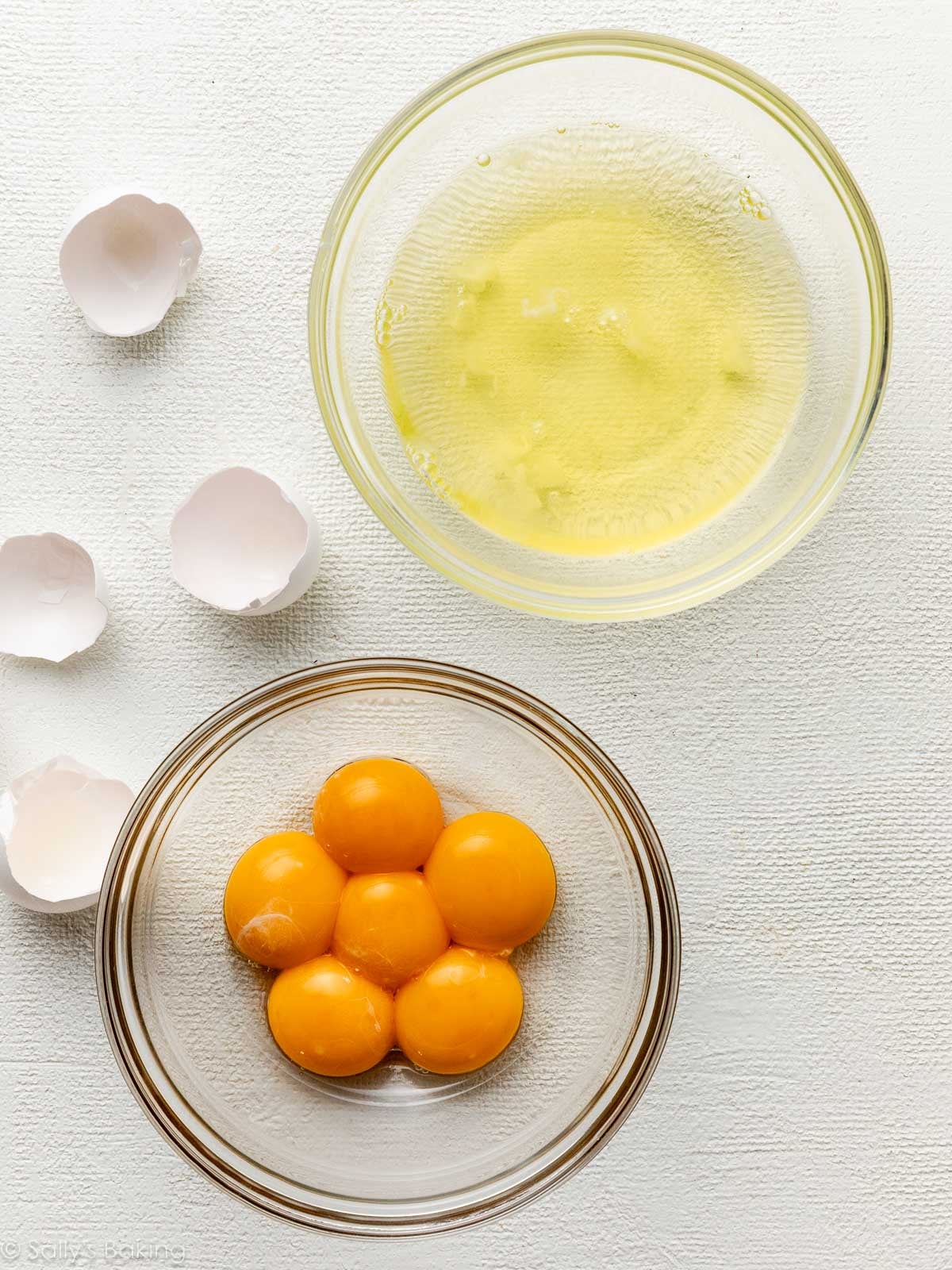
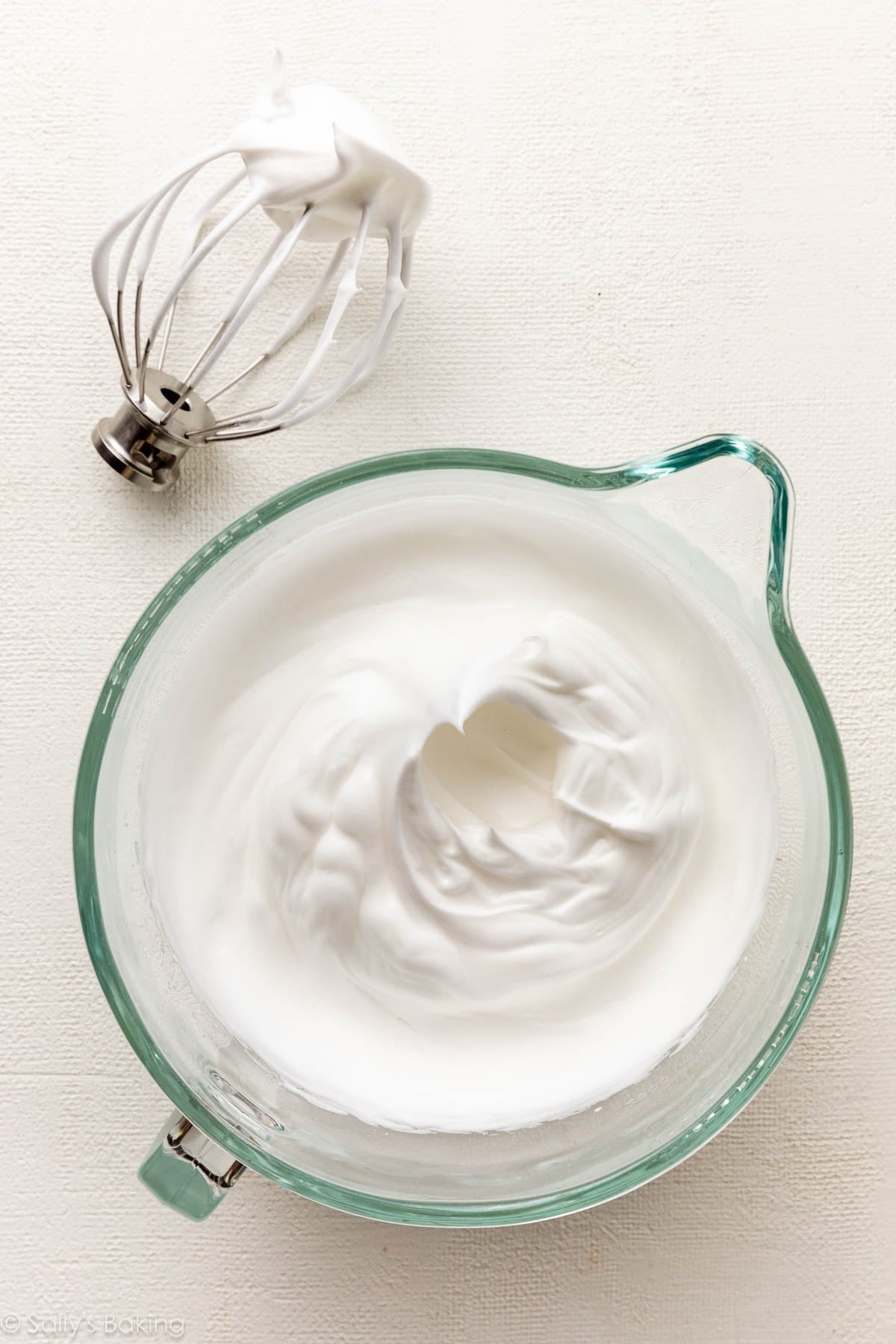
- Egg Separation and Whipping: The meticulous separation of egg whites and yolks is fundamental. The whites, free from any trace of yolk, are then whipped with sugar and cream of tartar to stiff, glossy peaks. This meringue is the primary leavening agent, trapping air that expands during baking, creating the cake’s characteristic height and lightness. The cream of tartar stabilizes the egg whites, preventing them from deflating prematurely.
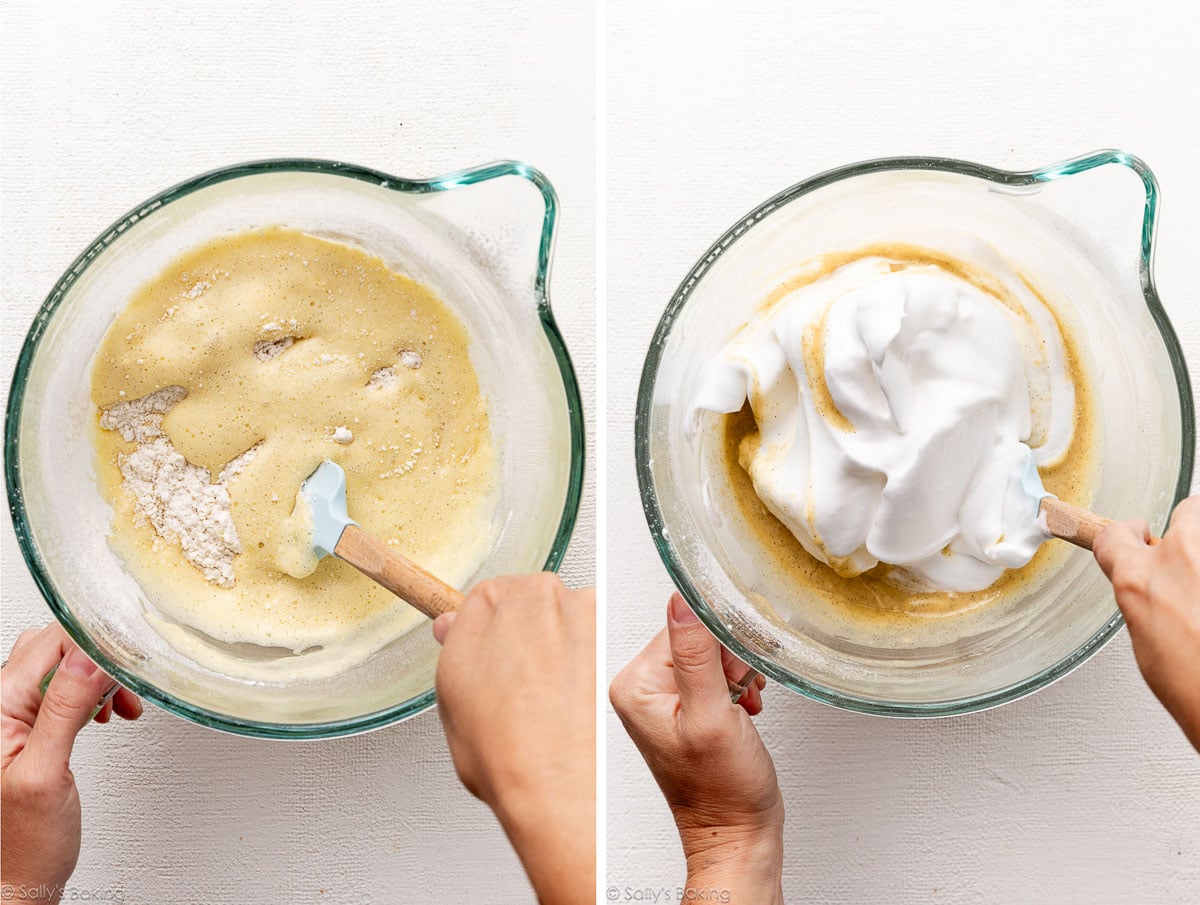
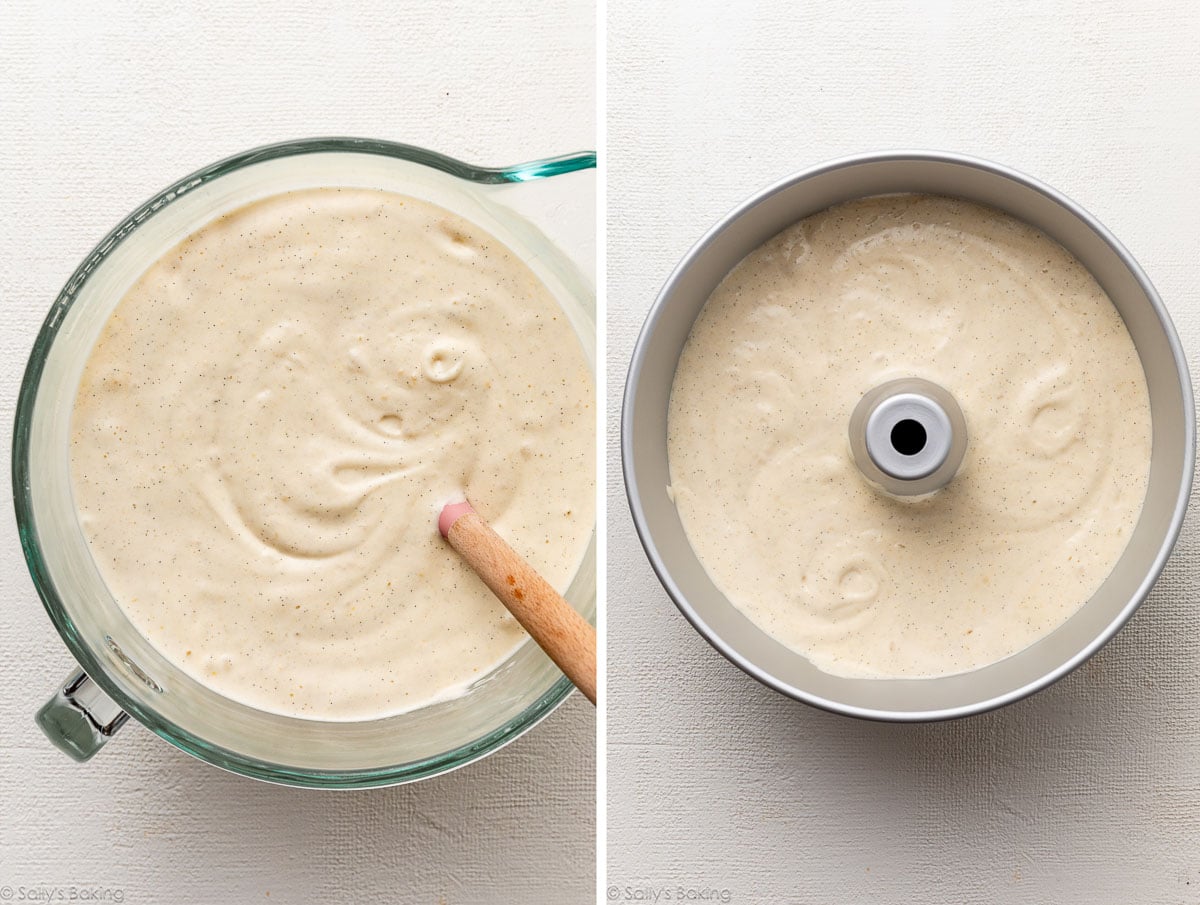
- Gentle Folding: Once the wet and dry ingredients (including egg yolks, oil, milk, flour, and the remaining sugar) are combined to form a smooth batter, the whipped egg whites must be folded in with extreme care. This delicate process ensures that the trapped air is not lost, which would result in a dense, rather than airy, cake. The goal is to incorporate the meringue just until no streaks remain, preserving the airy volume.
- The Ungreased Tube Pan: A crucial, often counter-intuitive step is baking the chiffon cake in an ungreased tube pan. The raw batter needs to cling to the sides of the pan as it rises, using the pan’s walls for support. A greased pan would prevent this adhesion, causing the cake to slip back down and collapse under its own weight. The central tube of the pan is equally important, allowing heat to penetrate the thick batter evenly from both the outside and the center, ensuring a uniformly baked product without overcooking the exterior.
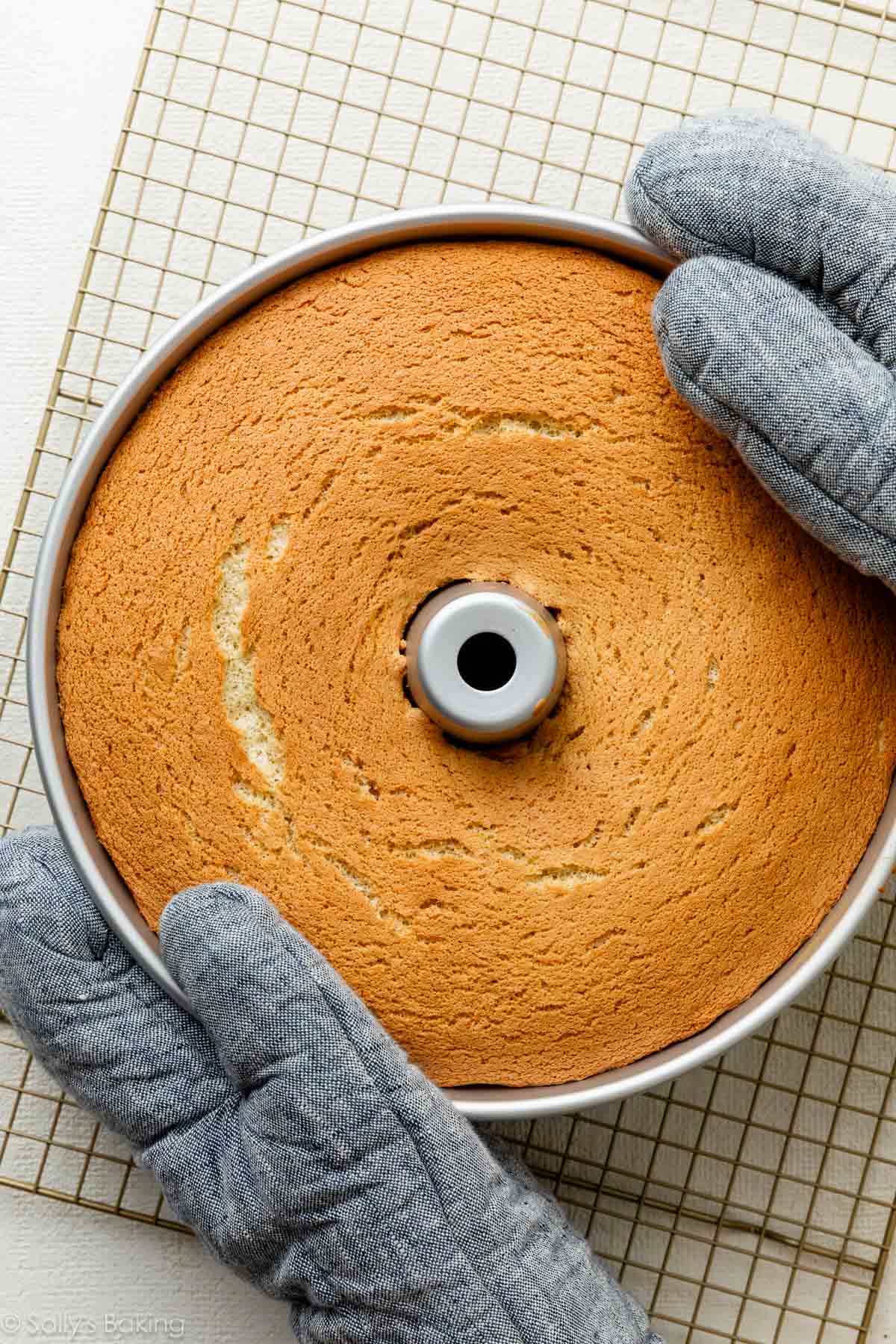
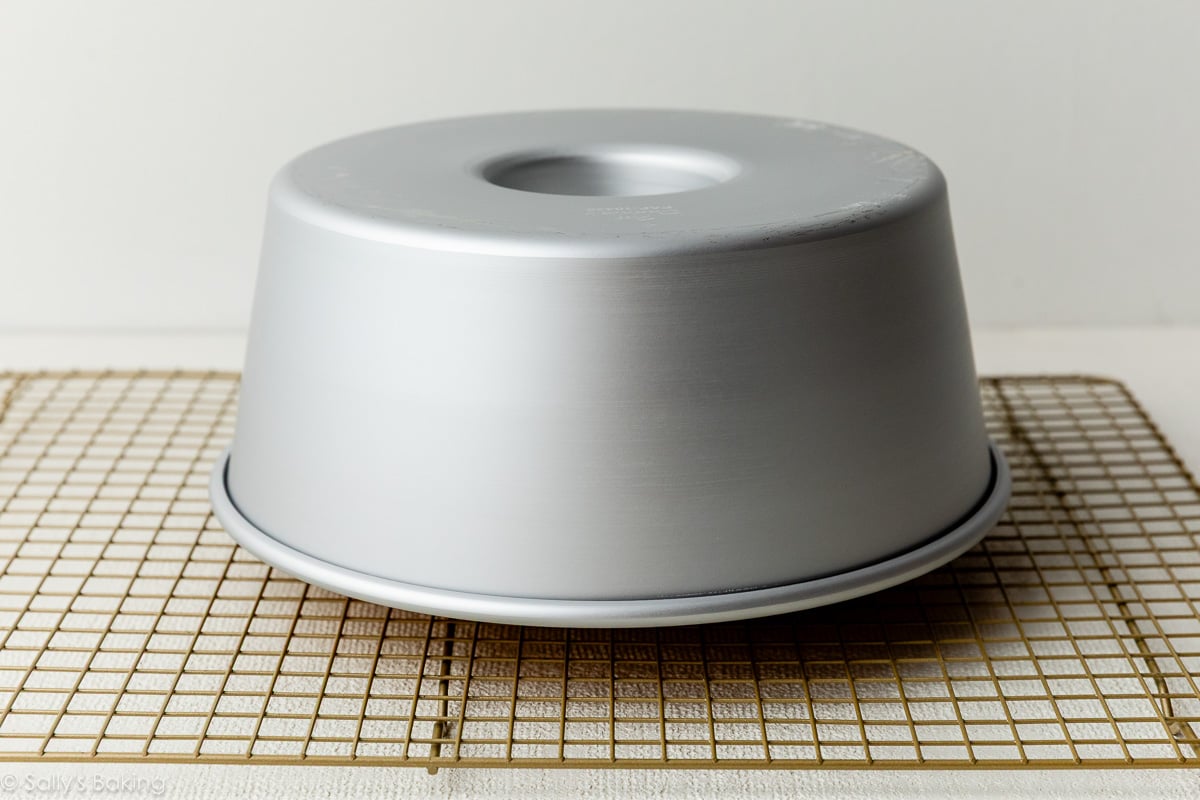
- Upside-Down Cooling: Upon removal from the oven, the chiffon cake must be immediately inverted while still in its pan. Many tube pans come with small feet for this purpose. This upside-down cooling period is vital; it prevents the delicate, newly formed structure of the cake from collapsing as it gradually cools and sets. The cake’s structure is fragile when hot, and gravity would otherwise cause it to compress.
Versatility and Culinary Impact: Beyond the Basic Slice
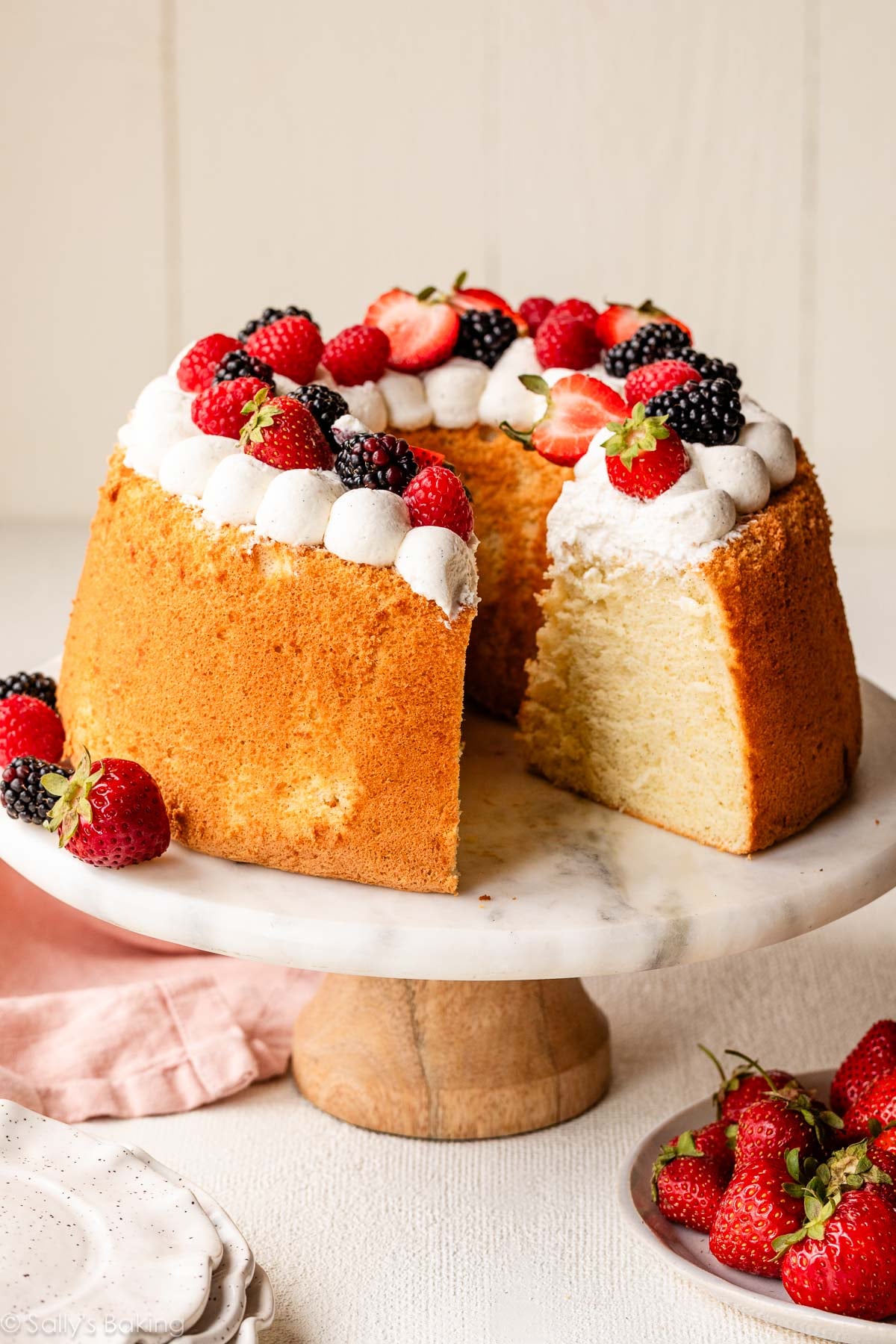
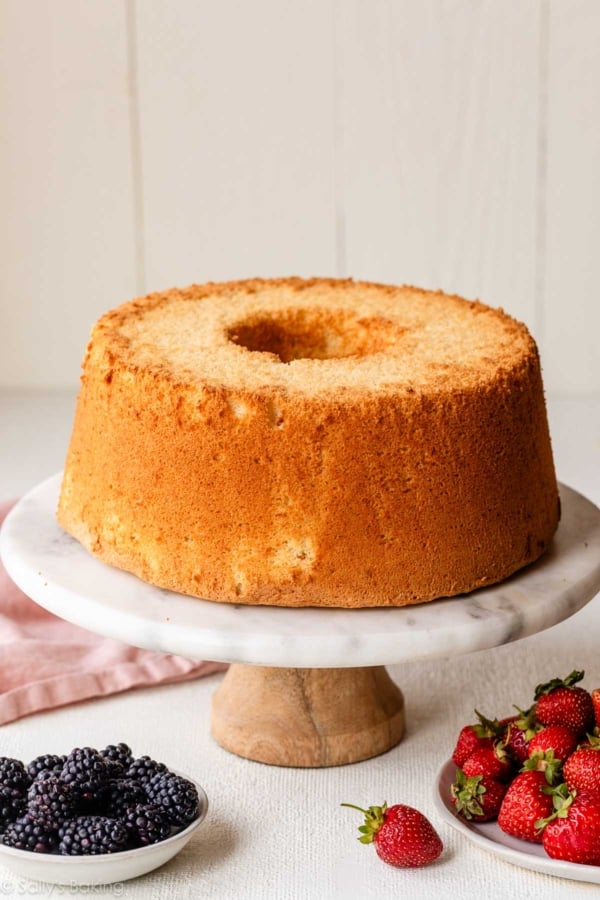
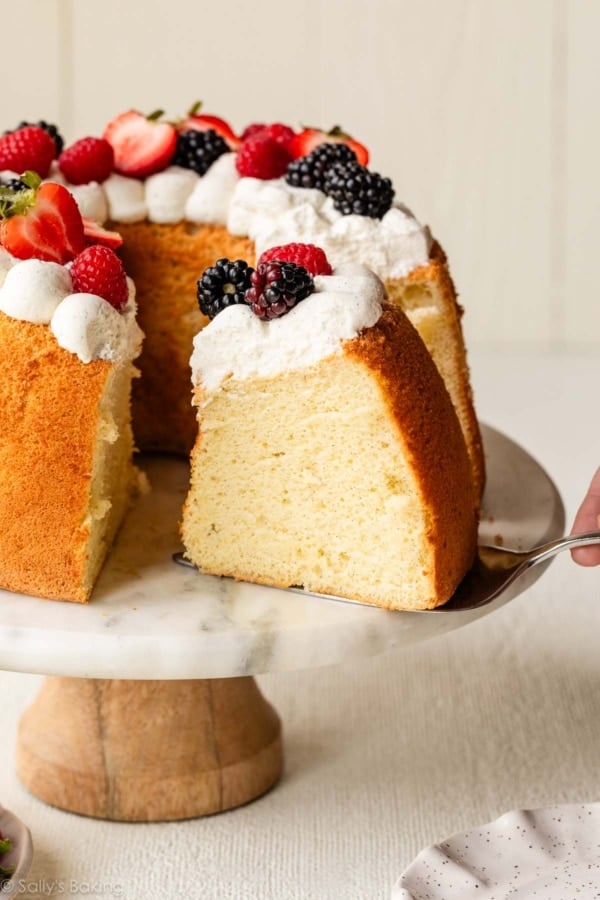
The chiffon cake’s inherent versatility contributes significantly to its enduring popularity. While delightful served simply with a dusting of confectioners’ sugar, its neutral yet rich vanilla flavor makes it an excellent canvas for various accompaniments. Fresh berries and a dollop of homemade whipped cream, perhaps a stabilized cream cheese whipped cream, are classic pairings that enhance its delicate profile without overwhelming it.
Beyond simple presentation, the chiffon cake serves as a robust yet light base for more elaborate creations. Its sturdy-yet-tender crumb is ideal for constructing impressive layer cakes, capable of holding up to fillings and frostings without becoming heavy or soggy. Bakers can either slice a single tube cake horizontally into layers or bake the batter in multiple round cake pans. This adaptability makes it a staple for celebrations, weddings, and special occasions where both elegance and a lighter dessert option are desired. It’s particularly favored in many Asian culinary traditions, where lighter, less sweet desserts are often preferred, leading to innovative flavor variations and presentations incorporating fruits like mango and matcha.
Modern Relevance and Broader Implications
In an era where consumers increasingly seek lighter dessert options without compromising on flavor or texture, the chiffon cake remains remarkably relevant. Its oil-based composition appeals to those looking for alternatives to butter-heavy baked goods, and its exceptional moistness ensures a satisfying experience. The ease with which its flavor profile can be adapted—from classic vanilla to citrus, chocolate, or even savory variations—further solidifies its position in contemporary baking.
The chiffon cake’s unique characteristics also present interesting implications for the baking industry. Its longer shelf life and ability to maintain texture when chilled make it an attractive option for commercial bakeries and cafes, reducing waste and allowing for greater production flexibility. For home bakers, mastering the chiffon cake instills confidence in fundamental baking techniques, particularly meringue creation and gentle folding, which are transferable skills across a wide range of pastry arts.
While similar in concept to sponge cakes, the oil and baking powder in chiffon cakes provide a distinctly different and often preferred experience due to its superior moisture retention. Its rich flavor profile, achieved without butter, sets it apart from the leaner angel food cake, making it a truly unique and masterful creation in the world of baking. Its continued presence in cookbooks, bakeries, and home kitchens globally attests to its timeless appeal and its position as a genuine classic.
In conclusion, the chiffon cake is more than just a recipe; it is a culinary triumph that blends the best of different cake traditions into a harmonious, universally loved dessert. From its secretive origins with Harry Baker to its widespread adoption facilitated by General Mills, and its enduring popularity in diverse culinary landscapes, the chiffon cake exemplifies how innovative ingredient combinations and precise techniques can yield a dessert that is both sophisticated and universally appealing, continually surprising and delighting with every light, moist bite.
