
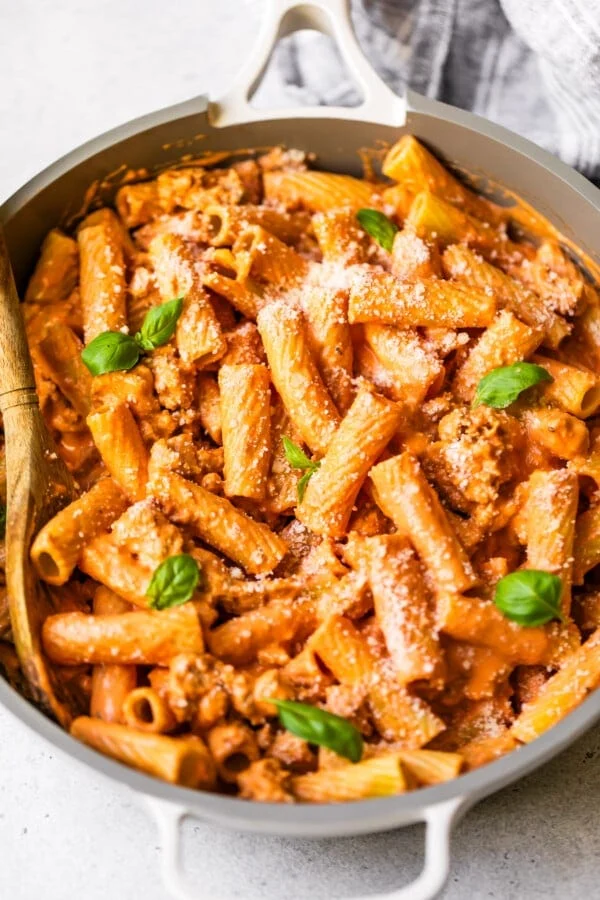
A new recipe for a High-Protein Cottage Cheese Pasta is rapidly gaining traction, offering a compelling alternative to traditional creamy pasta dishes, notably mimicking the rich texture and flavor profile of a classic vodka sauce without the heavy cream or alcohol. This culinary innovation leverages blended cottage cheese to create a velvety, high-protein sauce, addressing a growing consumer demand for healthier, yet equally satisfying, comfort food options. The dish, originally shared by Skinnytaste, highlights the transformative potential of common ingredients when reimagined through inventive preparation methods.
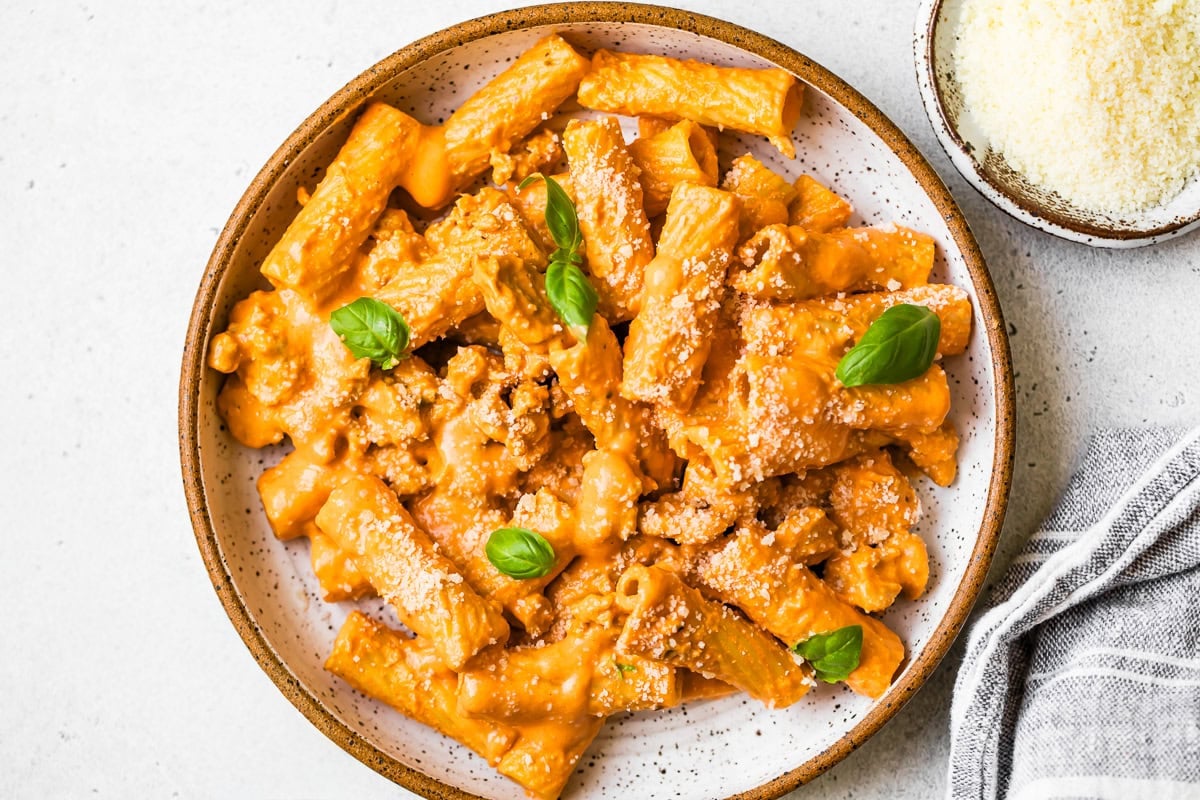
The core appeal of this pasta lies in its ability to deliver a luxurious, creamy mouthfeel and a complex flavor, reminiscent of beloved Italian-American staples, while simultaneously boasting a superior nutritional profile. Skepticism surrounding the use of cottage cheese as a primary sauce ingredient is a natural initial reaction for many, a sentiment acknowledged by the recipe’s creator. However, the blending process effectively neutralizes the characteristic curdy texture and mild flavor of cottage cheese, integrating it seamlessly into a robust tomato-based sauce. The result is a smooth, indulgent sauce that has reportedly surprised even the most discerning palates, including those initially resistant to the ingredient.
The Rise of Health-Conscious Cuisine and Protein Power
The development of dishes like the High-Protein Cottage Cheese Pasta is not an isolated incident but rather a significant marker in the broader culinary landscape, reflecting a sustained shift towards health-conscious eating. Over the past decade, there has been a noticeable increase in consumer awareness regarding macronutrient intake, particularly protein. Driven by fitness trends, dietary recommendations emphasizing satiety, and a growing understanding of protein’s role in muscle maintenance and overall well-being, consumers are actively seeking ways to incorporate more protein into their daily meals without sacrificing taste or convenience.
This trend has propelled a resurgence in the popularity of humble ingredients like cottage cheese, which, despite its long-standing presence in health-food circles, is now being celebrated for its versatility beyond a simple breakfast or snack item. Food innovators and home cooks alike are exploring creative applications for ingredients that offer high nutritional value, low cost, and adaptability. The market has seen a surge in "better-for-you" versions of classic dishes, with ingredients such as Greek yogurt, silken tofu, and now, blended cottage cheese, stepping in as replacements for higher-fat dairy products or other less nutrient-dense components.
Cottage Cheese: A Nutritional Powerhouse Reimagined
Cottage cheese, traditionally known for its lumpy texture and mild, slightly tangy flavor, is a dairy product made from cheese curds. Its nutritional bona fides are impressive, particularly its high protein content. A typical half-cup serving of low-fat cottage cheese can contain approximately 12-14 grams of protein, making it an excellent source for those looking to boost their intake. Furthermore, it is relatively low in calories and fat compared to heavy cream, which is a staple in many creamy pasta sauces. For instance, heavy cream can contain upwards of 50 grams of fat and 500 calories per cup, while a comparable amount of cottage cheese offers significantly less fat and calories, alongside its substantial protein boost.
The key to its successful application in this pasta sauce lies in the mechanical transformation of the curds through blending. A high-speed blender or food processor effectively pulverizes the curds, creating a homogeneous, liquid base that emulsifies with the other ingredients. This process eliminates the textural objections some might have to cottage cheese while retaining its nutritional benefits and subtle dairy undertones, which then become a neutral canvas for more pronounced flavors. This technique exemplifies how basic food science can unlock new culinary possibilities for everyday ingredients.

Crafting the Creamy Illusion: The Vodka Sauce Parallel
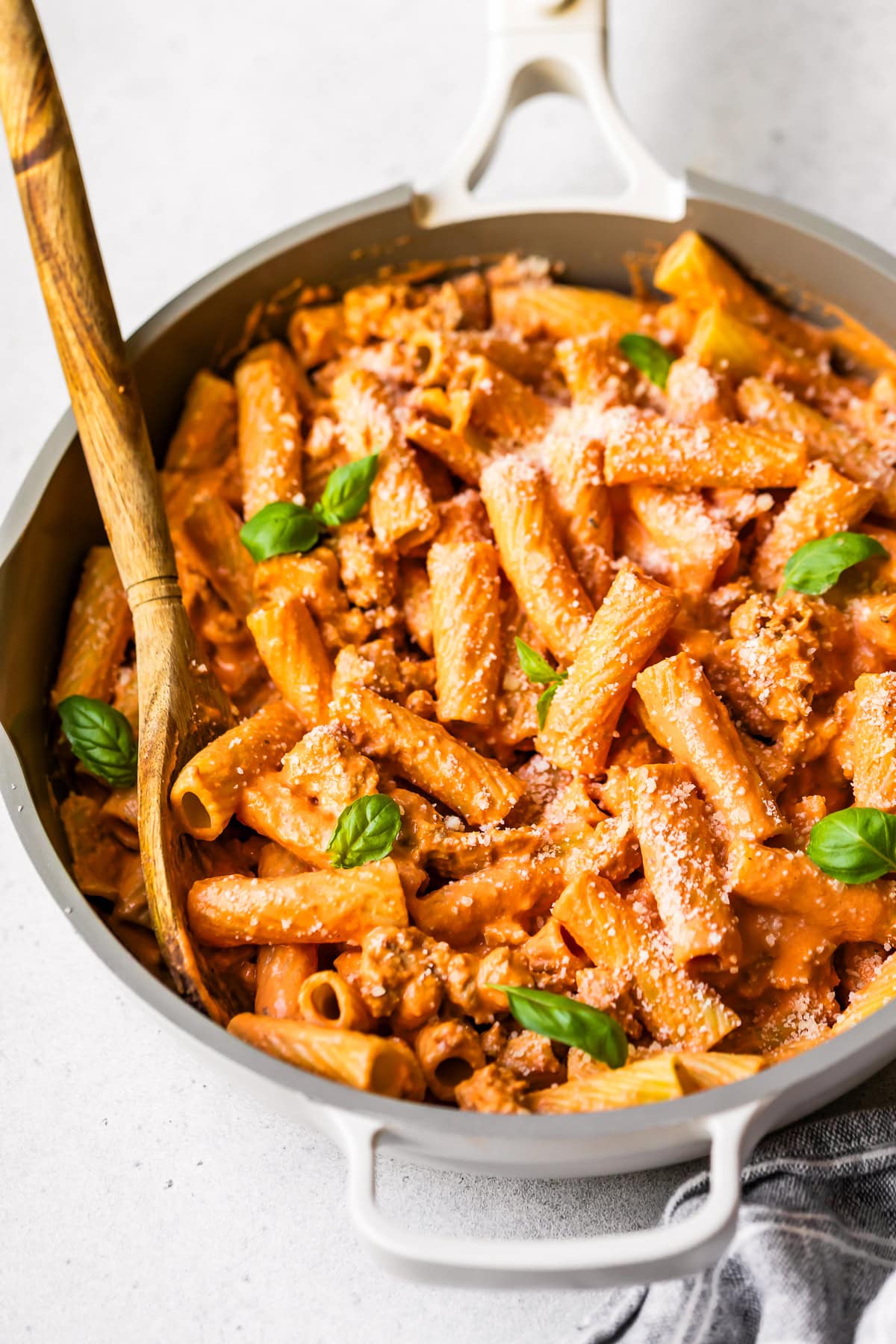
The comparison to vodka sauce is particularly apt, as it speaks to the sophisticated flavor profile and texture achieved by this cottage cheese pasta. Traditional Penne alla Vodka is renowned for its rich, pink sauce, often a harmonious blend of tomato, cream, and a splash of vodka, which is believed to help emulsify the sauce and release additional flavors from the tomato. The cottage cheese rendition, by foregoing heavy cream and alcohol, manages to replicate this desired richness and depth through a clever combination of ingredients and preparation.
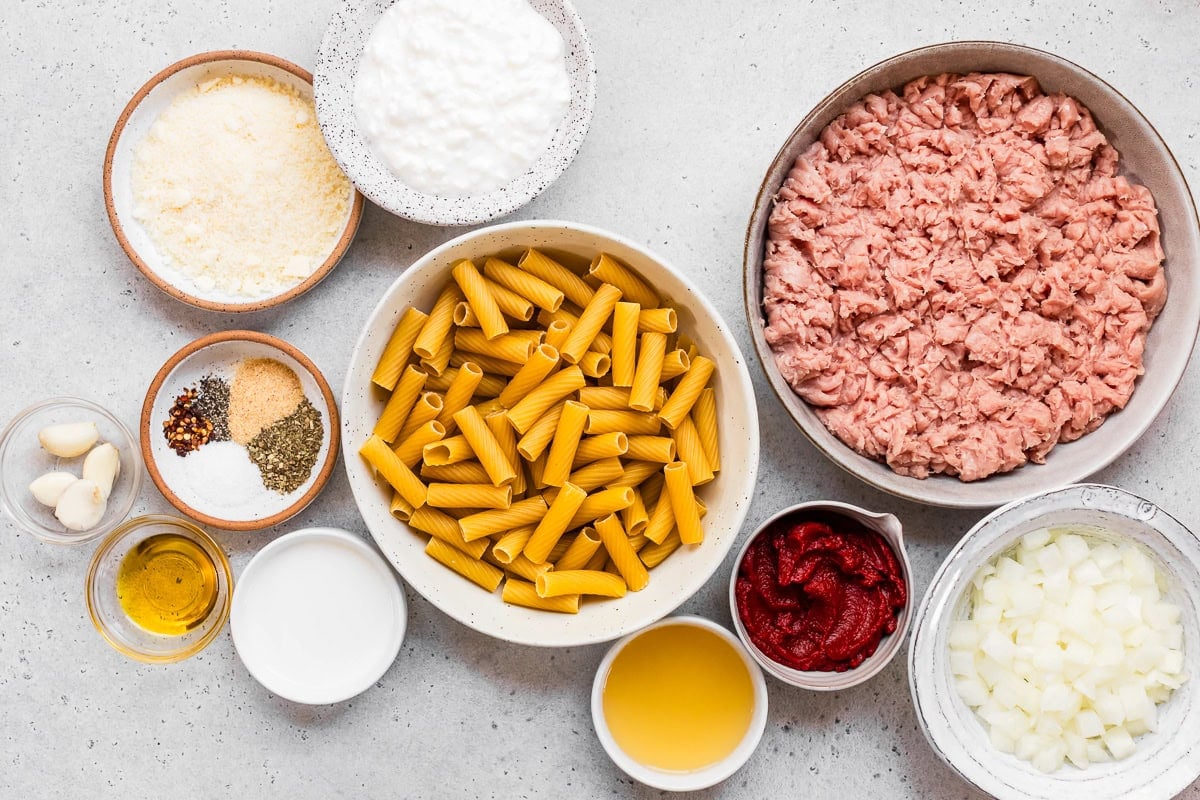
The recipe builds layers of flavor, starting with caramelized onions, which provide a foundational sweetness and umami. Tomato paste, another crucial component, is sautéed to deepen its flavor, transforming it from a bright, acidic paste into a more complex, concentrated essence. Red pepper flakes introduce a subtle warmth and spice, echoing the slight kick often found in a well-made vodka sauce. When these elements are blended with the smooth cottage cheese, along with nutty Parmesan and fresh basil, the result is a sauce that is both hearty and nuanced. The tanginess inherent in cottage cheese, though mild, also contributes to the overall balance, preventing the sauce from becoming overly sweet or flat.

Nutritional Analysis and Health Implications
The detailed nutritional breakdown provided for this High-Protein Cottage Cheese Pasta highlights its significant advantages. With approximately 497 kcal per 2-cup serving, 34.5 grams of protein, and 13 grams of fat (only 4 grams of which are saturated), it presents a compelling case for a healthier main course. Comparing this to a typical serving of creamy pasta with heavy cream, which can easily exceed 700-800 calories, 40-50 grams of fat, and significantly less protein, the health benefits become evident.
The high protein content contributes to increased satiety, meaning one feels fuller for longer, which can be beneficial for weight management. The fiber content, though modest at 3.5 grams, further aids digestive health and contributes to fullness. The controlled levels of sodium (652 mg) and cholesterol (79 mg) are also favorable, especially when considering the typical dietary recommendations for heart health. This dish demonstrates that healthy eating doesn’t necessitate blandness or deprivation but rather intelligent ingredient swaps and thoughtful preparation.
The Art of Preparation: Achieving Culinary Perfection
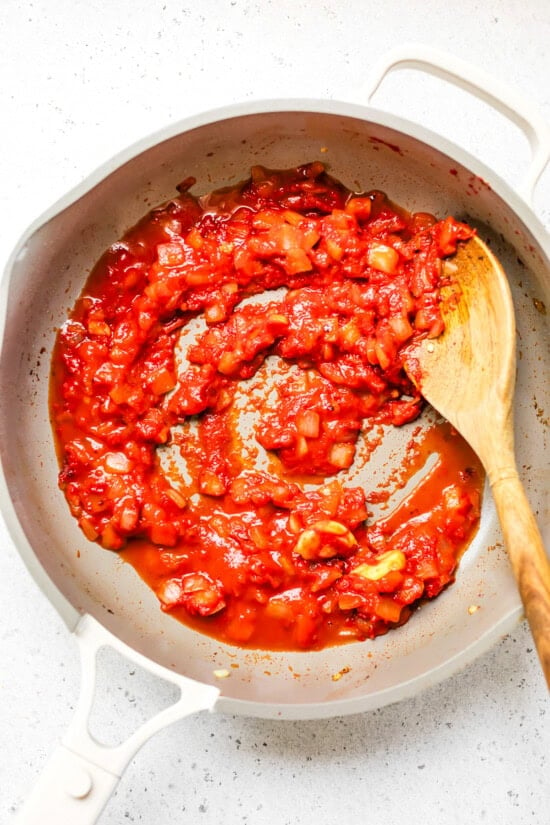
The preparation of this innovative pasta dish is straightforward, making it accessible for home cooks of varying skill levels. The process begins with sautéing the aromatics—onions and garlic—until softened and lightly caramelized, a critical step for developing depth of flavor. The tomato paste is then added and cooked briefly to intensify its sweetness and reduce its raw acidity.
Once these foundational flavors are established, the cooked aromatics and tomato paste are combined with the cottage cheese in a blender. This is where the magic happens; thorough blending is paramount to achieve the desired silky consistency. Any residual curdiness would betray the cottage cheese’s presence and detract from the sauce’s intended texture. After blending to a perfectly smooth consistency, the sauce is gently warmed on the stovetop over low heat. This slow warming allows the flavors to meld and prevents the dairy from separating, ensuring a cohesive and appealing final product. The addition of Parmesan cheese at this stage further enhances the umami, and fresh basil adds a burst of herbaceous freshness just before serving.
Versatility and Customization: Expanding the Recipe’s Potential
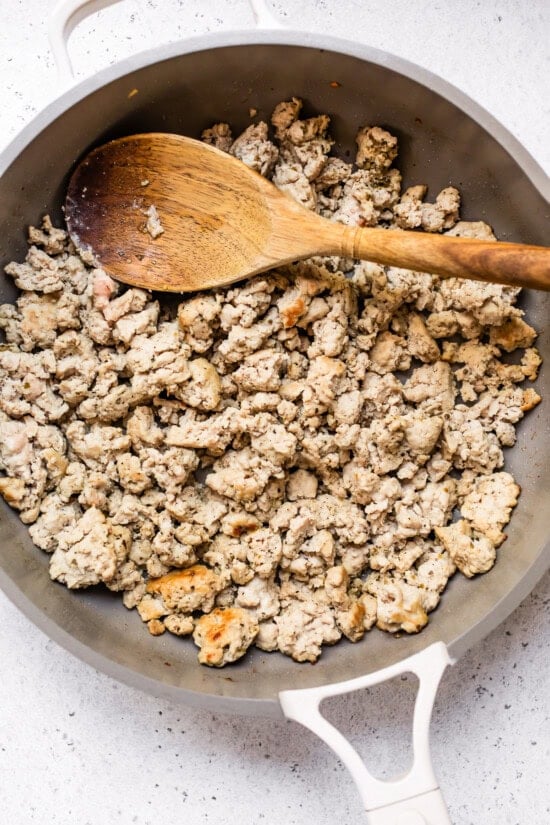
The inherent adaptability of this cottage cheese pasta sauce allows for numerous variations, catering to diverse tastes and dietary preferences. For those seeking to increase the protein content even further or add more substance, incorporating lean ground meats such as turkey, chicken, or even beef is an excellent option. Sautéing the meat separately and then stirring it into the finished sauce ensures it remains tender and flavorful. Similarly, a wide array of vegetables can be integrated, from sautéed mushrooms and spinach to roasted bell peppers or zucchini, enhancing both nutritional value and textural complexity. The choice of pasta is also flexible, with penne or rigatoni often favored for their ability to hold creamy sauces, but any pasta shape can be used. Experimentation with different cheeses, such as a touch of smoked mozzarella or ricotta salata, could also introduce new dimensions of flavor.
Storage, Meal Prep, and Sustainable Eating
Practicality is a significant factor in the success of any recipe, and this High-Protein Cottage Cheese Pasta excels in its suitability for meal prep and storage. The sauce can be prepared in advance and stored separately from the pasta, allowing for quick assembly on busy weeknights. It freezes exceptionally well, maintaining its creamy texture and flavor for up to three months. When reheating from frozen, a splash of water or milk can be added to adjust the consistency if it has thickened too much. This makes it an ideal option for individuals or families looking to streamline their cooking process and ensure healthy meals are readily available. The ability to freeze and reheat also contributes to reducing food waste, aligning with broader trends in sustainable eating and efficient kitchen management.
Addressing Common Queries: Dispelling Doubts
Two common questions often arise regarding this innovative recipe: the taste of cottage cheese and its freezability. As confirmed by the creator, the distinct flavor of cottage cheese is virtually undetectable once blended with the other robust ingredients. Its role becomes purely textural, providing a neutral, creamy base that allows the caramelized onions, tomato paste, garlic, Parmesan, and basil to shine through. This "stealth health" aspect is crucial for winning over skeptics.

Regarding freezing, the sauce holds up remarkably well. Freezing the sauce separately from the pasta is generally recommended to prevent the pasta from becoming mushy upon reheating. However, if freezing the combined dish, adding a little extra liquid during reheating can restore the sauce to its optimal consistency. These practical considerations further solidify the dish’s appeal as a convenient and flexible meal solution.
The Cottage Cheese Renaissance: Beyond Pasta
The success of the High-Protein Cottage Cheese Pasta is indicative of a broader "cottage cheese renaissance" underway in the culinary world. No longer confined to diet plates or simple fruit pairings, cottage cheese is being embraced for its versatility across various meal categories. From protein-packed breakfast bowls and smoothies to savory dips, spreads, and even baked goods, chefs and home cooks are discovering its potential to add nutrition and creamy texture without excessive fat. This renewed appreciation for cottage cheese underscores a larger movement in food culture towards mindful eating, where traditional ingredients are re-evaluated and innovatively integrated into modern diets, offering both health benefits and culinary delight. This pasta dish stands as a testament to this evolving landscape, proving that delicious and comforting food can indeed be both nutritious and surprisingly innovative.
