
The Evolution of Mussels in Global Cuisine
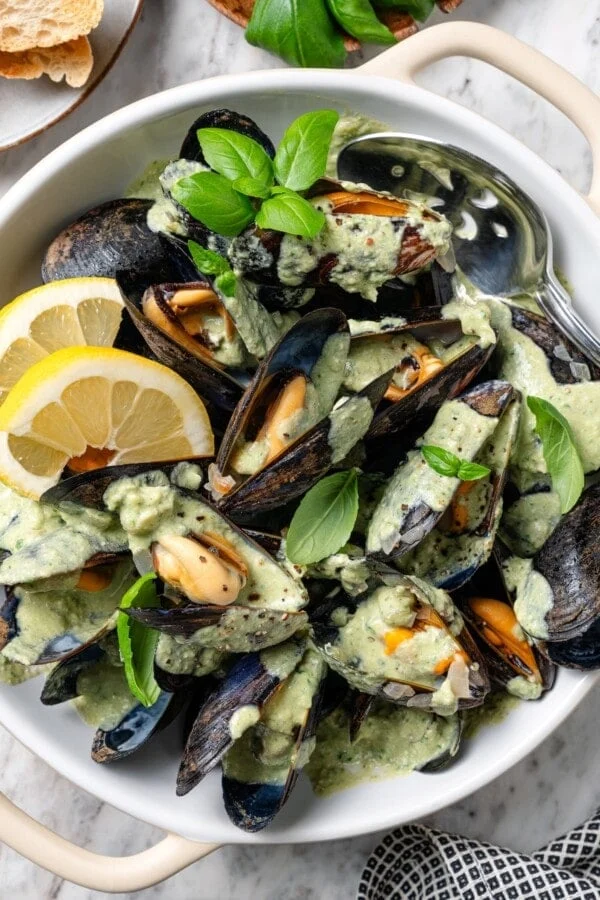
Mussels, bivalve mollusks found in both freshwater and marine environments, boast a rich and diverse culinary history spanning centuries and continents. From the coastal regions of Europe to the shores of North America, these shellfish have been a staple food, prized for their abundance, nutritional value, and distinct flavor. Early culinary uses often involved simple steaming or boiling, reflecting their status as a readily available and inexpensive protein source for coastal communities. Archaeological evidence suggests human consumption of mussels dates back thousands of years, with coastal indigenous populations relying on them as a key food source.
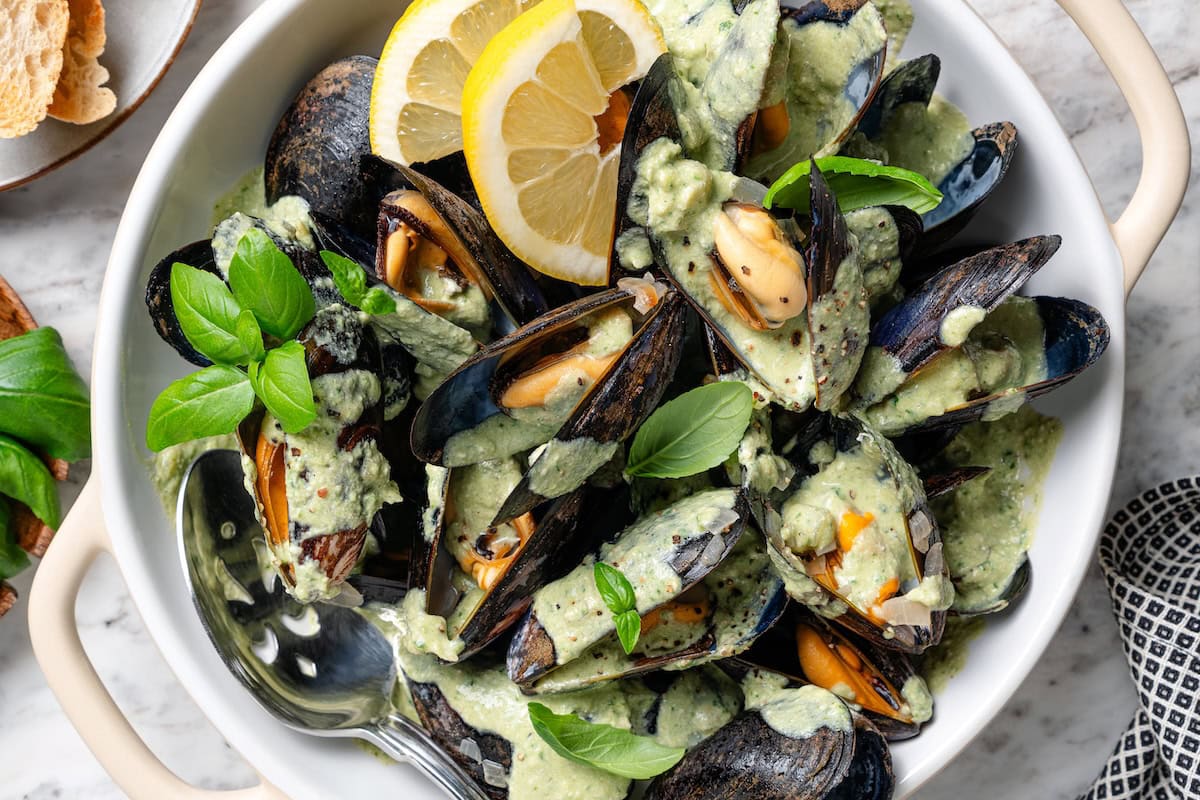
In Europe, mussels gained particular prominence, notably in French and Belgian cuisine. The iconic "Moules Frites"—mussels steamed in white wine, butter, and herbs, served alongside crispy French fries—became a national dish in Belgium and a beloved staple across France. This dish, often associated with seaside bistros and convivial dining, exemplifies how a humble ingredient can be elevated to a cultural touchstone. Similarly, Italian cuisine features dishes like "Cozze alla Marinara," where mussels are prepared in a vibrant tomato-based sauce, often with garlic and parsley, showcasing the versatility of the shellfish in absorbing and enhancing robust flavors. The Spanish "Mejillones a la Marinera" offers another regional variation, typically involving white wine, garlic, and sometimes a hint of paprika or saffron, often served as a popular tapa. Across these diverse culinary traditions, mussels have consistently been celebrated for their briny sweetness and tender texture, making them a desirable ingredient for both everyday meals and celebratory occasions. The recent trend of bringing restaurant-quality mussel dishes into the home kitchen represents a modern continuation of this long and varied culinary journey, democratizing what was once considered a specialized preparation.
The Home Cooking Renaissance and the Quest for Accessible Elegance
The past decade, significantly accelerated by global events that restricted public dining and spurred a renewed focus on domestic activities, has witnessed a remarkable resurgence in home cooking. This "home cooking renaissance" is characterized not merely by a return to basic meal preparation but by an ambitious pursuit of culinary excellence within domestic settings. Home cooks are no longer content with simple, utilitarian meals; instead, they actively seek recipes that offer gourmet flair, innovative flavors, and the profound satisfaction of creating dishes previously reserved for professional chefs or high-end restaurants. Data from food industry reports indicate a significant increase in consumer spending on premium ingredients for home use, alongside a surge in online recipe searches for sophisticated dishes.
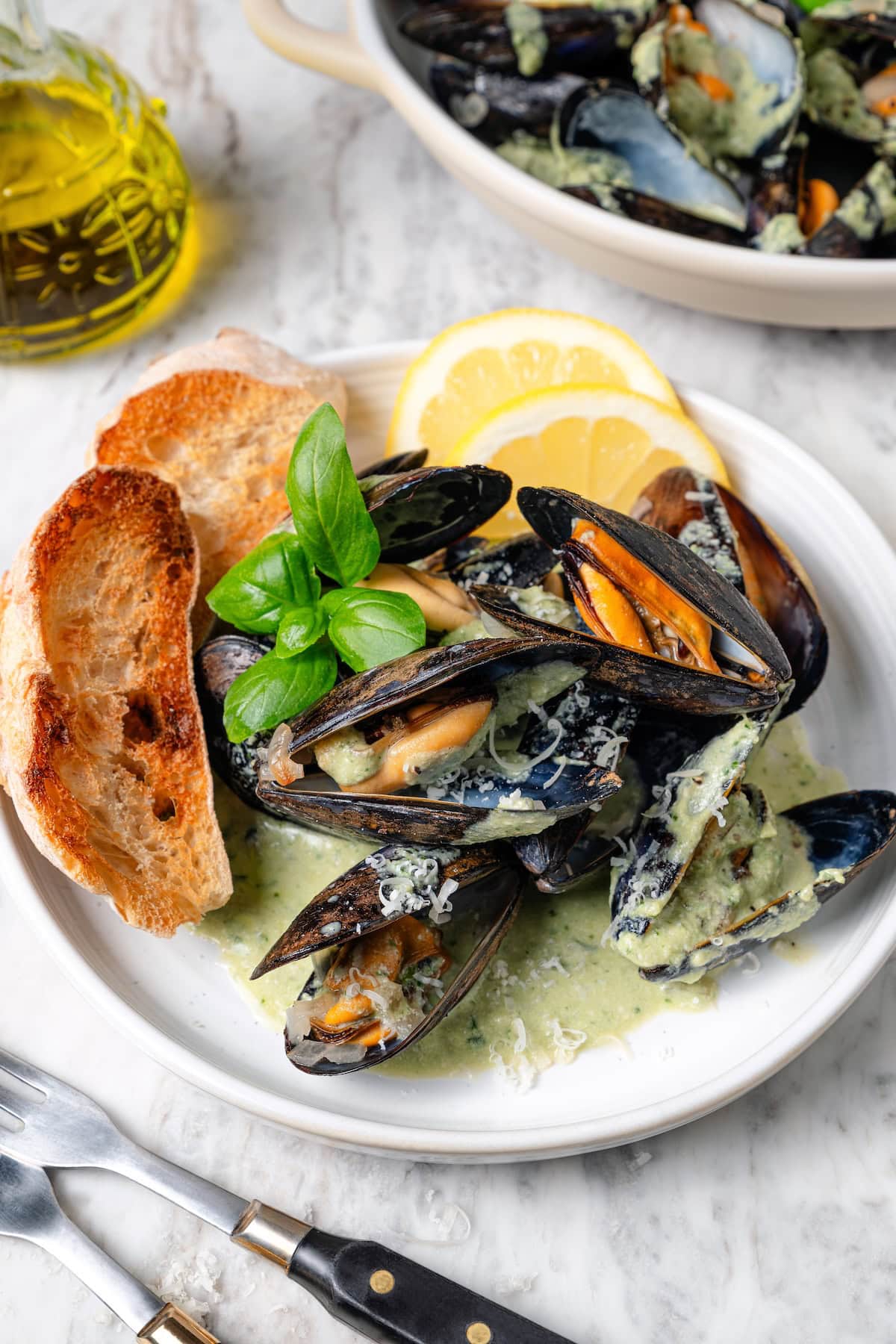
This drive for accessible elegance is fueled by several factors. Economic considerations play a significant role, as preparing meals at home often proves substantially more cost-effective than frequenting restaurants, especially for dishes featuring premium ingredients like seafood. A family of four dining out for a seafood meal might spend upwards of $100-$200, whereas a similar meal prepared at home could cost a fraction of that. Moreover, there is a growing desire for greater control over ingredients, portion sizes, and nutritional content, aligning with broader health and wellness trends. Consumers are increasingly scrutinizing food labels and seeking transparency in their diet. Online platforms, food blogs, and social media have emerged as indispensable resources, democratizing culinary knowledge and providing step-by-step guides to complex preparations. Recipes like the Mussels in Cream Sauce fit perfectly into this paradigm, offering a dish that looks and tastes sophisticated but is remarkably straightforward to execute, thus empowering home cooks to expand their repertoire without intimidation. The ability to prepare an elegant dish like mussels in cream sauce in under 30 minutes, as suggested by the recipe’s timeline, positions it as an ideal choice for both special occasions and elevated weeknight dining.
Nutritional Profile and Economic Benefits of Home-Prepared Mussels
Mussels are not only a delicious culinary choice but also a highly nutritious one, offering a compelling blend of essential vitamins and minerals. They are an excellent source of lean protein, crucial for muscle repair and growth, typically providing around 24 grams of protein per 100-gram serving, making them comparable to lean meats. Mussels are surprisingly low in fat, with most of the fat content being heart-healthy polyunsaturated fatty acids, including beneficial omega-3s. A typical serving provides significant amounts of Vitamin B12, vital for nerve function and red blood cell formation, with some varieties offering over 300% of the daily recommended intake. They are also rich in selenium, a powerful antioxidant that supports thyroid function and immune health. Furthermore, mussels supply substantial amounts of manganese, phosphorus, and zinc, all of which contribute to various bodily functions, from bone health to immune support.

From an economic standpoint, preparing mussels at home offers considerable advantages. While restaurant servings of mussels can command premium prices, often due to labor, overhead, and profit margins, fresh mussels purchased from a seafood market or grocery store are comparatively inexpensive. For instance, a pound of fresh mussels might cost between $4-$8, enough for one to two servings. A typical recipe for three servings, yielding approximately 14 mussels per serving, demonstrates the cost-efficiency. When factoring in the relatively low cost of supporting ingredients such as white wine, fresh herbs, and dairy, the total expenditure for a gourmet meal at home remains a fraction of what a comparable dish would cost in a fine-dining establishment, where a single order could easily exceed $20-$30. This economic benefit, combined with the ability to customize ingredients for dietary preferences or health goals (e.g., using a lighter cream or specific herbs), makes home-prepared mussel dishes an increasingly attractive option for budget-conscious gourmands and health-aware consumers.
The Art of Simplicity: Deconstructing the Mussels in Basil Cream Sauce Recipe
The appeal of the Mussels in Basil Cream Sauce recipe lies in its elegant simplicity, demonstrating that complex flavors do not necessarily require complex techniques. The preparation process, often completed within 30 minutes from start to finish, begins with the careful handling of the mussels themselves. Freshness is paramount, and proper cleaning—scrubbing away any grit and removing the "beard" (byssal threads) with a firm tug—is a crucial initial step. Any mussels that do not close tightly when tapped should be discarded, as this indicates they are not alive and fresh, a critical safety measure in seafood preparation.

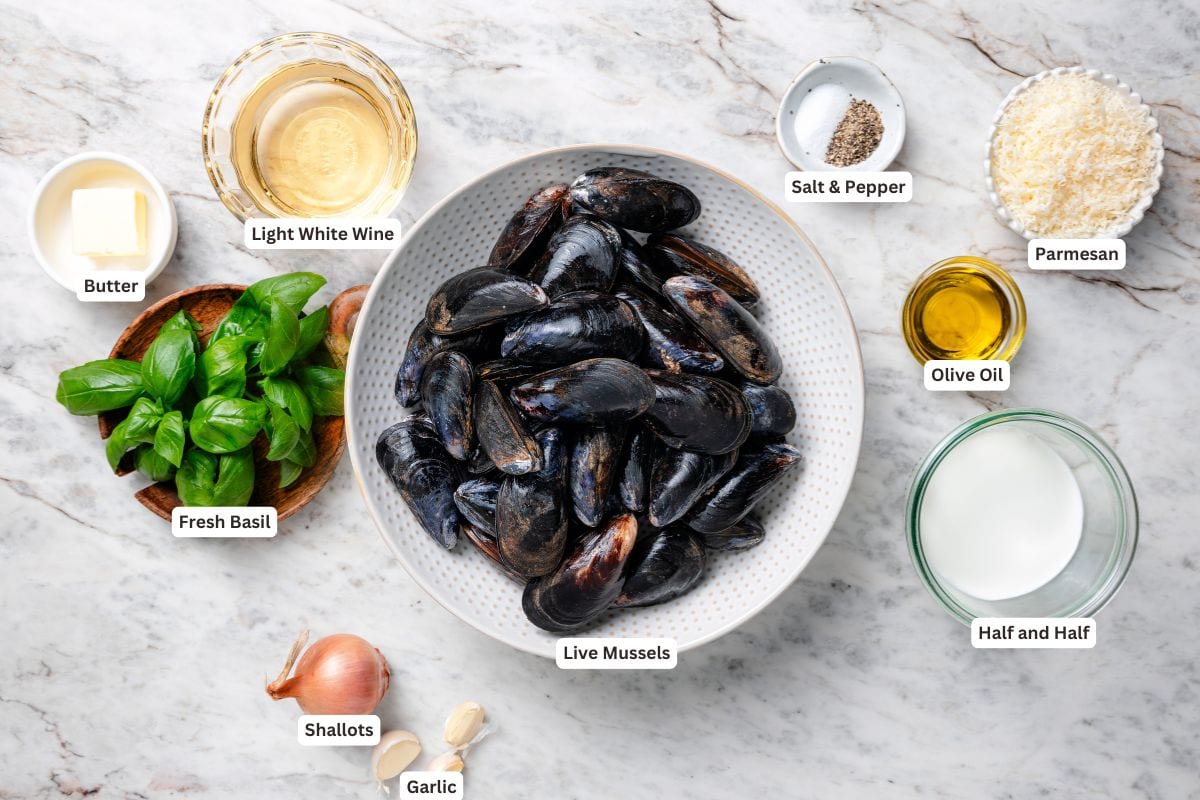
The cooking process typically involves steaming the mussels in a flavorful liquid. In this recipe, white wine serves as the primary steaming agent, infusing the mussels with a delicate aroma and contributing to the overall depth of flavor. This initial steaming takes mere minutes, usually 5-7 minutes, highlighting the rapid cooking time of shellfish and ensuring they remain tender. Once the mussels have opened, they are carefully removed from the pot and set aside, while any unopened mussels are discarded. The focus then shifts to crafting the accompanying cream sauce. This sauce often starts with a base of sautéed aromatics like finely minced garlic, creating a fragrant foundation. The cooking liquid from the steamed mussels, rich in their natural essence, is then carefully strained and incorporated, providing an authentic seafood flavor and depth. To this, a creamy element, such as half-and-half or light cream, is added, providing a luxurious texture without excessive richness. Finally, generous amounts of fresh basil and grated Parmesan cheese are stirred in, imparting vibrant herbal notes and a salty, umami finish. The gentle heat allows the cheese to melt smoothly into the sauce, creating a cohesive and indulgent coating for the tender mussels. This methodical yet swift preparation ensures a dish that is both impressive in its presentation and easily reproducible in its execution. The total preparation time, including ingredient readiness and cooking, often averages 15 minutes for prep and 15 minutes for cook time, making it highly efficient.
Expert Perspectives on Accessible Gourmet Home Cooking
Culinary experts and food industry analysts have widely observed the increasing demand for accessible gourmet recipes, identifying it as a significant trend shaping contemporary dining habits. Dr. Eleanor Vance, a prominent food sociologist specializing in consumer trends, notes, "Recipes like the Mussels in Basil Cream Sauce are more than just meals; they are empowerment tools for the modern home cook. They bridge the gap between aspirational dining and practical execution, fostering confidence and adventurousness in the kitchen, particularly among younger generations who are keen to explore global cuisines." This sentiment is echoed by Chef Julian Thorne, a Michelin-starred restaurateur renowned for his innovative approach, who comments, "The democratization of gourmet cooking is a profoundly positive development. It encourages a deeper appreciation for quality ingredients and proper technique, ultimately elevating the overall culinary literacy of the public. When home cooks can achieve restaurant-quality dishes with relative ease, it creates a more informed and discerning diner, which benefits the entire food ecosystem."
Furthermore, nutritionists commend the trend for promoting healthier eating habits. "By making sophisticated dishes approachable, individuals are more likely to cook at home, reducing reliance on processed foods and frequent restaurant meals that often contain hidden fats, excessive sodium, and larger portion sizes," states Registered Dietitian Sarah Chen. "Mussels, being a lean protein source, fit perfectly into a balanced diet, and when prepared with thoughtful, lighter sauces, they offer both exceptional flavor and significant nutritional benefits without compromising health goals." These expert opinions collectively highlight the multifaceted positive implications of recipes that simplify gourmet cooking, from fostering culinary skill development and confidence to improving public health and encouraging mindful consumption.
Broader Implications for the Food Industry and Consumer Behavior
The widespread adoption of accessible gourmet recipes has significant implications for various sectors of the food industry and for long-term consumer behavior. For seafood suppliers and distributors, the increased interest in dishes like mussels can lead to greater demand for fresh, high-quality shellfish. This potentially encourages more sustainable sourcing practices as consumers become more educated and discerning about their seafood choices, often seeking certifications like those from the Marine Stewardship Council (MSC). Retailers, in turn, may adjust their inventories to stock a wider array of specialty ingredients that support these elevated home cooking trends, such as premium wines for cooking, exotic herbs, and artisanal cheeses.

The impact extends significantly to culinary education and media. Online food platforms, cooking shows, and recipe developers are continuously innovating, striving to present complex dishes in user-friendly formats. This creates a virtuous cycle where accessible recipes inspire more home cooking, which in turn drives demand for more innovative and simplified culinary instruction. Platforms that offer nutritional data, like the 484.5 kcal, 40g protein, and 26g fat per 14-mussel serving provided for this recipe, further empower consumers to make informed dietary choices, moving beyond generic health claims to specific macronutrient breakdowns.
For consumers, the implication is a heightened sense of culinary capability and a greater appreciation for the process of food preparation. It fosters a culture where cooking is viewed not just as a chore but as a rewarding hobby and a form of creative expression. This shift could lead to a permanent change in dining habits, with home-cooked meals becoming a more frequent and cherished part of daily life, even as external dining options remain available. The Mussels in Basil Cream Sauce recipe, in its elegant simplicity and gourmet appeal, stands as a testament to this transformative period in home gastronomy, illustrating how easy access to sophisticated culinary techniques is reshaping how we eat and interact with food. It underscores a future where gourmet meals are no longer confined to exclusive establishments but are a delightful and regular feature of the home dining experience, contributing to both personal well-being and broader cultural enrichment.
