
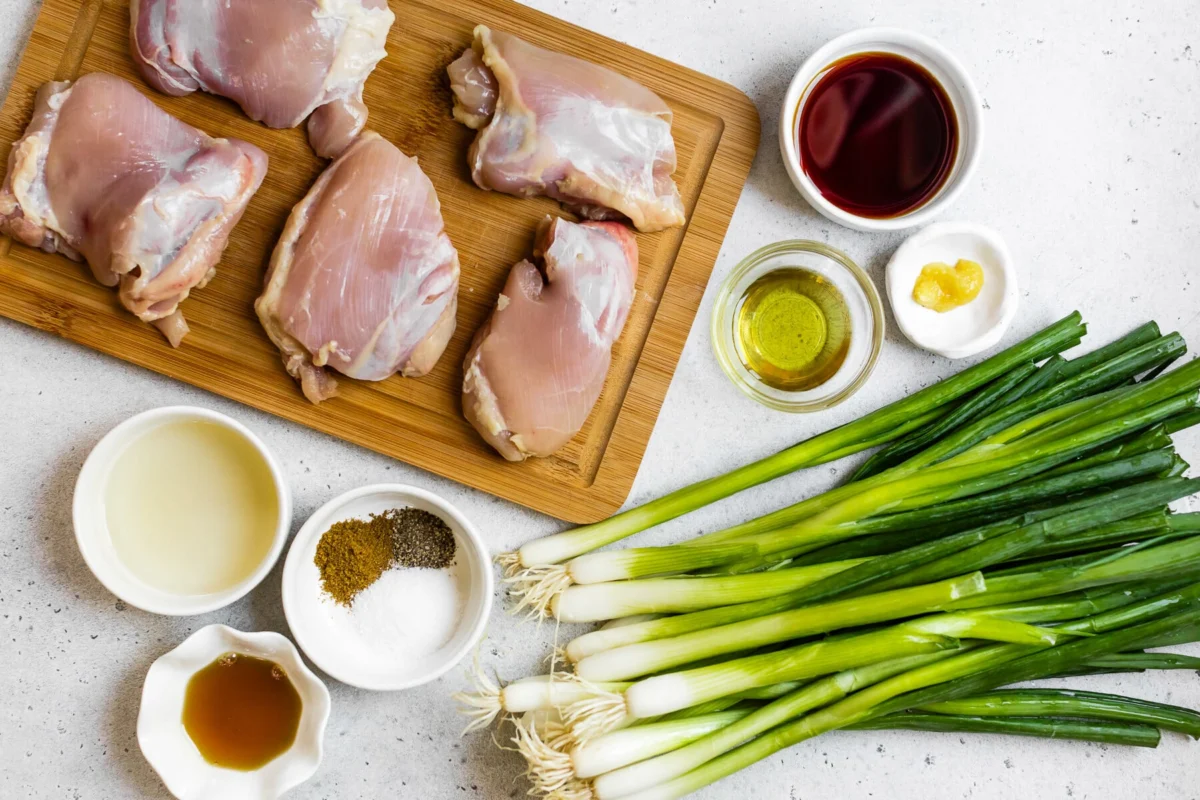
The Allure of Charred Scallions: From Garden to Gourmet Sauce
Central to this dish’s unique appeal is the charred scallion sauce, a testament to how simple ingredients, when treated with thoughtful culinary techniques, can yield extraordinary results. Scallions, also known as green onions, are a staple in numerous global cuisines, particularly East Asian and Southeast Asian culinary traditions, where they are prized for their mild oniony flavor and vibrant green hue. Historically, scallions have been cultivated for millennia, with evidence of their use tracing back to ancient China. Their versatility in raw applications, as a garnish or an aromatic base, is well-documented, but their transformation under direct heat reveals a different, more complex character.
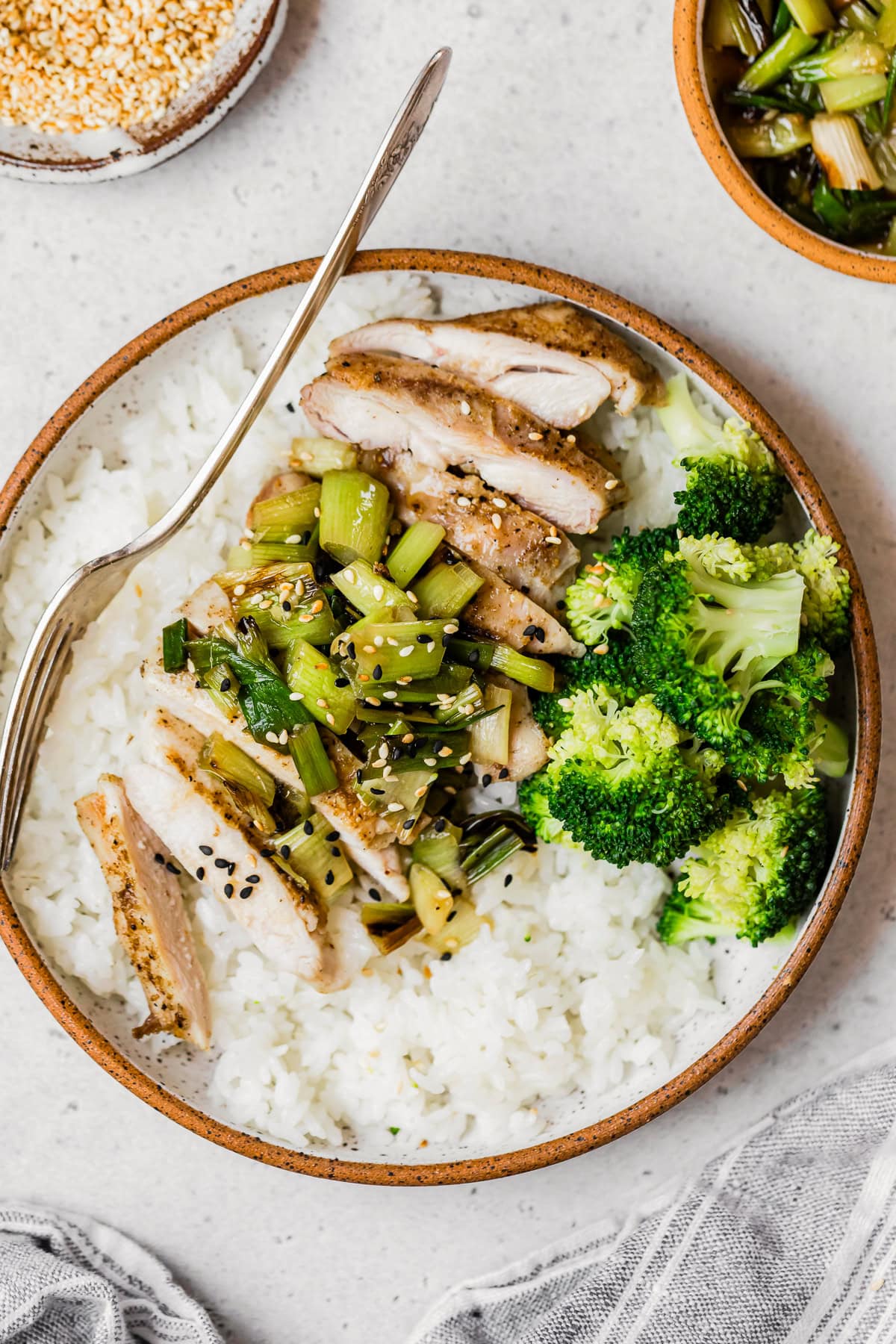
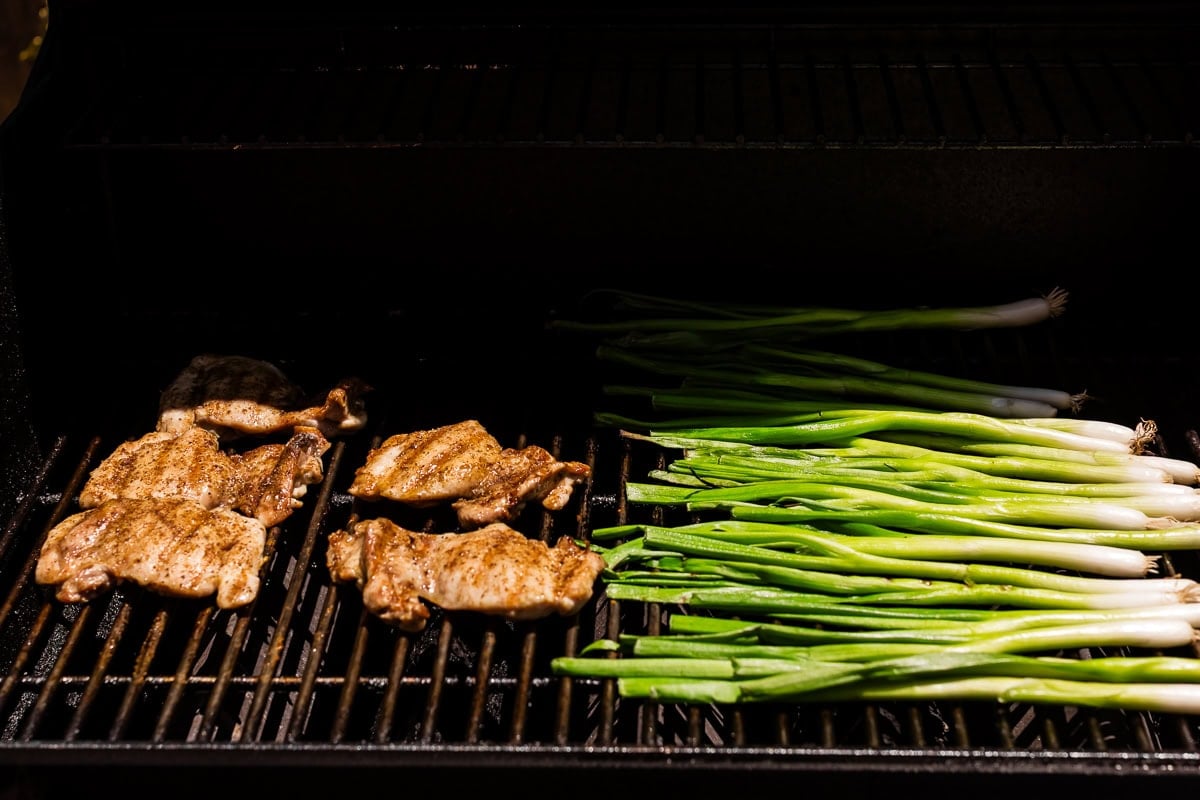
When scallions are exposed to the high heat of a grill, a fascinating chemical process known as the Maillard reaction occurs, alongside caramelization. This process deepens their natural sugars, breaking down some of their more pungent sulfur compounds and resulting in a remarkable mellowing and sweetening of their flavor. The charring imparts a distinctive smoky note, adding layers of complexity that a raw scallion simply cannot offer. This smoky sweetness forms the backbone of the sauce, providing a foundation that is both robust and delicate. Culinary experts often point to this technique as a prime example of elevating everyday vegetables through intelligent cooking, transforming a humble ingredient into a star component. The charred scallions, once blended, create a verdant, aromatic base that encapsulates the essence of summer grilling. This method not only enhances flavor but also offers a textural richness, as the softened fibers integrate smoothly into the sauce, contributing to a more refined gastronomic experience.
Boneless Chicken Thighs: The Epitome of Grilling Versatility
The choice of boneless, skinless chicken thighs as the protein component is equally strategic and reflects a broader shift in consumer preferences. For decades, chicken breast dominated the lean protein market, often favored for its low-fat content. However, in recent years, there has been a significant resurgence in the popularity of chicken thighs. Data from various food industry reports indicate a steady increase in demand for chicken thighs, with consumers appreciating their inherent juiciness and richer flavor profile compared to chicken breast. This trend is driven by several factors: chicken thighs are less prone to drying out during cooking, making them more forgiving for home cooks, especially on the grill where precise temperature control can be challenging. Their higher fat content, while still moderate, contributes to a more succulent mouthfeel and carries flavor more effectively.

Nutritionally, boneless chicken thighs offer a robust source of lean protein, essential for muscle repair and growth, along with vital B vitamins (like niacin and B6) and minerals such as phosphorus and selenium. While slightly higher in fat and calories than chicken breast, they remain a healthy option, particularly when the skin is removed. The ease with which boneless thighs absorb marinades and sauces makes them an ideal canvas for vibrant flavors, such as the charred scallion dressing. Their uniform thickness, especially when slightly flattened, allows for even cooking and appealing grill marks, enhancing both the visual and sensory experience of the dish. This adaptability makes them a preferred choice for recipes aiming for both health and indulgence, aligning with contemporary dietary recommendations that emphasize lean protein and balanced nutrition.
The Symphony of Sauce: Ginger, Soy, and Vinegar
Beyond the charred scallions, the sauce is meticulously crafted to complement the chicken and highlight the unique characteristics of its primary ingredient. The inclusion of soy sauce introduces a deep umami richness and savory depth, a cornerstone of East Asian flavor profiles. Soy sauce, fermented from soybeans, wheat, salt, and water, has a history spanning over two millennia and is revered for its ability to enhance and balance flavors in a dish. Its saltiness is crucial for seasoning, while its complex flavor compounds contribute a layer of sophistication, creating a profound savory backbone for the sauce.

Rice vinegar, another essential component, provides a gentle tang and acidity, cutting through the richness of the chicken and balancing the savory notes of the soy sauce. Originating in Asia, rice vinegar is milder and slightly sweeter than many Western vinegars, making it an excellent choice for a nuanced sauce that aims for freshness rather than sharp acidity. This acidic element also brightens the overall flavor profile, creating a more dynamic taste experience that stimulates the palate.
Fresh ginger, with its pungent, spicy, and aromatic qualities, adds a vibrant kick and a distinctive warmth to the sauce. Ginger has been a prized spice and medicinal herb for thousands of years, particularly in Asian cultures. Its sharp, citrusy notes provide a refreshing counterpoint to the smoky scallions and savory soy, tying all the flavors together in a cohesive and memorable way. The combination of these ingredients — the smoky-sweet scallions, umami-rich soy, tangy rice vinegar, and pungent ginger — creates a multifaceted sauce that is both simple in its composition and complex in its flavor delivery. A touch of sesame oil, typically added at the end, introduces a nutty aroma and silky texture, rounding out the sauce with an extra layer of richness and depth, culminating in a truly balanced and engaging condiment.
Grilling Trends and the Modern Home Cook
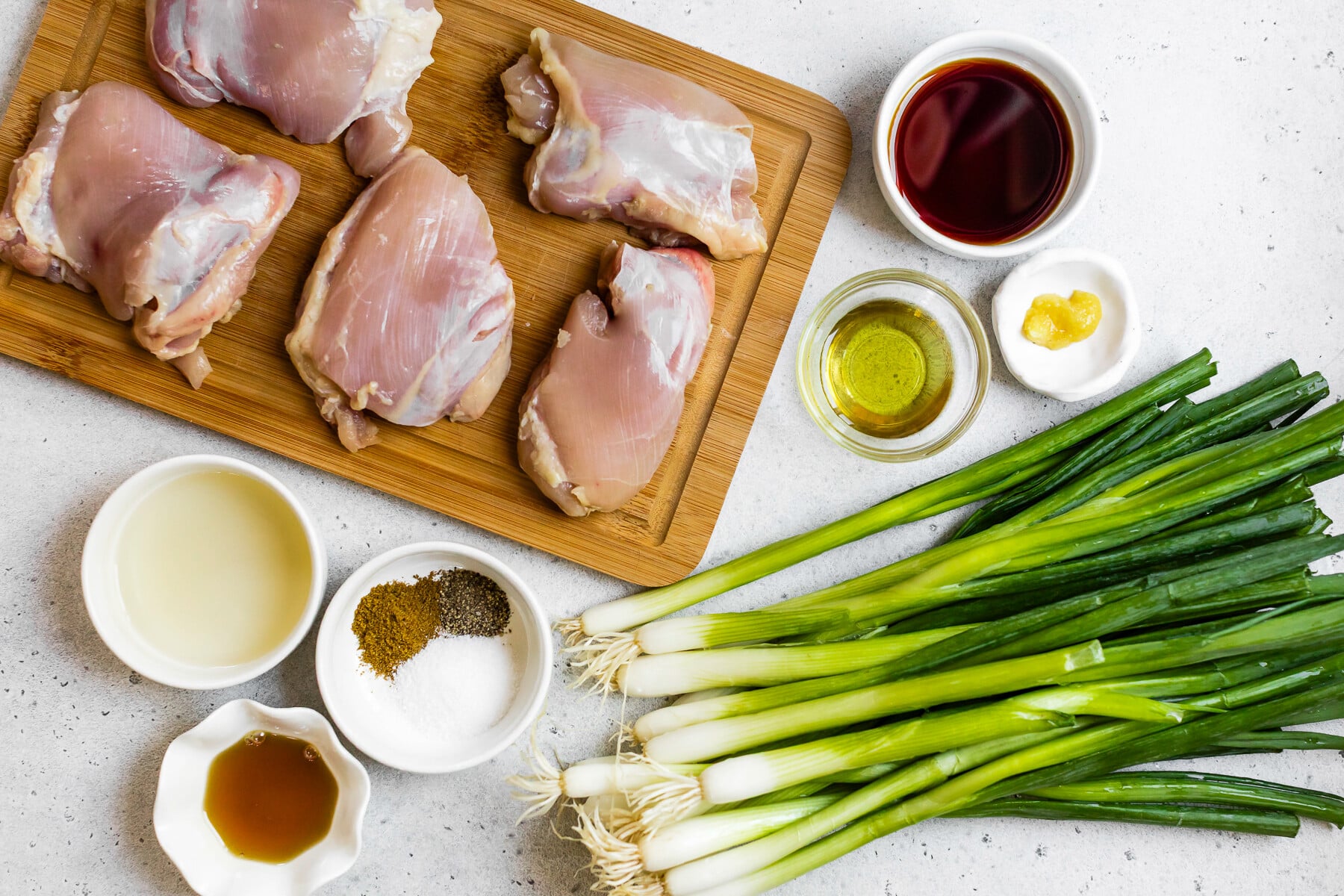
The preparation method — grilling — is integral to the dish’s identity and speaks to broader culinary trends. Grilling has long been a beloved summer pastime, synonymous with outdoor gatherings and the distinct smoky flavors imparted by open flames. However, modern grilling has evolved beyond just steaks and burgers. There’s an increasing emphasis on grilling vegetables, fruits, and leaner proteins, often incorporating global flavors and lighter preparations. This recipe perfectly aligns with this trend, offering a fresh take on grilled chicken that is both healthy and exciting.
The ease of grilling boneless chicken thighs, combined with the quick preparation of the sauce, caters to the demands of contemporary home cooks who seek efficient yet impressive meal solutions. The reported "prep: 5 minutes, cook: 15 minutes, total: 20 minutes" timeline underscores the broader appeal of quick-cook recipes in today’s fast-paced lifestyle, where time constraints often dictate meal choices. Even for those without an outdoor grill, the adaptability of the recipe to indoor cooking methods, such as a grill pan or cast-iron skillet, ensures its accessibility, reflecting a pragmatic approach to cooking that values convenience without sacrificing quality. This flexibility is a key factor in the widespread adoption of such recipes, making gourmet-style meals achievable for a wider demographic regardless of their kitchen setup.
Nutritional Profile and Dietary Adaptability

From a nutritional standpoint, the dish presents a well-balanced meal option. With chicken thighs providing lean protein, the scallions and ginger offering vitamins and antioxidants, and the overall preparation focusing on fresh ingredients, it fits well within various healthy eating guidelines. A typical serving, as described in nutritional data for similar preparations, offers approximately 264 kcal, 34g of protein, and 13g of fat, making it a satiating and energy-sustaining choice. The relatively low carbohydrate count (2g) and sugar content (0.5g) further enhance its appeal for those monitoring carbohydrate intake or seeking lower-sugar options, aligning with prevalent public health recommendations for reduced sugar consumption.
The dish’s inherent versatility allows for easy adaptation to different dietary preferences. For instance, serving it as "chicken rice bowls" with steamed vegetables provides a complete meal with complex carbohydrates and additional nutrients. For individuals following a low-carb regimen, substituting traditional rice with cauliflower rice or simply doubling the accompanying greens transforms it into a satisfying and compliant meal. This adaptability is a hallmark of successful modern recipes, catering to a diverse audience with varying dietary needs and health goals. Food bloggers and culinary platforms often highlight such flexibility as a key feature, enabling wider adoption and appreciation of the dish by making it relevant to a broader segment of the population.
From Kitchen to Table: Serving Suggestions and Culinary Versatility
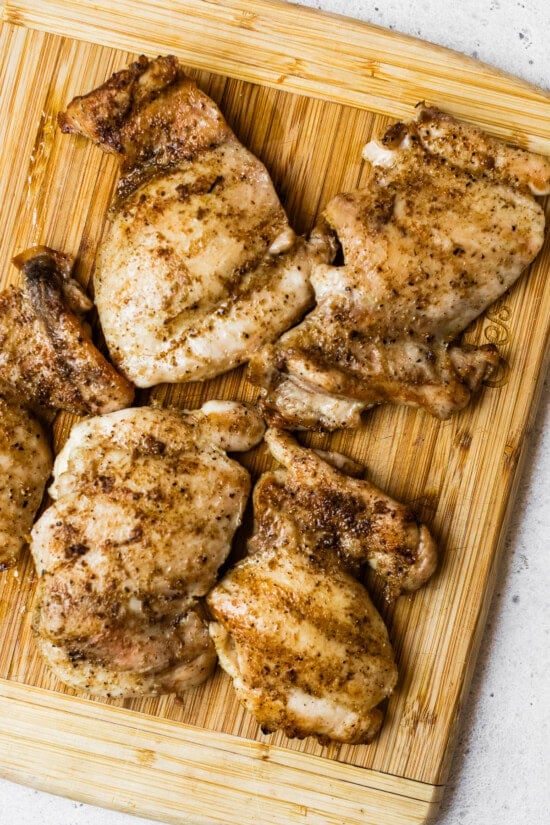
The versatility of grilled boneless chicken thighs with charred scallion sauce extends beyond dietary adaptations to a range of serving possibilities. While classic pairings include steamed white or brown rice and a side of crisp-steamed broccoli or mixed greens, the dish can also inspire more creative culinary exploration. For a more substantial meal, consider pairing it with a quinoa salad featuring fresh herbs, or a roasted sweet potato for a touch of natural sweetness. The sauce itself is not limited to chicken; its vibrant flavor profile makes it an excellent accompaniment for grilled fish, tofu, or even as a dressing for a vibrant noodle salad, demonstrating its broad applicability across various protein and carbohydrate bases.
The dish’s simplicity also makes it an ideal candidate for meal prepping. The chicken can be grilled in advance and stored, and the sauce can be prepared and refrigerated, allowing for quick assembly during busy weekdays. This practical aspect contributes significantly to its overall appeal as a contemporary family meal solution, addressing the common challenge of balancing healthy eating with demanding schedules. The visual appeal, with golden-brown chicken and a verdant sauce, also makes it suitable for entertaining, demonstrating that healthy and simple can also be elegant and impressive, capable of delighting guests with minimal effort.
The Broader Impact on Contemporary Cuisine
The recipe for grilled boneless chicken thighs with charred scallion sauce is more than just a meal; it embodies several broader trends shaping contemporary cuisine. It signifies a move towards ingredient-focused cooking, where the natural flavors of high-quality produce and proteins are celebrated and enhanced, rather than masked. It reflects the increasing global palate of home cooks, who are confidently incorporating diverse flavors and techniques from around the world into their everyday cooking. The Asian-inspired flavor profile, with its emphasis on umami, acidity, and fresh aromatics, resonates deeply with current culinary preferences and illustrates a growing appreciation for international culinary traditions.
Furthermore, it speaks to the ongoing demand for recipes that offer a balance of health, flavor, and convenience. In an era where consumers are increasingly health-conscious but also time-poor, dishes that deliver on all three fronts are highly valued. This recipe’s ability to be prepared relatively quickly, offer significant nutritional benefits, and deliver a truly delicious experience positions it as an exemplar of modern culinary success. It underscores the idea that sophisticated dining experiences are no longer confined to restaurants but are readily achievable in the home kitchen, empowering everyday cooks to explore and create. The proliferation of such recipes through digital platforms like food blogs reinforces this shift, making gourmet-quality meals accessible to a wider audience and continually pushing the boundaries of what is considered "home cooking." This dish, therefore, stands as a delicious and informative marker of current food culture, marrying tradition with innovation and practicality with pleasure.
