
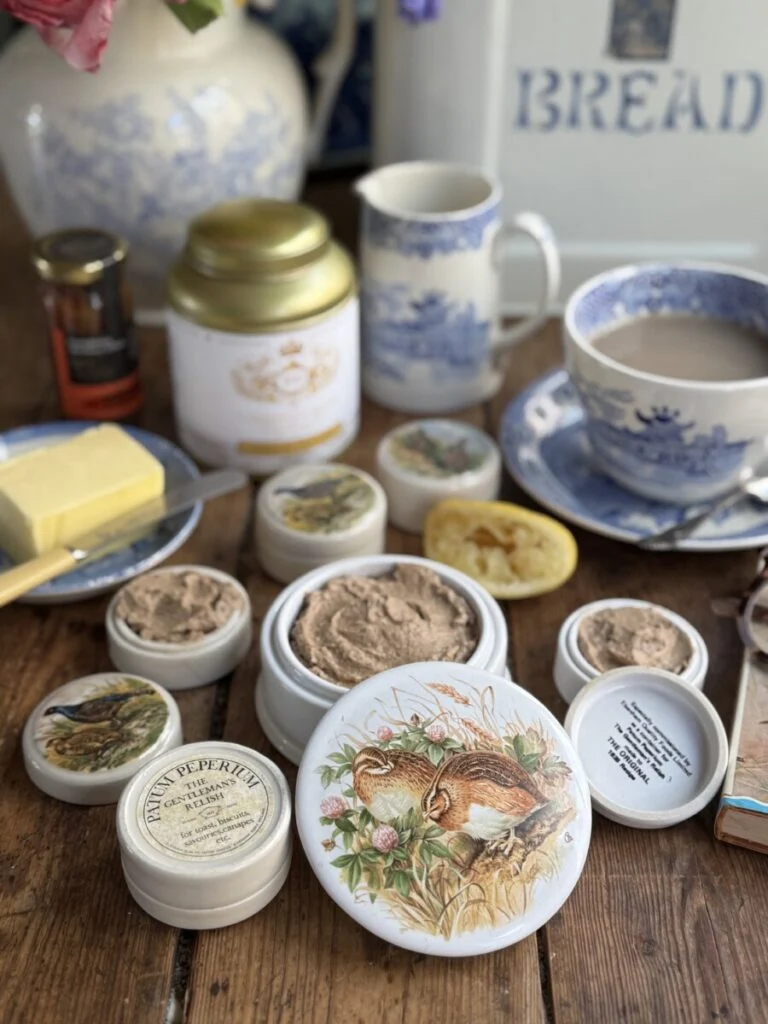
The culinary world has been abuzz recently with news concerning Patum Peperium, more famously known as Gentleman’s Relish, a revered British anchovy spread with a history stretching back to the early 19th century. Initially facing discontinuation by its manufacturer, AB World Foods, the announcement sparked a wave of dismay among its loyal following, prompting a potential reversal of the decision. This development highlights the challenges faced by niche heritage brands in a rapidly evolving market and underscores the profound connection consumers have with traditional food items.

The Storied Legacy of Gentleman’s Relish
Patum Peperium, a name derived from mock-Latin for "pepper pâté," was first concocted in 1828 by the enterprising John Osborn. It made its public debut at the prestigious Paris Food Show in 1849, quickly establishing itself as a staple of the Victorian gentleman’s pantry. Characterized by its intensely pungent, spicy, and salty profile, this anchovy-based paste became synonymous with sophisticated breakfasts and light repasts, typically spread sparingly on hot, buttered toast. Its unique flavour, a potent blend of anchovies, butter, a secret mix of herbs, and spices, garnered a devoted, albeit niche, following over its nearly two-century existence. For many, including the author’s family, it represents a cherished taste, a culinary link to tradition and a bygone era.

The Discontinuation Announcement and Immediate Aftermath
In early April 2026, AB World Foods, the company responsible for its production, delivered the unsettling news that Gentleman’s Relish would be discontinued. The company cited commercial unviability as the primary reason. In an official statement, AB World Foods explained, "While we recognise that this Victorian relish has a niche and loyal following, it sadly does not have wider commercial appeal and, despite our best efforts, retailer distribution has dwindled." The statement further elaborated, "With Gentleman’s Relish no longer commercially viable and unable to secure a buyer for the brand, we regrettably stopped production earlier this year."

The impact of this announcement was immediate and palpable. Online retailers, sensing the impending scarcity, quickly sold out of existing stock, leaving many enthusiasts without their beloved condiment. The news resonated deeply within culinary circles and among the general public, sparking widespread lament over the potential loss of such a distinctive British product.
Public Outcry and Notable Reactions

The decision to cease production of Gentleman’s Relish ignited a significant public outcry, demonstrating the powerful emotional attachment consumers hold for heritage brands. Social media platforms and food forums buzzed with expressions of disappointment and calls for the brand’s preservation. The sentiment was not confined to everyday consumers; prominent figures within the gastronomic world also voiced their concern. Jeremy King, the celebrated restaurateur who recently reopened Simpson’s in the Strand – a London institution known for its commitment to classic British cuisine – responded swiftly. He reportedly instructed his chefs to develop their own version of the anchovy condiment, ensuring its presence on his establishment’s menu, a testament to its cultural importance.
The author of this article, herself a long-time admirer of Gentleman’s Relish, shared in the collective disappointment. Her personal connection, rooted in her family’s enjoyment of the spread, spurred her to action. Having previously faced its unavailability during her time living in France, she had developed her own recipe years prior. This personal history positioned her to offer a solution to the growing community of relish-deprived enthusiasts.

A Glimmer of Hope: Potential Reversal
The sheer volume and intensity of public sentiment did not go unnoticed by AB World Foods. In a remarkable turn of events, the company issued a subsequent statement, indicating a potential reversal of its earlier decision. "We have been blown away by the response from Gentleman’s Relish fans since we confirmed our decision to stop production. We are grateful to everyone who has taken the time to get in touch," a spokesperson for AB World Foods announced. Crucially, the statement added, "Given this strength of feeling, we are pleased to say that we are at the early stages of exploring options with several third parties who have expressed an interest in taking the brand forward." This development offered a ray of hope that the iconic spread might yet endure, potentially under new stewardship. The outcome of these "early discussions" is eagerly awaited by its devoted fanbase.

The Art of Revival: Crafting Homemade Gentleman’s Relish
In the interim, while the future of the commercial product hangs in the balance, homemade alternatives provide a comforting solution for aficionados. The author, drawing on her past experience and a recipe she first shared on the now-defunct RecipeZaar platform in 2012, has resurrected her own version of Patum Peperium. Her recipe aims to replicate the essence of the original, offering a viable and accessible method for home cooks to enjoy this unique spread.

The core ingredients remain faithful to the spirit of Gentleman’s Relish: anchovies, butter, breadcrumbs, and a blend of spices including black pepper, cayenne, and nutmeg. The preparation, while traditionally involving a mortar and pestle for pounding the anchovies and butter into a smooth paste, can be efficiently achieved using a small food processor. This modern adaptation streamlines the process without compromising the texture. The author’s recipe also introduces a subtle modification: the inclusion of capers, which she notes contribute a "more piquant taste" that "worked beautifully."
A key observation regarding the homemade version is its visual difference from the commercially produced relish. The author notes that her homemade spread is typically paler than the original, attributing this to the commercial manufacturing process likely involving a heating stage before cooling, which can deepen the color. Despite this aesthetic variance, she assures readers that the homemade rendition delivers a "fabulous recipe" that is "very much like the original spread."

Culinary Versatility and Enjoyment
Gentleman’s Relish, whether homemade or commercially produced, is celebrated for its versatility, albeit within a specific culinary niche. Its most classic application is a thin spread on hot, buttered toast, where the warmth gently melts the butter and releases the complex aromas of the anchovies and spices. It can be enjoyed on both white and brown bread, emphasizing that the key is the "sparingly" spread application due to its inherent pungency and saltiness.

Beyond toast, its robust flavour profile makes it an excellent enhancer for other dishes. It is a traditional accompaniment to scrambled eggs, adding a rich, savoury depth. Furthermore, its umami-rich character lends itself well to savoury sauces, stews, and casseroles, where a small amount can impart a significant "kick" and elevate the overall flavour. The relish is stored covered and chilled, ready to be deployed for a quick, flavourful snack or a sophisticated culinary accent.
Broader Implications for Heritage Brands and Culinary Preservation

The saga of Gentleman’s Relish serves as a microcosm for the broader challenges confronting many heritage food brands. In an era dominated by mass-market appeal and evolving consumer tastes, products with a "niche and loyal following" often struggle to maintain commercial viability and widespread retail distribution. The discontinuations of other beloved British staples, such as Bath Olivers biscuits, underscore this trend. The author expresses a similar concern for Geo Watkins’ mushroom ketchup and anchovy sauce, hoping they do not meet a similar fate.
The outpouring of support for Gentleman’s Relish, however, also demonstrates the enduring power of consumer advocacy and the deep cultural significance embedded in traditional food items. It highlights a collective desire to preserve culinary heritage, even in the face of commercial pressures. The potential reversal by AB World Foods indicates that public sentiment can indeed influence corporate decisions, particularly when a product holds a special place in the hearts and palates of its consumers.

Ultimately, the story of Patum Peperium is one of resilience. Whether through the continued efforts of a commercial entity or the passionate dedication of home cooks recreating cherished recipes, the legacy of this unique Victorian relish appears set to endure. It’s a reminder that some flavours are simply too vital to British culinary identity to be lost to time.
