
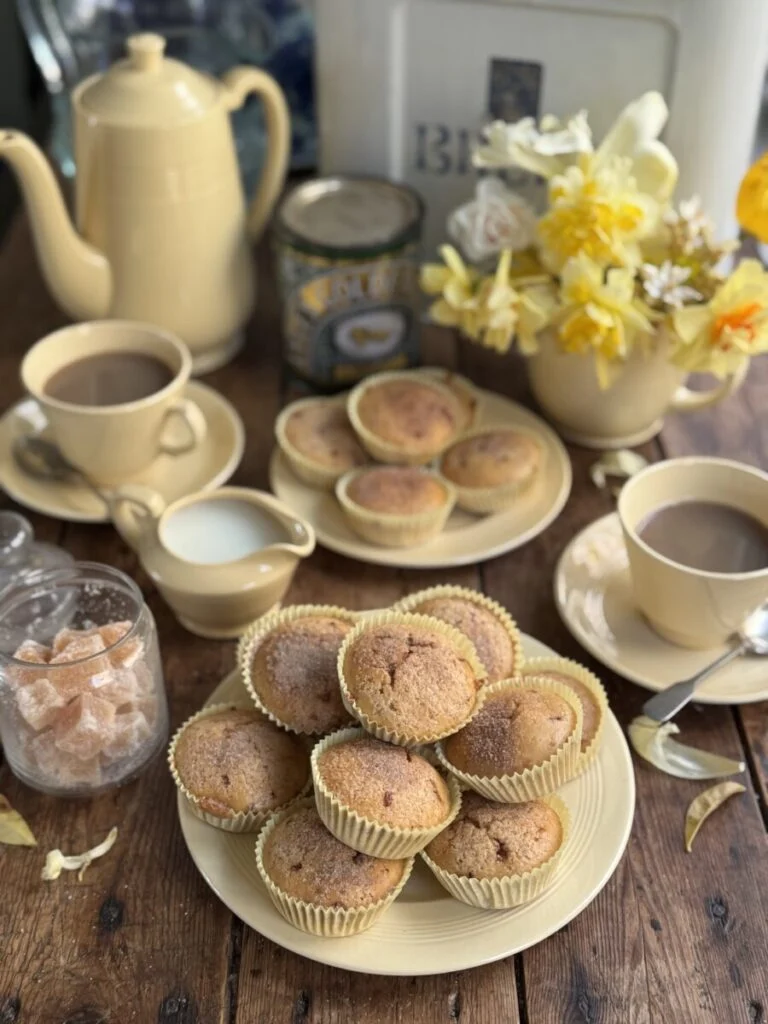
The unveiling of a century-old recipe for "Afternoon Tea Cakes with Golden Syrup" by culinary historian Karen Burns-Booth marks a significant moment for enthusiasts of culinary heritage and traditional British baking. Dated to April 25, 2026, the recipe, sourced from a vintage Lyle’s Golden Syrup booklet, offers a direct link to the domestic kitchens of 1926, providing a tangible glimpse into the baking practices and tastes of a bygone era. This specific formulation, celebrating its centenary, highlights the enduring appeal of simple, comforting individual cakes, often referred to as fairy cakes or buns, which remain a staple of British afternoon tea culture.

Historical Context: A Century of Sweetness and Tradition
The year 1926, from which this recipe originates, places it firmly in the interwar period, a time of significant social and economic change in Britain. Following the First World War, households often sought economical yet satisfying ways to entertain and provide treats for their families. Baking at home was a widespread practice, and recipe booklets distributed by prominent food manufacturers played a crucial role in disseminating culinary knowledge and promoting their products. Lyle’s Golden Syrup, established in 1883, was already a household name by the 1920s, renowned for its distinctive golden hue and rich, buttery caramel flavour. The brand’s iconic green and gold tin, featuring a lion carcass swarming with bees and the motto "Out of the strong came forth sweetness," holds a Guinness World Record for the world’s oldest brand packaging. Its consistent presence in British kitchens for decades solidified its position as a go-to sweetener for everything from flapjacks to, as this recipe attests, delicate tea cakes.

The concept of afternoon tea itself had long been ingrained in British society by the 1920s, evolving from its aristocratic origins in the mid-19th century into a more widely accessible ritual. While grand affairs might feature elaborate tiered stands with savouries, scones, and a variety of elaborate pastries, home-baked "buns" or "fairy cakes" were a common and cherished component of everyday tea trays. These small, easily portioned cakes offered a delightful complement to a cup of tea, providing a moment of respite and indulgence. The recipe’s inclusion of golden syrup as a primary sweetener would have been both practical and flavourful, contributing moisture and a distinctive richness that sugar alone might not achieve.
The Recipe: Simplicity, Adaptability, and Enduring Appeal

The "Afternoon Tea Cakes with Golden Syrup" recipe is characterized by its straightforward approach, a hallmark of many vintage domestic recipes. It calls for fundamental baking ingredients, making it accessible to home cooks without requiring specialized equipment or exotic components. The original recipe specifies golden syrup and crystallised ginger, a combination that offers a warm, subtly spicy flavour profile. Ginger, a popular spice throughout British culinary history, would have added a piquant counterpoint to the syrup’s sweetness, creating a sophisticated yet comforting treat.
A key feature of such vintage recipes is their inherent adaptability. Burns-Booth notes that if ginger is not preferred, particularly for younger palates, it can be readily substituted with raisins or currants. This flexibility speaks to the practical nature of historical baking, where ingredients might be swapped based on availability, cost, or personal taste, without compromising the core integrity of the cake. The use of a small cake tin or patty tin, lined with paper fairy cake cases, further emphasizes the individual, dainty nature of these confections, making them ideal for serving at a tea party or packing into a lunchbox.

The recipe’s notes provide crucial insights into its modern application, including metric conversions (170g flour, 60g margarine or butter, 30g sugar, 60g or 4 tablespoons golden syrup) and the option to use self-raising flour instead of plain flour and baking powder. These modern adjustments ensure the recipe remains approachable for contemporary bakers while preserving its authentic character. The suggestion of cinnamon sugar for a topping before baking adds another layer of flavour and visual appeal, enhancing the overall experience.
Preparation and Serving: A Timeless Ritual

Karen Burns-Booth’s personal experience in preparing these cakes highlights their enduring charm. She describes making them for her weekly Sunday tea tray and for the household cake tin, echoing a tradition observed in countless homes for generations. The cakes’ "dainty" size makes them suitable for "tiny hands," while "two cakes are perfect for the grown-ups, especially with a cup of tea or coffee." This observation underscores the communal and comforting aspect of home baking, creating moments of shared enjoyment.
The practicality extends beyond immediate consumption. The cakes are noted to keep well in a cake tin for three to four days, and importantly, they freeze effectively. This speaks to the resourcefulness inherent in vintage recipes, designed for efficiency and to minimize waste in a household context. Such features would have been particularly valued in the 1920s when food preservation and economy were paramount.

Burns-Booth’s choice to serve the cakes on "pretty vintage Woodsware Jasmine china" and with "spring flowers from our cottage garden" further illustrates the holistic experience of afternoon tea. It’s not merely about the food but also the aesthetics and the ritual, creating an atmosphere of gentle elegance and connection to nature. This attention to detail reflects the broader cultural significance of afternoon tea as a refined yet accessible social occasion.
The Broader Impact: Culinary Preservation and Nostalgia

The resurgence of interest in vintage recipes, such as these Afternoon Tea Cakes, reflects a growing appreciation for culinary history and the desire to reconnect with traditional cooking methods. In an era often dominated by complex gastronomic trends, the simplicity and authenticity of older recipes offer a refreshing alternative. They provide a tangible link to previous generations, evoking nostalgia and offering a taste of history.
Brands like Lyle’s Golden Syrup, through their longevity and commitment to quality, serve as anchors in this culinary landscape. Their historic recipe booklets are not just promotional materials but valuable historical documents, preserving snapshots of domestic life and eating habits across different decades. The act of recreating these recipes becomes a form of culinary archaeology, allowing modern bakers to experience and understand the flavours and textures that were cherished a century ago.

Moreover, the sharing of such recipes by culinary figures like Karen Burns-Booth plays a vital role in preserving and popularizing these traditions. By thoroughly testing and presenting these vintage instructions in a contemporary context, she ensures their accessibility and encourages a new generation of bakers to explore the rich tapestry of culinary heritage. This effort contributes to a broader movement of food preservation, where traditional skills and recipes are valued not just for their taste but also for their cultural significance.
Nutritional Profile and Modern Considerations

The provided nutritional information for the Afternoon Tea Cakes, with a yield of 18 servings at one cake per serving, offers a transparent look at their dietary composition:
- Calories: 75 per serving
- Total Fat: 3g
- Saturated Fat: 1g
- Unsaturated Fat: 2g
- Sodium: 38mg
- Carbohydrates: 12g
- Fiber: 0g
- Sugar: 3g
- Protein: 1g
This data indicates that these are indeed "dainty" cakes, designed as a modest treat rather than a substantial meal component. Their relatively low calorie and sugar content per serving, especially when considering the portion size, aligns with the traditional role of tea cakes as a light accompaniment to beverages. For modern consumers increasingly conscious of dietary intake, this information allows for informed choices while still enjoying a taste of history. The balance of fats, carbohydrates, and protein reflects a classic baked good profile, emphasizing the wholesome, homemade nature of the recipe.

In conclusion, the rediscovery and presentation of the 100-year-old "Afternoon Tea Cakes with Golden Syrup" recipe is more than just a culinary instruction; it is a celebration of enduring British baking traditions, the legacy of iconic brands, and the timeless joy of a simple, homemade treat. It invites bakers to step back in time, connect with a piece of history, and create something both delicious and deeply resonant with cultural heritage.
