
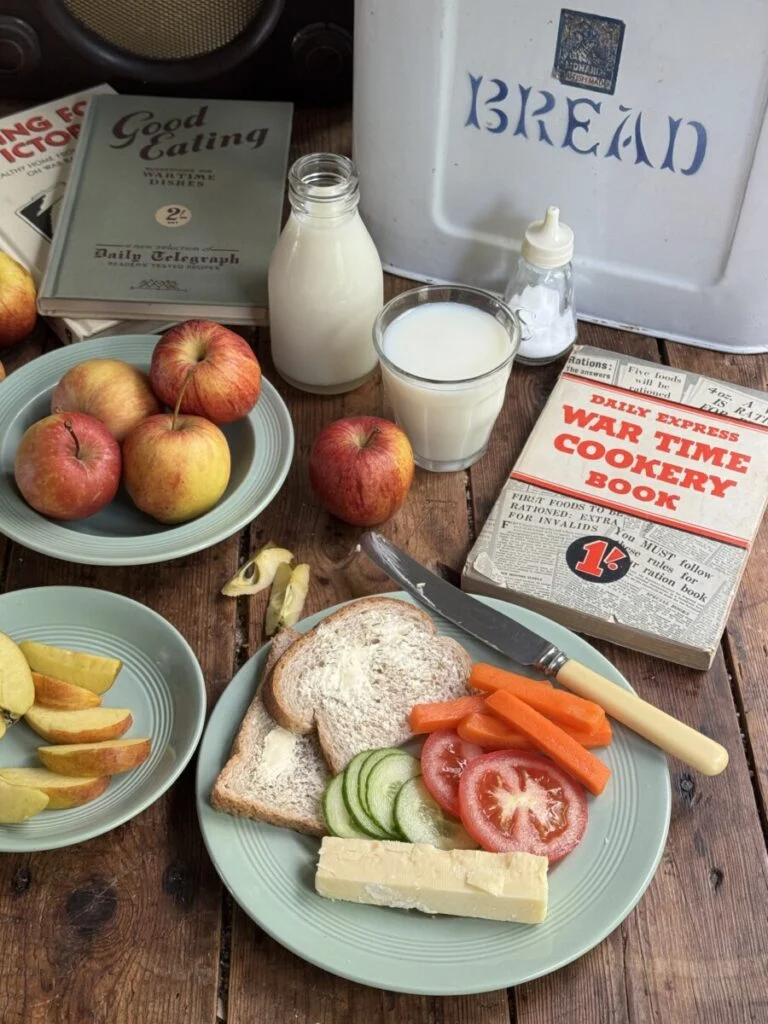
The Oslo Meal, often referred to as the Oslo Breakfast or Oslo Lunch, emerged as a groundbreaking nutritional initiative in the United Kingdom during World War II, continuing its significant role in primary schools until the early 1950s. Conceived in 1932 by Norwegian physician and health reformer Carl Schiøtz, this "no-cook" meal was meticulously designed to be a highly nutritious, filling, and easily implementable solution to combat widespread malnutrition, particularly among children. Its adoption by the British Ministry of Food during the tumultuous wartime years underscored its critical importance in sustaining public health amidst severe rationing and resource scarcity, proving to be a remarkable success that profoundly impacted the development and well-being of a generation.

Origins and the Vision of Carl Schiøtz
The genesis of the Oslo Meal can be traced back to Oslo, Norway, in the early 1930s. Dr. Carl Schiøtz, a prominent professor of hygiene at the University of Oslo, was deeply concerned about the health and nutritional status of Norwegian schoolchildren. Observing a decline in children’s physical development and overall health, he hypothesized that a well-balanced, raw, and unprocessed meal provided at school could significantly improve their condition. Schiøtz’s philosophy was radical for its time: he advocated for a diet rich in whole grains, fresh fruits, vegetables, and dairy, believing that these natural foods provided essential vitamins, minerals, and fiber often lacking in conventional cooked meals.

His "Oslo Breakfast" was initially introduced in Norwegian schools in 1932, comprising a simple yet powerful combination of wholemeal bread, butter or margarine, cheese, milk, raw carrots, apples, and sometimes a citrus fruit or cod liver oil. The "no-cook" aspect was crucial, not only making it easy to prepare and serve in school settings without extensive kitchen facilities but also preserving the heat-sensitive nutrients in fresh produce. Schiøtz’s pioneering work laid the foundation for what would become an internationally recognized model for school nutrition, emphasizing preventative health and the long-term benefits of a balanced diet from an early age.
The Nutritional Imperative in Pre-War and Wartime Britain

Before the outbreak of World War II, Britain faced significant public health challenges, particularly concerning child nutrition. Decades of industrialization had led to widespread poverty in many urban areas, with diets often lacking essential nutrients due to limited access to fresh produce and dairy, compounded by poor dietary knowledge. Reports from the 1930s highlighted alarming rates of rickets, anemia, and dental decay among children from lower-income families, underscoring a pressing need for improved nutritional interventions.
When war broke out in September 1939, these existing challenges were exacerbated by the immediate imposition of rationing. The German U-boat campaign threatened Britain’s vital shipping lanes, making imported foodstuffs scarce. The Ministry of Food was established with the monumental task of ensuring the nation’s survival through equitable distribution and careful management of food supplies. Rationing was introduced incrementally, eventually covering almost all essential items, including meat, sugar, butter, cheese, eggs, and tea. For children, access to crucial protein and fat sources became even more precarious.

In this context, the appeal of a highly nutritious, "no-cook" meal like the Oslo Breakfast was immense. It offered a practical solution to deliver vital nutrients to children, who were recognized as the future of the nation, even under severe resource constraints. The government understood that a healthy populace was a resilient populace, capable of enduring the immense pressures of total war.
Pilot Programs and Widespread Adoption by the Ministry of Food

The British government, recognizing the potential of Schiøtz’s work, began exploring the Oslo Meal’s applicability even before the full impact of wartime rationing was felt. In 1938, a pilot program was launched in several London primary schools. The results were swift and undeniable. Children participating in the "Oslo Experiment" demonstrated remarkable improvements in their health metrics, with many recording significant gains in both weight and height, some increasing by as much as 40% to 100% over their previous growth rates. This success was a powerful endorsement of the meal’s efficacy.
With the advent of World War II, the Ministry of Food formally adopted the Oslo Meal concept. It was not merely an experimental initiative anymore but a vital component of the nation’s wartime nutritional strategy. Its simplicity made it ideal for mass implementation; schools didn’t require extensive cooking facilities or highly trained staff. The meal could be assembled quickly, making it a pragmatic choice when labor and resources were diverted to the war effort. Beyond schools, the Ministry of Food actively promoted the Oslo Meal to the general public as a healthy and economical option for adults too, emphasizing its "no-cook" convenience and nutritional value during a time when cooking fuels were also rationed.

Composition and Nutritional Efficacy of the Oslo Meal
The core components of the Oslo Meal, as promoted in the UK, were remarkably consistent with Schiøtz’s original design, reflecting a deep understanding of basic nutritional needs. The standard composition included:

- Wholemeal Bread: Two slices of "national loaf" bread formed the base. The national loaf, a government-mandated bread introduced in 1942, was made from 85% wholemeal flour, providing significant dietary fiber, B vitamins (thiamine, niacin), and iron, which were crucial for energy and preventing deficiencies.
- Butter or Margarine: A thin spread provided essential fats and fat-soluble vitamins (A and D, especially if margarine was fortified), vital for energy, cell function, and immune health.
- Cheese: A small block of cheese was a cornerstone. Children during wartime received a more generous cheese ration (2 ounces a week) compared to adults, highlighting its perceived importance. Cheese is an excellent source of protein, calcium (critical for bone development), and B vitamins. The Ministry of Food’s War Cookery Leaflet No. 12 explicitly stated, "Cheese is such an important food it deserves a place of its own at meal-times. Use it as a main dish and not as an afterthought to a meal already containing meat or fish. Used in this way cheese can be made to help out the meat ration."
- Fresh Lettuce Leaves: Provided essential vitamins, particularly Vitamin C and K, as well as fiber and hydration.
- Salad Items (Carrot, Cucumber, Tomato): These raw vegetables were crucial for their vitamin content. Carrots offered beta-carotene (precursor to Vitamin A, essential for vision and immune function), while tomatoes were a source of Vitamin C and antioxidants. Home-grown produce was encouraged, aligning with the "Dig for Victory" campaign.
- A Glass of Cold Milk: Milk was a powerhouse of nutrition, supplying high-quality protein, calcium, Vitamin D, and other essential minerals. Milk was often prioritized for children and expectant mothers during rationing.
- An Apple (or other seasonal fruit): Apples provided fiber, natural sugars for energy, and additional vitamins. The article’s poignant anecdote about children scrambling for apple cores ("gook") highlights the scarcity and value of fresh fruit during this period.
The "no-cook" methodology ensured that heat-sensitive vitamins, such as Vitamin C in fresh vegetables and fruit, were preserved, maximizing the nutritional impact. This combination delivered a balanced intake of macronutrients (carbohydrates from bread, fats from butter/cheese, protein from milk/cheese) and a wide array of micronutrients, effectively combating the common deficiencies prevalent at the time.
Tangible Impact on Child Health and Public Reception

The widespread implementation of the Oslo Meal across primary schools in the UK had a profound and measurable impact on the health of the nation’s children. Beyond the initial impressive weight and height gains observed in the London pilot, the program contributed significantly to reducing instances of malnutrition-related illnesses. Children receiving the Oslo Meal were generally healthier, more energetic, and better equipped to learn, directly influencing educational outcomes and overall morale.
The public reaction to the Oslo Meal was largely positive, reflecting an appreciation for the government’s efforts to safeguard the health of the younger generation during an unprecedented crisis. Parents, many of whom struggled with rationing and the complexities of providing nutritious meals, welcomed the assurance that their children were receiving a vital, balanced meal at school. The "Oslo Experiment" fostered a sense of collective responsibility for public health and demonstrated the effectiveness of simple, scientifically-backed nutritional interventions.

Beyond the immediate health benefits, the Oslo Meal served an important social function. It provided a degree of nutritional equality among children, regardless of their family’s economic circumstances or their parents’ ability to navigate the intricacies of rationing. This egalitarian approach was a quiet but powerful force in maintaining social cohesion and reducing some of the stark inequalities that often accompany periods of severe hardship.
A Symbol of Wartime Resilience and Resourcefulness

The Oslo Meal stands as a testament to British ingenuity and resilience during World War II. In an era defined by scarcity, it represented a strategic use of available resources to achieve maximum nutritional impact. The "Dig for Victory" campaign encouraged citizens to grow their own food, making fresh vegetables like carrots and lettuce more accessible, even with rationing. The emphasis on wholemeal bread and cheese leveraged rationed but available staples.
The meal also highlighted the critical role of the Ministry of Food, not just as a rationing body, but as an educator and promoter of public health. Through campaigns, leaflets, and school programs, they successfully shifted dietary habits, emphasizing the importance of diverse, nutrient-rich foods, even if they were simple and ration-friendly. The Oslo Meal embodied the wartime spirit of making do with less, but doing so intelligently and effectively to protect the nation’s future.

Post-War Evolution and Lasting Legacy
The popularity of the Oslo Meal persisted into the early 1950s, a period when rationing slowly began to ease. However, as the post-war economy recovered and food supplies became more abundant, the necessity for such a strict, "no-cook" meal diminished. The focus of school meals gradually shifted towards hot, cooked lunches, which were seen as more desirable and aligned with evolving culinary expectations.

Despite its eventual decline in direct implementation, the Oslo Meal left an indelible mark on public health policy and school nutrition programs in the UK and beyond. It firmly established the principle that schools have a vital role in providing nutritious food to children, influencing the development of comprehensive school meal services that continue today. The "Oslo Experiment" demonstrated the measurable benefits of a well-planned diet on child development, advocating for the integration of nutritional science into public policy.
Moreover, the underlying principles of the Oslo Meal — emphasizing whole grains, fresh fruits, vegetables, and dairy — remain highly relevant in contemporary nutritional guidelines. In an age of processed foods and complex dietary choices, the simplicity and balance of the Oslo Meal offer valuable lessons. It reminds us of the power of unprocessed, natural ingredients to sustain health and well-being, and its legacy can be seen in modern calls for healthier school lunches and increased consumption of fresh produce.

The Original Oslo Meal Recipe (Government Website Extract)
The essence of the Oslo Meal lies not in a complex recipe, but in a precise combination of readily available, wholesome ingredients. As documented in a historical government website extract, the composition and simple method were as follows:

Ingredients:
- 2 slices of bread (preferably national loaf or wholemeal)
- A little butter or margarine
- Small block of cheese (as per wartime ration sizes)
- Fresh lettuce leaves
- Salad items such as carrot, cucumber or tomato (home-grown was encouraged)
- A glass of cold milk
- An apple or other seasonal fruit (not explicitly in this particular extract, but historically a key component)
Method:

- Thinly spread the butter or margarine on the bread.
- Slice the block of cheese into strips.
- Chop the lettuce and salad items (or serve some whole, like a tomato, as a treat).
- Serve on a plate with the glass of milk.
This straightforward approach ensured that the meal could be prepared and consumed efficiently, making it an ideal solution for schools and busy families alike. The enduring memory of individuals, like the article’s author’s mother, recalling the simple act of sharing an apple core ("gook") in the playground, speaks volumes about the scarcity of food and the value placed on every morsel during those challenging years.
In conclusion, the Oslo Meal was more than just a wartime lunch; it was a pioneering public health intervention that demonstrated the transformative power of nutrition. Born from Norwegian foresight and adapted with British resilience, it nourished a generation, influenced national dietary habits, and established a legacy that continues to resonate in modern discussions about health, education, and food policy. Its simple yet profound principles offer a timeless reminder of the essential connection between what we eat and our collective well-being.
