
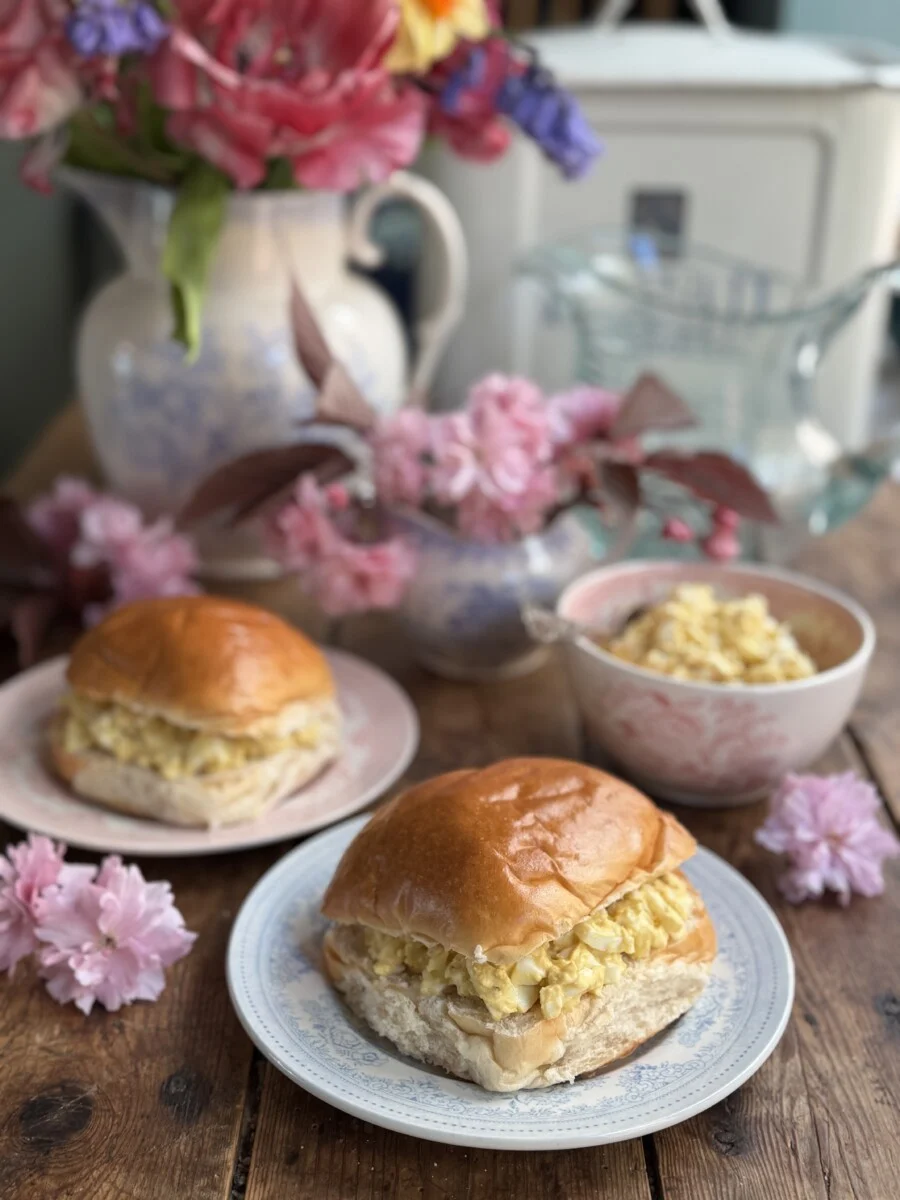
London, UK – May 10, 2026 – Renowned food writer Karen Burns-Booth has released a classic recipe for the beloved Japanese Egg Salad Sandwich, known as Tamago Sando, to commemorate Japan’s annual Golden Week festivities. Published on her popular culinary blog, Lavender and Lovage, the recipe offers enthusiasts a detailed guide to creating this iconic snack, traditionally served with Japanese Milk Bread Buns (Shokupan). The timing of the release, shortly after Golden Week concludes on May 6th, aims to extend the celebration of Japanese culture and cuisine globally, allowing home cooks to recreate a taste of Japan’s most anticipated holiday period.

Golden Week: A National Celebration of Culture and Travel

Golden Week in Japan is one of the nation’s longest and most significant holiday periods, typically running from late April through early May. It is a cluster of four national holidays within a seven-day span, often extended by weekends, creating an opportunity for domestic and international travel, family gatherings, and various cultural events. The specific holidays include Showa Day (April 29th), Constitution Memorial Day (May 3rd), Greenery Day (May 4th), and Children’s Day (May 5th). This concentrated period of public holidays sees a surge in tourism, particularly within Japan, as families take advantage of the extended break. Businesses often adjust their operations, and transportation networks experience peak demand, underscoring the profound societal and economic impact of Golden Week. The celebration is marked by diverse traditions, from flying carp streamers (koinobori) for Children’s Day to enjoying seasonal foods, making it a vibrant showcase of Japanese heritage.

The Enduring Appeal of Tamago Sando

The Tamago Sando, or Japanese Egg Salad Sandwich, has transcended its humble origins to become a culinary icon, celebrated for its simplicity and exquisite flavor profile. Unlike its Western counterparts, the Japanese version boasts a distinctly rich, creamy, and subtly sweet filling, enveloped in incredibly soft and fluffy Japanese Milk Bread. Its rise to prominence can be traced back to Japan’s ubiquitous convenience stores, or konbini, where perfectly packaged Tamago Sando quickly became a best-seller, lauded for its consistent quality and satisfying taste. Beyond the convenience store shelves, it is a staple in cafes and bakeries across Japan, often enjoyed as a quick breakfast, a light lunch, or a comforting snack. The sandwich’s meticulous preparation, with crusts often precisely trimmed and fillings evenly spread, reflects the Japanese culinary ethos of attention to detail and aesthetic presentation. Its popularity has since spread globally, garnering significant attention from food critics, chefs, and home cooks alike, who are captivated by its unique texture and balanced flavors. Social media platforms have further amplified its reach, with countless images and videos showcasing its photogenic appeal and inspiring culinary experimentation.

Crafting the Perfect Japanese Egg Salad

Karen Burns-Booth’s recipe highlights the critical elements that distinguish Tamago Sando from conventional egg salad sandwiches. Central to the preparation is the careful handling of the eggs. After being hard-boiled and cooled, the eggs are separated into yolks and whites. This technique is pivotal; the yolks are mashed and combined with seasonings and mayonnaise to create a velvety smooth, rich paste, while the whites are finely chopped and gently folded in, providing a delightful textural contrast. This separation ensures that the yolk mixture achieves its signature creamy consistency without lumps, while the discrete pieces of egg white add a subtle chewiness.

The choice of mayonnaise is another defining factor. Authentic Tamago Sando relies on Kewpie mayonnaise, a Japanese brand renowned for its distinctive flavor. Kewpie mayonnaise is made exclusively with egg yolks, rather than whole eggs, contributing to its richer, deeper yellow hue and a creamier texture. Furthermore, it incorporates a blend of rice vinegar and sometimes MSG (monosodium glutamate), which imparts a tangy, umami-rich profile that is notably different from most Western mayonnaise brands. The umami, often described as a savory "fifth taste," is a key component of Japanese cuisine and elevates the overall flavor of the egg salad. For those unable to source Kewpie mayonnaise, Burns-Booth provides a practical substitution: combining regular mayonnaise with a splash of rice wine vinegar and an extra teaspoon of sugar to approximate Kewpie’s unique tang and sweetness. Seasoning with salt and black pepper is kept simple, allowing the quality of the eggs and mayonnaise to shine through.

The Essential Foundation: Japanese Milk Bread (Shokupan)

The exquisite filling of the Tamago Sando finds its perfect complement in Japanese Milk Bread, or Shokupan. This bread is celebrated for its incredibly soft, fluffy, and slightly elastic texture, a stark contrast to the denser breads often used in Western sandwiches. The unique characteristics of Shokupan are achieved through specific Japanese baking techniques, primarily the tangzhong method or the yudane method.

The tangzhong method involves cooking a small portion of flour and liquid (usually water or milk) to form a paste before adding it to the main dough. This pre-gelatinization of starch allows the flour to absorb more liquid, resulting in a dough that is exceptionally moist and tender. When baked, the bread retains this moisture, contributing to its extended freshness and signature soft crumb. Similarly, the yudane method involves pouring boiling water over a portion of flour and mixing it to create a gelatinized paste. Both techniques enhance the dough’s ability to hold moisture, leading to a bread that is incredibly airy, light, and almost melts in the mouth. The slight sweetness of Shokupan further harmonizes with the savory and umami notes of the egg salad, creating a balanced and addictive flavor combination. Karen Burns-Booth notes that these specialized milk breads and buns are increasingly available in gourmet supermarkets in the UK, such as Marks & Spencer and Waitrose, reflecting their growing international appeal. For avid home bakers, recipes for Hokkaido milk bread and milk buns are widely available from reputable sources like BBC Food, allowing for a fully homemade Tamago Sando experience.

Presentation and Culinary Versatility

Beyond its intrinsic deliciousness, the Tamago Sando is also appreciated for its aesthetic presentation. Karen Burns-Booth illustrates this by serving her recreated sandwiches on elegant Burleigh Pink and Blue Asiatic Pheasants pottery, adorned with fresh flowers and blossoms from her cottage garden. This choice underscores the idea that even a simple sandwich can be elevated into an experience, suitable for various occasions.

The Tamago Sando’s versatility makes it an ideal choice for high tea, where delicate finger foods are prized. Its refined taste and attractive appearance fit perfectly into a sophisticated tea setting. For picnics, its compact and satisfying nature makes it an excellent portable meal, easy to pack and enjoy outdoors. As a lunchtime snack, it offers a quick yet wholesome option, providing a good balance of protein and carbohydrates. The recipe yields four servings, with each serving (one sandwich) providing approximately 325 calories, 24g total fat (6g saturated, 18g unsaturated), 484mg cholesterol, 290mg sodium, 8g carbohydrates (0g fiber, 3g sugar), and 17g protein. This nutritional profile positions it as a substantial and energy-rich snack or light meal.

Global Culinary Exchange and Home Cooking Trends

The release of this Tamago Sando recipe by Karen Burns-Booth is indicative of a broader trend in the culinary world: the increasing appreciation and adoption of international cuisines in home cooking. As global travel becomes more accessible and cultural exchange more prevalent, unique dishes from around the world are finding their way into kitchens far from their origins. The Tamago Sando, with its distinct Japanese characteristics, serves as an excellent example of how specific cultural food items can captivate a global audience. Food bloggers and culinary writers like Burns-Booth play a crucial role in this dissemination, breaking down complex recipes and cultural nuances into approachable formats for a diverse readership. Her engagement with established brands like Burleigh pottery also highlights how traditional domestic arts can intersect with global culinary trends, creating unique and aesthetically pleasing dining experiences. This cross-cultural culinary dialogue enriches not only the palates of home cooks but also their understanding of different food traditions and preparation philosophies.

In conclusion, Karen Burns-Booth’s Tamago Sando recipe offers more than just a guide to making a sandwich; it’s an invitation to explore a slice of Japanese culture. From the careful separation of egg components and the unique umami of Kewpie mayonnaise to the cloud-like embrace of Shokupan, each element contributes to a culinary experience that is both simple and profoundly satisfying. As Golden Week recedes, the enduring appeal of the Tamago Sando ensures that its celebratory spirit can be savored in kitchens worldwide.
