
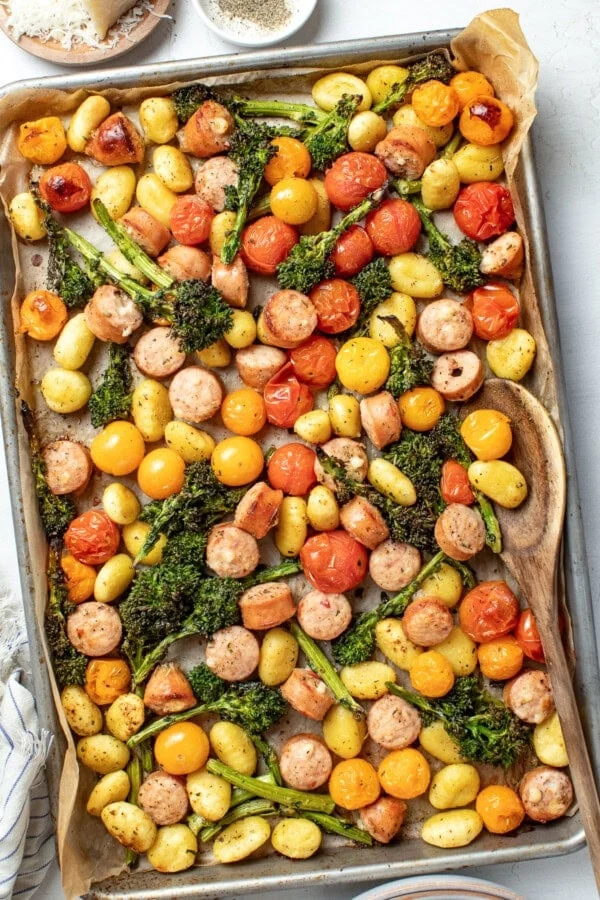
The increasing demand for convenient yet nutritious home-cooked meals has spurred innovation in culinary techniques, with one-pan and sheet pan dinners emerging as a prominent solution. Among these, the Sheet Pan Gnocchi and Sausage with Tomatoes and Broccolini stands out as a particularly effective example, offering a blend of robust flavors, minimal preparation, and straightforward cleanup. This dish exemplifies a growing trend in contemporary kitchens, where efficiency and taste are equally prioritized, making it an ideal choice for busy individuals and families.
The Evolution of One-Pan Cuisine
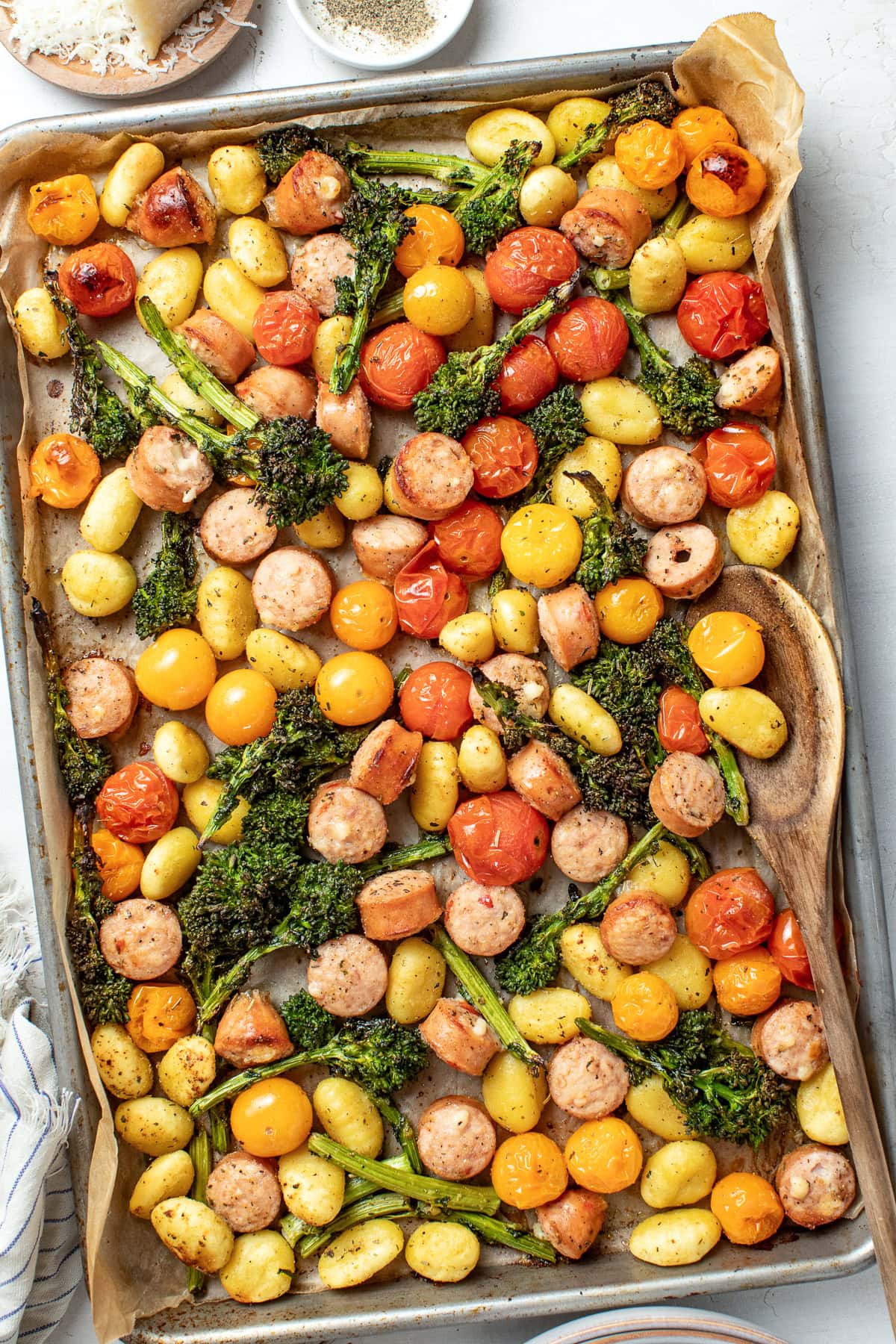
The concept of preparing an entire meal in a single cooking vessel is far from new, tracing its roots back to historical practices of communal cooking and humble hearth preparations. However, its modern resurgence, particularly with the advent of the "sheet pan dinner," represents a significant adaptation to contemporary lifestyles. In an era marked by demanding schedules and a heightened awareness of dietary health, dishes that promise quick preparation and minimal post-meal chores have gained substantial traction. The sheet pan method, by utilizing the oven’s consistent heat, allows for simultaneous cooking of multiple ingredients, achieving varied textures and caramelized flavors without the need for constant supervision or multiple pots and pans. This approach not only conserves time but also significantly reduces the environmental footprint associated with extensive dishwashing, aligning with broader trends towards sustainable living.
The popularity of sheet pan meals can be attributed to several factors. Data from culinary trend reports indicate a consistent preference for recipes that require less than 30-45 minutes of active cooking time. Furthermore, the visual appeal of a colorful, varied meal roasted together on a single tray resonates with the aesthetic demands of modern food culture, often shared across social media platforms. The Sheet Pan Gnocchi and Sausage with Tomatoes and Broccolini perfectly encapsulates these advantages, transforming traditional components into a streamlined, weeknight-friendly offering.
Deconstructing the Dish: Ingredients and Nutritional Profile

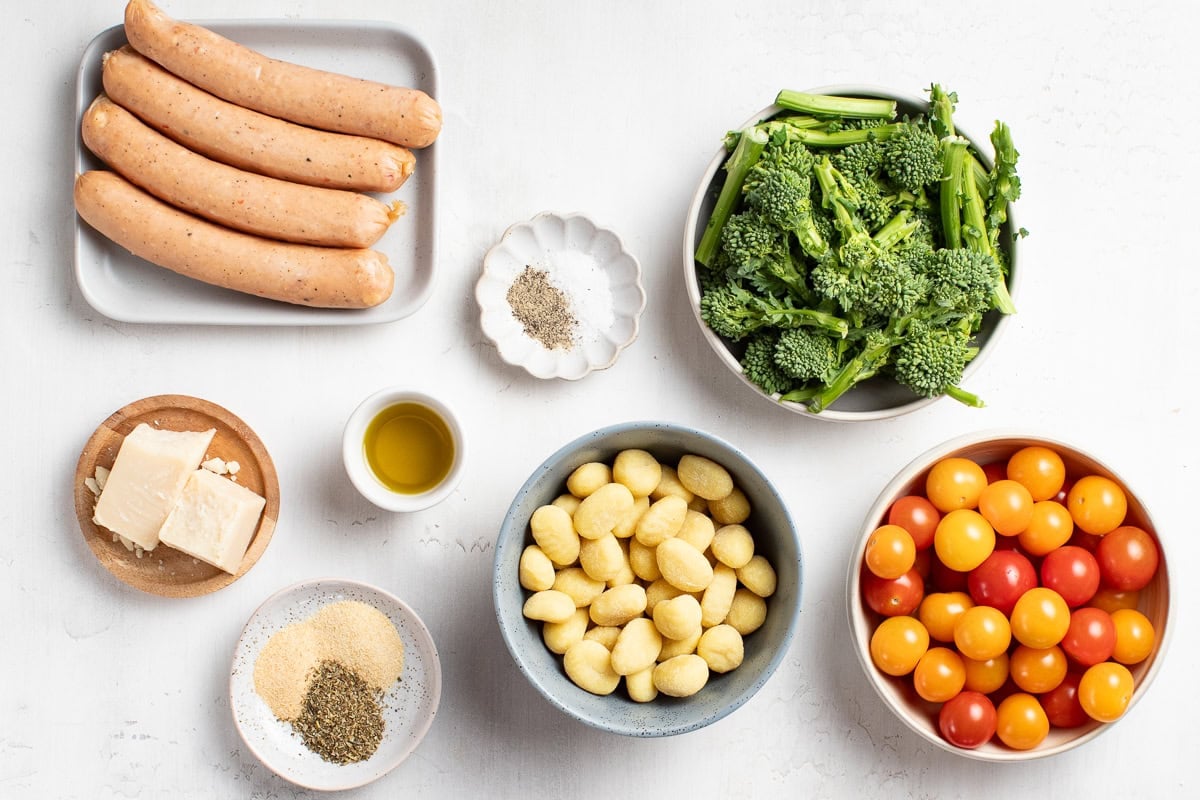
At its core, the Sheet Pan Gnocchi and Sausage dish combines four primary ingredients, supplemented by common kitchen spices, to create a balanced and flavorful meal. Understanding the role of each component elucidates the dish’s appeal and nutritional value.
-
Gnocchi: These small, soft dough dumplings, typically made from potato, semolina, or flour, are a staple of Italian cuisine. Traditionally, gnocchi are boiled before being sauced. However, the sheet pan method innovatively bypasses this step, allowing the gnocchi to roast directly on the pan. This direct-heat exposure results in a desirable textural transformation: a slightly crispy, golden exterior encasing a tender, pillowy interior. This technique not only saves time but also imparts a unique nutty flavor profile often absent in boiled preparations. From a nutritional standpoint, gnocchi primarily contribute carbohydrates, providing essential energy.
-
Sausage: The inclusion of sausage offers a significant protein component, contributing to satiety and muscle maintenance. Italian sausage, whether sweet or spicy, is a common choice, lending savory, aromatic notes derived from fennel, garlic, and other herbs. For those seeking lighter alternatives, chicken or turkey sausages can be easily substituted, offering comparable flavor with reduced fat content. The fat from the sausage also renders during roasting, contributing to the overall flavor of the dish and aiding in the caramelization of other ingredients.

-
Tomatoes: Often cherry or grape tomatoes are used, providing bursts of sweetness and acidity that cut through the richness of the sausage. As they roast, tomatoes soften and release their juices, creating a natural sauce that coats the gnocchi and broccolini. Nutritionally, tomatoes are rich in vitamins C and K, potassium, and lycopene, an antioxidant linked to various health benefits.
-
Broccolini: This hybrid vegetable, a cross between broccoli and Chinese kale, offers a milder, slightly sweeter flavor than traditional broccoli, along with a more tender stalk. Roasting broccolini brings out its natural sweetness and provides a pleasant textural contrast to the gnocchi and sausage. It contributes essential fiber, vitamins A and C, and various minerals, enhancing the meal’s overall nutritional density.
-
Seasoning and Enhancements: A simple blend of olive oil, salt, pepper, garlic powder, and Italian seasoning typically binds these ingredients. The olive oil facilitates even roasting and flavor distribution, while the spices elevate the dish’s aromatic complexity. A finishing sprinkle of Parmesan cheese adds a salty, umami depth, completing the flavor profile.
Nutritional Analysis and Dietary Balance
A typical serving of this Sheet Pan Gnocchi and Sausage (approximately 1 ¼ cups) provides a balanced macronutrient profile. Data indicates around 333 kcal, with 27g of carbohydrates, 21g of protein, and 15.5g of fat (9.5g saturated fat). Additionally, it offers 3g of fiber and 2.5g of sugar. This composition makes it a substantial meal, providing sustained energy from complex carbohydrates, essential amino acids from protein, and necessary fats for nutrient absorption. The fiber content, primarily from the vegetables, aids in digestive health, while the relatively moderate sugar content is a positive indicator for a savory dish.
Compared to many convenience meals or fast-food options, this sheet pan dinner offers superior nutritional control. Home cooks can select lean sausages, reduce added fats, and increase vegetable portions to tailor the dish to specific dietary needs or preferences, such as lower sodium or higher fiber intake. The inclusion of diverse vegetables also contributes to a broader spectrum of micronutrients, often lacking in highly processed alternatives.
The Culinary Process: Efficiency and Methodology
The preparation of this sheet pan dinner is characterized by its simplicity and speed, making it an ideal candidate for weeknight meals. The entire process, from initial preparation to serving, can be completed in approximately 30 minutes.
-
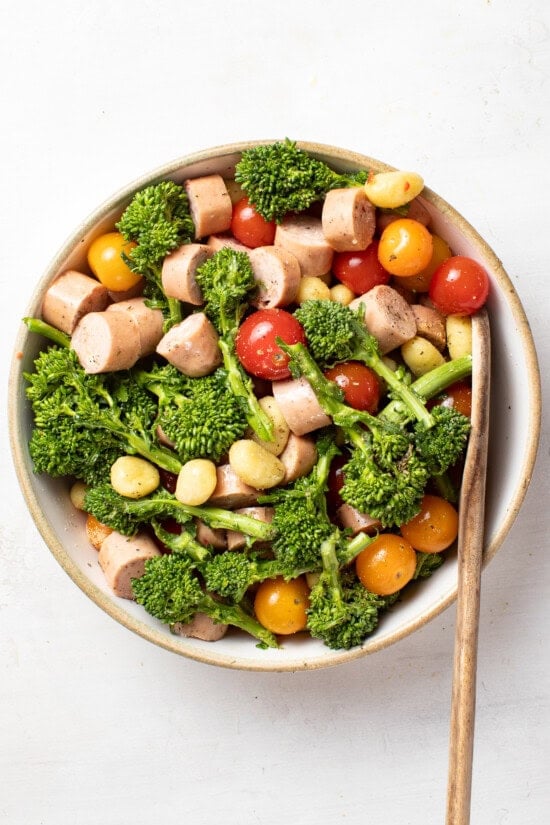
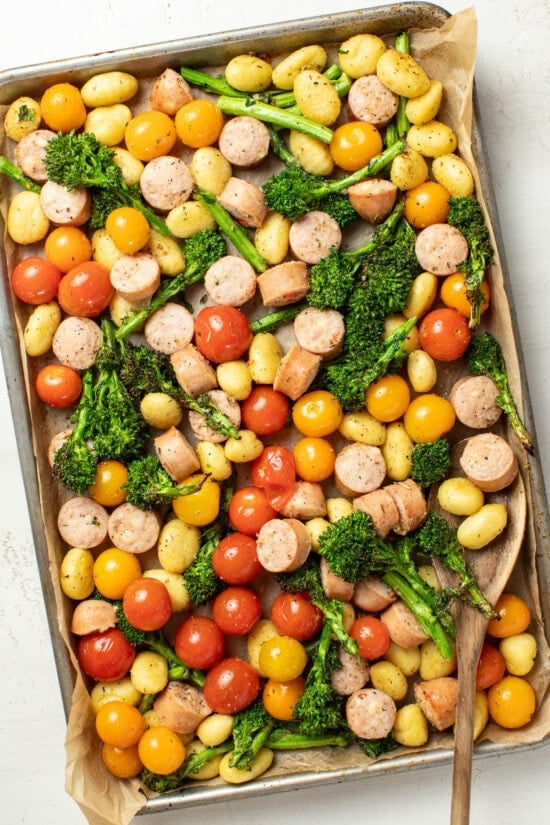
Preparation (10 minutes): The first step involves combining the raw ingredients. This typically entails slicing the sausage, chopping the broccolini, and gathering the gnocchi and tomatoes. While the recipe often suggests seasoning all ingredients in a large bowl to ensure even coating, a practical alternative for further minimizing cleanup is to toss them directly on the sheet pan. This quick mix with olive oil and a selection of dry spices (garlic powder, Italian seasoning, salt, and pepper) is the extent of the active preparation. This hands-on time is notably brief, a significant factor in its appeal.
-
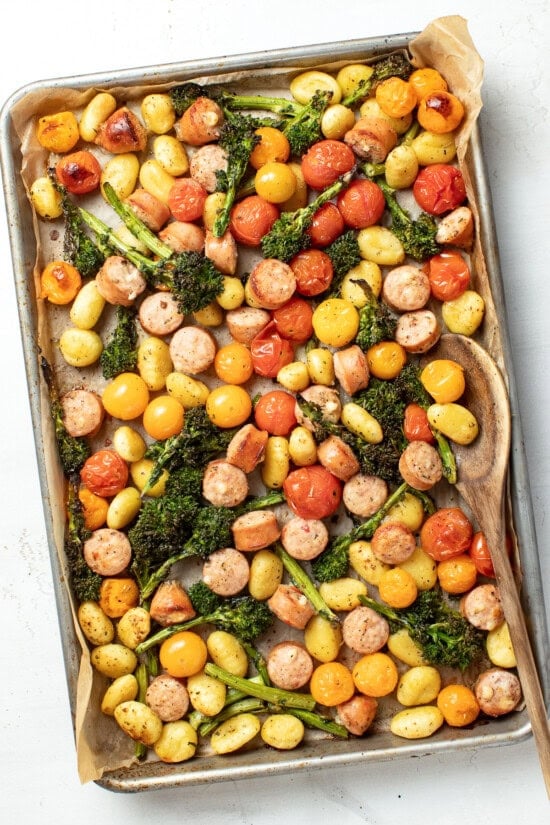
Roasting (20 minutes): Once seasoned, the ingredients are spread in a single layer on a parchment-lined sheet pan. This single layer is crucial for achieving optimal caramelization and ensuring that the gnocchi becomes crispy rather than steamed. The pan is then placed in a preheated oven, typically at a high temperature (e.g., 400°F or 200°C), for about 20 minutes. During this period, the oven’s dry heat works its magic:
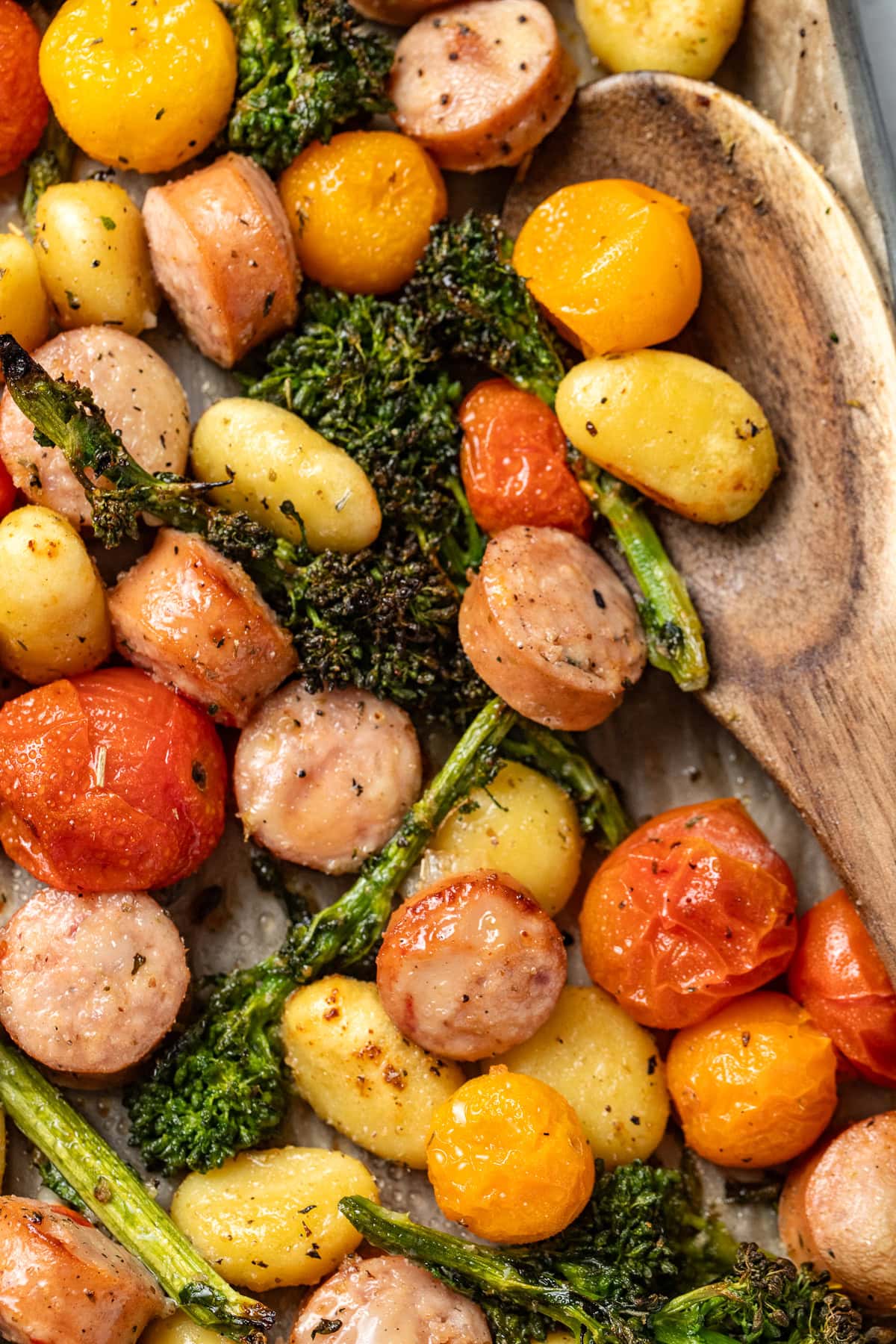
- The gnocchi transforms, developing a golden, slightly chewy exterior while remaining soft inside.
- The sausage cooks through, releasing flavorful juices and browning on the edges.
- The tomatoes burst and sweeten, creating pockets of rich, tangy liquid.
- The broccolini becomes tender-crisp, with slightly charred florets that enhance its flavor.
The simultaneous cooking of all components ensures that each element reaches its ideal doneness at roughly the same time. For those desiring extra crispiness or a deeper char, a brief broil during the final minutes can be employed, though careful monitoring is advised to prevent burning.
-
Minimal Cleanup: The hallmark of the sheet pan dinner is the greatly reduced cleanup. With only one pan (and potentially one mixing bowl) to wash, post-dinner tasks are significantly streamlined, directly addressing one of the primary pain points of home cooking.
Customization and Adaptability
The versatility of the Sheet Pan Gnocchi and Sausage allows for extensive customization, catering to diverse tastes, dietary needs, and seasonal availability of ingredients.
- Protein Variations: Beyond Italian sausage, chicken sausage, turkey sausage, or even plant-based sausages can be used. For a different flavor profile, diced chicken breast or shrimp can be incorporated, though cooking times may need slight adjustments. Tofu or tempeh, marinated and cubed, also present excellent vegetarian protein options.
- Vegetable Substitutions: The "broccolini and tomatoes" combination is a suggestion, not a mandate. Bell peppers, zucchini, asparagus spears, green beans, or even diced sweet potatoes can be added or substituted. Root vegetables might require a slightly longer cooking time or smaller dice to ensure even doneness with the gnocchi. Incorporating seasonal vegetables enhances freshness and allows for year-round adaptation.
- Flavor Profiles: The base seasoning can be easily modified. Adding a pinch of red pepper flakes introduces heat, while fresh herbs like basil, oregano, or rosemary can deepen the aromatic complexity. A squeeze of lemon juice after roasting brightens the flavors. Smoked paprika or a dash of balsamic glaze can also add intriguing notes.
- Dietary Considerations: For individuals with gluten sensitivities, gluten-free gnocchi options are widely available. To make the dish vegetarian, plant-based sausages or additional vegetables and a protein source like chickpeas or cannellini beans can be used.
Storage and Meal Preparation Implications
The Sheet Pan Gnocchi and Sausage is well-suited for both immediate consumption and future meal planning. Leftovers can be stored in an airtight container in the refrigerator for up to 3-4 days, making it an excellent candidate for meal prepping. The components hold up well, and reheating in a microwave or oven typically restores much of its original texture and flavor. This characteristic further enhances its appeal for busy individuals seeking to prepare multiple meals in advance.
Serving Suggestions and Broader Culinary Context
While this dish is a complete meal on its own, its flavors can be complemented by simple accompaniments. A light green salad with a vinaigrette dressing provides a fresh counterpoint to the roasted elements. A slice of crusty bread or garlic bread can be served to sop up the flavorful juices.
The proliferation of sheet pan recipes in cookbooks, food blogs, and culinary magazines underscores a significant shift in home cooking philosophy. These recipes are not merely about convenience; they represent an embrace of accessible, flavorful, and visually appealing meals that demystify cooking and empower individuals to prepare healthy food at home, even with limited time or culinary expertise. The Sheet Pan Gnocchi and Sausage with Tomatoes and Broccolini is a prime example of this culinary movement, demonstrating how traditional ingredients can be reimagined within modern cooking paradigms to meet contemporary needs. Its simplicity, adaptability, and comprehensive nutritional profile secure its place as a valuable addition to any home cook’s repertoire, reflecting a broader trend towards smart, efficient, and enjoyable eating.
