
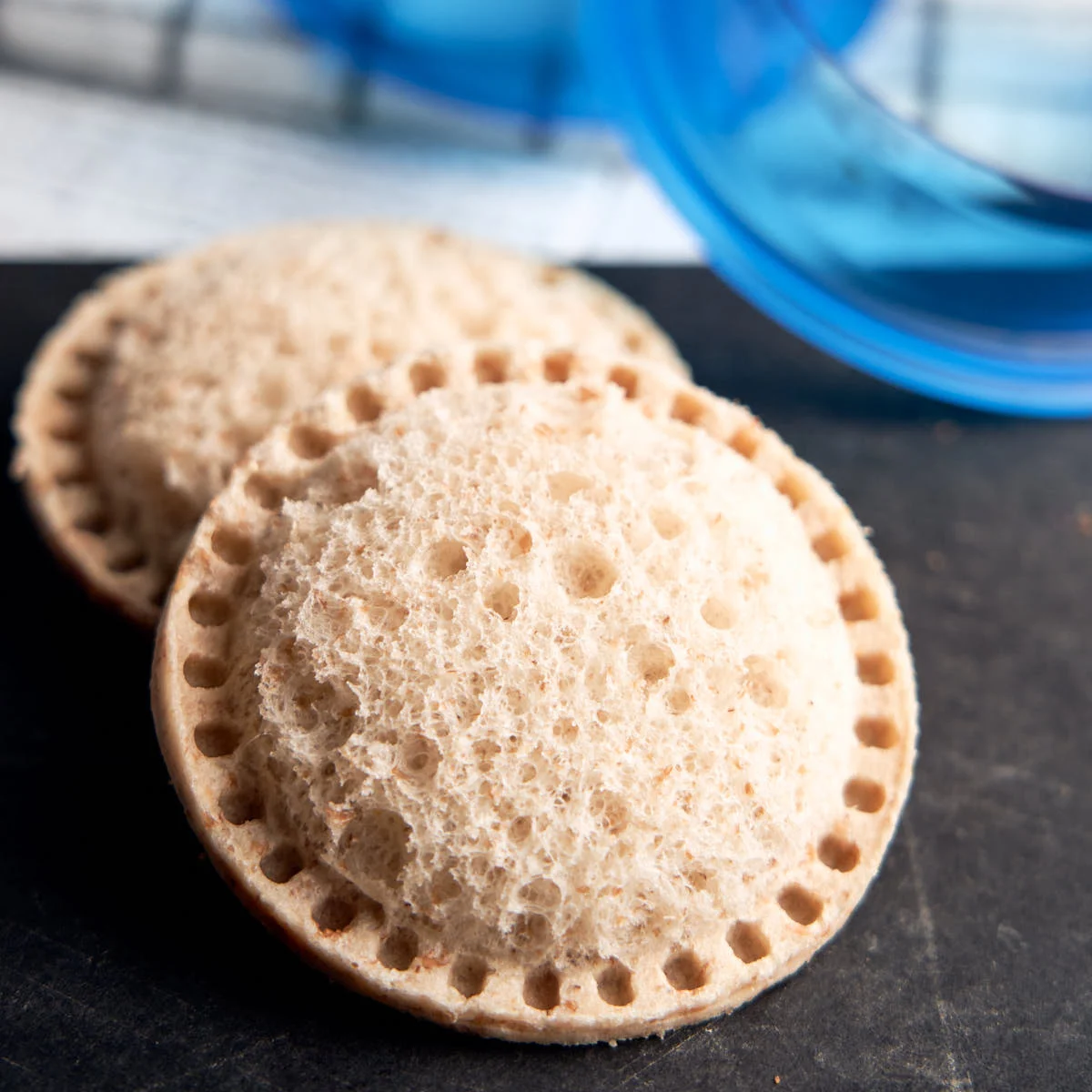
The humble peanut butter and honey sandwich, a nostalgic staple for many, is experiencing a renaissance in home kitchens, driven by a growing desire for healthier, more economical, and environmentally friendly food options. While pre-packaged Uncrustables have long been a convenient choice, a closer examination of their ingredients and the impact of single-use packaging is prompting a shift towards DIY versions. This trend is not only empowering families to take control of their nutrition but also fostering culinary creativity and reducing household waste.
The appeal of the homemade Uncrustable lies in its simplicity and the significant advantages it offers over its commercially produced counterpart. At its core, the sandwich is a straightforward assembly of three ingredients: bread, peanut butter, and honey. However, the ability to meticulously select each component is where the homemade version truly shines.
Deconstructing the Store-Bought Version: A Look at Ingredients and Packaging
A critical analysis of commercially available Uncrustables reveals a stark contrast in ingredient quality. Many popular brands list sugar as a primary ingredient in their "honey spread" and often include added sugars in their peanut butter formulations. This reliance on processed sweeteners can be a concern for health-conscious consumers, particularly parents seeking to limit their children’s sugar intake.
For instance, a typical store-bought Uncrustable might feature a peanut butter blend with added sugars and a "honey spread" where sugar precedes honey in the ingredient list. This practice is not uncommon in the food industry, where cost optimization and extended shelf life can sometimes take precedence over ingredient purity.
Furthermore, the environmental footprint of individually packaged, pre-made sandwiches is a growing concern. The proliferation of single-use plastic packaging, designed for individual portability and convenience, contributes significantly to landfill waste and plastic pollution. In an era of increasing environmental awareness, consumers are actively seeking ways to reduce their reliance on disposable products.
The Homemade Advantage: Health, Cost, and Sustainability
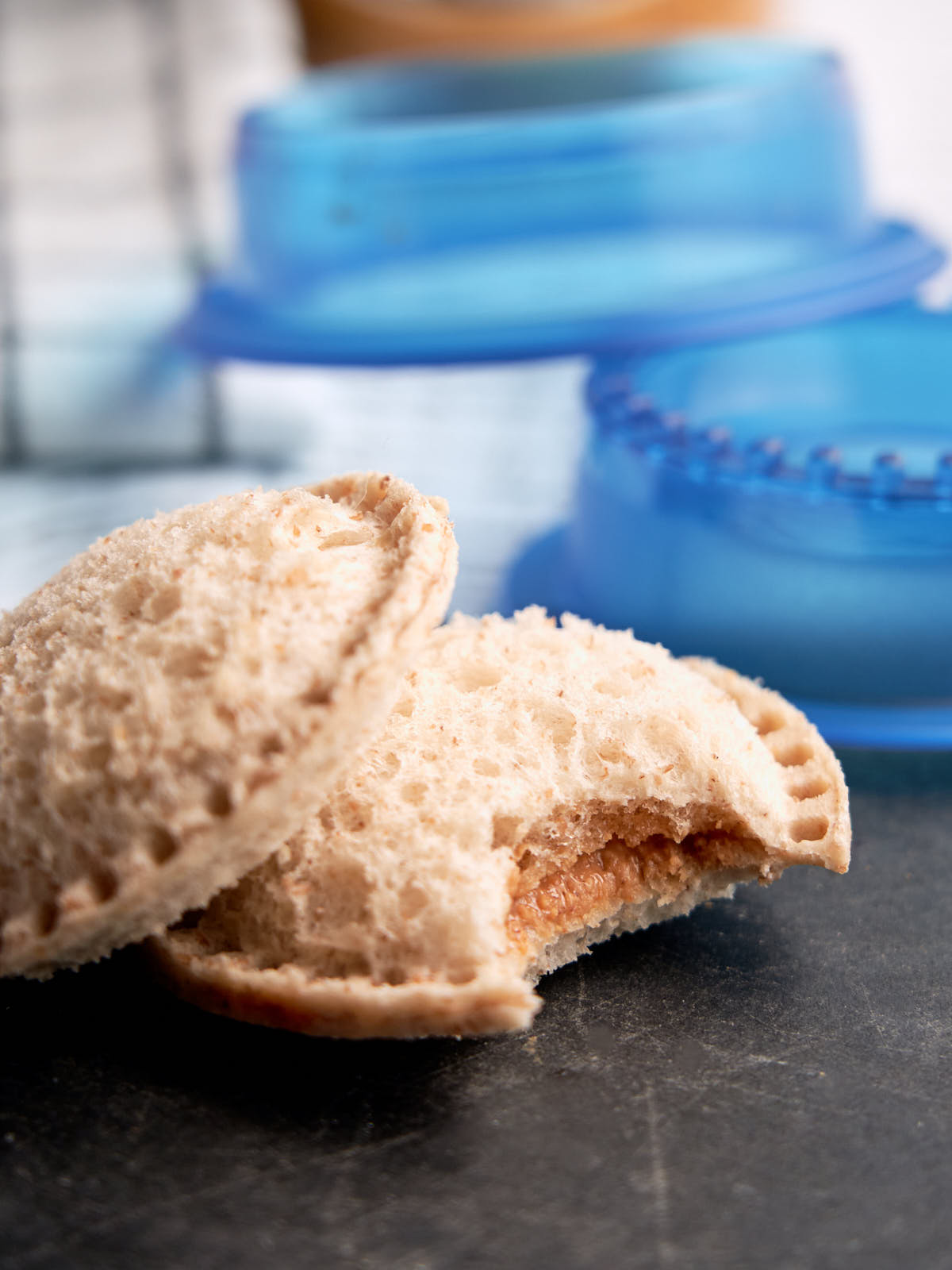
The homemade Uncrustable offers a compelling solution to these concerns. By preparing these sandwiches at home, individuals gain the power to curate their ingredients, prioritizing whole foods and minimizing processed additives. Opting for peanut butter with no added sugar and using pure honey ensures a more nutritious and wholesome product. This conscious selection of ingredients aligns with the growing movement towards "clean eating" and informed dietary choices.
Beyond the nutritional benefits, the economic advantages of making Uncrustables at home are substantial. The cost per sandwich is significantly lower when purchasing ingredients in bulk compared to buying individually packaged, branded items. For families with multiple children or those who consume these sandwiches regularly, the savings can be considerable over time. This financial prudence is particularly relevant in the current economic climate, where household budgets are often stretched.
The sustainability aspect is equally impactful. By using reusable containers for lunches and minimizing the purchase of items encased in single-use plastic, families can significantly reduce their household waste. The simple act of making sandwiches at home directly combats the environmental burden associated with disposable packaging.
The Rise of the Uncrustable Maker: A Culinary Tool for Convenience
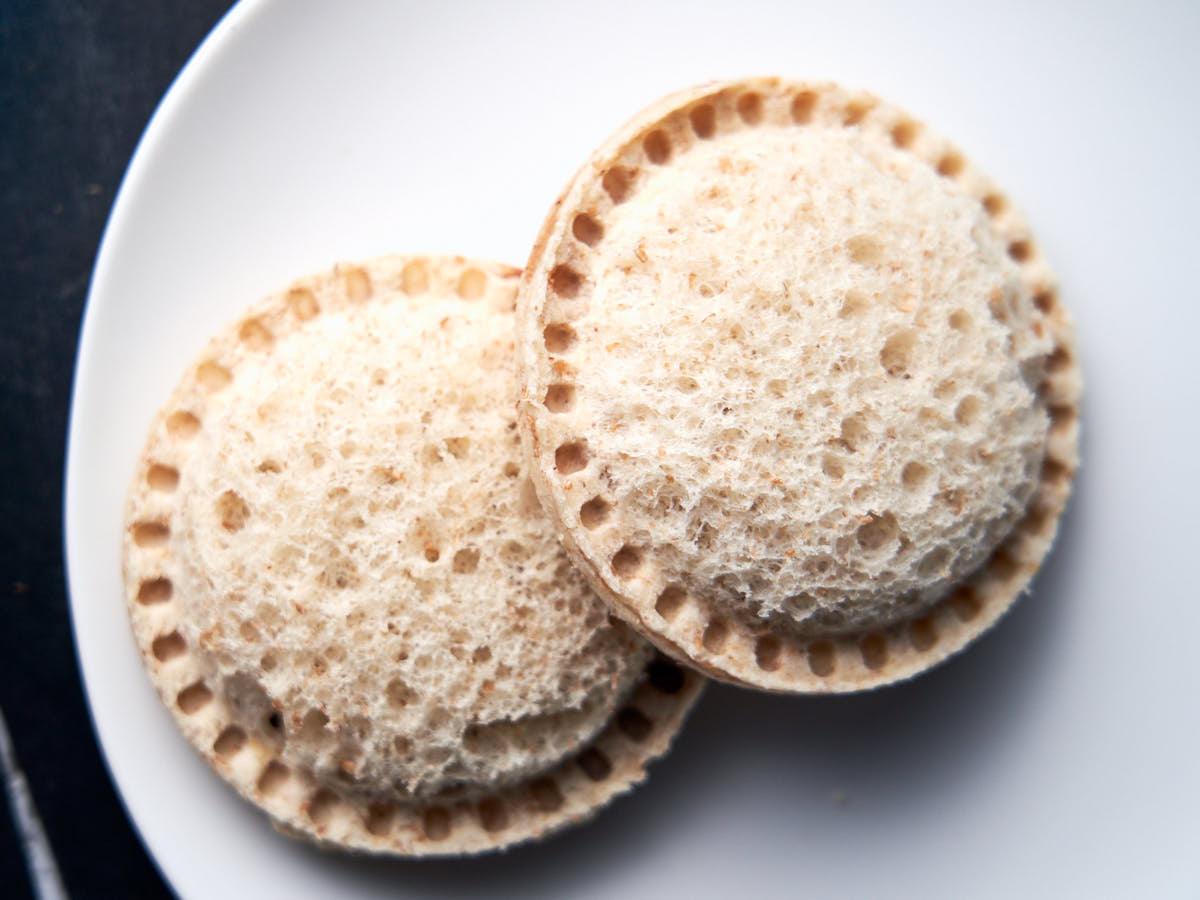
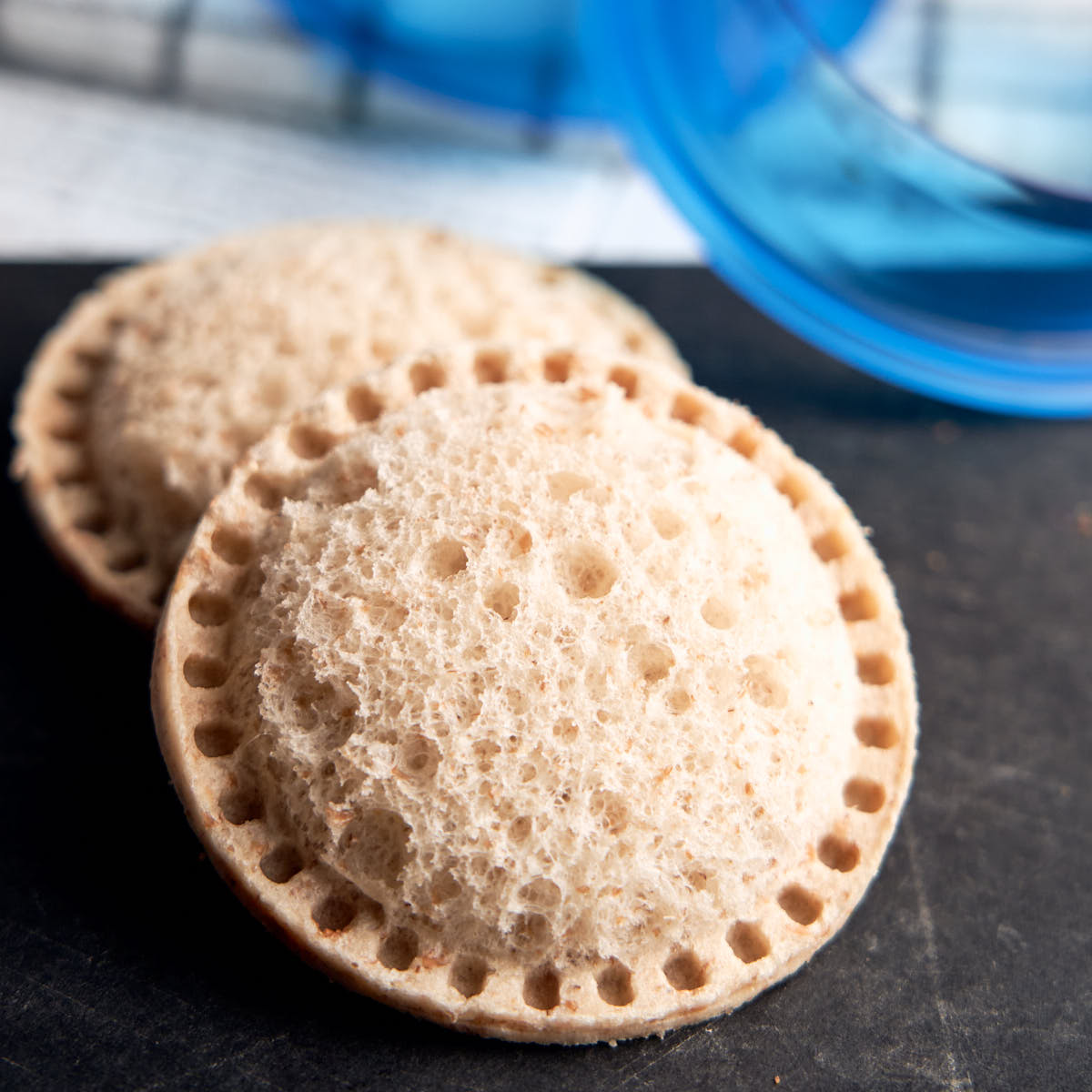
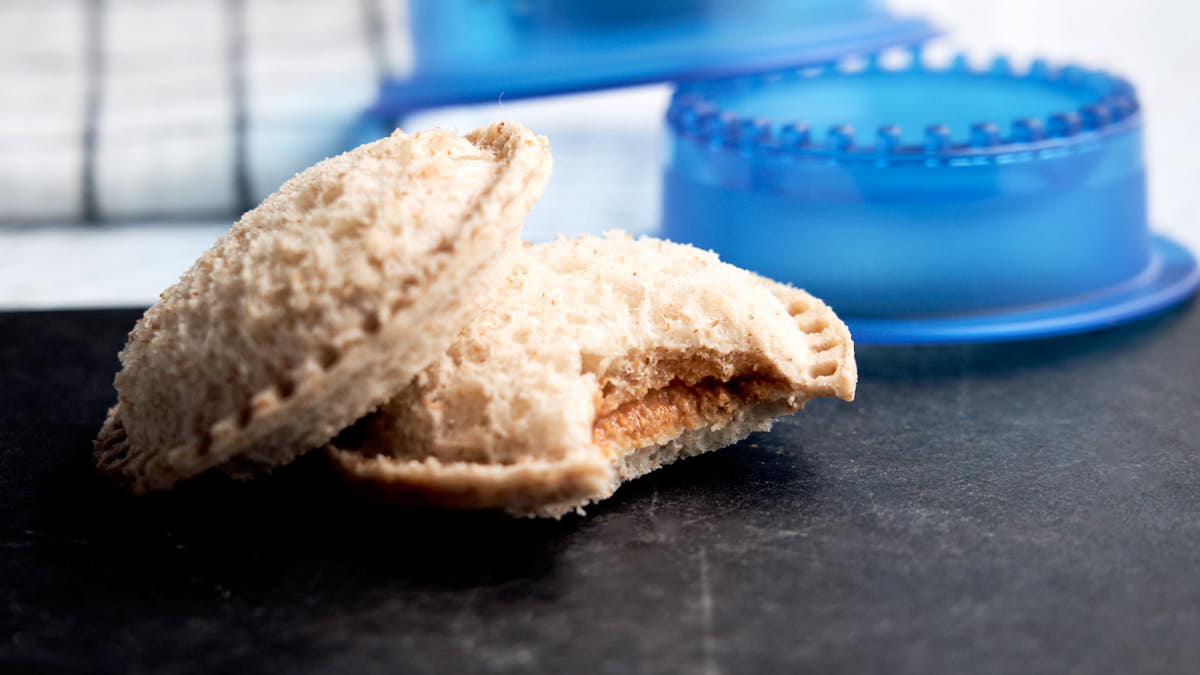
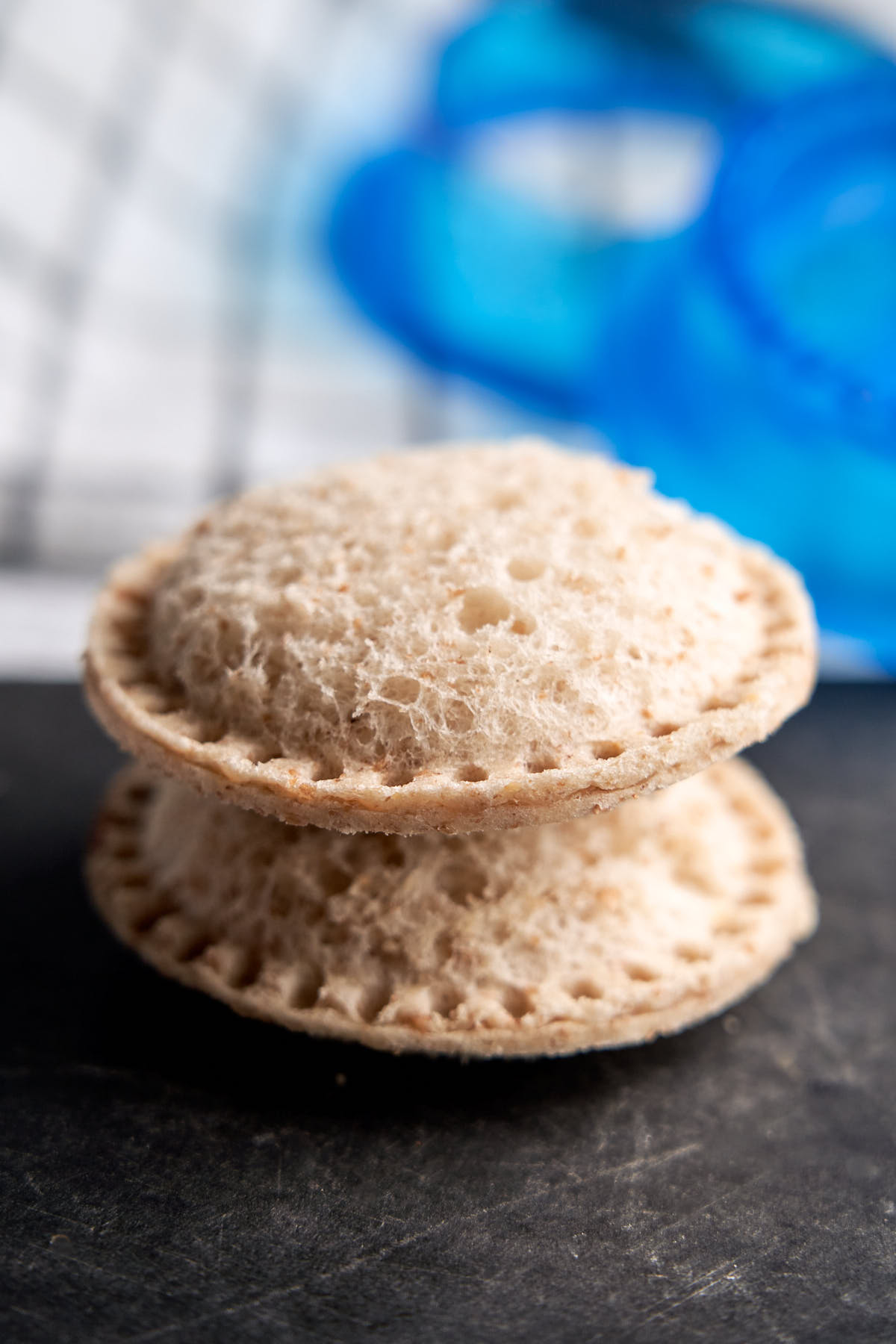
To facilitate the creation of these homemade treats, specialized kitchen tools have emerged, most notably the "Uncrustable maker." These devices, often referred to as sandwich cutters and sealers, allow home cooks to replicate the distinctive crustless, sealed edge of commercial Uncrustables.
The popularity of these tools is evident in online marketplaces, with numerous brands offering various designs. Consumers are actively seeking out reliable and efficient makers that produce consistent results. The "classic Smucker’s Uncrustables edge shape" is a sought-after feature, distinguishing well-designed tools from those that might produce a wavy or less appealing edge. The investment in such a tool can streamline the sandwich-making process, making it even more appealing for busy households.
Creative Applications and Waste Reduction: Embracing the Crust
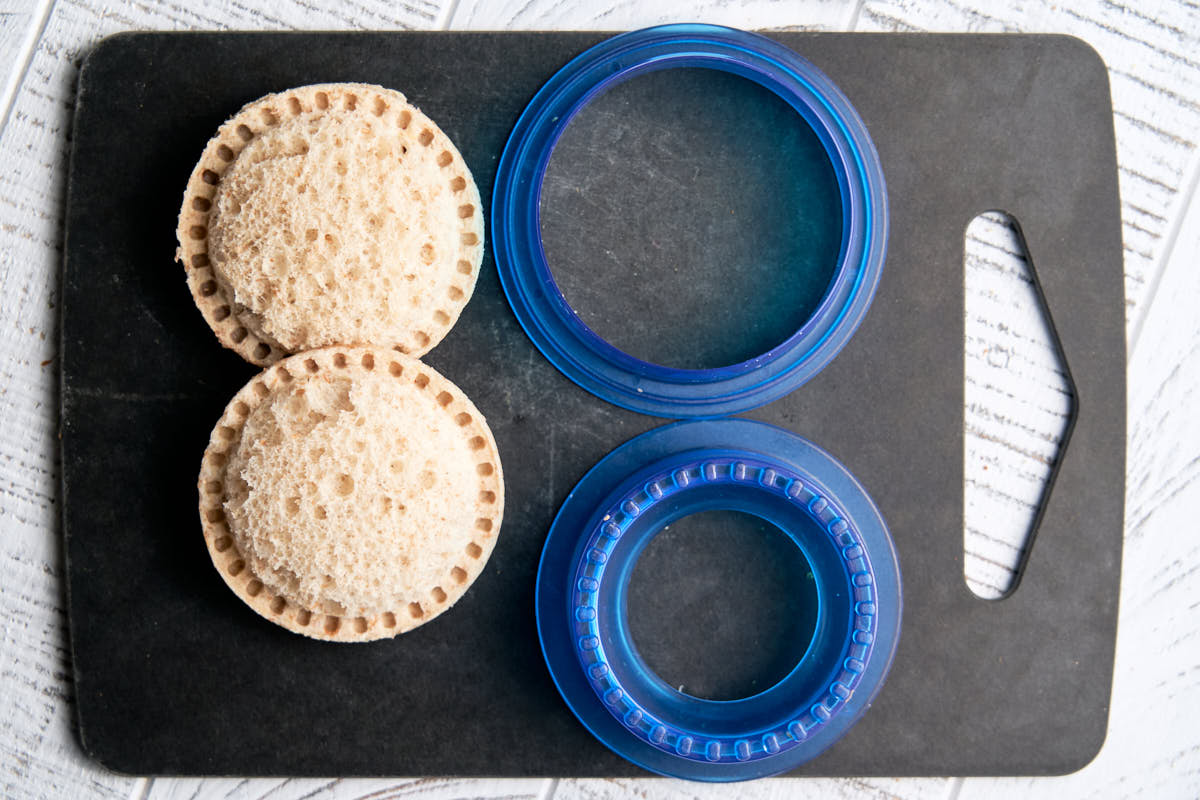
A common question that arises with homemade Uncrustables is the fate of the bread crusts that are cut away. Rather than discarding this often-overlooked part of the bread, resourceful home cooks have found creative ways to utilize them, further enhancing the cost-effectiveness and sustainability of this culinary endeavor.
- Croutons: Bread crusts can be easily transformed into delicious croutons. Pan-fried in olive oil or butter and seasoned with a variety of spices, they can serve as a crunchy snack or a flavorful addition to soups and salads. Popular seasoning combinations often include garlic powder, onion powder, paprika, and herbs, appealing to both adult and child palates. Cut into strips, these croutons also make excellent dippers for hummus.
- Breadcrumbs: For a longer-term solution, crusts can be toasted and processed into homemade breadcrumbs. These can be used in a variety of recipes, from coating chicken or fish to adding texture to casseroles. A food processor or blender can quickly turn dried crusts into fine breadcrumbs, or they can be crushed with a fork for a coarser texture.
- Immediate Consumption: For immediate gratification, the crusts themselves can be eaten as a simple snack or even as part of breakfast. This approach recognizes that for some, the bread crusts are perfectly enjoyable on their own.
This zero-waste approach not only reduces food waste but also maximizes the value derived from every loaf of bread.
The Educational Value: Engaging Children in the Kitchen
Beyond the practical benefits, making homemade Uncrustables offers a valuable opportunity to involve children in the food preparation process. This hands-on experience can foster a greater appreciation for food, encourage healthy eating habits, and develop essential life skills. Children can actively participate in spreading the peanut butter and honey, cutting the sandwiches with the maker, and even experimenting with different filling combinations. This culinary exploration can transform meal preparation from a chore into a fun and educational family activity.
Looking Ahead: Innovations and Future Trends
The trend towards homemade, healthier, and more sustainable food options is likely to continue. As consumers become more discerning about ingredient sourcing and environmental impact, the demand for convenient yet wholesome alternatives to pre-packaged foods will only grow. Innovations in kitchen tools and a continued focus on creative food utilization, such as repurposing bread crusts, will further solidify the place of homemade Uncrustables as a popular and practical choice for families seeking to nourish themselves and the planet. The simple peanut butter and honey sandwich, reimagined for the modern era, stands as a testament to the power of home cooking to deliver health, savings, and a reduced environmental footprint.
