
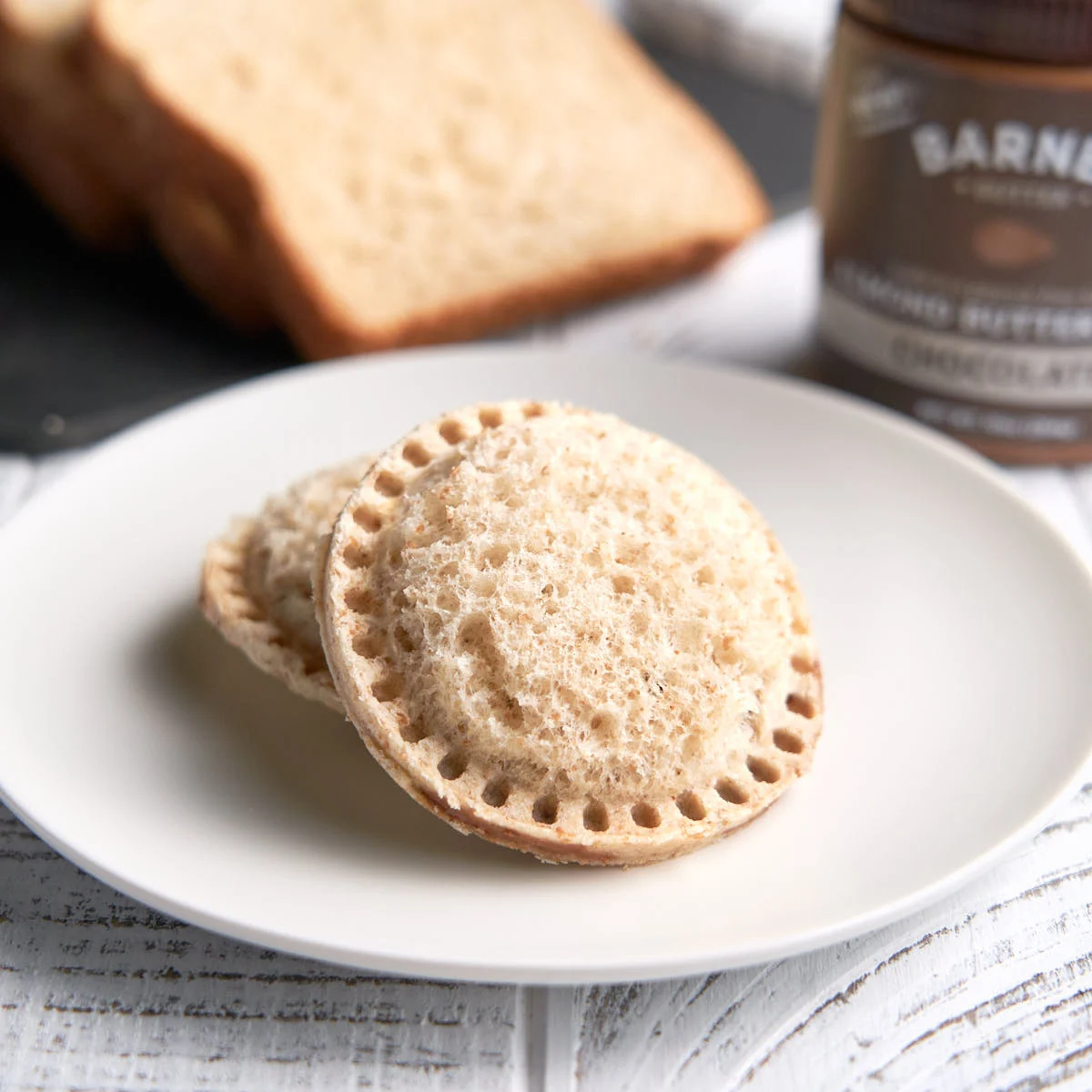
A growing trend in home kitchens, particularly among families seeking convenient and appealing meal options for children, is the creation of homemade versions of popular pre-packaged snacks. Among these, the "Uncrustable" sandwich, characterized by its sealed, crustless edges and various fillings, has seen a surge in DIY interest. This article delves into the process of making a superior homemade chocolate Uncrustable, highlighting key ingredients, essential tools, and practical tips for achieving a product that rivals, and often surpasses, its commercially produced counterpart.

The Rise of the Homemade Uncrustable
The appeal of the Uncrustable lies in its child-friendly design: no messy crusts and a secure seal that prevents fillings from escaping. This has made it a staple in lunchboxes and for quick snacks. However, a closer examination of the ingredients in commercially available Uncrustables often reveals high levels of added sugar and preservatives. This has driven many consumers to seek healthier, homemade alternatives. The advent of specialized sandwich cutters and sealers has made the process more accessible and replicable at home, transforming a simple sandwich into a fun, visually appealing treat.
Crafting the Superior Chocolate Uncrustable
The key to a truly exceptional homemade chocolate Uncrustable lies in the quality of the ingredients and the technique employed. While traditional store-bought versions often rely on chocolate-hazelnut spreads like Nutella, a discerning palate and a focus on healthier options can lead to a more satisfying result.

The Crucial Chocolate Spread: A Healthier, Tastier Alternative
The selection of the chocolate spread is paramount. While Nutella is a popular choice, its high sugar content (approximately 21 grams of added sugar per serving) is a significant drawback for those seeking healthier breakfast or snack options. Extensive research and taste-testing have identified Barney Butter’s Almond Butter with Chocolate as a superior alternative. This spread offers a rich chocolate flavor with a considerably lower amount of added sugar (around 2 grams per serving). Its smooth texture ensures easy spreading, preventing the common issue of filling leakage during the sealing process. This mindful ingredient choice not only enhances the taste profile but also aligns with a healthier approach to convenient food preparation.
Essential Tools for Perfect Sealing
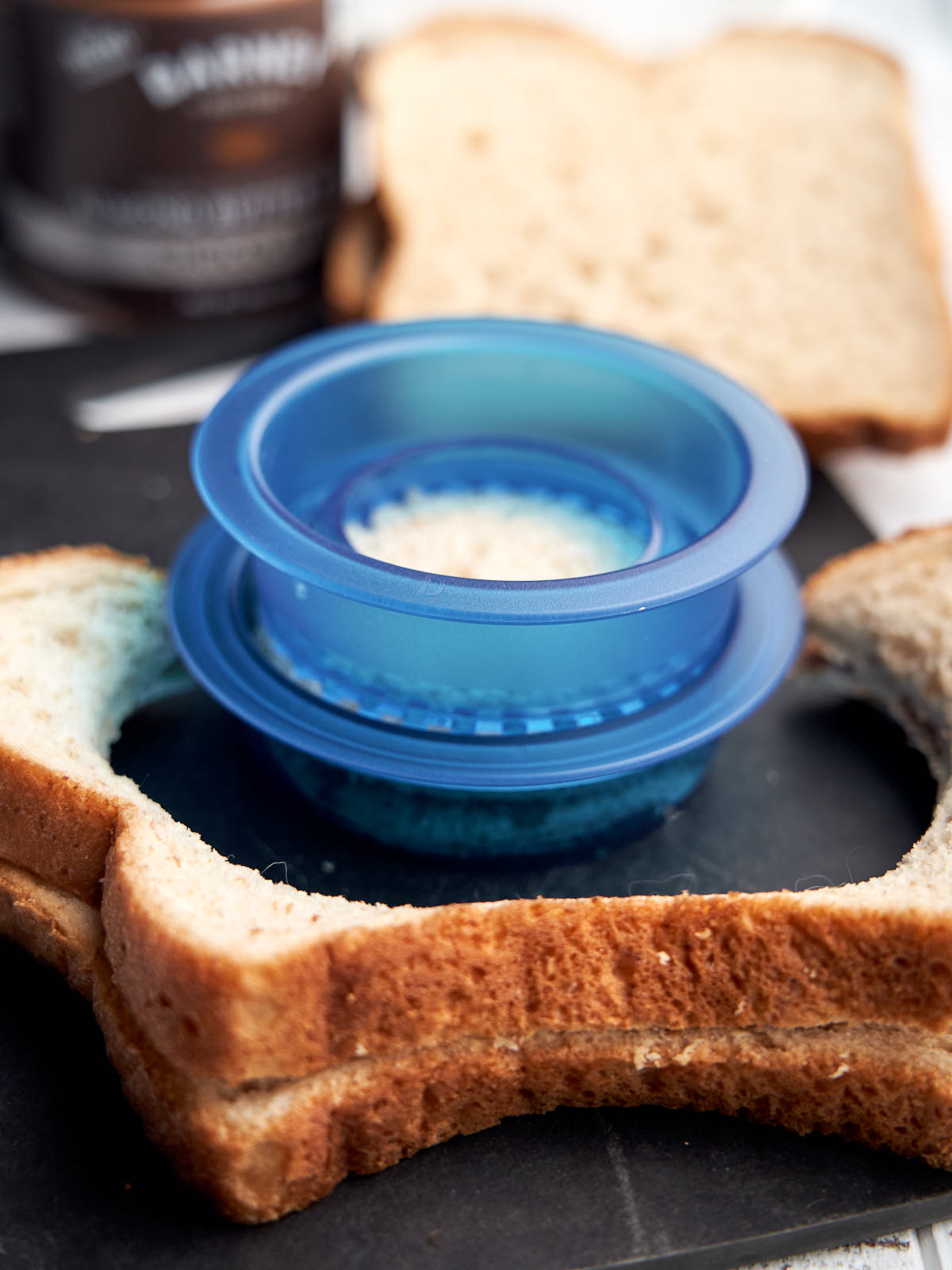
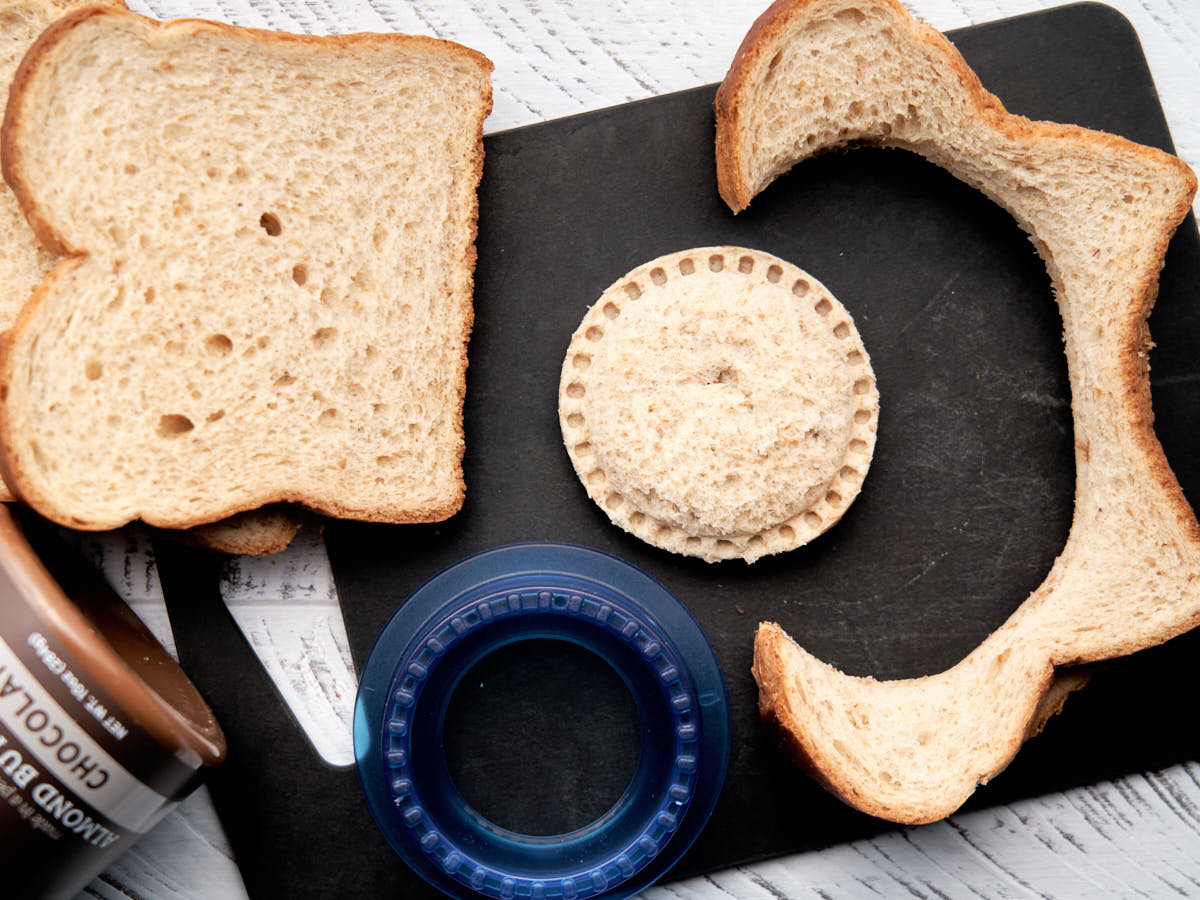
To achieve the iconic look and functionality of a store-bought Uncrustable, a specialized sandwich cutter and sealer is indispensable. Numerous options are available on e-commerce platforms, but careful selection is advised. One highly recommended tool is designed to replicate the classic Smucker’s Uncrustables edge, avoiding the often less desirable wavy edges produced by some alternative sealers. The two-step process involves first using a plain circular cutter to remove the bread crusts, followed by pressing the sealer mold to create a secure, crimped edge. This simple mechanism ensures that the filling remains contained, making the finished product mess-free and visually appealing, akin to its commercial counterpart.
Tips for Uncrustable Perfection
Achieving consistently great results with homemade Uncrustables involves a few strategic considerations:
The Bread Dilemma: Softness is Key
The choice of bread significantly impacts the success of the sealing process. Soft, pliable breads are essential as they are less likely to split or crack when subjected to the cutting and sealing mechanisms. Brands like Wonder Bread or Nature’s Own Honey Wheat have proven effective. Conversely, denser whole wheat breads, while often preferred for their nutritional value, tend to be too brittle. Their texture can lead to the Uncrustable cracking open during the sealing stage, compromising the integrity of the sandwich and potentially leading to a messy outcome. The pliability of softer breads ensures a clean cut and a robust seal, preserving the sandwich’s structure.
Mindful Filling Application: Less is More
A common pitfall in making homemade Uncrustables is the temptation to overfill. The sealing mechanism, while effective, has its limits. Overloading the sandwich with spread can cause it to ooze out around the edges, detracting from the neat appearance and potentially creating a sticky residue. The goal is to apply just enough filling to satisfy the palate without exceeding the bread’s capacity.
Strategic Filling Placement: The Center Holds
To further prevent leakage, it is advisable to concentrate the filling in the center of the bread slices. Spreading the chocolate or almond butter mixture all the way to the edges is unnecessary and counterproductive. By keeping the filling contained within a central area, there is a significantly reduced risk of it escaping during the cutting and sealing process. This simple placement strategy ensures that the sealed edge remains clean and intact.
The Broader Impact: Healthier Convenience
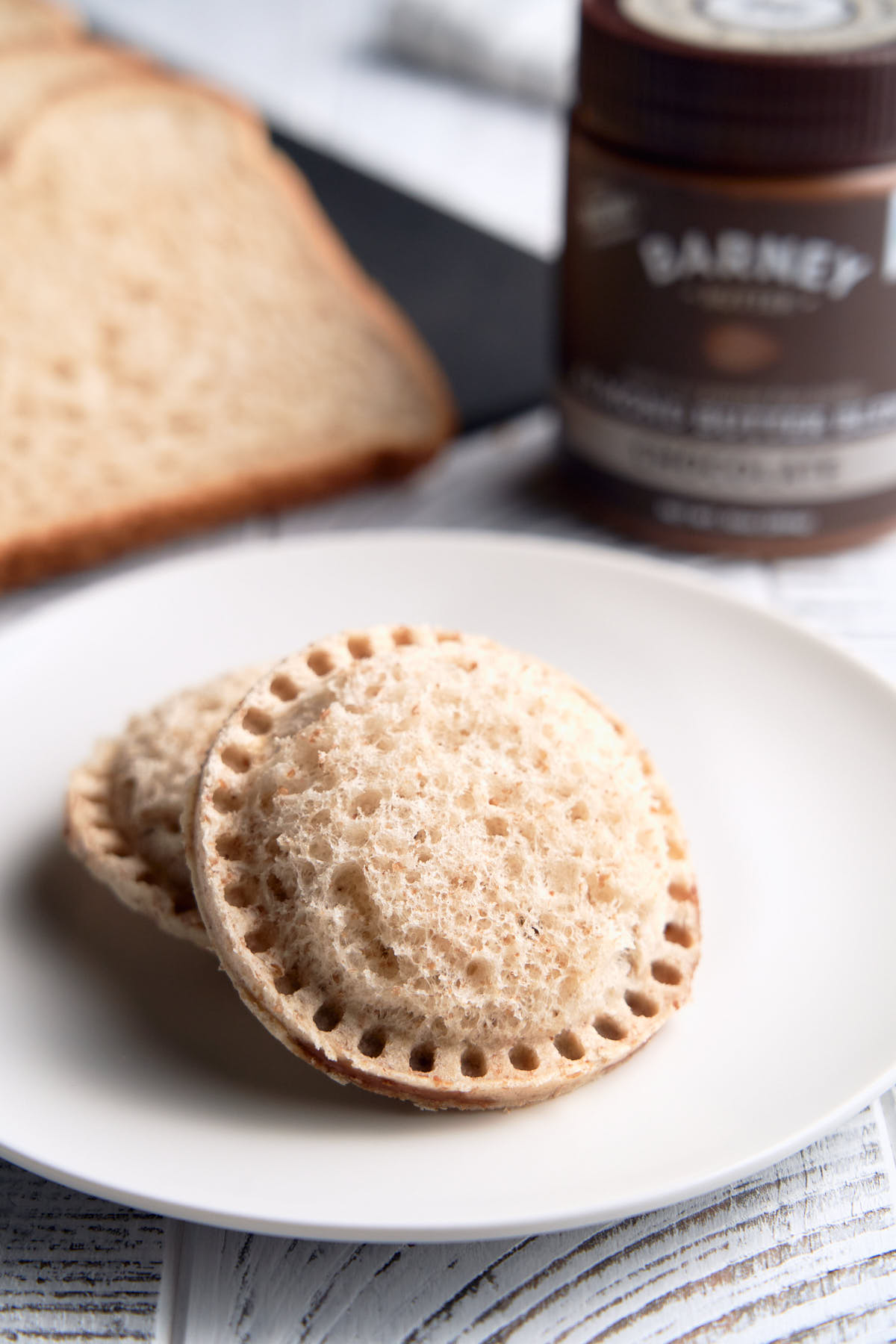
The trend towards making homemade Uncrustables reflects a broader societal shift towards prioritizing health and ingredient transparency, even in convenient food options. By replicating popular snacks at home, consumers gain greater control over the nutritional content, reducing reliance on processed foods laden with artificial additives and excessive sugars. This approach not only offers a healthier alternative but also fosters culinary engagement within families, turning food preparation into an enjoyable activity. The ability to create visually appealing and mess-free snacks like chocolate Uncrustables empowers parents to provide nutritious options that appeal to children’s preferences.
The widespread availability of tools like sandwich cutters and high-quality, healthier spreads further democratizes this trend. It allows individuals to recreate beloved treats with a focus on well-being, demonstrating that convenience and health are not mutually exclusive. As consumers become increasingly informed about food production and ingredient sourcing, the demand for such DIY alternatives is likely to continue to grow, reshaping how families approach everyday meals and snacks.
