
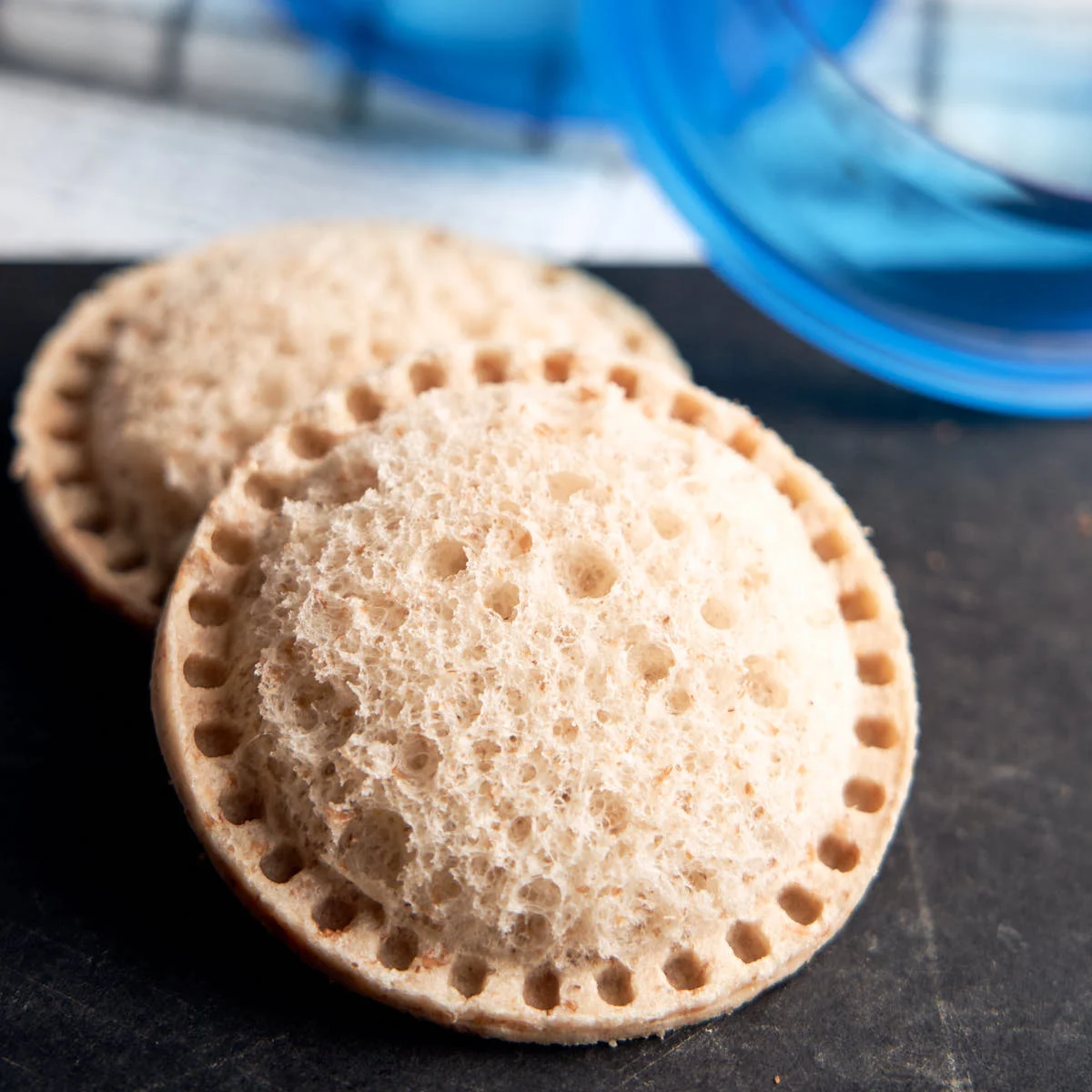
The seemingly simple act of creating homemade peanut butter and honey Uncrustables is emerging as a popular, practical solution for families seeking healthier, more economical, and environmentally conscious lunchbox options. This trend, amplified by readily available sandwich-making tools and a growing awareness of ingredient quality, allows consumers to bypass the processed nature of store-bought alternatives while engaging children in the kitchen.
The appeal of homemade Uncrustables lies in their ability to offer greater control over ingredients, a key differentiator from their commercially produced counterparts. While the basic components – bread, peanut butter, and honey – are straightforward, the quality and nutritional profile of these ingredients can vary significantly.
Deconstructing the Store-Bought Uncrustable
A closer examination of the ingredient list for commercially produced Uncrustables reveals a common practice of including added sugars. In many instances, sugar is listed as a primary ingredient in the "honey spread" and also appears in the peanut butter formulation. This practice contributes to a higher sugar content in the final product, a concern for parents mindful of their children’s dietary intake. Furthermore, the packaging of individually wrapped store-bought Uncrustables contributes to single-use plastic waste, an increasing environmental concern for many households.
The Homemade Advantage: Health, Cost, and Sustainability
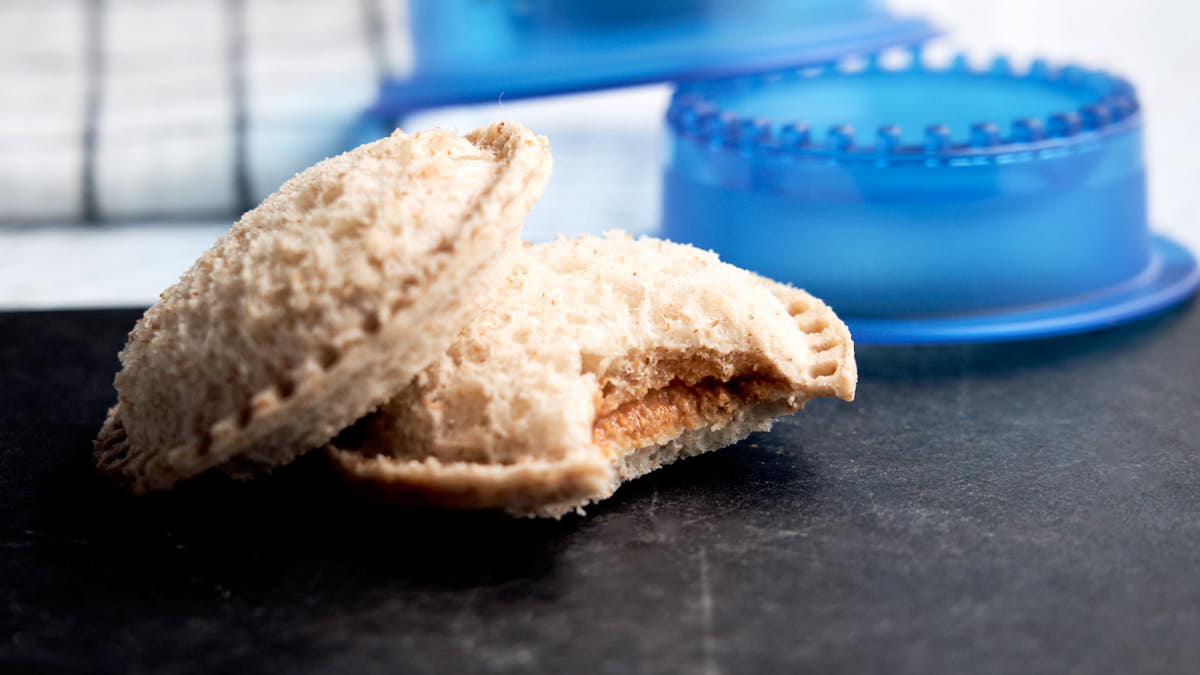
The homemade approach directly addresses these concerns. By opting for ingredients like natural peanut butter with no added sugar and pure honey, families can significantly reduce the overall sugar consumption. This not only contributes to healthier eating habits but also provides a more authentic honey flavor. The cost-effectiveness of making Uncrustables at home is another compelling factor. Bulk purchasing of bread, peanut butter, and honey generally results in a lower per-unit cost compared to individually packaged, branded products.
Beyond the nutritional and financial benefits, the homemade route offers a tangible reduction in plastic waste. Instead of relying on individual plastic packaging for each sandwich, families can prepare a batch of Uncrustables and store them in reusable containers. This aligns with a broader movement towards sustainable living and reducing household environmental impact.
The Uncrustable Maker: A Kitchen Essential for Convenience
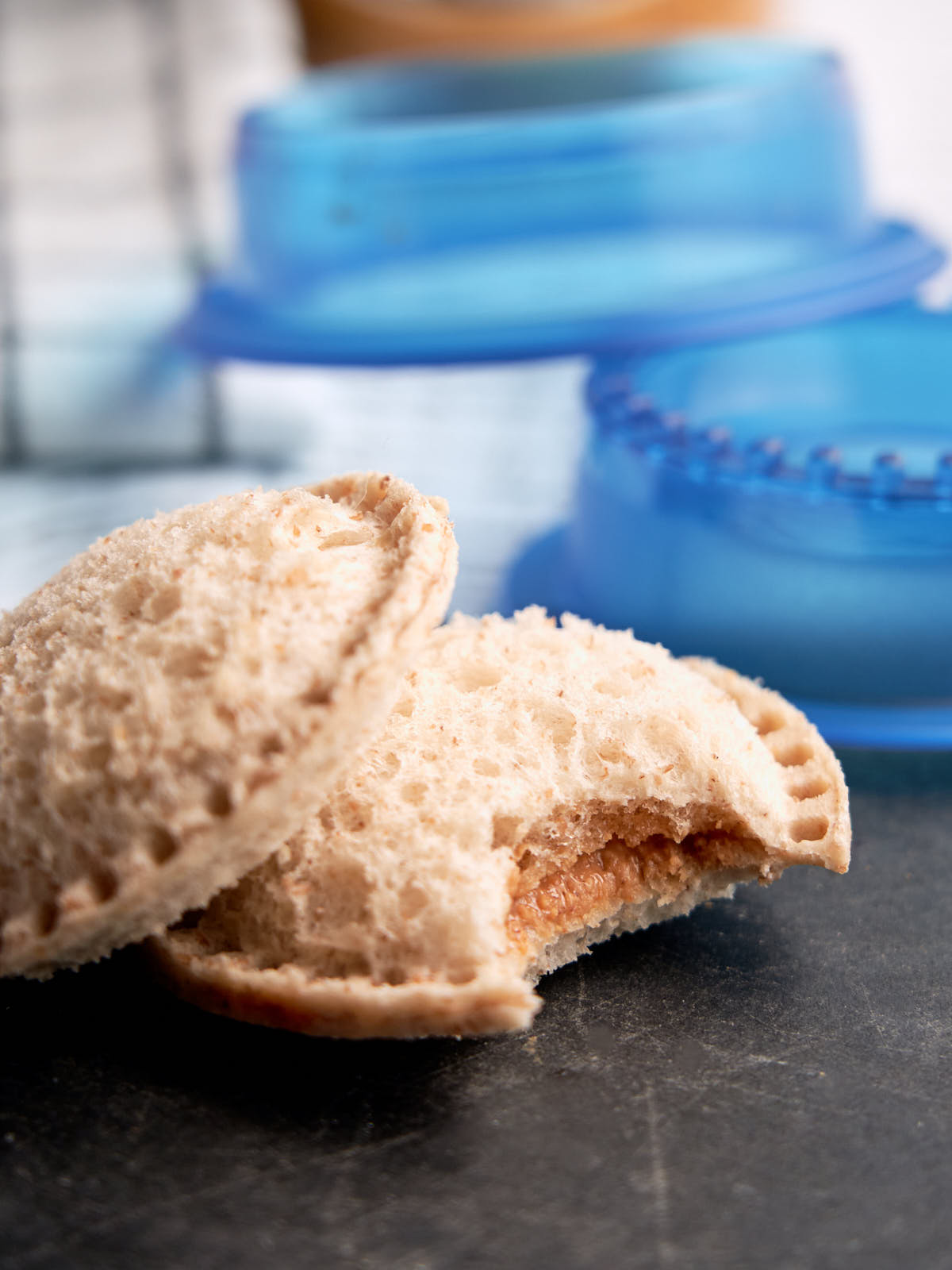
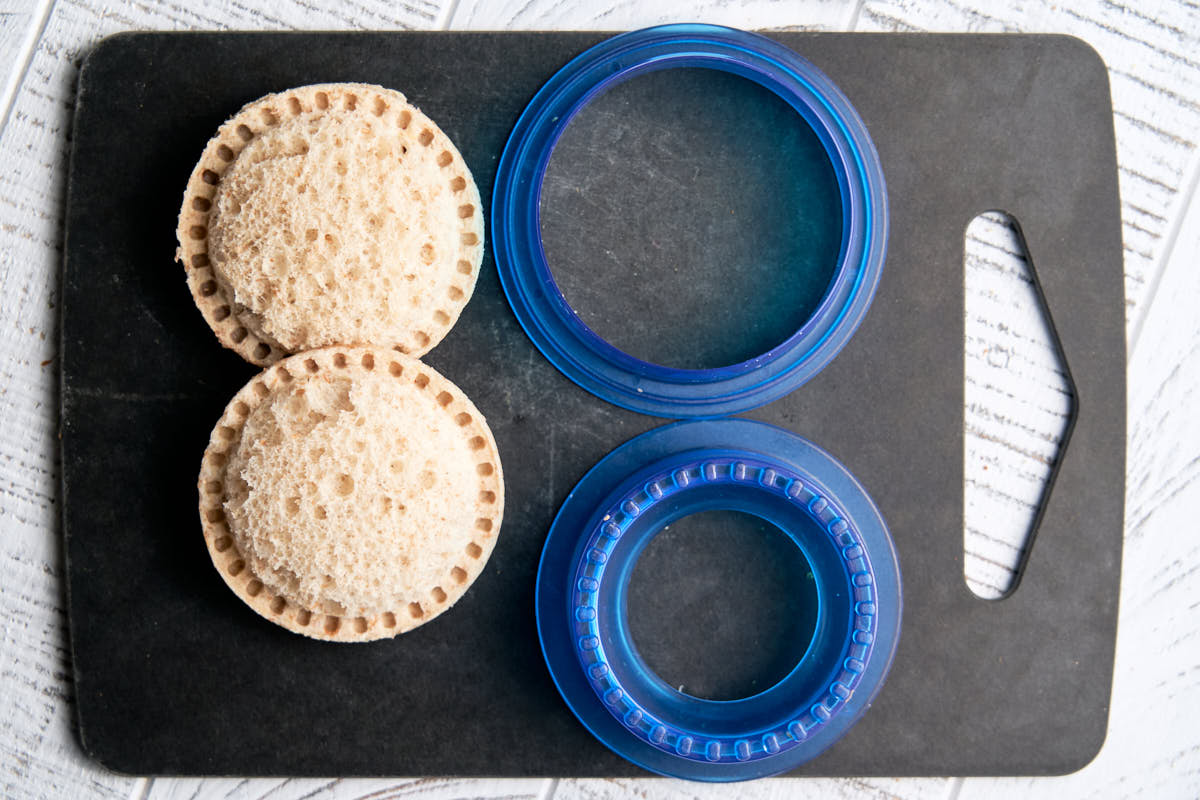
The popularity of homemade Uncrustables has been further boosted by the availability of specialized sandwich cutters and sealers, often referred to as "Uncrustable makers." These tools simplify the process of creating the signature sealed edge, transforming a potentially messy kitchen task into a fun and engaging activity.
While various models exist, certain designs have gained traction for their ability to replicate the classic crimped edge of the commercial product. These makers typically consist of a cutter that removes the crust and a press that seals the edges of the bread, creating a neat, enclosed sandwich. This ease of use makes the process accessible even for young children, fostering their involvement in meal preparation.
Engaging Children in the Kitchen: A Learning Opportunity
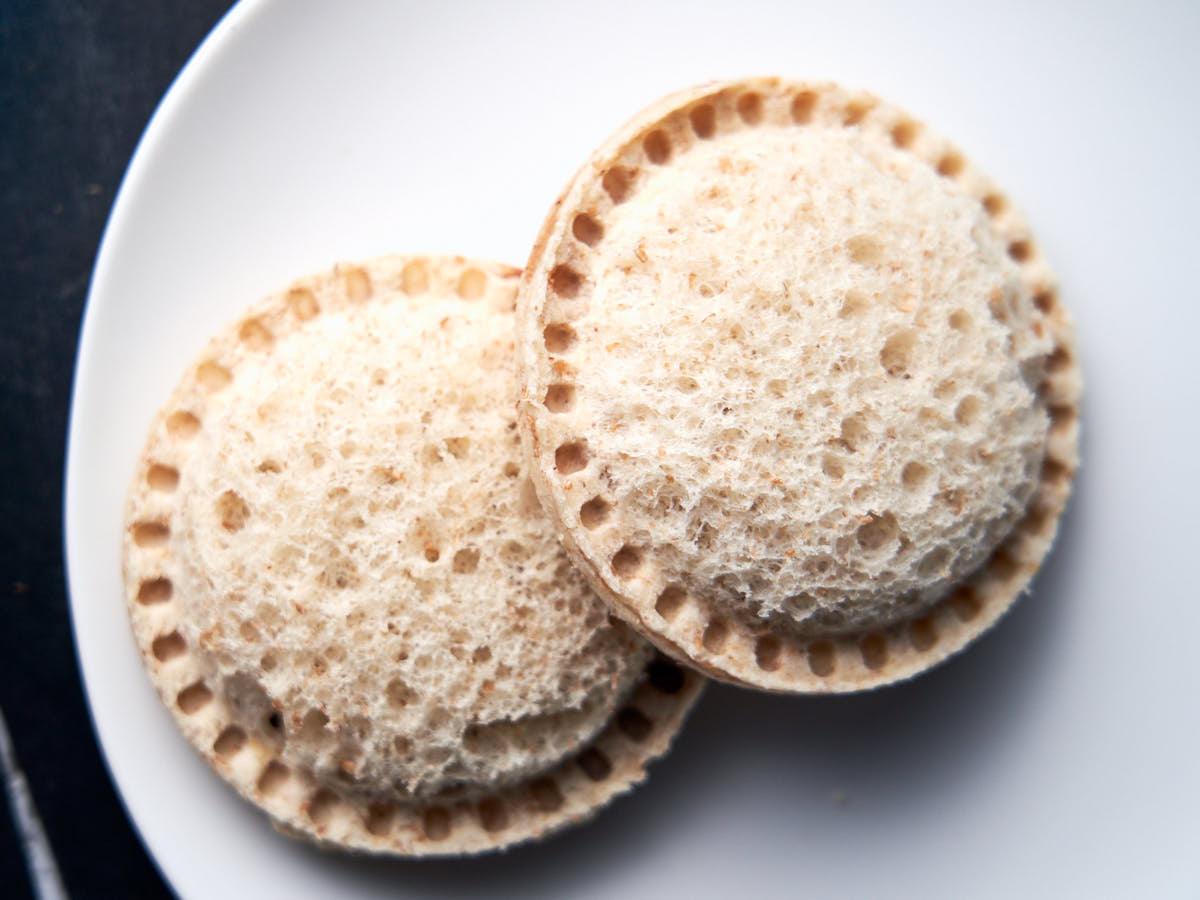
The act of making Uncrustables can serve as a valuable educational experience for children. It introduces them to basic cooking techniques, encourages them to make healthier food choices, and provides a sense of accomplishment. Many parents report that children are more inclined to eat foods they have helped prepare. This hands-on approach can also be a fun way to teach about food sourcing and the differences between processed and whole ingredients.
Maximizing Resources: Addressing Bread Crust Waste
A common question that arises with the homemade Uncrustable process is the fate of the bread crusts. Rather than discarding them, resourceful home cooks have found creative ways to utilize this often-overlooked part of the bread.
- Croutons: One popular method involves pan-frying the crusts in olive oil or butter, seasoned with herbs and spices. These can be enjoyed as a crunchy snack or as a flavorful addition to salads and soups. Popular seasoning combinations often include garlic powder, onion powder, Italian herbs, and a pinch of salt.
- Breadcrumbs: Leftover crusts can be toasted until dry and then pulsed in a food processor or blender to create homemade breadcrumbs. These can be used in various recipes, such as coatings for chicken or fish, or as a binder in meatballs.
- Direct Consumption: For smaller batches or when time is limited, the crusts can simply be eaten as is, perhaps as a personal breakfast or a quick snack. This approach emphasizes minimizing food waste and maximizing the use of all edible components of the bread.
A Shift Towards Mindful Consumption
The growing trend of making homemade Uncrustables reflects a broader societal shift towards more mindful consumption. Consumers are increasingly scrutinizing ingredient lists, seeking out healthier alternatives, and considering the environmental impact of their purchasing decisions. The ease with which these beloved childhood treats can be replicated at home empowers individuals to take greater control over their food, promoting both personal well-being and a more sustainable lifestyle. As more families embrace this simple yet impactful kitchen practice, the homemade Uncrustable is likely to remain a staple in lunchboxes and a testament to the power of conscious food choices.
