
This article may contain affiliate links. As an Amazon Associate, I earn from qualifying purchases. See my Disclosure Policy for more information.
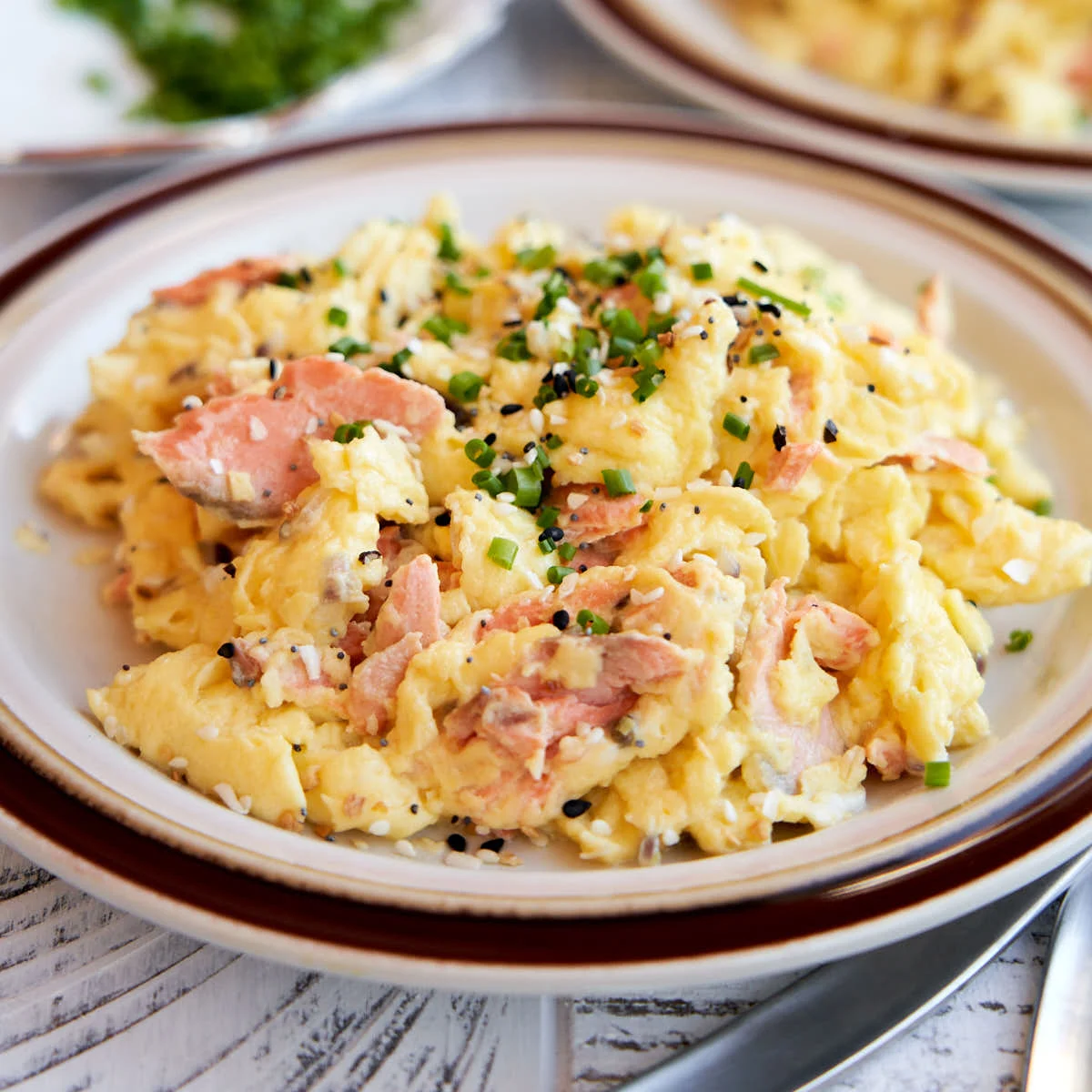
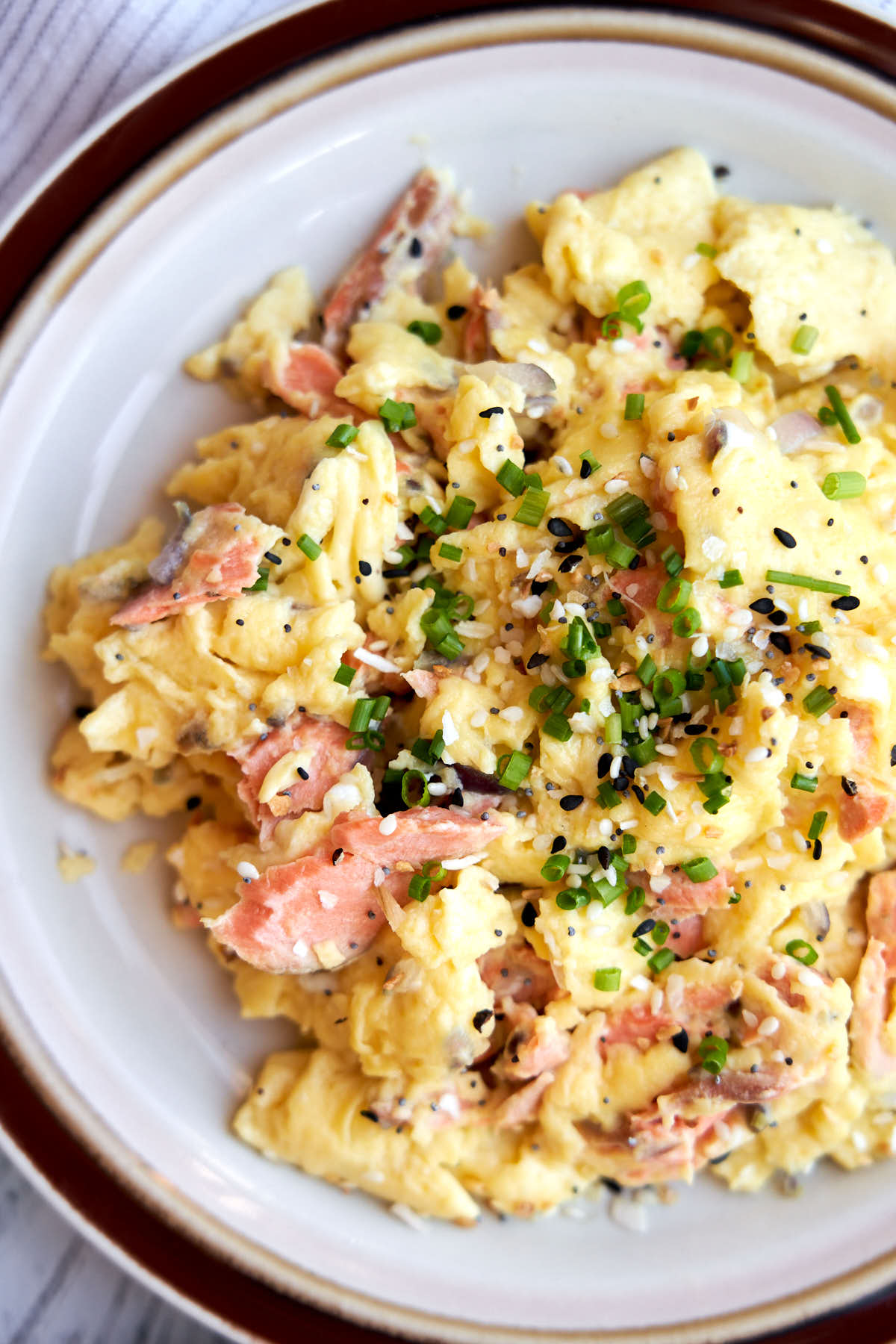
A simple yet satisfying breakfast option, salmon and eggs offers a nutritious and flavorful start to the day, particularly for those looking to utilize leftover cooked salmon. This versatile dish, easily prepared in minutes, bridges the gap between a quick weekday meal and a more indulgent weekend brunch. Its straightforward preparation makes it an ideal candidate for scaling up to accommodate larger gatherings.
The Nutritional Powerhouse of Salmon and Eggs
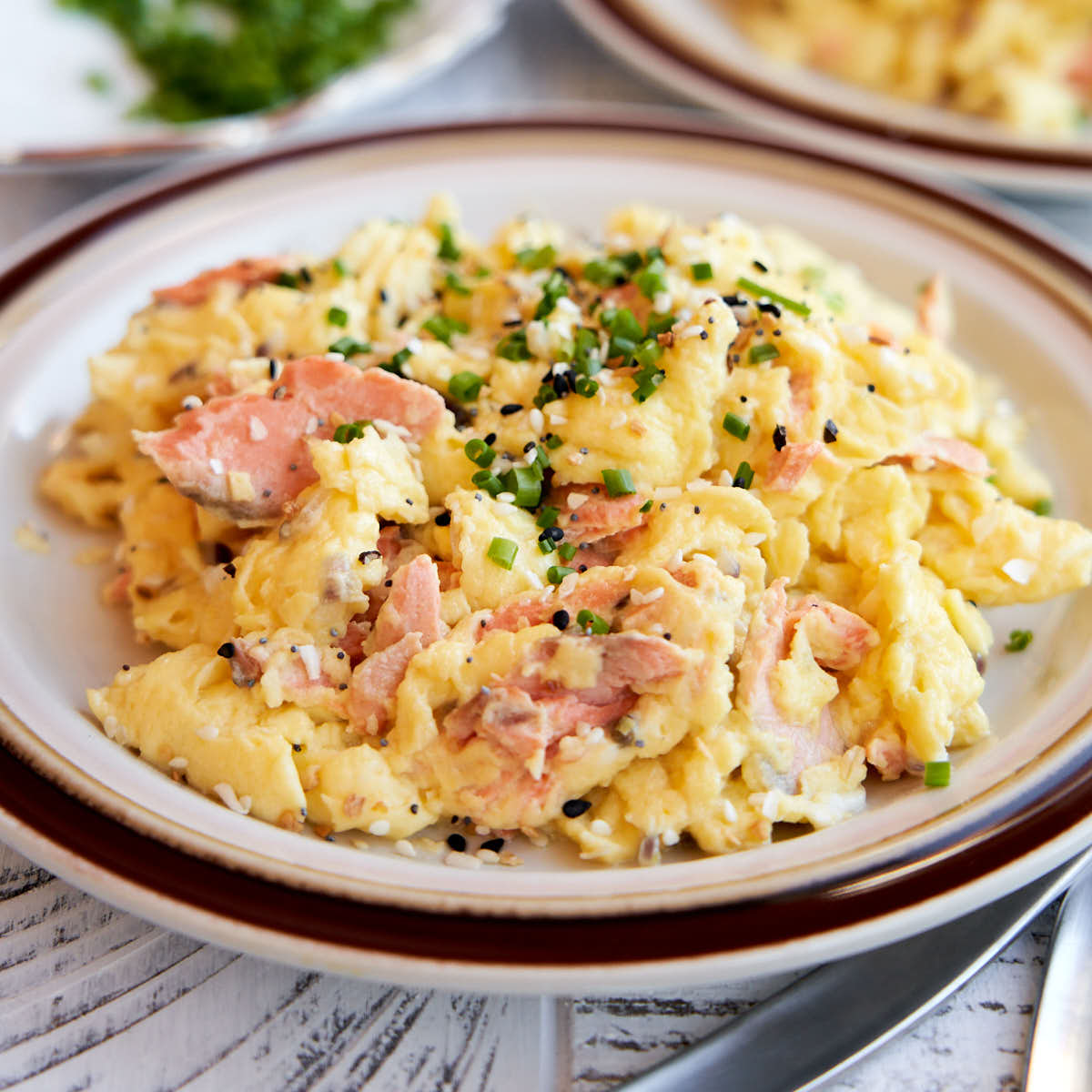
The combination of salmon and eggs is not only delicious but also a nutritional powerhouse. Salmon, a fatty fish, is renowned for its rich omega-3 fatty acid content, specifically EPA and DHA. These essential fats are crucial for brain health, reducing inflammation, and supporting cardiovascular function. A typical 3-ounce serving of cooked salmon can provide over 1,000 mg of omega-3s, significantly contributing to the daily recommended intake.
Eggs, on the other hand, are a complete protein source, providing all nine essential amino acids. They are also packed with vitamins and minerals, including vitamin D, vitamin B12, selenium, and choline. Choline, in particular, plays a vital role in brain development and function. When combined, salmon and eggs create a breakfast that is both satiating and nutrient-dense, offering sustained energy release and promoting overall well-being.
Culinary Versatility and Practical Application
The appeal of salmon and eggs lies in its adaptability. The core recipe relies on minimal, readily available ingredients, making it accessible to most home cooks. The primary ingredient, cooked salmon, can be sourced from leftovers from a previous meal, such as baked or pan-fried fillets. This approach not only minimizes food waste but also streamlines the cooking process.
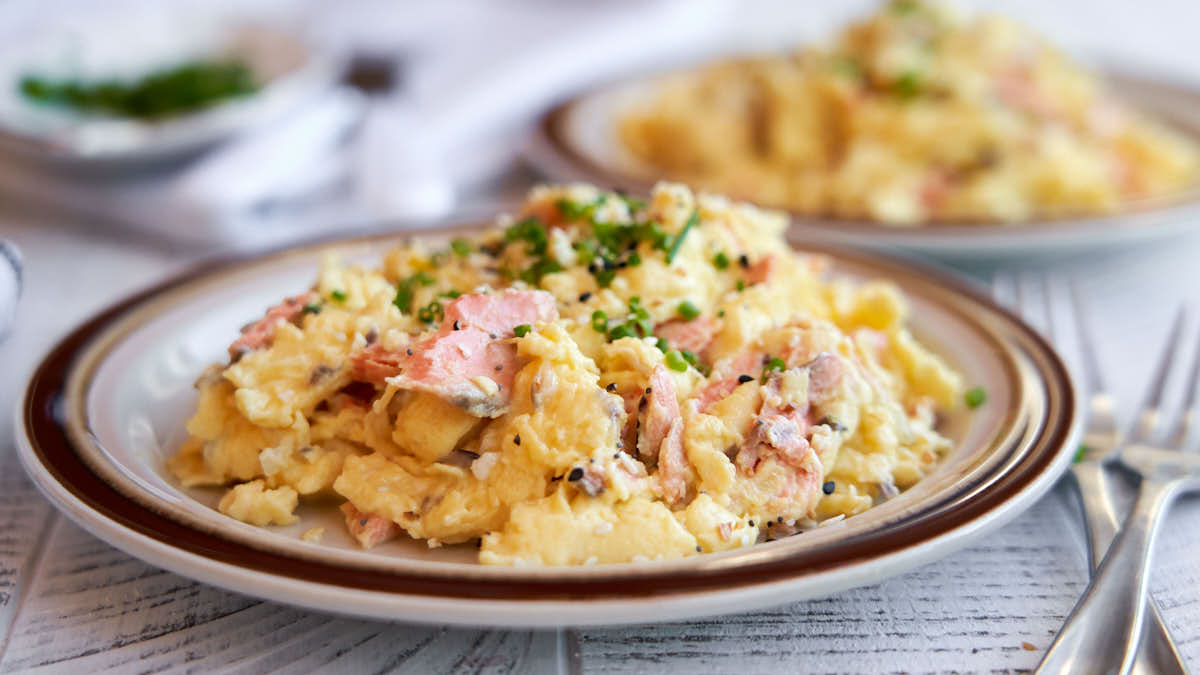
The preparation method emphasizes technique to achieve optimal results. A key recommendation is the use of half-and-half in the scrambled eggs. This dairy product, with its higher fat content compared to milk, contributes to a creamier, richer texture and prevents the eggs from becoming rubbery. While whole milk can be substituted in a pinch, it may result in a less luxurious mouthfeel.
Proper egg preparation is also paramount. Beating the eggs thoroughly, ideally with a whisk, is essential for two reasons. Firstly, it ensures an even distribution of egg yolk and white, preventing streaky or unevenly colored scrambled eggs. Achieving a uniform pale yellow hue indicates that the proteins have been sufficiently blended. Secondly, vigorous beating incorporates air into the mixture, contributing to a lighter, fluffier final product. This aeration process creates small air pockets that expand during cooking, resulting in a more delicate texture.
Integrating Leftover Salmon Effectively
The timing of adding the salmon to the eggs is crucial for maintaining its optimal texture and flavor. It is advised to allow the leftover salmon to come to room temperature before incorporating it into the dish. Adding cold salmon directly to the cooking eggs can lower their temperature, potentially disrupting the cooking process and leading to less desirable results.
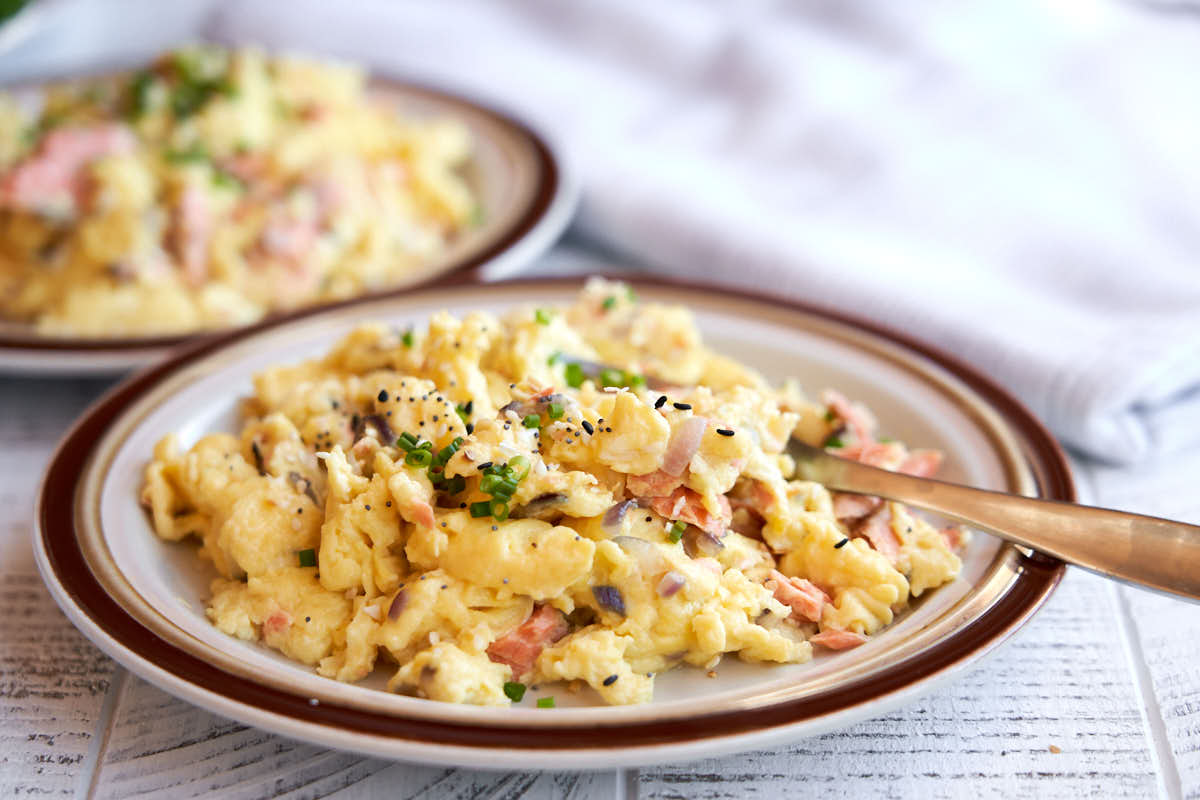
Furthermore, the salmon should be added towards the end of the egg cooking process, when the eggs are still wet but beginning to form curds. This allows the salmon sufficient time to warm through without overcooking. The slight moisture in the eggs at this stage also helps them adhere to the salmon pieces, creating a cohesive scramble.
Elevating the Dish with Flavor Enhancements
To enhance the overall flavor profile, "Everything but the Bagel" seasoning is a highly recommended finishing touch. This popular blend, typically comprising sesame seeds, poppy seeds, dried garlic, dried onion, and sea salt, adds a savory depth and textural contrast. For an added touch of freshness and visual appeal, fresh chives are often suggested. In instances where fresh chives are unavailable, freeze-dried chives offer a convenient and long-lasting alternative.
Considerations for Salmon Selection
The recipe specifically calls for cooked salmon that is not smoked. While smoked salmon is a delicacy, its high salt content and distinct flavor profile are not suitable for this particular preparation. Smoked salmon would likely render the dish too salty and its texture could become unpleasantly dry when cooked with the eggs. Any other form of cooked salmon, whether baked, grilled, or pan-fried, is generally suitable, provided it is flaked or diced into manageable pieces.
Broader Implications and Nutritional Benefits
The widespread availability of cooked salmon, often a byproduct of meal planning, makes this salmon and egg recipe an economically sensible choice. Its inherent health benefits, stemming from the omega-3s in salmon and the high-quality protein and micronutrients in eggs, position it as a valuable component of a balanced diet. The World Health Organization (WHO) recommends consuming fish at least twice a week, emphasizing fatty fish for their beneficial fats. This recipe provides a creative and accessible way to meet those recommendations.
The simplicity and speed of preparation also address modern lifestyle demands for nutritious yet time-efficient meals. In a world where busy schedules often lead to the compromise of dietary quality, dishes like salmon and eggs offer a solution that prioritizes both health and convenience.
For those seeking further inspiration in incorporating fish into their breakfast repertoire, a tuna omelette is another popular and equally nutritious option, offering a similar protein boost and flavor profile. Exploring various scrambled egg preparations can also lead to discovering new and exciting breakfast combinations.
