
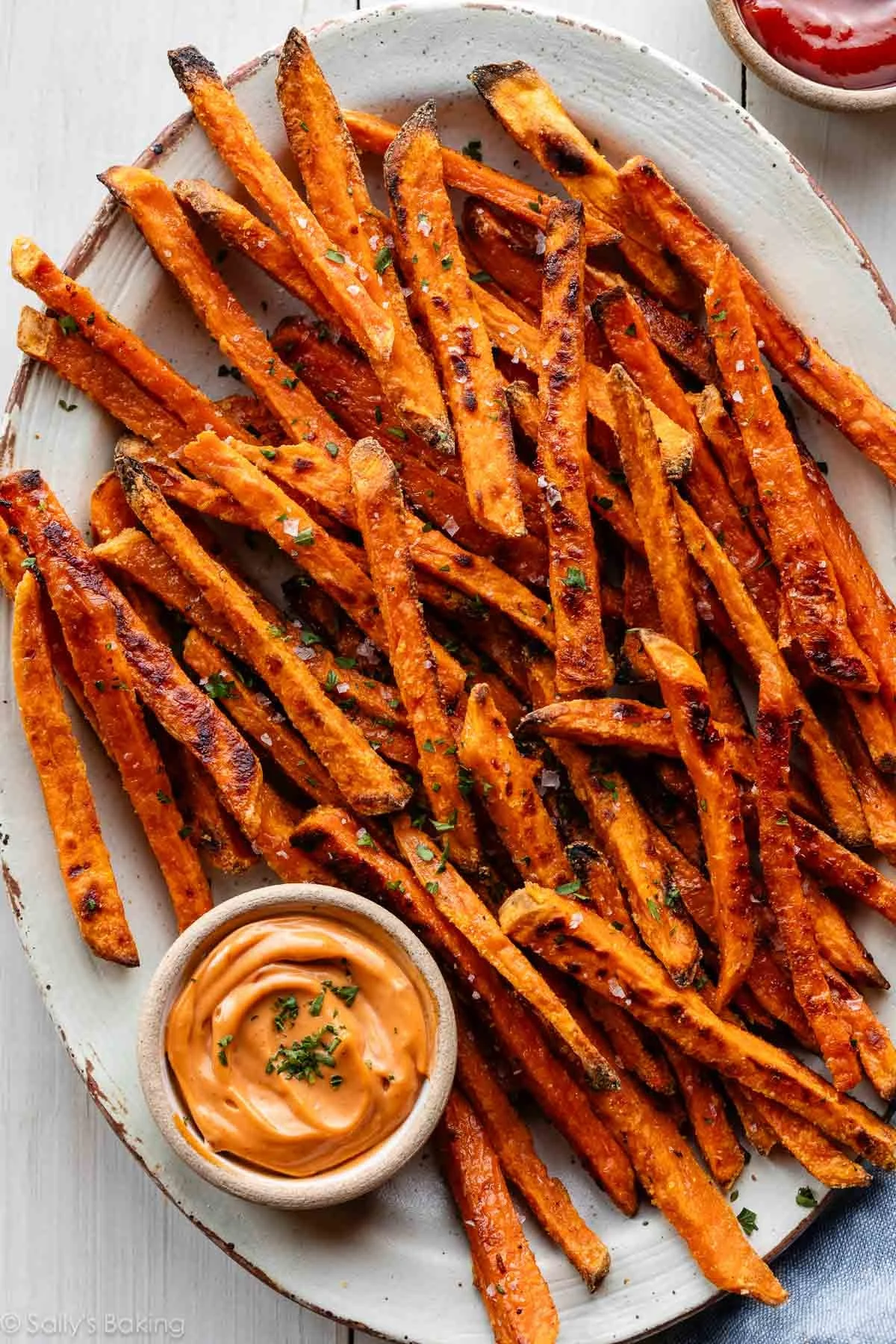
The pursuit of perfectly crispy sweet potato fries, a common culinary challenge for home cooks, has been systematically addressed through refined techniques that transform a typically soft root vegetable into a golden, crunchy side dish without the need for deep frying. This staple recipe, frequently updated to incorporate new insights and cooking technologies, offers a versatile and scalable solution for incorporating nutritious sweet potatoes into a variety of meals, appealing to both health-conscious individuals and those seeking flavorful alternatives to traditional potato fries.
The Enduring Challenge of Crispiness and Its Solution
For years, home cooks have grappled with the common disappointment of pulling soggy sweet potato fries from the oven. Unlike their starchier white potato counterparts, sweet potatoes contain higher levels of moisture and natural sugars, which contribute to a softer texture and make achieving a crisp exterior significantly more challenging. When subjected to heat, this excess moisture can steam the fries rather than allowing them to roast and brown effectively. The breakthrough in consistently producing perfectly crispy baked sweet potato fries lies in a combination of simple yet scientifically sound techniques that mitigate these inherent properties.
The primary innovation involves a light pre-coating of cornstarch. Cornstarch acts as a desiccant, absorbing surface moisture from the sweet potato sticks before they are exposed to oil and heat. This thin starchy layer also creates a fine, porous surface that promotes the formation of a crisp crust during baking. This technique is crucial because it addresses the sweet potato’s high moisture content directly, preventing the steaming effect that leads to limp fries. Furthermore, the application of high heat, typically around 400°F (200°C), facilitates rapid moisture evaporation and encourages the Maillard reaction – the chemical process responsible for browning and the development of complex flavors. Ample spacing on the baking sheet is another non-negotiable factor. Overcrowding a tray restricts air circulation, trapping steam and hindering the crisping process, essentially turning the baking sheet into a steamer. Distributing the fries in a single layer, ideally across two baking sheets for larger batches, ensures each piece receives direct, even heat, allowing it to roast rather than steam.
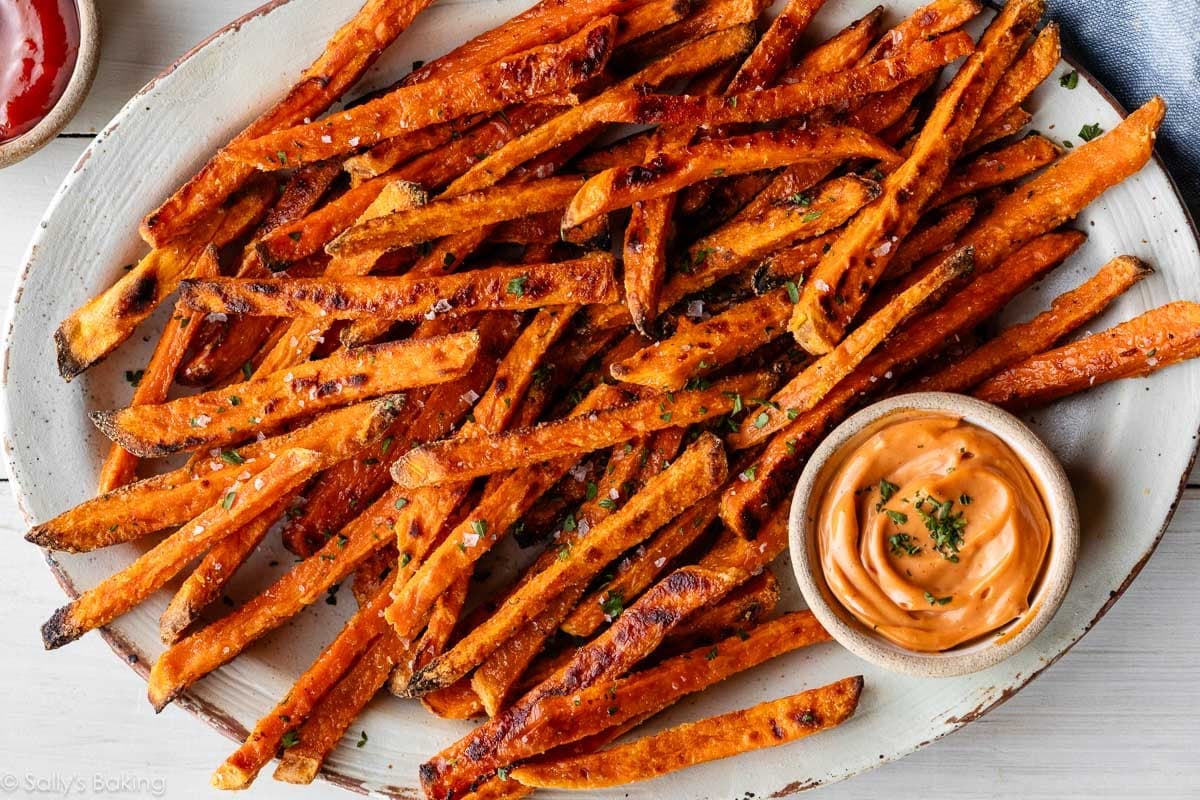
This refined approach, first documented as early as 2013 and subsequently updated with enhanced tips and the inclusion of air fryer instructions, marks a significant improvement over earlier methods. It underscores a broader trend in home cooking towards healthier preparation techniques that do not compromise on taste or texture.
Nutritional Profile and Rising Popularity of Sweet Potatoes
Sweet potatoes (Ipomoea batatas) have emerged as a nutritional powerhouse, contributing significantly to their growing popularity as a healthy food choice globally. Rich in beta-carotene, an antioxidant precursor to Vitamin A, sweet potatoes are vital for vision, immune function, and skin health. They also provide substantial amounts of Vitamin C, manganese, and dietary fiber. Compared to white potatoes, sweet potatoes generally have a lower glycemic index, meaning they cause a slower and more stable rise in blood sugar levels, making them a preferred option for individuals managing blood sugar or seeking sustained energy.
The increasing awareness of these health benefits has fueled a surge in sweet potato consumption. According to agricultural reports, sweet potato production and consumption have seen steady growth in many Western countries over the past two decades, moving from a seasonal holiday staple to a year-round dietary component. This trend is supported by nutritionists and public health organizations advocating for increased intake of nutrient-dense root vegetables. A 2022 survey by the National Institutes of Health found that nearly 60% of adults reported actively seeking out healthier alternatives to traditional fried foods, positioning baked sweet potato fries as an ideal candidate.
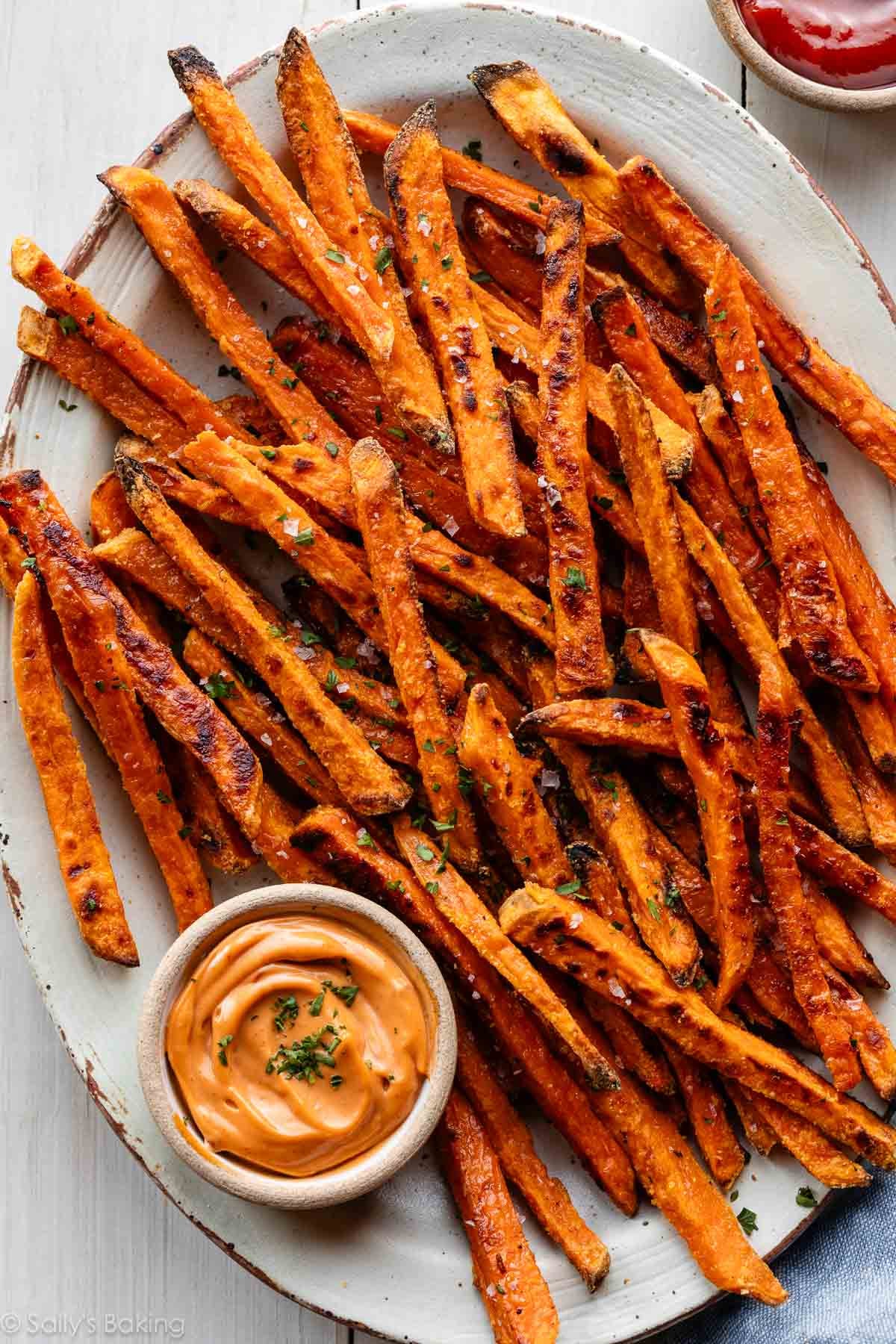
This recipe’s efficacy in achieving a crispy texture through baking or air frying aligns perfectly with this health-conscious movement, offering a delicious way to enjoy a typically indulgent food item with significantly less fat and calories than deep-fried versions. This shift reflects a broader societal preference for wholesome, yet satisfying, culinary experiences.
Evolution of Preparation Methods: Oven vs. Air Fryer
The evolution of kitchen technology has provided home cooks with increasingly efficient tools for healthier food preparation. While traditional oven baking has long been the standard for roasted vegetables, the advent of the air fryer has introduced a new dimension to achieving crispiness with minimal oil.
Oven Baking Instructions:
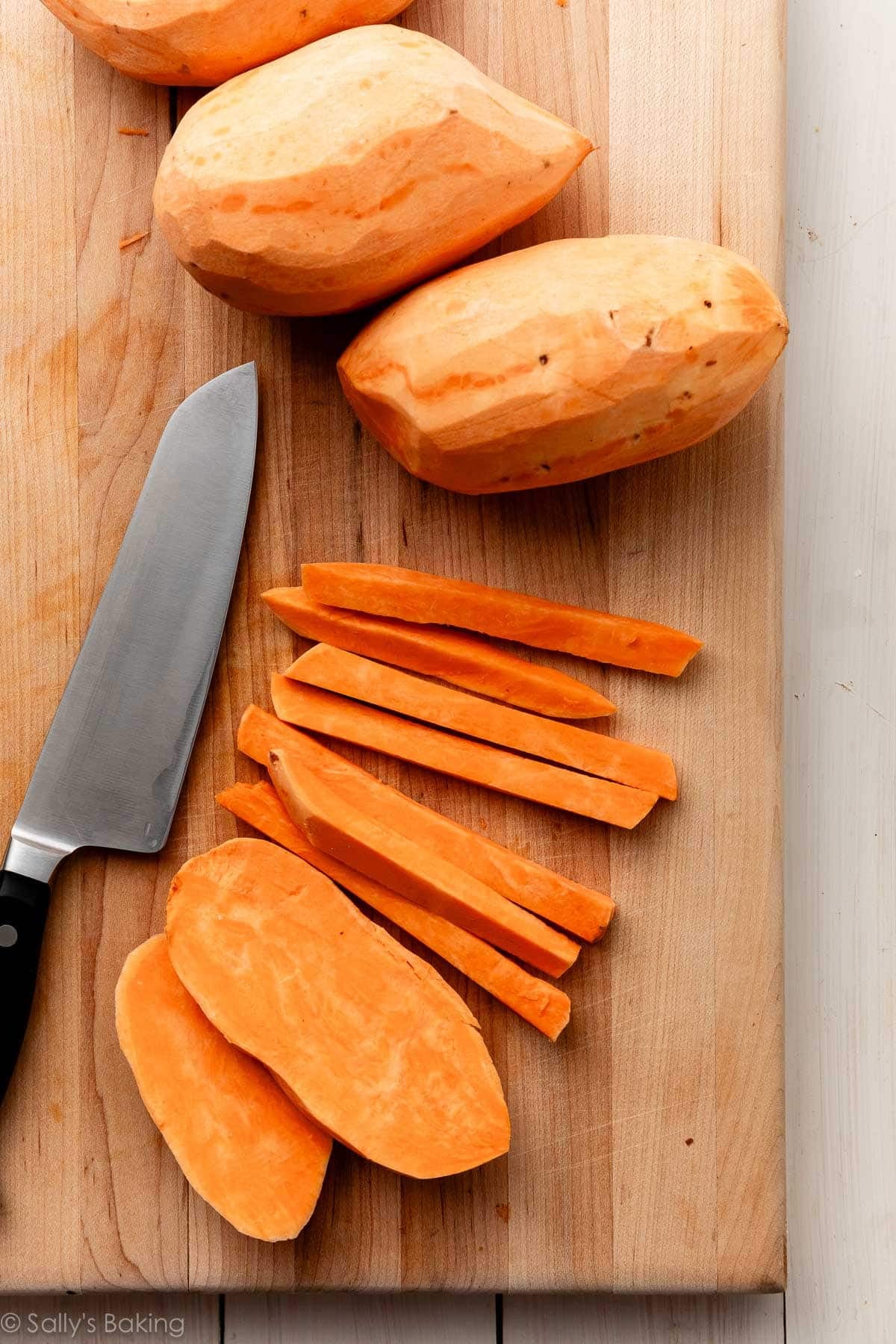
For oven preparation, the process begins with meticulous preparation of the sweet potatoes. After washing and optionally peeling, the sweet potatoes are cut into uniform 1/4-inch-wide strips. Uniformity is key for even cooking; irregular shapes can lead to some fries burning while others remain undercooked. This initial step, while seemingly simple, requires a sharp knife and some practice to achieve consistency.
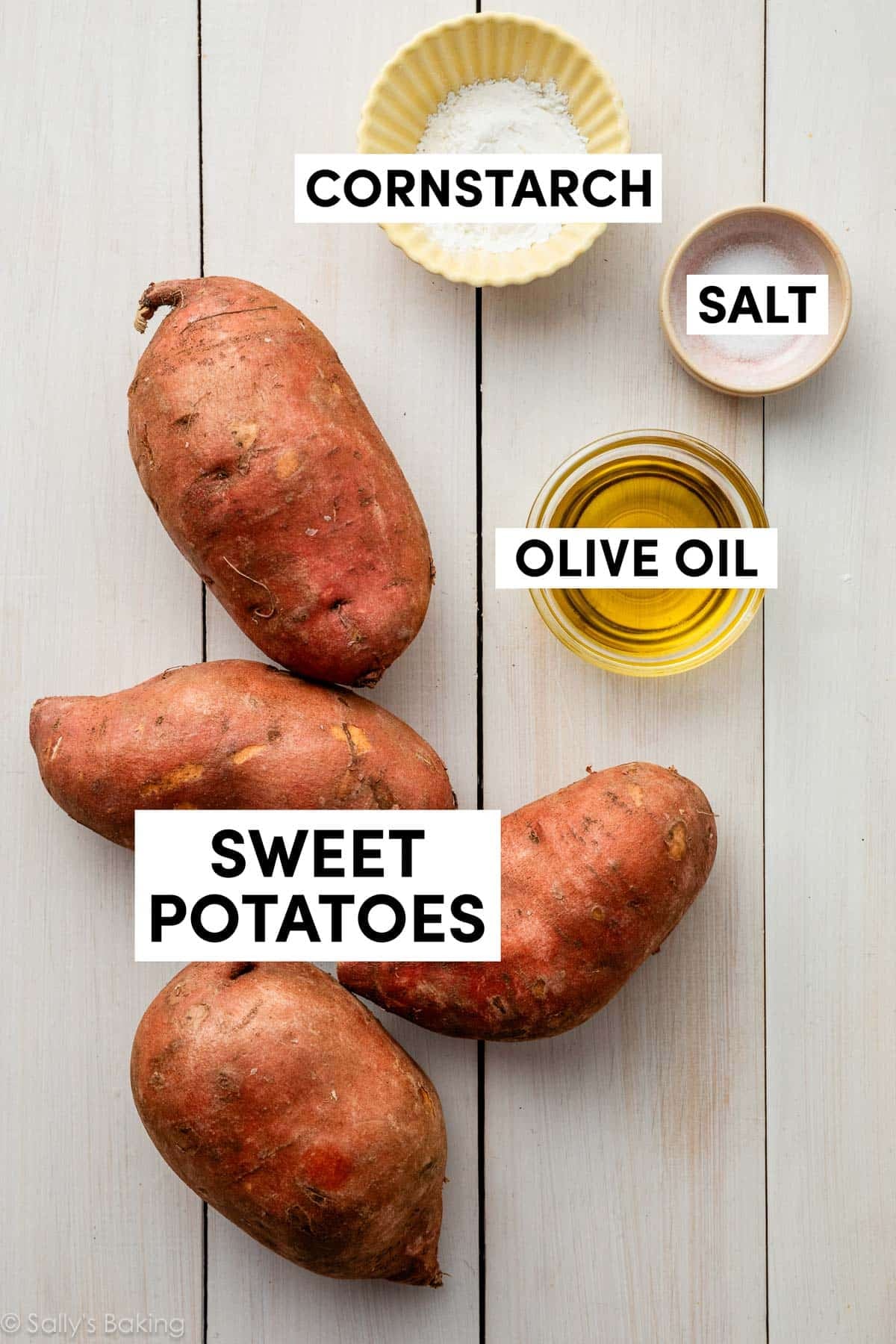
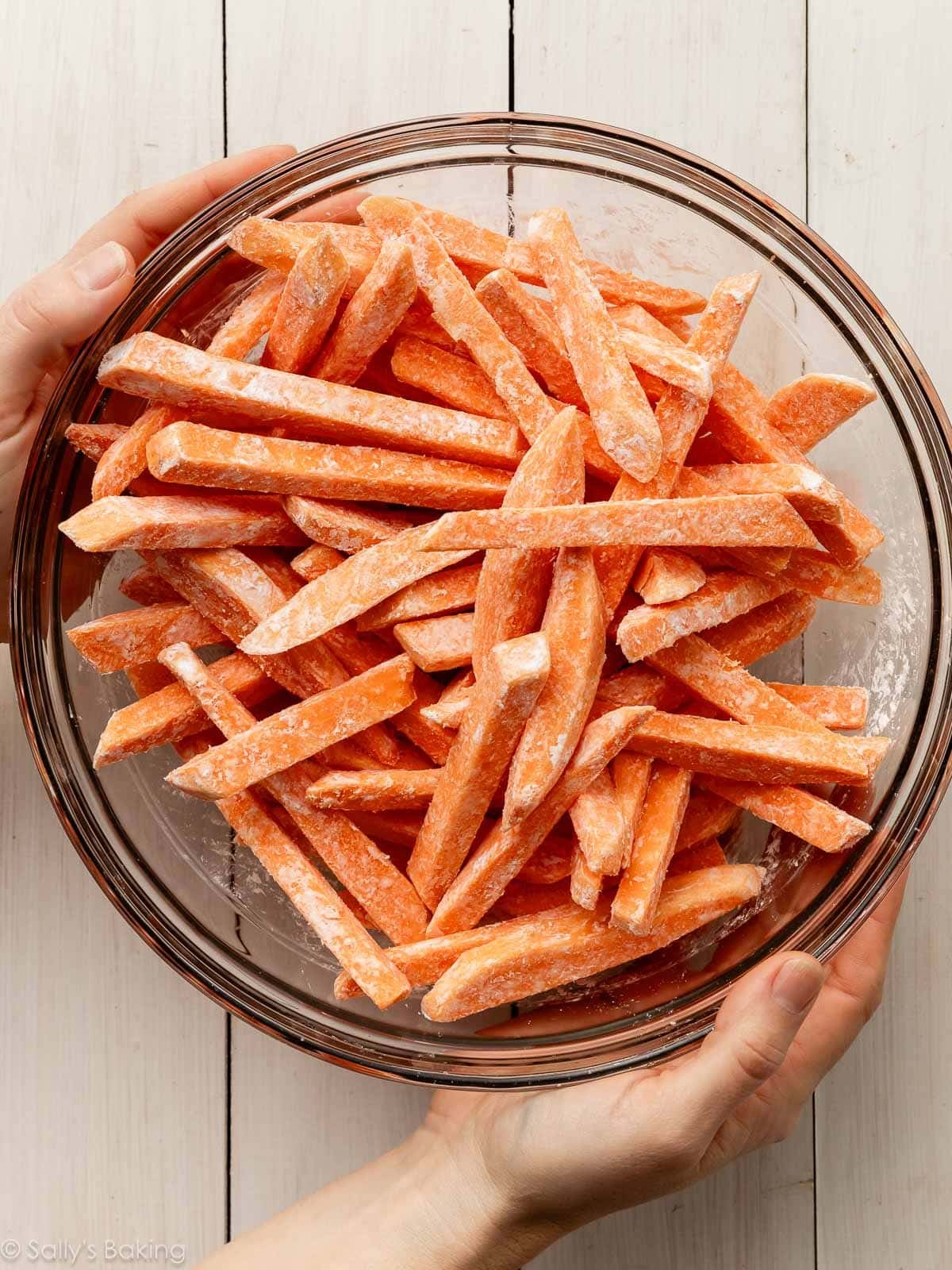
Following the cutting, the sweet potato strips are thoroughly coated with cornstarch. This can be done by tossing them in a large bowl or, as often suggested for fun and efficiency, shaking them in a large zip-top bag. The goal is a very thin, even layer of cornstarch before the addition of oil and seasonings. Applying cornstarch before oil is critical; otherwise, the cornstarch will clump and create an unappetizing texture and flavor. After the cornstarch, a light coating of olive oil (or another high smoke-point oil like avocado oil) is applied, followed by desired seasonings.
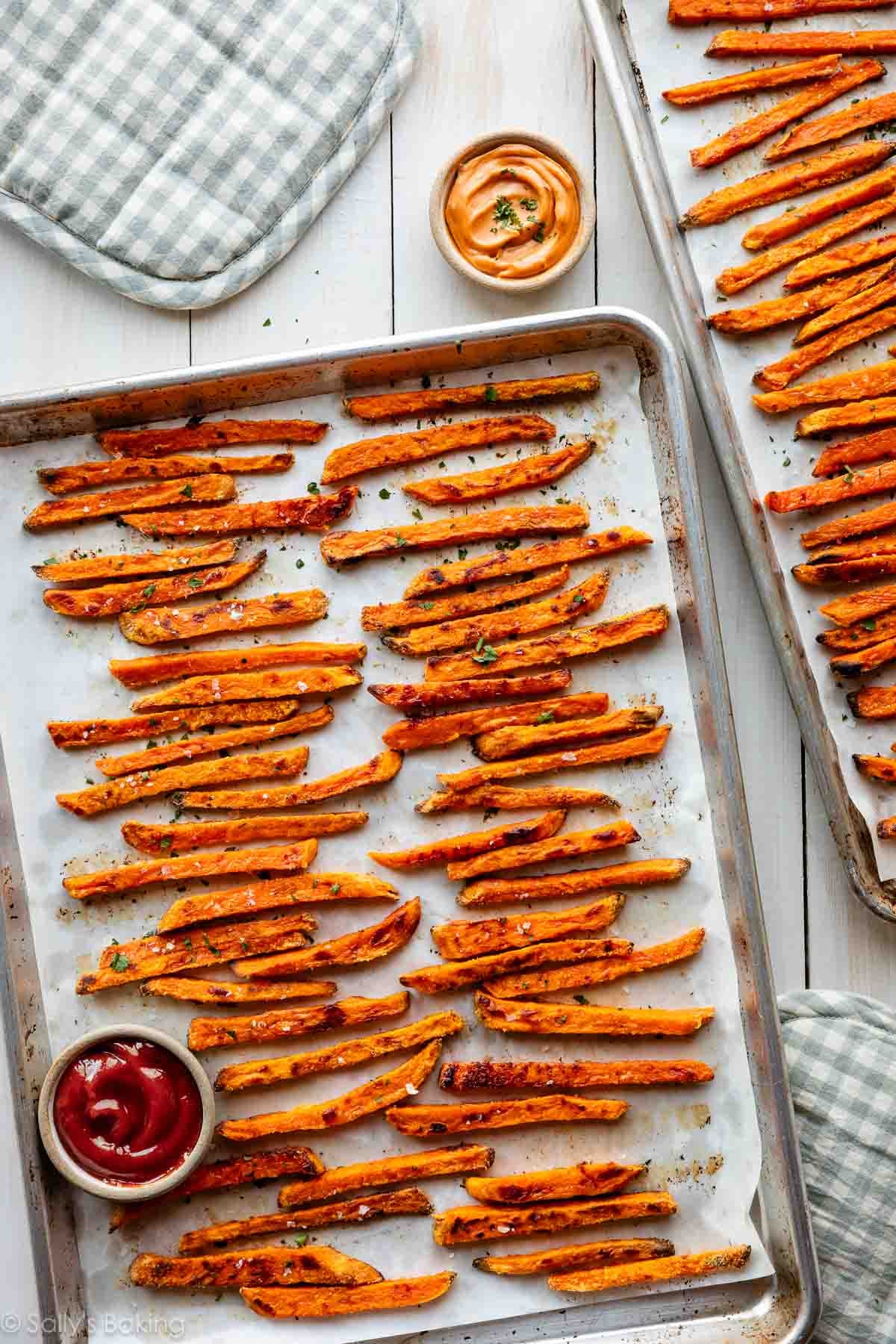
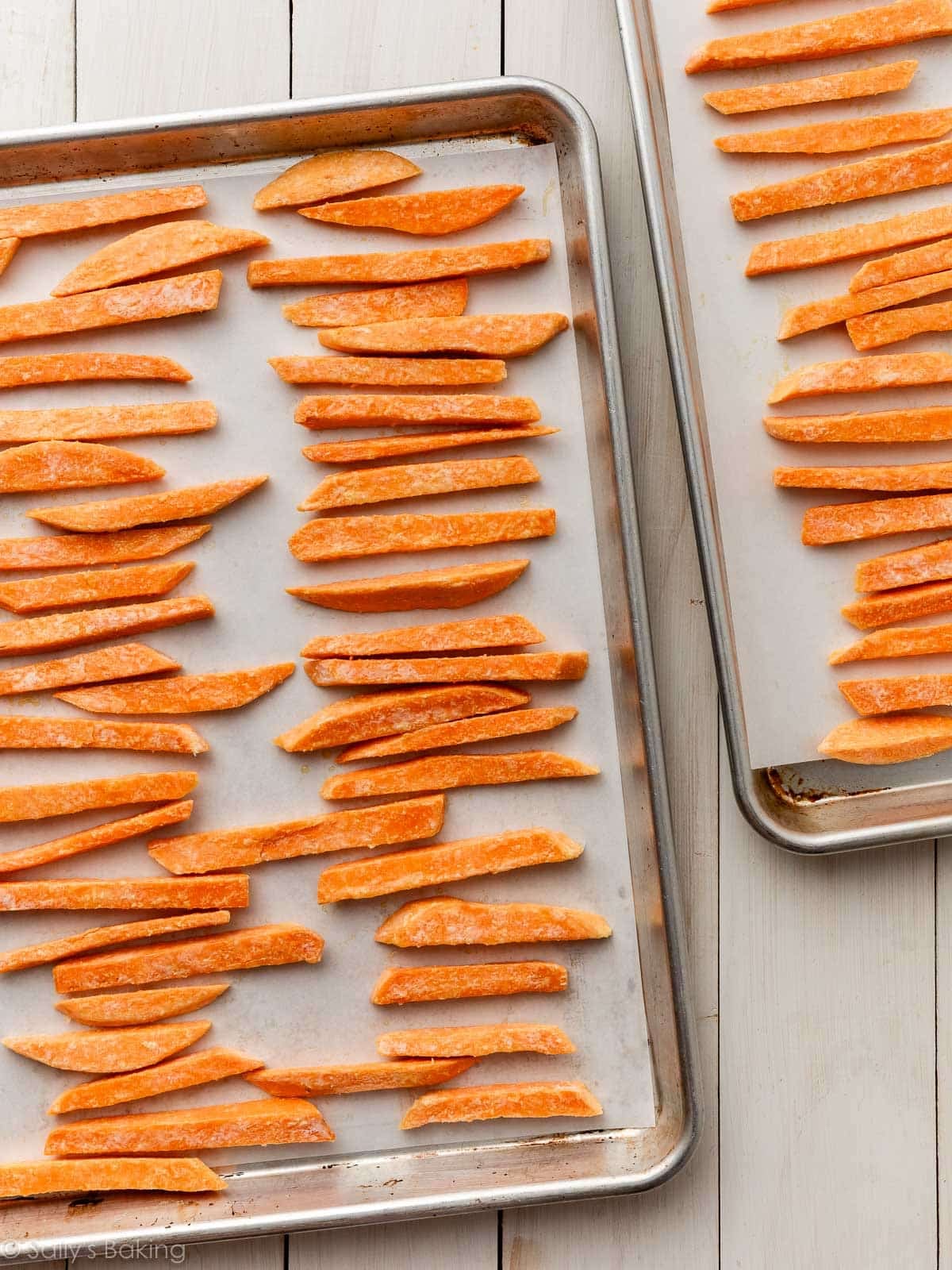
The seasoned fries are then arranged in a single layer on parchment-lined baking sheets, ensuring no pieces overlap. This crucial step prevents steaming and allows the hot air to circulate freely around each fry, promoting even roasting and crisping. Baking typically occurs at a high temperature (around 400°F/200°C) for approximately 20-30 minutes, with a mid-bake flip and pan rotation to ensure uniform browning and prevent localized burning. The result is a batch of fries with tender interiors and satisfyingly crisp exteriors.
Air Fryer Instructions:
The air fryer offers a faster route to crispiness, leveraging circulating hot air to mimic the effects of deep frying with significantly less oil. This method is particularly appealing for its speed and often superior crisping capabilities.
The initial preparation of the sweet potatoes – washing, cutting, and coating with cornstarch – remains identical to the oven method. However, the quantity of oil required is often slightly less due to the air fryer’s efficient heat distribution. Once coated and seasoned, the fries are placed in the air fryer basket in a single layer. Overcrowding is even more detrimental in an air fryer than in an oven, as it severely impedes air circulation, leading to steamed, rather than crispy, results. Depending on the air fryer’s capacity, this often necessitates cooking in multiple batches.
Air frying typically occurs at a slightly lower temperature, such as 375°F (190°C), for a shorter duration, usually 15-20 minutes. Regular shaking of the basket every 5 minutes is essential to ensure all sides of the fries are exposed to the circulating hot air, promoting even crisping. The air fryer’s intense, concentrated heat and rapid air movement create an exceptionally crunchy exterior, often surpassing the crispness achieved in a conventional oven, and in a shorter timeframe.
| Comparison: | Feature | Oven Baking | Air Frying |
|---|---|---|---|
| Batch Size | Larger batches possible with multiple trays. | Smaller batches; often requires multiple rounds. | |
| Cooking Time | Longer (20-30 minutes). | Shorter (15-20 minutes). | |
| Crispness | Reliably crispy with proper technique. | Often extra crispy due to concentrated airflow. | |
| Energy Use | Heats a larger cavity, potentially more energy. | More energy-efficient for smaller portions. | |
| Hands-on | Flipping once, rotating trays. | Shaking basket every 5 minutes. |
Both methods deliver flavorful, perfectly cooked sweet potato fries, allowing consumers to choose based on kitchen appliance availability, desired batch size, and preferred level of crispness. The inclusion of air fryer instructions in modern recipe updates reflects the increasing penetration of these appliances into home kitchens and their role in facilitating healthier, faster cooking.
Versatility and Customization: Seasoning and Serving
Beyond the core preparation techniques, the versatility of sweet potato fries extends to their seasoning and pairing options, making them a truly adaptable side dish. While a simple application of salt is often sufficient to highlight the natural sweetness of the potato, a wide array of spices and herbs can elevate the flavor profile to complement diverse main courses.
Common seasoning blends include:
- Classic: Garlic powder, onion powder, paprika, black pepper. This blend provides a savory, all-purpose flavor that pairs well with virtually any meal.
- Spicy: Cayenne pepper, chili powder, cumin, smoked paprika. Ideal for those who enjoy a kick, these spices enhance the inherent sweetness with a warming heat.
- Herby: Rosemary, thyme, sage, marjoram. These aromatic herbs add an earthy, sophisticated note, particularly suitable for roasted meats or poultry.
- Sweet & Savory: Cinnamon, nutmeg, a pinch of brown sugar. This blend accentuates the sweet potato’s natural sugars, creating a dessert-like side that can still complement savory dishes, especially pork or chicken.
- Smoky: Smoked paprika, chipotle powder, a touch of liquid smoke (used sparingly). This profile imparts a deep, BBQ-like flavor.
The adaptability of sweet potato fries makes them an excellent accompaniment to a broad spectrum of dishes. They are frequently served with:
- Burgers and Sandwiches: A healthier alternative to traditional French fries.
- Grilled Meats: Steak, chicken, or fish benefit from the contrasting sweetness and texture.
- Salads: Adding a warm, substantial element to a light meal.
- Eggs: As a breakfast or brunch side.
- Vegetarian Entrees: Providing a flavorful and nutritious carbohydrate component.
This wide array of pairing possibilities solidifies sweet potato fries as a kitchen staple, capable of fitting into various dietary plans and culinary preferences.
Culinary Insights and Best Practices for Consistent Results
The consistent success of crispy sweet potato fries hinges on adhering to several key best practices, drawing from principles of culinary science:
- Uniform Cutting: As noted, consistency in fry thickness (approximately 1/4-inch) is paramount for even cooking. Irregularly cut fries will cook unevenly, with thinner pieces burning and thicker ones remaining undercooked or soft.
- The Cornstarch Layer: The pre-application of cornstarch is non-negotiable. This step targets the sweet potato’s high moisture content, which is the primary impediment to crispness. It creates a dry outer layer that crisps rather than steams.
- Optimal Oil Coating: A light, even coating of oil is necessary for browning and crisping. Too much oil can make the fries greasy, while too little will result in a dry, less flavorful product. Olive oil, avocado oil, or grapeseed oil are preferred for their high smoke points and neutral flavors.
- Adequate Spacing: Overcrowding baking sheets or air fryer baskets is the most common error leading to soggy fries. Ensuring each fry has sufficient space allows for proper air circulation and direct heat exposure, facilitating moisture evaporation and the Maillard reaction. Using multiple baking sheets or cooking in batches is a small investment of time that yields significantly better results.
- High Temperature and Flipping/Shaking: A high oven temperature (400°F/200°C) or appropriate air fryer temperature (375°F/190°C) is essential for rapid moisture evaporation and browning. Regular flipping (oven) or shaking (air fryer) ensures all surfaces are exposed to heat, promoting even crisping and preventing burning on one side.
- Parchment Paper: Lining baking sheets with parchment paper prevents sticking and aids in cleanup, but also contributes to better browning by preventing direct contact with a potentially uneven metal surface.
These insights represent a culmination of practical experience and an understanding of the scientific principles governing the transformation of raw ingredients into desired culinary outcomes.
Broader Impact and Consumer Trends
The widespread adoption of reliable recipes for dishes like crispy baked sweet potato fries reflects several significant consumer trends and their broader impact on the food industry and public health. Firstly, there is an undeniable shift towards healthier eating, with consumers actively seeking nutritious alternatives to traditional comfort foods. Sweet potato fries, when baked or air-fried, fit this demand perfectly by offering a guilt-free indulgence.
Secondly, the rise of home cooking, exacerbated by global events and a renewed interest in culinary skills, has created a market for recipes that are both effective and adaptable. Recipes that offer clear, actionable steps to overcome common cooking challenges, such as achieving crispiness without deep frying, empower home cooks and foster a sense of accomplishment.
Thirdly, the integration of new kitchen technologies, particularly the air fryer, has democratized advanced cooking techniques, making restaurant-quality results achievable in an average home kitchen. The ability to choose between oven and air fryer methods also highlights a consumer preference for flexibility and convenience.
Finally, the continuous evolution and updating of recipes, as evidenced by this specific sweet potato fries guide, underscore the dynamic nature of culinary knowledge. As new ingredients, techniques, and appliances emerge, established recipes are refined to incorporate these advancements, ensuring they remain relevant and effective for contemporary cooks. This iterative process benefits consumers by providing access to increasingly optimized and foolproof cooking methods.
In conclusion, the simple yet effective techniques for achieving perfectly crispy baked sweet potato fries represent more than just a recipe; they embody a broader culinary movement towards healthier, more accessible, and technologically informed home cooking. By addressing the inherent challenges of sweet potato preparation, these methods empower individuals to enjoy a nutritious and delicious side dish that aligns with modern dietary preferences and lifestyle demands. The journey from soggy fries to golden perfection is a testament to the ongoing innovation in the domestic kitchen.
