
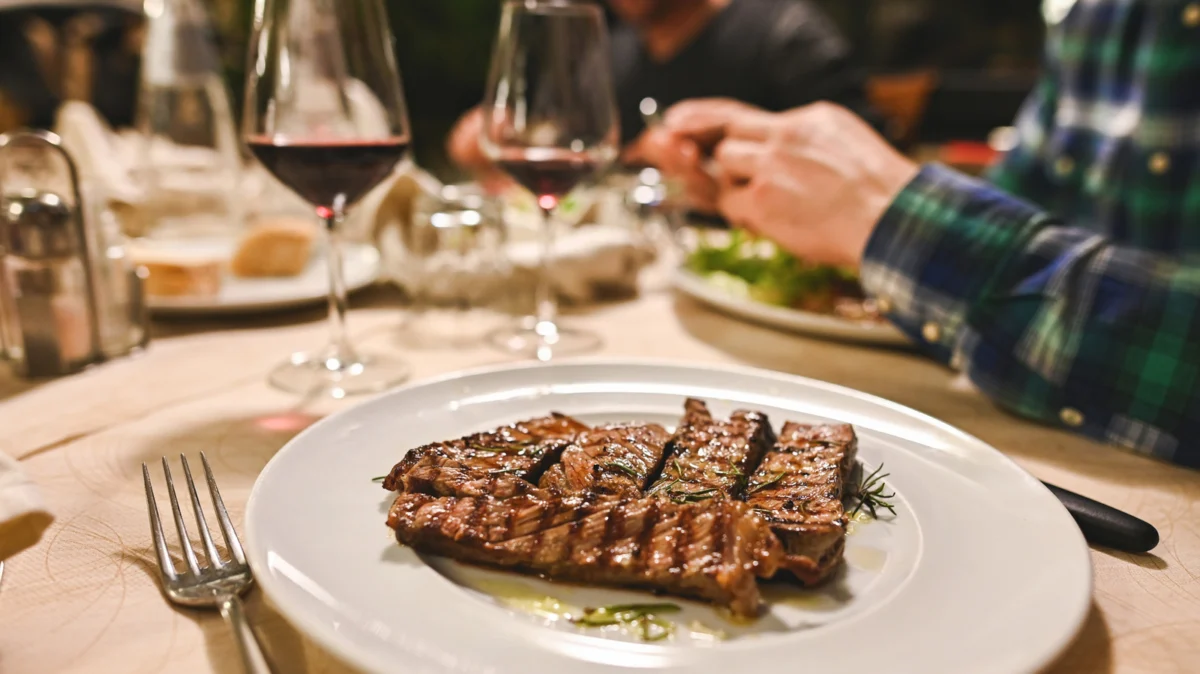
While the realm of chain restaurants might not immediately conjure images of upscale dining, a surprising number of establishments have ascended to offer high-quality steaks and maintain stringent dress codes, aiming to meet the expectations of a discerning clientele. These establishments often position themselves as destinations for refined culinary experiences. However, not all chains manage to live up to their premium billing. Del Frisco’s Double Eagle Steakhouse, a name often associated with luxury, appears to be a prime example of a brand that, for a significant segment of its customer base, falls short of its ambitious promises. Despite advertising "chef-driven cuisine, impeccable wines and exceptional hospitality," a growing chorus of patron reviews paints a picture of disappointment, challenging the very foundation of its high-end reputation.
The core of a steakhouse’s appeal, particularly one at the perceived caliber of Del Frisco’s, lies in the quality and preparation of its signature dish: steak. Del Frisco’s prominently features 45-day dry-aged steaks, a process that, when executed correctly, is intended to enhance flavor and tenderness through controlled dehydration and enzymatic breakdown. This aging process is a significant investment for any restaurant, both in terms of cost and expertise, and is often a key differentiator in the competitive steakhouse market. However, recent customer feedback suggests that this celebrated aging process might not be translating into a superior dining experience at Del Frisco’s.
A Pattern of Dissatisfaction: Customer Reviews Surface Concerns
Online platforms and forums dedicated to culinary discussions have become venues where diners share their experiences, both positive and negative. In the case of Del Frisco’s Double Eagle Steakhouse, a consistent thread of criticism has emerged, particularly concerning the steak itself. One patron, sharing their experience on Reddit, described their dry-aged ribeye as "quite bland" and noted issues with its preparation. The reviewer detailed how the steak cooled excessively on the cutting board before being placed on hot plates, a method that continued the cooking process, transforming the intended medium-rare to a well-done finish. This suggests a potential disconnect between the kitchen’s execution and the desired outcome, impacting the fundamental enjoyment of the meal.
Further adding to the growing unease, another Reddit user reported a widespread issue with over-seasoning across multiple steak orders. This individual noted that "Everything was completely over seasoned and they didn’t get a single temperature right for any of the steaks we ordered." Such a broad critique, encompassing both seasoning and cooking accuracy, raises questions about the consistency and quality control within the kitchen operations. The ideal steakhouse experience involves precisely cooked, well-seasoned cuts that allow the inherent quality of the beef to shine through. When these elements are compromised, even the most premium ingredients can fail to impress.
The dissatisfaction extends beyond the primary steak offerings. A review on TripAdvisor lamented the quality of a thinly cut ribeye, with the seasoning described as "gritty and sour." This sensory description implies a textural issue with the seasoning, possibly indicating coarse grains or an unbalanced flavor profile. The same review also highlighted concerns with an appetizer, a blue cheese lettuce wedge, which was reportedly showing signs of "refrigerator burn," suggesting a lack of freshness and improper storage. These criticisms, ranging from the core product to supporting dishes, paint a picture of an establishment where attention to detail may be lacking across the board.
The Perception of Value: Pricing and Expectations
The high-end positioning of Del Frisco’s Double Eagle Steakhouse inherently sets a high bar for customer expectations, particularly concerning value for money. The restaurant’s menu prices, combined with its upscale ambiance and advertised quality, lead patrons to anticipate a commensurate dining experience. However, when the culinary execution falls short, the perceived value diminishes significantly.
One particularly scathing assessment on Reddit labeled Del Frisco’s as "Overpriced chain garbage." This sentiment, while blunt, encapsulates the frustration of customers who feel they are paying premium prices for a subpar product. The financial aspect of dining is always a consideration, and when a restaurant fails to deliver on its promise, the sense of being overcharged can quickly overshadow any positive aspects of the meal.
Adding another layer to the customer dissatisfaction is the pricing of the wine list. A TripAdvisor review pointed out that the establishment’s wine prices were inflated significantly above retail value. This practice, common in many restaurants, can be particularly galling when coupled with a perceived decline in food quality. Customers expect to pay a markup for the convenience, selection, and service associated with a restaurant’s wine list, but when that markup feels excessive and the overall dining experience is disappointing, it can lead to feelings of being exploited. This disconnect between the cost and the perceived quality contributes to the growing narrative of Del Frisco’s being an establishment that may not offer the best return on investment for diners.
Contextualizing the Criticisms: The Broader Steakhouse Landscape
The steakhouse industry is a competitive and often lucrative segment of the restaurant market. Chains like Del Frisco’s aim to replicate a high-end steakhouse experience across multiple locations, a feat that requires rigorous operational standards and consistent quality control. The success of such ventures often hinges on their ability to maintain a balance between premium ingredients, skilled preparation, attentive service, and a sophisticated atmosphere.
The challenges faced by Del Frisco’s are not unique to its brand. The restaurant industry, in general, is susceptible to fluctuations in consumer sentiment and the impact of online reviews. A single negative experience can be amplified through social media and review platforms, influencing the perceptions of potential diners. For a chain like Del Frisco’s, which relies on a consistent brand image across its locations, localized issues can quickly gain broader traction.
The 45-day dry-aging process, while a mark of quality, also requires meticulous management. Factors such as humidity control, airflow, and temperature must be precisely regulated to achieve the desired outcome without spoilage. Any deviation from these parameters can result in steaks that are either too dry, lack flavor, or develop undesirable textures. The criticisms regarding blandness and inconsistent cooking temperatures suggest potential issues in the execution of this specialized process at some Del Frisco’s locations.
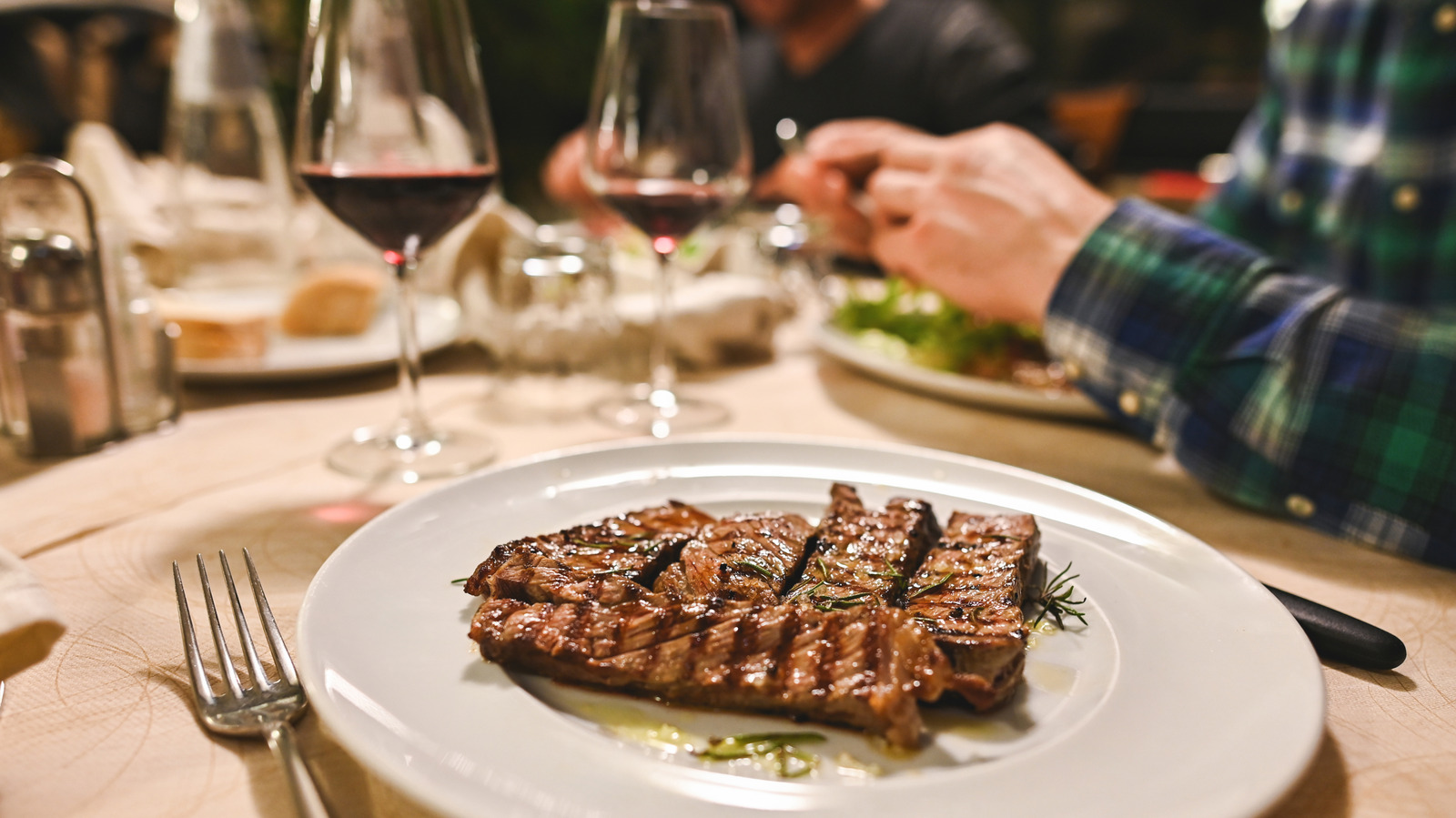
Alternatives and Comparisons: Where Do Other Chains Stand?
In light of the criticisms leveled against Del Frisco’s Double Eagle Steakhouse, it is pertinent to examine other steakhouse chains that have garnered more favorable reviews and rankings. Tasting Table, a culinary publication, has conducted its own assessments of steakhouse chains, providing a valuable comparative context.
According to their rankings, The Capital Grille has been identified as the "absolute best steakhouse chain to dine at." This distinction suggests a higher level of consistency in quality, service, and overall dining experience. Following closely behind in their assessment were Fogo de Chao and Fleming’s Prime Steakhouse & Wine Bar, both recognized for their strengths in delivering a satisfying steakhouse experience.
The specific criticisms of Del Frisco’s ribeye and porterhouse also align with broader comparative data. Their porterhouse, in particular, was noted as one of the "worst in our ranking of steakhouse chain porterhouse steaks," with Smith & Wollensky’s receiving the top ranking in that category. For diners specifically seeking an excellent ribeye, The Capital Grille, Black Angus Steak, and Texas Roadhouse were highlighted as offering superior versions.
Beyond Steak: Seafood and Side Dishes Under Scrutiny
While steak is the undisputed centerpiece of any steakhouse menu, the quality of accompanying dishes and other protein options can significantly influence the overall dining experience. At Del Frisco’s, customer feedback suggests that even their seafood offerings have not escaped scrutiny. Reviews have described the seafood selection as either "rubbery and flavorless" or "overly salty," indicating a potential lack of expertise or attention to detail in their preparation. This broad criticism suggests that diners seeking a diverse menu may find Del Frisco’s lacking across multiple categories.
However, there is a notable exception within their menu: the lobster mac and cheese. This particular dish has been recognized as a "lobster dish worth ordering," suggesting that when certain ingredients are combined and prepared with a specific focus, Del Frisco’s can achieve a more successful outcome. This might point to a need for the restaurant to re-evaluate its approach to other dishes, perhaps by simplifying preparations or focusing on core strengths.
For those looking for superior seafood options, exploring dedicated seafood chains might be a more reliable choice. While these establishments are also not immune to mediocrity, and some purportedly high-end seafood chains have faced accusations of being overpriced and not worth the cost, they generally offer a more focused and potentially more satisfying experience for seafood enthusiasts.
Broader Implications and Industry Trends
The persistent negative reviews for Del Frisco’s Double Eagle Steakhouse carry broader implications for the upscale steakhouse sector and the restaurant industry as a whole. In an era where consumer feedback is readily shared and accessible, maintaining a premium brand image requires more than just aspirational marketing; it demands consistent execution and genuine quality.
The "overpriced chain garbage" sentiment, while harsh, reflects a fundamental disconnect between customer expectations and the delivered experience. When customers feel they are not receiving value for their money, especially in a competitive market, their loyalty can erode quickly. This can lead to a decline in repeat business and a negative word-of-mouth effect that can be difficult to counteract.
Furthermore, the trend of customers actively seeking out and sharing detailed reviews highlights a shift in consumer power. Diners are no longer passive recipients of culinary offerings; they are active participants in shaping brand reputations. This necessitates a proactive approach from restaurants, including actively monitoring online feedback, addressing customer concerns promptly and effectively, and making necessary operational adjustments to meet evolving expectations.
The existence of rankings and comparisons, such as those provided by Tasting Table, also plays a significant role in guiding consumer choices. When a particular chain consistently underperforms in these assessments, it can deter potential diners who rely on such information to make informed decisions about where to spend their dining dollars.
In conclusion, the case of Del Frisco’s Double Eagle Steakhouse serves as a cautionary tale for establishments aiming for the high-end market. While the ambition to offer premium dining experiences is commendable, the execution must align with the promise. The accumulation of negative reviews, particularly concerning fundamental aspects like steak preparation and seasoning, suggests a need for significant introspection and operational improvement. As the culinary landscape continues to evolve, with diners becoming increasingly informed and vocal, the importance of consistent quality, genuine value, and attentive customer service cannot be overstated for any restaurant seeking to thrive in the competitive arena of upscale dining. The industry will continue to watch whether Del Frisco’s can address these criticisms and reclaim its reputation, or if it will remain a cautionary example of a brand that failed to live up to its own lofty standards.
