
The golden age of American fried chicken, a culinary era cherished by Baby Boomers, saw an explosion of fast-food ventures that have since largely faded from the national landscape. From the 1960s through the 1990s, entrepreneurs and celebrities alike entered the competitive fried chicken market, creating chains that became integral to the dining experiences of a generation. These establishments, often characterized by their unique branding, regional appeal, and often "secret" recipes, served as gathering spots for families, first dates, and casual weeknight dinners. While many of these chains have vanished, the memories and flavors they offered continue to resonate, sparking lively discussions on social media platforms and fueling a sense of nostalgia. This article revisits ten such chicken chains that hold a special place in the hearts and minds of Baby Boomers.
The Rise of Fried Chicken Franchises
The fried chicken phenomenon in America can be traced back to the 1930s when Colonel Harland Sanders began serving his signature fried chicken from a roadside motel in Corbin, Kentucky. His innovative approach to franchising and his iconic "secret recipe" laid the groundwork for the fast-food industry as we know it. By the 1950s and 1960s, as the American economy boomed and car culture flourished, fast-food chains experienced unprecedented growth. Fried chicken, with its comforting familiarity and relatively affordable price point, became a cornerstone of this expansion.
The late 1960s and 1970s witnessed a veritable gold rush in the chicken chain sector. Beyond KFC, a multitude of entrepreneurs and entertainers saw opportunities to capture market share. This period was marked by a diverse range of offerings, from healthy rotisserie chicken alternatives to traditional Southern-style fried chicken, often marketed with celebrity endorsements and distinctive branding. The success of these chains was not merely about food; it was about creating an experience, a communal space that became woven into the fabric of suburban and urban life for millions of Americans. The proliferation of these chains reflected a broader cultural shift towards convenience and accessible dining, deeply impacting the American palate and dining habits.
Kenny Rogers Roasters: A Healthy Alternative with a Celebrity Pedigree
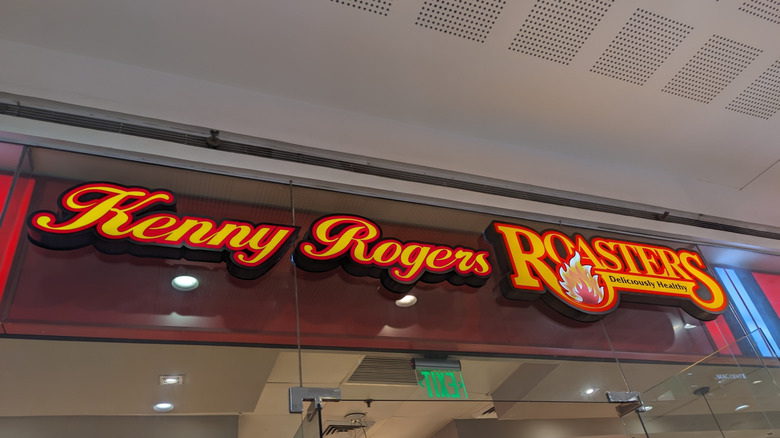
Kenny Rogers Roasters, founded in 1991 by country music icon Kenny Rogers and former Kentucky Governor John Y. Brown Jr., aimed to disrupt the fried chicken market by offering a healthier alternative: wood-fired rotisserie chicken. The chain’s mission was to provide a flavorful, less greasy option that could compete with the established fried chicken giants. At its zenith, Kenny Rogers Roasters boasted over 350 locations across the United States, Canada, the Middle East, and Asia. Its cultural impact was significant enough to be featured in a memorable episode of the popular sitcom "Seinfeld," further solidifying its place in the pop culture lexicon.
Despite its promising start and celebrity backing, the chain faced significant challenges. Internal disputes and lawsuits, including accusations of concept theft from a competitor, contributed to its downfall. Kenny Rogers Roasters filed for Chapter 11 bankruptcy in 1998. The company was subsequently acquired by Nathan’s Famous Inc., which later sold it to Asian franchisee Roasters Asia Pacific (Cayman) Limited in 2008. While the chain ceased operations in the U.S. in 2011, it continues to maintain a strong presence and thrive in Asian and Middle Eastern markets. This international success story is often cited by those who fondly remember the chain’s signature smoky, citrus-infused rotisserie chicken. Online forums and social media groups dedicated to nostalgic food experiences frequently feature discussions lamenting its closure in the U.S., with many expressing a desire to taste its distinctive flavor again.
Minnie Pearl’s Chicken: A Southern Comedian’s Ill-Fated Venture
The story of Minnie Pearl’s Chicken is a cautionary tale of ambition and financial mismanagement. Launched in 1967 by Nashville attorney John Jay Hooker Jr., the chain was named after and fronted by the beloved Grand Ole Opry comedian Minnie Pearl. Her catchphrase, "How-dee-licious!" became an iconic slogan in the competitive fried chicken landscape. The menu offered a classic Southern spread, including fried chicken, rolls, mashed potatoes with gravy, chicken livers, gizzards, beans, and coleslaw. The venture initially showed strong potential, with projections for over 500 stores nationwide.
However, the chain’s trajectory was dramatically altered by a Securities and Exchange Commission (SEC) investigation into its accounting practices. The investigation revealed that the company had engaged in fraudulent reporting, falsely claiming profits instead of losses in its 1968 annual report. By the early 1970s, the parent company had collapsed, leading to the complete disappearance of Minnie Pearl’s Chicken from the American market. Despite its short lifespan, the chain is remembered fondly by many in the South and Midwest. Anecdotes shared on social media recall the chicken’s distinctive peppery flavor and the enjoyable dessert specials offered. These vivid recollections underscore the emotional connection people formed with the brand, even in its brief existence.
Pioneer Chicken: A West Coast Icon with an International Legacy
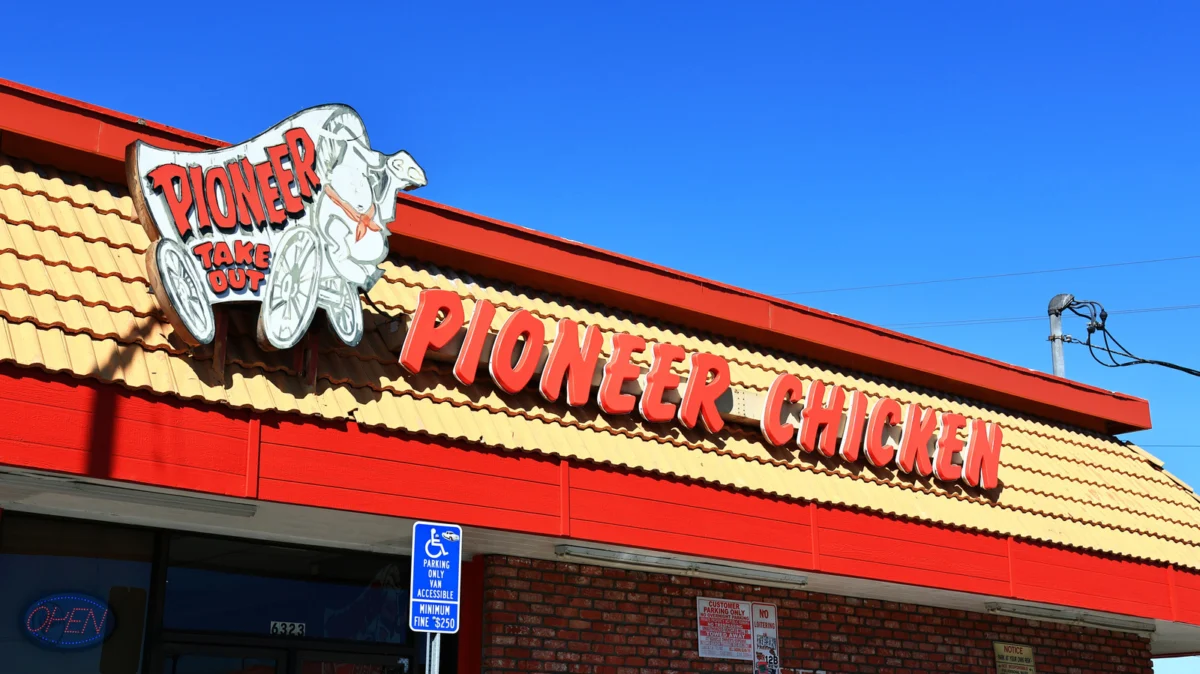
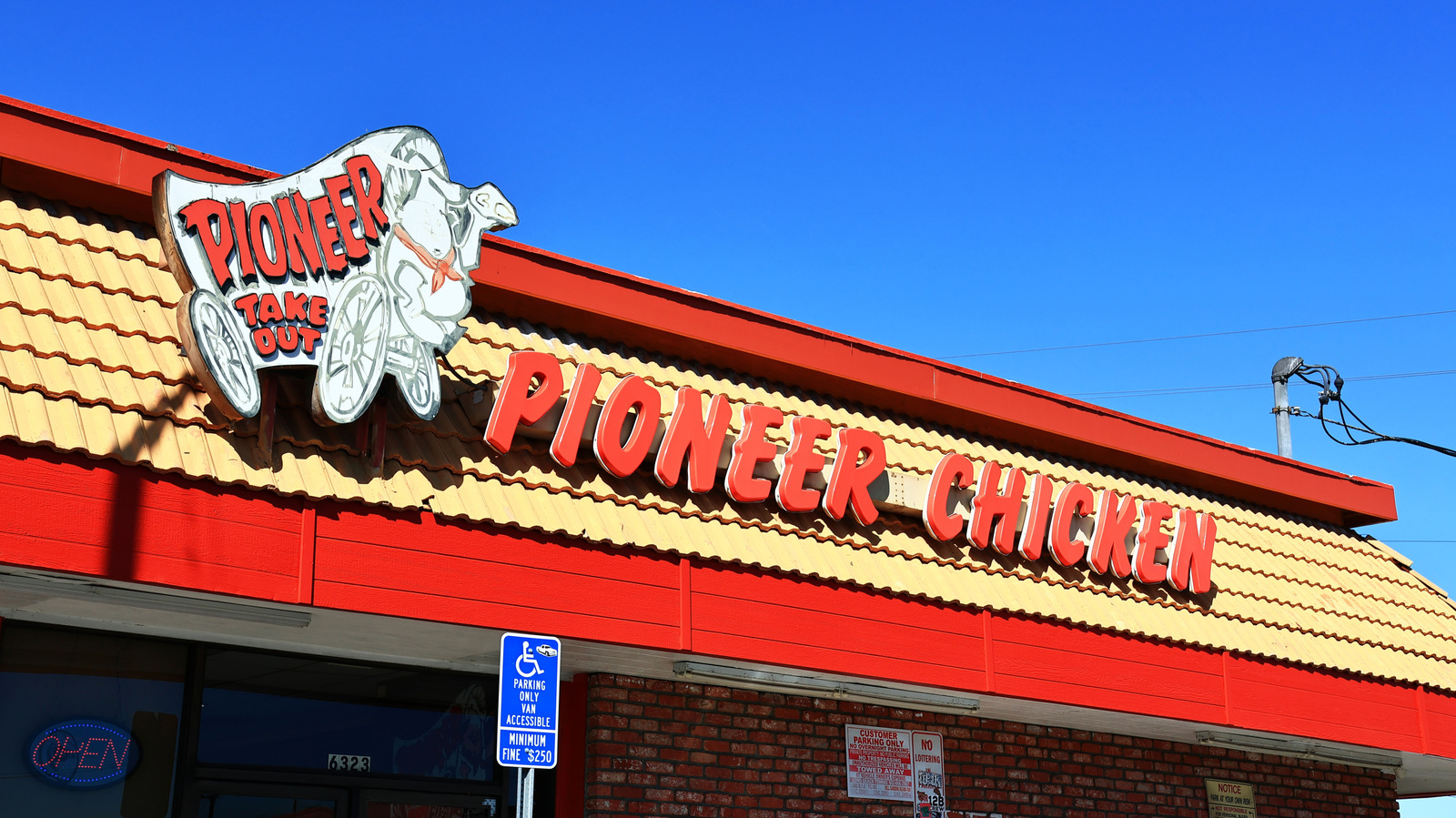
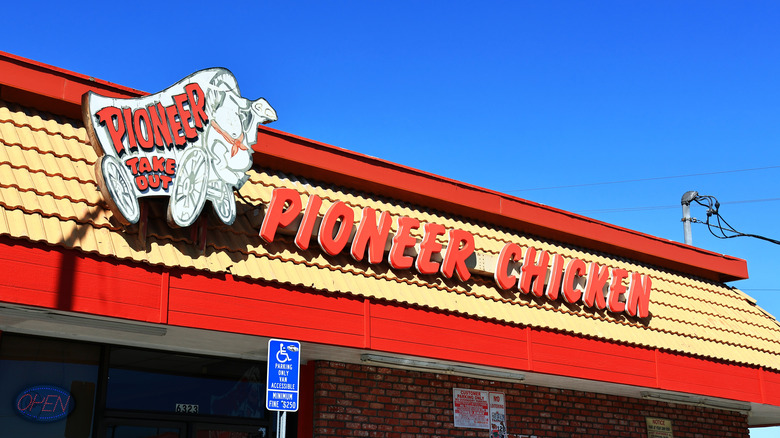
Pioneer Chicken, initially known as Pioneer Takeout, emerged as a West Coast institution when it was founded in Los Angeles in 1961 by Rick Kauffman. By the 1970s, it had expanded to nearly 100 outlets across Southern and Northern California. The chain gained significant cultural traction, evidenced by its appearance in advertisements featuring sports legends like Muhammad Ali and Kareem Abdul-Jabbar. Furthermore, Pioneer Chicken boxes were featured in the opening credits of the popular sitcom "Full House," and a music video for DeBarge’s hit "Rhythm of the Night" was filmed outside one of its Los Angeles locations. Despite this celebrity endorsement and pop culture presence, Pioneer Chicken maintained its reputation as a reliable neighborhood chicken spot.
The chain’s ownership changed hands in 1993 when it was acquired by the parent company of Popeye’s. Most Pioneer Chicken locations were converted to Popeye’s outlets by 1996. Today, only two original locations reportedly remain: one in Boyle Heights and another in Bell Gardens, both in Los Angeles. Interestingly, the iconic Pioneer Chicken wagon logo has resurfaced in Indonesia, where it is used by a chain called California Fried Chicken. This international presence highlights the enduring recognition of the brand’s visual identity. In the U.S., the Boyle Heights location has become a pilgrimage site for many who grew up with Pioneer Chicken, with social media posts showcasing a flood of memories from former customers recalling visits after school, work, or simply for a taste of their signature batter-fried chicken.
Mahalia Jackson’s Glori-Fried Chicken: A Mission of Empowerment
The "Queen of Gospel," Mahalia Jackson, lent her name and influence to a fried chicken chain that was more than just a fast-food venture; it was a mission of economic empowerment for Black communities. Established in 1968, Mahalia Jackson’s Glori-Fried Chicken partnered with Gulf Oil to develop a takeout concept integrated into company-owned gas stations, transforming them into franchise outlets. A key objective was to create job opportunities and foster wealth within the Black community. The architectural design of the restaurants, conceived by architect DeBerry McKissack, mirrored that of modern churches, reflecting Jackson’s deeply held values.
During its most successful years, the chain operated outlets in major cities like Chicago, Memphis, Cleveland, Detroit, Jacksonville, and Dallas. Its menu featured not only fried chicken and catfish but also a specialty "soul bowl" and sweet potato pie. The chain’s downfall was intertwined with an SEC investigation involving John Jay Hooker, who was also a backer of Minnie Pearl’s Fried Chicken. Despite its ultimate demise, the chain’s existence represented a significant entrepreneurial achievement and a commitment to community upliftment. Writer Alice Randall, who grew up in Detroit, noted that while the taste of the chicken itself might not have been universally extraordinary, the idea of supporting a venture endorsed by Mahalia Jackson was a powerful motivator for customers, underscoring the brand’s resonance beyond its culinary offerings.
Sisters Chicken and Biscuits: A Wendy’s Founder’s Culinary Diversification
Dave Thomas, the visionary behind Wendy’s, learned the ropes of the fast-food industry directly from Colonel Sanders, whom he considered a significant mentor. This influence likely played a role when Thomas ventured into the fried chicken business with Sisters Chicken and Biscuits. Conceptualized around 1978, the name "Sisters" was reportedly chosen as a tribute to his daughters, complementing the naming of Wendy’s after his daughter Melinda. The concept was brought to life by James W. Near and Robert L. Barney, then president of Wendy’s, with the first location opening in Columbus, Ohio, in 1980. By 1985, the chain had expanded to 79 locations, with plans for 16 more.
Sisters Chicken and Biscuits was designed with a charming Southern aesthetic, featuring white picket fences, floral accents, and gas-light-style fixtures, differentiating it from typical fast-food establishments. The menu offered classic comfort foods such as fried chicken, biscuits and gravy, mashed potatoes, and even a breakfast selection. Discussions on Ohio-based Facebook groups reveal enthusiastic reminiscences about the chain, with particular praise for its biscuits and gravy. Other popular items included strawberry shortcake, dirty rice, green beans, and spicy chicken. Many users also recall working their first jobs at the chain, with some highlighting the quality of the chicken-fried steak. Notably, the enduring popularity of biscuits means they remain a staple on Wendy’s breakfast menu today.
Chicken George: A Baltimore Icon with Culturally Rich Offerings
Named after the character from Alex Haley’s seminal novel "Roots," Chicken George was established in November 1979 by Ted Holmes. The character’s significant cultural impact at the time inspired Holmes to create a Black-owned chicken chain designed to serve and employ members of the Black community, while also offering a path to franchise ownership. The chain quickly became a Baltimore icon. Its menu was a deliberate celebration of culturally rich culinary traditions, featuring signature fried chicken, potato wedges, fresh lemonade, cakes, spicy rice, collard greens, and buttermilk biscuits.
Chicken George achieved significant popularity as a mall food court restaurant. In 1982, the chain reported $14 million in sales and expanded to Washington D.C., Los Angeles, and Atlanta. However, its rapid growth was followed by a swift decline, with the company filing for bankruptcy just four years later in 1986. By 1991, Chicken George had largely disappeared from the dining scene. Despite its short operational period, recent online discussions, as late as December 2025, reveal a strong sense of nostalgia. Users fondly recall the buttery biscuits, the quality of the fried chicken, and the flavorful dirty rice. The Mondawmin Mall location in Baltimore, the original site, is particularly remembered as a highly frequented establishment.
All Pro Chicken: A Sports-Themed Endeavor by an NFL Star
In 1967, NFL defensive back Brady Keys Jr. founded Brady Keys’ All-Pro Chicken in San Diego, California. Within two years, the chain had expanded to seven outlets and achieved a business valuation of $2 million, marking Keys as one of the first African Americans to establish a successful nationwide fast-food chain. True to its owner’s background, the chain embraced a sports theme in its branding and operations. Keys articulated his ambition to serve as a role model for aspiring Black entrepreneurs, a sentiment he shared in a 1969 interview with The New York Times.
All-Pro Chicken grew to encompass over 50 franchise locations across the East and West coasts. In a significant move, the chain entered into a joint venture with KFC in 1970. Keys later built a successful franchising career, operating multiple locations of KFC and Burger King before ultimately retiring the All-Pro Chicken brand. Online communities, particularly on Facebook, still host discussions where former customers and their parents reminisce about the quality of the chicken. One former customer even shared that she still possessed her original All-Pro membership card, a testament to the brand’s lasting impact. Photographs of vintage menus and original storefronts further fuel these nostalgic conversations, with many praising Keys not only for his entrepreneurial spirit but also for the deliciousness of the fried chicken.
Holly Farms Fried Chicken: From Poultry Producer to Restaurant Operator
As a prominent name in fresh poultry during the 1960s, Holly Farms possessed inherent credibility in the food industry, which it leveraged when venturing into the restaurant business. The company’s established reputation for farm-fresh quality provided a competitive edge. At one point, Holly Farms even served as the official chicken sponsor for NASCAR. Alongside traditional Southern-style fried chicken, offered in various portion sizes, the menu featured chicken livers, Holly Taters, potato wedges, gizzards, and rolls.
By 1984, Holly Farms had established 120 locations across the Southeast and Mid-Atlantic regions. However, in the same year, the parent company decided to divest its restaurant division, selling most of its outlets to a Texas-based chain called Golden Fried Chicken. Holly Farms was subsequently acquired by Tyson Foods in 1989. Discussions on Facebook groups frequently erupt when Holly Farms Chicken is mentioned, with users consistently praising its chicken livers as "unmatched." The potato wedges and Holly Taters are also frequently cited as crowd favorites. Many former employees have also joined these online conversations, sharing nostalgic anecdotes about their time working at the chain.
Yogi Bear’s Honey Fried Chicken: A Cartoon-Inspired Culinary Adventure
In the late 1960s, South Carolina restaurateur Gene Broome sought to develop a restaurant concept centered on a honey-flavored chicken tenderizer, a product that quickly gained local favor. Broome initially approached comedian Jackie Gleason, star of "The Honeymooners," to be the face of the restaurant, but Gleason declined. Undeterred, Broome pivoted to a unique licensing strategy, securing the rights to the Hanna-Barbera cartoon character Yogi Bear and naming the restaurant accordingly. The themed eatery, designed to resemble Jellystone Park ranger cabins, expanded to approximately 20 locations nationwide. The menu items were playfully named after popular cartoon characters, including Boo Boo, Cindy Bear, and the Picnic Basket.
In 1968, Hardee’s acquired the rights to the recipe for $1 million, but demonstrated limited interest in developing the chain. By 1971, the chain began to decline, and by the late 1970s, all but one location had closed. The original Hartsville, South Carolina, location continues to operate today, proudly displaying its Yogi Bear signage. This remaining establishment serves as a destination for those who experienced the chain during their childhood, offering a culinary pilgrimage for nostalgic patrons. Facebook groups are replete with dedications to this unique Southern fried chicken chain, with users lauding the innovative honey fried chicken flavor, a taste they find difficult to replicate elsewhere.
Chicken in the Rough: A Precursor to Fast Food Fried Chicken
Long before KFC popularized fried chicken as a fast-food staple, Chicken in the Rough carved out its niche. Founded in Oklahoma City in 1936 by Beverly and Rubyne Osborne, the franchise’s core concept was a simple, no-utensils-required meal: half a chicken, shoestring potatoes, a hot biscuit, and a small jug of honey. The evocative phrase "in the rough" originated from a road trip incident where the chicken basket in the car was jostled by a bumpy road. Beverly Osborne ingeniously transformed this mishap into the restaurant’s distinctive concept.
The brand’s logo, depicting an irate, cigar-smoking chicken in golf attire breaking a club over its knee, became an iconic image of the era. Franchisees were bound by stringent operational rules, including the requirement for freshly killed, 2-pound, Grade A birds and the use of vegetable oil dedicated solely to frying chicken. Despite its unique approach, the Osbornes sold the business in 1969, and by the late 1970s, the chain had largely faded from existence. However, the recipe for its signature chicken continues to be featured on the menu at the Palms Krystal Bar & Grill in Port Huron, Michigan. One particularly resonant online comment recalled the small pitcher of honey served with the meal, describing it as a deeply imprinted childhood memory – a fitting tribute to a fondly remembered nostalgic chain restaurant.
