
The United States boasts a rich tapestry of regional brewing traditions, each offering a unique flavor profile shaped by local ingredients, historical influences, and consumer preferences. Among these distinct brewing landscapes, the Midwest and the West Coast stand out for their evolving and influential contributions to the American craft beer scene. While both regions produce a wide array of beer styles, their approaches to crafting India Pale Ales (IPAs) — arguably one of the most popular and diverse beer categories — reveal fascinating differences that reflect their respective identities. This exploration delves into what sets Midwest IPAs apart from their West Coast counterparts, examining their characteristics, the influences that shaped them, and their place within the broader spectrum of American craft beer.
The West Coast IPA has long been the benchmark for hop-forward beers in the United States, celebrated for its assertive bitterness, pronounced hop aroma, and crisp, refreshing finish. Historically, the development of the West Coast IPA was closely tied to the availability of high-alpha hop varieties and the desire for a beer that could withstand the long sea voyages from England to India, hence the "India Pale Ale" moniker. Brewers on the West Coast, particularly in California, embraced this style, refining it over decades to emphasize the pungent, resinous, and citrusy notes derived from American hop varietals like Cascade, Centennial, and Simcoe. These beers typically present a clear, transparent, and often golden hue, with a clean malt backbone that allows the hop character to shine without overwhelming the palate. The bitterness is a defining feature, providing a sharp counterpoint to the hop aromatics, making them highly quaffable, especially in the warmer climates of the Pacific.
In contrast, the emergence of the Midwest IPA is a more recent phenomenon, representing a sophisticated evolution rather than a direct replication of established styles. While the Midwest is home to a deep-rooted brewing heritage, significantly influenced by German immigrants who brought with them traditions of lagers and robust ales, its craft beer scene has increasingly embraced and innovated within the IPA category. The Midwest IPA can be understood as a stylistic bridge, ingeniously blending elements from both the classic West Coast IPA and the increasingly popular Hazy IPA, a style that gained significant traction in New England.
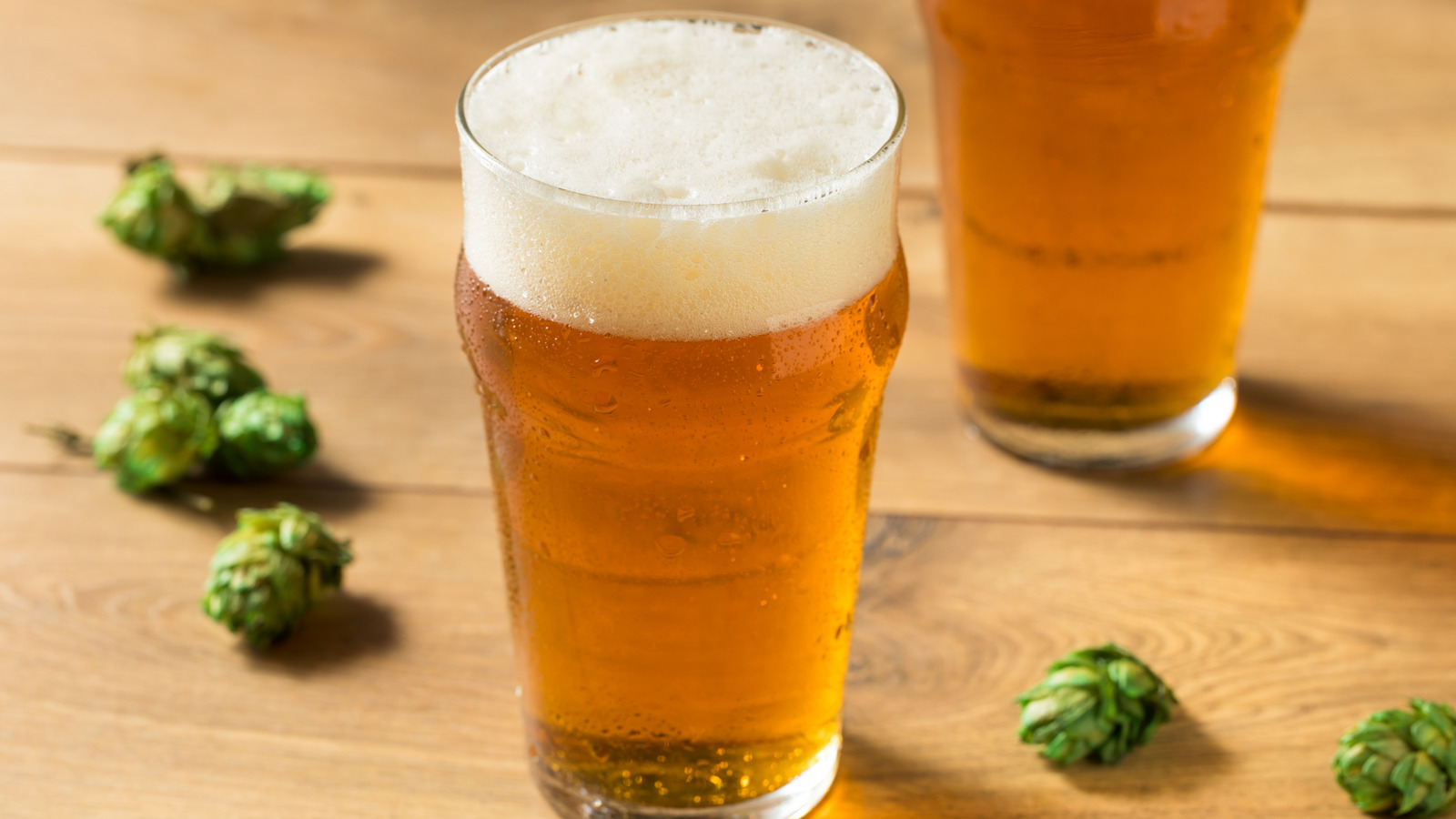
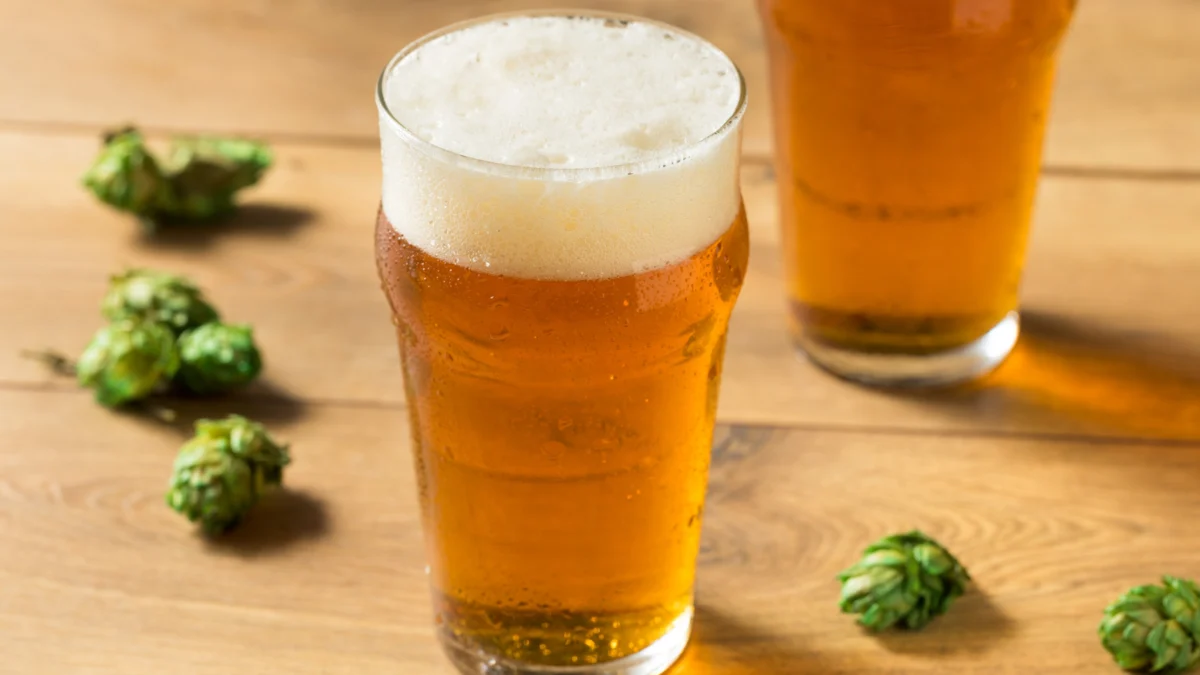
The defining characteristics of a Midwest IPA lie in its nuanced approach to hop expression and its balanced profile. Unlike the aggressively bitter West Coast IPA, the Midwest version typically features lower perceived bitterness. This allows for a more prominent showcasing of the aromatic qualities of the hops, often leaning towards bright, fruity, and juicy notes. Think of tropical fruits like mango and pineapple, or vibrant citrus elements such as grapefruit and lemon. This fruit-forward aroma is a characteristic often associated with Hazy IPAs, but the Midwest IPA achieves it without the characteristic opaque cloudiness. Instead, it often retains the visual clarity and light body of a West Coast IPA, presenting a clear, transparent golden hue. This visual appeal, combined with the juicy hop aromas, creates an inviting sensory experience.
Furthermore, the malt profile of a Midwest IPA is often described as having a breadier, maltier foundation compared to the often leaner malt bill of a West Coast IPA. This doesn’t equate to excessive sweetness, but rather a subtle depth that provides a more substantial mouthfeel and a more rounded flavor. It offers a pleasant, bready complexity that complements the fruity hop notes without overshadowing them. This carefully calibrated balance between hop aroma, moderate bitterness, and a supportive malt character is what truly distinguishes the Midwest IPA. It offers a refreshing and accessible IPA experience that appeals to a broad range of palates, satisfying those who appreciate hop complexity without the intense bitterness, and those who enjoy fruity notes without the sometimes heavy, chewy mouthfeel of other styles.
The broader Midwestern brewing landscape is rich and varied, extending far beyond IPAs. The region’s historical German influence is evident in the widespread availability and appreciation for lagers, particularly Dortmunder Lagers. These beers are characterized by a Pilsner-adjacent profile but typically possess a more pronounced malt presence and a fuller body, offering a smooth and satisfying drinking experience. This adherence to traditional lager styles reflects a deep respect for heritage brewing.
Moreover, the challenging Midwestern winters have historically fostered a demand for more robust and warming beer styles. Consequently, breweries across the region excel in producing a solid selection of stouts and barrel-aged ales. These darker, richer beers, often featuring notes of chocolate, coffee, and roasted malt, provide a comforting counterpoint to the colder months. The craft beer movement has further amplified this tradition, with many Midwestern breweries pushing the boundaries of stout and barrel-aging, creating complex and nuanced offerings that are highly sought after by enthusiasts.
The culinary applications of Midwest IPAs are as diverse as the region’s offerings. Their bright, fruity, and hoppy profiles make them excellent pairings for a variety of foods. The vibrant citrus and tropical notes can cut through the richness of spicy dishes, providing a refreshing contrast. Grilled meats and fried foods, often staples of Midwestern cuisine, also find a complementary partner in the IPA’s assertive hop character. The beer’s ability to balance richness with a crisp finish makes it an ideal accompaniment to these hearty fare.
A particularly fitting culinary embrace of the Midwest IPA is its pairing with regional pizza styles, such as Chicago-style deep-dish or Detroit-style deep-dish pizza. The substantial crust, rich sauce, and generous cheese of these pizzas present a formidable culinary challenge for beverage pairings. However, the fruit-forward, moderately bitter, and well-carbonated nature of a Midwest IPA can effectively slice through the richness, cleanse the palate, and enhance the overall dining experience. This synergy between a regionally defined beer style and iconic regional cuisine underscores the deep connection between place and palate in the Midwest. Indeed, the region is renowned for a multitude of culinary delights that would be excellently complemented by a well-chosen Midwest IPA, further cementing its role in the local gastronomic identity.
The evolution of the Midwest IPA reflects a broader trend in American craft brewing: a move towards greater experimentation, regional distinctiveness, and a sophisticated understanding of hop varietals and their applications. While the West Coast IPA continues to hold its iconic status, the Midwest has carved out its own niche, offering an IPA that is both familiar in its hop-forward nature and distinct in its balanced, fruit-forward, and less bitter profile. This evolution is not merely a matter of taste; it is a testament to the creativity and ingenuity of Midwestern brewers who are adept at honoring brewing traditions while simultaneously pushing the boundaries of innovation. The continued growth and recognition of the Midwest IPA suggest its enduring appeal and its significant contribution to the dynamic landscape of American craft beer. It represents a harmonious convergence of tradition and innovation, offering a refreshing and flavorful chapter in the ongoing story of craft brewing in the United States.
