
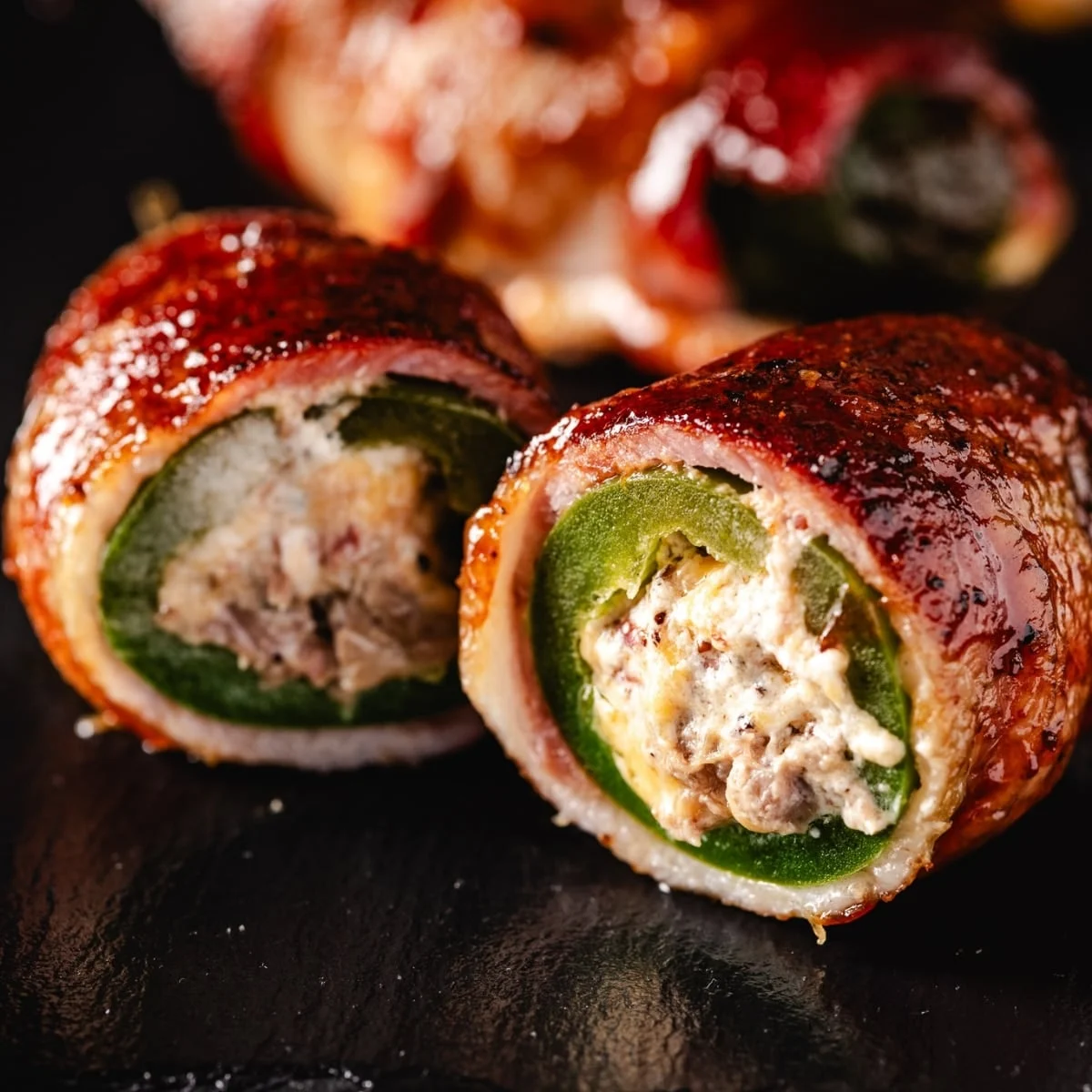
The culinary landscape of Texas barbecue has undergone a significant transformation over the last decade, evolving from a traditional focus on simple salt-and-pepper brisket to a more experimental and innovative approach to appetizers and "side-show" meats. Central to this evolution is the Texas Twinkie, a decadent, multi-layered appetizer that has moved from a regional specialty in McKinney, Texas, to a national barbecue sensation. This dish, characterized by a large jalapeño stuffed with a mixture of cream cheese and smoked brisket, wrapped in thick-cut bacon, and glazed with barbecue sauce, represents a sophisticated intersection of heat, fat, and smoke. As the barbecue industry continues to expand into a multi-billion dollar sector of the American food economy, the Texas Twinkie stands as a prime example of how pitmasters are utilizing high-value leftovers to create premium, sought-after menu items.
The Genesis of the Texas Twinkie at Hutchins BBQ
The origins of the Texas Twinkie are widely attributed to Hutchins BBQ, a multi-generational establishment located in McKinney and Frisco, Texas. While the concept of the jalapeño popper—a pepper stuffed with cheese and breaded or wrapped in bacon—has been a staple of American bar food since the late 20th century, the "Texas" iteration elevated the snack into a meal-grade delicacy. By incorporating prime-grade smoked brisket, Hutchins BBQ transformed a standard appetizer into a signature item that often sells out within hours of the restaurant opening.

The name "Twinkie" is a play on the iconic Hostess snack cake, though the flavor profile is entirely savory. The name suggests a stuffed, cylindrical treat, but instead of cream filling and sponge cake, the Texas version offers a textural contrast between the snap of a roasted jalapeño and the tenderness of slow-cooked beef. The success of this dish at Hutchins BBQ led to a viral spread across social media platforms, prompting barbecue enthusiasts and home cooks across the country to replicate the process. Today, the dish is so synonymous with Texas barbecue culture that it is frequently shipped nationwide via specialty food distributors, allowing those outside the Lone Star State to experience the specific blend of Central Texas flavors.
Technical Composition and Culinary Specifications
The construction of a Texas Twinkie is a precise exercise in culinary layering. The process begins with the selection of the jalapeño. Unlike standard poppers, which often use smaller peppers, the Texas Twinkie requires extra-large jalapeños to accommodate a substantial amount of filling. Pitmasters typically slice the pepper lengthwise or create a "T-cut" to remove the seeds and pith, which reduces the raw heat of the capsaicin and creates a hollow vessel for the stuffing.
The filling is a composite of high-fat dairy and protein. Softened cream cheese provides a smooth, cooling base that counteracts the natural spice of the pepper. This is mixed with sharp cheddar cheese for tang and, most importantly, chopped smoked brisket. The use of brisket is critical; specifically, the "point" or the "deckle" of the brisket is preferred due to its higher fat content and intense smoky flavor. This beef has already undergone a 12-to-16-hour smoking process before it ever enters the pepper, ensuring that the final product contains the deep, complex flavors of oak or hickory wood.

The exterior of the pepper is then wrapped in high-quality, thin-to-medium-cut bacon. The choice of bacon thickness is a common point of debate among pitmasters. While thick-cut bacon is often preferred for breakfast, it can fail to render properly during the secondary smoking process required for the Twinkie, leading to a "rubbery" texture. Thinner slices allow for a tighter wrap and a crisper finish. Finally, the assembled unit is seasoned with a dry rub—often containing brown sugar, paprika, and garlic powder—before being returned to the smoker to allow the flavors to meld and the bacon to crisp.
The Science of Flavor: Heat, Fat, and Smoke
From a gastronomic perspective, the Texas Twinkie is a masterclass in flavor balancing. The primary challenge in spicy appetizers is managing the capsaicin levels so they do not overwhelm the palate. The casein found in the cream cheese and cheddar cheese binds to the capsaicin receptors on the tongue, effectively neutralizing the "burn" and allowing the taster to perceive the more subtle notes of the pepper and the beef.
Furthermore, the secondary smoking process, usually conducted at temperatures between 225°F and 250°F, facilitates the Maillard reaction on the bacon wrap. This chemical reaction between amino acids and reducing sugars gives the bacon its characteristic browned color and savory, umami flavor. When a barbecue sauce glaze is added in the final 15 to 20 minutes of cooking, the sugars in the sauce caramelize, adding a sweet and tacky finish that complements the saltiness of the bacon and the richness of the brisket.

Economic Impact and the "Leftover" Strategy
The rise of the Texas Twinkie is not merely a culinary trend but also a savvy business move within the barbecue industry. Brisket prices have seen significant volatility over the last five years, influenced by supply chain disruptions and increased demand for Prime-grade beef. In this economic environment, pitmasters must find ways to maximize the yield of every brisket they smoke.
Brisket "trim"—the smaller pieces of meat that are removed during the slicing process or the leftovers from the previous day’s service—represents a potential loss if not utilized correctly. By incorporating these highly flavorful trimmings into an appetizer like the Texas Twinkie, restaurants can command a premium price for what would otherwise be a byproduct. This "value-added" approach has become a standard operating procedure for top-tier barbecue joints, allowing them to maintain profit margins while offering customers a unique, high-quality product.
Market Data and Consumer Trends
Data from the National Restaurant Association and various barbecue industry reports indicate a growing consumer preference for "hyper-regional" and "fusion" barbecue items. While traditional platters of sliced meat remain the core of the industry, there is a marked increase in the consumption of "handheld" barbecue items. The Texas Twinkie fits perfectly into this trend, offering a portable, portion-controlled way to consume brisket.

In a 2023 survey of barbecue consumers, approximately 65% of respondents indicated they were more likely to visit a barbecue establishment that offered unique, "Instagrammable" appetizers. The visual appeal of a bacon-wrapped, sauce-drizzled jalapeño, particularly when sliced to reveal the colorful layers of cheese and beef, has made the Texas Twinkie a staple of digital food culture. This visibility has driven foot traffic to physical locations and increased the sales of proprietary rubs and sauces used by home cooks to recreate the dish.
Broader Implications for the Barbecue Industry
The success of the Texas Twinkie has paved the way for other creative brisket-based appetizers, such as brisket elote, brisket-topped fries, and brisket-stuffed quail. This diversification signals a shift in the barbecue world from a rigid adherence to tradition toward a more culinary-driven approach. Pitmasters are increasingly being viewed as chefs who happen to use smoke as their primary medium, rather than just "meat cooks."
Moreover, the Texas Twinkie has bridged the gap between the competitive barbecue circuit and the commercial restaurant space. Techniques once reserved for high-stakes competitions—such as the precise wrapping of bacon and the use of sweet glazes to achieve a "perfect bite"—are now being utilized in high-volume commercial kitchens. This cross-pollination of techniques ensures that the quality of American barbecue continues to rise, even as it becomes more accessible to the general public.

Conclusion and Future Outlook
As the barbecue industry looks toward the future, the Texas Twinkie remains a benchmark for innovation. It embodies the spirit of Texas barbecue: a respect for the slow-smoking process combined with a bold, unapologetic approach to flavor. Whether served at a high-end smokehouse in Dallas or prepared in a backyard smoker for a Sunday afternoon football game, the dish has secured its place in the American culinary canon.
The continued popularity of the Texas Twinkie suggests that the appetite for complex, layered barbecue flavors is only growing. As more home cooks master the art of the "low and slow" method, and as professional pitmasters continue to push the boundaries of what can be stuffed, wrapped, and smoked, the Texas Twinkie will likely serve as the foundation for the next generation of barbecue classics. Its journey from a local favorite in McKinney to a national symbol of Texas ingenuity is a testament to the power of well-executed, flavor-forward cooking.
