
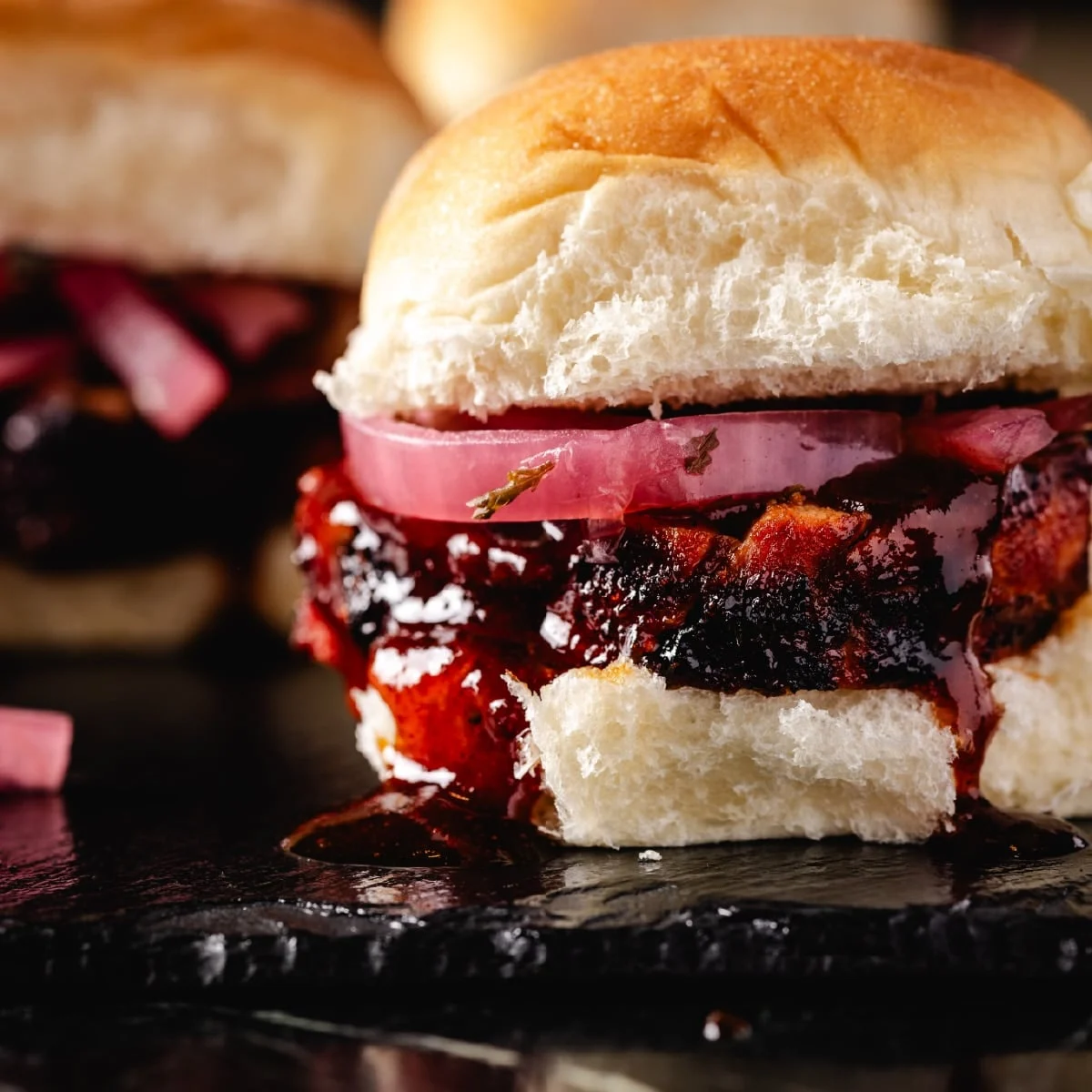
The culinary landscape of American outdoor cooking is currently undergoing a significant transformation, characterized by a shift toward accessible yet sophisticated flavor profiles. At the forefront of this movement is the Hot Honey Pork Tenderloin Slider, a dish that recently garnered significant attention following its demonstration at the Specialty Food Association’s Winter Fancy Food Show in San Diego. Developed by Susie Bulloch, the founder of the digital BBQ platform Hey Grill Hey, these sliders represent a convergence of several high-growth food trends: the "swicy" (sweet and spicy) flavor profile, the utilization of cost-effective protein cuts, and the increasing professionalization of home-based grilling.
The Intersection of Sweet and Heat: Flavor Profiles in Modern Grilling
The Hot Honey Pork Tenderloin Slider utilizes a complex layering of flavors designed to appeal to a broad demographic of consumers. The dish is anchored by pork tenderloin—a lean, protein-dense cut—seasoned with a proprietary "Sweet Rub" and finished with a "Hot Honey BBQ Sauce." This specific combination taps into the "hot honey" trend, which has seen a meteoric rise in the specialty food sector over the last five years. According to market research, the demand for hot honey products has expanded beyond the pizza category into meats, cocktails, and desserts, driven by consumer interest in multidimensional heat.

The addition of pickled red onions provides a necessary acidic counterpoint to the richness of the pork and the sweetness of the Hawaiian rolls. From a culinary science perspective, this balance of sugar, salt, heat, and acid is a hallmark of professional-grade BBQ. The use of Hawaiian rolls, which are characterized by their high sugar content and soft texture, serves to further emphasize the contrast between the tender meat and the sharp, tangy crunch of the onions.
Contextualizing the Winter Fancy Food Show Debut
The Winter Fancy Food Show is one of the premier events for the specialty food industry, serving as a launchpad for products that eventually dominate retail shelves and restaurant menus. The demonstration of the Hot Honey Pork Tenderloin Slider at the San Diego event underscores the growing synergy between digital content creators and the traditional food industry. Susie Bulloch, a recognized authority in the BBQ space with multiple Guinness World Records and appearances on the Food Network, utilized the platform to showcase how specialty sauces and rubs can elevate standard supermarket proteins.
Industry analysts noted that the reception of the sliders at the show reflected a broader consumer desire for "elevated comfort food." As inflation continues to impact grocery budgets, consumers are increasingly looking for ways to replicate restaurant-quality experiences at home. The Hot Honey Pork Tenderloin Slider serves as a case study in this behavior, offering a gourmet experience through the use of affordable ingredients and specialized technique.

Technical Specifications and Culinary Methodology
Achieving the desired texture and flavor profile for this dish requires a disciplined approach to temperature management and timing. Unlike tougher cuts of pork, such as the shoulder or butt, the tenderloin is a lean muscle that is susceptible to drying out if overcooked. Professional grilling standards emphasize a two-stage cooking process for this specific recipe.
- Preparation and Seasoning: The process begins with the application of a dry rub. The sugar content in the rub is critical, as it facilitates the Maillard reaction—the chemical reaction between amino acids and reducing sugars that gives browned food its distinctive flavor.
- Thermal Management: The pork is grilled until it reaches an internal temperature of 135 degrees Fahrenheit. At this juncture, the "Hot Honey BBQ Sauce" is applied as a glaze. Applying the sauce too early can lead to the sugars burning over direct heat, while applying it too late prevents the sauce from properly setting and caramelizing.
- The USDA Standard: Final safety and quality standards dictate an internal temperature of 145 degrees Fahrenheit, followed by a resting period. This rest allows the muscle fibers to relax and reabsorb juices, ensuring the "tender" quality that defines the cut.
On average, the grilling process takes approximately 25 minutes, making it a viable option for both high-volume event catering and rapid weeknight meal preparation.
The Economic Viability of Pork Tenderloin in the Current Market
In the context of current economic volatility, the choice of pork tenderloin is a strategic one. Data from the USDA indicates that pork remains a more stable and affordable protein compared to beef brisket or ribs, which have seen significant price fluctuations due to supply chain disruptions. The tenderloin offers a high yield with very little waste, as there is no heavy bone or excessive fat cap to trim.

For the average consumer, the ability to feed a family or a large group at a game-day gathering with a single, affordable cut of meat is a primary driver of the slider’s popularity. The slider format itself is an exercise in portion control and resource management; by slicing the tenderloin into thin medallions, a single loin can produce upwards of a dozen sliders, maximizing the "perceived value" of the meal.
The Rise of the Digital BBQ Authority: Susie Bulloch’s Impact
The success of the Hot Honey Pork Tenderloin Slider is inseparable from the platform of its creator. Susie Bulloch has transitioned from a recipe blogger to a significant influencer in the outdoor cooking industry. Her approach focuses on demystifying BBQ, which has traditionally been viewed as a male-dominated, highly technical, and time-consuming endeavor.
By providing clear, temperature-based instructions rather than vague timing, Bulloch aligns home cooking with professional culinary standards. The integration of her recipes into a dedicated mobile app and social media ecosystem reflects the modern "omnichannel" approach to food media. This digital infrastructure allows for real-time feedback and community engagement, where users can share their own variations and "success stories," further driving the viral potential of recipes like the Hot Honey Slider.

Nutritional Overview and Dietary Considerations
From a nutritional standpoint, the Hot Honey Pork Tenderloin Slider offers a balanced profile for a celebratory or "snack" food. A standard serving size is estimated to contain approximately 425 calories.
- Protein: At 38 grams of protein per serving, the dish is highly satiating.
- Carbohydrates: The 44 grams of carbohydrates are primarily derived from the Hawaiian rolls and the sugars in the BBQ sauce.
- Fat: The dish is relatively low in fat (10 grams) compared to traditional pulled pork or beef sliders, due to the lean nature of the tenderloin.
While the sodium content (494 mg) and sugar content (17 g) are factors for health-conscious consumers to monitor, the dish compares favorably to fast-food alternatives, particularly when prepared with high-quality, controlled ingredients at home.
Broader Implications for the Specialty Food Industry
The trajectory of the Hot Honey Pork Tenderloin Slider from a trade show demo to a viral home recipe highlights several key shifts in the food industry. First, it demonstrates the power of "flavor systems"—the idea that a specific sauce or rub can define an entire dish and drive the purchase of secondary ingredients like rolls and produce. Second, it highlights the importance of "shareability." In an era dominated by visual social media platforms like Instagram and TikTok, the aesthetic appeal of a glazed slider topped with vibrant pickled onions is a significant factor in its adoption.

Furthermore, the recipe’s versatility—allowing for substitutions such as chicken breast or different styles of coleslaw—makes it a "template recipe." Template recipes are highly valued in the digital age because they empower the consumer to experiment while maintaining a reliable framework for success.
Conclusion: The Future of the Backyard Hero
As the "Backyard BBQ Hero" culture continues to grow, recipes like the Hot Honey Pork Tenderloin Slider will likely remain a staple of the American culinary repertoire. They bridge the gap between the low-and-slow traditions of competition BBQ and the fast-paced needs of the modern household. By combining scientific precision in cooking temperatures with bold, trend-forward flavors, creators like Susie Bulloch are not just sharing recipes; they are reshaping the standards of domestic hospitality.
The sliders serve as a reminder that the most successful dishes in the current market are those that offer a high "return on effort"—delivering complex, professional-grade flavors with a minimal investment of time and capital. As the specialty food industry looks toward the next decade, the focus will undoubtedly remain on this intersection of convenience, affordability, and culinary excellence.
