
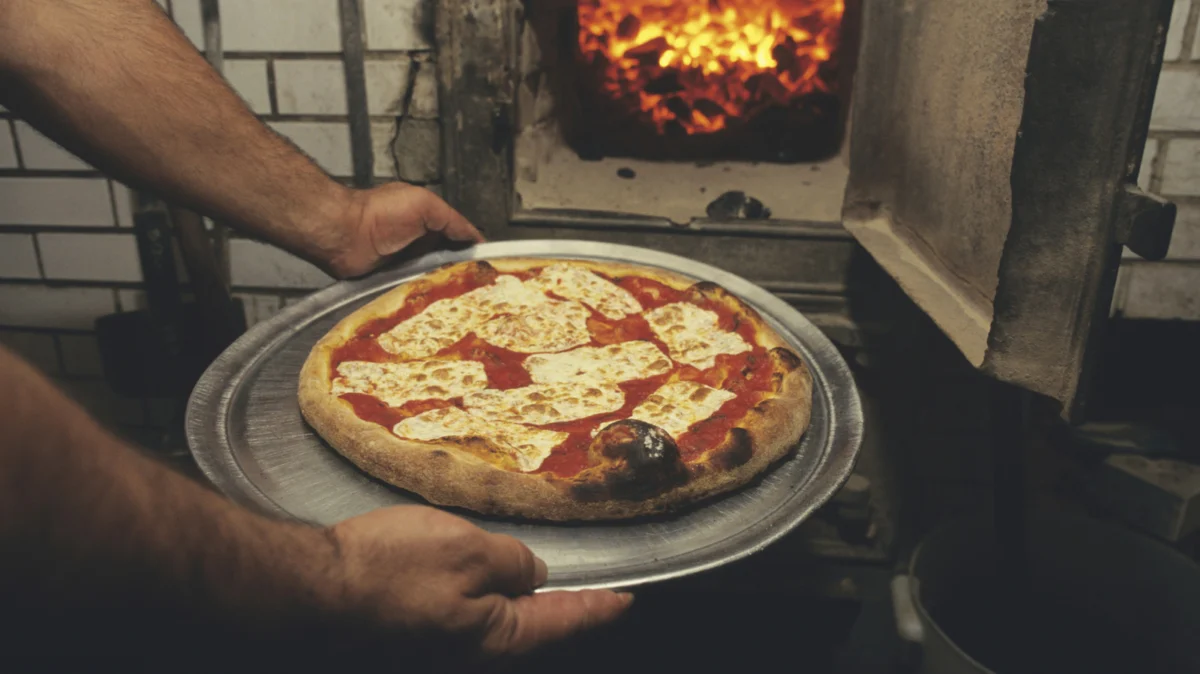
The culinary landscape of the United States is rich with the vibrant flavors and enduring traditions of Italian cuisine. With an estimated over 40,000 Italian restaurants scattered across the nation, the options for satisfying a craving for pizza, pasta, or a hearty Italian sandwich are virtually limitless. However, for those who seek not only a delicious meal but also a connection to the past, a select few establishments stand as culinary landmarks, offering a tangible link to the history of Italian immigration and dining in America. These venerable restaurants are more than just places to eat; they are living archives, echoing tales of past generations, economic booms and busts, and the unwavering dedication to authentic Italian recipes passed down through decades. This exploration delves into ten of the most historic Italian restaurants in the U.S., tracing their origins and celebrating their enduring legacies.
A Legacy of Flavor: The Enduring Appeal of Historic Italian Eateries
The story of Italian restaurants in America is intrinsically tied to the waves of immigration that shaped the nation’s cultural tapestry. From the late 19th century through the early 20th century, millions of Italians, many seeking economic opportunity and escaping hardship in their homeland, arrived on American shores. They brought with them not only their hopes and dreams but also their rich culinary traditions. These immigrants often settled in urban centers, forming vibrant enclaves where they established businesses that served their communities and introduced their beloved dishes to a broader American palate. The restaurants that emerged during this era were more than just purveyors of food; they were social hubs, places of comfort and familiarity for newcomers, and vital threads in the fabric of American life.
The establishments highlighted here represent the pinnacle of this culinary heritage. They have not only survived but thrived, adapting to changing tastes and economic conditions while remaining steadfast in their commitment to quality and authenticity. Their longevity is a testament to their exceptional food, the dedication of the families who have steered them through generations, and their ability to create an ambiance that transports diners to another time.
Pioneers of Italian Cuisine in America
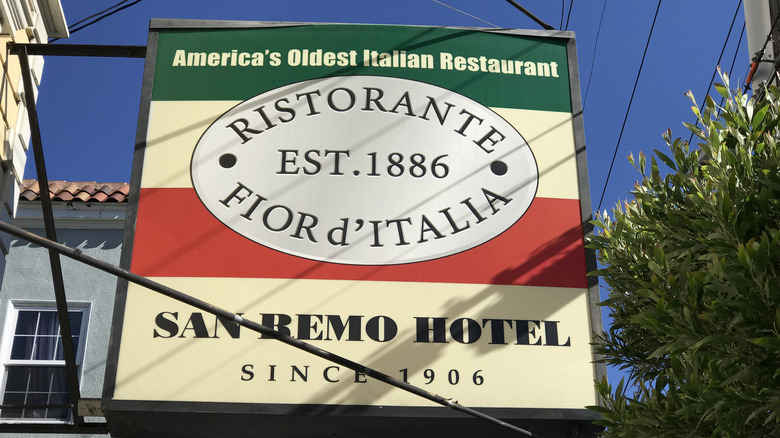
Fior d’Italia: A San Francisco Institution Since 1886
San Francisco, a city renowned for its diverse culinary scene, is home to Fior d’Italia, an establishment that has been serving its patrons since 1886. This remarkable longevity places it in a unique position, having opened its doors just over two decades after the unification of Italy in 1861. Over its 140-year history, Fior d’Italia has navigated a path marked by resilience and adaptation. The restaurant has faced significant challenges, including multiple relocations, a devastating earthquake that prompted temporary service from an emergency tent, and periods of financial strain. Despite these adversities, Fior d’Italia has consistently demonstrated an unwavering spirit, a testament to its deep roots in the community.
In its nascent years, the menu at Fior d’Italia focused on northern Italian cuisine, offering dishes such as veal scaloppine for a mere fraction of a dollar. While the menu has evolved to encompass a broader spectrum of Italian regional specialties, it remains firmly grounded in its northern Italian heritage. Signature dishes like osso buco, ravioli de zucca, and gnocchi alla Piemontese continue to grace the menu. In a nod to the evolving tastes and the diversity of Italian-American cuisine, the restaurant also offers beloved dishes from other regions, including Roman minestrone and the iconic fettuccine ai tre latti, commonly known as fettuccine Alfredo. As San Francisco’s Italian dining scene has flourished, with over a hundred Italian restaurants now operating within the city, Fior d’Italia continues to stand out. Its enduring appeal was recently underscored by a Reddit user in the r/AskSF subreddit, who described it as "so tasty, so reasonable, so homey, so historic," recommending it as a perfect choice for any occasion.
Dante & Luigi’s: A Philadelphia Anchor Since 1899
In Philadelphia, a city with a profoundly Italian character, Dante & Luigi’s has been a cornerstone of the culinary landscape since its opening in 1899. Established just over a decade after Fior d’Italia, its original mission was to provide a welcoming haven for the burgeoning Italian immigrant population arriving in the city. Between 1890 and 1920, Philadelphia saw an influx of approximately 60,000 Italian immigrants, and Dante & Luigi’s, situated within the vibrant Italian Market district, emerged as a vital resource for many, offering solace and community amidst the prejudice and discrimination some faced in the wider city.
Today, while societal attitudes have shifted, Dante & Luigi’s continues to serve its classic Italian fare to a diverse clientele of both tourists and locals. The restaurant has cultivated an atmosphere of sophisticated comfort, characterized by crisp white tablecloths, meticulously prepared, scratch-made dishes, and an old-school ambiance that balances chic elegance with a welcoming homeliness. Patrons frequently praise menu highlights such as the baked lasagna with homemade gravy, the tender gnocchi Romano, and the rich baked rigatoni with ricotta and spinach. A particular standout, consistently lauded by diners, is the tiramisu, described by one Reddit user in r/PhiladelphiaEats as an absolute must-order, regardless of the main course selection.
Ralph’s Italian Restaurant: A Family Legacy Since 1900
Philadelphia’s reputation as a hub for Italian dining is further cemented by Ralph’s Italian Restaurant, which opened its doors in 1900, a mere year after Dante & Luigi’s. This South Philadelphia institution has remained a family-run enterprise since its inception. Currently managed by the grandchildren of Ralph, the restaurant’s namesake, it traces its origins to Francesco and Catherine Dispigno, who emigrated from Sicily to Philadelphia in 1893. This continuous family stewardship positions Ralph’s as potentially the oldest family-run Italian eatery in the United States.
The restaurant’s Sicilian roots are subtly but distinctly present on its extensive menu. The Sicilian chicken or veal, elegantly prepared with a balsamic reduction, olives, and long hot peppers, is a direct homage to its heritage. The beloved Italian-American classic, eggplant Parmigiana, also reflects this culinary lineage. Fans of this Philadelphian landmark consistently praise the intimate setting, the authentic and flavorful cuisine, and the comparatively reasonable prices, especially when contrasted with some of the city’s other historic Italian establishments.
Lombardi’s: The Birthplace of New York Pizza Since 1905
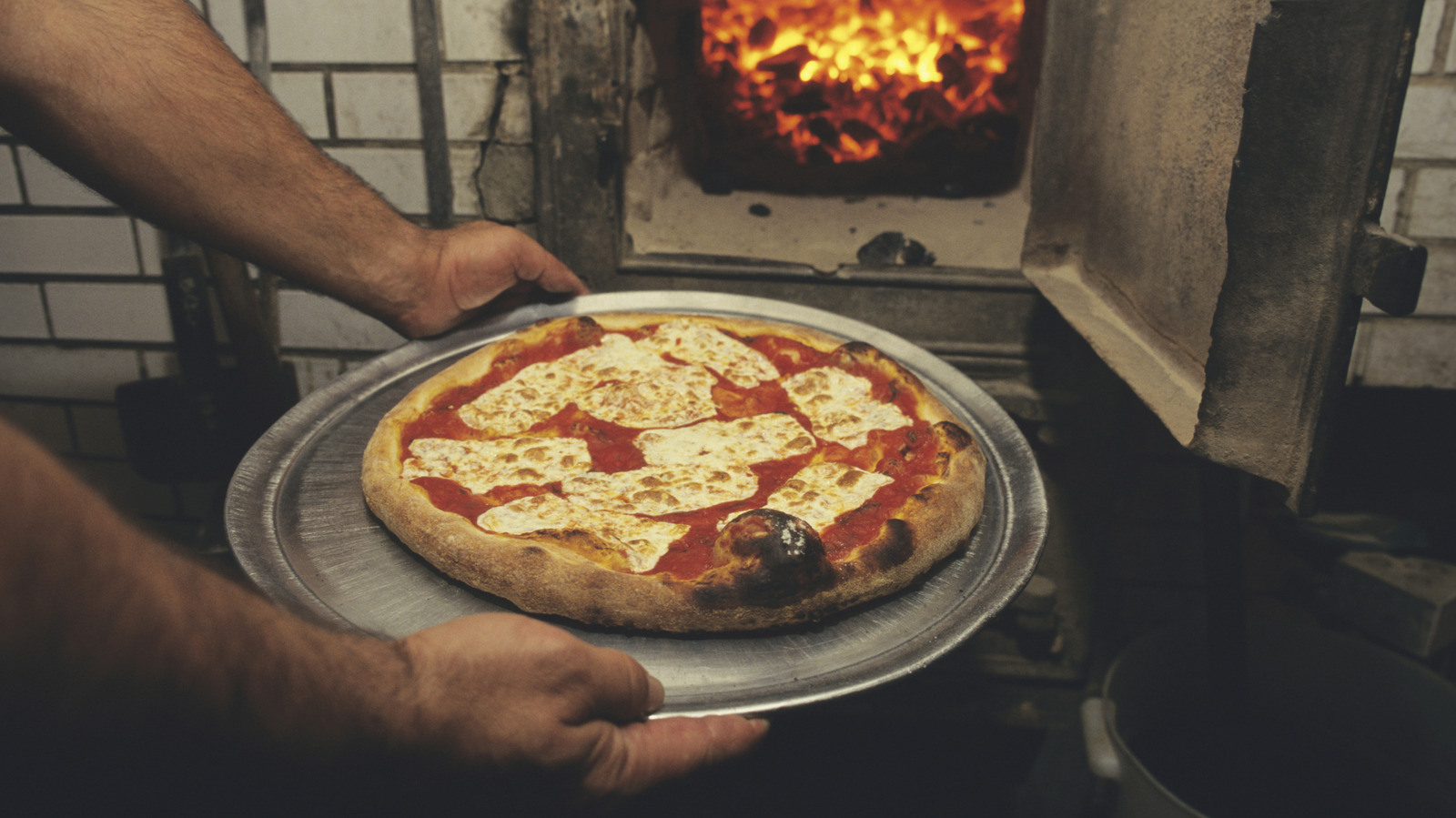
The story of Italian immigration in America is inextricably linked to the introduction and popularization of pizza. Among the millions of Italians who arrived in the United States, many brought with them the culinary traditions of their homeland, including the art of pizza making. In 1905, New York City, a primary destination for Italian immigrants, welcomed Gennaro Lombardi, a baker from Naples. Recognizing an opportunity, Lombardi established what is widely considered the first pizzeria in New York City, and one of the oldest in the United States. Located in Manhattan’s Little Italy, Lombardi’s became synonymous with the development of classic New York-style pizza, characterized by its thin, crispy crust, rich tomato sauce, and generous layer of low-moisture, whole-milk mozzarella.
Lombardi’s continues to honor its heritage by maintaining a focused pizza menu. Diners can choose from classic options like the Margherita, or selections featuring meat or eggplant, often complemented by rich pasta dishes or a decadent cheesecake. After more than a century in business, Lombardi’s remains a beloved destination and a popular spot for those seeking an authentic taste of pizza history. Its enduring popularity means that patrons often face a wait, a testament to its iconic status.
Gargiulos: A Coney Island Classic Since 1907
As Italian immigrants sought to escape the urban intensity of New York City in the 1910s, many found refuge and community in Coney Island. Established in 1907 by the Gargiulo family, the restaurant quickly became a cherished culinary landmark and a central gathering place for the burgeoning community. Gargiulo’s not only served delicious, flavor-rich Neapolitan cuisine but also hosted significant life events in its grand ballroom, including weddings and family celebrations.
In the 1960s, the restaurant transitioned to new ownership when the Russo family, hailing from Sorrento, took the helm. They maintained the establishment’s core ethos, ensuring Gargiulo’s remained a vital part of the Coney Island dining scene and a treasured Italian-American institution. The menu continues to feature classic dishes such as spaghettini Sorrentina, penne marinara, and risotto ai funghi. The combination of high-quality food and a nostalgic, old-school ambiance makes Gargiulo’s a perennial recommendation for visitors to Coney Island.
John’s of 12th Street: A Prohibition-Era Speakeasy Turned Institution Since 1908
The Prohibition era in the United States, spanning from 1920 to 1933, presented a unique landscape for restaurateurs, particularly those in Italian establishments. Many Italian restaurants transformed into speakeasies, discreetly serving alcohol alongside their traditional fare, becoming clandestine havens for those seeking revelry amidst the nationwide ban. John’s of 12th Street in New York City, founded in 1908 by Umbrian immigrant John Pucciatti, was one such establishment. Evidence of its speakeasy past remains visible today; the iconic candles on its tables once served as a subtle alert system to warn diners of impending police raids.
Stepping into John’s of 12th Street today is akin to stepping back in time. The restaurant retains much of its original charm, from its atmospheric decor and ambiance to its culinary offerings. While some patrons note that the food can occasionally be secondary to the overall experience, the restaurant’s historical significance, generous portions, and unique vibe are undeniable draws. Furthermore, John’s has demonstrated a remarkable ability to adapt, offering an impressive array of vegan options, including seitan Parmigiana, vegan ragu, and dairy-free cannoli, catering to contemporary dietary preferences while preserving its historical character.
DeFonte’s: Brooklyn’s Sandwich Master Since 1922
The Italian contribution to American cuisine extends far beyond pasta and pizza; Italian immigrants also mastered the art of the sandwich. In Brooklyn’s Red Hook neighborhood, DeFonte’s has been a culinary fixture since 1922, renowned for its generously portioned, flavor-packed subs. The deli remains under the stewardship of the descendants of Nick DeFonte, who established the business after immigrating to the U.S. from Mola di Bari in southern Italy.
Over its century-long history, DeFonte’s has cultivated a devoted following. Loyal patrons often have strong preferences for specific menu items, with the eggplant Parm sub, steak pizzaiola, and roast pork being perennial favorites. The simple yet satisfying potato, egg, and cheese sandwich also holds a special place in the hearts of many. The enduring sentiment among customers is that DeFonte’s represents something truly special – an institution to be cherished. As one Reddit user in r/FoodNYC poignantly observed, "Enjoy places like Defonte’s while they’re still around. They don’t make ’em like this anymore, and they never will."
Totonno’s: A Legacy of Coal-Fired Pizza Since 1924
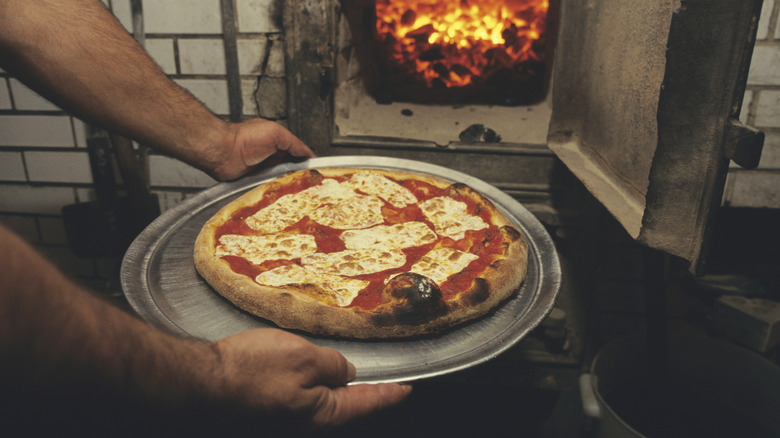
The influence of Lombardi’s on New York’s pizza scene is undeniable, and Totonno’s in Coney Island is a prime example. Anthony Pero, a Neapolitan immigrant who had previously worked at Lombardi’s, brought his expertise to Brooklyn in 1924. He established Totonno’s, a family-owned pizzeria that quickly became celebrated for its classic New York-style pizza, with some even debating its superiority to its Manhattan predecessor.
The distinctive character of Totonno’s pizza lies in its coal-fired crust, which achieves a pleasingly chewy texture, and the intentional simplicity of its toppings. The combination of high-quality tomato sauce and fresh mozzarella is all that is needed to create an exceptional pie. Patrons of the r/Pizza subreddit have lauded its unique round pizza, with one commenter describing the textures as "amazing." For many locals, Totonno’s remains a top-tier pizza destination, often cited as one of the best in Brooklyn.
Angelo’s: Providence’s Italian Heart Since 1924
Providence, Rhode Island, boasts one of the oldest Italian restaurants in the U.S., a testament to the significant Italian immigrant population that settled in the city between the late 1890s and the 1930s. Many of these immigrants found work in the city’s textile mills, while others established restaurants to serve their growing community. In 1924, Angelo Mastrodicasa, an immigrant from Abruzzo, opened Angelo’s Civita Farnese on Atwells Avenue, contributing to the city’s burgeoning Italian culinary landscape.
Initially, Angelo’s likely embodied the principles of Italy’s "cucina povera" (kitchen of the poor), offering simple yet remarkably flavorful dishes. This culinary philosophy continues to define the restaurant today. The menu features offerings such as Tuscan white bean pasta, spaghettini aglio olio, and pesto gnocchi – dishes that are celebrated for their fresh flavors and unpretentious preparation. The restaurant, still operated by Mastrodicasa’s relatives, has preserved its cherished old-school ambiance. A Yelp review describes it as a "quintessential Italian place," evoking a sense of history and community, where "deals and contracts" might have been forged in its intimate booths.
The Village: Chicago’s Tuscan Gem Since 1924
Chicago, with its substantial Italian-American population, is also home to historic Italian dining establishments. The city attracted numerous immigrants in the late 19th and early 20th centuries, with nearly 74,000 Italian-born individuals residing in Chicago by 1930. Among them was Alfredo Capitanini, who arrived from Tuscany in 1924. After working in local restaurants, he opened his own establishment, aptly named The Village, just three years later.
The Village’s menu continues to reflect Capitanini’s Tuscan heritage, featuring dishes like bisteca alla Florentina and vibrant kale salads with lemon and crispy chickpeas. The restaurant also offers a selection of hearty sandwiches, pizzas, and a wide array of Italian and Italian-American pasta dishes. The ambiance of The Village is characterized by its charming, historic atmosphere, enhanced by dim lighting and authentic Italian background music. A Yelp review captures the essence of the experience, stating, "Stepping into The Village feels like walking straight into a piece of Chicago history. And the food lives up to every bit of it."
These ten restaurants, spanning from coast to coast, are more than just dining establishments; they are cultural landmarks that preserve and celebrate the rich heritage of Italian immigration and cuisine in the United States. Their enduring presence is a testament to the power of tradition, family, and exceptional food to create lasting legacies.
