
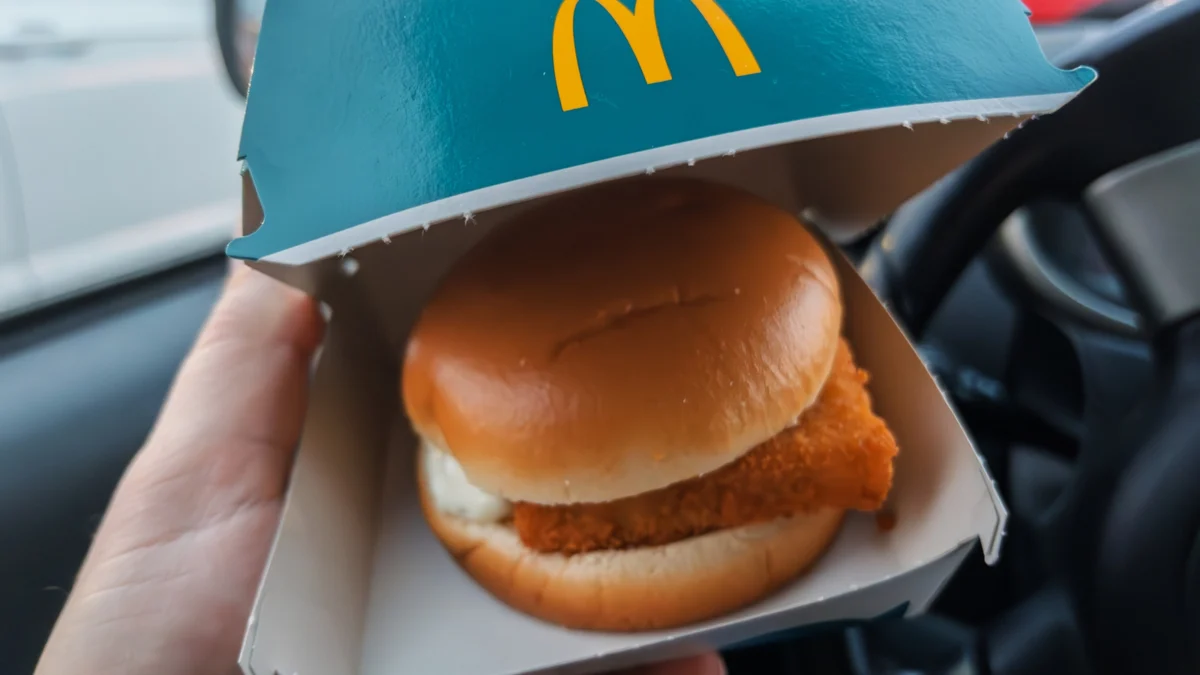
The seemingly simple question of why the Double Filet-O-Fish is not available at all McDonald’s locations across the United States has ignited a flurry of speculation and frustration among the fast-food giant’s loyal customer base. While many are accustomed to the seasonal nature of certain menu items or the occasional limited-time offer, the inconsistent availability of this particular sandwich has left many diners perplexed. This widespread confusion highlights a growing consumer expectation for consistent product offerings and raises questions about the operational and marketing strategies employed by global fast-food chains.
The Double Filet-O-Fish, a more substantial version of the classic Filet-O-Fish, features two battered and fried fish fillet patties, a slice of American cheese, and the signature tangy tartar sauce, all served on a steamed bun. Its counterpart, the single Filet-O-Fish, has been a staple on McDonald’s menus for decades, particularly during the Lenten season, a period observed by many Christians that traditionally involves abstaining from meat. The introduction and subsequent selective availability of the Double Filet-O-Fish have, however, created a geographical divide in the McDonald’s dining experience.
A Growing Phenomenon of Inconsistent Offerings
This issue has been prominently discussed on online forums, with customers expressing their bewilderment. One Redditor articulated the sentiment shared by many: "The double filet is a sandwich all its own… if your location supports it." This statement encapsulates the core of the problem – the arbitrary nature of its availability, leading to disappointment when a desired item cannot be found at a familiar establishment.
The lack of an official, definitive explanation from McDonald’s has only fueled the speculation. Online discussions have put forth several theories, each attempting to rationalize the inconsistency. One prevailing hypothesis suggests that the Double Filet-O-Fish is primarily considered a "core" item during the Lenten period. Outside of this religiously significant time, its availability becomes optional, with individual McDonald’s franchises making the decision whether or not to include it on their menus. This aligns with McDonald’s historical practice of offering seafood specials during Lent, a tradition that has seen the company become one of approximately 12 restaurant chains that actively promote seafood options during this season.
Another frequently cited explanation points to the franchise model itself. It is suggested that some McDonald’s locations, particularly those that are independently owned franchises, may not have incorporated the Double Filet-O-Fish into their operational or marketing plans. This could be due to various reasons, including perceived local demand, logistical challenges, or a strategic decision by the franchisee to focus on other menu items. The decentralized nature of franchise ownership inherently allows for a degree of autonomy in menu curation, which can lead to these regional discrepancies.
Furthermore, the principle of supply and demand likely plays a significant role. If a particular menu item, such as the Double Filet-O-Fish, does not generate sufficient sales in a given area, franchises may opt not to stock it. This business-minded approach prioritizes profitability and efficiency, leading to the removal or non-introduction of items that are perceived as less popular. The economic reality of running a fast-food establishment means that menu offerings are constantly evaluated based on their contribution to the bottom line.
The Evolution and Composition of the Filet-O-Fish
The Double Filet-O-Fish is constructed with the same fundamental components as its single-patty predecessor. Each Alaskan Pollock fillet is lightly battered and fried to a golden crisp. These are then layered with melted American cheese and a generous dollop of tartar sauce, all nestled within a soft, steamed bun. It is worth noting that while Alaskan Pollock is the current fish used, the original Filet-O-Fish, first introduced in 1962, was reportedly made with halibut. This historical detail adds another layer to the lore surrounding this iconic sandwich.
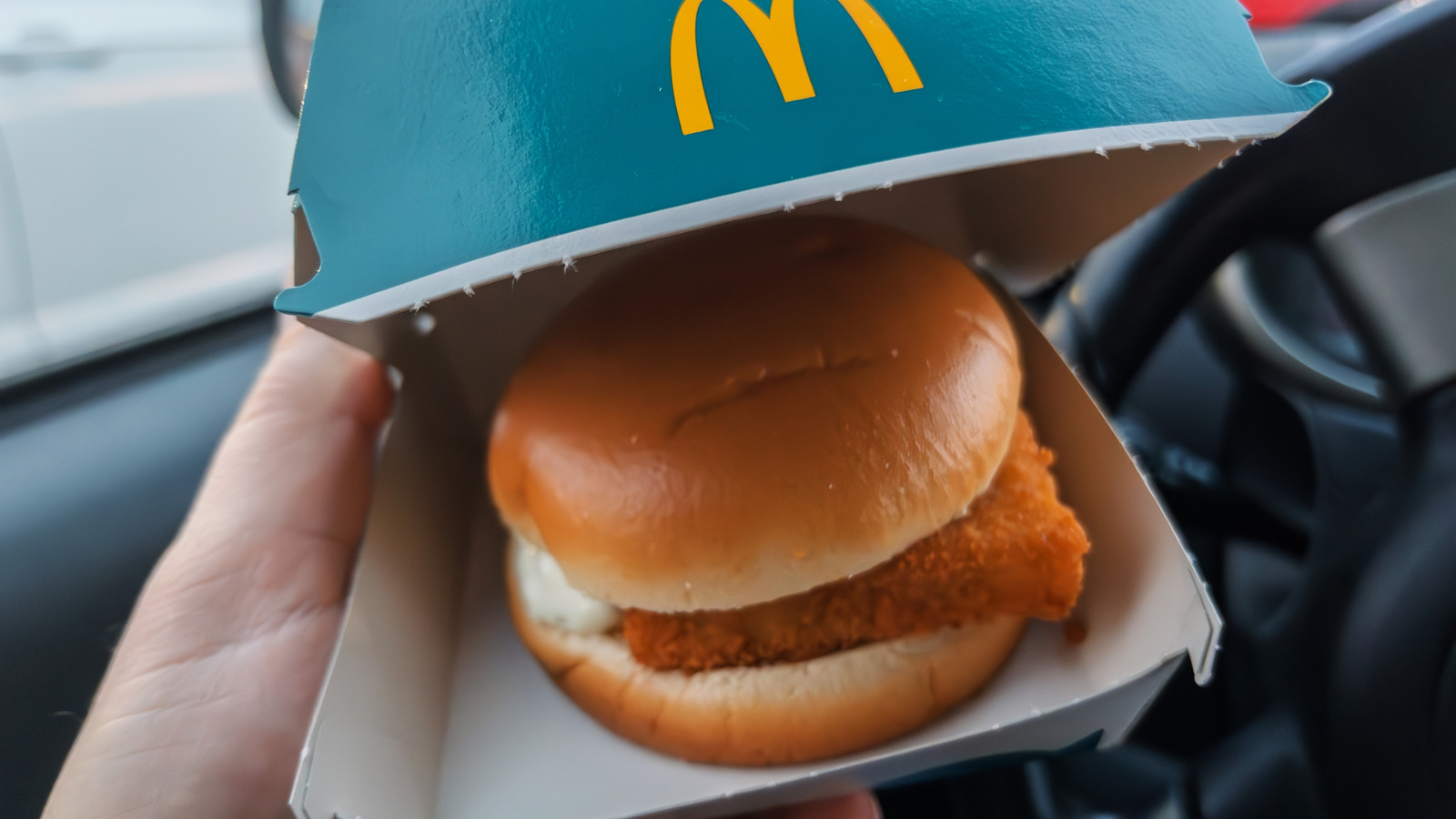
The pricing of the Double Filet-O-Fish, where available, generally falls within the range of $5 to $9, though this can vary significantly based on location and prevailing economic conditions. The lack of a predictable pattern in its availability is a source of particular frustration for consumers. For instance, customers in Jacksonville, Florida, may find the Double Filet-O-Fish readily available, while those in Long Island City, New York, might be unable to order it. This geographical lottery underscores the disconnect between consumer expectations and the operational realities of a vast, multi-franchised fast-food network.
Customer Strategies and Workarounds
In response to the unavailability of the Double Filet-O-Fish, resourceful customers have devised their own strategies. One common "hack" involves attempting to customize a regular Filet-O-Fish by requesting additional fish patties. However, this workaround is not universally successful. Some customers report being denied the option to add extra patties, with the customization system in some locations limiting choices to zero or one patty. This suggests that such modifications are dependent on the specific point-of-sale system and the discretion of the crew members.
More elaborate solutions have also emerged. One such method involves purchasing a regular Filet-O-Fish and, separately, an McDouble. The patties from the McDouble are then transferred to the Filet-O-Fish bun, effectively creating a homemade double patty sandwich. This approach, while requiring more effort and potentially additional cost, ensures that the desired combination of ingredients is achieved. Another strategy mentioned by customers is to leverage promotional deals, such as "2 for $6" offers, and then strategically combine elements from different sandwiches to achieve a more substantial fish sandwich. These creative solutions highlight the strong desire among some consumers for this particular menu item.
Broader Implications for the Fast-Food Industry
The persistent confusion surrounding the Double Filet-O-Fish’s availability has broader implications for the fast-food industry. In an era where consumers are increasingly connected and vocal, the perceived inconsistency in product offerings can lead to brand dissatisfaction and a erosion of trust. While operational complexities are inherent in managing a global franchise, clear communication and a more standardized approach to core menu items could significantly enhance customer experience.
The incident also underscores the evolving nature of consumer expectations. Beyond the basic need for sustenance, diners today seek convenience, variety, and a predictable experience, regardless of their geographical location. The digital age, with its instant access to information and social media platforms, amplifies any perceived discrepancies in service or product.
Furthermore, the discussions around the Double Filet-O-Fish highlight the delicate balance between corporate standardization and franchise autonomy. While franchises provide local market adaptability, an overreliance on individual decision-making for items that have achieved significant popularity can lead to widespread customer confusion.
Looking ahead, McDonald’s, like other major fast-food chains, faces the challenge of harmonizing its vast network of operations to meet these evolving consumer demands. Investing in more robust and flexible operational systems, coupled with clearer internal guidelines regarding core menu item availability, could mitigate such instances of confusion. The successful integration of popular, albeit non-core, items like the Double Filet-O-Fish across all locations would not only enhance customer satisfaction but also potentially unlock new revenue streams.
The enduring appeal of the Filet-O-Fish, and by extension its double-patty iteration, demonstrates a sustained consumer preference for certain comfort foods. The current situation, however, serves as a reminder that even the most beloved menu items can become points of contention when their accessibility is not guaranteed. As the fast-food landscape continues to adapt to changing consumer behaviors and technological advancements, addressing such inconsistencies will be crucial for maintaining brand loyalty and a positive customer experience. The Double Filet-O-Fish, in its elusive availability, has inadvertently become a case study in the complexities of modern fast-food distribution and consumer expectation management.
