
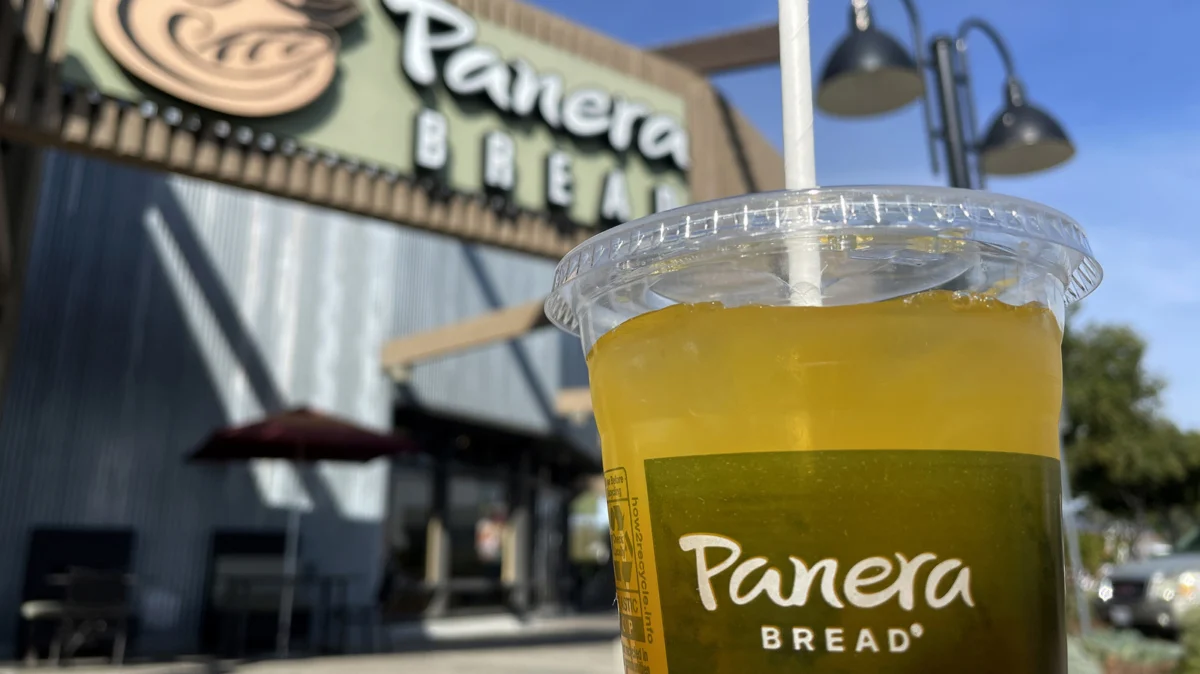
Panera Bread, a long-standing fixture in the fast-casual dining landscape, has long cultivated an image of providing wholesome, quality food with a commitment to fresh ingredients and a comforting ambiance. For years, this strategy allowed the chain to command a premium price point, differentiating itself from traditional fast-food establishments by offering a more elevated experience. However, a growing chorus of customer complaints across social media platforms suggests that Panera’s pricing has ascended to an all-time high, leading to widespread dissatisfaction and questions about the brand’s value proposition.
The recent overhaul of Panera Bread’s menu in 2024, which the company stated was intended to offer larger portions at reduced prices, appears to have missed the mark for a significant segment of its customer base. While the enduring "You Pick Two" promotion remains a popular option for value-conscious diners, the overall perception is that the cost of dining at Panera has become prohibitively expensive. This sentiment is amplified by anecdotal evidence, such as a viral Instagram post showcasing a bill exceeding $70 for a modest order of five items: two grilled cheese sandwiches, another sandwich, and two soups. The customer, who documented his disbelief, attributed the closure of his local Panera to such pricing strategies, a sentiment that resonates with numerous other patrons expressing similar concerns online.
Escalating Costs and Shifting Perceptions
The increasing cost of Panera’s offerings is not an isolated incident but a recurring theme on various social media channels. On Reddit, a platform frequently used for candid consumer feedback, users have detailed significant price hikes on individual menu items. One Redditor pointed out the dramatic inflation of a single menu item, noting, "Souffle used to be $4.50, then went up to $5.25, then $5.95, now they are $7.89." This illustrates a consistent upward trend in pricing that customers have observed over time, raising questions about the affordability and perceived value of Panera’s products.
Beyond the sticker shock, a parallel critique has emerged regarding the quality of the food itself. Several customers have expressed disappointment, suggesting that the elevated prices are no longer commensurate with the dining experience. "It had been a while since I’d had Panera, so I was surprised by how expensive it’s become when I ordered the other day," one user commented on Reddit. "The sandwiches were subpar and overpriced, the fruit cup wasn’t fresh and only had two types in it." While acknowledging that the soup in the bread bowl remained a highlight and was perceived as fairly priced, the overall sentiment indicates a decline in the perceived quality-to-cost ratio. This raises concerns about whether Panera is still delivering on its foundational promise of high-quality, family-worthy food at a price point that customers are willing to accept.
A History of Change Under Private Equity Ownership
The current pricing and perceived quality issues are often linked to Panera Bread’s acquisition by the private equity firm JAB Holding in 2017 for a reported $7.5 billion. Following this acquisition, the company implemented a series of operational changes aimed at streamlining costs. According to company admissions and customer observations, these changes included squeezing both food and labor expenses. Practices such as serving cherry tomatoes whole instead of halved, a move ostensibly designed to reduce labor, and the addition of less premium ingredients like iceberg lettuce to salads, have been cited as examples of cost-cutting measures that have alienated loyal customers.
Furthermore, critics argue that these operational adjustments have led Panera to deviate from its core identity of serving freshly baked bread. The perception among some consumers is that the brand has moved away from its artisanal roots, prioritizing efficiency and cost reduction over the quality and craftsmanship that once defined it. This strategic shift, driven by private equity’s typical focus on maximizing returns, has fueled a backlash from customers who feel the brand’s integrity has been compromised. The sentiment is encapsulated by a Redditor’s observation: "Private equity strikes again," a comment that ignited a series of equally critical responses from other users, with sentiments ranging from "they morgue more businesses than they save or enhance" to "they ruin everything they touch." This reflects a broader concern among consumers about the impact of private equity ownership on beloved brands.
The "You Pick Two" Dilemma and Value Perception
Panera’s "You Pick Two" promotion has historically been a cornerstone of its value offering, allowing customers to combine two half-portions of salads, sandwiches, or soups for a fixed price. This flexibility has been a key driver of customer loyalty, enabling patrons to customize their meals and manage their budgets. However, even this popular deal appears to be affected by the overall price escalation. While specific "affordable combos" still exist, the rising baseline cost of individual items means that even the "You Pick Two" combinations are becoming less of a bargain than they once were.
The perceived value of a meal is a complex equation that involves not only the price of the food but also the quality of ingredients, the preparation, the portion size, the dining environment, and the overall customer experience. For Panera, which has positioned itself as a more premium fast-casual option, maintaining this balance is crucial. When customers perceive that the quality or portion size has diminished while prices have increased, the perceived value plummets, leading to the kind of dissatisfaction currently being voiced. The brand’s stated ambition to serve food that founders would be proud to serve their own families now seems at odds with the consumer feedback regarding current pricing and perceived quality.
Broader Implications for the Fast-Casual Sector
The challenges faced by Panera Bread are not unique to the brand and could signal broader trends within the fast-casual dining sector. Rising ingredient costs, labor shortages, and increasing operational expenses have put pressure on restaurants across the board. However, brands that have built their reputation on quality and value must navigate these pressures carefully to avoid alienating their customer base.
For Panera, the current situation presents a critical juncture. The company needs to address the growing concerns about its pricing and quality to retain customer loyalty and its market position. This may involve a strategic re-evaluation of its cost-saving measures, a renewed focus on ingredient sourcing and preparation, and transparent communication with its customers about the factors influencing its pricing. The brand’s ability to adapt and realign its offerings with customer expectations will be key to its long-term success in an increasingly competitive market.
Looking Ahead: Rebuilding Trust and Value
The narrative surrounding Panera Bread’s pricing is a stark reminder of the delicate balance between profitability and customer satisfaction. While private equity ownership often brings a focus on financial performance, brands that have cultivated a strong emotional connection with their consumers must tread carefully. The outpouring of customer frustration suggests that Panera may have crossed a threshold where the perceived value no longer justifies the cost.
Moving forward, Panera will likely need to demonstrate a commitment to restoring customer trust. This could involve initiatives such as:
- Menu Re-evaluation: A thorough review of the menu to identify opportunities for cost optimization without compromising quality. This might involve sourcing ingredients more strategically or refining preparation methods.
- Enhanced Transparency: Open communication with customers about the challenges facing the industry and the steps Panera is taking to address them, including how pricing is determined.
- Reinvestment in Quality: Potentially reversing some of the cost-cutting measures that have negatively impacted ingredient quality or portion sizes.
- Customer Engagement: Actively soliciting and responding to customer feedback, perhaps through surveys, focus groups, or direct engagement on social media, to demonstrate a commitment to their concerns.
The future of Panera Bread hinges on its ability to reconnect with its customer base by demonstrating that it still offers a compelling value proposition. The current outcry is a significant signal that the brand’s trajectory needs adjustment to ensure it remains a beloved destination for quality fast-casual dining. Failure to address these concerns could lead to further erosion of customer loyalty and a decline in market share, as consumers increasingly seek out alternatives that offer better value for their money.
