
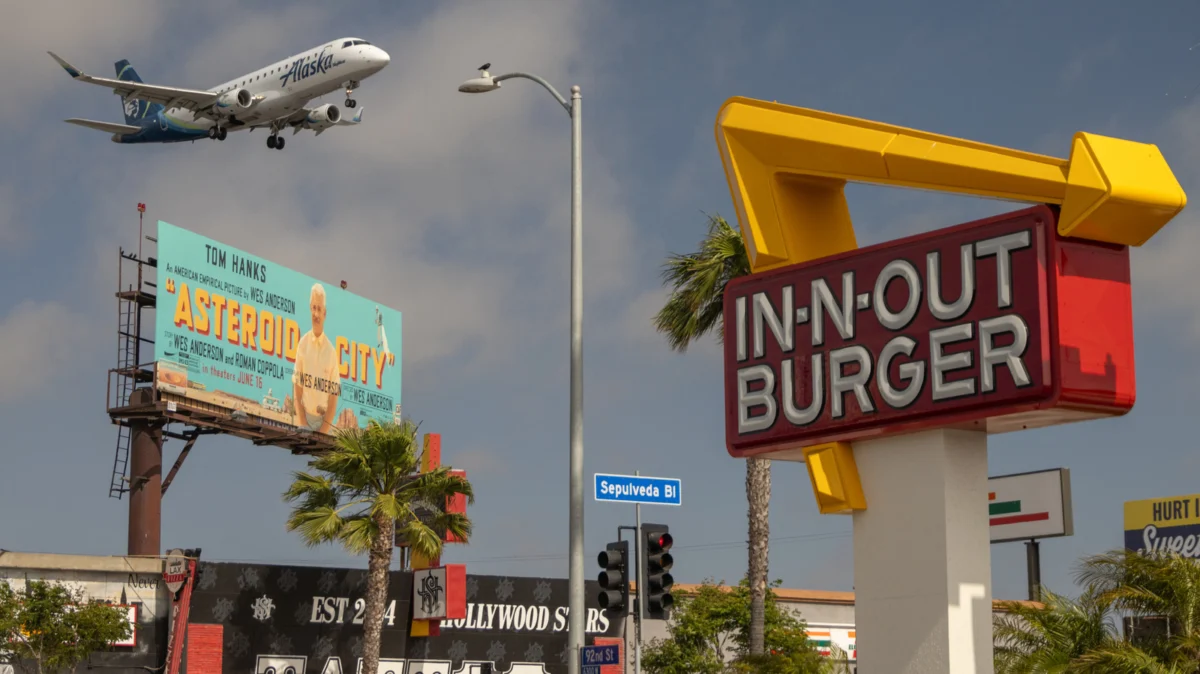
The enduring debate among In-N-Out Burger enthusiasts about whether the iconic fast-food chain’s offerings taste superior in its home state of California is a multifaceted phenomenon, blending logistical realities with potent psychological influences. While In-N-Out is renowned for its unwavering commitment to consistency, maintaining its original 1948 menu and adhering to a strict no-franchise policy, subtle differences in ingredient sourcing and regional cultural connections contribute to this persistent perception. This article delves into the practical and psychological factors that fuel the conviction that an In-N-Out burger savored in California holds a distinct and superior flavor profile compared to its counterparts in other states.
One of the most tangible explanations for this perceived taste disparity lies in In-N-Out’s meticulously managed supply chain. The company’s expansion strategy has historically been deliberately constrained to ensure that all restaurants remain within a manageable radius of its distribution centers. This logistical principle is central to In-N-Out’s ability to maintain its commitment to freshness and quality. The chain prides itself on grinding its own beef daily, sourcing produce with regularity, and utilizing buns baked by specific, trusted local bakeries. Naturally, restaurants located within California are geographically closest to the company’s original and primary supply hubs. This proximity to the source of its core ingredients is a significant factor that proponents of the "California tastes better" theory point to as a direct contributor to superior flavor.
The difference in buns has become a particularly vocal point of contention among fans. Online forums and social media platforms frequently feature discussions where patrons, particularly those native to Southern California, articulate their observations. For instance, on Reddit, a user shared, "I have 0 inside knowledge, but the bread is for sure different in Texas." This sentiment was echoed by another fan who stated, "Yeah. Confirmed. I’m native SoCal and went to Dallas on business trip. Ate at In n Out and the bread was the one thing that stood out. It’s not the same bakery and it really changes the overall taste of the classic burger." These anecdotal accounts suggest that variations in the bakeries supplying buns to In-N-Out locations outside of California can lead to noticeable differences in texture and taste, impacting the overall profile of a classic burger.
A History of Supply Chain Challenges
The concern over bun quality is not a new phenomenon and has, in fact, led to documented operational disruptions. In 2018, In-N-Out Burger was compelled to temporarily close all of its Texas locations. While the company did not publicly disclose the specific reason for the closures, speculation from industry press at the time suggested that the issue was related to the quality and consistency of the buns being supplied to their Texas restaurants. Reports indicated that the chain was potentially sourcing replacement buns from its primary bakery in California, Puritan Bakery, which has been a long-standing supplier for decades. This incident underscored the critical role of the supply chain, particularly the consistent quality of the bun, in maintaining the In-N-Out experience across its various locations.
Furthermore, In-N-Out’s operational model includes a separate patty-making facility located in Dallas, Texas. While this facility is designed to uphold the company’s stringent standards for fresh, never-frozen beef, the existence of regionalized production facilities, in addition to different bun suppliers, introduces variables that could subtly alter the final product. The concept of localized production, while often intended to enhance freshness and efficiency, can inadvertently create divergences from the taste profile established at the original production sites.
The Psychological Dimension: Nostalgia and Cultural Identity
Beyond the purely logistical and ingredient-based explanations, a significant portion of the perceived taste difference is rooted in psychological factors, particularly the profound emotional connection many have with In-N-Out Burger and its origins in Southern California culture. In-N-Out is more than just a fast-food restaurant; for many, it is a cultural institution, deeply intertwined with the identity and lifestyle of California. This strong emotional resonance can significantly enhance the dining experience, leading to a more favorable perception of the food.
California residents, in particular, often view In-N-Out through the lens of nostalgia and regional pride. An In-N-Out burger is not merely a meal; it can evoke memories of childhood, family outings, and a specific sense of place. This powerful psychological association can create a halo effect, where the overall experience—the ambiance, the familiarity, and the cultural significance—contributes to a heightened appreciation of the food’s taste. As one user on Reddit observed, "They aren’t the best burgers you can get. They are just very much a [sic] institution here." Another added, "It’s got a whole ‘this is what California is all about thing’ happening." This sentiment highlights how the burger is elevated by its association with a beloved regional identity.
This psychological aspect is further amplified by In-N-Out’s deliberate strategy to maintain an exclusive and curated brand experience. The company’s steadfast refusal to adopt mobile ordering, delivery apps, or engage with private equity firms underscores its commitment to preserving a specific customer interaction model. This approach fosters a sense of scarcity and intentionality, reinforcing the idea that an In-N-Out meal is a deliberate choice, a unique experience rather than a commodity. This exclusivity can contribute to a perception of higher quality and a more authentic taste, especially when experienced within the cultural context of its origin.
Employee Experience and Brand Loyalty
Another factor that contributes to the perceived difference is the human element – the employees and the strength of their connection to the brand’s original culture and service standards. In-N-Out locations in California, being the oldest and most established, are likely to have employees with the most extensive tenure and the deepest ingrained understanding of the company’s unique service philosophy. This seasoned workforce, often exhibiting strong hometown loyalty, can contribute to a more polished and authentic customer experience, further enhancing the perception of quality.
The rigorous training and emphasis on customer service that In-N-Out is known for are likely to be most consistently and deeply embedded in its California operations. This consistent service, coupled with the familiarity of the original market, can create a synergistic effect where the food, the service, and the cultural context all converge to produce an experience that loyal patrons deem superior.
Analyzing the Implications of Perceived Taste Differences
The debate over whether In-N-Out tastes better in California, while seemingly trivial to some, offers a fascinating case study in the interplay of food production, supply chain management, and consumer psychology. The company’s commitment to freshness and quality is undeniable, and its logistical constraints are a testament to its operational integrity. However, the perception of taste differences highlights how external factors, including regional variations in ingredient sourcing and the powerful influence of cultural identity and nostalgia, can shape consumer experiences and preferences.
From a business perspective, In-N-Out’s deliberate expansion strategy, while potentially limiting immediate growth, has been instrumental in maintaining brand integrity and customer loyalty. The very discussion about taste differences, even if rooted in perception, keeps the brand in the public consciousness and fuels passionate engagement among its fanbase. This ongoing dialogue, fueled by a blend of objective factors and subjective sentiment, is a testament to the enduring appeal and cultural significance of In-N-Out Burger.
While the objective, measurable differences in the chemical composition of an In-N-Out burger prepared in California versus, say, Texas, might be subtle, the cumulative effect of ingredient sourcing, regional supply chains, and the powerful psychological imprint of place and memory creates a distinct and often cherished experience for its patrons. The next time a fan enjoys an In-N-Out meal outside of its Golden State birthplace, they may well be savoring not just a burger, but a complex tapestry of logistical precision, cultural resonance, and deeply ingrained nostalgia, all contributing to a flavor that, for them, is unequivocally superior.
