
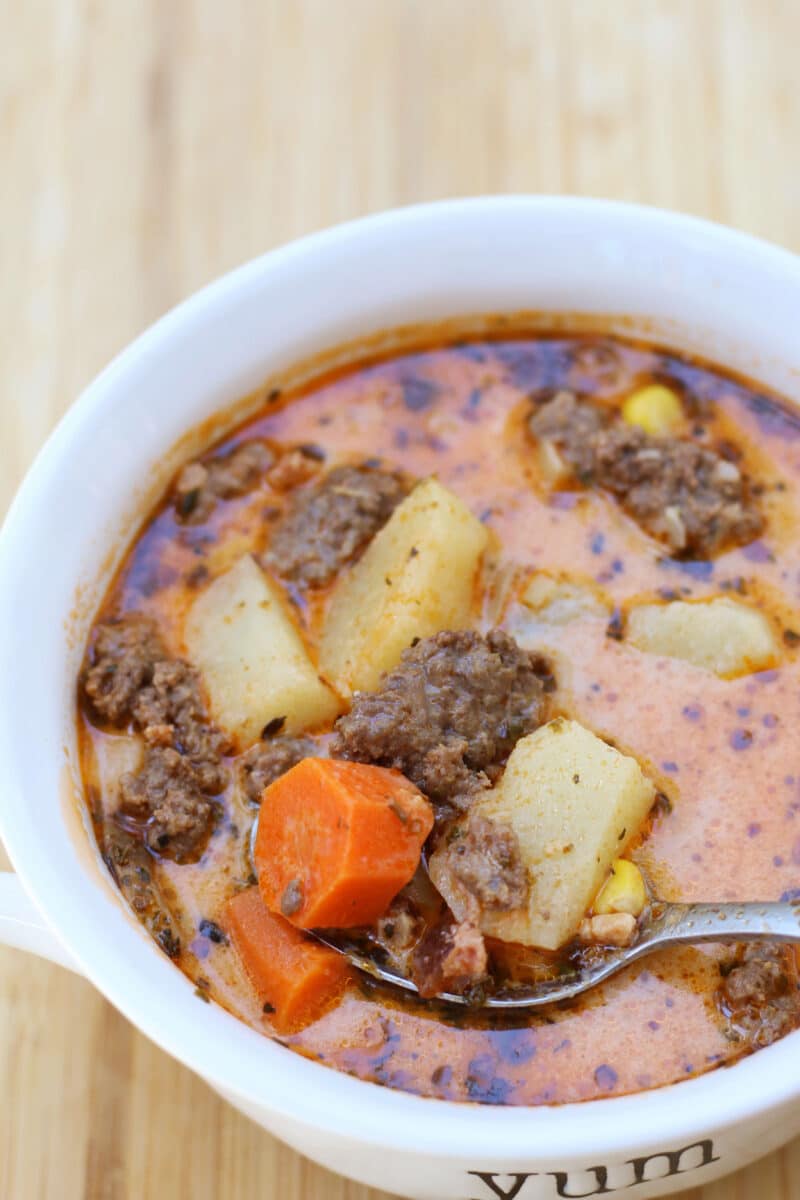
The emergence of versatile, nutrient-dense comfort foods has seen a significant resurgence in contemporary American culinary practices, with the Farm Kitchen Hamburger Soup standing as a primary example of this trend. Characterized by its combination of ground beef, root vegetables, and a creamy, cheese-infused broth, this dish represents a sophisticated evolution of traditional rural stews. As home cooks increasingly seek efficiency without compromising on nutritional value, the integration of modern kitchen technology—specifically the electric pressure cooker and the slow cooker—has transformed this staple into a highly accessible weeknight meal. The recipe’s composition emphasizes a balance of proteins, complex carbohydrates, and fats, reflecting a broader consumer movement toward "one-bowl" meals that provide comprehensive sustenance.
Technical Composition and Culinary Architecture
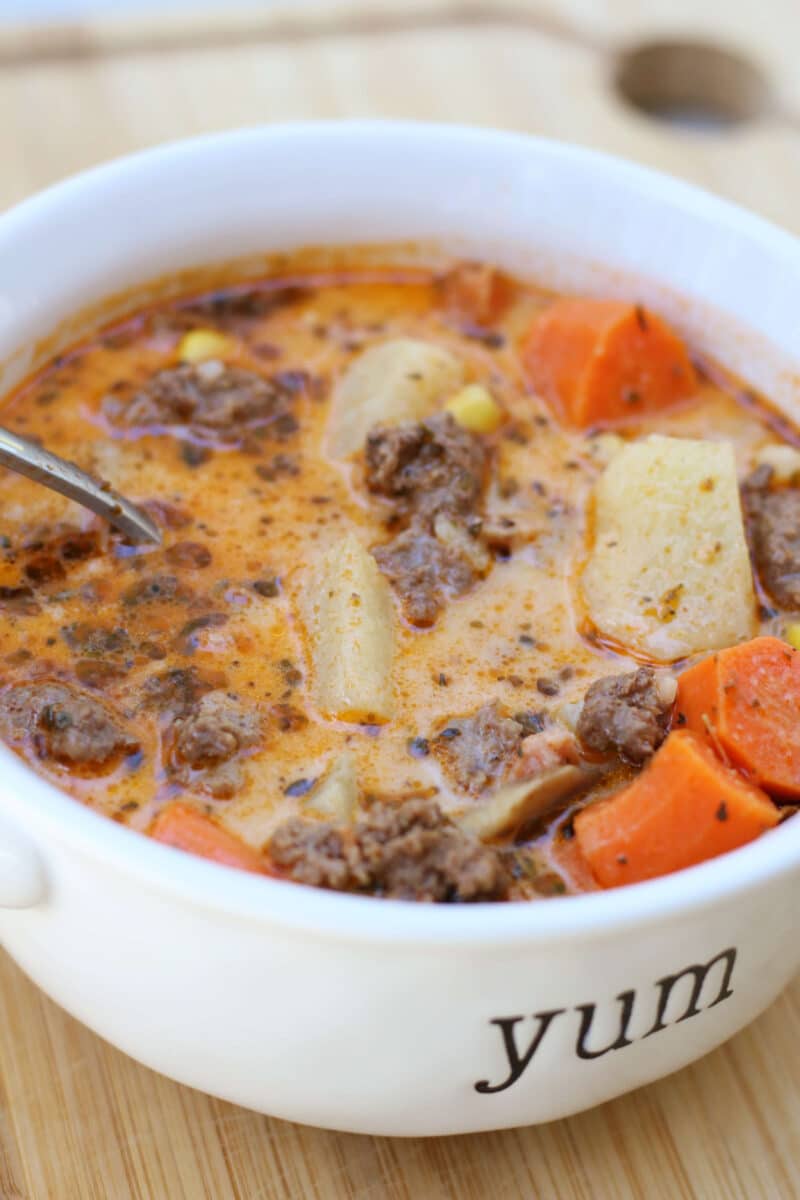
The Farm Kitchen Hamburger Soup is constructed upon a foundation of savory proteins and earth-toned vegetables. The primary protein source is ground beef, a choice that aligns with the historical availability of livestock in agricultural regions. To enhance the flavor profile, the dish incorporates bacon, which introduces a smoky depth and additional fat content necessary for a rich mouthfeel.

Vegetable components include potatoes, carrots, and mushrooms. These ingredients are not merely fillers; they provide essential fiber and micronutrients. The inclusion of mushrooms, in particular, contributes to the "umami" profile of the soup, a culinary term referring to the savory fifth taste. The base of the soup utilizes a combination of beef broth and tomato paste, which is later refined with evaporated milk and cheddar cheese to create a velvety texture. This transition from a clear broth to a creamy finish is a hallmark of "farm-style" cooking, which prioritizes satiety and caloric density for those engaged in physical labor.
Chronology of Preparation: The Instant Pot Workflow
The development of this soup follows a specific chronological sequence designed to maximize flavor extraction while minimizing active labor. For users of the Instant Pot, the process is divided into distinct phases that utilize different thermal settings.
- The Sauté and Maillard Phase: The process begins with the "Sauté" function, where the ground beef and diced onions are browned for approximately five minutes. This stage is critical for the Maillard reaction—a chemical reaction between amino acids and reducing sugars that gives browned food its distinctive flavor.
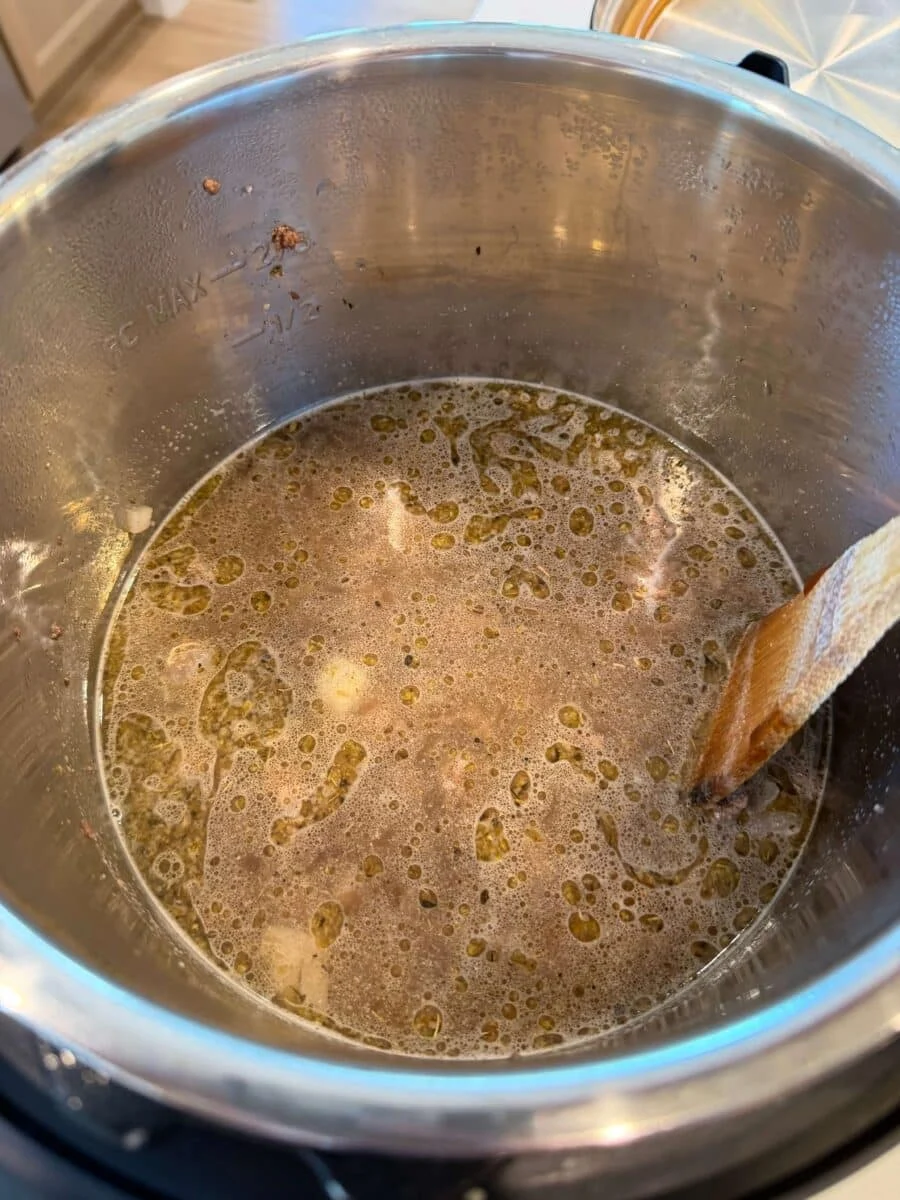
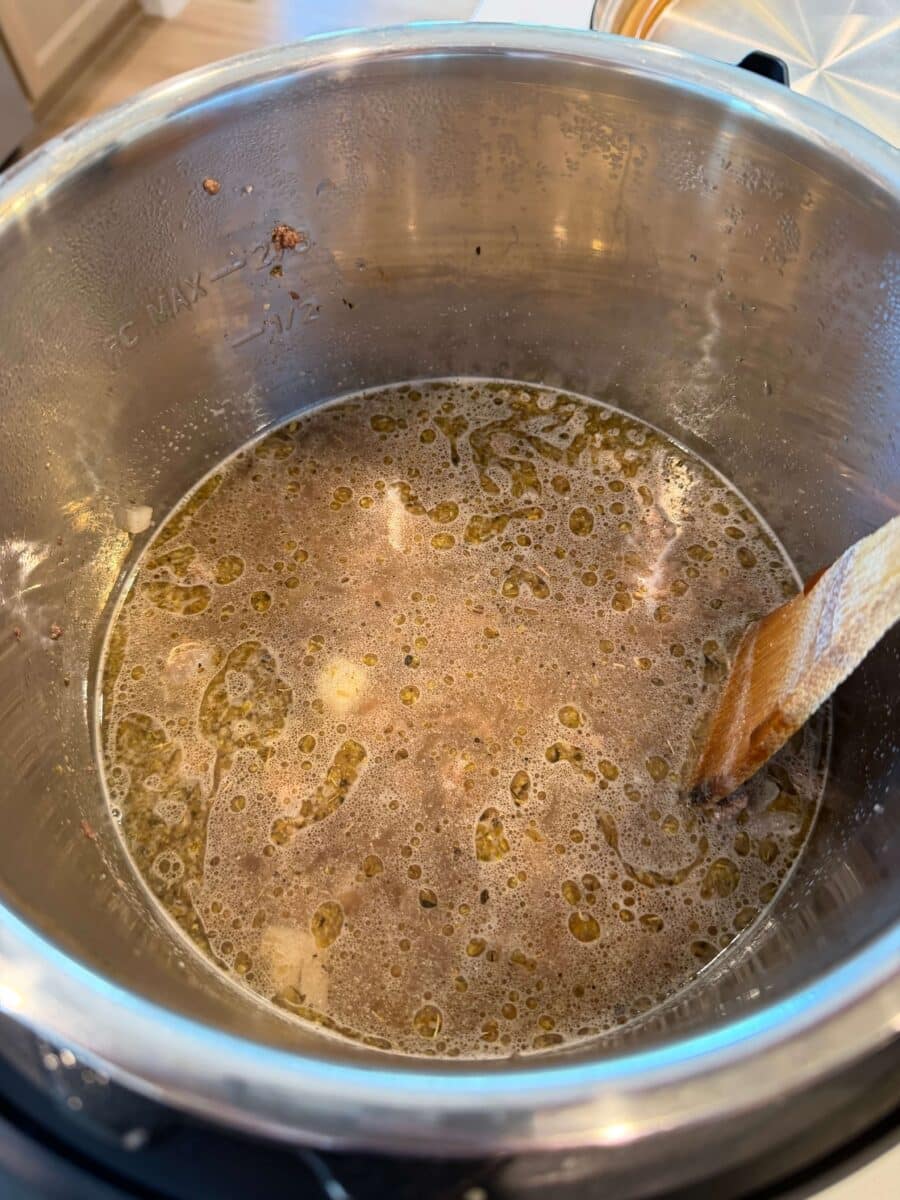
- Seasoning and Deglazing: Following the browning, the beef is seasoned with salt, pepper, Italian seasoning, and garlic powder. A crucial step involves pouring in the beef broth and scraping the bottom of the stainless steel pot. This "deglazing" ensures that the browned bits (fond) are incorporated into the liquid, preventing the "Burn" error and enriching the stock.
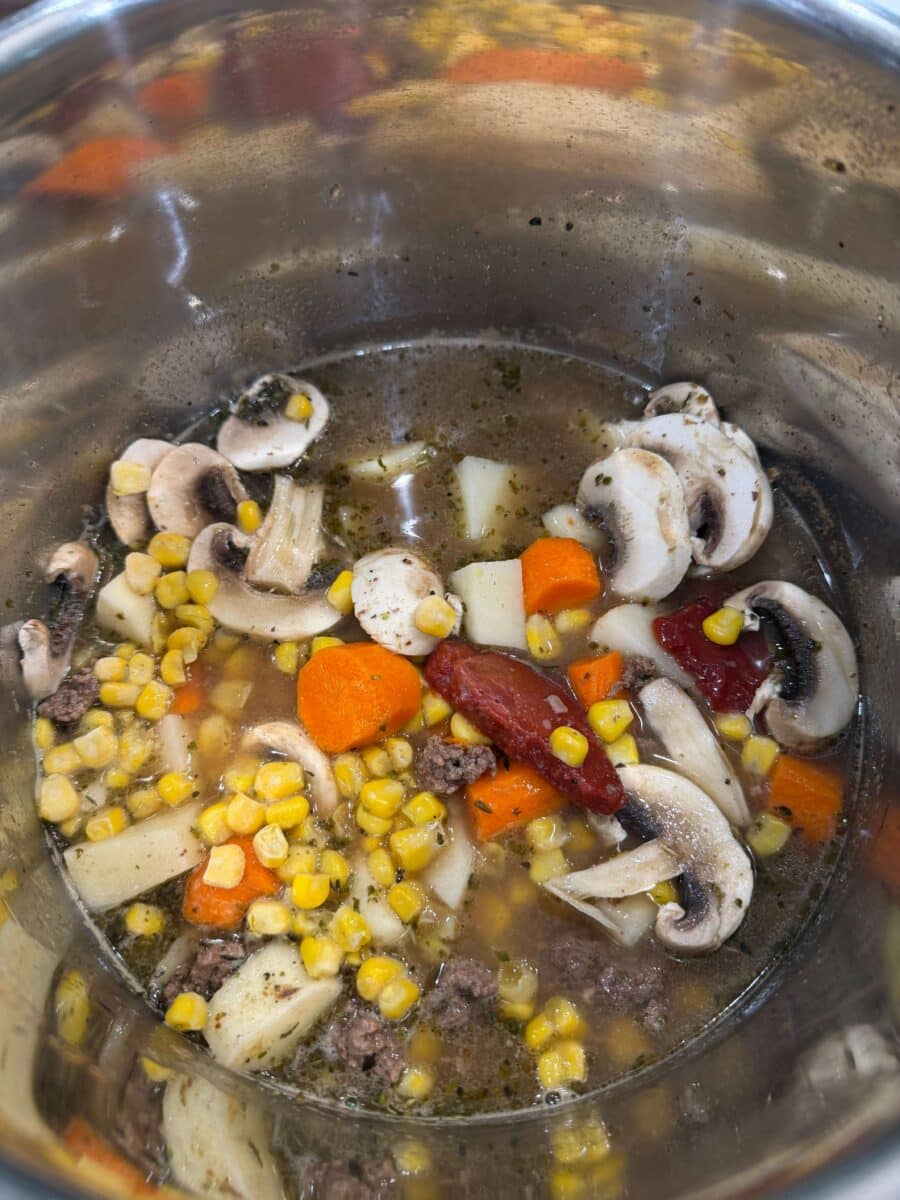
- Pressure Cooking Phase: The remaining hardy vegetables—mushrooms, carrots, and potatoes—along with Worcestershire sauce and tomato paste are added. The device is then sealed and set to high pressure for four minutes. While the active cook time is short, the total time includes the period required for the pot to reach pressure and a subsequent five-minute natural release period to allow the internal temperature to stabilize.
- The Finishing Phase: Once the pressure is released, the "creaming" ingredients—evaporated milk, cooked bacon, and shredded cheddar cheese—are stirred into the hot liquid. This prevents the dairy from curdling under high pressure and ensures a smooth, emulsified consistency.
Comparative Analysis: Slow Cooker Adaptation
While the Instant Pot offers speed, the slow cooker method remains a preferred alternative for those prioritizing convenience over a longer duration. In the slow cooker chronology, the beef and onions are typically browned on a stovetop before being transferred to the ceramic crock. The vegetables and broth are then added, and the mixture is simmered on "Low" for six to eight hours or "High" for three to four hours. The final addition of dairy and cheese occurs in the last 30 minutes of cooking, mirroring the finishing phase of the pressure-cooker method. This dual-compatibility underscores the recipe’s versatility in various household environments.

Economic and Market Context of Home Cooking
The popularity of dishes like the Farm Kitchen Hamburger Soup is closely tied to the "convenience economy" and the rising costs of dining out. According to market data from the Bureau of Labor Statistics, the Consumer Price Index for food at home has seen fluctuations that drive consumers toward cost-effective protein sources like ground beef.

Furthermore, the global electric pressure cooker market has experienced a compound annual growth rate (CAGR) of over 7% in recent years. This technological adoption has changed how families approach "slow-cooked" flavors. The Farm Kitchen Hamburger Soup serves as a case study in this transition, offering the complex flavor profile of a long-simmered stew in under 45 minutes of total time.

Nutritional and Health Implications
From a nutritional standpoint, the soup offers a balanced macronutrient profile. A standard serving provides high-quality protein from the beef and cheese, essential for muscle maintenance, and complex carbohydrates from the potatoes and carrots for sustained energy.

Estimated Nutritional Breakdown (per serving):

- Protein: 25–30g
- Carbohydrates: 20–25g
- Fats: 15–20g
- Micronutrients: High levels of Vitamin A (from carrots), Vitamin C (from potatoes), and Potassium.
Dietary experts note that the inclusion of vegetables like mushrooms and corn adds textural variety and fiber, which aids in digestion and satiety. For consumers with specific dietary requirements, the recipe is easily adaptable; for instance, using gluten-free broth or substituting the evaporated milk with a plant-based heavy cream alternative.
Culinary Flexibility and Customization
One of the defining features of the Farm Kitchen Hamburger Soup is its modular nature. Culinary analysts suggest that the "Farm Kitchen" designation implies a reliance on seasonal or on-hand ingredients. This allows for several logical substitutions:
- Vegetable Variations: The addition of celery, green beans, or peas can increase the volume and nutritional density of the meal.
- Cheese Profiles: While cheddar is the traditional choice for its melting properties and sharp flavor, the use of Pepper Jack or Colby Jack can alter the heat level and creaminess.
- Aromatic Adjustments: The flavor profile can be shifted toward different regional cuisines by swapping Italian seasoning for cumin and chili powder (for a southwestern flair) or thyme and rosemary (for a more traditional French-influenced stew).
Broader Impact on the "Farm-to-Table" Home Movement
The Farm Kitchen Hamburger Soup is part of a larger ecosystem of "Farm" recipes that prioritize hearty, rustic flavors. This series includes the Instant Pot Farmgirl’s Funky Chicken, the Farm Life Casserole, and the Country Farm Chicken Casserole. These recipes collectively represent a rejection of highly processed "TV dinners" in favor of home-prepared meals that utilize whole ingredients.

This movement has significant implications for family dynamics and food security. By mastering a few versatile "base" recipes, households can reduce food waste by incorporating leftover vegetables into a soup format. Moreover, the ease of these one-pot meals encourages more frequent family dinners, which social scientists have long linked to improved emotional well-being in children and adolescents.

Fact-Based Analysis of Future Culinary Trends
As we look toward the future of home gastronomy, the integration of "smart" kitchen appliances will likely continue to favor recipes that can be programmed and monitored remotely. The Farm Kitchen Hamburger Soup is perfectly positioned for this evolution. The recipe’s reliance on stable ingredients—root vegetables and frozen or canned corn—makes it resilient to supply chain disruptions and suitable for year-round preparation, regardless of local harvest cycles.

In conclusion, the Farm Kitchen Hamburger Soup is more than a simple recipe; it is a reflection of modern culinary needs. It successfully bridges the gap between traditional agricultural foodways and the fast-paced requirements of the 21st-century household. Through the strategic use of technology, umami-rich ingredients, and a flexible preparation framework, it provides a blueprint for efficient, nutritious, and satisfying home cooking. Whether prepared in a cabin during a chilly June or in a suburban kitchen during the height of winter, the dish remains a testament to the enduring appeal of the farm-style aesthetic in the American diet.
