
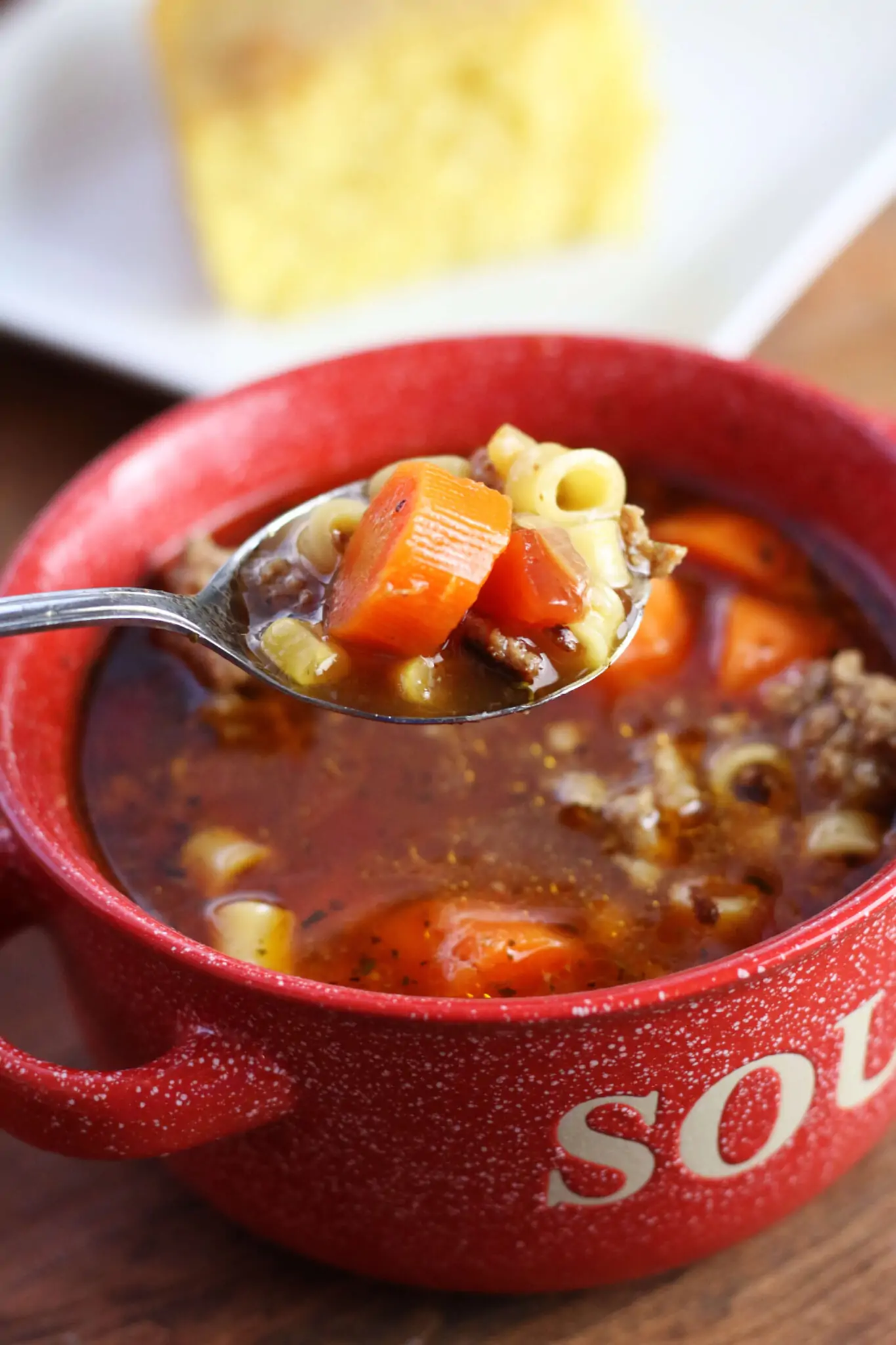
The revitalization of heritage American cuisine has brought renewed attention to Slumgullion, a multifaceted beef and pasta dish that traces its lineage back to the mid-19th century. Often categorized as a cousin to American goulash or "Johnny Marzetti," Slumgullion represents a significant chapter in the history of domestic efficiency and resourcefulness. In its modern iteration, the dish has been adapted for slow-cooker preparation, emphasizing a balance between budget-conscious ingredients and complex flavor profiles. This culinary staple combines ground beef, ditalini pasta, and a fortified tomato base, serving as a case study in how historical "poverty meals" have evolved into cherished comfort foods within the contemporary American household.
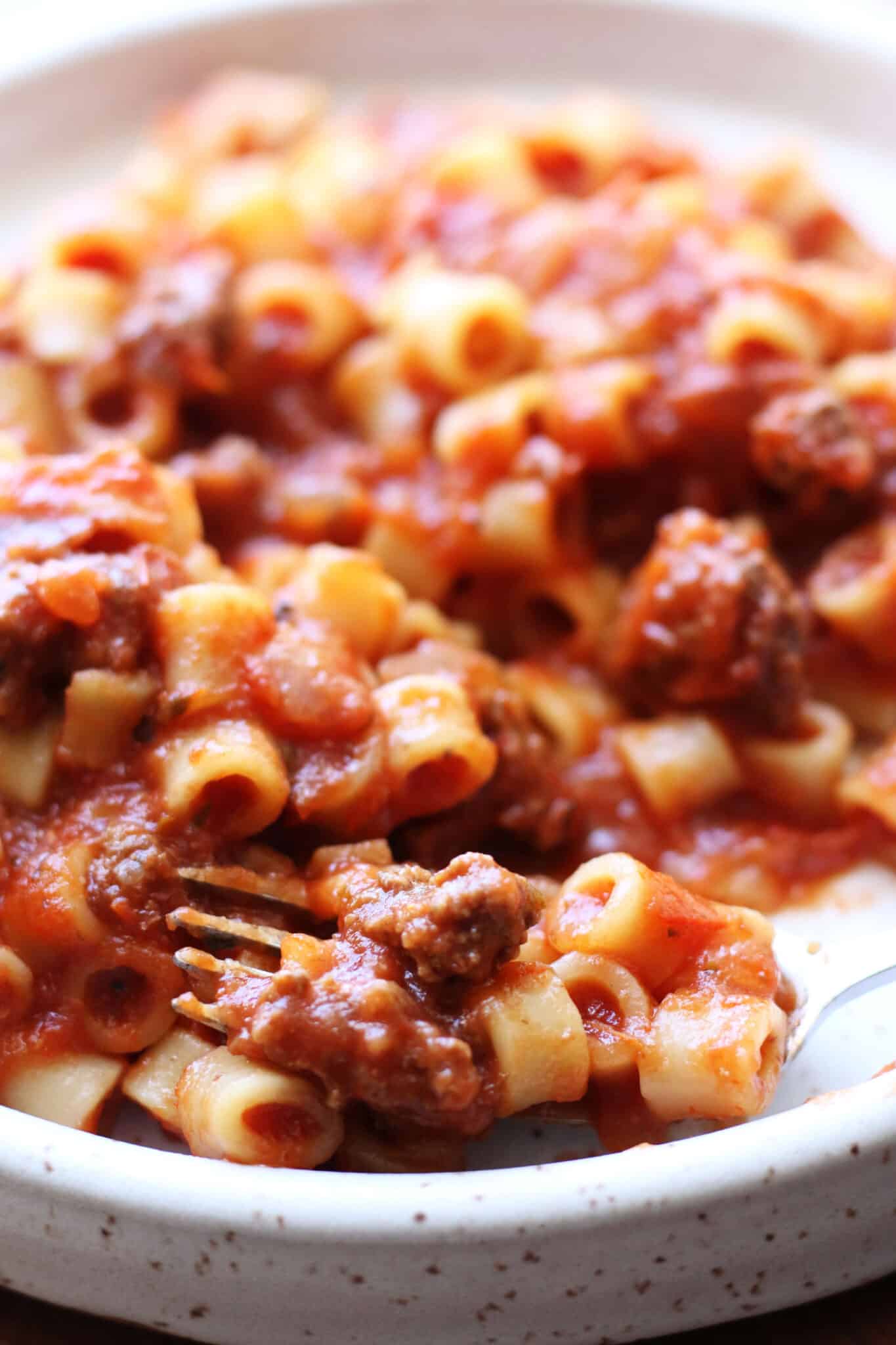
Historical Context and Etymological Origins
The term "slumgullion" first appeared in the American lexicon during the mid-1800s, specifically during the California Gold Rush. Historically, the word was used with a degree of derision, originally referring to the muddy refuse or "slum" produced by sluice mining. In a culinary sense, it described a thin, watery stew served in mining camps and on cattle trails, often made from whatever scraps of meat and vegetables were available.
Literary references to the dish provide a window into its cultural standing. Mark Twain, in his 1872 semi-autobiographical work Roughing It, described a beverage or soup of dubious quality as slumgullion, cementing its status as a quintessential frontier food. However, as the 20th century progressed, the dish underwent a domestic transformation. By the mid-century mark, home cooks began standardizing the recipe, incorporating ground beef—a more accessible and affordable protein—and dried pasta, which offered shelf-stability and caloric density. This transition from a "sink-hole" stew to a structured casserole-style meal reflects the broader industrialization of the American food supply and the rise of "one-pot" family dinners.
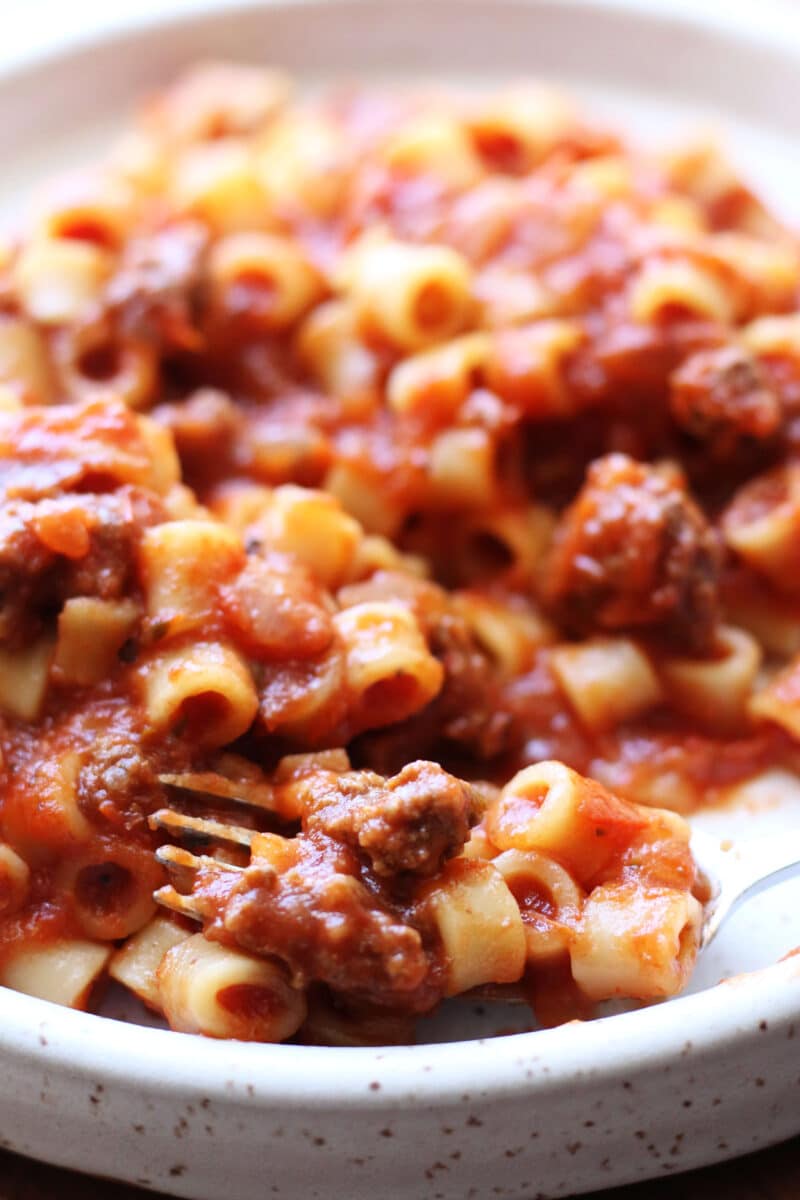
The Composition of Modern Slumgullion
The contemporary version of Amazing Slumgullion is characterized by a strategic assembly of savory components designed for slow extraction of flavor. Unlike its frontier predecessors, which were often criticized for being "watery," the modern recipe prioritizes a rich, thickened tomato sauce and a robust aromatic base.
Primary Protein and Aromatics
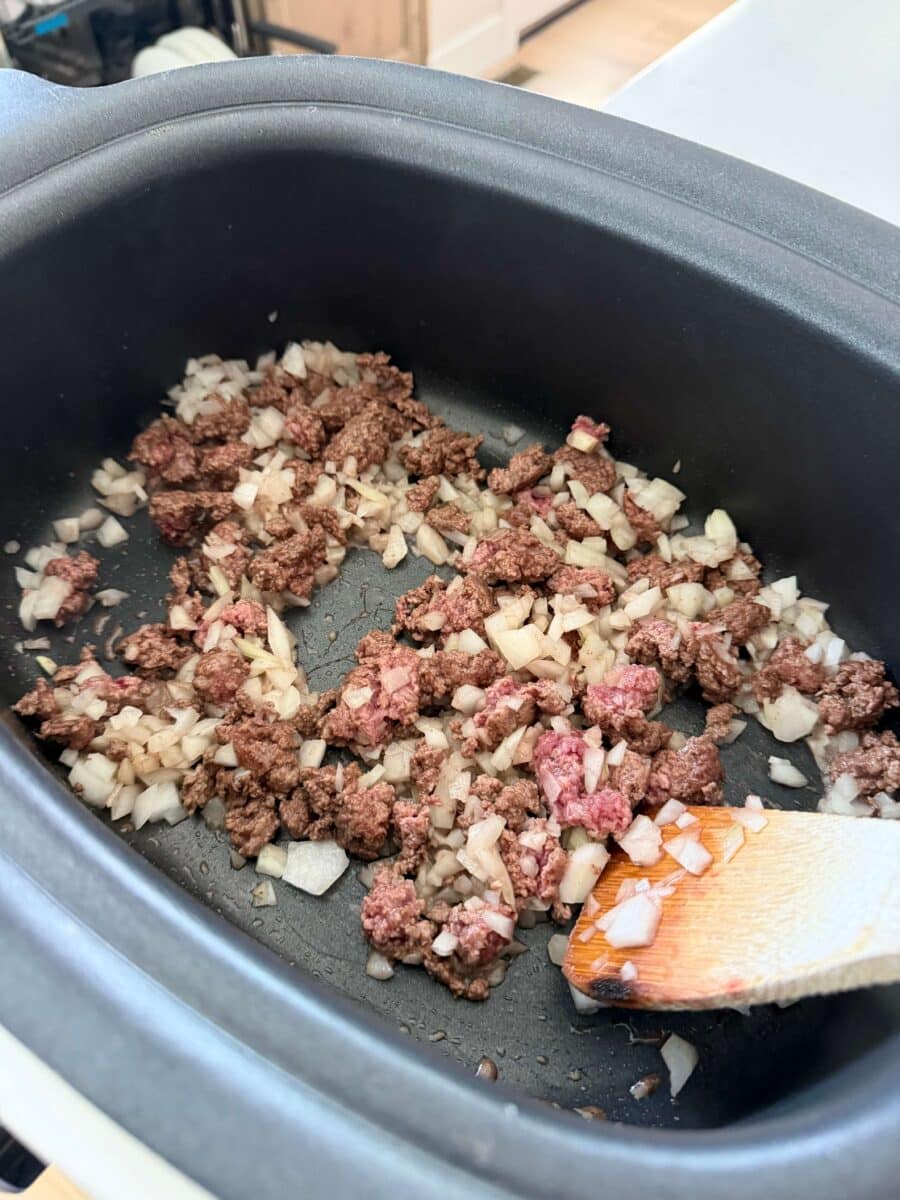
The foundation of the dish remains ground beef, typically a lean-to-fat ratio of 80/20 or 90/10. The preparation begins with a browning phase, which triggers the Maillard reaction—a chemical interaction between amino acids and reducing sugars that gives browned food its distinctive flavor. During this phase, diced yellow onions are introduced to soften and translucentize, providing a foundational sweetness.
Flavor Fortification
A distinguishing feature of this specific recipe is the use of umami-rich additives. While traditional goulash might rely solely on tomato acidity, Slumgullion incorporates Worcestershire sauce and soy sauce. These ingredients act as flavor enhancers, deepening the savory profile of the beef without requiring expensive cuts of meat. Garlic powder, salt, and Italian seasoning (typically a blend of oregano, basil, rosemary, and thyme) provide the herbaceous top notes, while a small measure of brown sugar is used to balance the natural acidity of the tomatoes.
The Starch Component
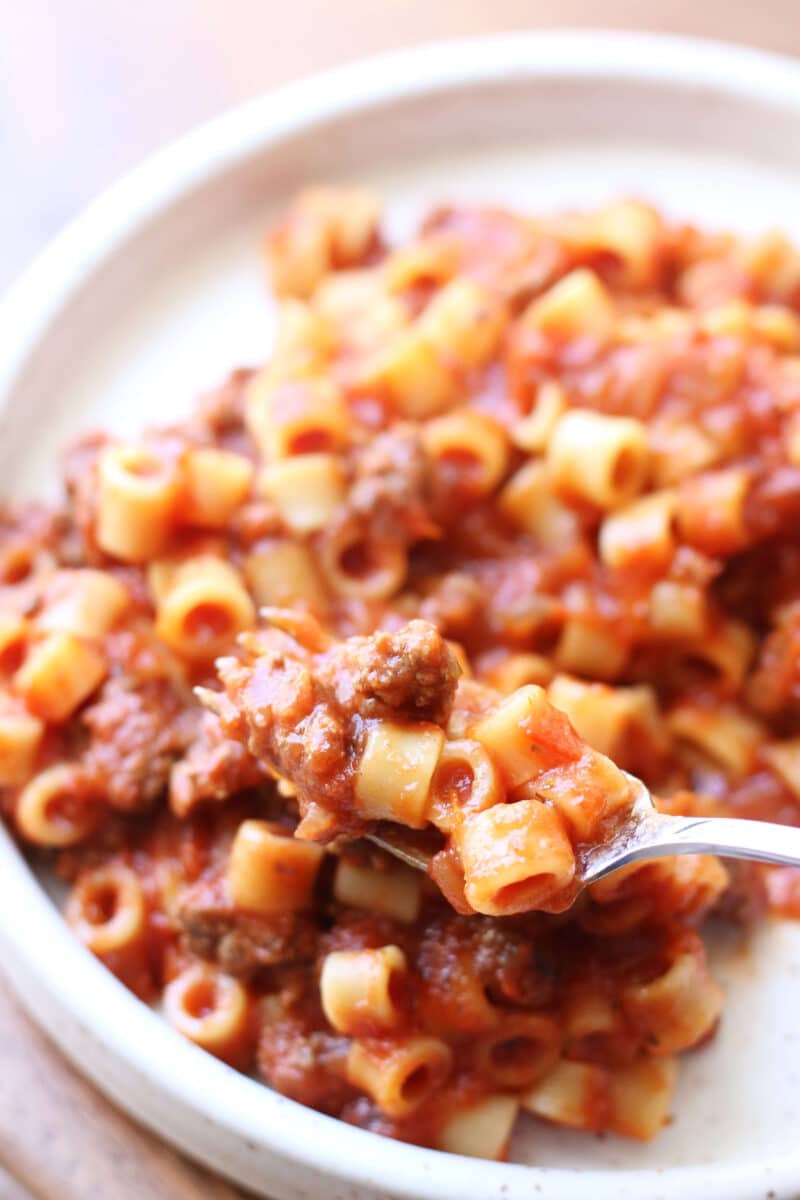
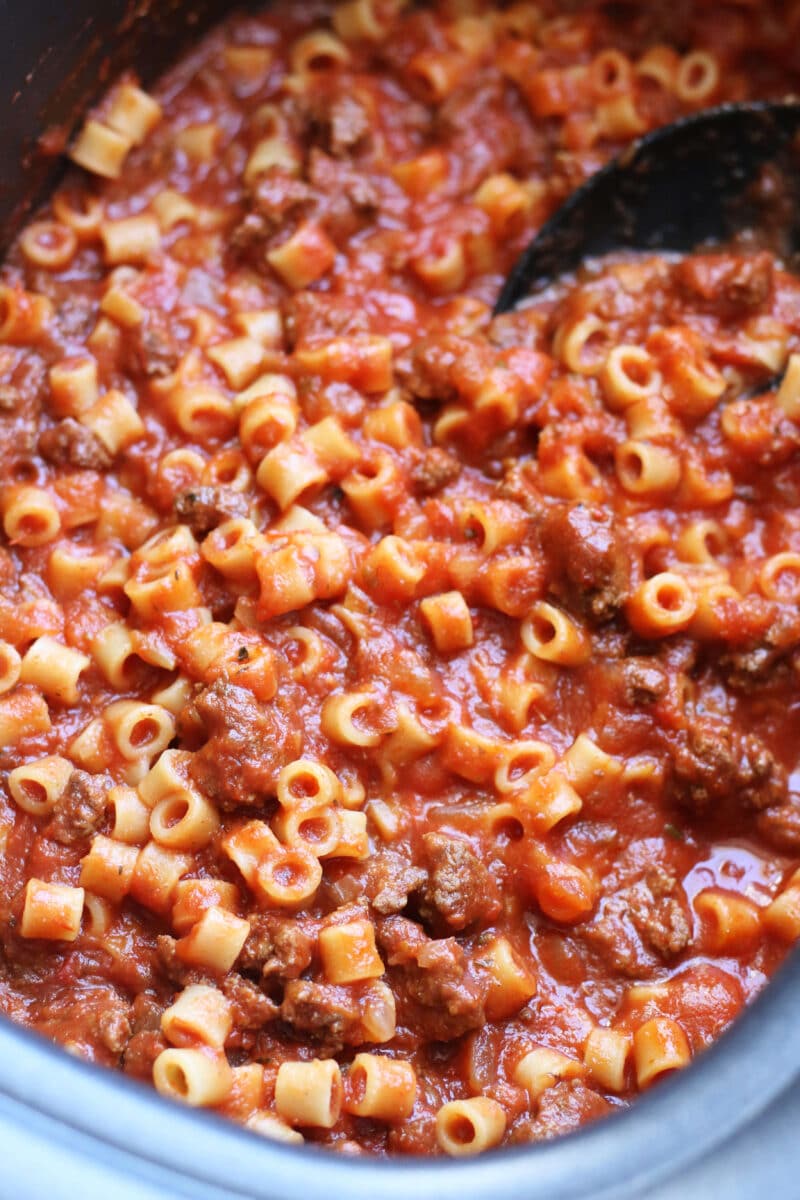
Ditalini pasta, small thimble-shaped tubes, is the preferred starch for this dish. Its small size ensures that it can be evenly distributed throughout the meat mixture, providing a consistent texture in every spoonful. In slow-cooker applications, the timing of the pasta addition is critical to prevent the starch from becoming over-saturated and losing its structural integrity.
Chronology of Preparation and Technical Execution
The preparation of Amazing Slumgullion follows a precise timeline to ensure optimal texture and flavor integration. The transition from stovetop to slow cooker is a vital step in modernizing this heritage recipe.
- Phase I: The Sear (Minutes 0–10): A skillet is heated over medium-high heat. The ground beef is introduced and broken into small fragments. The addition of onions at this stage allows them to cook in the rendering beef fat, a technique known as "sweating."
- Phase II: Degreasing and Seasoning (Minutes 10–15): Once the beef is thoroughly browned, excess grease is drained. This step is essential for maintaining the clarity of the final sauce and reducing the overall fat content of the meal. The dry seasonings, Worcestershire sauce, and soy sauce are then incorporated, allowing the heat to "bloom" the spices.
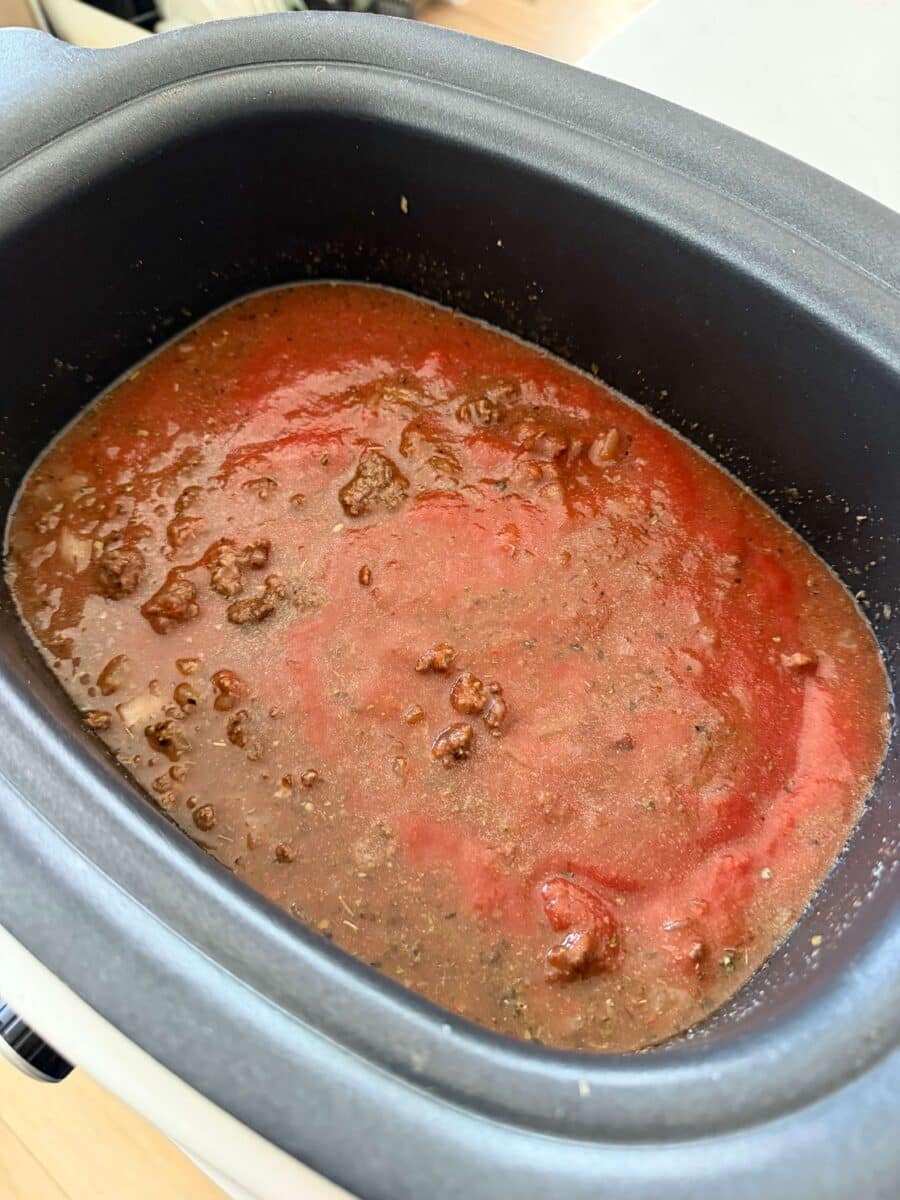
- Phase III: The Initial Braise (Hour 0–1.5): The meat mixture is transferred to the slow cooker. Crushed tomatoes, beef broth, and brown sugar are added. The slow cooker is set to "Low," allowing the beef to tenderize and the tomato acids to mellow over a 90-minute period.
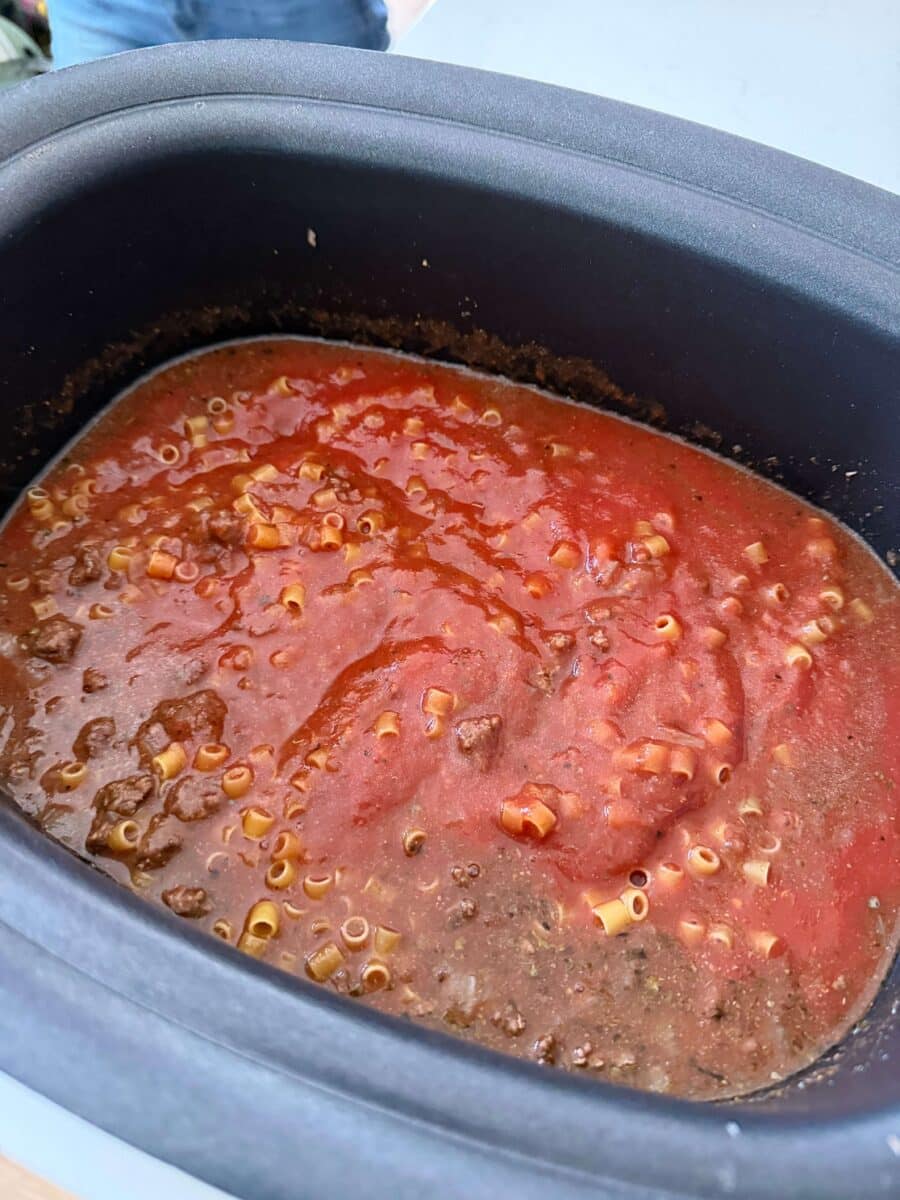
- Phase IV: Starch Integration (Hour 1.5–2.0): The dry ditalini pasta is added directly to the slow cooker. Because the pasta is cooked in the seasoned broth and tomato juice rather than plain water, it absorbs the flavor of the stew from the inside out.
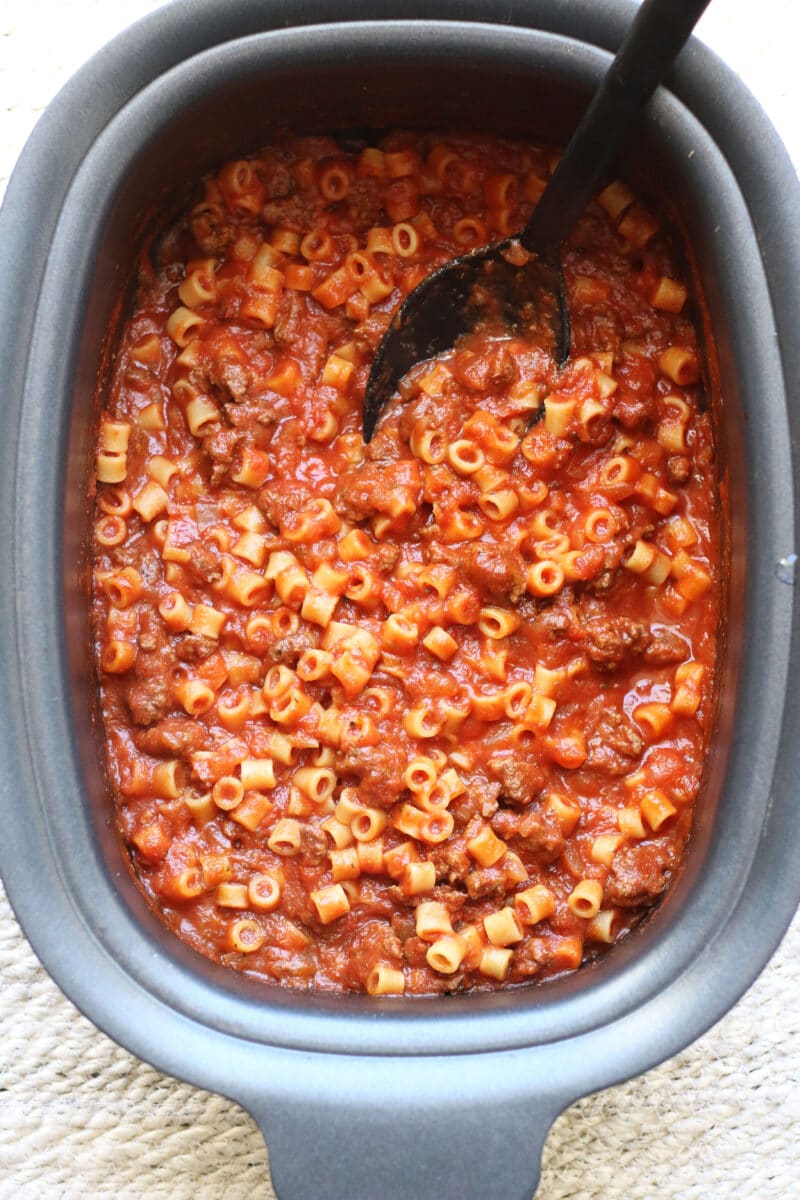
- Phase V: Final Resting and Serving: After 30 minutes of cooking with the pasta, the dish is stirred. This final agitation helps release a small amount of starch into the sauce, acting as a natural thickening agent.
Economic Data and Nutritional Implications
In the current economic climate, characterized by fluctuating grocery prices and inflation, Slumgullion has seen a resurgence as a "recession-proof" meal. Analysts of domestic economy note that "one-pot" meals utilizing ground beef and pasta provide a high yield-to-cost ratio.
Cost Analysis
As of 2024, the average cost of ground beef remains significantly lower than whole-muscle cuts like steak or roasts. When combined with bulk-purchased pasta and canned tomato products, a single batch of Slumgullion can feed a family of six for approximately $12 to $15, or roughly $2.50 per serving. This makes it a strategic choice for households looking to maximize their food budget without sacrificing protein intake.
Nutritional Profile
From a nutritional standpoint, the dish offers a balanced distribution of macronutrients. A standard serving provides high-quality protein from the beef, complex carbohydrates from the pasta, and essential vitamins (particularly Vitamin C and Lycopene) from the tomato base. Culinary experts also point out that Slumgullion is an excellent vehicle for "hidden" nutrition; the addition of finely diced carrots, bell peppers, or zucchini can increase fiber and micronutrient content without significantly altering the flavor profile preferred by children or pickier eaters.
Regional Variations and Expert Perspectives
While the provided recipe focuses on a slow-cooker tomato-beef base, Slumgullion exists in various forms across the United States. In some New England iterations, the dish may lean closer to a "Chop Suey" style, utilizing elbow macaroni and a sweeter sauce. In the Midwest, it is often indistinguishable from "Goulash," though purists argue that true Hungarian goulash requires paprika and lacks pasta, whereas American Slumgullion is defined by its inclusion of noodles.
Culinary historians often view Slumgullion as an "organic" recipe—one that was never meant to be static. "The beauty of a dish like Slumgullion is its adaptability," notes one food researcher. "It represents the culinary equivalent of an open-source program. Every family adds their own ‘code,’ whether that’s a specific type of cheese, a dash of hot sauce, or a different vegetable mix."
The inclusion of cheese, such as Parmesan, cheddar, or mozzarella, is a common modern addition. This reflects the "casserole culture" of the 1950s and 60s, where melted cheese became a standard topping for beef-and-noodle dishes to add fat and visual appeal.
Broader Impact and Modern Implications
The enduring popularity of Slumgullion in the digital age—evidenced by its frequent appearance on recipe-sharing platforms and social media—suggests a collective yearning for "slow food" that fits into a "fast life." The slow cooker, or crockpot, has played a pivotal role in this. By allowing a meal to cook unattended, it bridges the gap between the long-simmering stews of the 19th-century frontier and the time-strapped schedules of 21st-century workers.
Furthermore, the dish serves as a point of entry for novice cooks. Because it relies on basic techniques (browning meat, boiling pasta) and forgiving ingredients, it builds culinary confidence. The Amazing Slumgullion recipe, therefore, is more than just a meal; it is a tool for domestic sustainability.
In conclusion, Slumgullion remains a vital part of the American culinary landscape. Its evolution from a muddy stew in the mining camps of the Old West to a refined, savory slow-cooker dinner illustrates the resilience and creativity of home cooking. As families continue to seek out meals that are both affordable and comforting, the legacy of Slumgullion is likely to persist for another century, adapted once again for whatever new technologies the future kitchen may hold. Through its rich history, strategic preparation, and economic efficiency, Amazing Slumgullion stands as a testament to the power of simple ingredients treated with time and care.
