
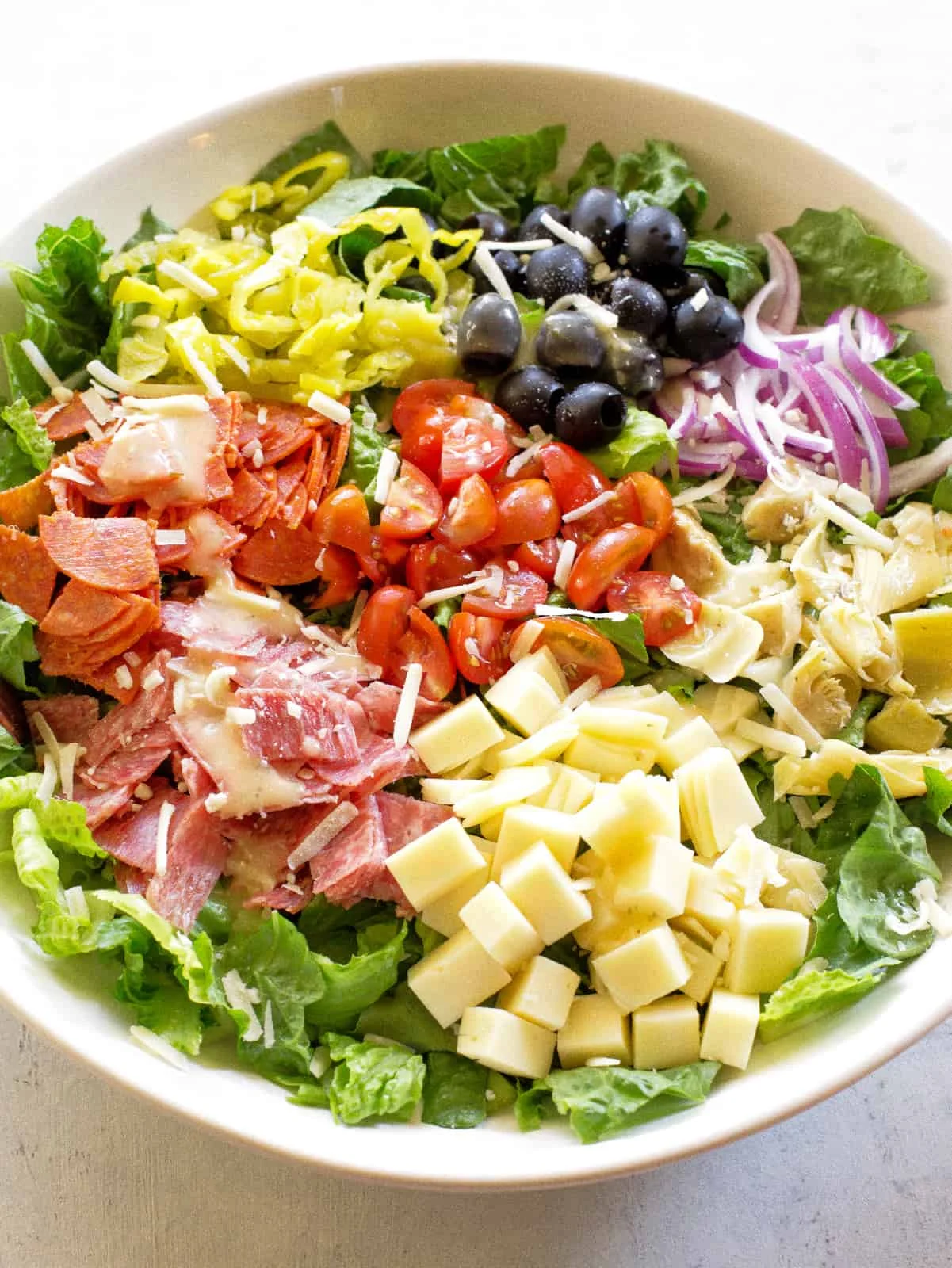
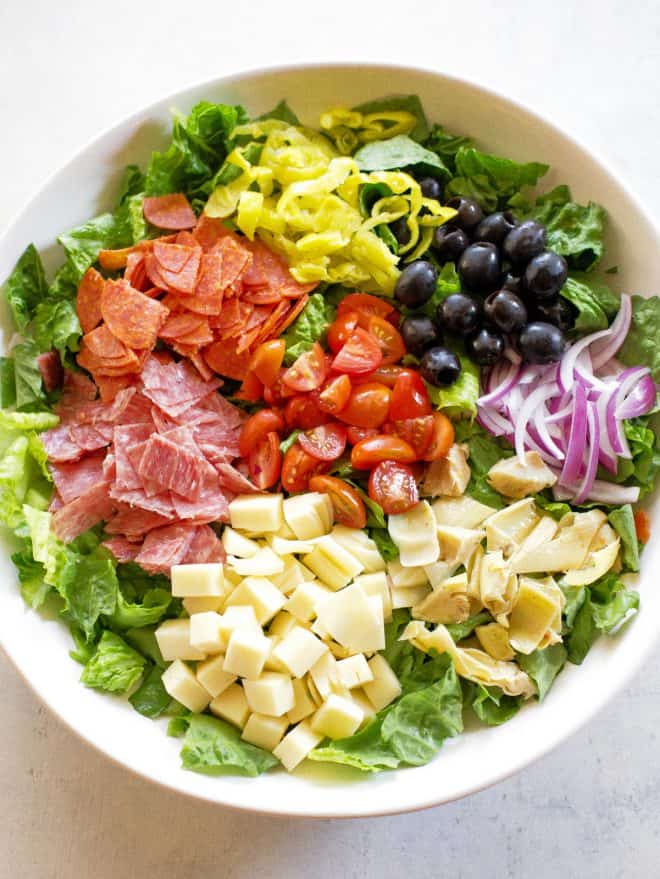
This Italian Antipasto Salad, brimming with a vibrant medley of Genoa salami, pepperoni, black olives, provolone cheese, grape tomatoes, red onions, artichoke hearts, and pepperoncini peppers, presents a hearty and delicious solution for both casual get-togethers and everyday meals. Positioned as a filling and keto-friendly choice, this salad aims to satisfy diners while adhering to specific dietary preferences. The author notes its versatility, suggesting it can serve as a substantial side dish or even a complete main course, particularly when catering to individuals following a ketogenic lifestyle.
The Allure of Antipasto: A Culinary Tradition
The concept of "antipasto" itself is deeply rooted in Italian culinary traditions, historically serving as the initial course of a formal Italian meal. The term, translating literally to "before the meal," signifies a collection of small dishes designed to stimulate the appetite. Traditional antipasto platters often feature a diverse array of cured meats, pungent olives, zesty pepperoncini, tender artichoke hearts, various cheeses, and often marinated or pickled vegetables. This arrangement closely mirrors the Western concept of a charcuterie board, emphasizing a curated selection of flavors and textures.
The Antipasto Salad, as presented, translates this traditional appetizer into a cohesive and substantial salad format. It aims to capture the essence of a classic Italian sandwich, reinterpreted with crisp romaine lettuce as its base, allowing the robust flavors of the meats, cheeses, and briny vegetables to meld harmoniously. This approach not only makes the salad visually appealing but also enhances its textural complexity, offering a satisfying crunch from the romaine and a pleasing chew from the cured meats and artichoke hearts.
Addressing Dietary Needs: Keto-Friendliness and Beyond
In an era where dietary awareness is increasingly paramount, the Antipasto Salad’s emphasis on being "keto-friendly" highlights its contemporary relevance. The ketogenic diet, characterized by a significant reduction in carbohydrate intake and an increase in healthy fats, necessitates careful food choices. By omitting high-carbohydrate ingredients typically found in some salads (like croutons or sugary dressings), this antipasto salad aligns well with keto principles. The primary components – meats, cheeses, and vegetables – are generally low in net carbs, making it an attractive option for those adhering to this lifestyle.
The author’s personal anecdote about preparing a keto-friendly dish for her husband underscores the practical application of this recipe. In social settings like potlucks, the challenge often lies in finding dishes that cater to diverse dietary needs without compromising on flavor or satisfaction. This salad aims to bridge that gap, offering a robust and appealing option that can be enjoyed by a wider range of guests. The inclusion of a disclaimer regarding potential commissions from affiliate links is standard practice in many online recipe platforms, indicating the source’s reliance on sponsored content.
Crafting the Salad: Ingredients and Versatility
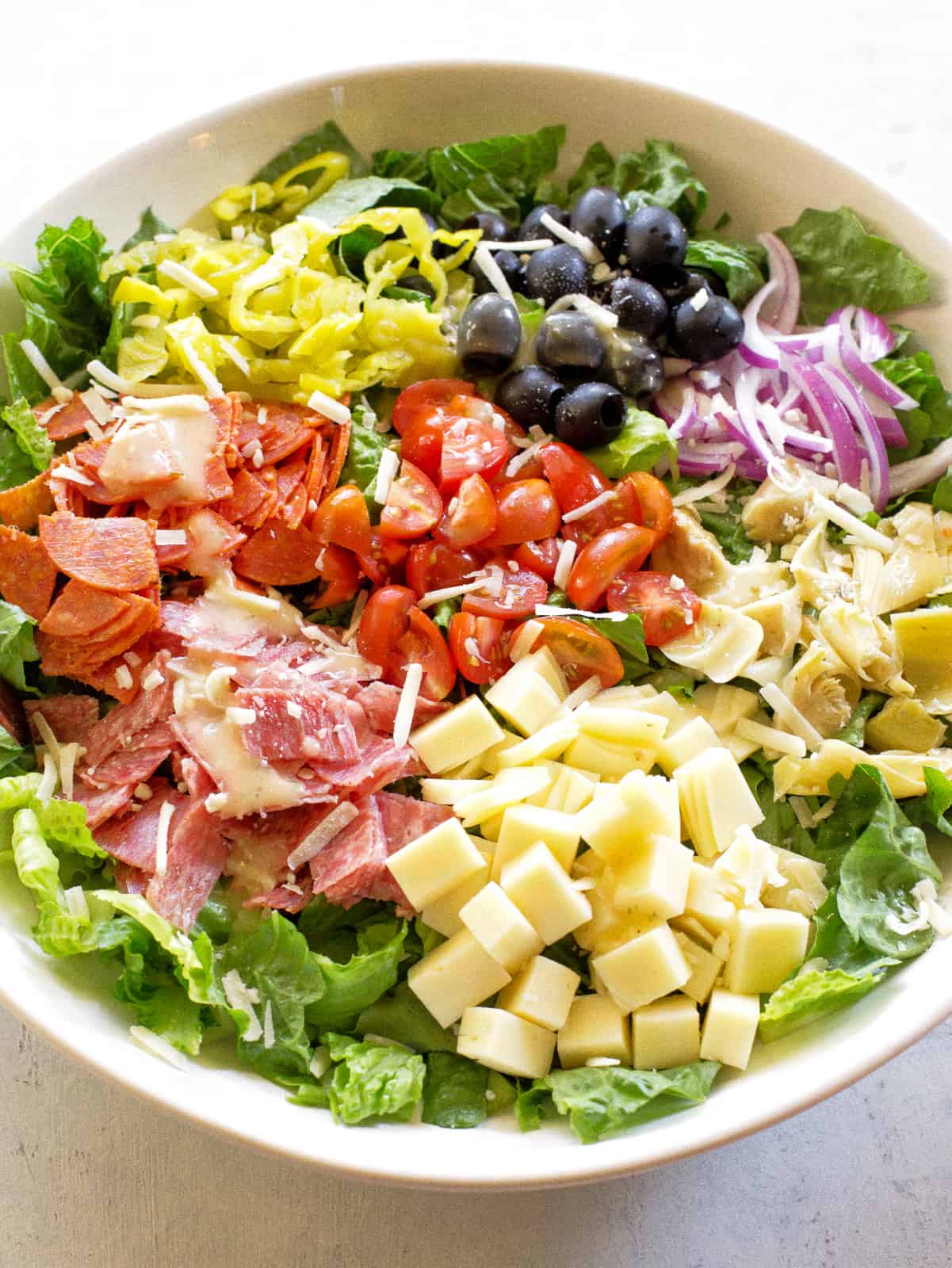
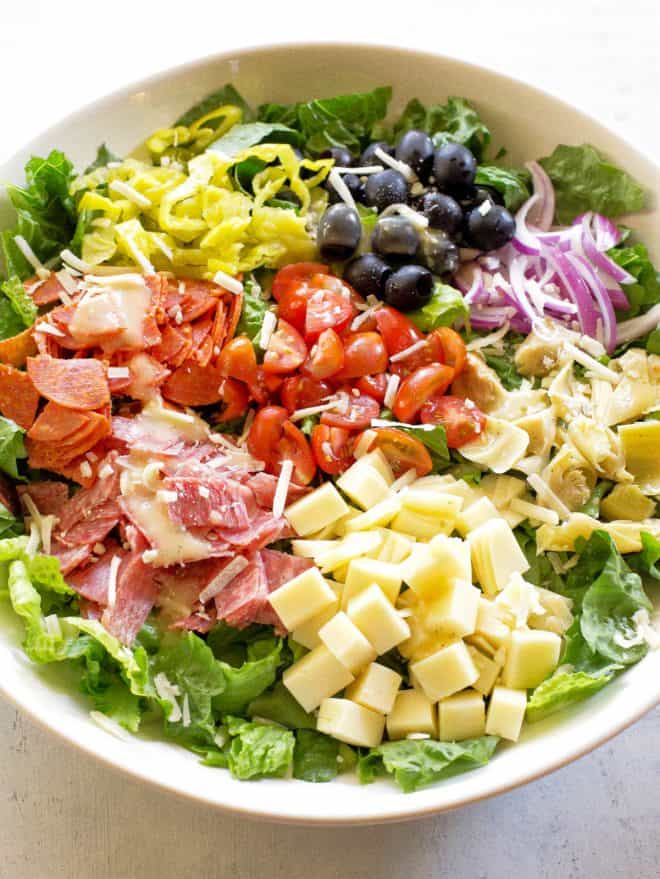
The foundation of this Antipasto Salad lies in its carefully selected ingredients. The combination of Genoa salami and pepperoni provides a savory and slightly spicy foundation, while the provolone cheese offers a mild, creamy counterpoint. Black olives contribute their characteristic briny flavor, and grape tomatoes add bursts of sweetness and acidity. Red onions lend a sharp, pungent note, and artichoke hearts introduce a tender, slightly tangy element. The inclusion of pepperoncini peppers provides a welcome kick of heat and a vinegary tang that cuts through the richness of the meats and cheese.
Beyond its core components, the recipe also addresses the crucial element of dressing. While acknowledging the availability of many high-quality store-bought Italian dressings, the author specifically recommends brands like Olive Garden’s copycat dressing and Marie’s Parmesan Italian dressing, noting their low-carb suitability. For those who prefer a homemade touch, a simple vinaigrette recipe is provided, consisting of extra virgin olive oil, red wine vinegar, dried oregano, salt, and pepper. This flexibility allows individuals to customize the dressing to their personal taste preferences and dietary requirements.
Adapting for Larger Gatherings and Variations
Recognizing the need for scalability, the recipe offers a practical suggestion for feeding larger crowds. By incorporating cooked and cooled pasta, the Antipasto Salad can be transformed into a hearty antipasto pasta salad. This modification not only increases the volume of the dish but also introduces a new textural dimension, making it an even more substantial option for potlucks and parties. The instruction to use a large bowl emphasizes the need for adequate space to properly toss and combine all the ingredients, ensuring an even distribution of flavors.
The provided list of "Substitutions" is notably empty in the original text, suggesting an area where further detail could be beneficial. In a comprehensive culinary article, this section would typically offer alternative ingredients for those with allergies, dietary restrictions, or simply to provide creative variations. For instance, suggestions could include using different types of cured meats (like capicola or soppressata), alternative cheeses (such as mozzarella or fontina), or incorporating other vegetables like bell peppers or roasted red peppers.
Nutritional Considerations and Broader Implications
The nutritional information provided for the Antipasto Salad indicates that a serving (1/8 of the recipe) contains approximately 193 calories, 5g of carbohydrates, 11g of protein, and 15g of fat. This breakdown reinforces its suitability for low-carbohydrate and ketogenic diets. The presence of fiber (2g) and essential vitamins and minerals like Vitamin A, Vitamin C, calcium, and iron further highlights its nutritional value. However, it is important to note that the sodium content (667mg) is relatively high, primarily due to the cured meats and olives. Individuals monitoring their sodium intake should be mindful of this.
The popularity of salads like this Antipasto Salad reflects a broader trend in contemporary cuisine. As consumers become more health-conscious and discerning about their food choices, dishes that offer both flavor and dietary adaptability are increasingly sought after. The ability to transform a traditional appetizer into a filling main course or a versatile side dish speaks to the dynamic nature of culinary innovation. Furthermore, the intersection of traditional ethnic cuisines with modern dietary trends, such as the keto diet, demonstrates how established food cultures can evolve to meet contemporary demands. The accessibility of such recipes through online platforms has democratized culinary knowledge, allowing individuals to easily replicate restaurant-quality dishes in their own homes.
Conclusion: A Harmonious Blend of Tradition and Modernity
The Italian Antipasto Salad, as detailed, stands as a testament to the enduring appeal of classic Italian flavors while embracing the evolving landscape of dietary preferences. Its rich assembly of savory meats, cheeses, and tangy vegetables, coupled with its keto-friendly profile, makes it a compelling option for a wide range of occasions. Whether served as a robust side dish or a satisfying main course, this salad offers a delicious and adaptable culinary experience that harmonizes tradition with contemporary nutritional consciousness. The ease of preparation, combined with the flexibility in dressing choices and potential for expansion into a pasta salad, ensures its continued relevance in the modern kitchen.
