
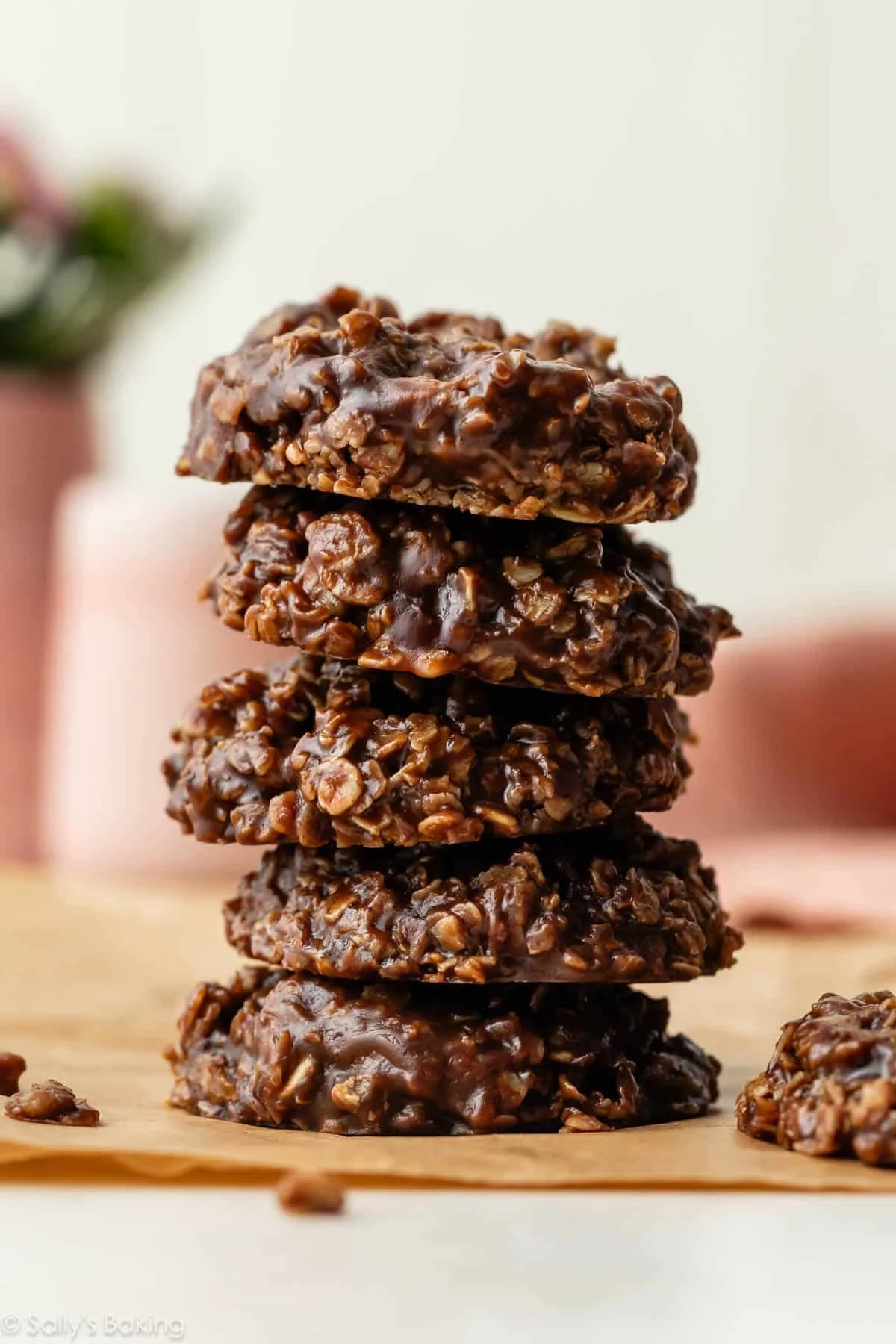
The enduring appeal of the chocolate peanut butter no-bake cookie lies in its effortless preparation and universally beloved flavor profile. This classic confection, requiring a mere eight ingredients and approximately 30 minutes of refrigeration to set, offers a convenient alternative to traditional baked goods, making it a perennial favorite for home cooks seeking efficiency without compromising on taste. The recipe, which has seen continuous refinement since its initial publication in 2015, demonstrates a commitment to consistent quality, evidenced by recent updates including enhanced photography and crucial success tips, alongside a slight increase in the butter content for an even richer texture.
Unlike their oven-baked counterparts, these cookies achieve their signature fudgy consistency through a careful stovetop process followed by chilling. The foundational mixture combines oats, cocoa powder, peanut butter, sugar, and milk, cooked to a precise temperature before being allowed to firm up in a refrigerator. This method bypasses the need for oven preheating, offering a practical solution for busy schedules, warm climates, or instances where oven space is at a premium during larger baking endeavors.
The Genesis and Evolution of a Family Favorite
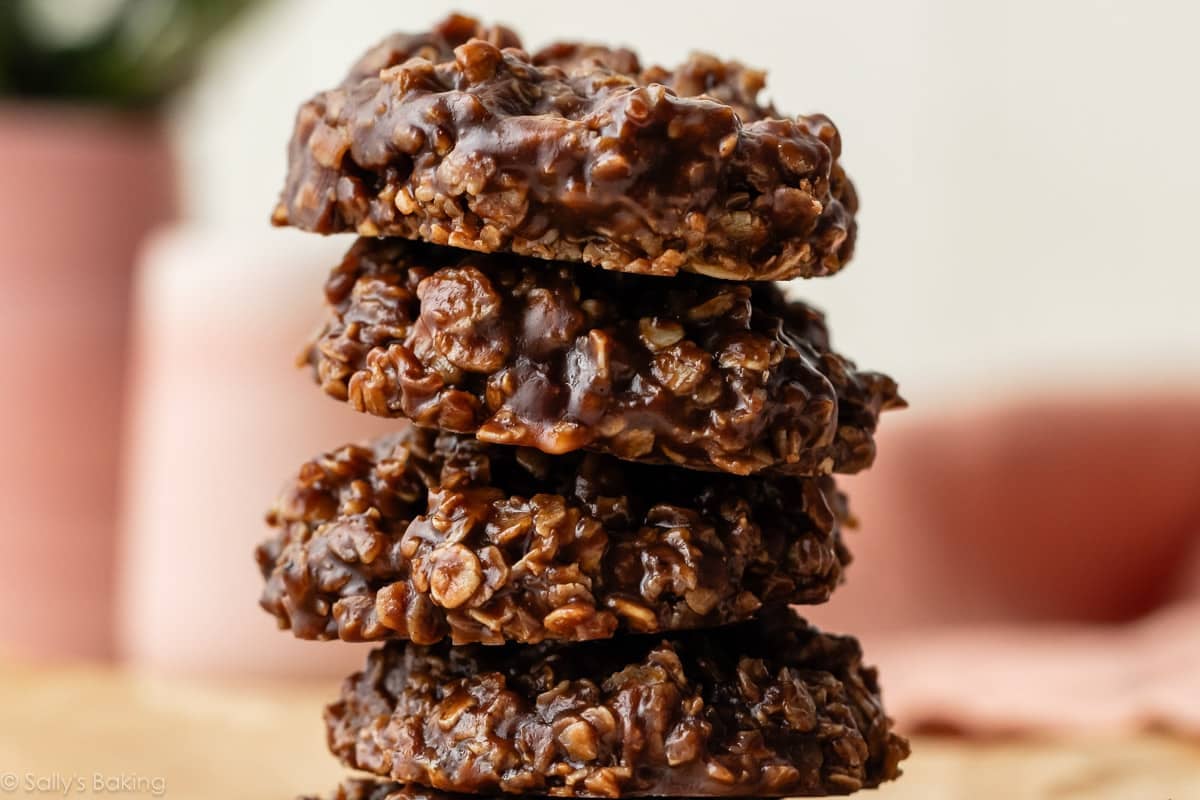
The chocolate peanut butter no-bake cookie holds a significant place in American culinary tradition, often associated with childhood memories and family gatherings. Its simplicity and quick turnaround time have cemented its status as a go-to recipe for generations. The inherent ease of preparation, which allows even novice bakers or children to participate actively, contributes to its widespread affection. This particular iteration of the recipe has undergone a meticulous process of optimization since its debut. Initial versions, while popular, have been fine-tuned over time to address common baking challenges and enhance the final product. The adjustment in butter quantity, for instance, reflects a deliberate effort to improve the cookie’s mouthfeel and overall richness, ensuring a consistently excellent result for every batch. Such iterative improvements underscore the dedication to perfecting accessible home baking.
Decoding the Simplicity: Key Ingredients and Their Functional Roles
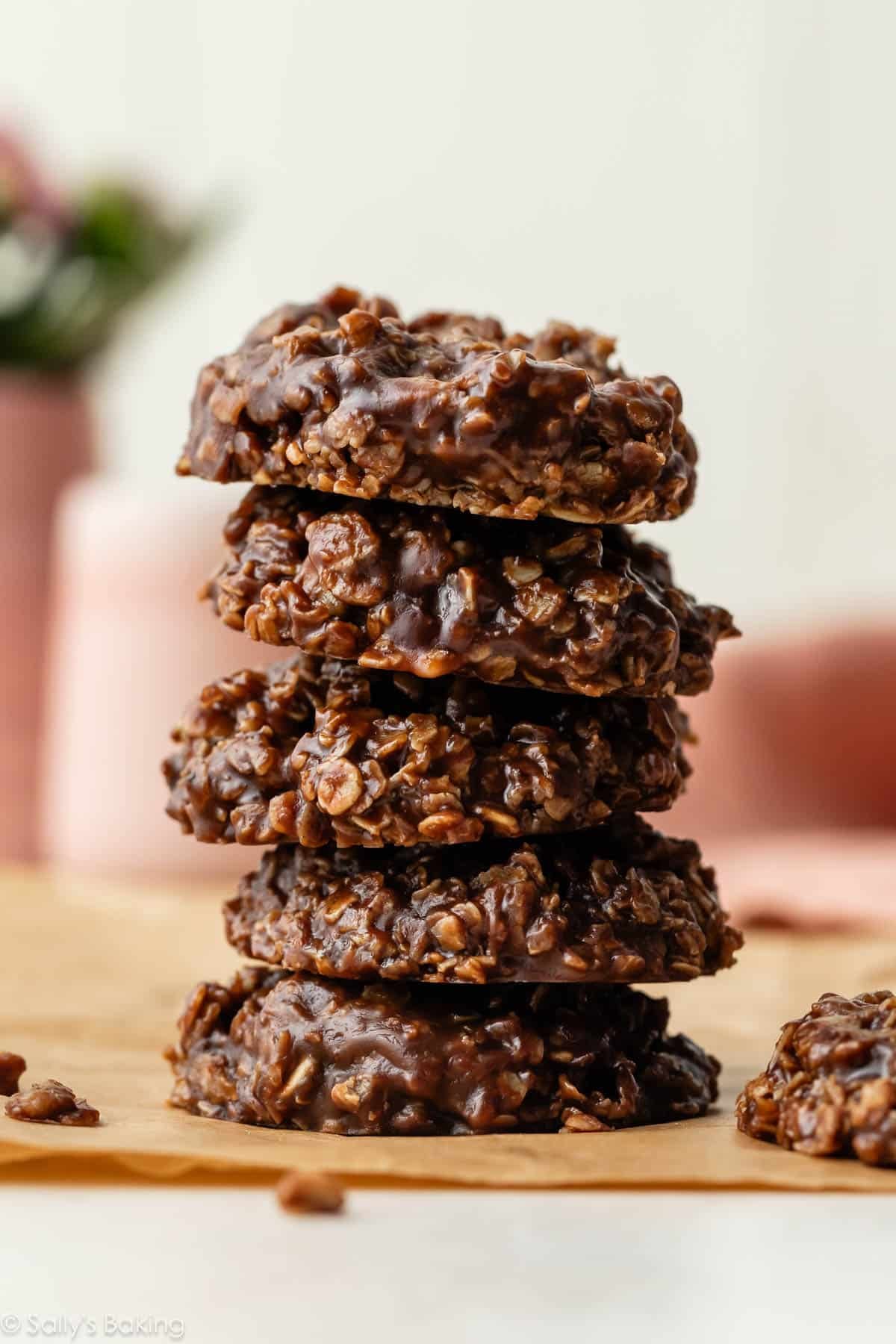
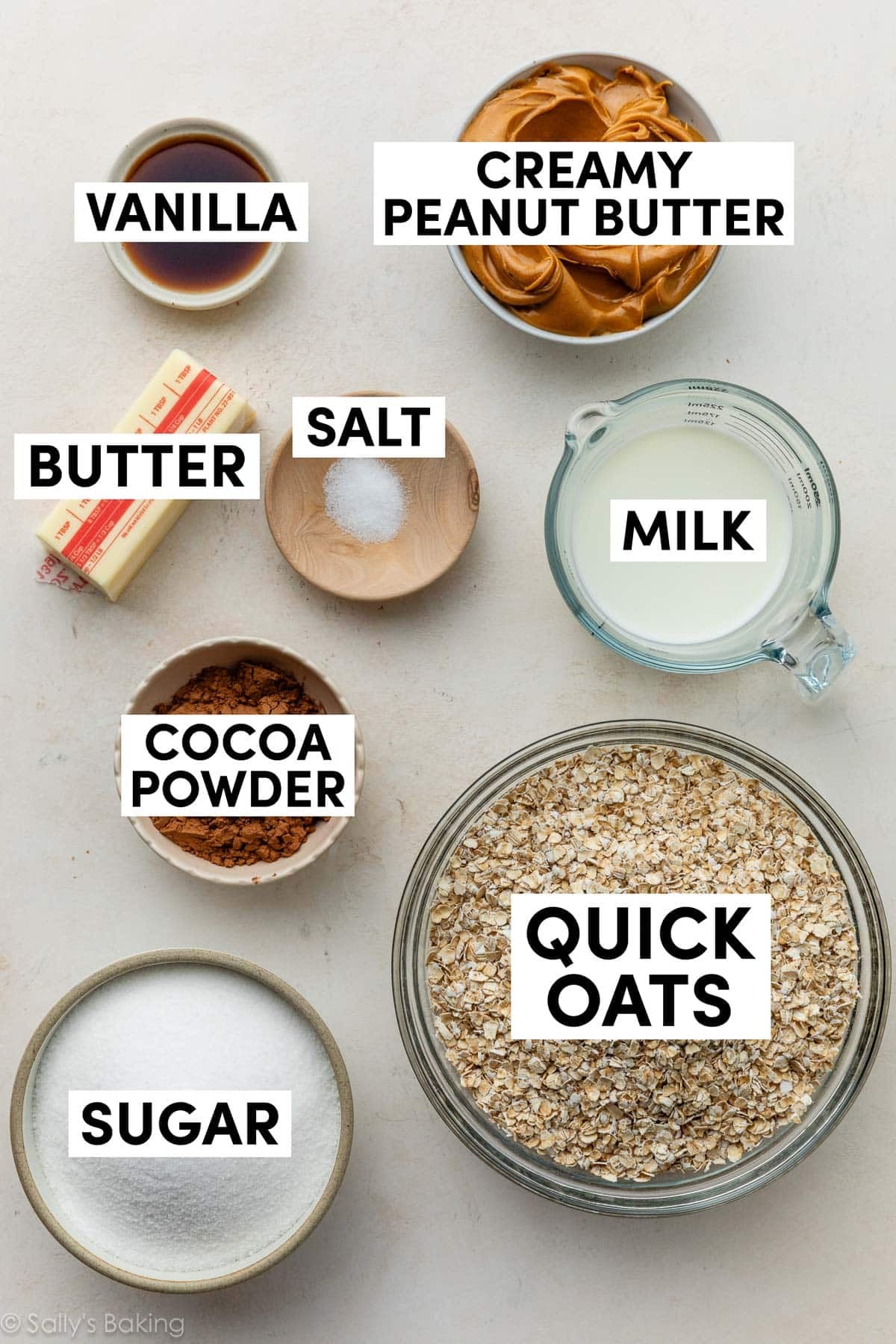
The success of these no-bake cookies hinges on a concise list of readily available pantry staples, each playing a critical role in achieving the desired texture and flavor.
- Granulated Sugar: Beyond providing sweetness, sugar is fundamental to the cookie’s structure. When boiled with milk and butter, it forms a syrup that, upon cooling, crystallizes and provides the necessary binding agent for the oats. The precise boiling time and temperature are crucial for ensuring the sugar reaches the correct concentration to set properly.
- Milk: Acts as the liquid base, dissolving the sugar and cocoa powder. Whole milk is typically recommended for its fat content, which contributes to the cookie’s creamy texture, though other milk types can be used with slight variations in outcome.
- Unsalted Butter: Adds richness, flavor, and contributes to the fudgy texture. The fat in butter helps to carry the flavors and ensures a smooth consistency. The recent increase in butter content reflects an enhancement aimed at improving the overall lusciousness.
- Unsweetened Cocoa Powder: Delivers the essential chocolate flavor. The quality of cocoa powder can significantly impact the depth and intensity of the chocolate notes.
- Creamy Peanut Butter: A cornerstone ingredient, providing distinct flavor, fat, and protein. Its emulsifying properties contribute to the cookie’s smooth texture and helps bind the mixture. The recommendation for regular, creamy peanut butter over natural, oilier varieties is critical for consistent setting, as natural versions may require longer refrigeration times due to their thinner consistency.
- Rolled Oats (Old-Fashioned): These are the structural backbone of the cookie, providing chewiness and bulk. Quick oats can also be used, though they may result in a slightly different texture dueating to their finer consistency and faster absorption rate. Certified gluten-free oats ensure the recipe is accessible for individuals with gluten sensitivities.
- Vanilla Extract: Enhances and rounds out the chocolate and peanut butter flavors, adding aromatic complexity.
- Salt: A small but vital addition, salt balances the sweetness and intensifies the overall flavor profile, particularly of the chocolate and peanut butter.
The careful proportioning and sequential addition of these ingredients are what transform simple pantry items into a cohesive, delectable treat.
The Science of the Set: Mastering the No-Bake Process
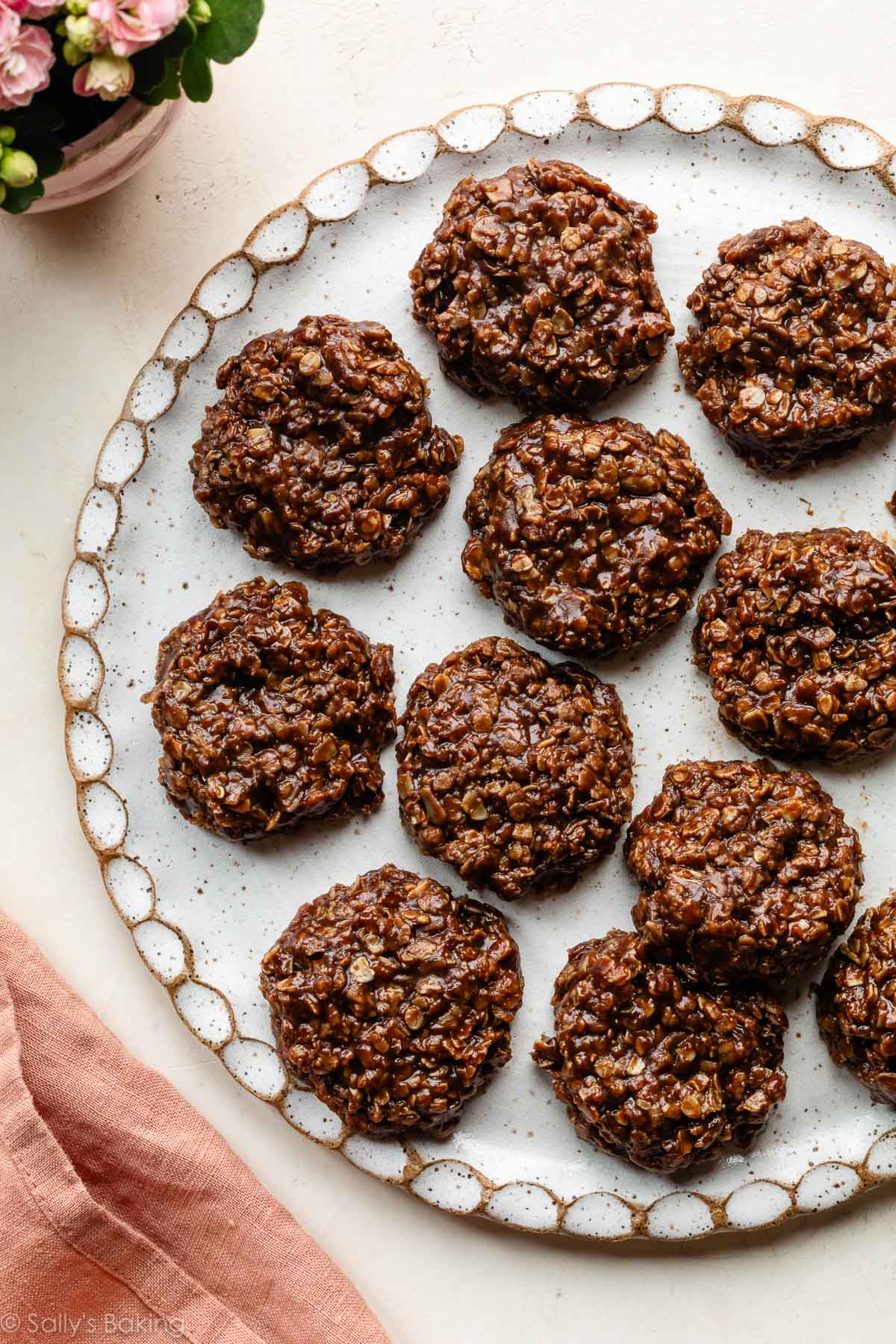
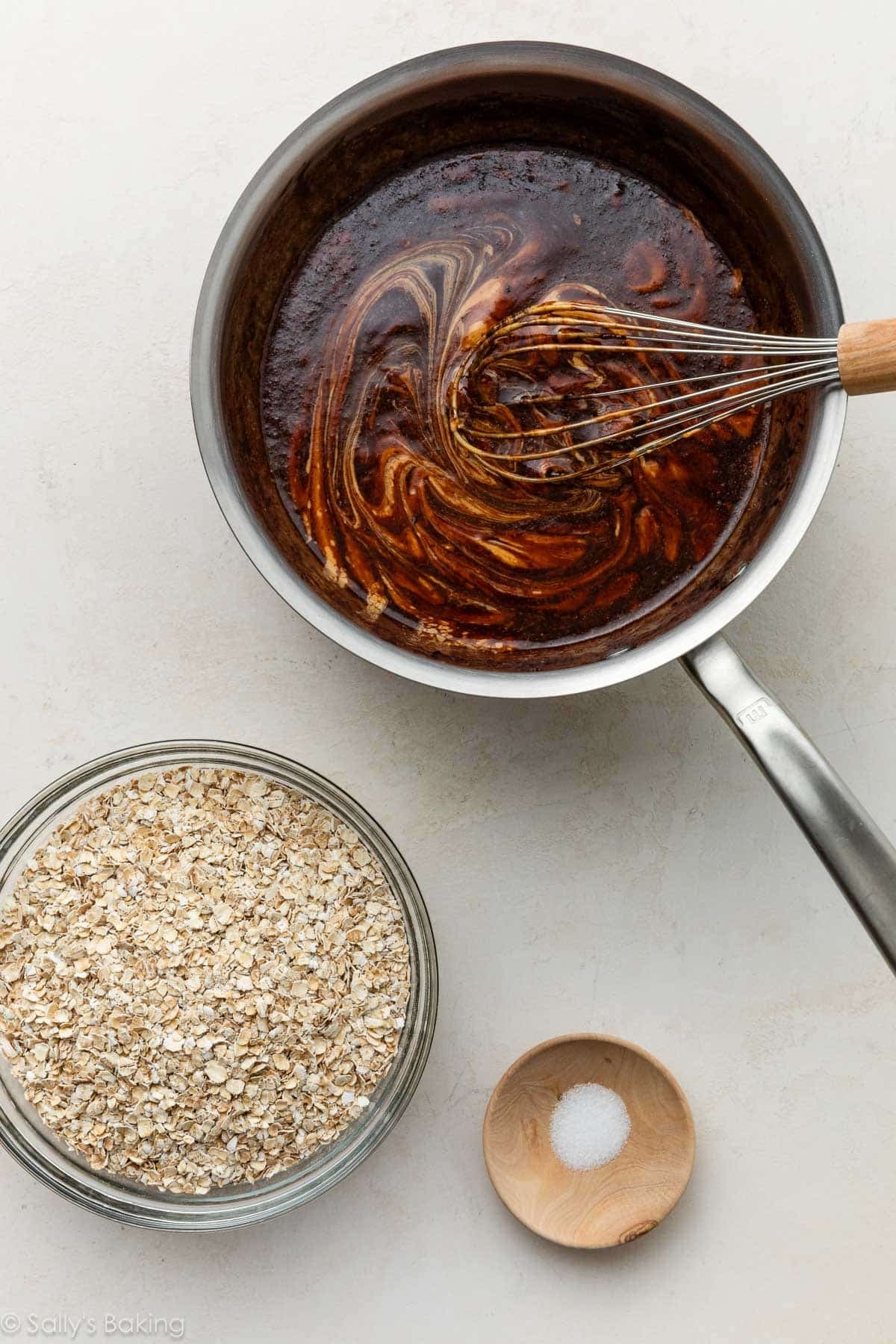
The "no-bake" designation belies a precise scientific process that governs the cookie’s setting. The initial stovetop phase is paramount. Whisking butter, sugar, milk, and cocoa powder until the butter melts initiates the formation of a sugar syrup. The subsequent boiling phase, specifically for a measured minute once boiling begins in the center, is critical. During this minute, the sugar fully dissolves, and the mixture reaches a specific temperature—ideally 225°F (107°C). This temperature ensures sufficient water evaporation and sugar concentration for proper crystallization upon cooling. An instant-read thermometer is an invaluable tool for accuracy, mitigating the risk of under- or over-cooking.
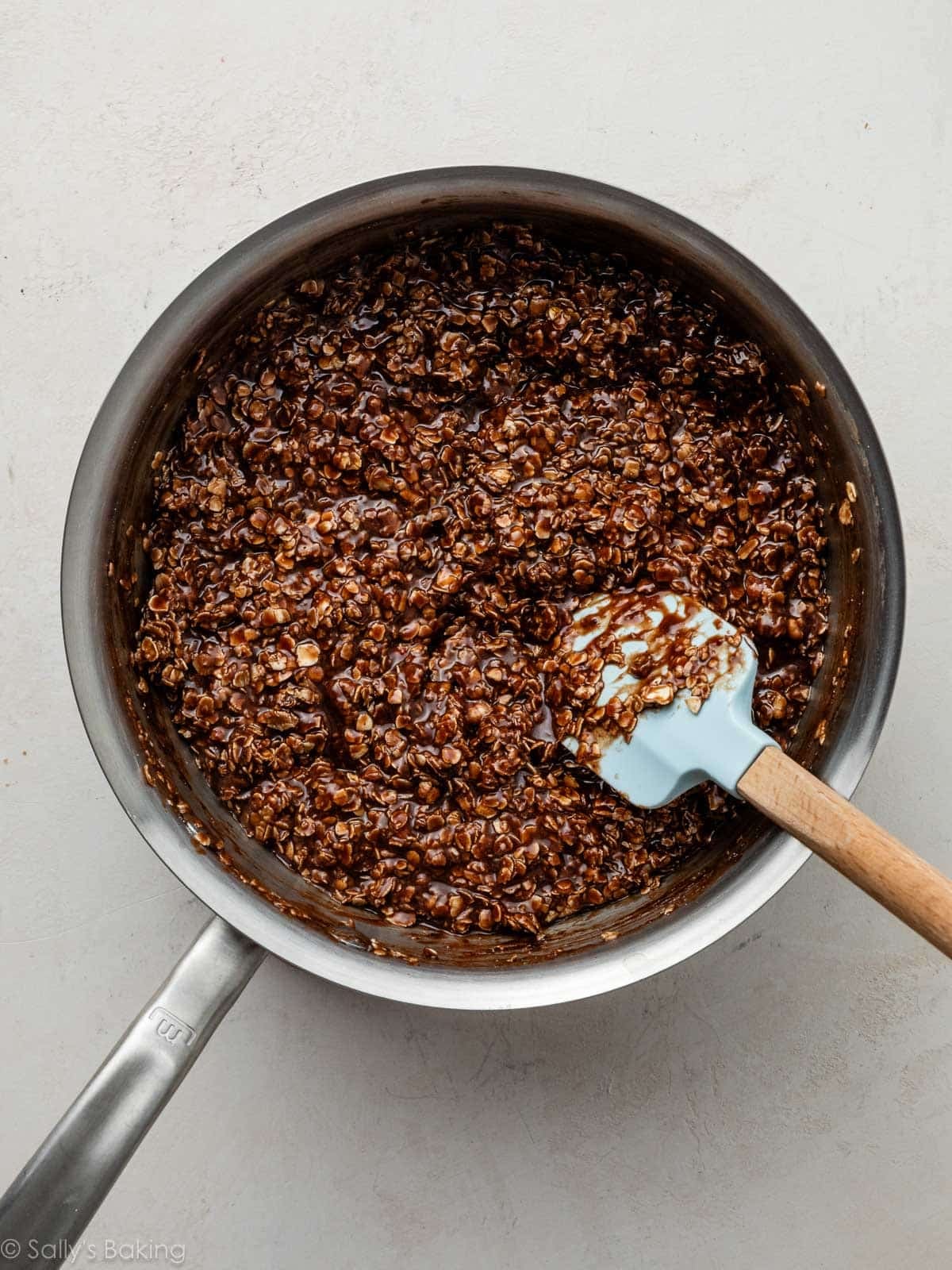
Immediately after boiling, removing the mixture from the heat and incorporating peanut butter and vanilla extract halts the cooking process while integrating these heat-sensitive flavors. The addition of oats and salt follows, with a crucial cooling period of 5-10 minutes. This resting time allows the oats to absorb moisture from the hot mixture, plumping them up and making the dough easier to scoop and shape. For thinner, natural peanut butter varieties, a slightly extended cooling period (around 10 minutes) may be necessary to compensate for their higher oil content and ensure optimal texture for shaping.
Once portioned onto lined baking sheets, the cookies rely on refrigeration to solidify. The cooling process causes the sugar syrup to crystallize and the fats (from butter and peanut butter) to firm up, creating the characteristic soft, chewy, and fudgy consistency. This chilling step, typically 30-60 minutes, is essential for the cookies to hold their shape and achieve their desired texture, as simply leaving them at room temperature would result in a longer, less predictable setting time.
Nutritional Context and Dietary Adaptations
While these chocolate peanut butter no-bake cookies are undeniably a treat, their composition offers certain nutritional considerations. The inclusion of oats provides dietary fiber, contributing to digestive health and satiety. Peanut butter, a source of plant-based protein and healthy fats, adds to the energy content and helps in feeling fuller. Cocoa powder contains antioxidants, though the amount in a single cookie is modest.
For those with dietary restrictions, the recipe offers flexibility. As highlighted, using certified gluten-free oats makes these cookies suitable for individuals following a gluten-free diet. The increasing availability of dairy-free milk alternatives and vegan butter substitutes also opens avenues for creating a dairy-free or vegan version, though texture adjustments might be necessary depending on the specific products used. Furthermore, for those monitoring sugar intake, experimentation with reduced sugar quantities or alternative sweeteners might be explored, though this would likely impact the cookie’s setting properties and require careful testing. The relatively short ingredient list also makes it easier to control for potential allergens beyond gluten and dairy.
Troubleshooting Common Challenges: Insights for Consistent Success
Home bakers occasionally encounter challenges with no-bake cookies, primarily revolving around consistency. Two common issues are cookies that fail to set and those that turn out dry and crumbly. Understanding the underlying causes is key to consistent results.
- Cookies Not Setting: This issue almost invariably stems from insufficient boiling time or temperature. The sugar syrup must reach 225°F (107°C) to achieve the correct concentration for crystallization. If the mixture is under-cooked, there’s too much moisture, preventing the sugar from forming a stable structure. Using an instant-read thermometer is highly recommended to ensure this critical temperature is met. Additionally, precise measurement of ingredients is vital; an imbalance in liquid or dry components can disrupt the setting process.
- Cookies Dry and Crumbly: Conversely, dry and crumbly cookies are typically a result of over-cooking the stovetop mixture or slight over-measurement of dry ingredients like oats or peanut butter. Over-boiling causes excessive moisture evaporation, leading to a sugar syrup that crystallizes too rapidly and too densely, resulting in a brittle texture. Accurate measuring, ideally with a kitchen scale for key ingredients, and strict adherence to the 1-minute boiling time are crucial preventative measures. The type of peanut butter also plays a role; very stiff or less oily varieties might contribute to dryness if not balanced with sufficient liquid.
Other factors influencing success include humidity levels, which can affect how quickly the mixture cools and sets, and the freshness of ingredients. Adhering to these precise instructions and understanding the ‘why’ behind each step empowers home bakers to achieve perfectly fudgy no-bake cookies every time.
Broader Culinary Significance and Modern Appeal
The enduring popularity of chocolate peanut butter no-bake cookies extends beyond their immediate deliciousness. They represent a significant category within home baking: accessible, quick-preparation desserts that cater to a wide audience. In an era where time is a premium, recipes that deliver maximum flavor with minimal effort are highly valued. These cookies fit perfectly into modern lifestyles, offering a homemade treat without the extensive time commitment or specialized equipment often associated with more complex baking projects.
Moreover, the versatility of no-bake cookies allows for creative adaptations, reinforcing their broad appeal. While the classic chocolate peanut butter combination remains supreme, variations incorporating different nut butters, spices, or mix-ins (like shredded coconut or mini chocolate chips) demonstrate the recipe’s adaptability. The trend towards nostalgic comfort foods, particularly those evoking simpler times and family traditions, further solidifies the no-bake cookie’s place in contemporary culinary preferences. Its ability to serve as a quick snack, a lunchbox treat, or a last-minute dessert for entertaining ensures its continued relevance and celebrated status in kitchens worldwide.
