
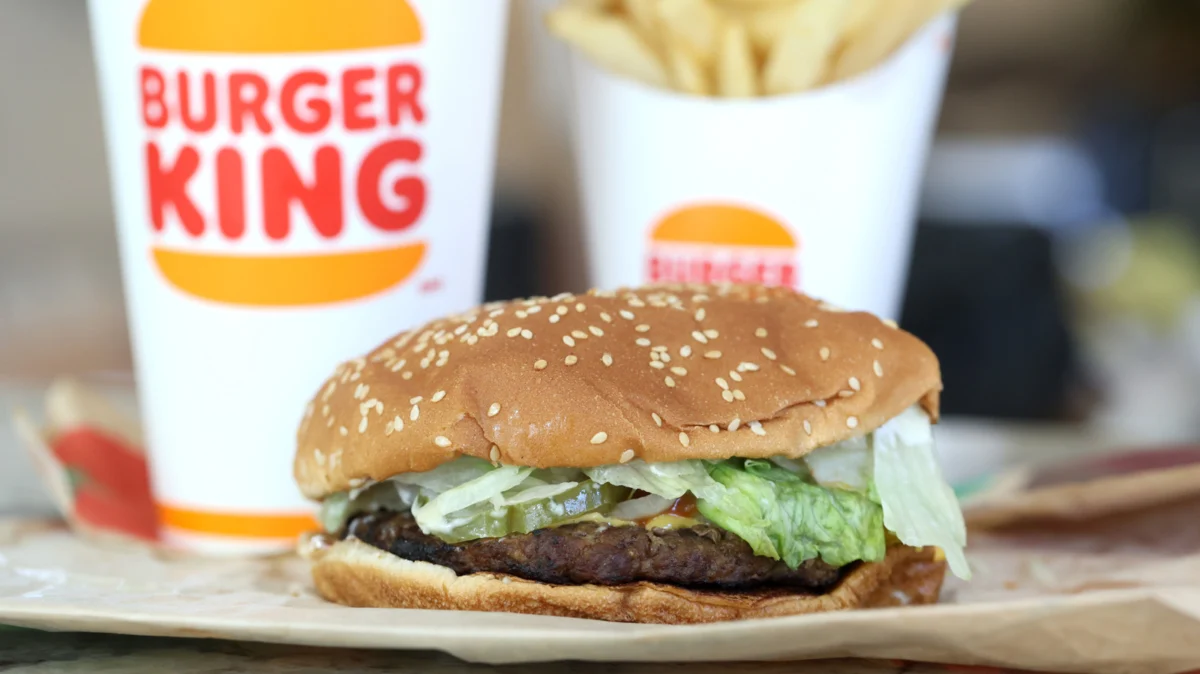
Burger King has long championed a philosophy of customer choice, a principle embodied most prominently in its signature Whopper. For decades, the fast-food giant has empowered diners to customize their burgers, a stark contrast to competitors perceived as more rigid in their offerings. This commitment to personalization has cemented the Whopper’s status as the chain’s "crown jewel," a versatile canvas for a multitude of tastes. The burger’s evolution, including a significant update in 2026, underscores Burger King’s dedication to enhancing this iconic menu item. This comprehensive look explores the history, enhancements, and insider strategies for crafting the ultimate Whopper experience.
The Genesis of Customization: Burger King’s Early Vision
Founded in 1954, Burger King, originally known as Insta-Burger King, distinguished itself from its inception through its innovative flame-grilling process. Unlike the flat-top griddles prevalent in much of the industry, the use of a vertical broiler imparted a unique, slightly charred flavor to its patties. This foundational difference was coupled with an early recognition of consumer desire for control over their meals. While competitors largely offered pre-assembled items with minimal deviation, Burger King, under the leadership of founders James McLamore and David Edgerton, embraced a more flexible approach. This ethos of "Have It Your Way," a slogan that would become synonymous with the brand, allowed customers to specify their preferred toppings and preparations, a radical concept in the fast-food landscape of the mid-20th century.
The Whopper, introduced in 1957, was designed to be a substantial burger, featuring a quarter-pound of flame-grilled beef and a generous array of fresh toppings. Its initial components – lettuce, tomato, pickles, onions, ketchup, and mayonnaise – quickly became its defining characteristics. The ability to modify these elements, such as adding or removing specific ingredients, or doubling up on favorites, was integral to its early success and established Burger King as a pioneer in personalized fast-food dining.
The 2026 Whopper Overhaul: A Commitment to Quality and Experience
In early 2026, Burger King unveiled a significant update to its flagship Whopper, a move that signaled a renewed focus on ingredient quality and the overall customer experience. This revitalization project, which reportedly involved extensive research and development, addressed key aspects of the burger’s construction and presentation.
At the heart of the upgrade was a new bun. For years, the Whopper’s bun, while functional, was often described as unremarkable. The 2026 iteration was designed to be "more premium" and "better tasting," aiming to provide a softer, fresher texture that would complement the flame-grilled patty without becoming stale or overly dense. Customer feedback, noted on platforms like Reddit, indicated a positive reception, with users describing the new bun as a "game-changer" that contributed to a more "balanced" sandwich.
Beyond the bun, the packaging also underwent a transformation. The traditional paper wrapper, often criticized for its tendency to compress the burger and create a messy eating experience, was replaced with a more robust, burger-preserving box. This change was not merely aesthetic; it was intended to maintain the structural integrity of the Whopper, ensuring that toppings remained in place and the overall bite was as intended by the culinary team. These enhancements represent a strategic investment by Restaurant Brands International (RBI), Burger King’s parent company, to fortify the Whopper’s market position and appeal to evolving consumer expectations for quality and convenience.
Insider Strategies: Mastering the Art of the Whopper Order
While Burger King’s inherent customization options are extensive, seasoned patrons and insider knowledge reveal several techniques to elevate the Whopper to its peak potential. These strategies focus on maximizing freshness, flavor, and textural contrast, ensuring a consistently satisfying meal.
1. The "Hot Off the Broiler" Imperative
Burger King’s signature flame-grilling process is a critical differentiator. However, the freshness of the patty can significantly impact the final product. While busy periods, such as lunch and dinner rushes, generally ensure quicker preparation and delivery from the broiler, a more direct approach guarantees optimal results. Requesting the Whopper "Hot off the broiler" – whether ordered in person, through the drive-thru, or via the app’s customization options – ensures that the patty is cooked to order and served immediately. This bypasses the potential for patties to sit in warming trays, which can lead to a drier or less flavorful burger. Anecdotal evidence from customer tests suggests that this simple request results in a demonstrably hotter and more flavorful burger without any additional wait time. This practice aligns with fast-casual trends that prioritize made-to-order preparation, a growing consumer demand.
2. Amplifying Toppings: The "Heavy All" Approach and Beyond
The Whopper’s standard ensemble of lettuce, tomato, pickles, and onions, complemented by ketchup and mayonnaise, forms its classic profile. However, Burger King’s willingness to accommodate generous additions is a key aspect of its customization. Requesting "heavy all" for toppings ensures an abundance of each standard ingredient, leading to increased freshness from more lettuce and tomatoes, and enhanced flavor from extra onions and condiments. The inclusion of pickles, a staple for many burger enthusiasts, is also crucial for adding a sharp, zesty counterpoint.
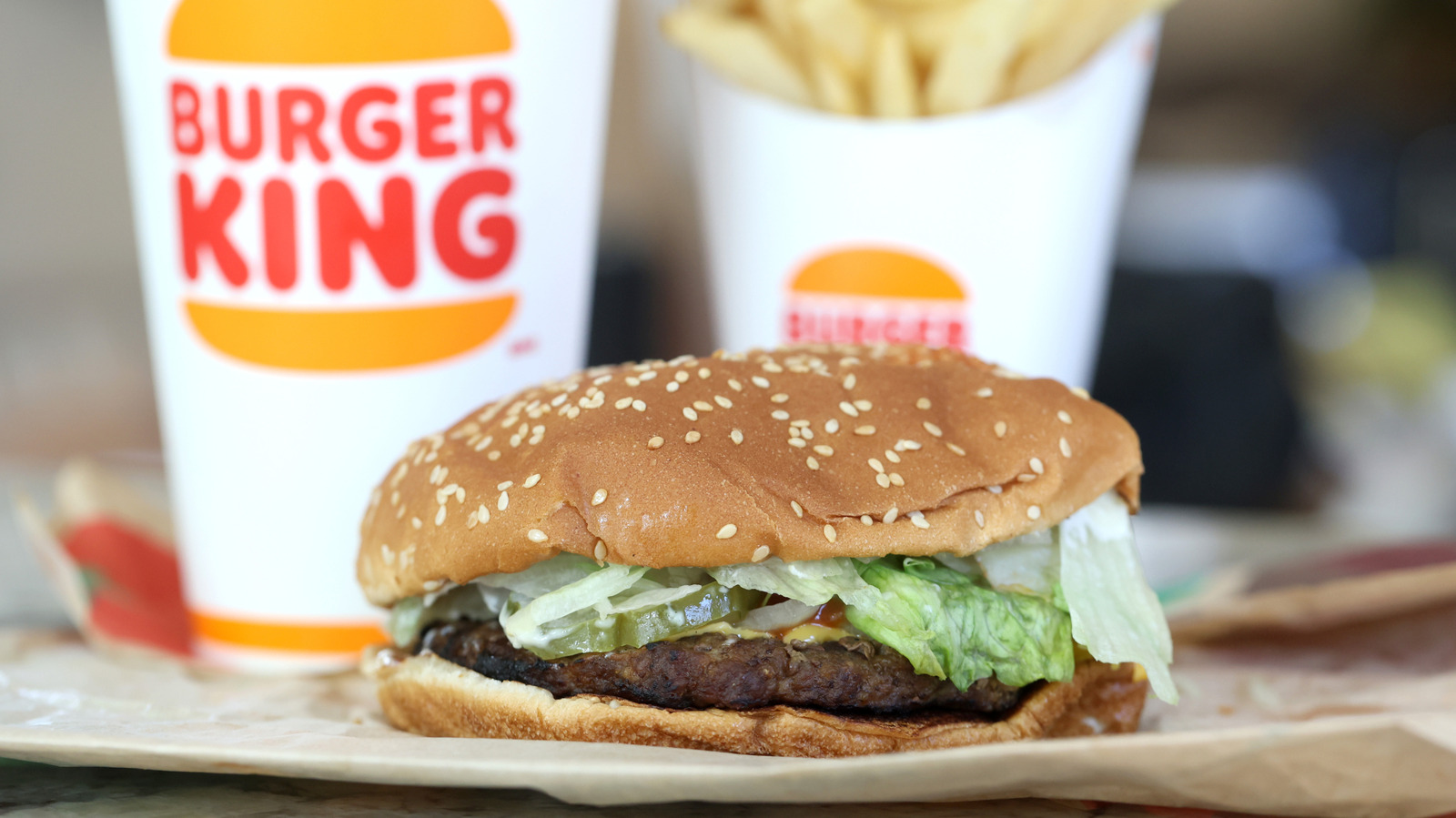
Beyond the standard offerings, strategic additions can further transform the Whopper. The absence of cheese on the original Whopper, a point of departure from many other popular burgers, presents an opportunity for enhancement. Adding a slice of American or Swiss cheese provides a creamy or nutty dimension that complements the beef. For those seeking a richer, more savory profile, bacon is an excellent addition, offering a smoky, salty crunch. Spice aficionados can opt for jalapeños, introducing a welcome kick that elevates the overall taste experience. While these premium toppings incur an additional cost, the significant enhancement in flavor and complexity often justifies the modest upcharge.
3. The Art of Sauce Substitution: Exploring Flavor Dimensions
Sauce is a powerful, yet often underestimated, element in defining a burger’s character. While Burger King doesn’t typically feature proprietary specialty sauces akin to McDonald’s Big Mac sauce or Shake Shack’s ShackSauce, its customization system allows for creative substitutions. Swapping the standard ketchup and mayonnaise for BBQ sauce, for instance, can evoke a classic barbecue flavor profile, pairing exceptionally well with the grilled patty, onions, and pickles. This approach has proven successful on other Burger King items, such as the Rodeo Burger, and offers a compelling alternative for the Whopper.
Mustard presents another simple yet effective option, introducing a brighter, tangier note that harmonizes with the acidity of pickles and onions. This combination draws parallels to established flavor pairings in other popular burger chains. For the more adventurous, utilizing sauces typically intended for chicken nugget dipping – such as honey mustard, buffalo, ranch, sweet and sour, or zesty sauce – can unlock entirely new flavor experiences. While these may require self-application at the counter, the potential for a uniquely flavored Whopper is substantial, reflecting Burger King’s expansive menu of dipping sauces.
4. The Un-Toasted Bun: A Quest for Optimal Texture
The recent upgrade to the Whopper’s bun has been met with widespread approval. However, an often-overlooked customization option can further enhance the bun’s contribution to the burger’s texture. By default, Burger King buns are toasted. Requesting a non-toasted bun can result in a fluffier, softer texture that remains pliable even if the burger is not consumed immediately. This deviation from the standard preparation also necessitates that the sandwich be made fresh, mirroring the benefits of ordering "hot off the broiler" and ensuring that the bun does not harden prematurely. This technique offers a subtle yet impactful alteration to the burger’s mouthfeel, providing a gentler contrast to the savory patty and toppings.
5. Integrating Sides: The "Have-sies" and Beyond
While traditional accompaniment involves serving fries or onion rings on the side, Burger King offers creative ways to integrate these popular items directly into the Whopper itself. The option to combine fries or onion rings within the burger bun, while visually unconventional, offers a unique textural and flavor synergy. The salty crunch of fries or the seasoned crispness of onion rings provides a compelling counterpoint to the tender beef and fresh vegetables, creating a more complex and satisfying bite. This approach can be seen as an extension of the "meat and potatoes" comfort food concept.
For those who struggle to choose between these beloved sides, Burger King’s "Have-sies" offering provides a convenient solution. This hybrid side dish, combining both fries and onion rings in a single container, allows diners to enjoy the best of both worlds. By incorporating these sides directly into the Whopper, customers can achieve a truly integrated flavor and texture experience, embodying the "Have It Your Way" philosophy in its most inventive form. This culinary innovation reflects a broader trend in the fast-food industry, where creative combinations and textural play are increasingly valued by consumers.
Broader Implications: The Enduring Appeal of Customization
Burger King’s sustained emphasis on customization, epitomized by the Whopper, plays a crucial role in its brand identity and competitive positioning. In an era where consumers increasingly seek personalized experiences and control over their food choices, Burger King’s long-standing commitment to "Have It Your Way" resonates deeply. This approach not only caters to individual preferences but also fosters a sense of agency and satisfaction among diners.
The Whopper’s adaptability allows it to remain relevant across diverse demographics and evolving culinary trends. From simple modifications like adding extra pickles to more adventurous sauce swaps and side integrations, the Whopper serves as a testament to the power of choice. The recent enhancements to its bun and packaging further signal Burger King’s intention to not only maintain but elevate the Whopper’s standing as an iconic fast-food item.
The strategic implications of this focus on customization are significant. It differentiates Burger King from competitors who may offer fewer options or charge premiums for modifications. By making personalization a core offering, Burger King cultivates customer loyalty and encourages repeat business. As consumer expectations continue to shift towards bespoke experiences, Burger King’s foundational philosophy of empowering the customer remains a potent competitive advantage, ensuring that the flame-grilled Whopper will likely continue to be a beloved staple for generations to come.
