
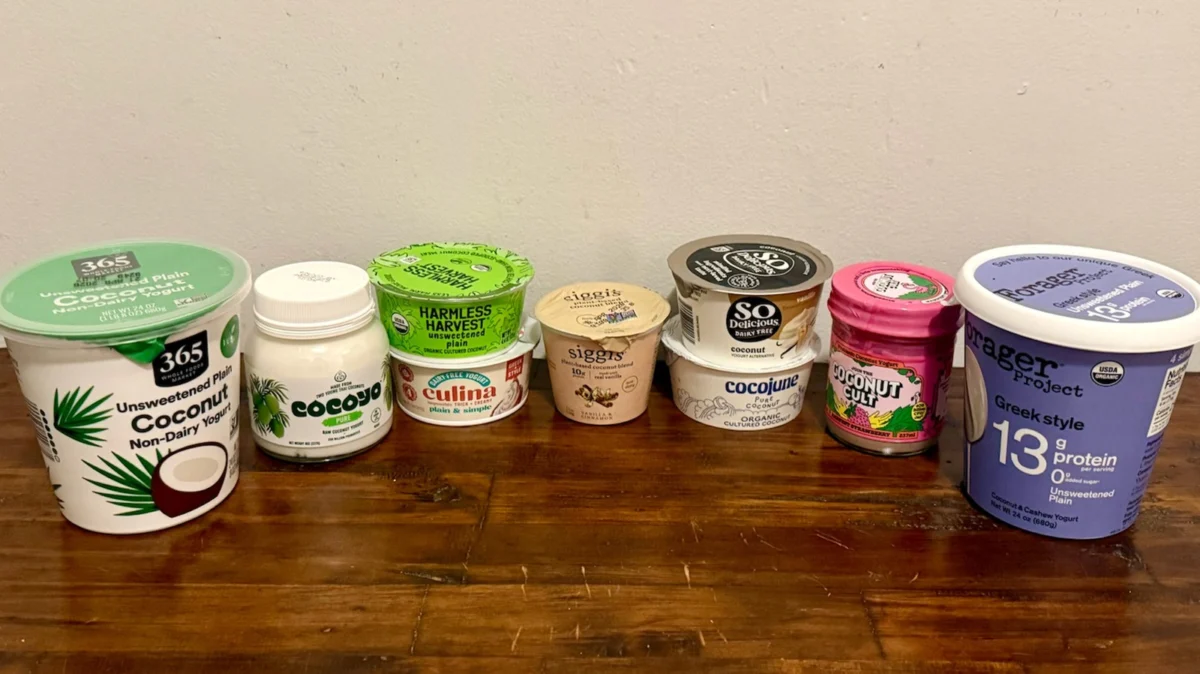
For consumers seeking dairy-free alternatives to traditional yogurt, coconut yogurt has emerged as a popular and versatile option. Typically crafted from fermented coconut milk or cream, these yogurts often incorporate probiotics, mirroring the potential gut health benefits associated with dairy-based counterparts. However, the landscape of coconut yogurt is far from uniform. Variations in texture, the balance of tartness and sweetness, and the intensity of coconut flavor mean that not all brands are created equal. Tasting Table recently undertook a comprehensive evaluation of nine distinct coconut yogurt brands to identify the top performers, assessing them on key criteria including texture, tartness, coconut flavor intensity, and overall aftertaste.
The Rise of Dairy-Free Yogurt Alternatives
The demand for plant-based alternatives to dairy products has surged in recent years, driven by increasing consumer awareness of dietary restrictions, ethical considerations, and perceived health advantages. Coconut yogurt, in particular, has gained traction due to the readily available and widely consumed nature of coconuts. The fermentation process used in its production not only imparts a characteristic tanginess but also cultivates beneficial probiotics, appealing to health-conscious consumers. This growing market segment has led to a proliferation of brands, each striving to differentiate itself through unique formulations and flavor profiles.
Rigorous Tasting Methodology
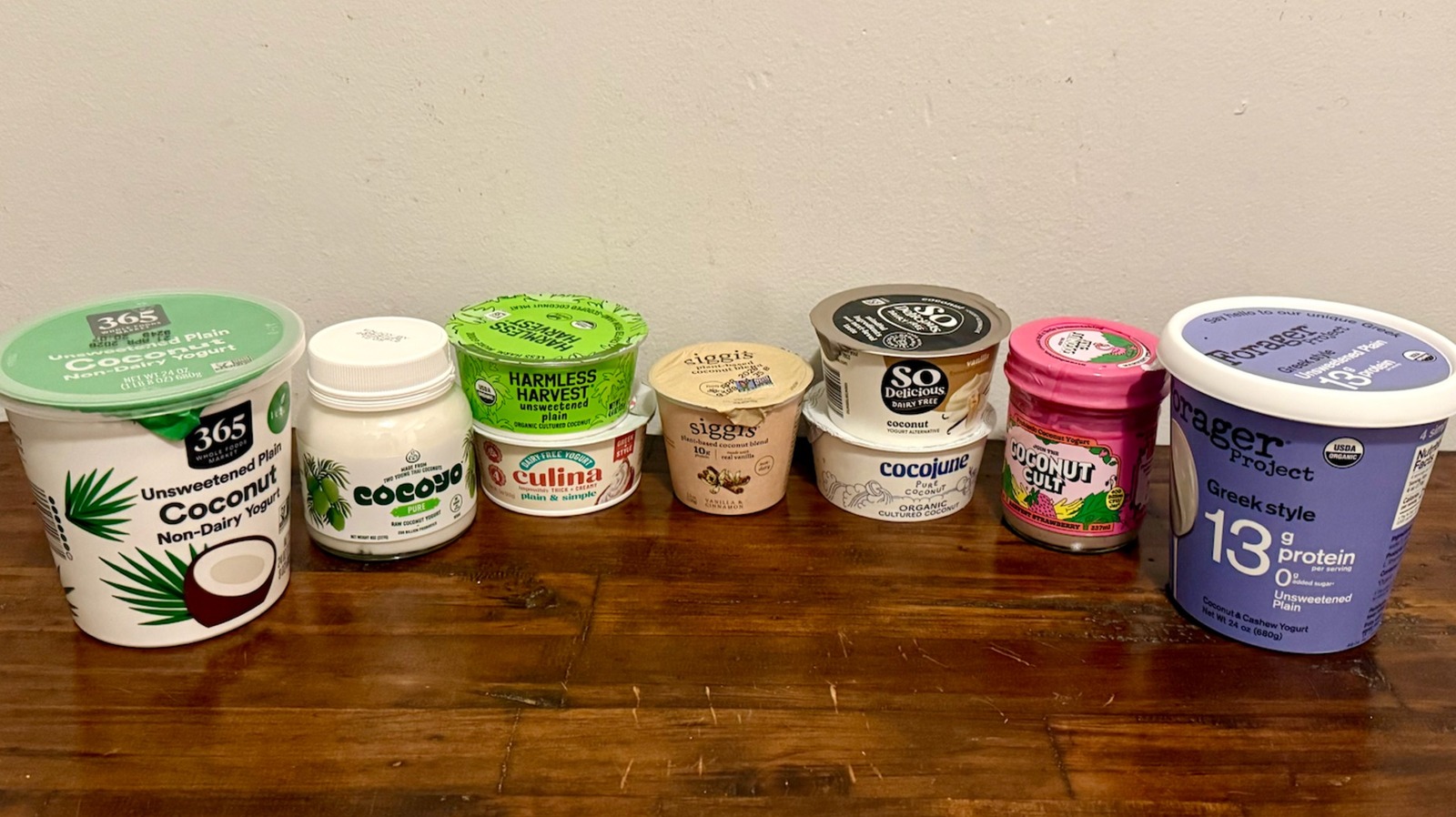
The evaluation process involved a sequential tasting of nine different coconut yogurt brands. To ensure objectivity and consistency, a palate-cleansing regimen of water was employed between each sample. The tasting focused on several critical attributes:
- Texture: The initial assessment involved observing the yogurt’s consistency when stirred within its container. This was followed by an evaluation of its mouthfeel during consumption, noting whether it was creamy, thin, thick, or gelatinous. The ideal texture was considered to be one that felt familiar and pleasant, avoiding overly unusual or off-putting sensations.
- Flavor Profile: The intensity and balance of key flavors were meticulously examined. This included the distinct taste of coconut, the degree of tartness or tanginess, and any underlying sweetness or other flavor notes. A strong, natural coconut flavor that lingered pleasantly in the aftertaste was highly desirable.
- Aftertaste: The lingering sensation after consuming the yogurt was a significant factor. A clean and agreeable aftertaste contributed positively to the overall rating, while any unpleasant or overpowering notes detracted from the score.
The ranking was determined by a holistic assessment of these factors, moving from the least preferred options to those that elicited the most positive response, ultimately aiming to identify the most enjoyable and well-rounded coconut yogurts available on the market.
The Coconut Yogurt Rankings: From Least to Most Impressive
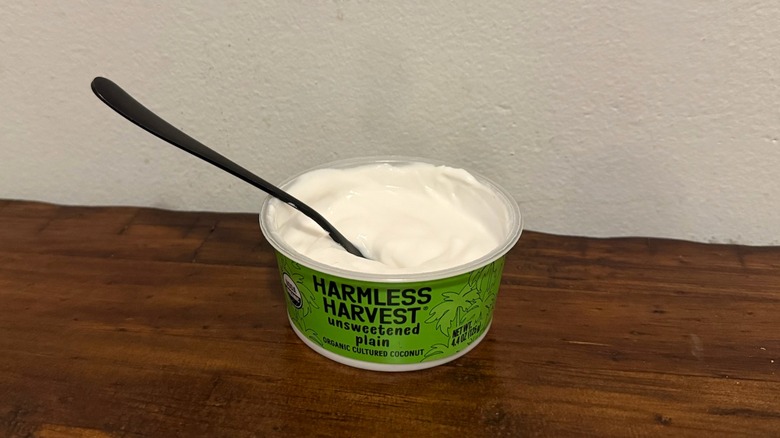
9. Harmless Harvest
Harmless Harvest, a brand often lauded for its coconut water, proved to be a surprising disappointment in the yogurt category. The initial visual impression was of a jelly-like consistency, which, while not an immediate deal-breaker, did raise some concern. This textural impression unfortunately translated directly to the flavor. The yogurt offered a very mild, almost watery taste with a distinct lack of discernible coconut essence. Despite the brand’s own description of creamy, tart, and luscious notes, the tasting revealed none of these qualities, falling significantly short of expectations when compared to other contenders.
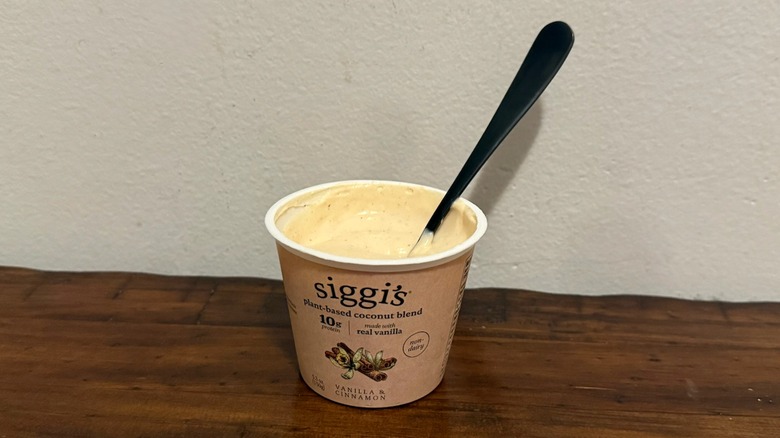
8. Siggi’s
While Siggi’s is known for its Icelandic-style dairy yogurts, their foray into coconut yogurt presented a mixed experience. The tested vanilla cinnamon flavor did not overpower the base yogurt, allowing for an assessment of its fundamental characteristics. The texture was noted as being a desirable middle-ground, neither too thin nor excessively thick, akin to traditional yogurt. However, the flavor profile was dominated by an overwhelming tartness that eclipsed the subtle coconut notes. The combination of this sharpness with a perceived creaminess did not achieve a harmonious balance for the reviewer, leading to its lower ranking.
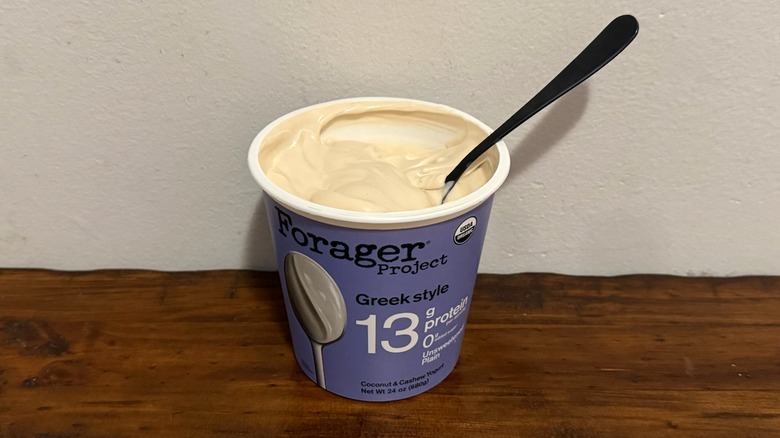
7. Forager
Forager’s coconut and cashew-based yogurt offers a unique formulation, incorporating six strains of probiotics. It presented as one of the thicker yogurts in the tasting, a characteristic attributed to its cashew and rice protein content. The initial taste was surprisingly tart, reminiscent of sour candy, which initially took some getting used to. As consumption continued, the flavor grew more palatable, offering a sharpness comparable to Greek yogurt but more pronounced. A significant drawback, however, was the muted coconut flavor, which was largely overshadowed by the nuttiness of the cashews and the presence of rice protein.
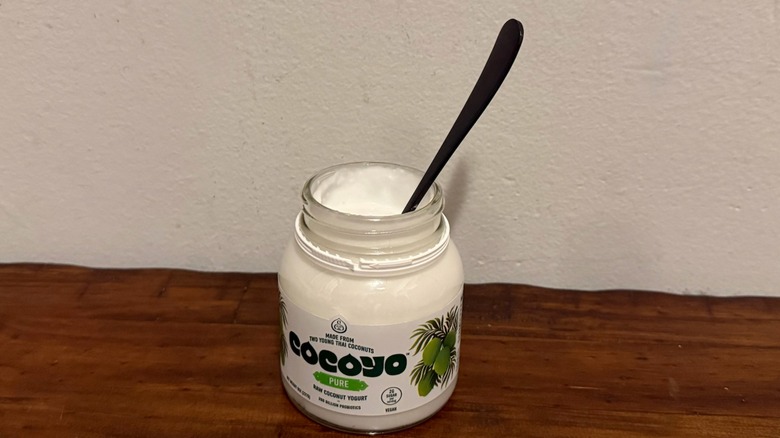
6. Cocoyo
Presented in an appealing jar, Cocoyo offered a distinct tasting experience. Its consistency was notably lighter and runnier than many other brands. The initial taste was decidedly sour, yet not unpleasantly so, suggesting a freshness derived from its raw, fermented coconut base. A positive attribute was the pleasant coconut flavor that emerged after the initial tanginess subsided, described as pure and reminiscent of fresh coconut water. While different from its competitors, Cocoyo’s high probiotic count (100 billion CFUs per half cup) makes it a noteworthy option for gut health.
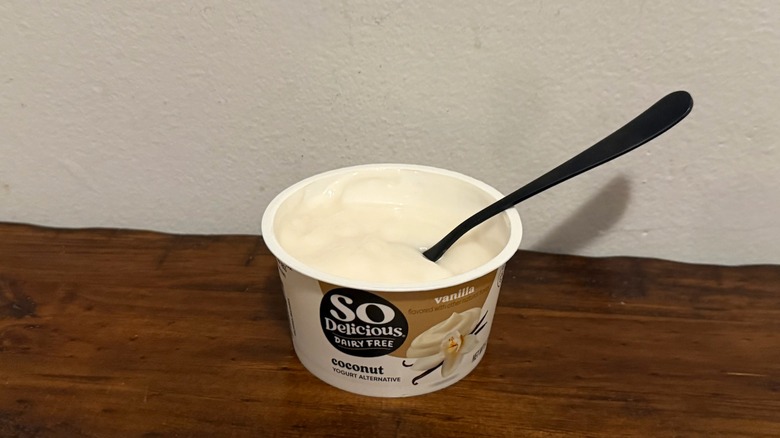
5. So Delicious
So Delicious occupied a middle ground in the rankings, offering a generally acceptable but unremarkable experience. The yogurt exhibited a jelly-like consistency when stirred, similar to Harmless Harvest, but this did not translate to the mouthfeel. The texture was akin to standard yogurt. Opting for the vanilla flavor due to the unavailability of the original, the reviewer found it to be exceedingly plain. The tartness was minimal, and the coconut flavor was barely perceptible, only a faint hint in the aftertaste. While refreshing and suitable for those seeking a lighter, simpler option, it did not inspire a repurchase.
4. Culina
Culina distinguished itself with an exceptionally thick texture, initially appearing almost solid. Upon mixing, it revealed a consistency that closely mimicked traditional Greek yogurt, such as Fage, a favored brand for its creaminess and balanced tartness. The Culina coconut yogurt achieved a similar level of richness and tang. The primary reason for its mid-tier ranking was the subtlety of its coconut flavor. While the tartness and creaminess were well-executed, the coconut essence felt almost incidental rather than a deliberate and pronounced component of the flavor profile. This makes it a potentially strong candidate for culinary applications requiring a thick, creamy dairy-free base.
3. Whole Foods 365
The in-house brand from Whole Foods, 365, delivered a surprisingly high-ranking coconut yogurt. Its texture was positioned between standard and Greek yogurt, offering a pleasant smoothness that was easy to consume. The flavor balance was particularly impressive, featuring a harmonious blend of clean tartness, authentic coconut flavor, and a subtle milky creaminess. This well-rounded profile makes the Whole Foods 365 coconut yogurt versatile, suitable for parfaits, smoothies, or simply enjoying on its own. Its balanced characteristics position it as a strong contender for everyday consumption.
2. Cocojune
Cocojune garnered high praise for its exceptionally creamy texture, which the reviewer likened to a dense whipped cream, even suggesting it could be mistaken for a dairy-based product. Despite its rich mouthfeel, it is formulated from coconut milk, pea protein, and probiotics. The yogurt presents a sharp taste and a distinct coconut flavor, but the overwhelming sensation is its luxurious creaminess. This indulgent quality suggests its potential as a dairy-free substitute in dessert recipes, particularly those calling for whipped toppings. Its satisfying and delicious nature makes it a top-tier choice for those who prioritize a rich, creamy yogurt experience.
1. Coconut Cult
Coconut Cult has achieved significant popularity, often making it difficult to find in retail locations. This brand stands out for its unique texture, described as a dessert mousse with a thick, whipped, and airy quality. The flavor profile is consistently lauded, with the original flavor offering a taste remarkably similar to Greek yogurt, complete with a light zing, delicate creaminess, and a pleasant coconut aftertaste. Even the flavored varieties, such as harvest strawberry, retain a subtle coconut essence beneath the fruitiness. Beyond its taste and texture, Coconut Cult boasts an impressive probiotic count (50 billion CFUs across 16 species in a 2-ounce serving), comparable to probiotic supplements. The brand even advises a gradual introduction to avoid digestive upset, underscoring its potent gut-health benefits. This combination of exceptional taste, unique texture, and significant probiotic content positions Coconut Cult as the leading coconut yogurt.
Factors Influencing Consumer Choice
The ranking highlights that consumer preferences for coconut yogurt can vary significantly based on individual priorities. For those prioritizing a potent coconut flavor, brands like Coconut Cult and Whole Foods 365 stand out. Consumers seeking a creamy, dessert-like experience may lean towards Cocojune or Coconut Cult. Meanwhile, individuals focused on gut health might be drawn to brands with higher probiotic counts, such as Cocoyo and Coconut Cult. The texture is another critical differentiator, with options ranging from the ultra-thick Culina to the lighter, runnier Cocoyo.
Future Trends in the Coconut Yogurt Market
The continued growth of the plant-based food sector suggests that the coconut yogurt market will likely see further innovation. Brands may focus on enhancing probiotic diversity and efficacy, exploring novel flavor combinations, and refining textures to better mimic dairy yogurts. The increasing availability and competitive pricing of these alternatives are also expected to drive broader consumer adoption, making dairy-free yogurt a staple in more households. As research into the gut microbiome continues to expand, the perceived health benefits of probiotic-rich coconut yogurts will likely remain a significant selling point.
