
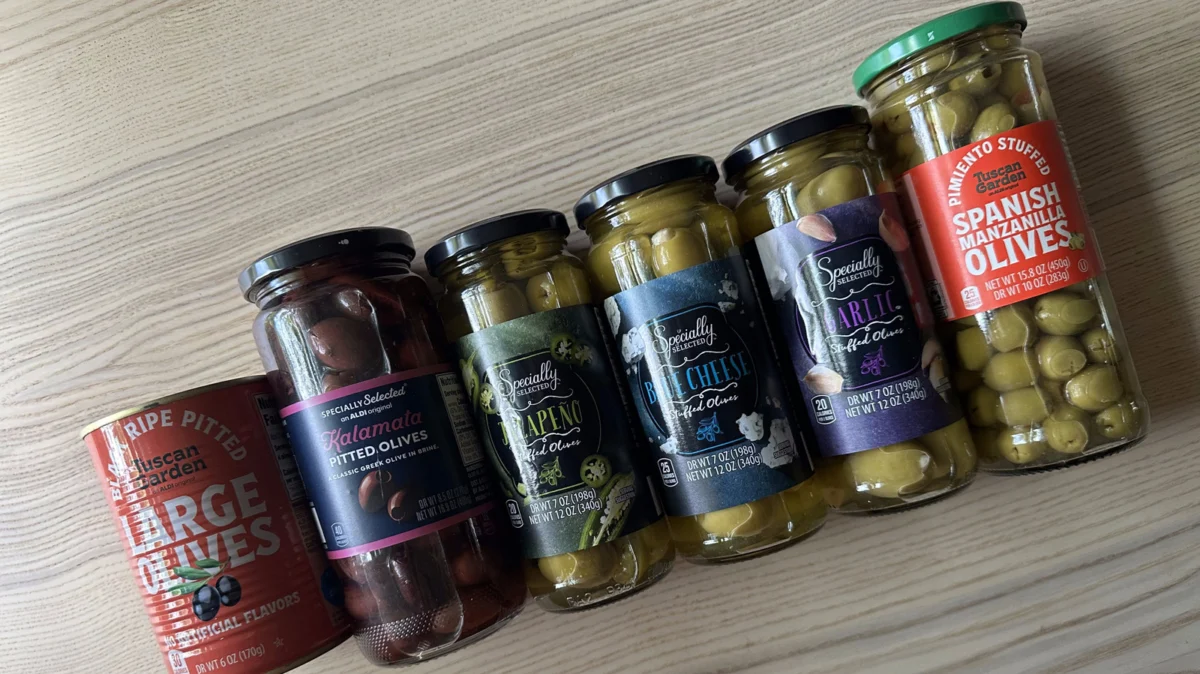
Aldi’s private-label grocery strategy has long centered on balancing premium quality with aggressive pricing, a model that has garnered the discount retailer a dedicated, cult-like following. Among the aisles of the German-owned chain, the "Specially Selected" product line stands out as a flagship category for gourmet-adjacent goods. Recent consumer analysis, including formal rankings from culinary reviewers, has identified the Specially Selected Blue Cheese Stuffed Olives as a standout item, solidifying their reputation as a pantry staple for both home bartenders and culinary enthusiasts.
The Rise of the Gourmet Pantry Staple
The journey of the Aldi-branded olive from a simple snack item to a social media-touted necessity is emblematic of how modern grocery retailers use private labels to drive store traffic. For years, the retailer has focused on sourcing high-quality olives from regions known for their traditional harvesting methods. By maintaining a price point of approximately $3.29 for a seven-ounce jar, the company has successfully undercut major brand-name competitors, which often charge significantly more for similar specialty products.
The Specially Selected Blue Cheese Stuffed Olives, in particular, have undergone intense scrutiny by food critics and home cooks alike. The consensus across multiple testing platforms indicates that the product achieves an ideal ratio of brine to cheese. The olives, typically large, pitted, and firm, are hand-stuffed with a pungent blue cheese that maintains its structural integrity despite being submerged in a saline solution. This stability is a key differentiator, as lower-quality stuffed olives often suffer from "weeping" or mushy cheese filling that ruins the aesthetic and textural quality of the product.
Chronology of Consumer Adoption
The popularity of these olives did not happen overnight; it is the result of a multi-year trend in "charcuterie culture" that has dominated social media platforms like TikTok, Facebook, and Instagram.
- 2019-2020: As home entertaining gained momentum during the pandemic, shoppers began seeking accessible ways to replicate restaurant-style appetizers. The "charcuterie board" trend forced consumers to look for cost-effective additions to cheese plates, and Aldi’s olive selection became a primary target for value-seekers.
- 2021-2022: Dedicated online communities, such as the "Aldi Aisle of Shame" Facebook group and various subreddits, began sharing creative uses for the olives. Users began documenting the olives as essential components for "dirty martinis" and as a sophisticated, low-effort accompaniment to budget-friendly wine pairings, such as the retailer’s Winking Owl label.
- 2023-2024: Professional food media, including Tasting Table, performed comprehensive head-to-head rankings of the store’s entire olive inventory. These tests cemented the Blue Cheese Stuffed Olives as the "gold standard" within the Aldi ecosystem, citing their consistent flavor profile and versatility.
Culinary Applications and Versatility
The versatility of the product is perhaps the most cited reason for its continued commercial success. From a mixology perspective, the blue cheese filling adds a complex, umami-rich depth to a dirty martini, effectively replacing the need for additional olives or olive juice. The saltiness of the brine combined with the creamy, sharp notes of the cheese provides a balanced flavor profile that appeals to a wide demographic.
Beyond the bar, these olives serve as a focal point for home entertaining. Culinary influencers and casual shoppers alike frequently incorporate them into charcuterie boards, pairing them with salami, fresh apple slices, and various soft cheeses like brie. The ability to assemble a high-end appetizer tray for under $20—utilizing items exclusively sourced from the Aldi aisles—has turned the product into a strategic asset for the brand’s marketing efforts.
The Spectrum of Consumer Feedback
While the product maintains a high approval rating, the public discourse surrounding it is not without nuance. Digital forums serve as a barometer for quality control, where customers provide real-time feedback on seasonal batches.
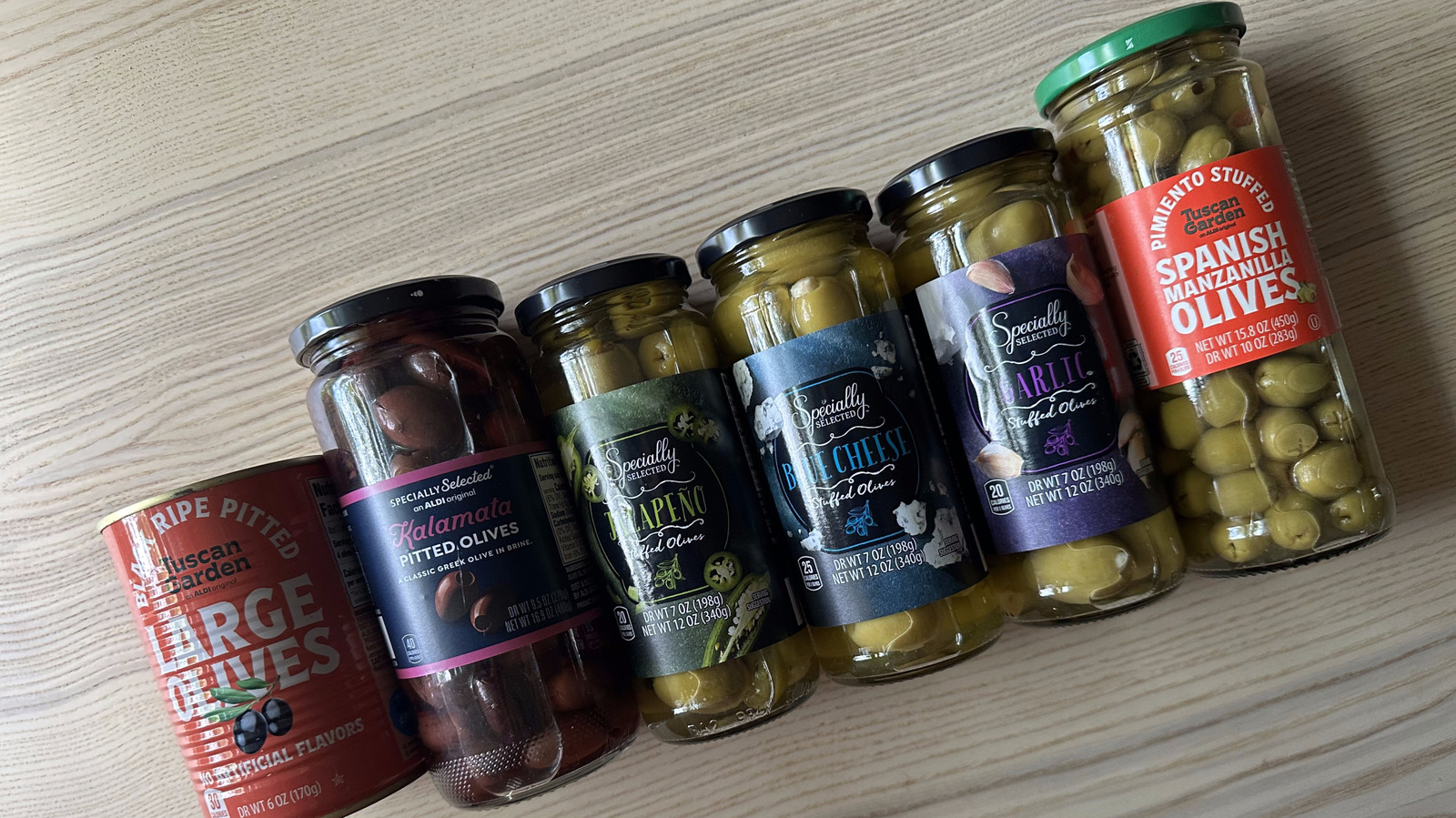
On platforms like Reddit, the conversation often shifts between praise for the blue cheese variety and endorsements for alternative flavors. The garlic-stuffed, jalapeño-stuffed, and feta-stuffed varieties frequently receive mention as worthy competitors for the top spot. However, some consumers have expressed concerns regarding batch consistency. A minority of reviews have pointed to instances where the blue cheese appeared dry or lacked the expected intensity of flavor, suggesting that the brining process, while necessary for preservation, can occasionally interfere with the texture of the cheese.
These dissenting voices are valuable for the brand’s supply chain management. When consumers compare notes on the "freshness" of the cheese, it forces a conversation regarding the rotation of stock and the manufacturing process. Despite these critiques, the overall sentiment remains overwhelmingly positive, with many users noting that the price-to-value ratio is difficult to ignore, even in instances where the product may not perfectly match the quality of a high-end, artisan-made deli olive.
Implications for the Grocery Sector
The success of the Specially Selected line represents a broader shift in the retail grocery landscape. Retailers are no longer just distributors of national brands; they are becoming curators of their own private-label experiences. By branding these items as "Specially Selected," Aldi signals to the consumer that these products are intended to compete directly with premium, gourmet market offerings.
This approach has several implications:
- Brand Loyalty: Customers who come for the low prices stay for the premium quality of specific items like these olives. This loyalty creates a "destination" effect, where shoppers prioritize Aldi over competitors because of specific, trusted SKUs.
- Market Competition: National brands now face pressure not only on price but on the "gourmet" perception of their products. If a consumer can find a high-quality stuffed olive at a discount retailer, the value proposition of a traditional grocery store olive brand is diminished.
- Social Proofing: The reliance on consumer groups and social media as a validation tool for groceries is accelerating. Products that are "tried and true" by online communities are seeing higher velocity on the shelves.
Broader Impact on the Retail Landscape
The broader impact of this phenomenon is that grocery stores are increasingly becoming "lifestyle brands." The combination of a bottle of wine, a block of cheese, and a jar of stuffed olives is not merely a transaction; it is a solution for a specific social occasion. Aldi’s marketing strategy focuses on this lifestyle outcome, effectively simplifying the shopping experience for the consumer.
By focusing on the "Specially Selected" label, the retailer has managed to bypass the stigma that often accompanies "budget" food products. Instead, they have positioned these items as sophisticated, accessible luxuries. This is particularly important in an inflationary environment where consumers are looking to reduce spending without sacrificing the quality of their home-dining experiences.
In conclusion, the Specially Selected Blue Cheese Stuffed Olives serve as a case study in effective product positioning. Through a combination of consistent quality, strategic pricing, and a strong, community-driven reputation, the item has become more than just a jar of fruit preserved in salt. It has become a symbol of how the modern consumer navigates the grocery aisle, seeking out value-driven excellence in an increasingly crowded and competitive marketplace. Whether they are destined for a martini glass or a charcuterie board, these olives remain a definitive example of how private-label goods can lead the way in consumer satisfaction.
