
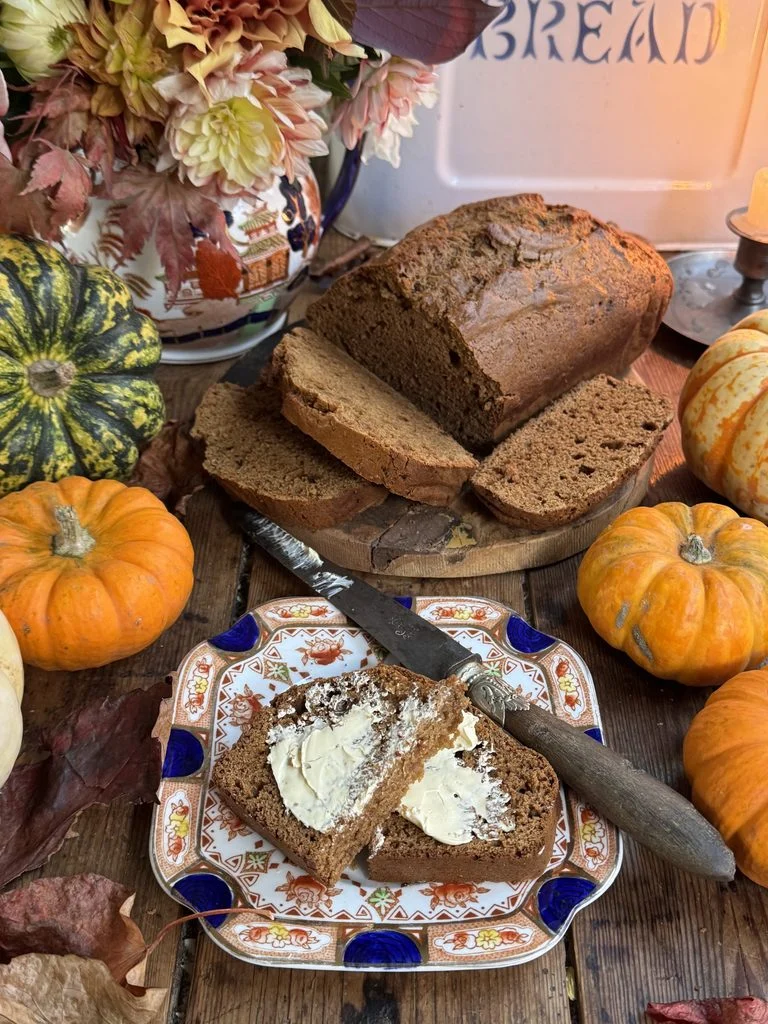
The Orkney Broonie, an indigenous oatmeal gingerbread originating from the Northern Isles of Scotland, represents a significant artifact of regional British baking tradition. Often compared to the more widely known Parkin found in Yorkshire and Lancashire, the Broonie serves as a distinct culinary marker of Orkney’s unique intersection of Scottish and Norse cultural histories. As interest in regional heritage foods continues to grow within the culinary arts, the preservation of such traditional recipes has moved from domestic necessity to a subject of historical and gastronomic analysis.

Historical Origins and Etymological Roots
The nomenclature of the Broonie is deeply rooted in the archipelago’s Norse heritage. Research conducted by cultural historians, most notably documented in F. Marian McNeill’s seminal 1929 work, The Scots Kitchen, identifies the correct terminology as "Brúni." The term is derived from the Old Norse language, translating to a "thick bannock." Historically, the Brúni was a staple for island communities, designed to be dense, transportable, and long-lasting—qualities essential for life in the rugged, wind-swept environment of the Orkney Islands.

Unlike modern cakes, which often emphasize lightness and aeration, the traditional Broonie was a product of necessity, utilizing locally sourced, hardy ingredients such as oatmeal, which was historically more accessible than refined wheat flour in the remote northern reaches of the United Kingdom. Its evolution mirrors the broader trajectory of Northern European gingerbreads, which utilize spices—once luxury trade goods—that became integrated into local diets through coastal trading routes.

Culinary Profile and Composition
The modern iteration of the Orkney Broonie maintains the structural integrity of its historical predecessor, though it has undergone subtle modifications to suit contemporary palates. The primary components—oatmeal, ginger, and brown sugar—form the foundation of the bake. Culinary analysts note that the inclusion of oatmeal provides a distinct texture that is simultaneously crumbly and dense, a stark contrast to the soft, sponge-like crumb of southern English cakes.

The preparation process is categorized under the "tea loaf" methodology. This involves a long, slow bake in a loaf tin, which allows the natural sugars and starches to caramelize, resulting in a sticky, moist texture that improves significantly over time. It is a common practice among both professional bakers and enthusiasts to allow the finished product to mature for several days before serving. This maturation process facilitates the distribution of moisture and the deepening of the ginger and spice profiles, a chemical reaction common in traditional gingerbreads where the acidity of the treacle or syrup interacts with the leavening agents over time.

Cultural Significance and Seasonal Integration
The Orkney Broonie occupies a specific niche in the seasonal cycle of British festivities. Its association with autumnal events—specifically All Hallow’s Eve (Samhain) and Bonfire Night—is not coincidental. These dates, falling between late October and early November, mark the transition into the darker months of the year, a time when traditional diets historically shifted toward calorie-dense, warming foods.

The use of ginger, in particular, has long been associated with these celebrations. The spice was traditionally believed to possess warming properties, serving as a comfort food against the encroaching winter chill. Consequently, the Broonie is frequently paired with dark, complex beverages, such as the single malt whiskies produced by the Highland Park distillery in Kirkwall, or robust, caffeinated teas. This pairing reflects a broader pattern in British regional foodways where local baked goods are designed to complement the specific flavor profiles of local spirits.

Comparative Analysis: The Regional Landscape
When examined alongside other regional British breads and cakes, the Broonie acts as a bridge between the oatmeal-heavy traditions of the Highlands and the syrup-laden spice cakes of Northern England. While Yorkshire Parkin relies heavily on oatmeal and black treacle, the Orkney Broonie often exhibits a slightly different balance of moisture, often incorporating more fat or sugar variations to counteract the inherently dry nature of coarser oat varieties.

This comparative study of regional baking provides a window into the trade history of the United Kingdom. The prevalence of ginger, cinnamon, and cloves in these recipes points to the historical importance of the British mercantile marine and the influence of colonial trade routes on even the most remote Scottish island communities. The ability of islanders to adapt these imported luxury ingredients into a humble, sturdy "bannock" highlights a sophisticated level of local innovation.

Economic and Tourism Impact
In recent years, the promotion of "food tourism" in Orkney has brought increased attention to traditional recipes like the Broonie. As visitors travel to the islands via cruise lines and ferry services—often stopping in Kirkwall to visit historical sites and distilleries—the demand for authentic local products has seen a resurgence. Local bakeries have capitalized on this by elevating the Broonie from a home-baked staple to a sought-after artisanal product.

From an economic perspective, this shift supports local supply chains, encouraging the continued cultivation of oats in the Northern Isles and maintaining traditional artisanal skill sets. The inclusion of such recipes in national culinary databases and heritage travel guides serves as a form of cultural soft power, reinforcing the identity of the Orkney Islands as a distinct, self-sufficient, and historically rich cultural entity within the broader Scottish landscape.

Nutritional and Structural Considerations
Modern assessments of the recipe reveal a high caloric density, which is expected given its historical function as a source of energy for manual laborers and mariners. A standard serving contains significant amounts of carbohydrates and sugars, balanced by the dietary fiber provided by the oatmeal. However, the modern home baker often adjusts these ratios. Recent modifications, such as the transition from standard flour to self-raising variants and the deliberate increase in ginger content, demonstrate that the recipe is not a static relic but a living component of the domestic repertoire.

The "crumbliness" that critics of early versions cited has been addressed by many modern practitioners through the strategic use of binding agents and adjustments to the fat-to-oat ratio. These small technical interventions have successfully allowed the Broonie to remain relevant in a market that increasingly values convenience and texture consistency, without sacrificing the rustic flavor profile that defines the product.

Future Preservation of Heritage Recipes
The future of the Orkney Broonie rests in the balance between authenticity and adaptation. As the younger generation of bakers explores digital platforms and social media to document their culinary experiments, there is a renewed interest in "slow food" and traditional methods. The documentation of the Broonie serves as a case study for the preservation of intangible cultural heritage.

By continuing to publish, refine, and serve these traditional items, the community ensures that the link to the Norse past is not severed by the modernization of the food industry. Experts suggest that the longevity of such recipes depends on their continued accessibility; if the recipe remains simple enough for the home cook while retaining the quality desired by the gourmet consumer, it will likely persist as a staple of the Orcadian kitchen for generations to come.

In conclusion, the Orkney Broonie is far more than a simple ginger-flavored loaf. It is a reflection of the geography, history, and socioeconomic conditions of the Northern Isles. Whether served as an accompaniment to a "wee dram" of whisky or as a celebratory treat during the dark of November, it stands as a testament to the enduring nature of regional British food culture. Its survival in the 21st century provides evidence that even in an era of globalized cuisine, there remains a profound and persistent demand for food that tells a story of place, history, and communal identity.
