
Evolution of Modern Pressure Cooking and Home Meal Preparation
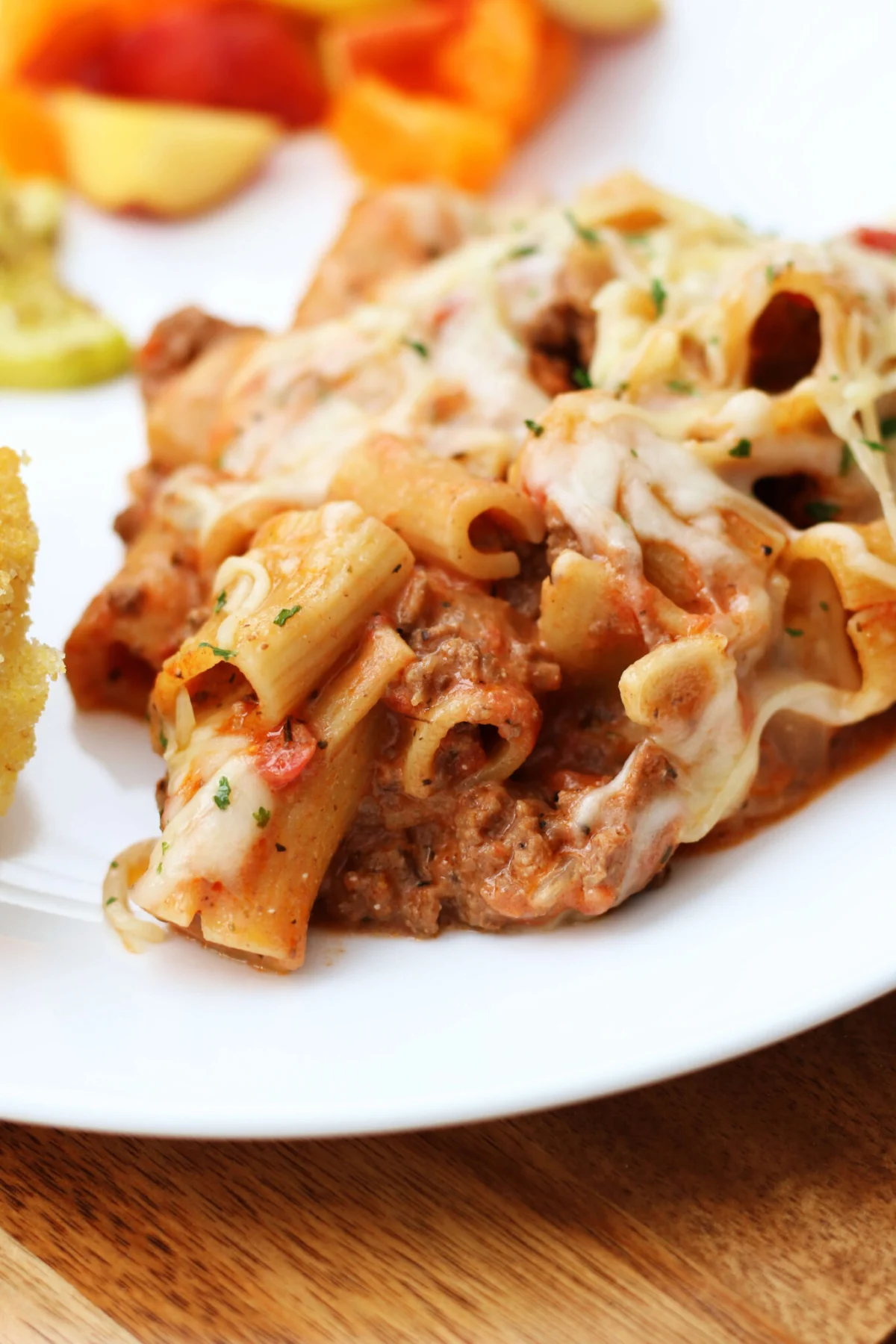
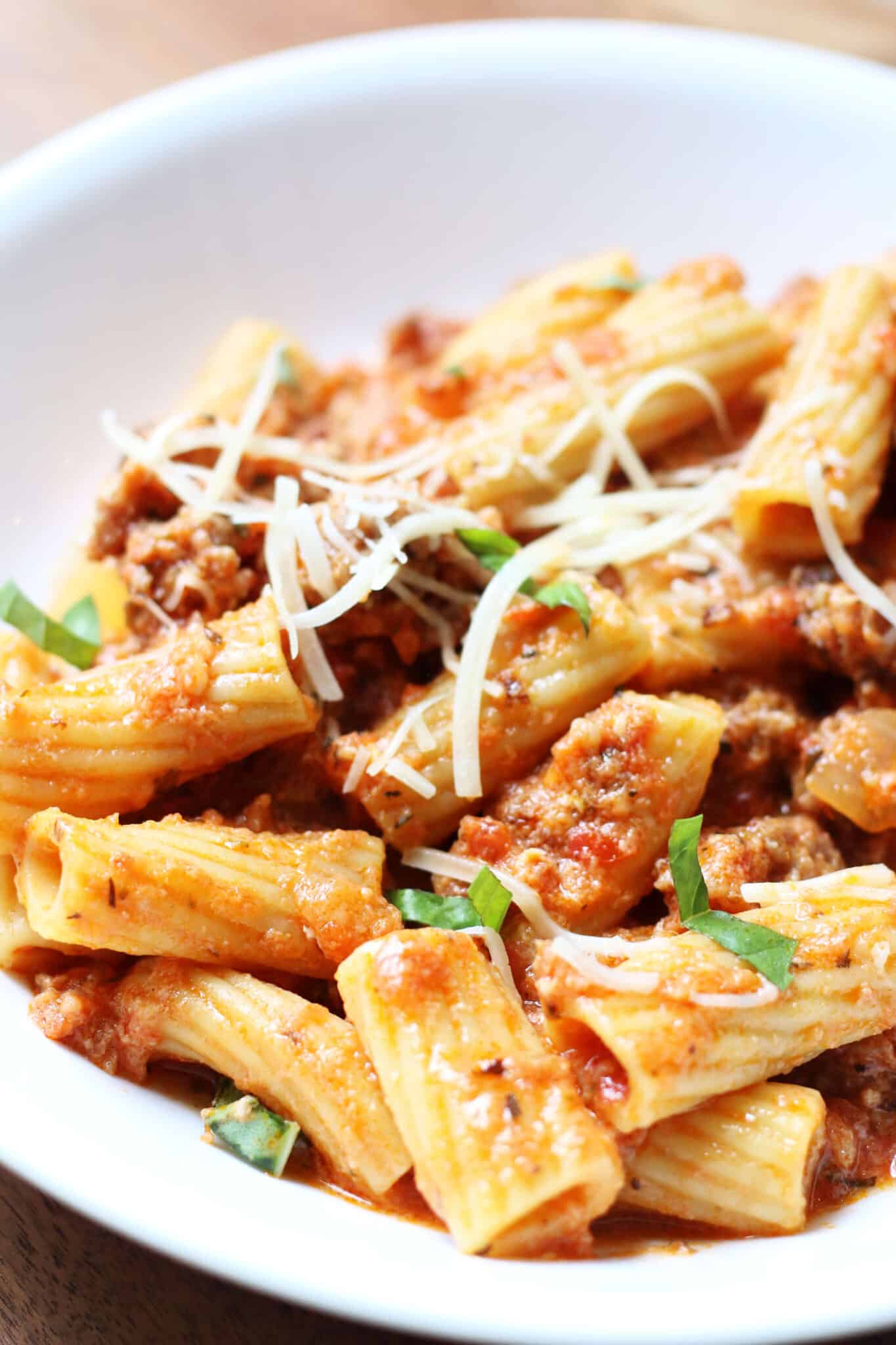
The integration of appliances like the Instant Pot into daily meal planning marks a significant shift in domestic culinary trends. According to market research on kitchen appliance consumption, the rise of the multi-cooker has been driven by a demand for time-saving devices that do not sacrifice the quality of the end product. The Creamy Parmesan Beef Rigatoni represents a synthesis of classic Italian-American flavor profiles—characterized by garlic, butter, and parmesan—adapted for the high-pressure, high-heat environment of a sealed pressure vessel.
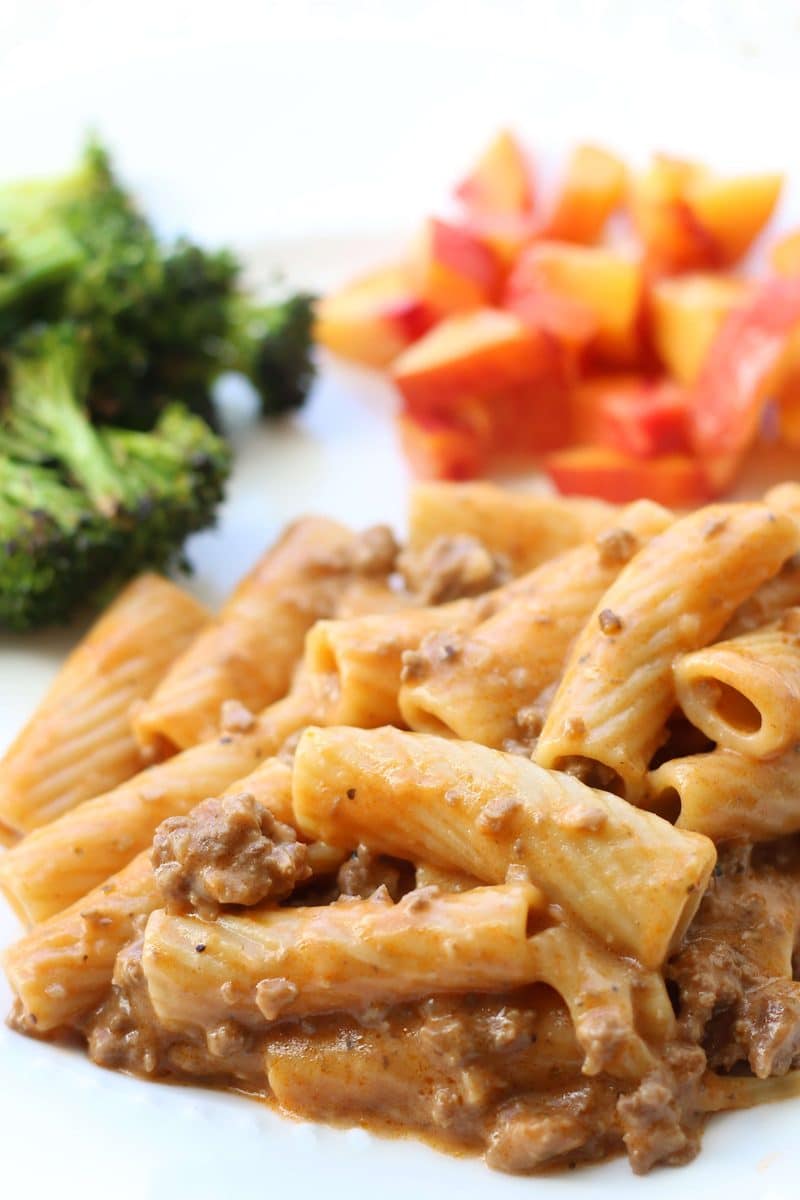
Historically, preparing a dish with this complexity required a multi-stage process: browning meat, boiling pasta in a separate vessel, creating a roux or reduction for the sauce, and finally combining the elements. Modern techniques allow for the homogenization of these steps. By cooking the pasta directly in the broth and sauce base under pressure, the starch released by the rigatoni acts as a natural thickening agent, creating a cohesive, velvety sauce that adheres to the pasta more effectively than traditional methods might allow.
Chronology of Preparation and Technical Execution
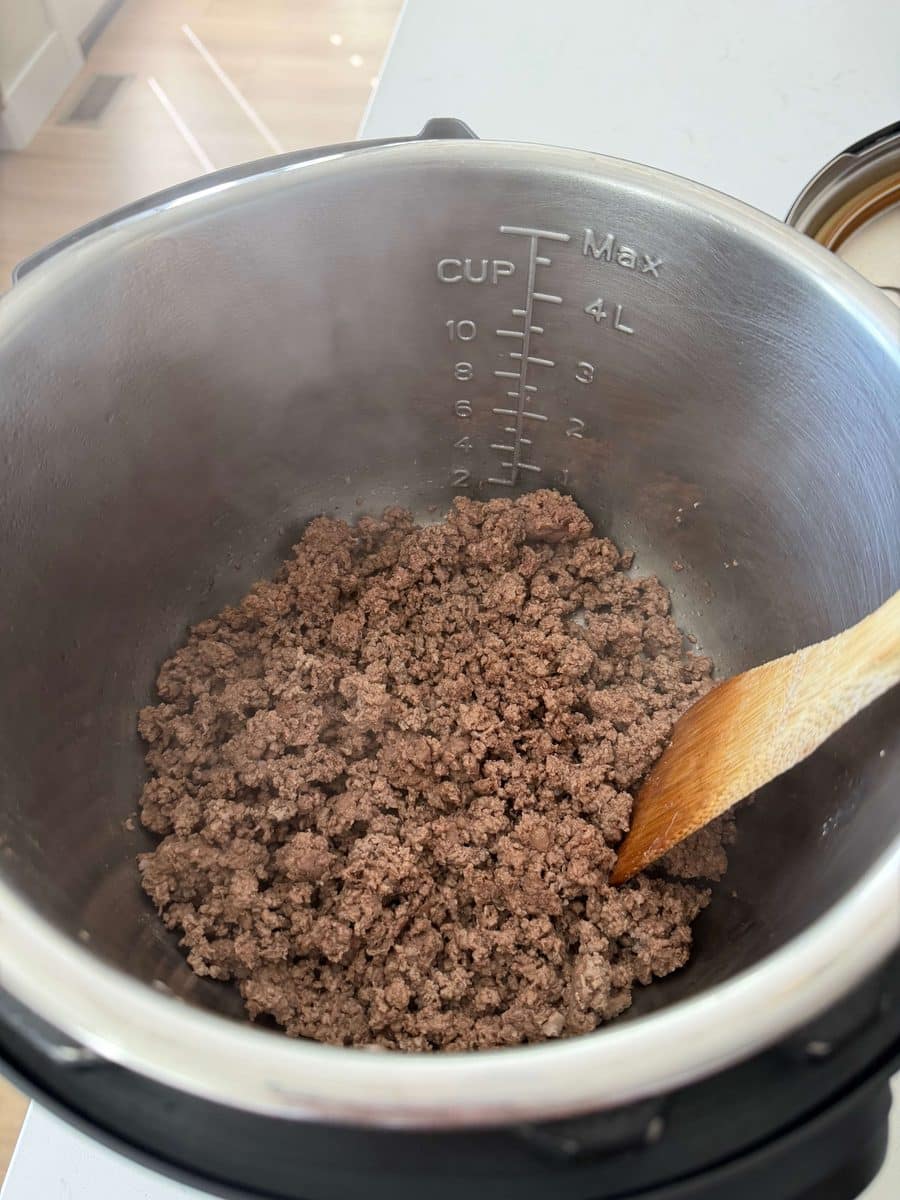
The preparation of this dish follows a strictly ordered sequence designed to maximize flavor extraction while maintaining structural integrity of the pasta. The process begins with the sauté function of the pressure cooker. By browning the ground beef for approximately five minutes, the Maillard reaction is achieved, providing the essential base notes of flavor. Following the drainage of excess fat, the incorporation of seasonings—salt, pepper, Italian seasoning, garlic powder, and onion powder—creates a robust aromatic profile.
The technical pivot occurs during the deglazing of the pot. By adding broth and scraping the bottom of the stainless steel inner liner, the cook ensures that no fond (browned bits of meat) is left behind, which prevents potential "burn" errors on the sensor-heavy pressure cookers and enhances the depth of the liquid base.
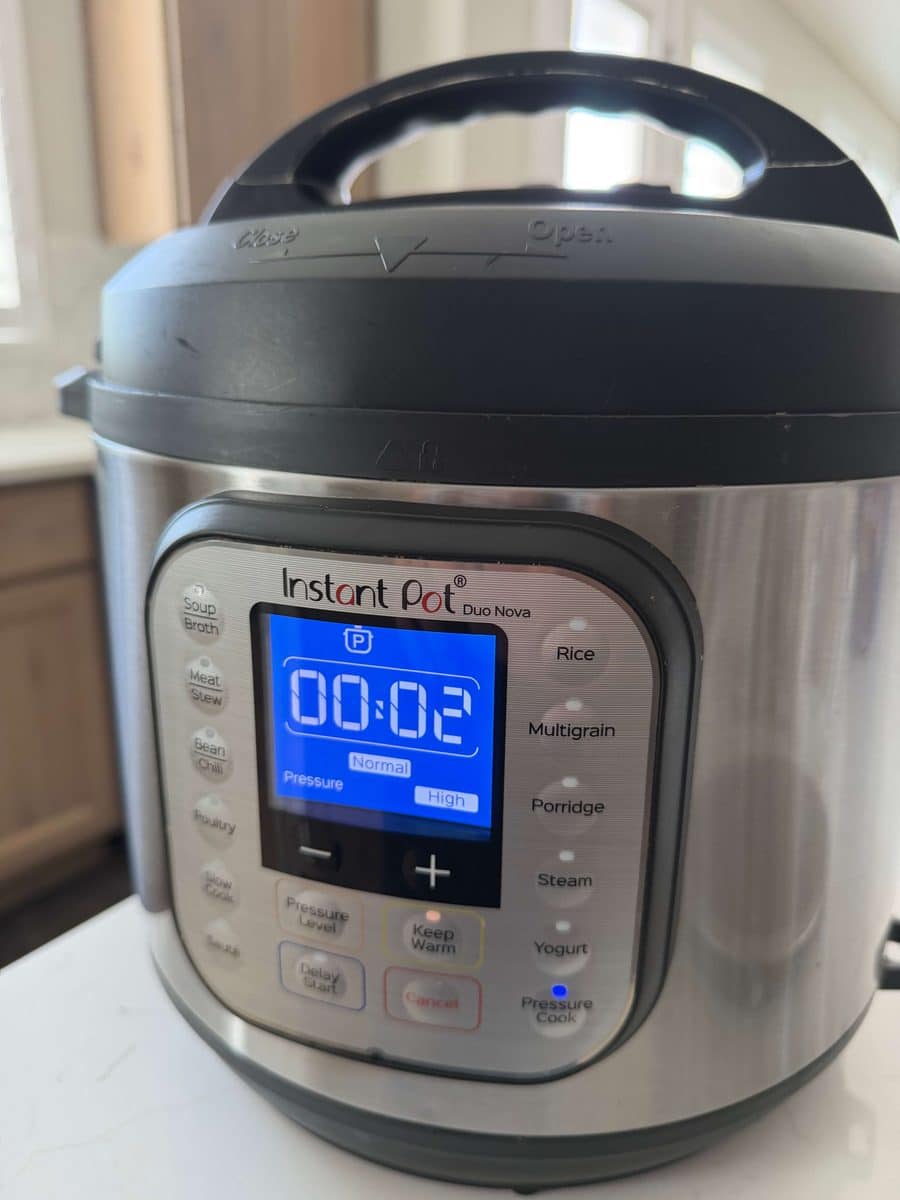
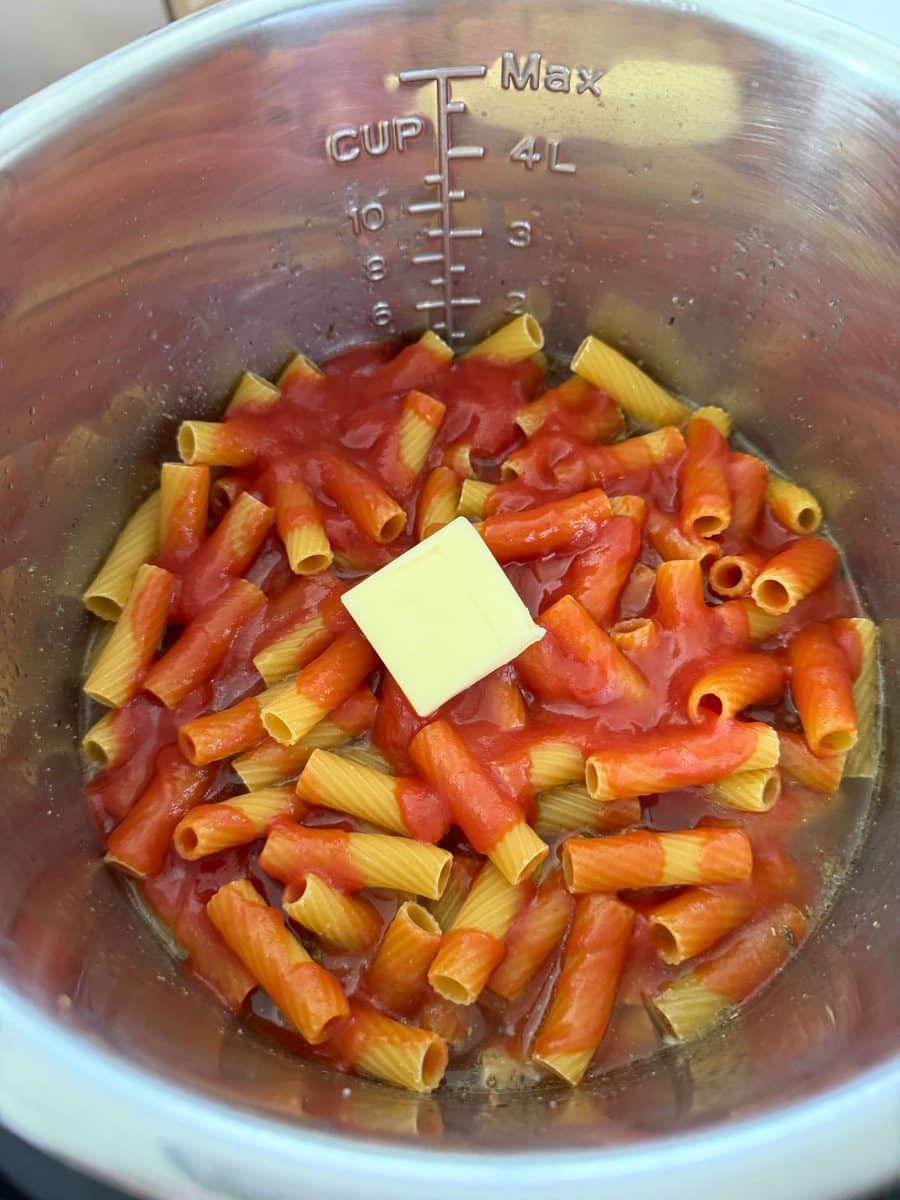
Once the broth is integrated, the rigatoni is added, followed by the tomato sauce and butter. The pressure cooking cycle is brief—typically two minutes at high pressure. This short duration is critical; because the pasta is submerged in liquid, overcooking occurs rapidly. A five-minute natural pressure release (NPR) follows, allowing the pasta to finish cooking through carry-over heat and ensuring the sauce reaches a stable consistency. The final integration of cream and parmesan cheese, often tempered with the cooking liquid, serves to finalize the emulsion, resulting in the characteristic creamy texture.
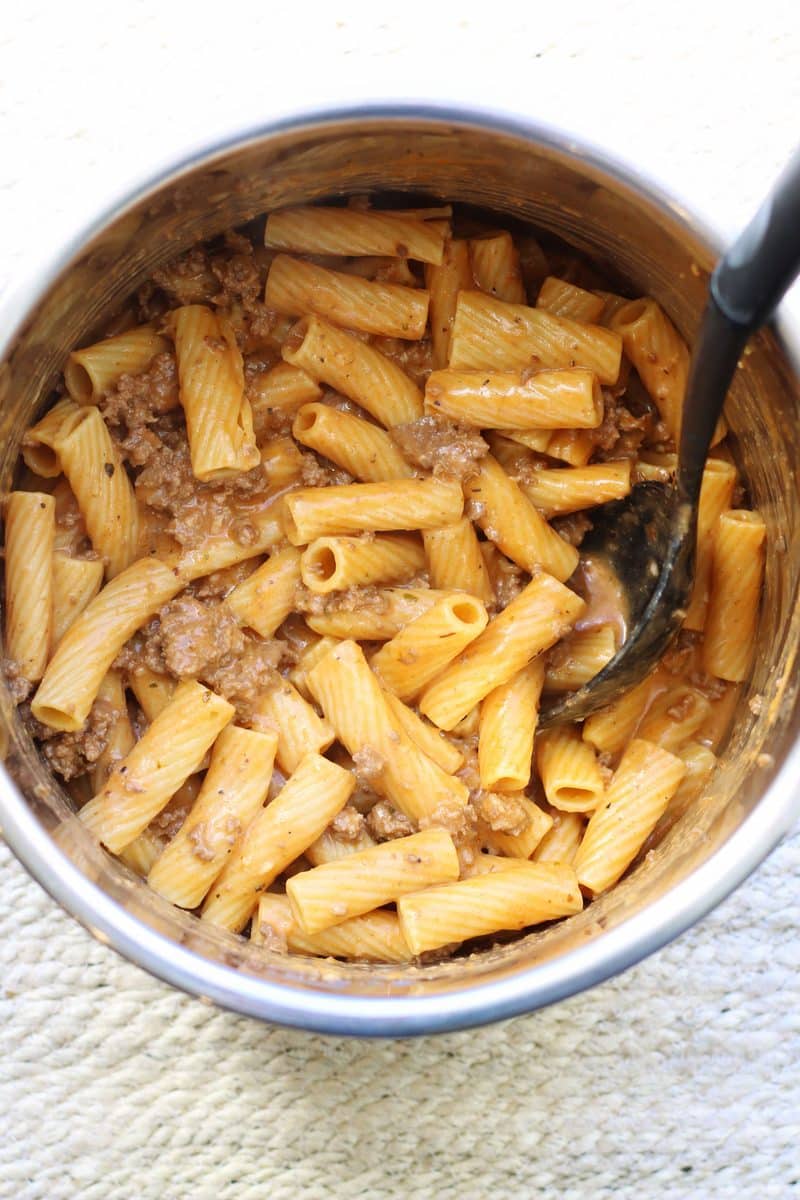
Nutritional and Culinary Analysis
From a nutritional perspective, this recipe provides a high-protein, energy-dense meal suitable for active individuals. Ground beef serves as the primary source of complete protein, zinc, and iron. The inclusion of rigatoni provides complex carbohydrates necessary for sustained energy. However, the reliance on butter and cream places this dish in the category of comfort food, which, while satisfying, contains higher caloric density.
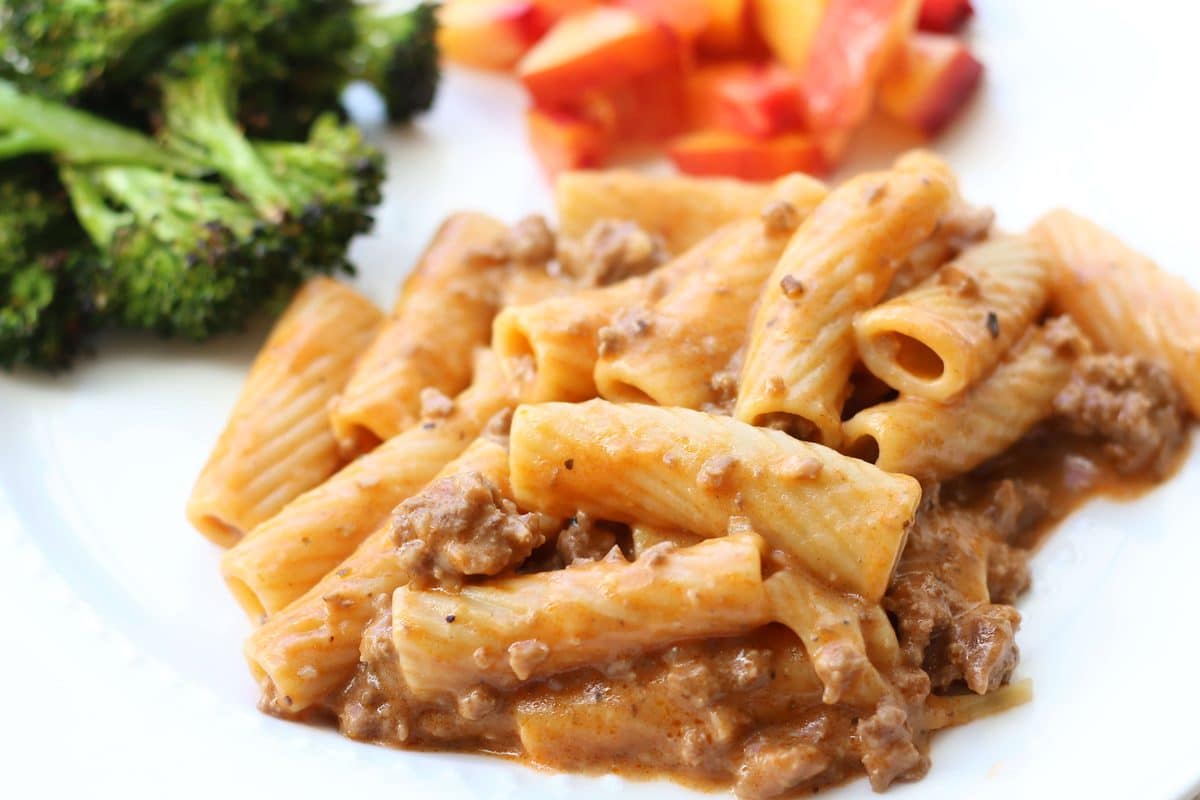
Culinary experts note that the use of a cornstarch slurry, as suggested for those desiring a thicker sauce, is a common technique in professional kitchens to adjust viscosity without requiring prolonged boiling. This addition ensures that even if the liquid-to-pasta ratio is slightly miscalculated during the pressure cooking phase, the final consistency remains uniform. The ability to use a slurry demonstrates the flexibility of the recipe; it is not a rigid formula but a framework that allows for real-time adjustments based on the specific type of pasta used or the altitude of the cooking environment.
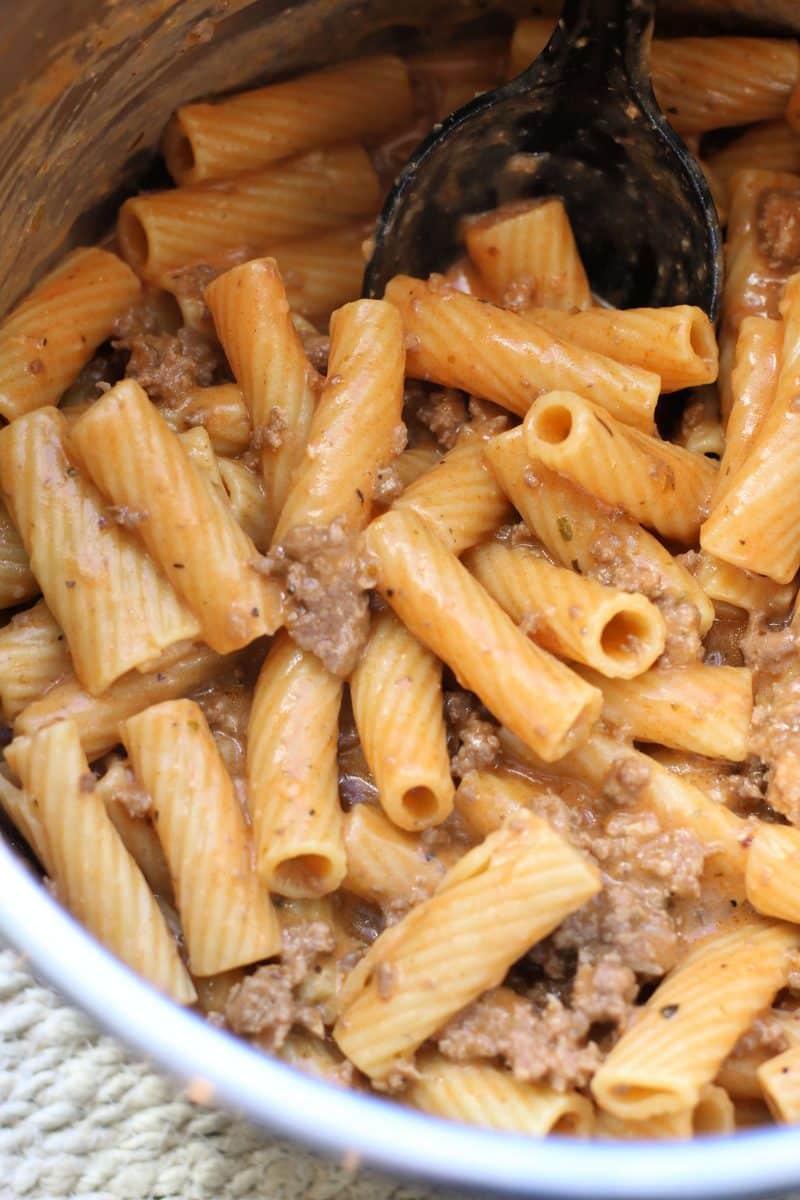
The Rise of "Dump-and-Go" Cooking in Contemporary Households
The popularity of this specific pasta dish underscores a broader trend in food media: the preference for "one-pot" or "one-pot-plus" meals. In contemporary household management, where time is an increasingly scarce commodity, the ability to produce a restaurant-quality meal with minimal cleanup is highly valued. This is evidenced by the growing number of online forums, recipe databases, and social media communities dedicated to perfecting pressure cooker recipes.

The anecdotal success of this recipe in a social setting—such as the reported dinner gathering involving family members—highlights the role of these meals in social cohesion. When a recipe is easy to execute and reliable in its outcome, it lowers the barrier to entry for hosting, allowing the host to spend less time in the kitchen and more time with guests. This social function of cooking is perhaps the most significant, yet least quantified, aspect of the "easy dinner" phenomenon.
Broader Implications and Future Trends
The continued development of recipes like the Creamy Parmesan Beef Rigatoni suggests that the integration of technology and traditional culinary arts will only deepen. As manufacturers continue to refine the sensors and heat distribution capabilities of pressure cookers, we may see a decline in the perceived difficulty of complex pasta dishes.
Furthermore, the environmental impact of such cooking methods is noteworthy. By utilizing a single vessel, the amount of water required for cleaning is significantly reduced compared to traditional stovetop methods, which often require multiple pots and pans. Additionally, the efficiency of electric pressure cookers in terms of energy consumption—compared to gas or electric ranges—aligns with the growing consumer preference for energy-efficient household practices.
Conclusion
The Creamy Parmesan Beef Rigatoni with Garlic Butter Sauce is more than a simple recipe; it is a manifestation of the intersection between modern technology and the enduring desire for efficient, flavorful, and communal dining. By leveraging the physical properties of pressure cooking, the dish achieves a synthesis of texture and flavor that was once the exclusive domain of the stovetop. As domestic habits continue to evolve, the reliance on these types of efficient, high-yield recipes will likely remain a staple of the modern kitchen, reflecting the ongoing adaptation of culinary traditions to the pace of contemporary life. The success of this dish serves as a blueprint for future developments in home cooking, where the focus remains on minimizing labor while maximizing the quality and satisfaction of the meal.
